 Photo: Coralia Liveaboard
Liveaboard expedition with MMF scientists
Banda Sea
- Alor to Ambon6 – 18 October 2027
- Ambon to Raja Ampat21 October – 2 November 2027
From US$8,400 per person
Photo: Coralia LiveaboardLiveaboard expedition with MMF scientists
From US$8,400 per person
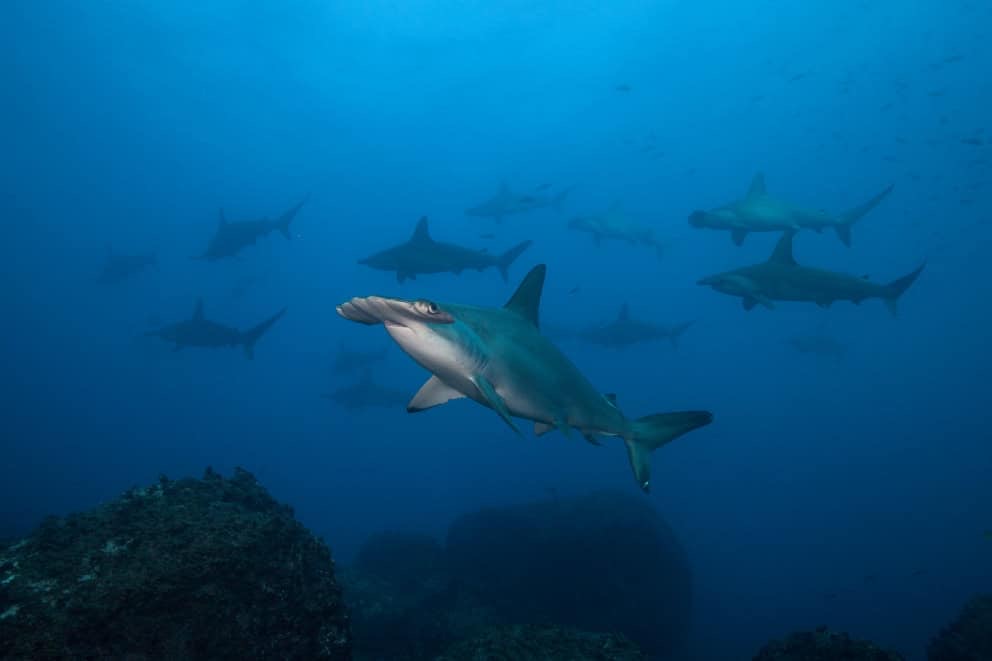
The Banda Sea can only be crossed by liveaboard, and only when the seasons allow. Schooling hammerheads over deep seamounts, the Spice Islands, and world-class muck diving at either end.
In October 2027 we're running two back-to-back Banda Sea crossings aboard the award-winning Coralia: join us for one, or combine both for the full month-long traverse from Alor to Raja Ampat.
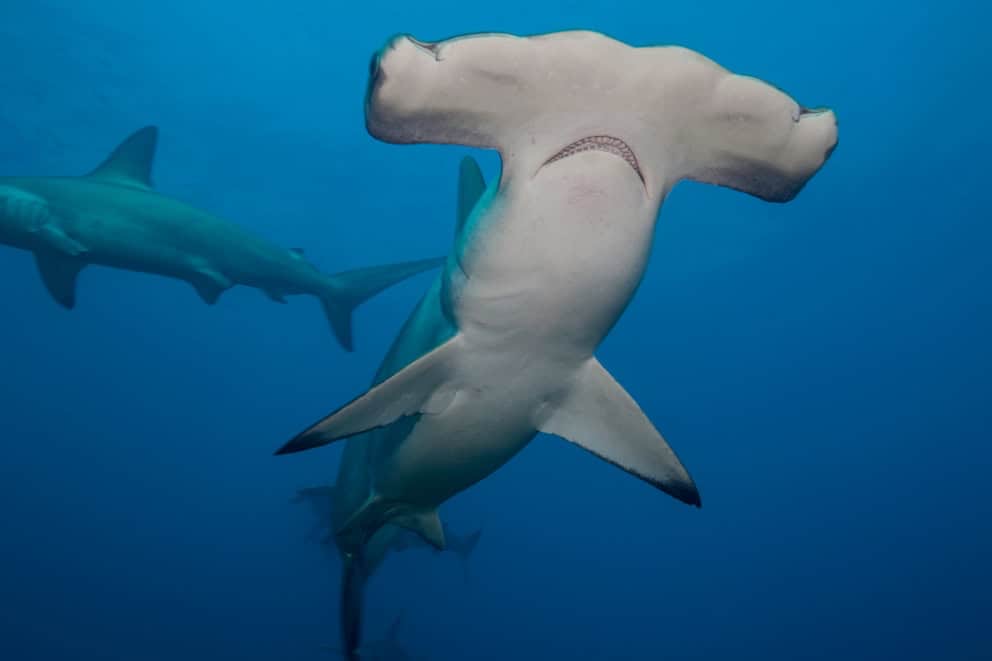
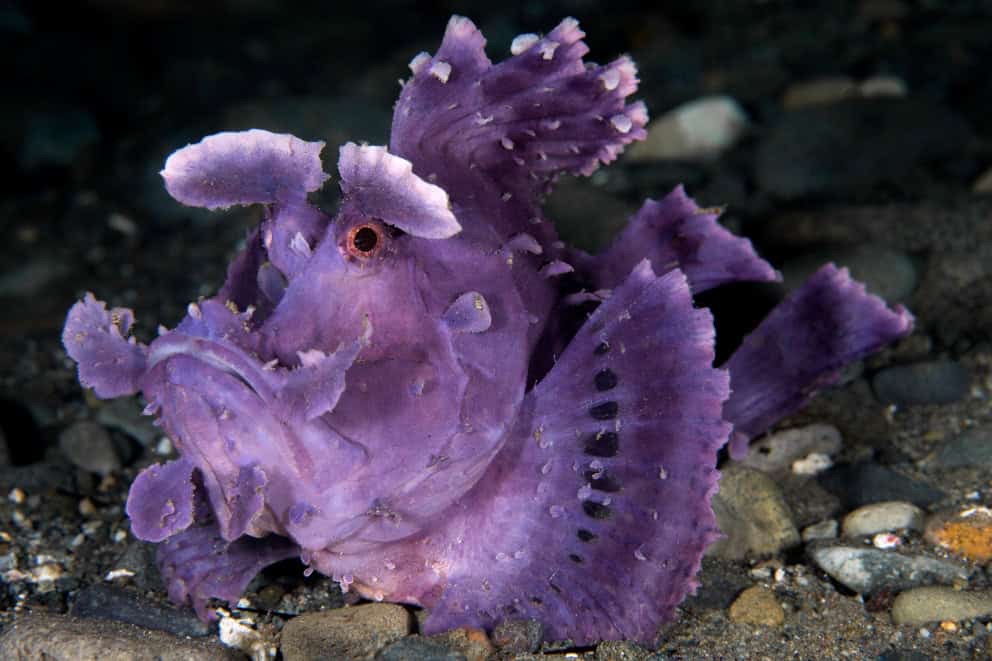
The Banda Sea is famous for deep walls, untouched reefs, and giant sponges in crystal-clear blue water, and it's now known for the chance to see schooling hammerhead sharks over seamounts rising from very deep water. Around it lie some of Indonesia's finest critter destinations: Alor's Kalabahi Bay and Ambon Bay, two of the best places on Earth to find the Holy Grail of fish, Rhinopias.
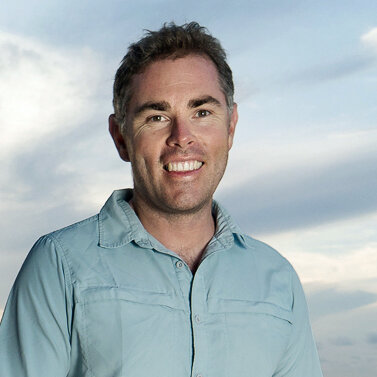 Dr Simon PierceExecutive Director
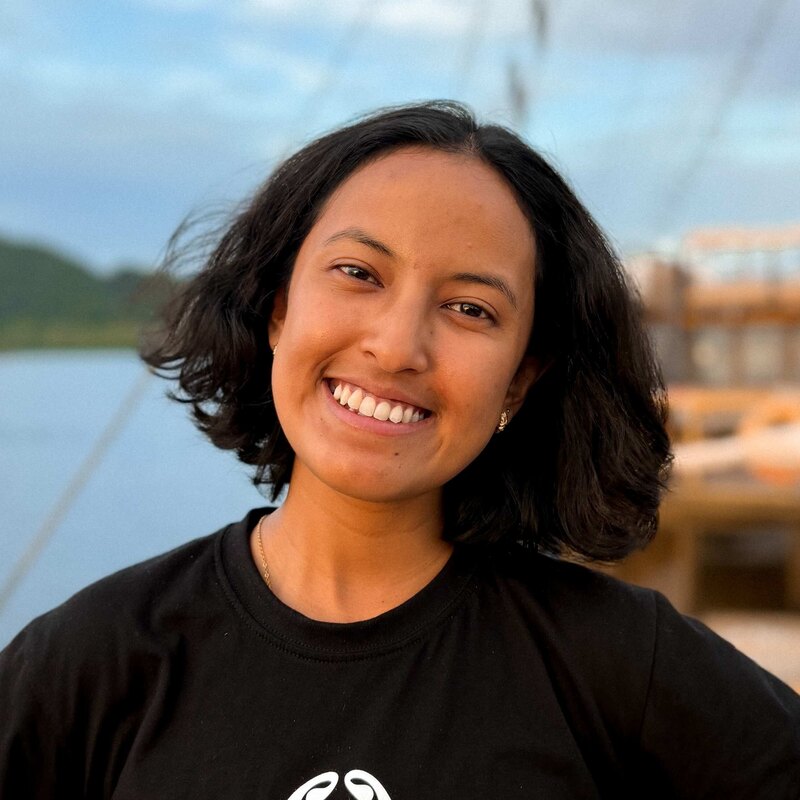 Janis ArgeswaraIndonesia Country Manager
Photos: Coralia Liveaboard
Two back-to-back crossings. Crossing 1 runs from Maumere through Alor and the Forgotten Islands to the Banda Islands and Ambon. Crossing 2 starts in Ambon and heads north to Raja Ampat. Join one, or both for the full month.
Approximate route · teal line: crossing 1, Alor to Ambon · pink dashed line: crossing 2, Ambon to Raja Ampat. Numbers match the stops.
Joining both crossings? There are three nights between them, October 18 to 21: ask us about arrangements. This is a sample itinerary, not a fixed plan: the cruise directors change the route day by day for weather, currents and wildlife.
National park and port fees are paid on board.
Fly into Maumere on Flores from Bali or via Jakarta. Airport transfers are included, and Coralia heads east toward Alor.
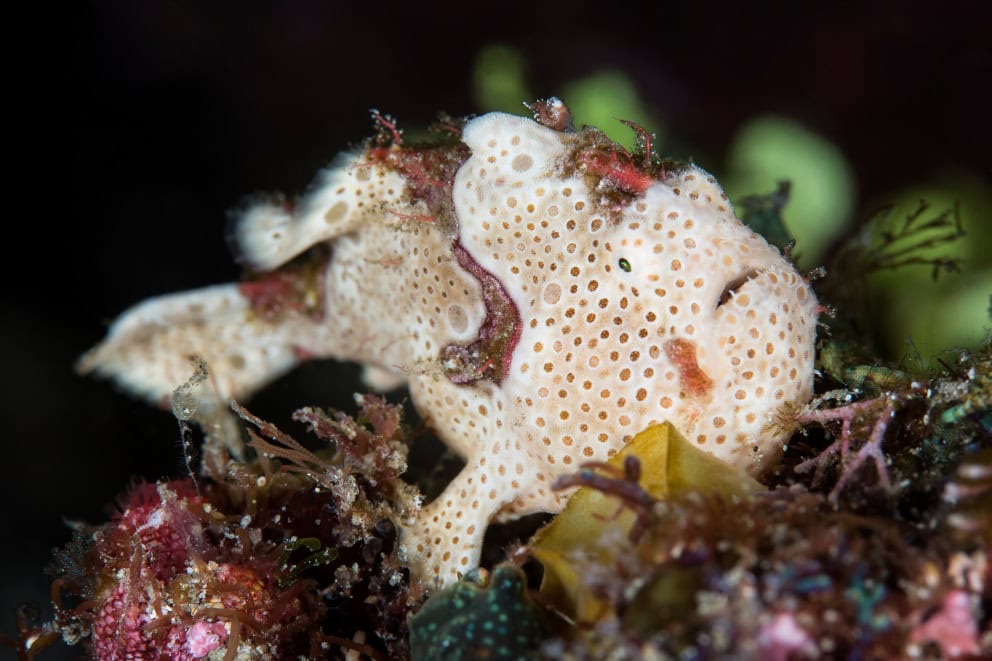
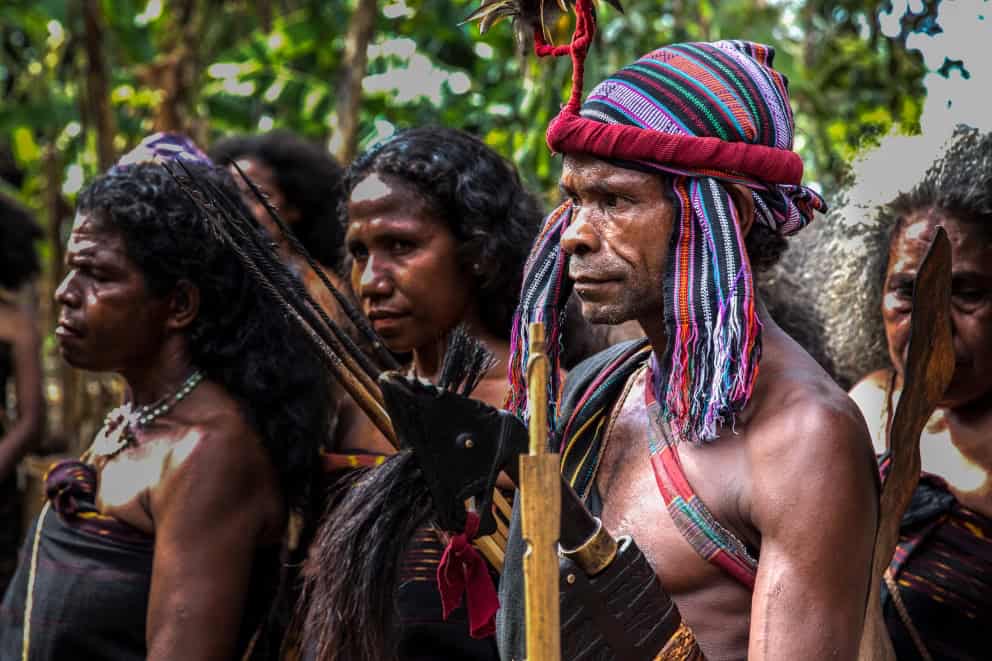
Colorful walls and hard coral gardens, village dives where children swim out in hand-made wooden goggles, and Kalabahi Bay's black-sand muck, one of the best places in the world to find Rhinopias. Time ashore with the Abui people.
Dive sites Kalabahi Bay · Pura · Kawula Look for Rhinopias · Frogfish · Ghost pipefish · Octopus
A remote arc of islands reachable only by liveaboard: overhanging walls draped in soft coral, hard coral gardens, and seamounts rising from very deep water where hammerheads school.
Dive sites Nyata · Nus Leur · Terbang · Damar · Dusborgh · Nil Desperandum Look for Schooling hammerheads · Pelagics · Giant sponges
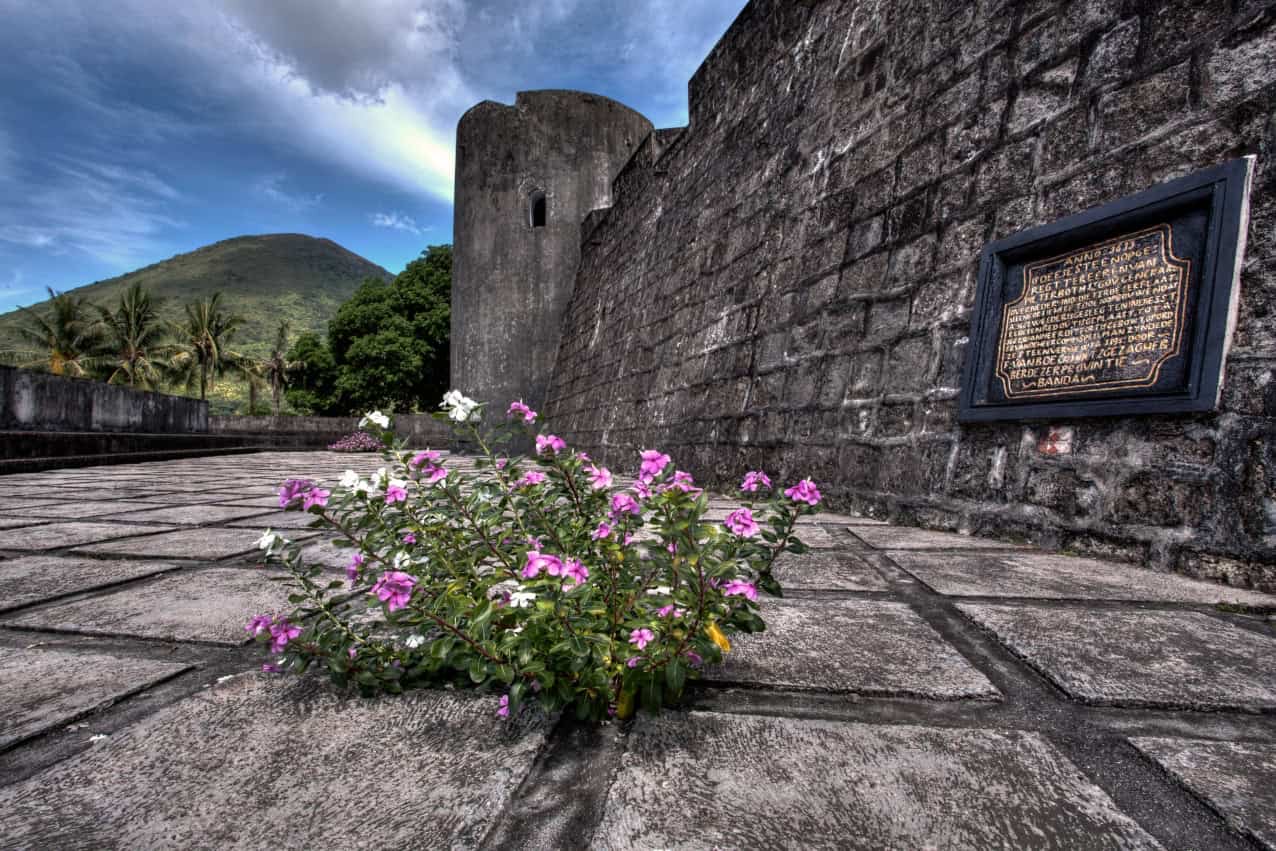
The original Spice Islands, with deep walls, seamounts, and fish-filled drifts, and a visit ashore to the museum, the old Dutch fort, and a nutmeg plantation. The pinnacle at Batu Kapal is covered in schooling pyramid butterflyfish and red-tooth triggerfish.
Dive sites Banda Neira · Batu Kapal Look for Hammerheads · Bumphead parrotfish · Napoleon wrasse
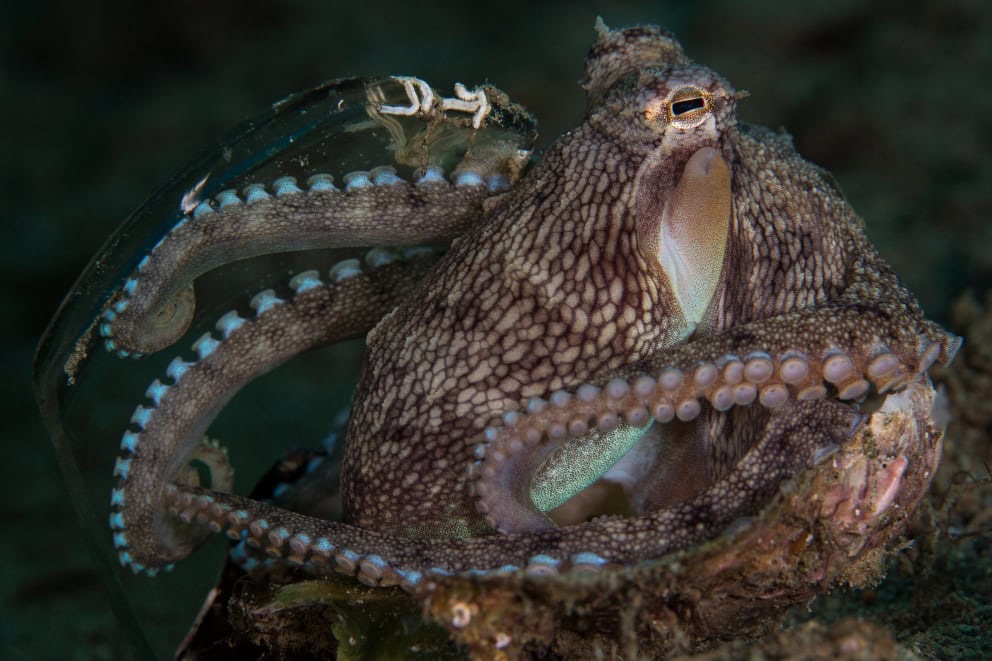
A world-class muck site and the changeover between crossings: Rhinopias, frogfish, mandarinfish, harlequin shrimps, and octopus from wunderpus to coconut to the night-hunting long-arm.
Look for Rhinopias · Mandarinfish · Mimic octopus
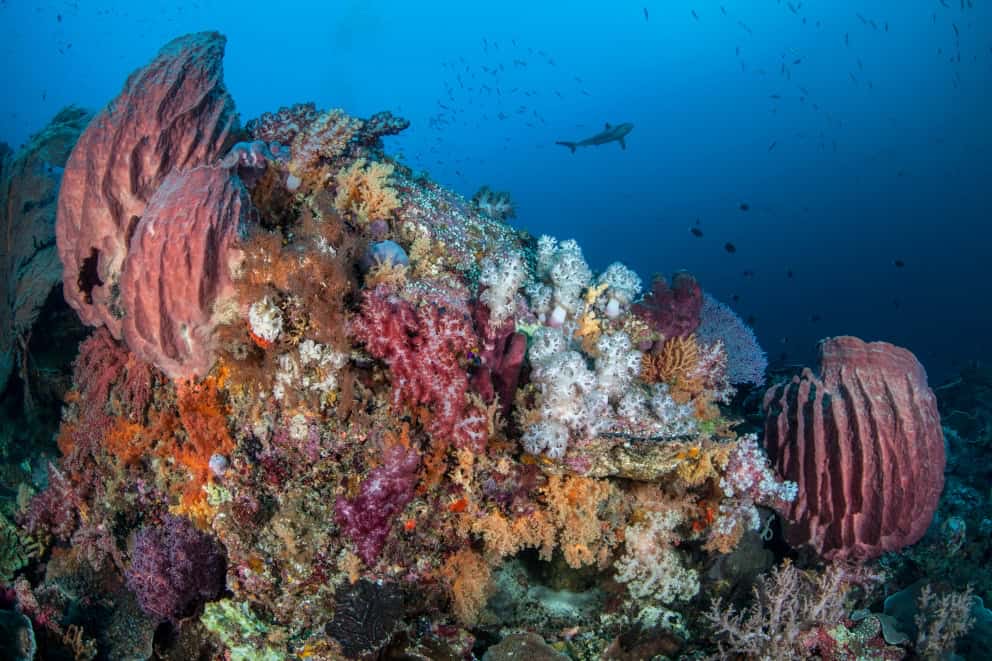
Eagle rays, schooling jacks, and the chance of hammerheads at Nusa Laut. Koon's signature dive site is called Too Many Fish.
Dive sites Amet Reef · Too Many Fish Look for Eagle rays · Schooling jacks · Groupers
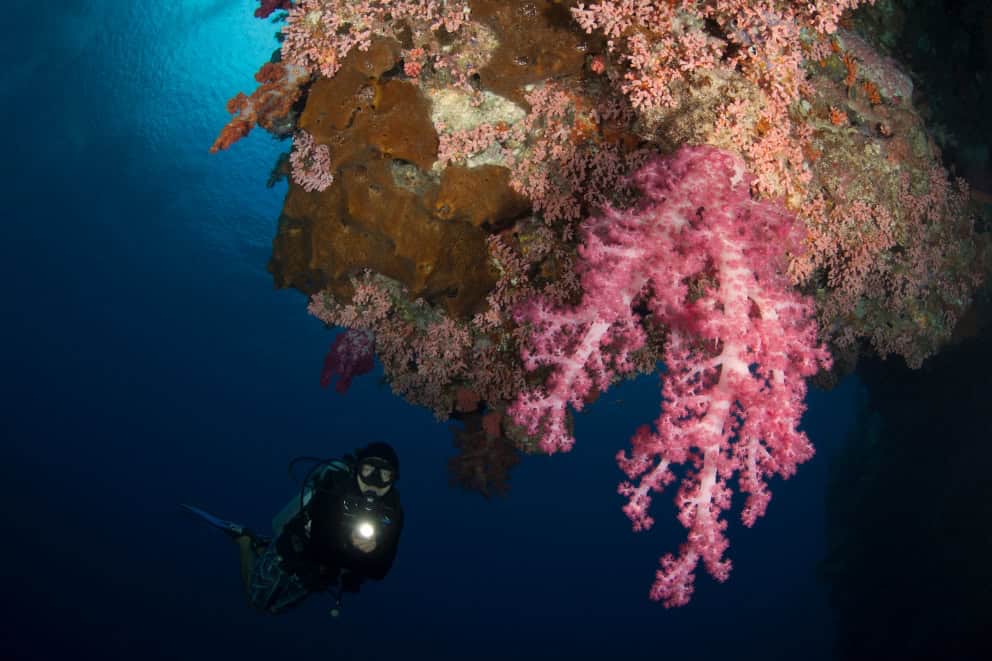
The crossing ends among the soft-coral reefs and karst islands of Raja Ampat, where marine surveys suggest coral reef biodiversity is the highest recorded on Earth, then disembarks in Sorong.
Look for Manta rays · Soft corals
Photos: Coralia Liveaboard
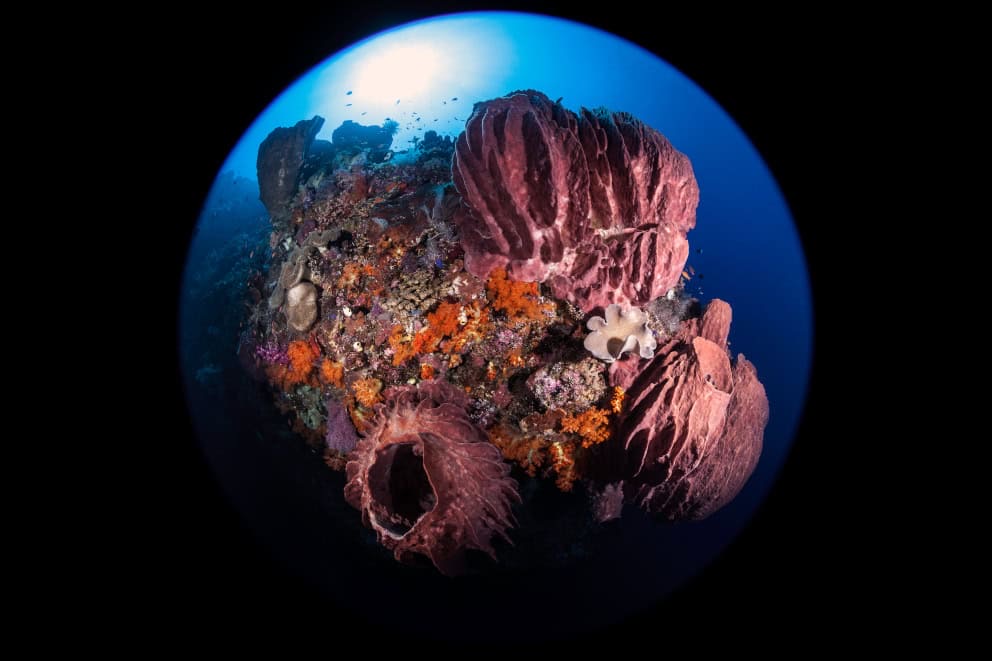
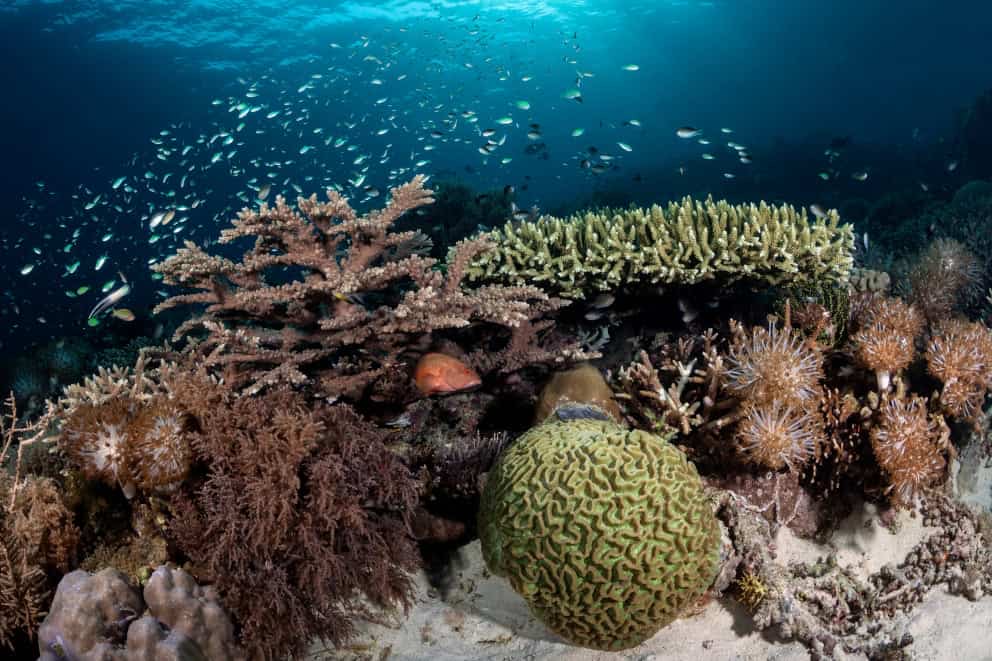
Photos: Coralia Liveaboard
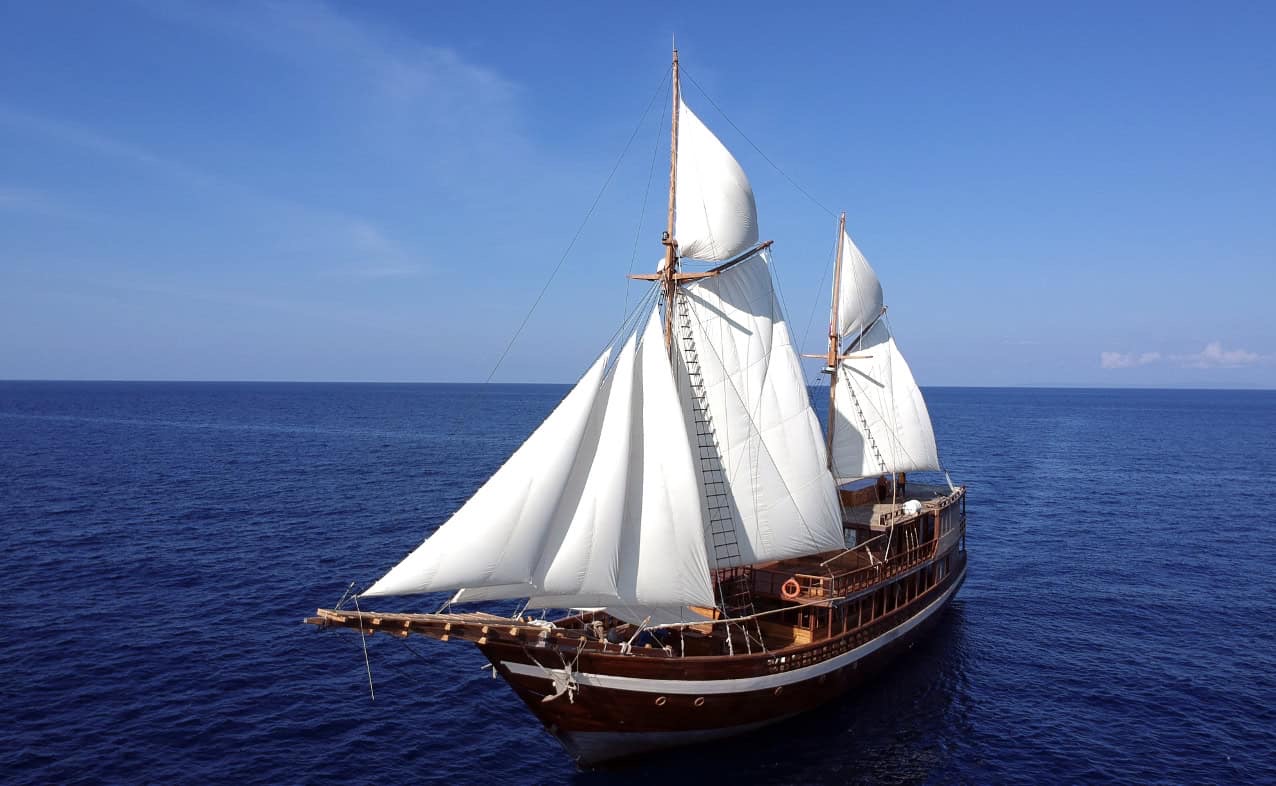
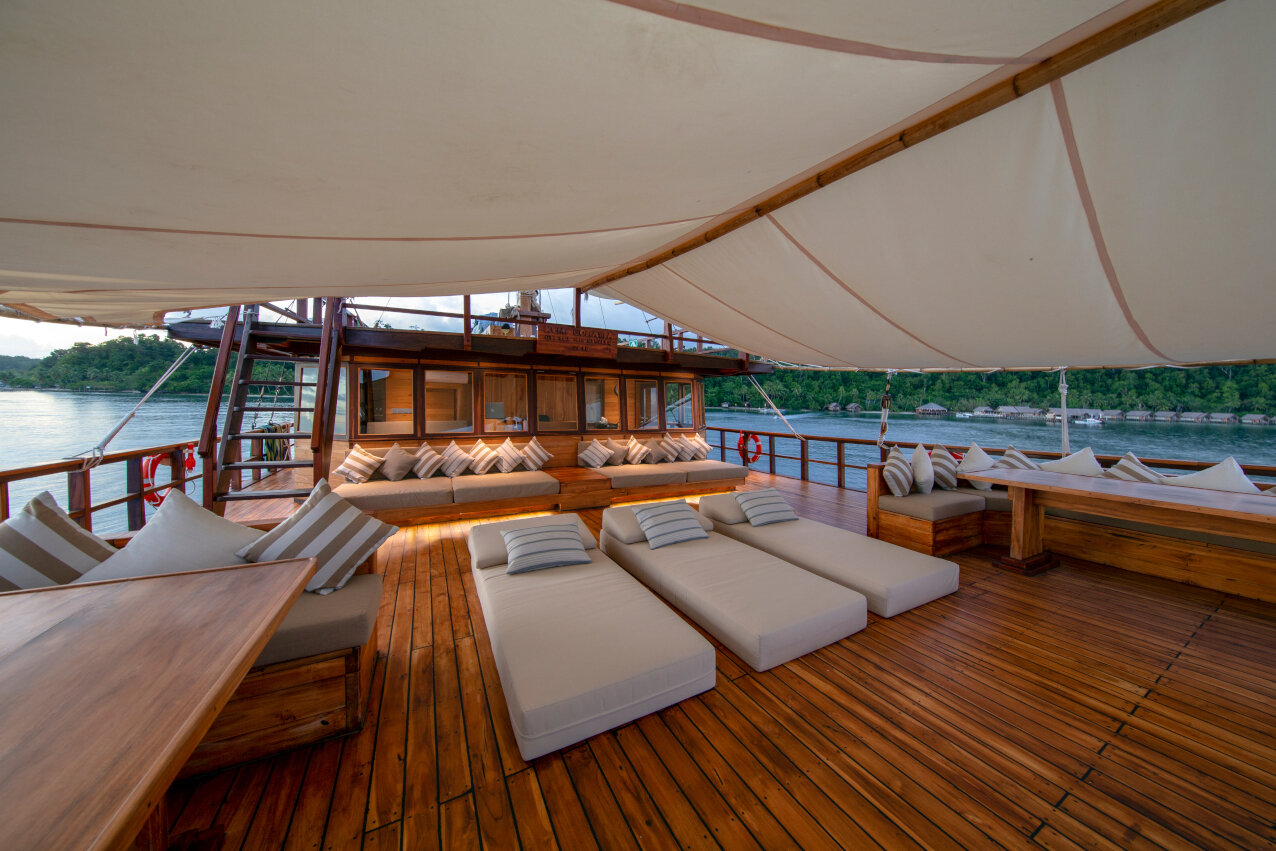
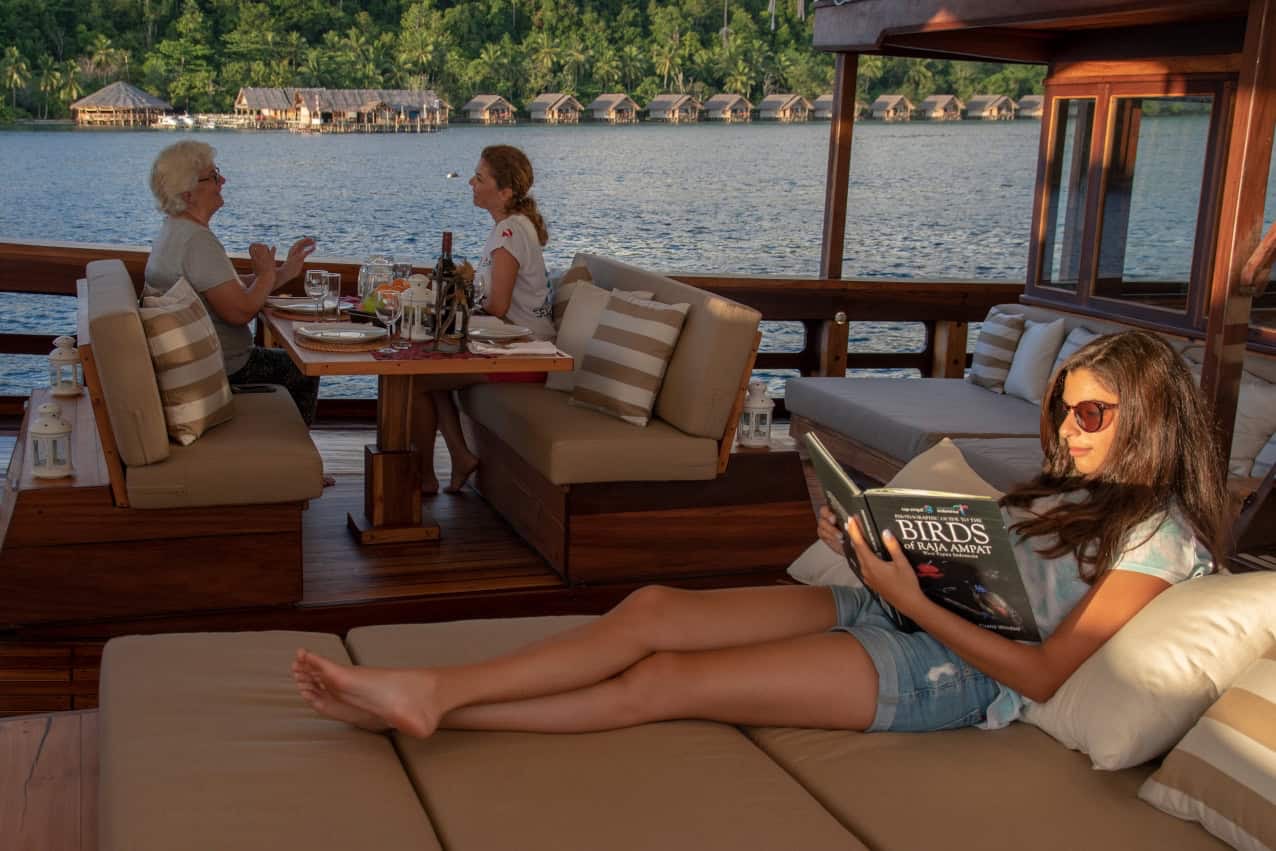
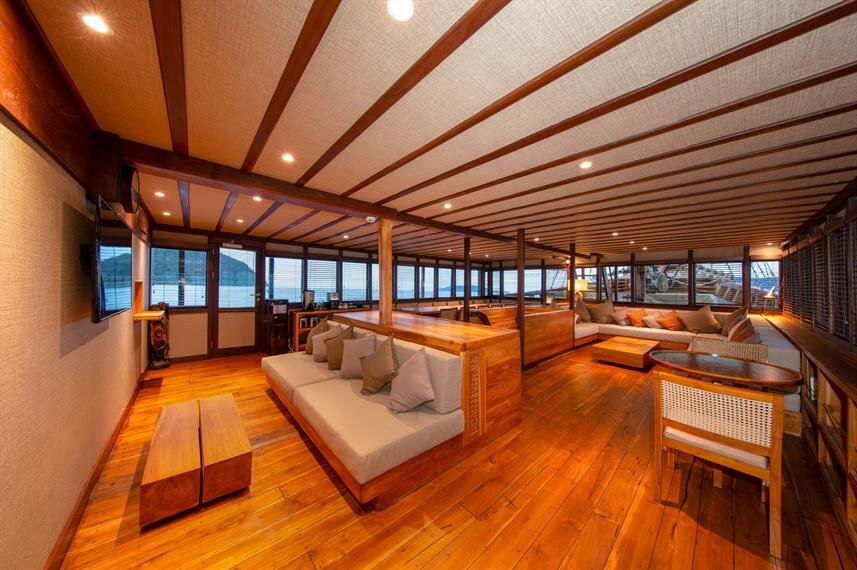
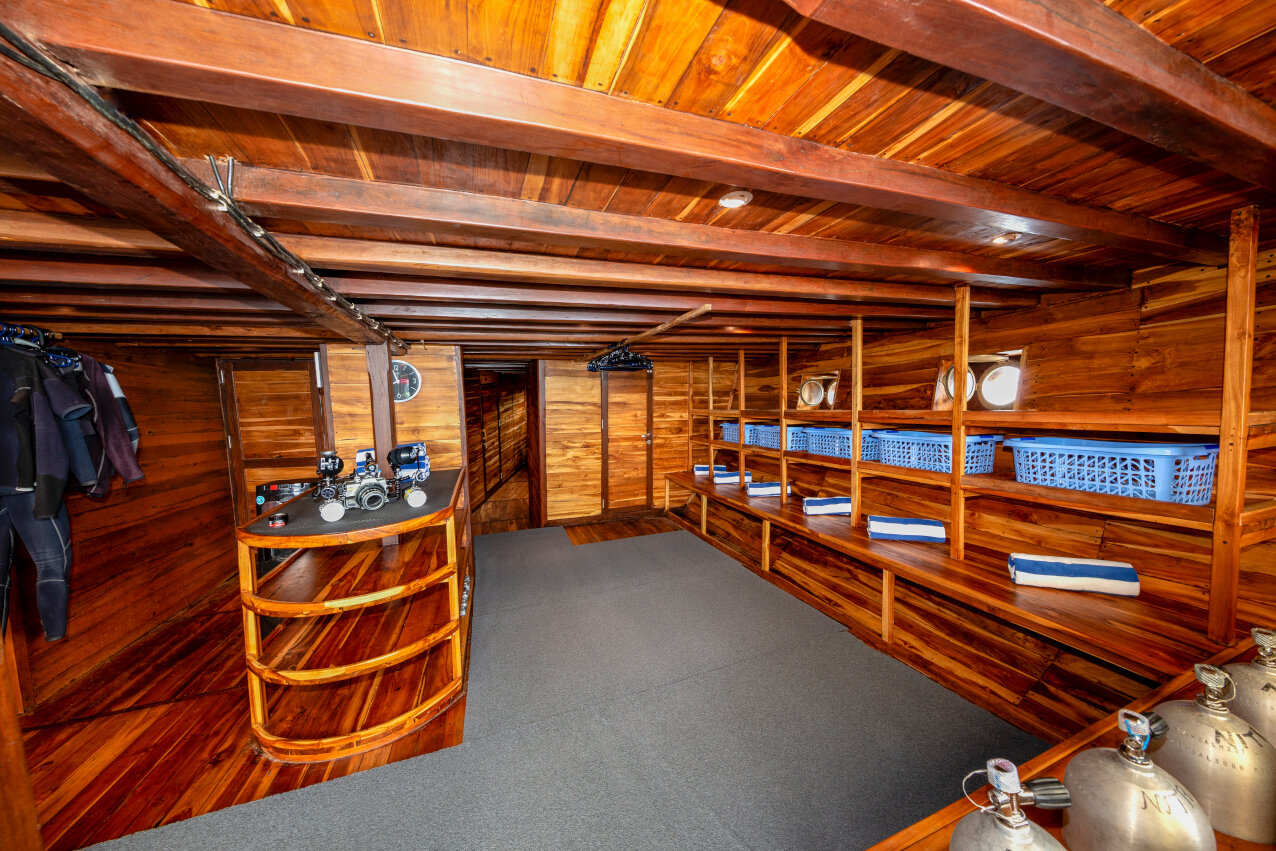
A classic wooden phinisi built for diving and run by cruise directors Debbie and Jerry Arriaga. At 48 meters (157 feet), she has eight cabins, each named after a coral species, one of them kept for the MMF host, so our trips carry 14 guests, with 20 crew: more than one crew member for every guest. The main deck holds an air-conditioned lounge and restaurant and a dedicated camera room, with a large sun deck above, and satellite WiFi is free when coverage allows.
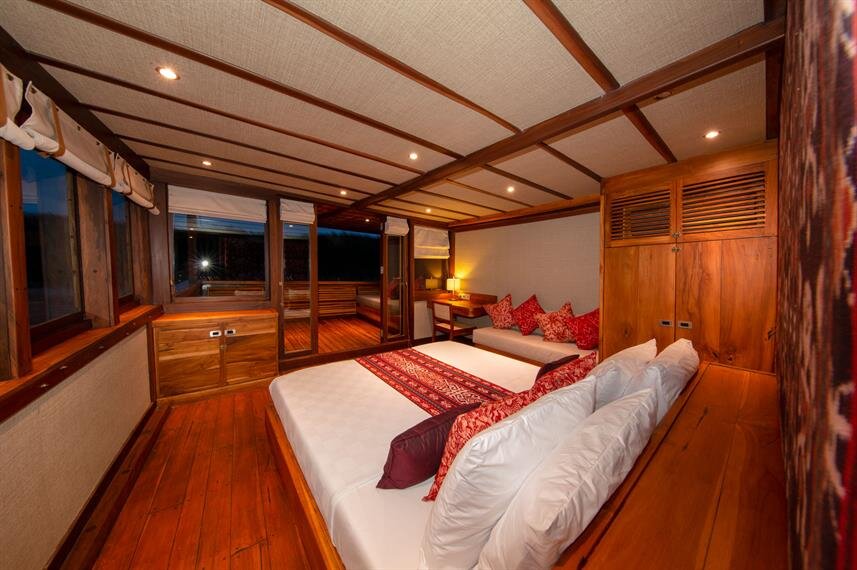 Master cabinFour cabins, 30 m² (323 sq ft), on the main and upper decks, each with a private balconyUS$9,600 per person, each crossing
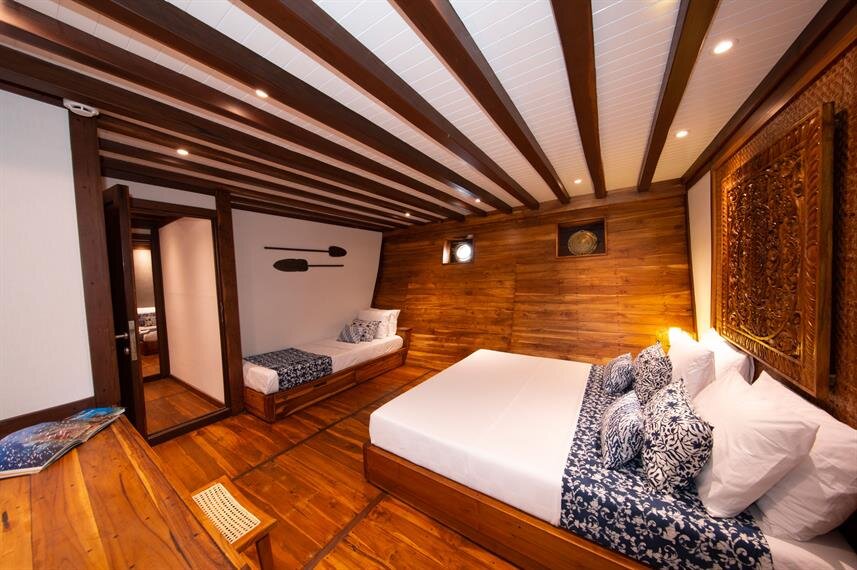 Lower deck doubleTwo cabins, 24 m² (258 sq ft), with a double bed; each converts to sleep threeUS$8,400 per person, each crossing
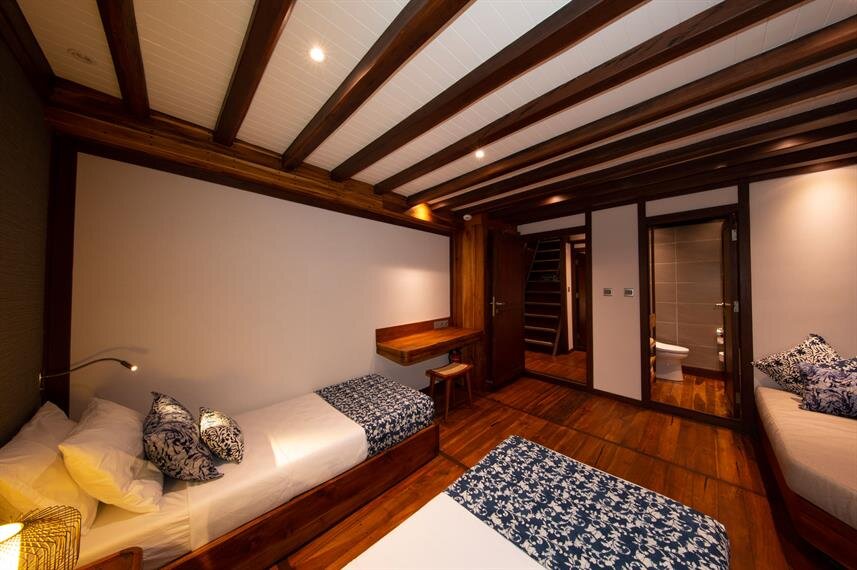 Lower deck twinTwo cabins, 22 m² (237 sq ft), two single beds, suited to friends or solo travelers sharing a cabinUS$8,400 per person, each crossing
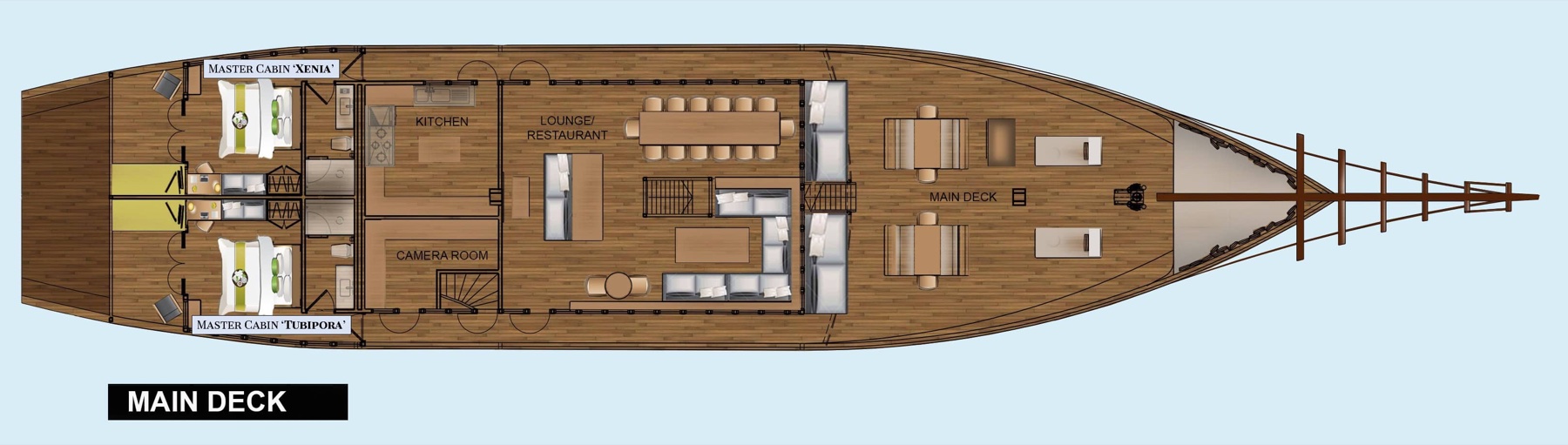
Photos: Coralia Liveaboard
The Marine Megafauna Foundation is a globally recognized marine conservation non-profit, protecting the most endangered ocean giants and the habitats they call home since 2009.
Our vision is a future where marine megafauna are treasured and protected. Our mission is to protect marine megafauna and their key habitats through research, education, and conservation.
Our work began in 2003, when Dr. Andrea Marshall started her doctoral research on manta rays in Mozambique. Dr. Simon Pierce joined her at Tofo in 2005 to establish a whale shark research program, and Tofo remains our long-term base. MMF was registered as a nonprofit organization in the United States in 2012.
In the years since, our team has authored more than 200 scientific publications on marine megafauna, and that research has been put to use. It has contributed to the national protection of manta rays and whale sharks in several countries, including Indonesia, Mozambique, and Tanzania. MMF scientists also led the technical work that placed the reef manta ray, the oceanic manta ray, and the whale shark on Appendix I of the UN Convention on Migratory Species.
In Indonesia, where we have worked since 2012, more than 2,300 individual reef manta rays have been identified across our sites, principally at Nusa Penida and in Komodo National Park.
National staff lead our programs, and locally registered organizations carry the work: Associação Megafauna Marinha in Mozambique, Yayasan Megafauna Laut in Indonesia, and an independent partner organization in Madagascar.
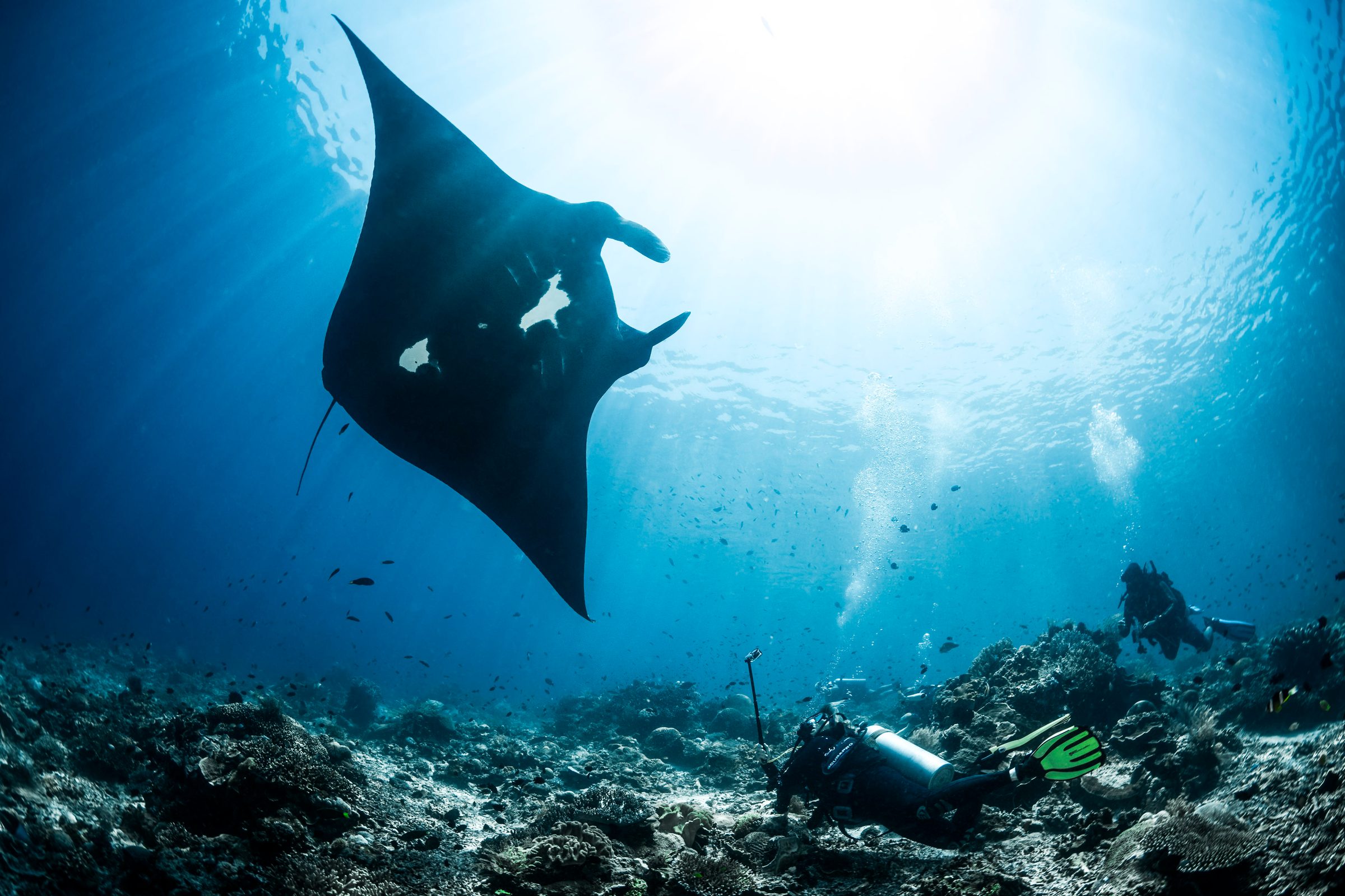
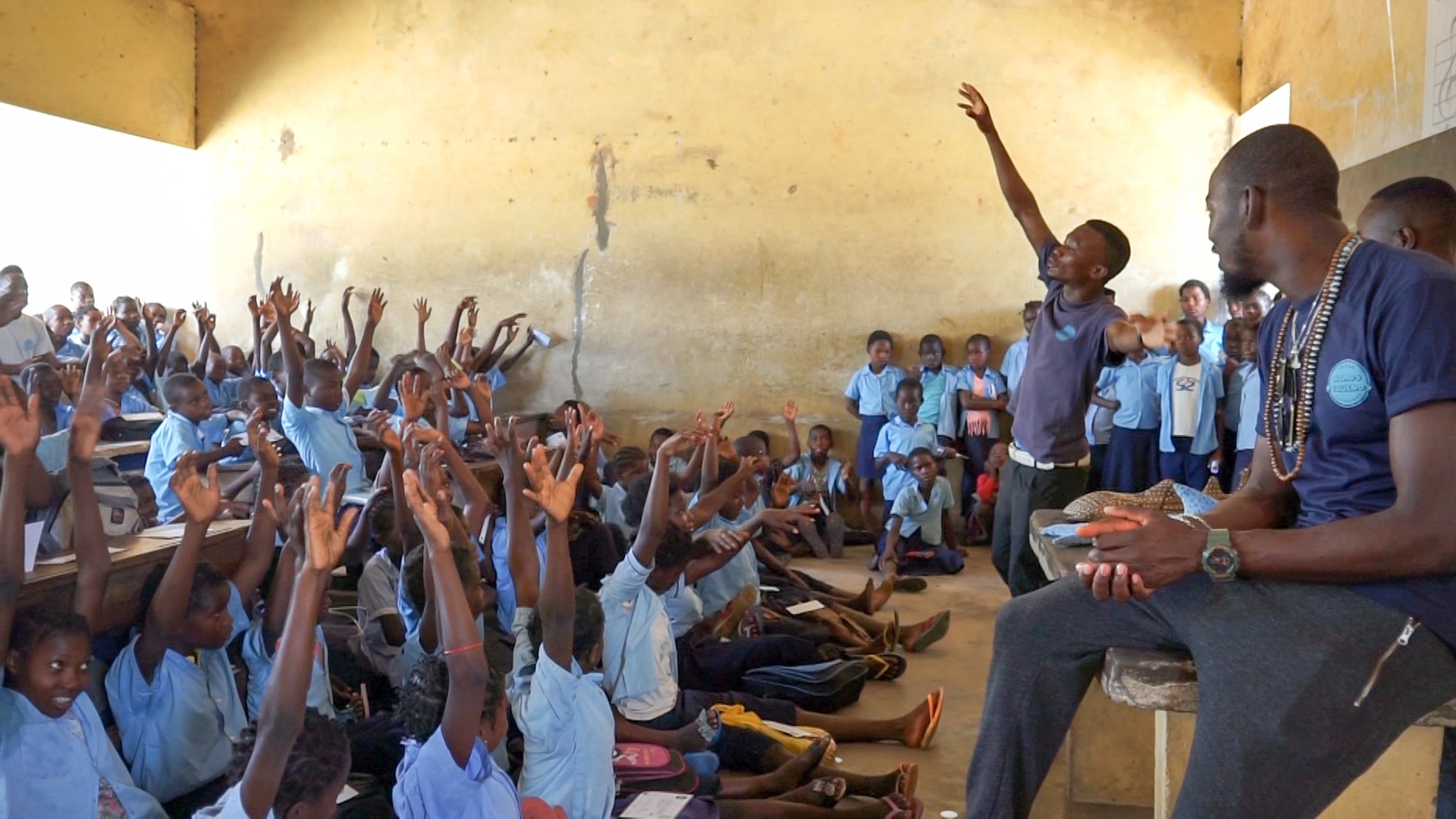
Every MMF expedition is hosted by a working marine scientist, who shares the latest research and conservation discoveries about the animals you'll see. Across the voyage your host gives a series of evening presentations — on the animals we're looking for, how they're studied, what the current research actually shows, and the threats these populations face. There's time to ask the questions you never get to ask a researcher in person, and photography guidance for anyone who wants to come home with better images.
Your photographs do real work. Whale sharks and manta rays can be identified individually by their natural markings — the spot patterns on a whale shark's flank, the markings on a manta's underside — the same way a fingerprint identifies a person. Guests are shown how to take an identification shot, and the photographs taken during the trip are contributed to the global photo-identification databases that researchers around the world draw on. Sightings you record become part of the long-term record for that population.
Marine Megafauna Foundation is a registered 501(c)(3) non-profit. Our expeditions exist to bring people into contact with these animals and send them home understanding them — and 100% of the profit supports MMF's research, education, and conservation work.
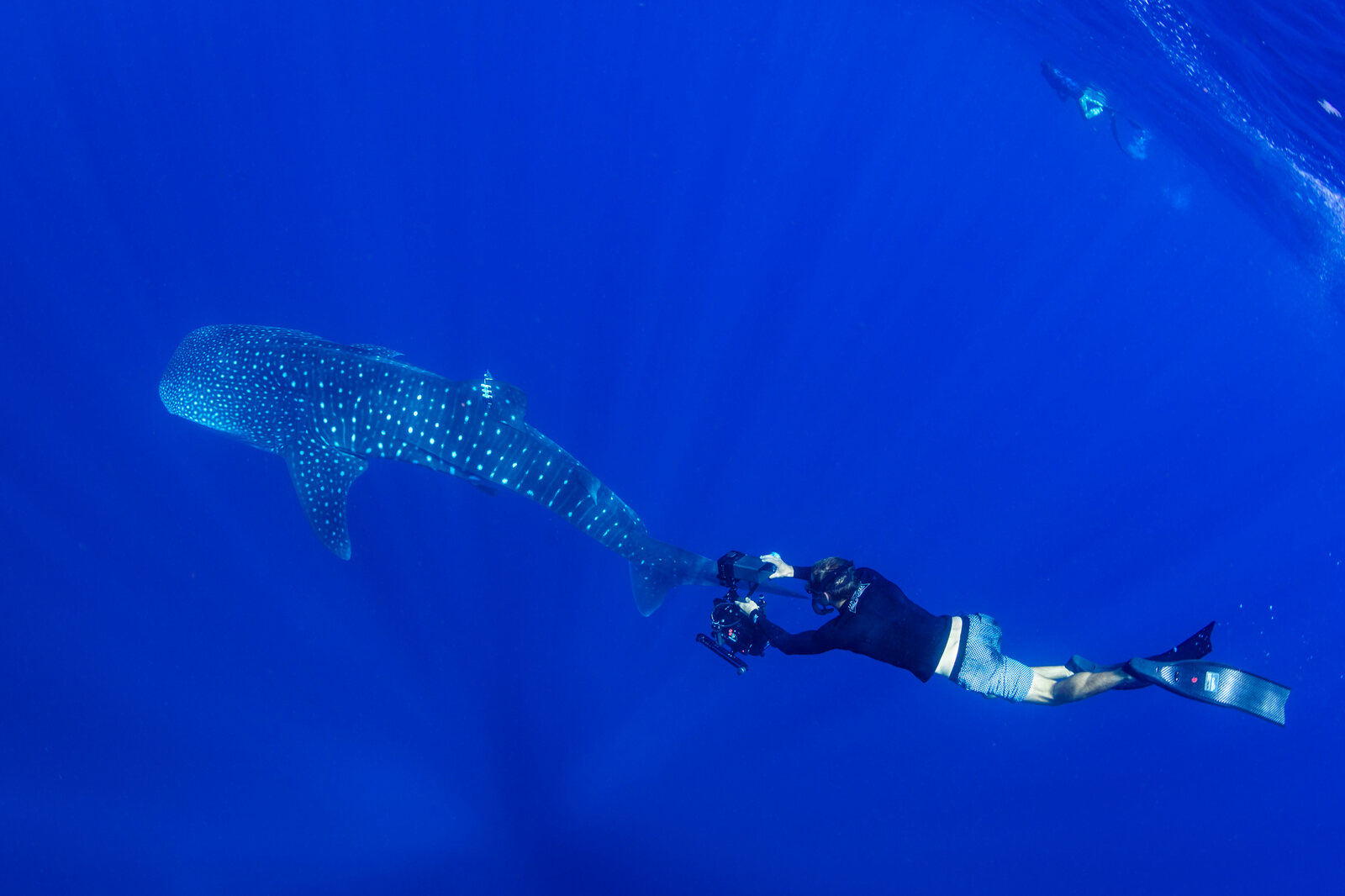
Our expeditions are small-group trips hosted by MMF scientists, and they support this work.
Dr. Pierce founded MMF's flagship Global Whale Shark Program. His work on the population ecology and management of this iconic species has made him the world's top whale shark conservation biologist.
In Indonesia, a two-year Research Assistant program trains early-career marine scientists. Janis Argeswara, MMF's first Indonesian intern, later earned a Fulbright scholarship to Florida International University, where she completed a master's degree on the reef manta rays of Nusa Penida. She now leads the national program.
Crossing 1 boards in Maumere (MOF) on Flores, reached from Bali or via Jakarta. Crossing 2 boards in Ambon (AMQ) and finishes in Sorong (SOQ), where the harbor is about 10 minutes from the airport. Airport transfers are included.
National park and port fees are paid on board. Inquire with no commitment. A 30% deposit and the completed terms and conditions form confirm your place, and the balance is due 120 days before departure. Travel insurance is required.
Certified divers of all experience levels are welcome, and each dive guide leads no more than four guests. Snorkelers are welcome too, and the Cenderawasih Bay whale sharks are seen at the surface.
Some sites have currents and depth, so recent diving helps you get the most from them. Tell us your certification, logged dives, and when you last dived when you inquire, and we will confirm the trip suits you. Courses, including Advanced Open Water and Nitrox, can be arranged on board if you book them ahead.
Personal dive-accident insurance that includes emergency evacuation (Divers Alert Network is recommended) is required for every certified diver. Our trip terms and conditions also require comprehensive travel insurance covering trip cancellation and interruption, overseas medical expenses, and emergency evacuation: these trips run in remote places where medical care is scarce, and MMF cannot help with canceled flights or lost luggage.
Nitrox is free for certified Nitrox divers, and tanks, weights, and belts are included. Full rental gear is available (BCDs, regulators, wetsuits, computers, fins, masks, torches, and SMBs); reserve it before the trip.
Contact the boat straight away. Depending on the itinerary and where the boat is, the crew will do everything possible to help you join. Plan a spare day either side for international flights; the last full day ends with two morning dives, finished around 1 pm, so you can fly safely.