 Photo: Coralia Liveaboard
Liveaboard expedition with MMF scientists
Cenderawasih Bay
- Cenderawasih Bay8 – 18 August 2028
- Cenderawasih Bay to Sorong20 August – 1 September 2028
From US$7,500 per person
Photo: Coralia LiveaboardLiveaboard expedition with MMF scientists
From US$7,500 per person
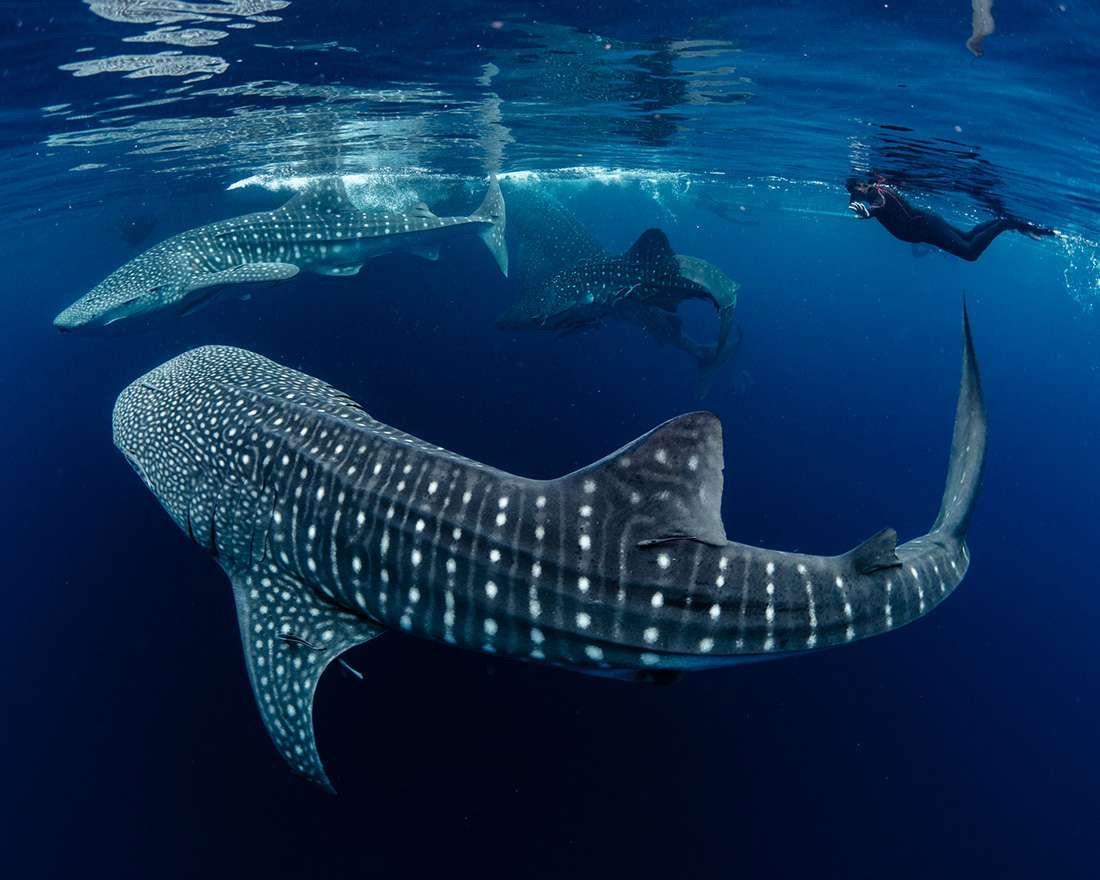
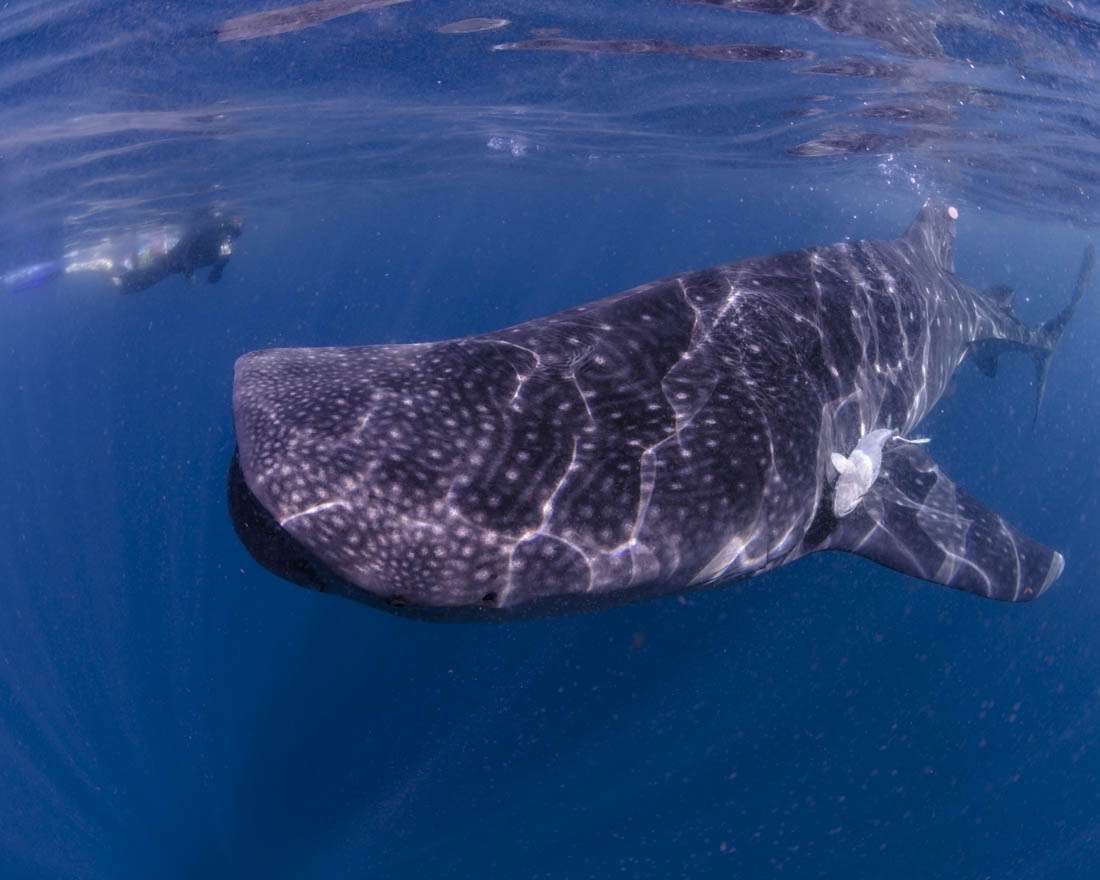
Close encounters with the whale sharks of Kwatisore Bay, hosted by one of the world's leading whale shark scientists. WWII wrecks, endemic reef fish, and a coast very few divers ever see.
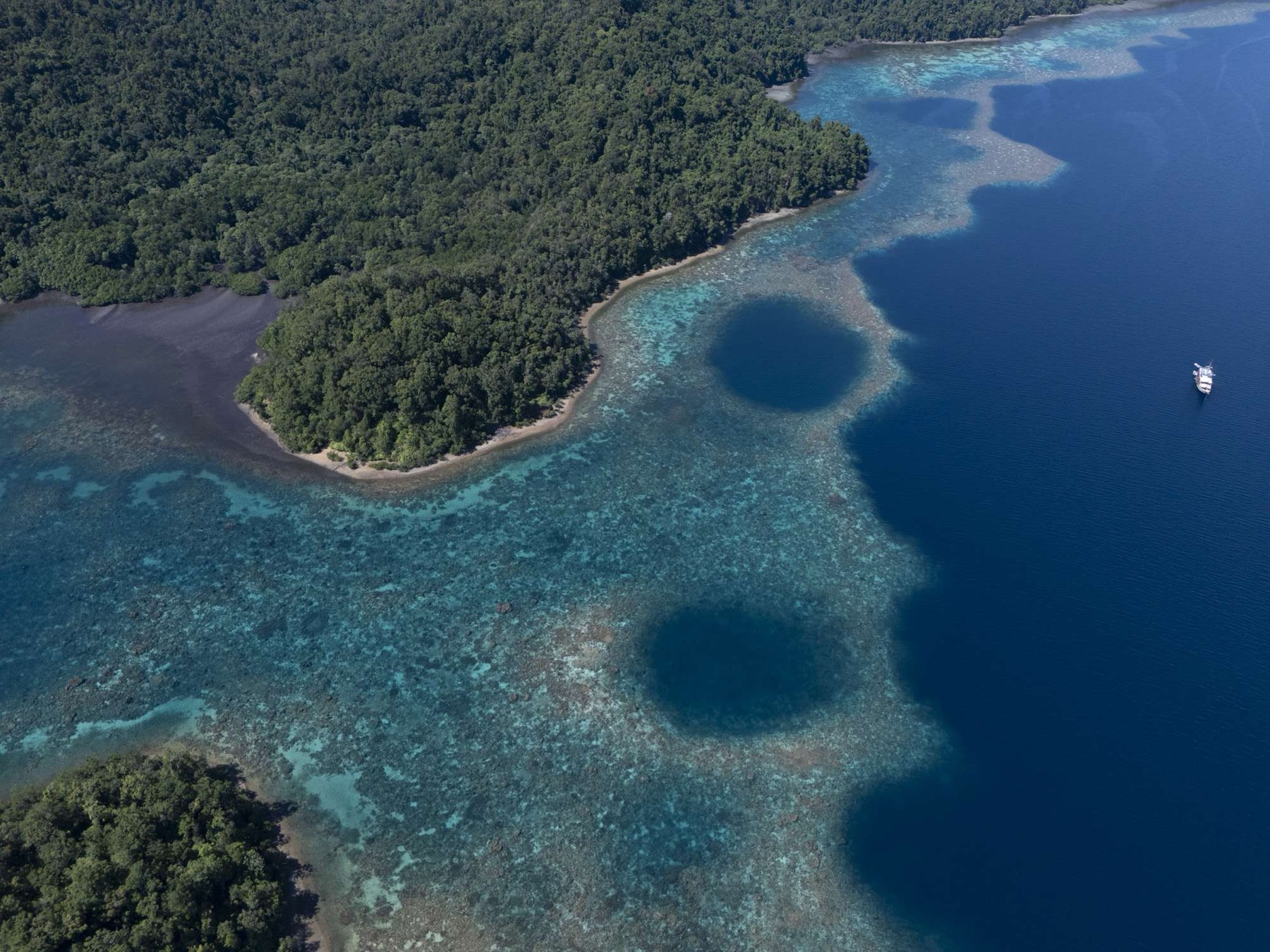
Cenderawasih Bay, home to Indonesia's largest marine national park, is one of the most remote corners of the Bird's Head Seascape: the same region as Raja Ampat, but visited by far fewer liveaboards.
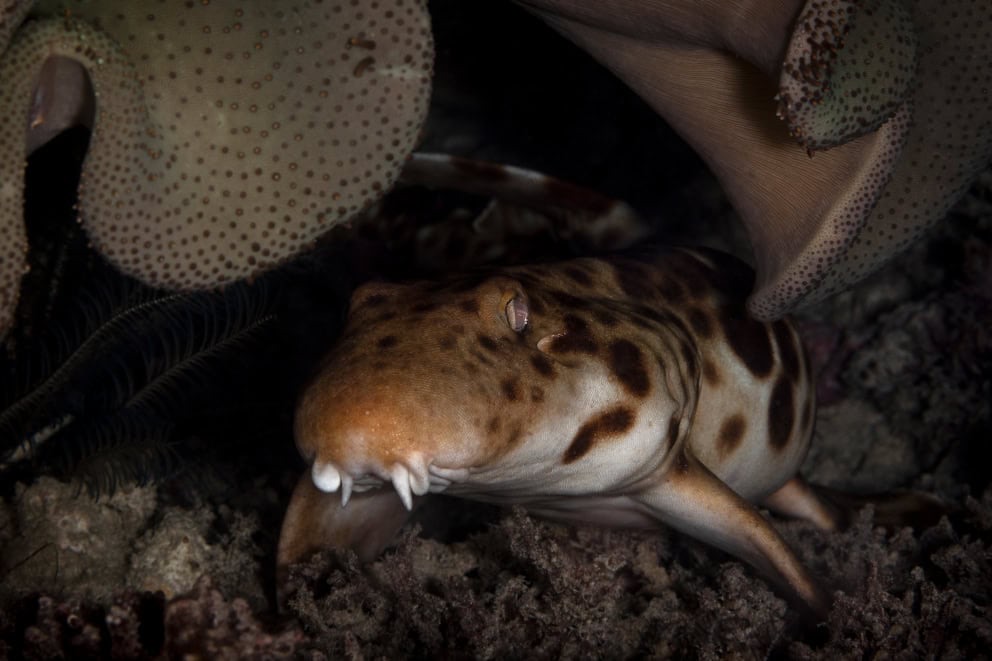
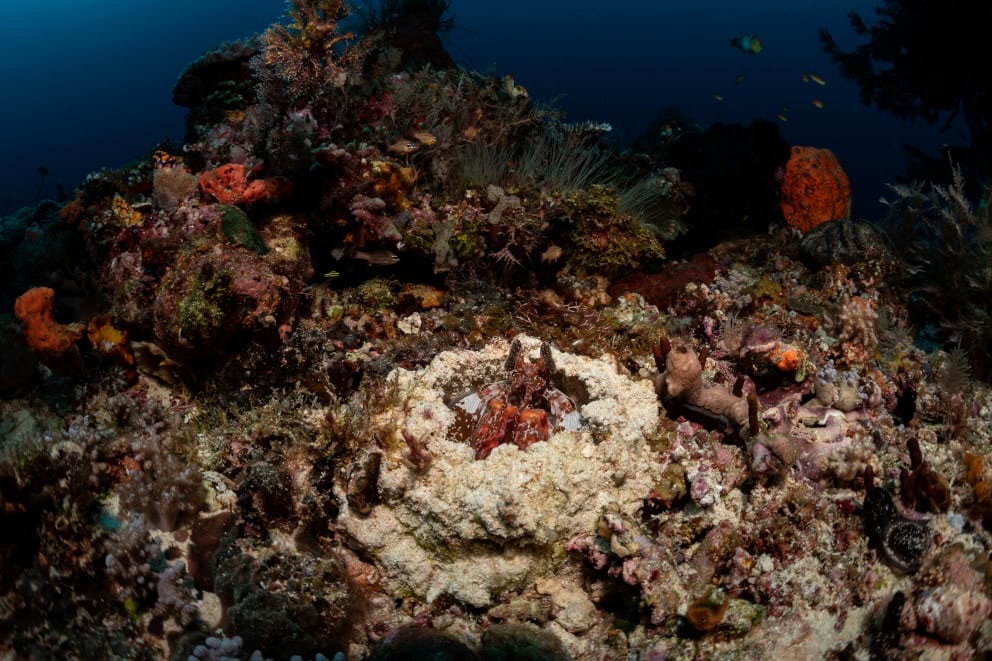
This entire area is unspoiled, with a very small population and many parts uninhabited. More than 500 species of coral have been recorded in the bay, including some of the healthiest hard coral gardens anywhere, and its long isolation has produced fish found nowhere else on Earth: endemic species like Walton's flasher wrasse, Cenderawasih's own damselfish, and a dottyback all await sharp-eyed divers. And then there are the whale sharks.
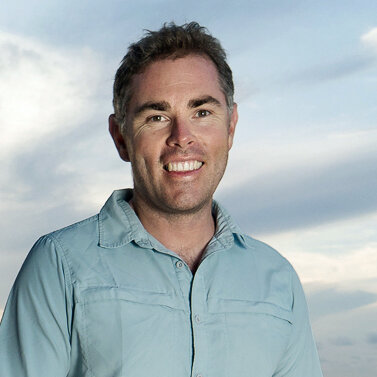 Dr Simon PierceExecutive Director
Photos: Coralia Liveaboard
Trip 1 runs 10 nights from Manokwari and back. Trip 2 runs 12 nights from Manokwari west along the Bird's Head coast to Sorong.
Approximate route · pink dashed line: trip 2 to Sorong. Numbers match the stops.
This is a sample itinerary, not a fixed plan: the cruise directors change the route day by day for weather, currents and wildlife.
National park, port and fuel fees (US$410 per person) are paid on board.
Fly into Manokwari, where the harbor is about 20 minutes from the airport. The harbor holds coral-covered Japanese World War II wrecks: a large freighter and a former coastal patrol boat.
Dive sites Manokwari wrecks
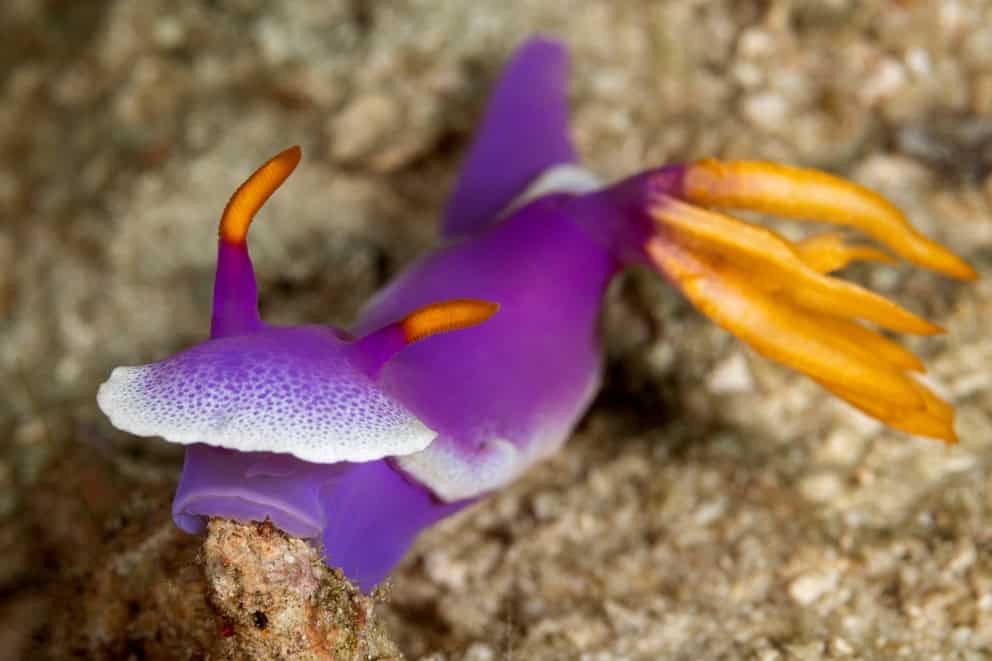
Reef and critter sites with the first chance at the bay's endemics, including Walton's flasher wrasse, plus fusiliers, barracuda, and reef sharks.
Look for Endemic flasher wrasse · Barracuda · Reef sharks
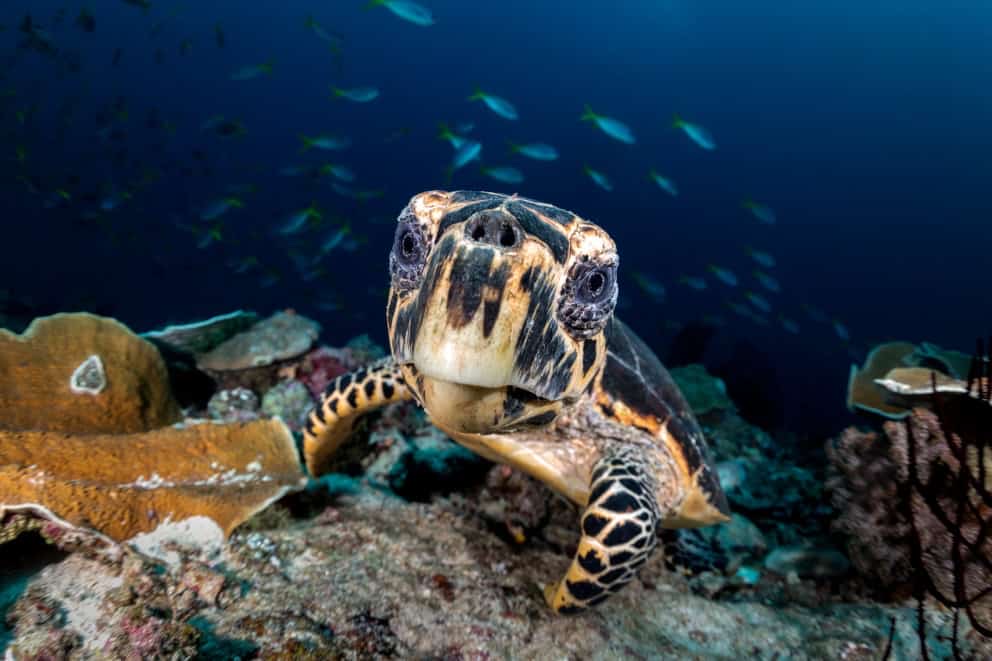
Hard coral ridges and soft coral walls at Roon, where a waterfall drops onto the beach. Pulau Rippon has a World War II plane wreck and another endemic, Caitlin's dottyback.
Dive sites Roon · Pulau Rippon Look for Bumphead parrotfish · Turtles · Plane wreck
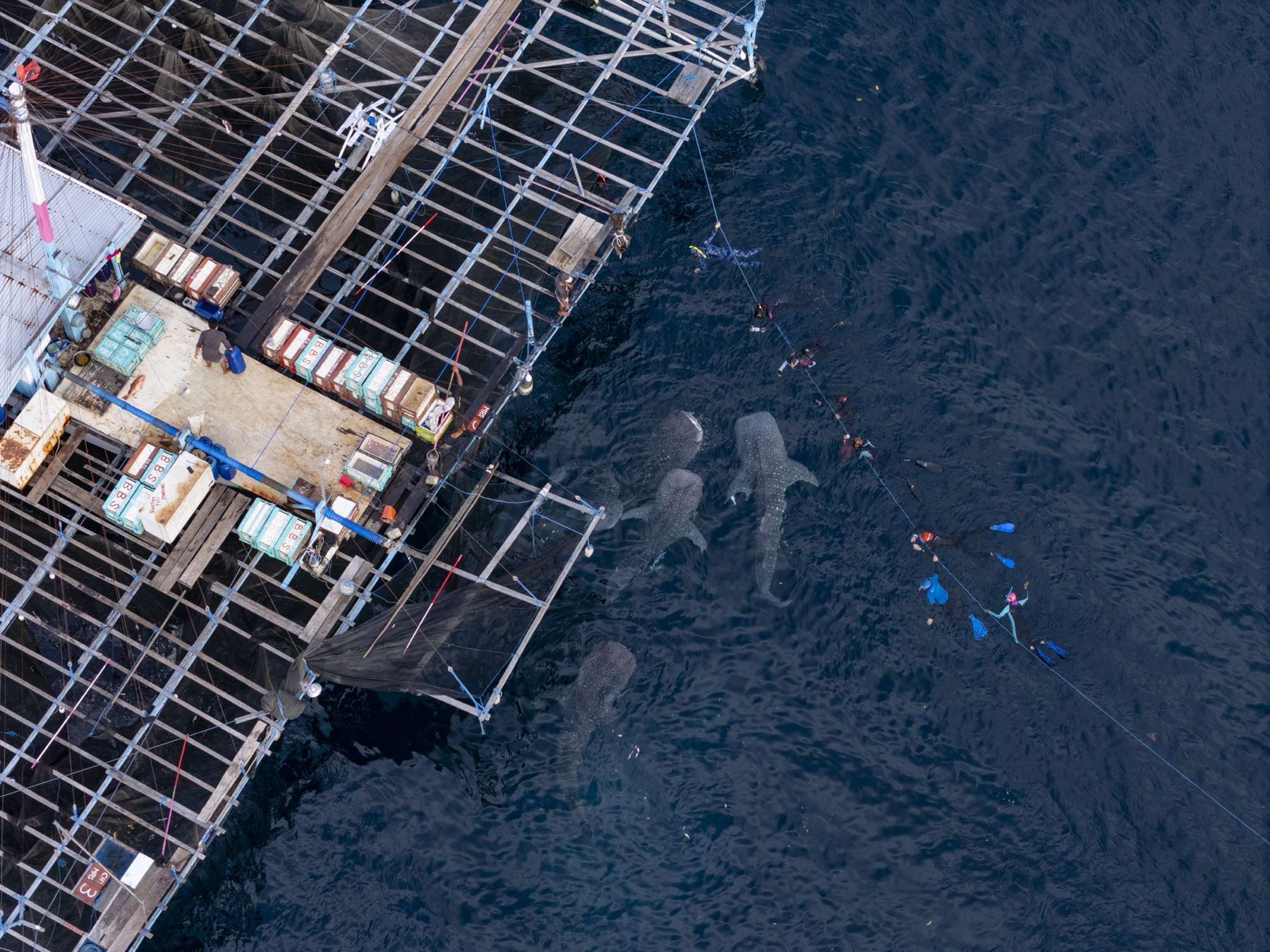
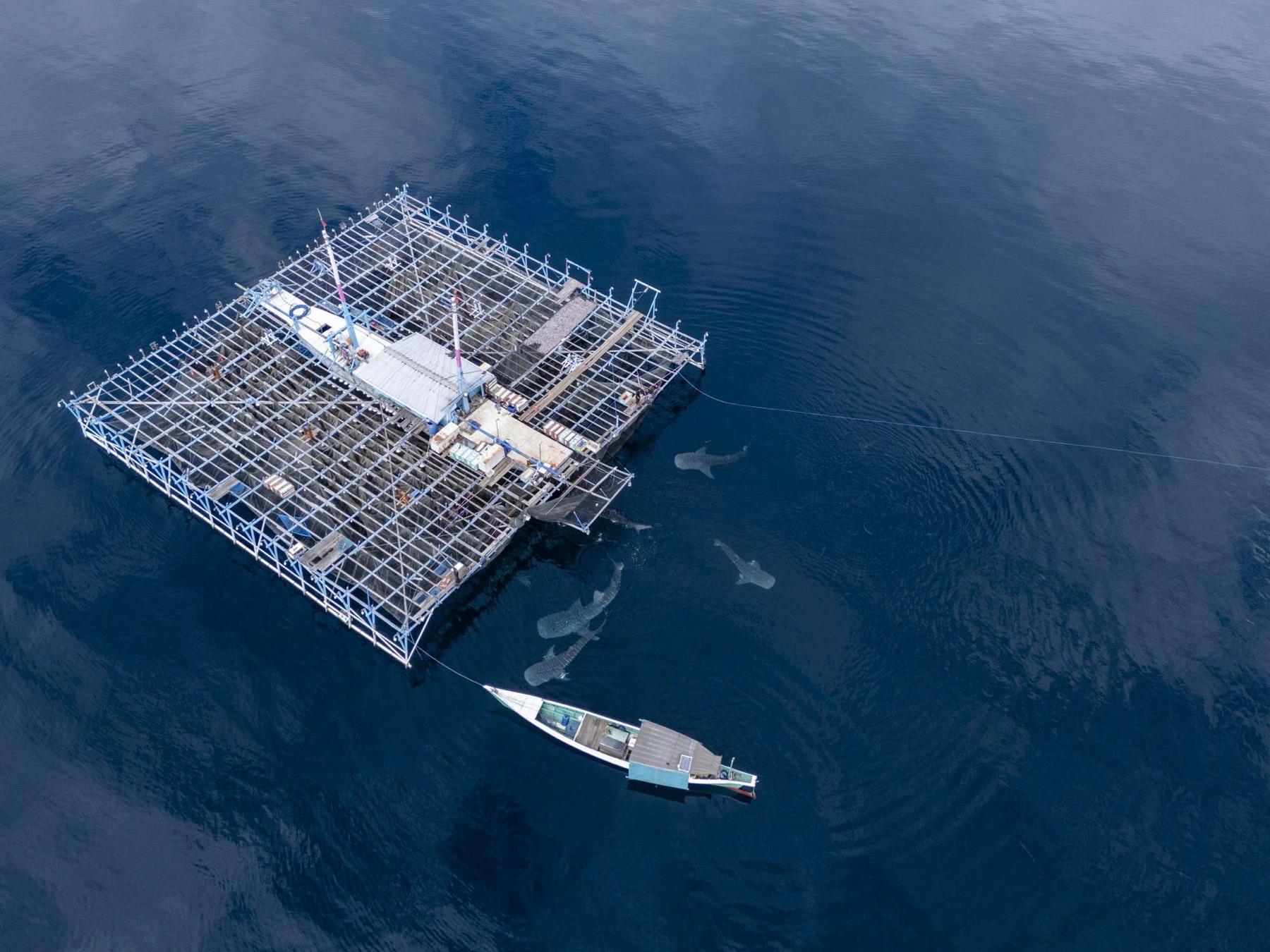
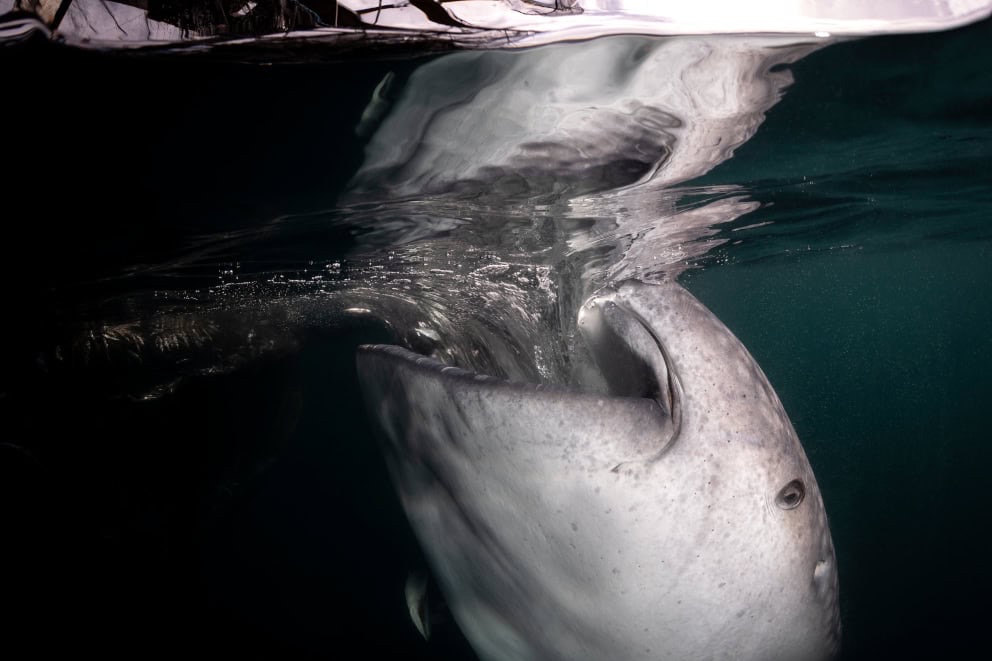
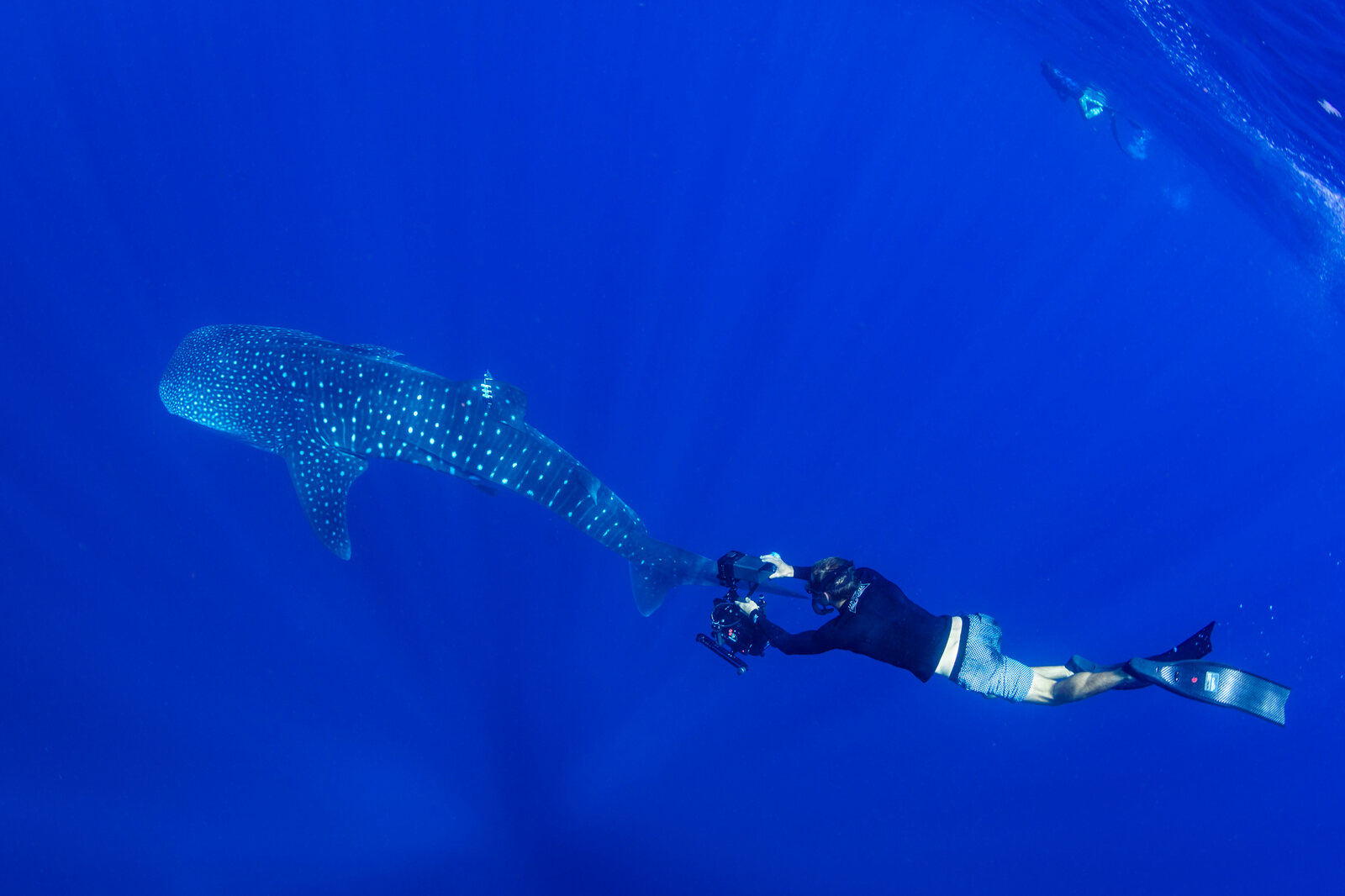
Whale sharks visit the fishers' bagan platforms to feed on small fish through the nets. We arrive the afternoon before to check in with the fishers, then get in the water early the next morning, sometimes with more than one shark.
Look for Whale sharks
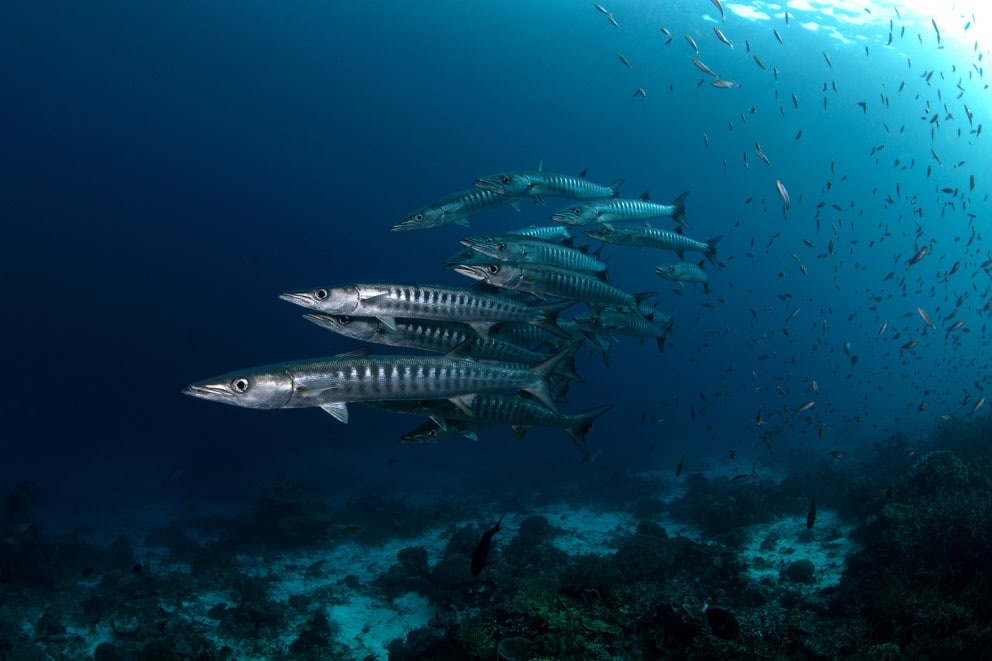
Soft-coral reefs with barracuda and trevally, a chance of manta and devil rays in the blue, and drop-offs carrying barrel and elephant-ear sponges.
Look for Barracuda · Mobula rays · Giant sponges
Trip 1 returns to Manokwari. Trip 2 crosses the remote Bird's Head coast to Sorong, gateway to Raja Ampat, with a stop at Pulau Amsterdam's Junkyard, an artificial reef of scuttled boats.
Dive sites Pulau Amsterdam (The Junkyard)
Photos: Coralia Liveaboard
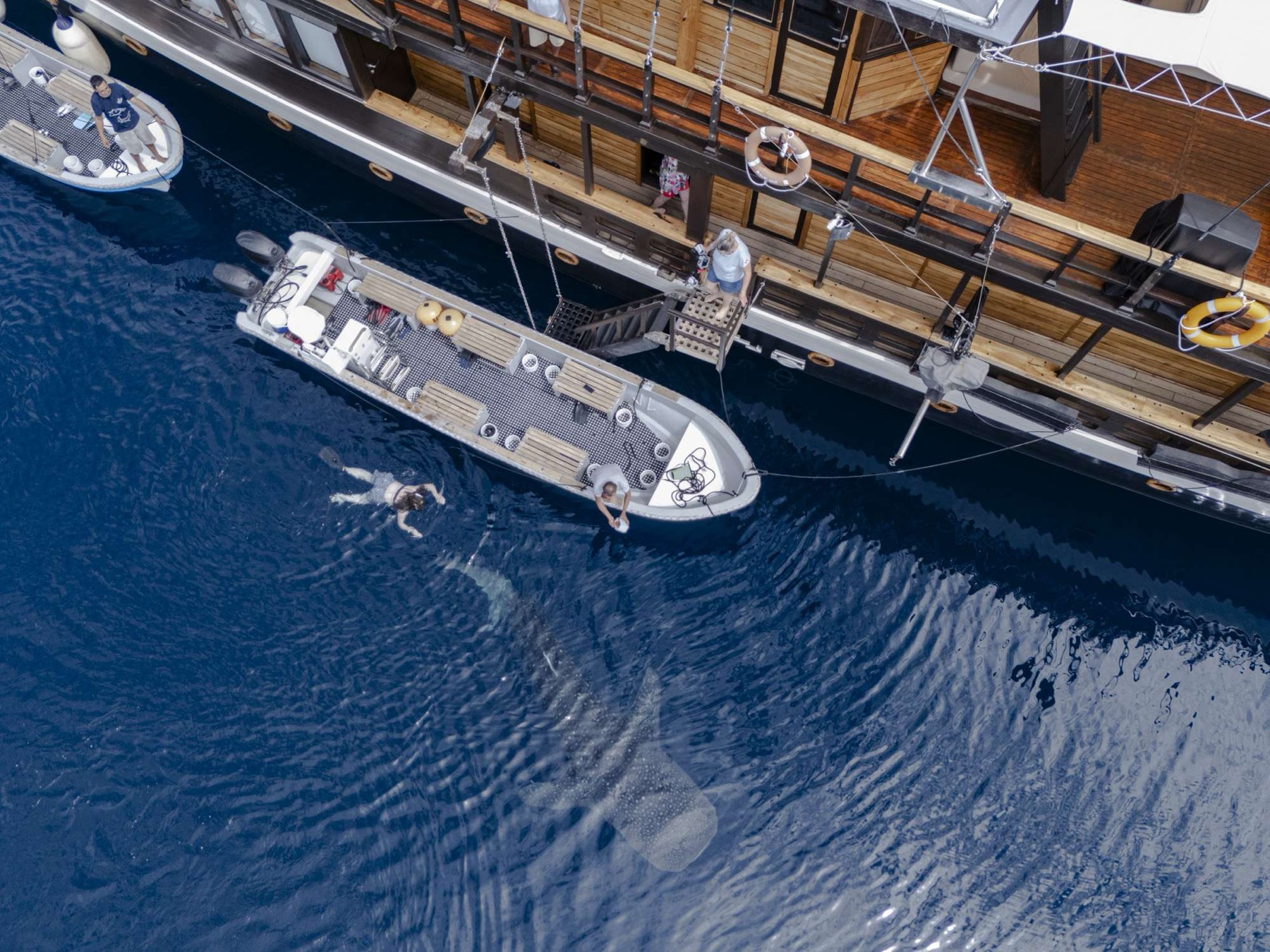
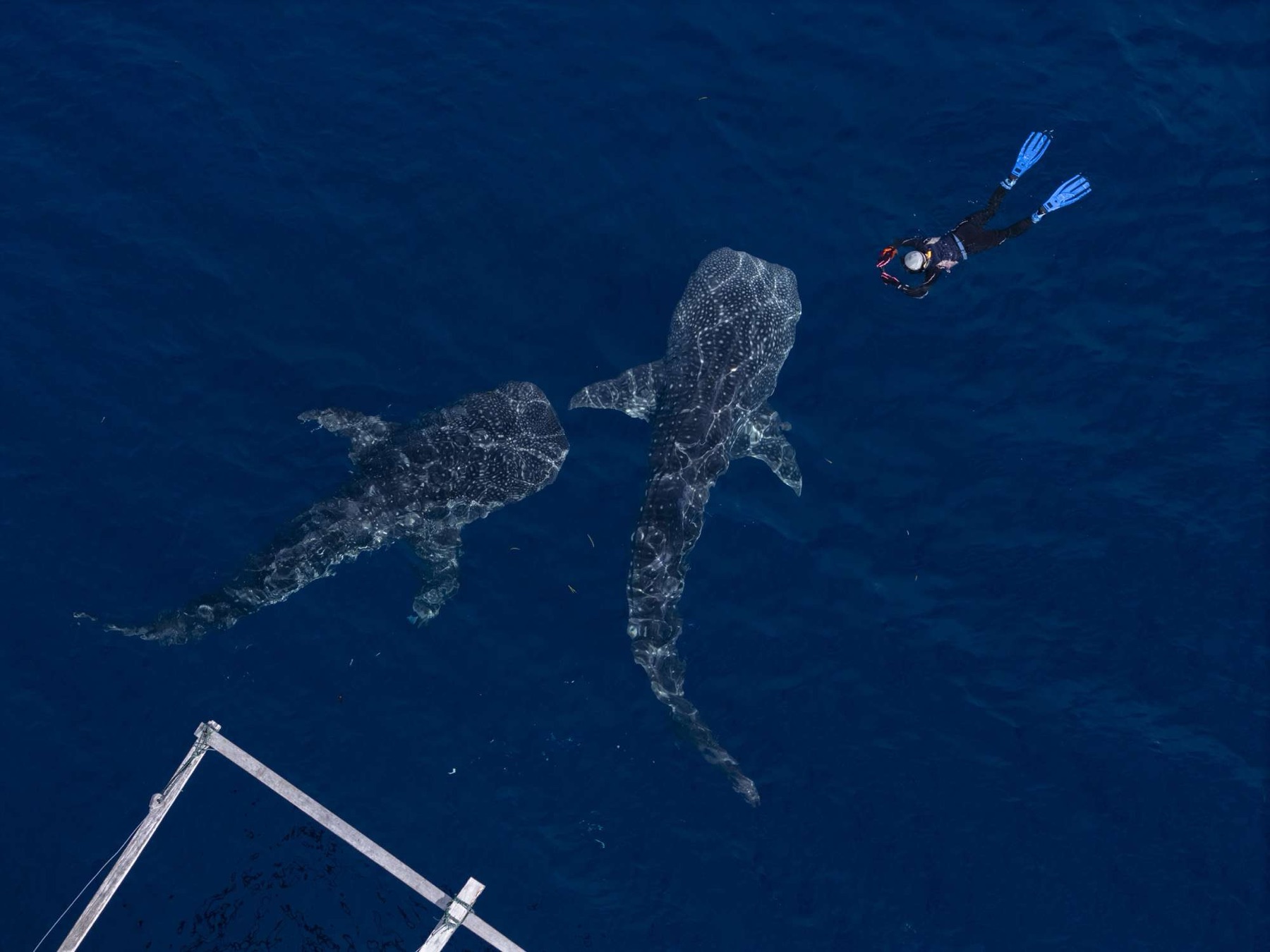
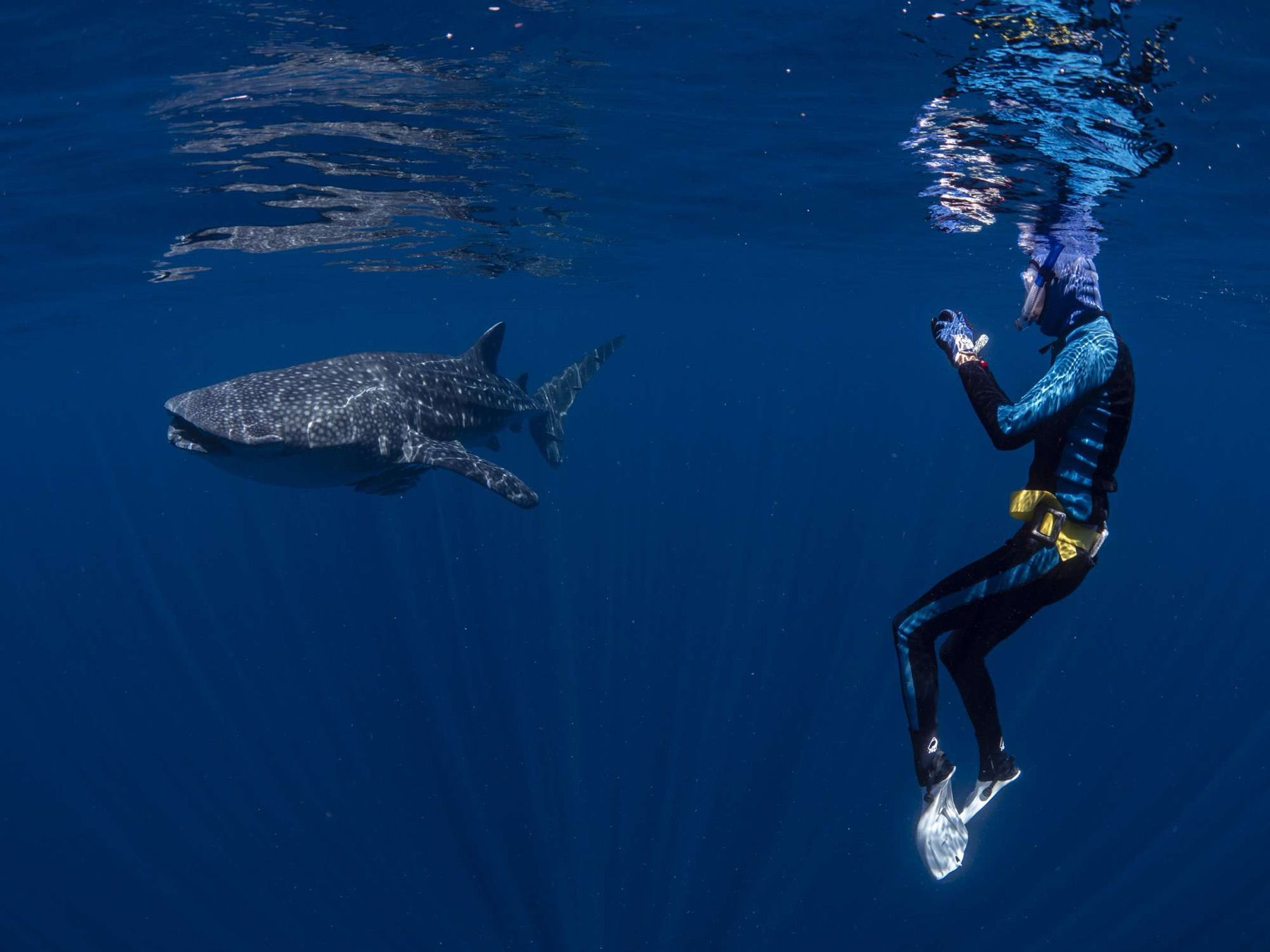
Photos: Coralia Liveaboard
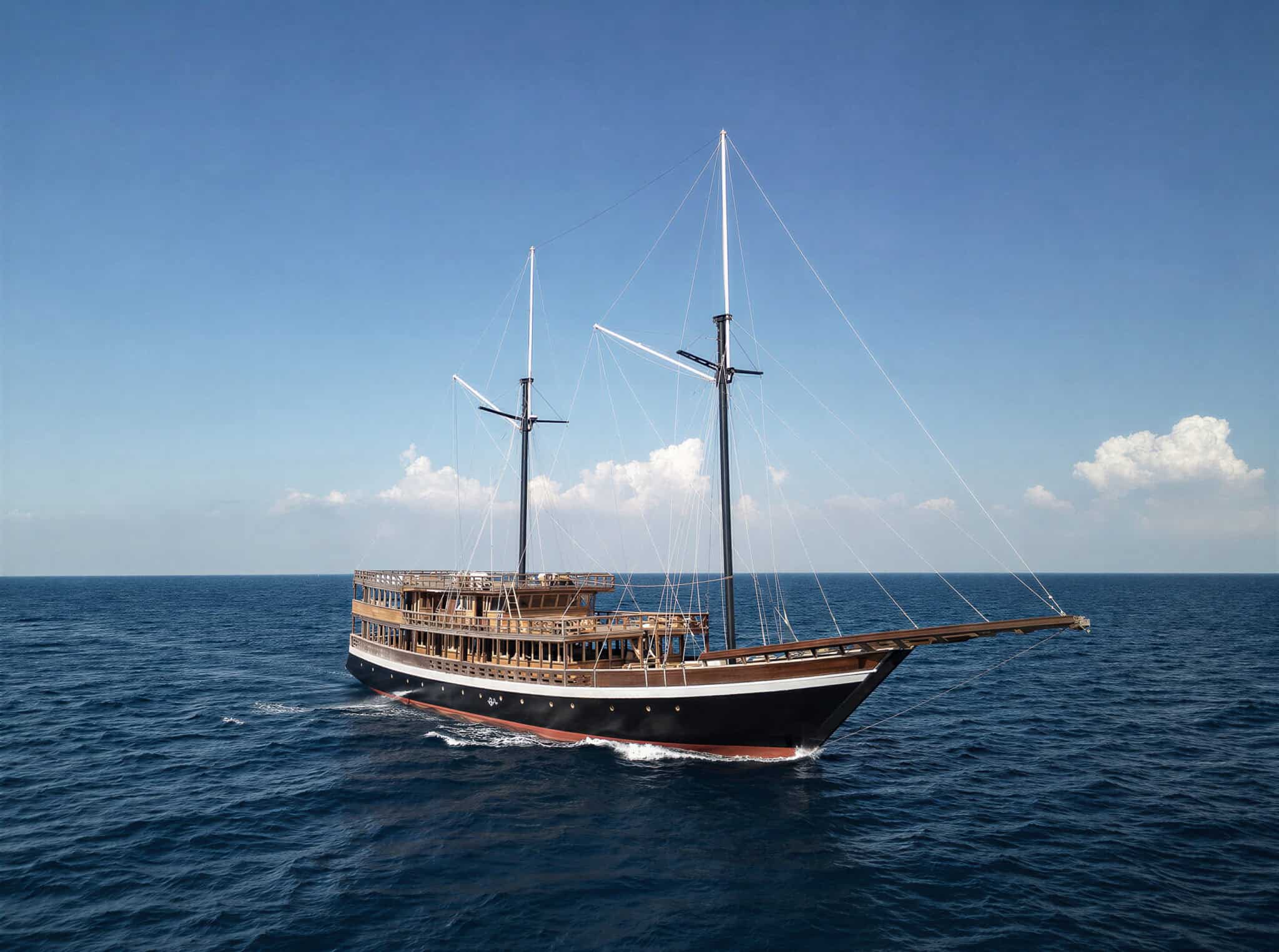
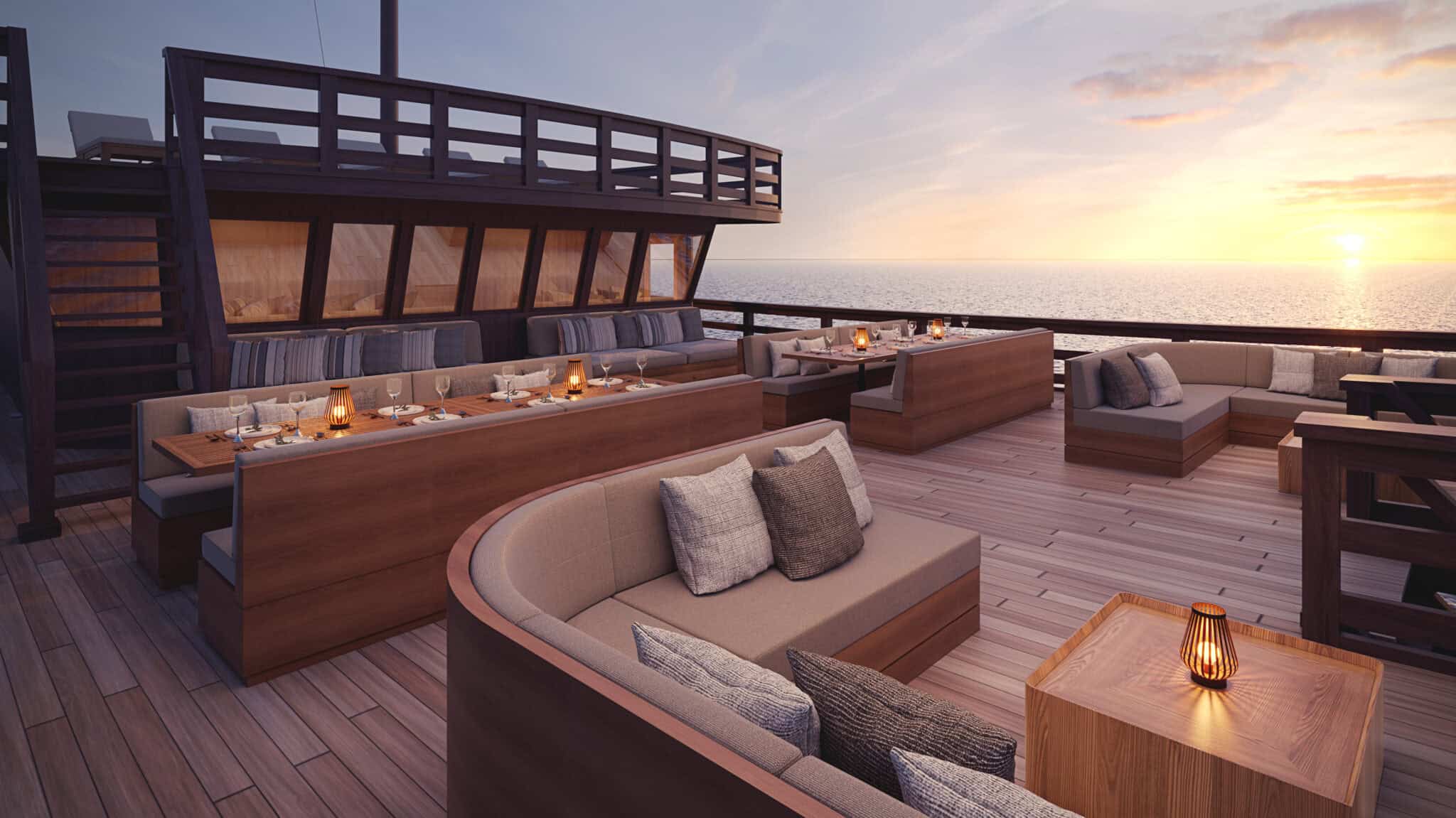
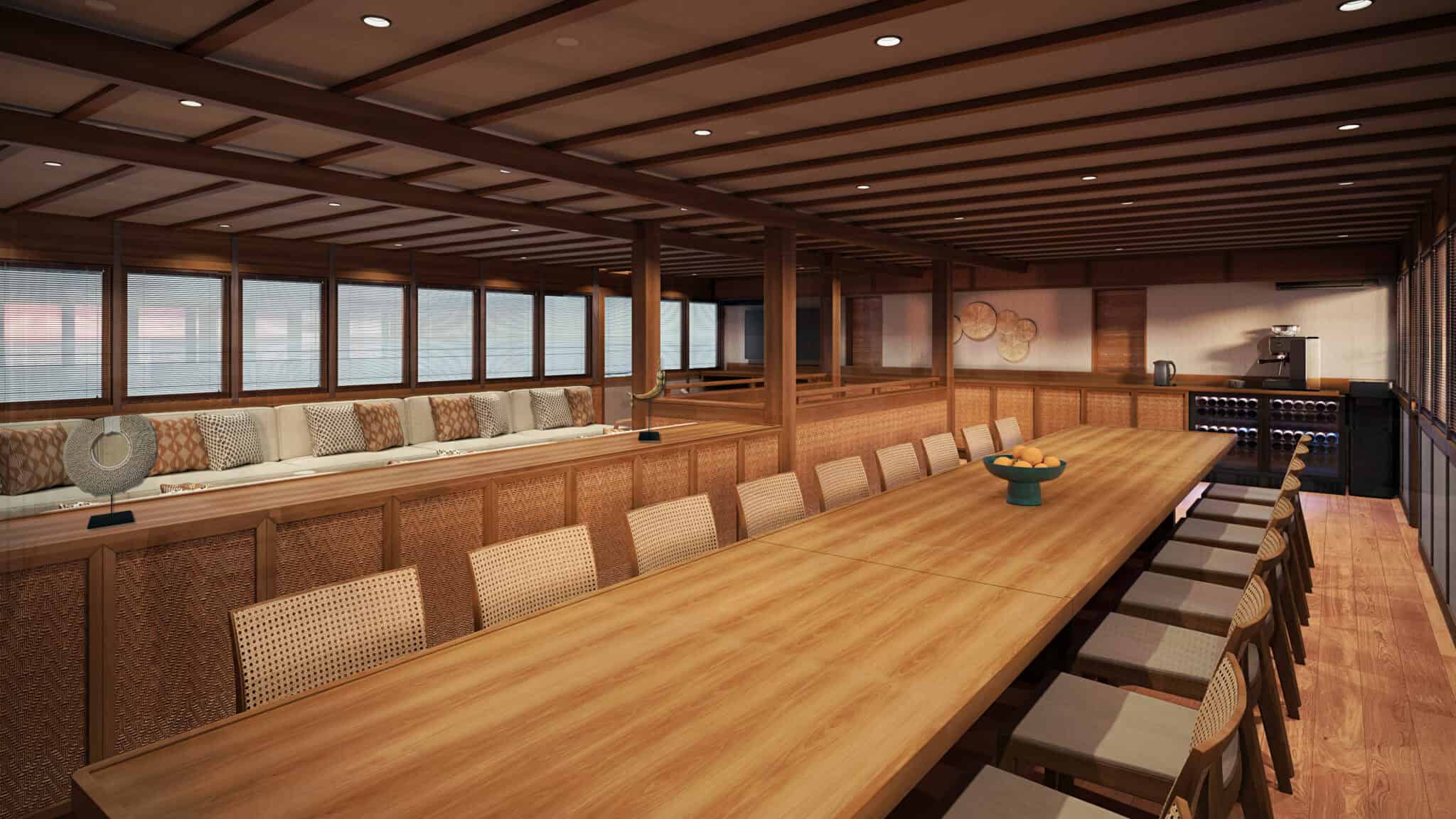
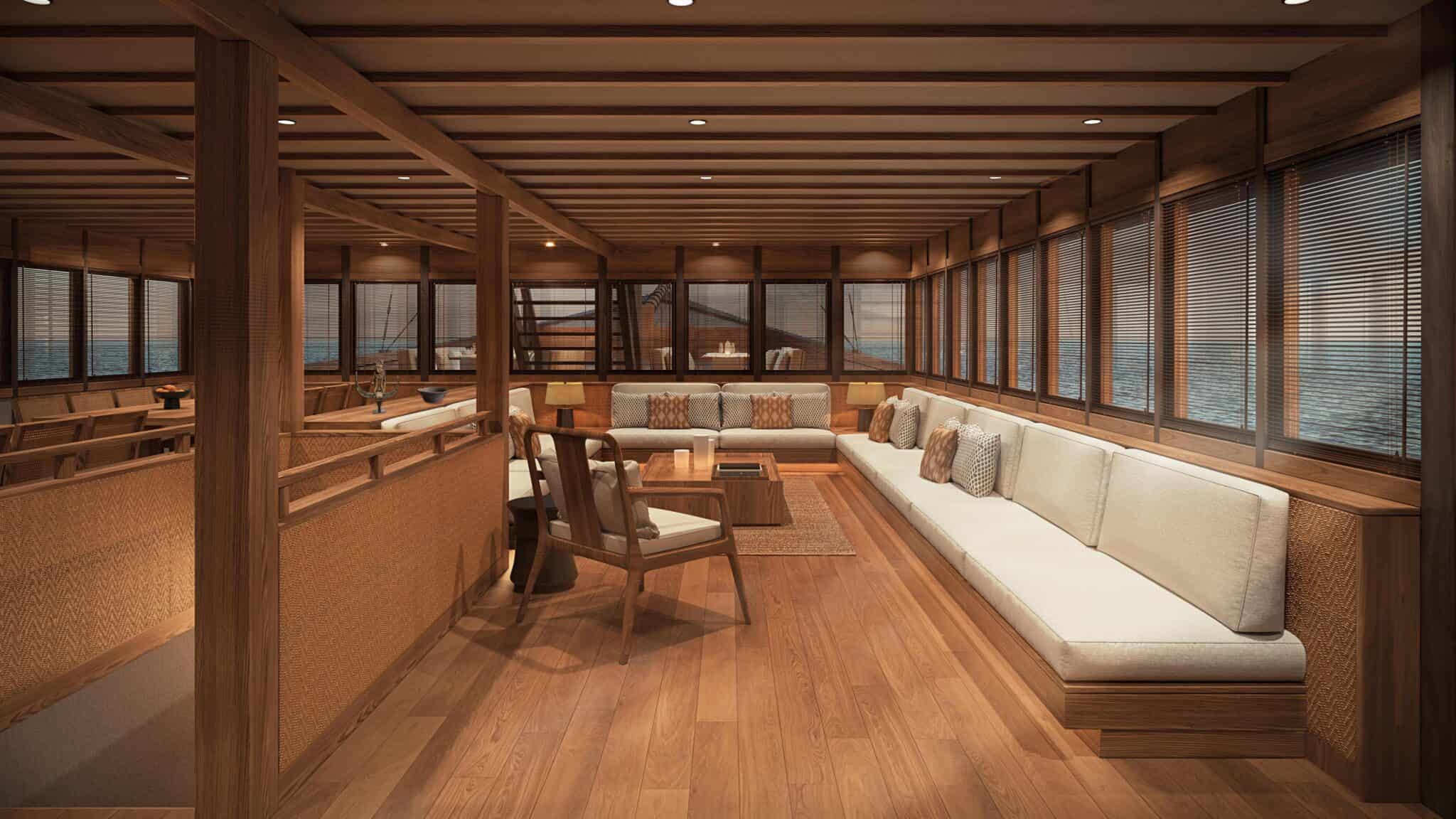
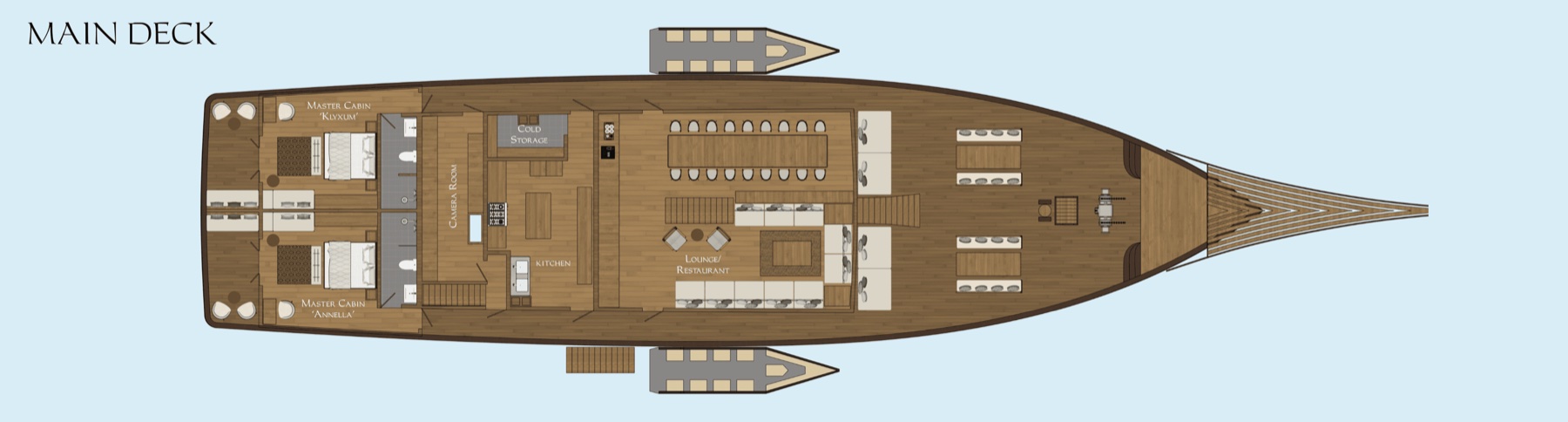
The new sister ship of the original Coralia, launching in 2026 and run by the same team, with cruise directors Debbie and Jerry Arriaga. At 52 meters (171 feet) long and over 10 meters (33 feet) wide, she has eight cabins, one of them kept for the MMF host, so our trips carry 14 guests, with 21 crew. Photographers have a full-width camera room with individual workstations, and between dives there are open-air lounges, an onboard masseuse on the sky deck, and complimentary satellite WiFi.
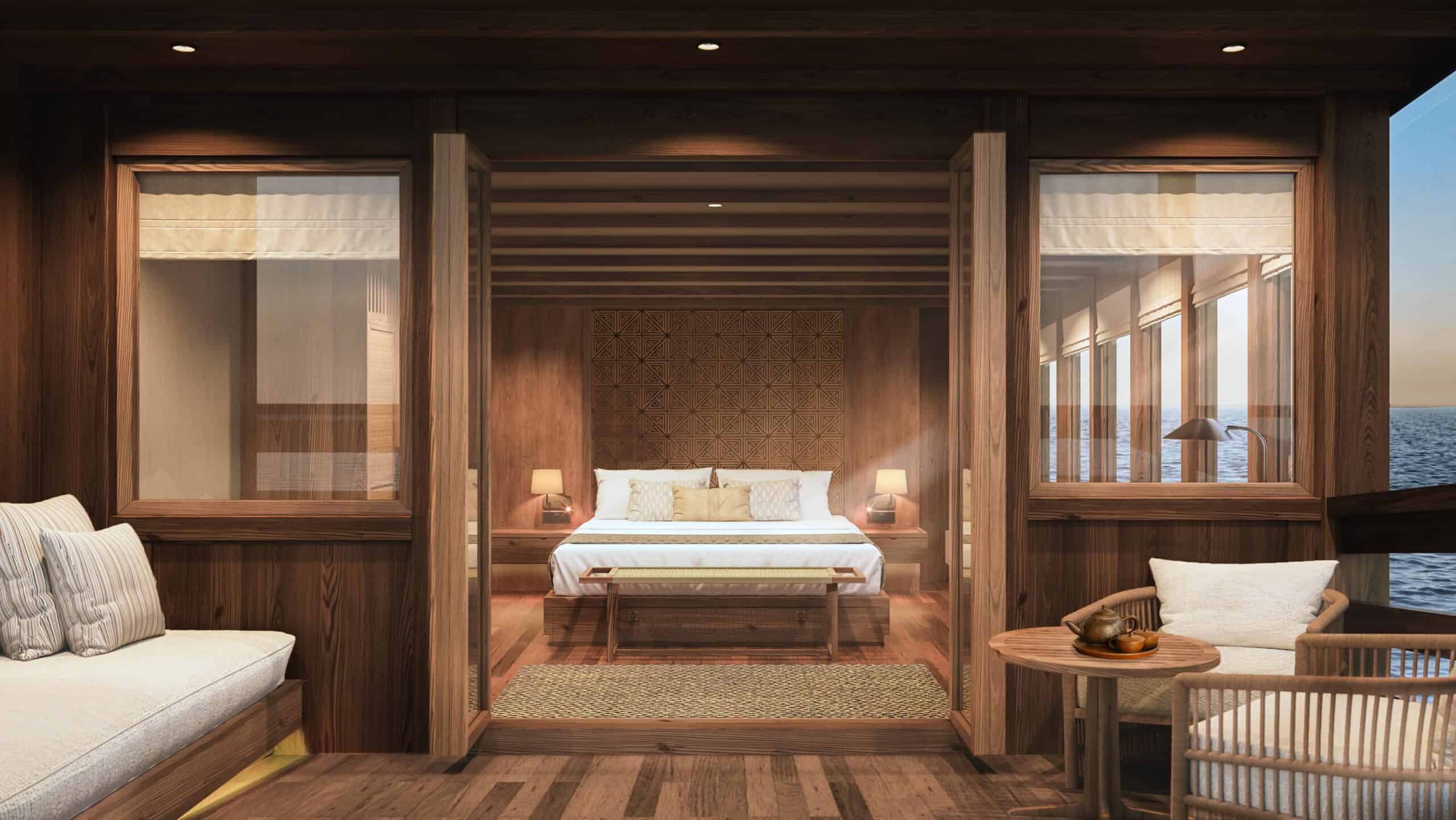
 Master cabinFour cabins, 35 m² (377 sq ft), on the main and upper decks, each with a private deckTrip 1 US$8,500 · Trip 2 US$10,200 per person
 Deluxe doubleTwo cabins on the lower deck, where a sofa bed takes a third guestTrip 1 US$7,500 · Trip 2 US$9,000 per person
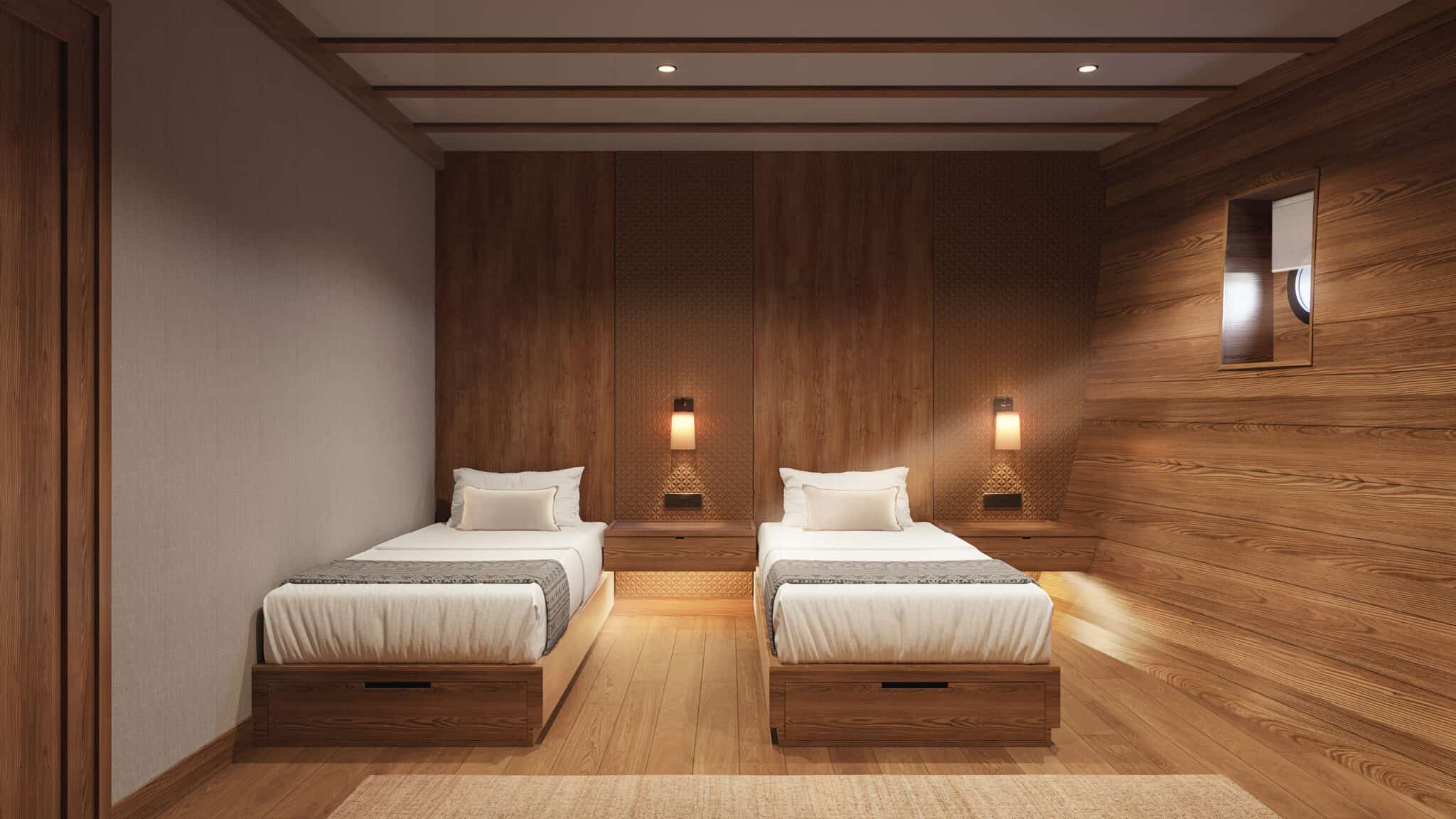 Deluxe twinTwo cabins on the lower deck, two single bedsTrip 1 US$7,500 · Trip 2 US$9,000 per person
Photos: Coralia Liveaboard
The Marine Megafauna Foundation is a globally recognized marine conservation non-profit, protecting the most endangered ocean giants and the habitats they call home since 2009.
Our vision is a future where marine megafauna are treasured and protected. Our mission is to protect marine megafauna and their key habitats through research, education, and conservation.
Our work began in 2003, when Dr. Andrea Marshall started her doctoral research on manta rays in Mozambique. Dr. Simon Pierce joined her at Tofo in 2005 to establish a whale shark research program, and Tofo remains our long-term base. MMF was registered as a nonprofit organization in the United States in 2012.
In the years since, our team has authored more than 200 scientific publications on marine megafauna, and that research has been put to use. It has contributed to the national protection of manta rays and whale sharks in several countries, including Indonesia, Mozambique, and Tanzania. MMF scientists also led the technical work that placed the reef manta ray, the oceanic manta ray, and the whale shark on Appendix I of the UN Convention on Migratory Species.
In Indonesia, where we have worked since 2012, more than 2,300 individual reef manta rays have been identified across our sites, principally at Nusa Penida and in Komodo National Park.
National staff lead our programs, and locally registered organizations carry the work: Associação Megafauna Marinha in Mozambique, Yayasan Megafauna Laut in Indonesia, and an independent partner organization in Madagascar.
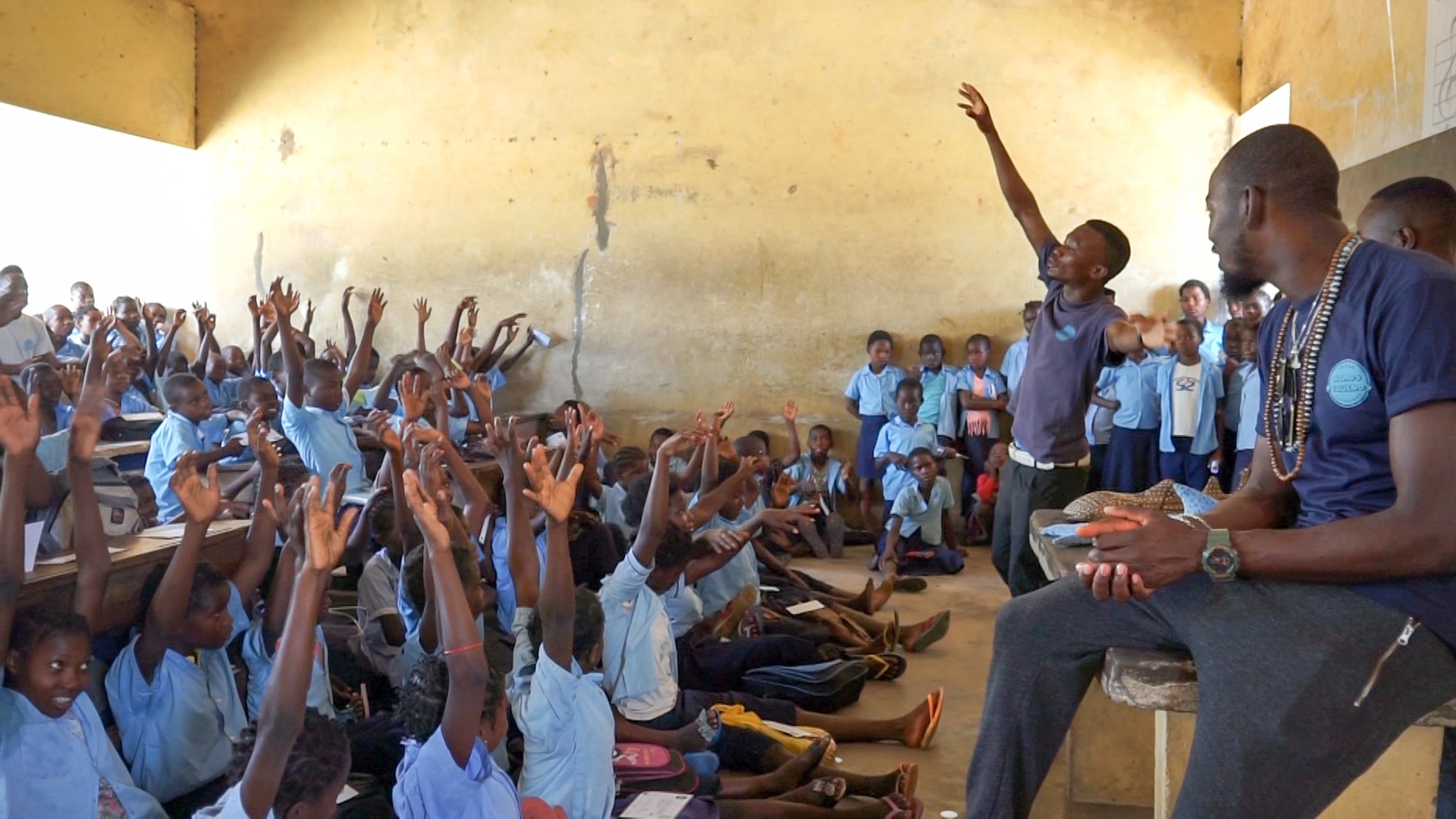
Every MMF expedition is hosted by a working marine scientist, who shares the latest research and conservation discoveries about the animals you'll see. Across the voyage your host gives a series of evening presentations — on the animals we're looking for, how they're studied, what the current research actually shows, and the threats these populations face. There's time to ask the questions you never get to ask a researcher in person, and photography guidance for anyone who wants to come home with better images.
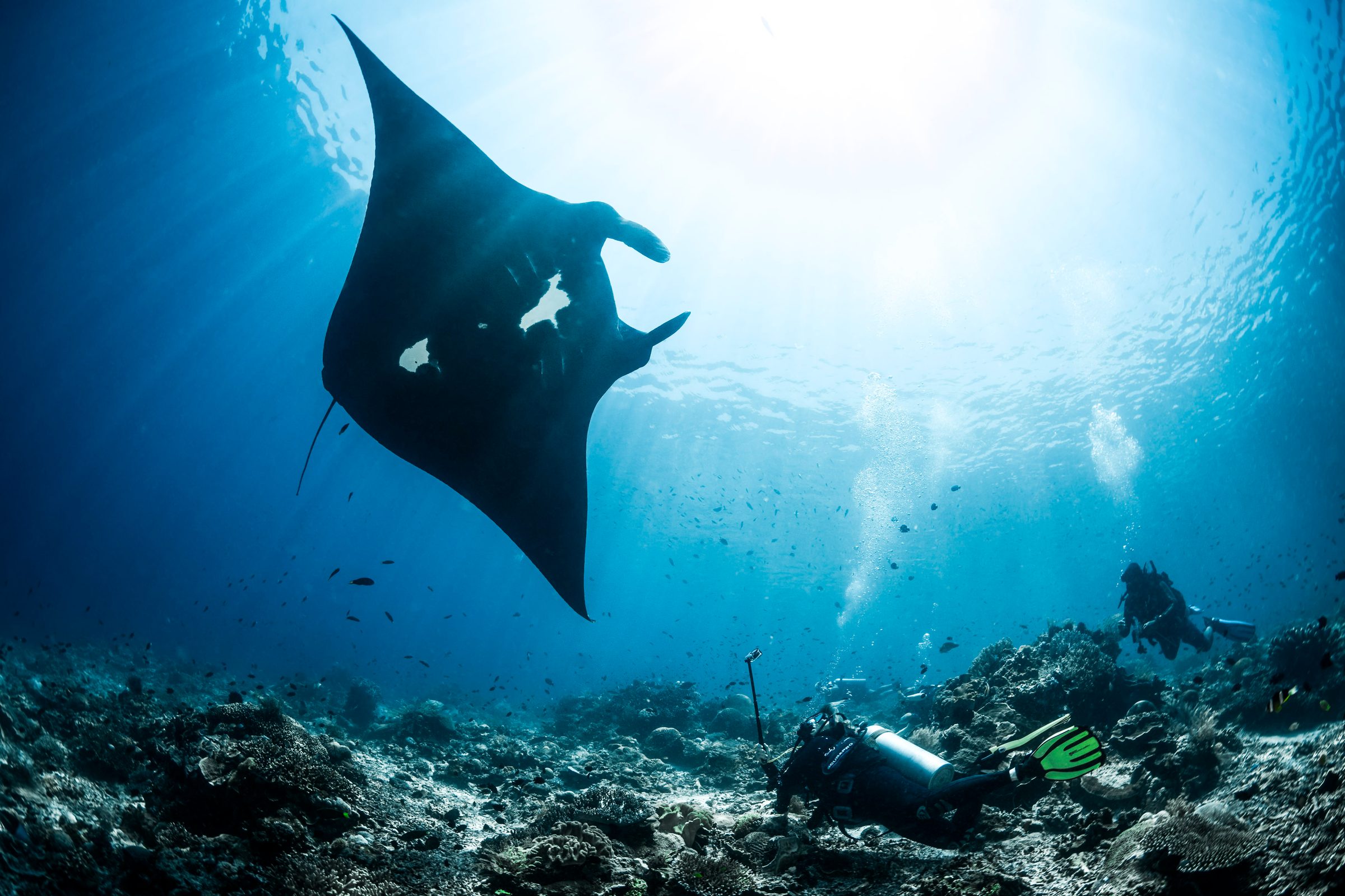
Your photographs do real work. Whale sharks and manta rays can be identified individually by their natural markings — the spot patterns on a whale shark's flank, the markings on a manta's underside — the same way a fingerprint identifies a person. Guests are shown how to take an identification shot, and the photographs taken during the trip are contributed to the global photo-identification databases that researchers around the world draw on. Sightings you record become part of the long-term record for that population.
Marine Megafauna Foundation is a registered 501(c)(3) non-profit. Our expeditions exist to bring people into contact with these animals and send them home understanding them — and 100% of the profit supports MMF's research, education, and conservation work.
Our expeditions are small-group trips hosted by MMF scientists, and they support this work.
Dr. Pierce founded MMF's flagship Global Whale Shark Program. His work on the population ecology and management of this iconic species has made him the world's top whale shark conservation biologist.
Both trips board in Manokwari (MKW), where the harbor is about 20 minutes from the airport. Trip 1 returns to Manokwari; trip 2 finishes in Sorong (SOQ). Airport transfers are included.
National park, port and fuel fees (US$410 per person) are paid on board. Inquire with no commitment. A 30% deposit and the completed terms and conditions form confirm your place, and the balance is due 120 days before departure. Travel insurance is required.
Certified divers of all experience levels are welcome, and each dive guide leads no more than four guests. Snorkelers are welcome too, and the Cenderawasih Bay whale sharks are seen at the surface.
Some sites have currents and depth, so recent diving helps you get the most from them. Tell us your certification, logged dives, and when you last dived when you inquire, and we will confirm the trip suits you. Courses, including Advanced Open Water and Nitrox, can be arranged on board if you book them ahead.
Personal dive-accident insurance that includes emergency evacuation (Divers Alert Network is recommended) is required for every certified diver. Our trip terms and conditions also require comprehensive travel insurance covering trip cancellation and interruption, overseas medical expenses, and emergency evacuation: these trips run in remote places where medical care is scarce, and MMF cannot help with canceled flights or lost luggage.
Nitrox is free for certified Nitrox divers, and tanks, weights, and belts are included. Full rental gear is available (BCDs, regulators, wetsuits, computers, fins, masks, torches, and SMBs); reserve it before the trip.
Contact the boat straight away. Depending on the itinerary and where the boat is, the crew will do everything possible to help you join. Plan a spare day either side for international flights; the last full day ends with two morning dives, finished around 1 pm, so you can fly safely.