 Photo: Coralia Liveaboard
Liveaboard expedition with MMF scientists
Raja Ampat
- Raja Ampat20 – 31 March 2028
- Raja Ampat2 – 13 April 2028
From US$8,250 per person
Photo: Coralia LiveaboardLiveaboard expedition with MMF scientists
From US$8,250 per person
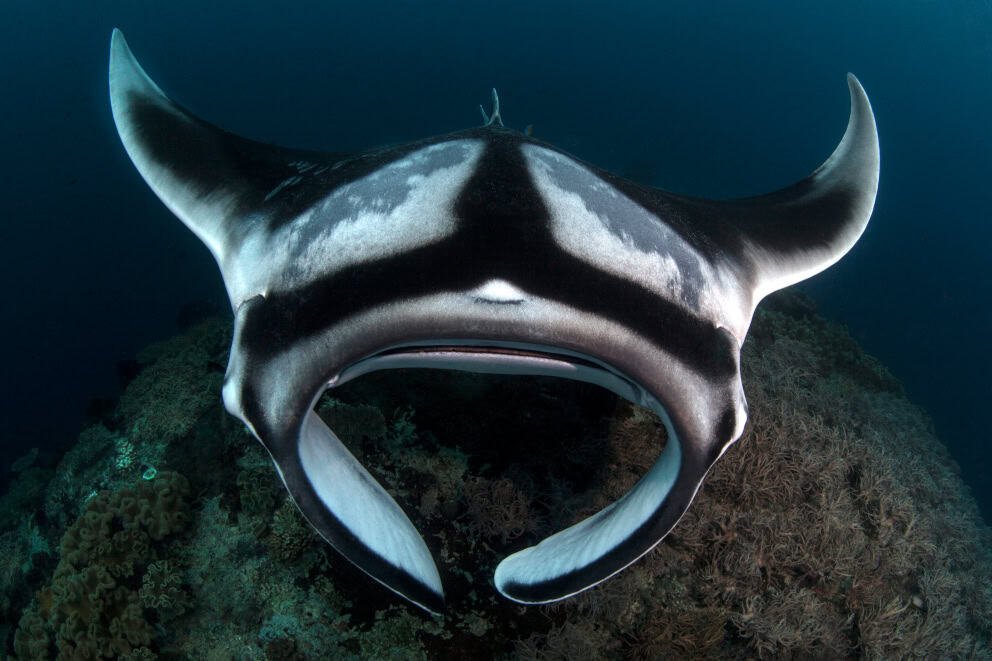
Manta rays, walking sharks, and some of the richest reefs on Earth, hosted by Dr. Simon Pierce and Janis Argeswara. Eleven nights on the new Coralia Dua, Sorong to Sorong.
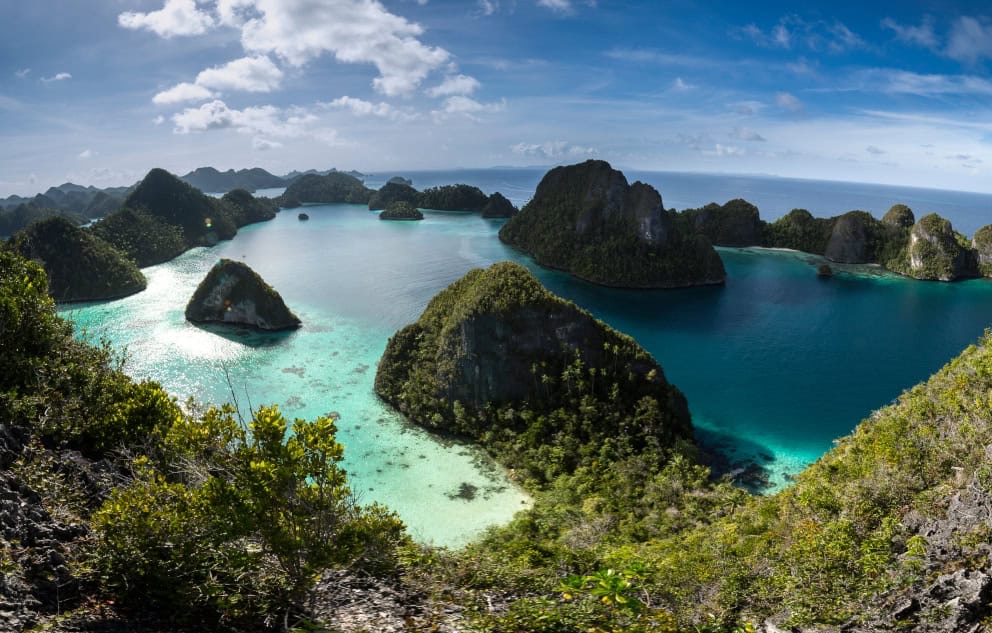
We are excited to welcome you aboard this expedition of a lifetime, as we explore the waters of Raja Ampat, home to the richest coral reef ecosystem in the world, during manta ray season.
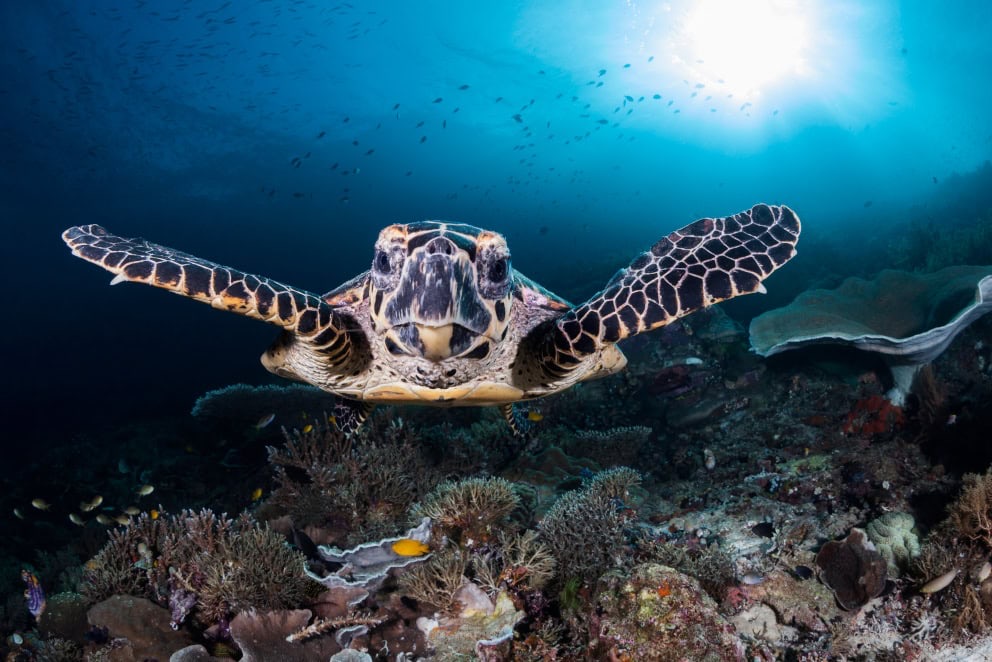
The Raja Ampat Regency covers over 40,000 km² (15,400 sq mi) of land and sea and features more than 1,500 islands, with coral reef biodiversity that surveys suggest is the highest recorded on Earth. Surveys of the Bird's Head Seascape, which includes Raja Ampat, have recorded about 600 species of hard coral and more than 1,300 reef fishes; 374 fish species were identified during a single 90-minute dive at Cape Kri in the Dampier Strait. You'll also be diving alongside large populations of both manta ray species, the reef manta and the giant (oceanic) manta.
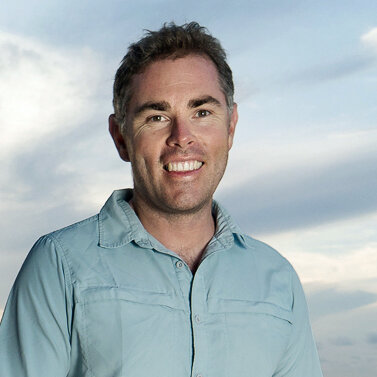 Dr Simon PierceExecutive Director
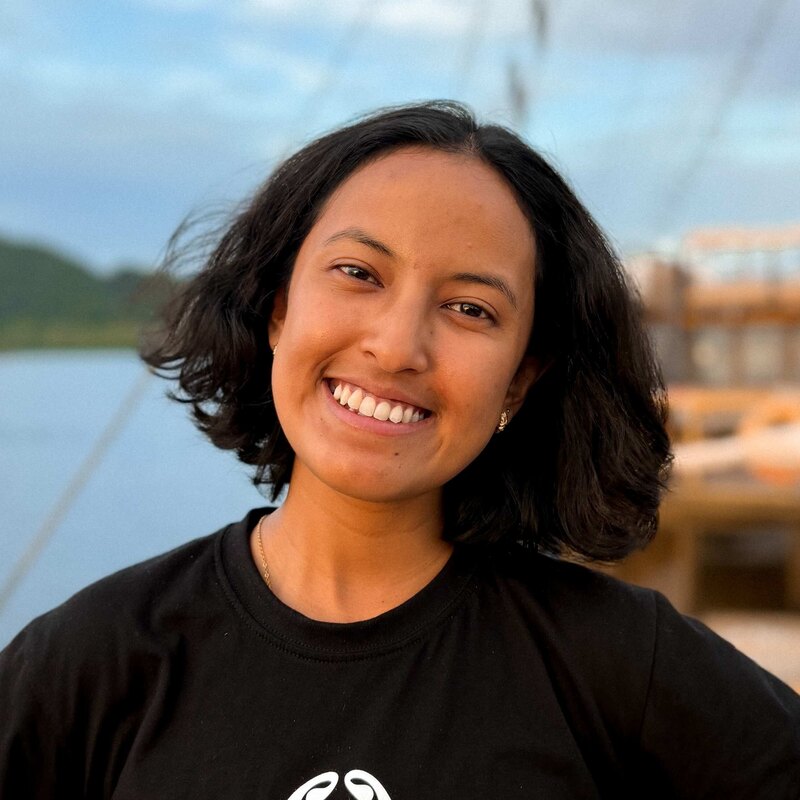 Janis ArgeswaraIndonesia Country Manager
Photos: Coralia Liveaboard
Both 2028 trips run Sorong to Sorong over 11 nights, covering Misool, Penemu, and the Dampier Strait.
Approximate route. Numbers match the stops.
This is a sample itinerary, not a fixed plan: the cruise directors change the route day by day for weather, currents and wildlife.
National park, port and fuel fees (US$385 per person for 2028) are paid on board.
Fly to Sorong, with direct flights from Bali and connections via Jakarta, Makassar, or Manado. The harbor is about 10 minutes from the airport, and transfers are included.
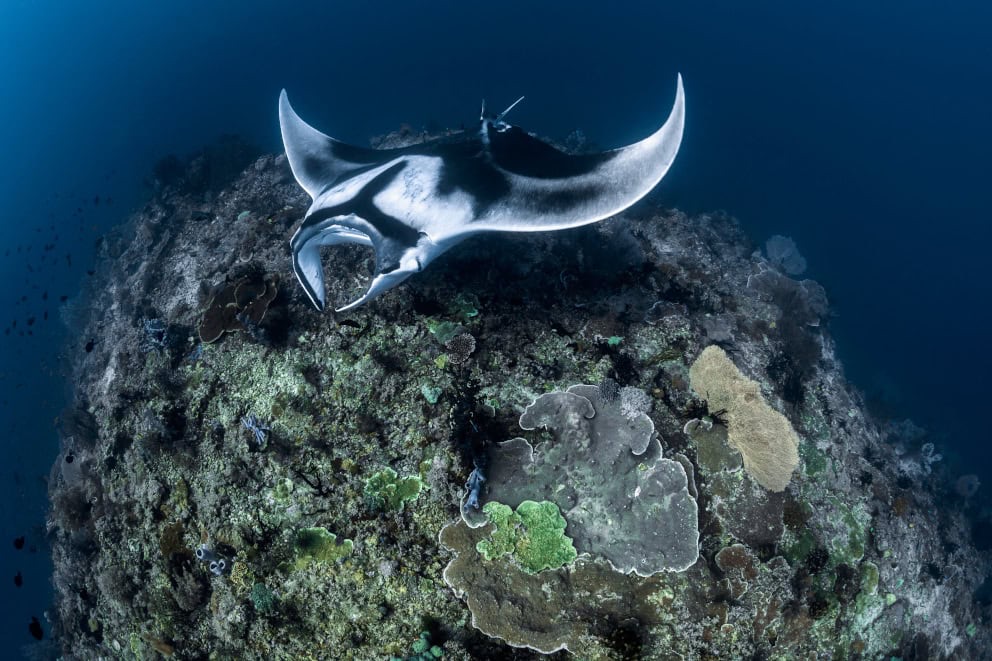
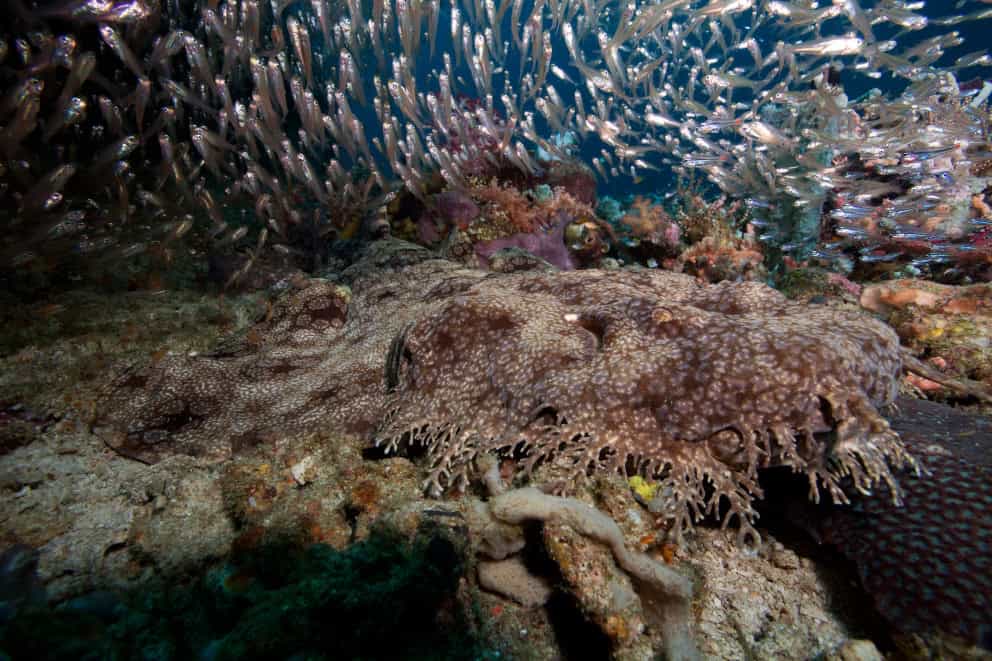
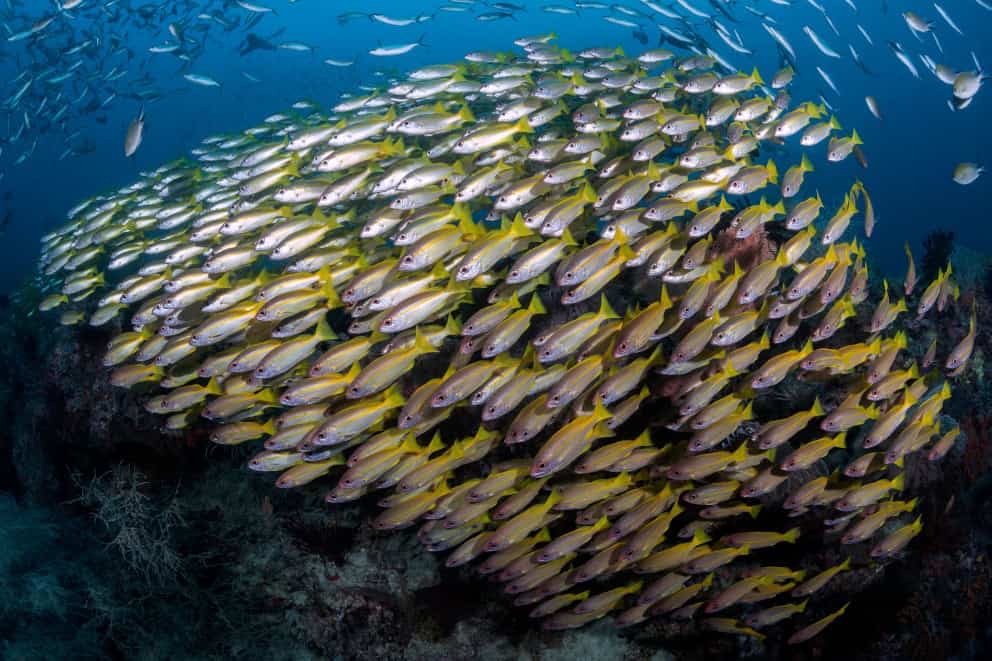
MMF scientists have studied the social behavior of reef manta rays at cleaning stations here, including Manta Sandy and Manta Ridge. On the current-swept reefs, sharks, giant trevally, and dogtooth tuna hunt schools of fusiliers, and Cape Kri once logged 374 fish species on a single dive.
Dive sites Manta Sandy · Manta Ridge · Cape Kri · Sardine Reef · Blue Magic · Arborek Look for Reef and giant mantas · Walking sharks · Wobbegong sharks · Schooling fish
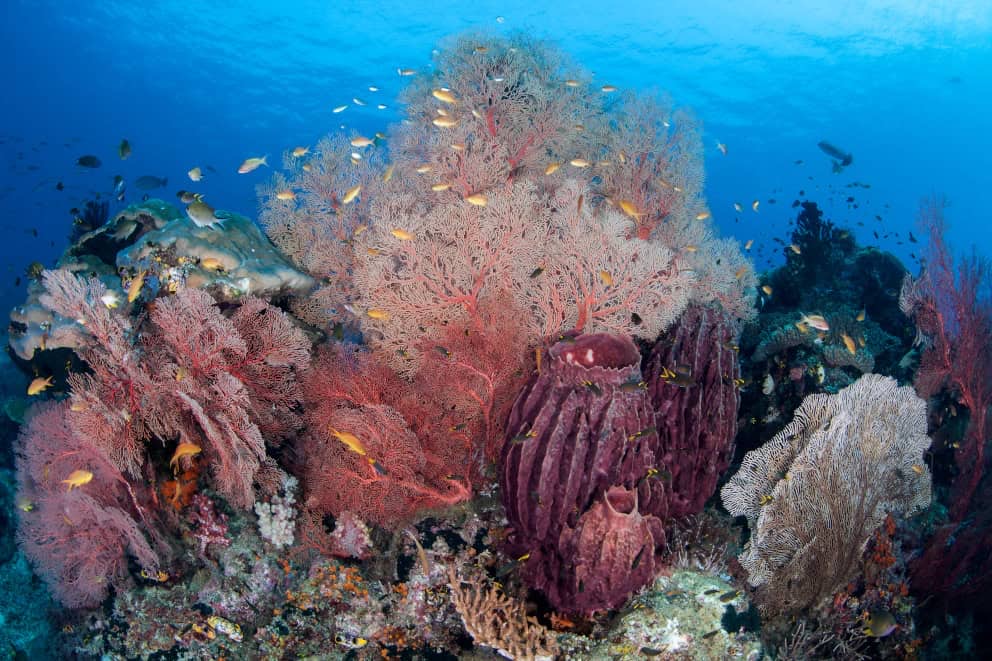
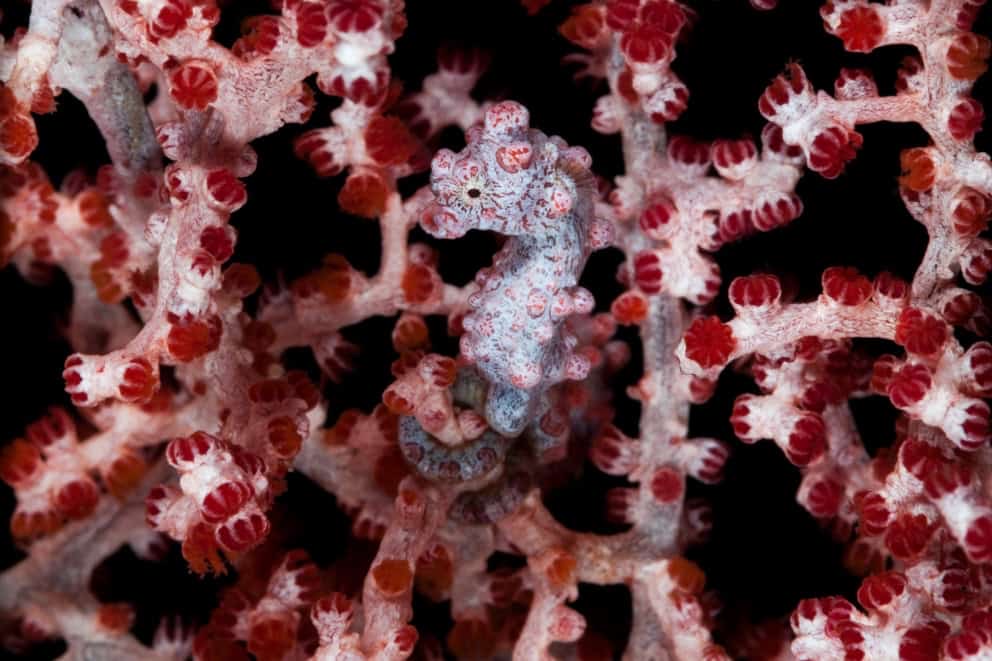
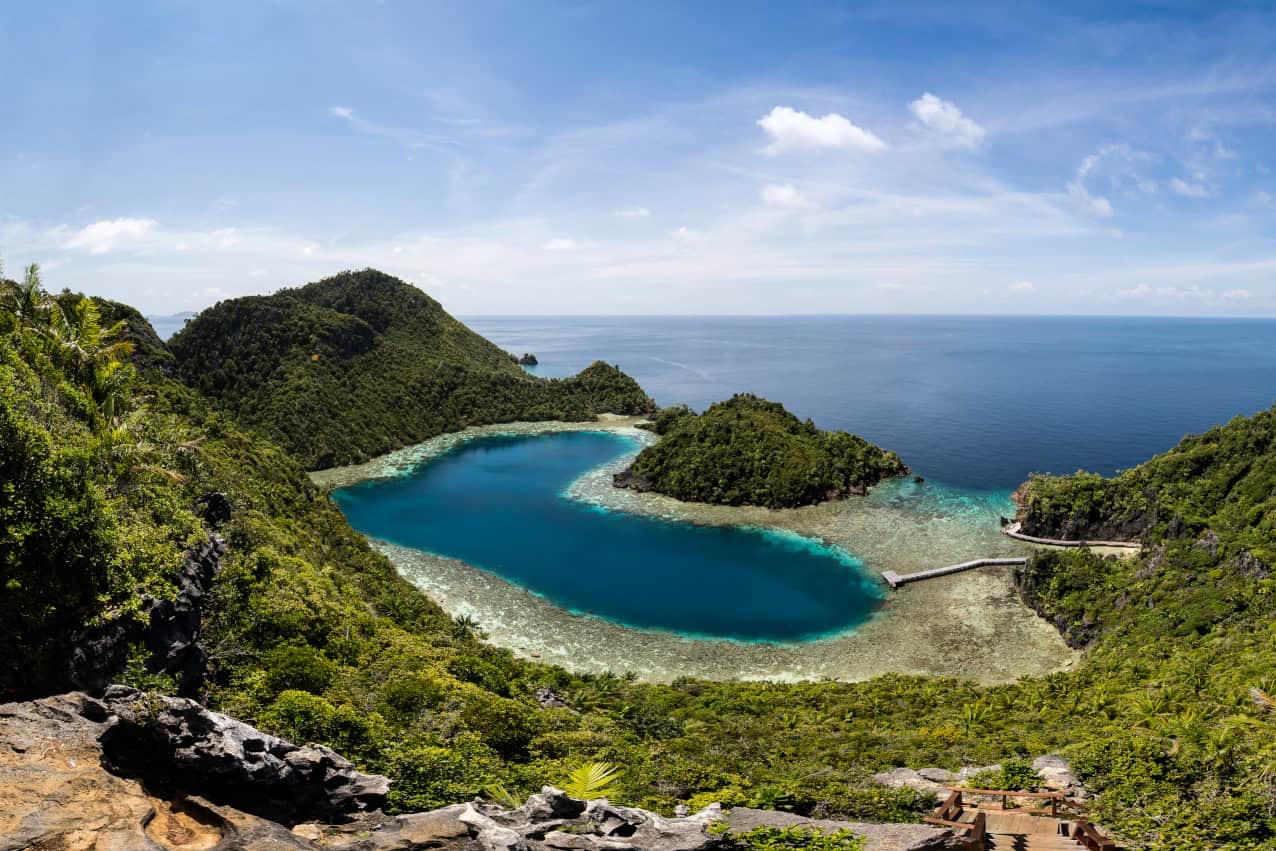
The south-east coast of Misool, in the far south of Raja Ampat, is a community-protected region that explodes with life: sea fan forests, giant and reef mantas at Magic Mountain, pygmy seahorses, and the occasional walking shark on night dives.
Dive sites Magic Mountain · Boo Windows · Daram · Fiabacet Look for Manta rays · Pygmy seahorses
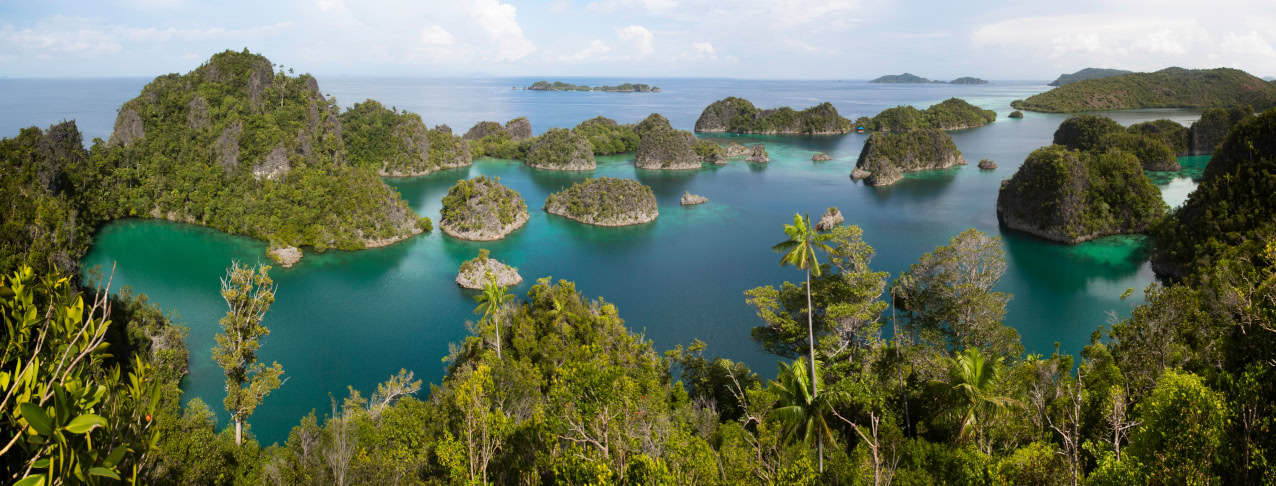
The karst islands of Penemu, in the Fam Islands, rise steeply from sheltered lagoons, with soft-coral reefs below them.
Look for Soft corals · Reef fish · Walking sharks
A final stretch among the current-swept reefs and manta ray cleaning stations of the Dampier Strait before the run back to Sorong.
Look for Manta rays · Sharks
Two morning dives on the last full day, finishing around 1 pm to allow safe flying.
Photos: Coralia Liveaboard
Photos: Coralia Liveaboard
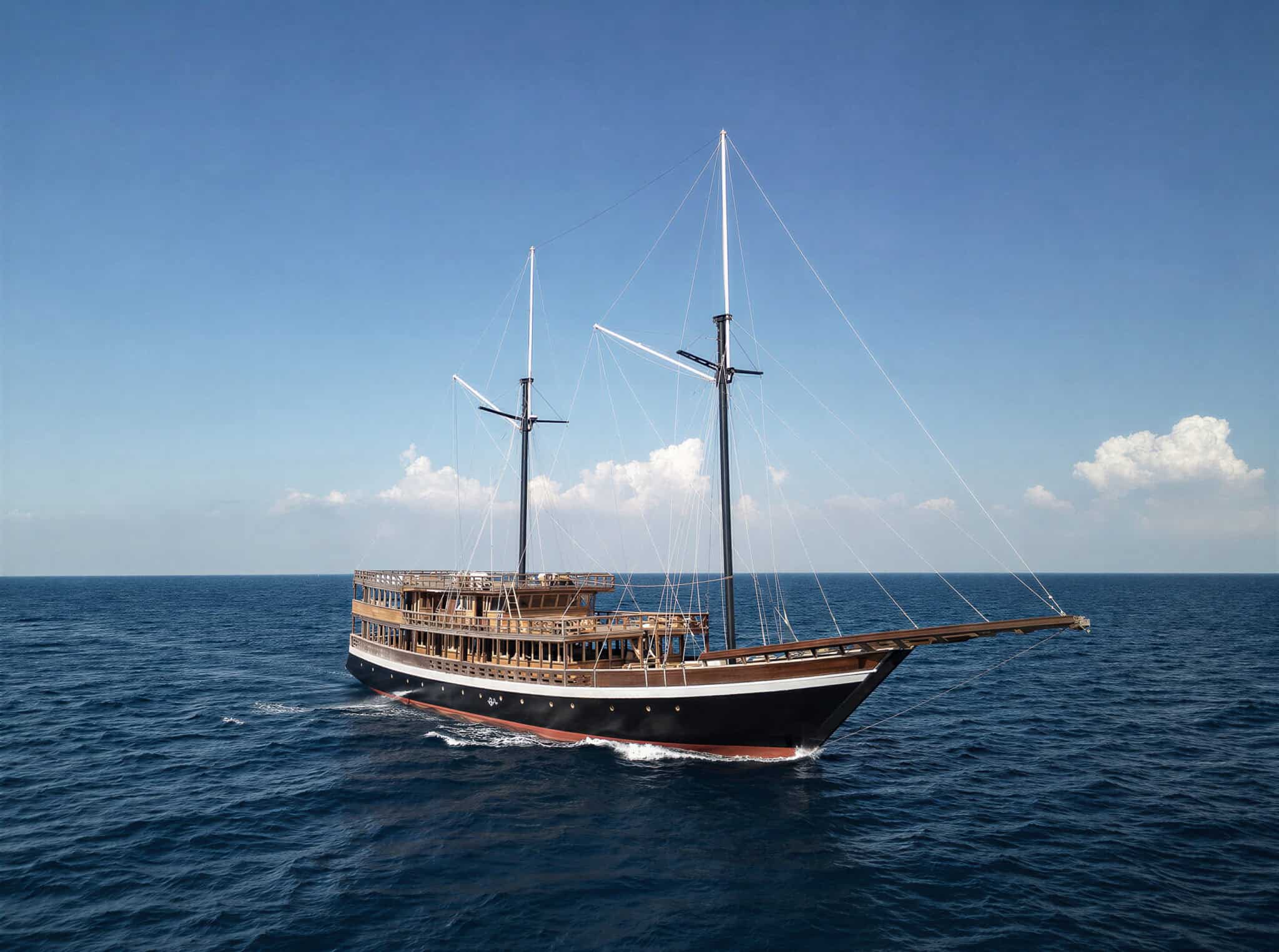
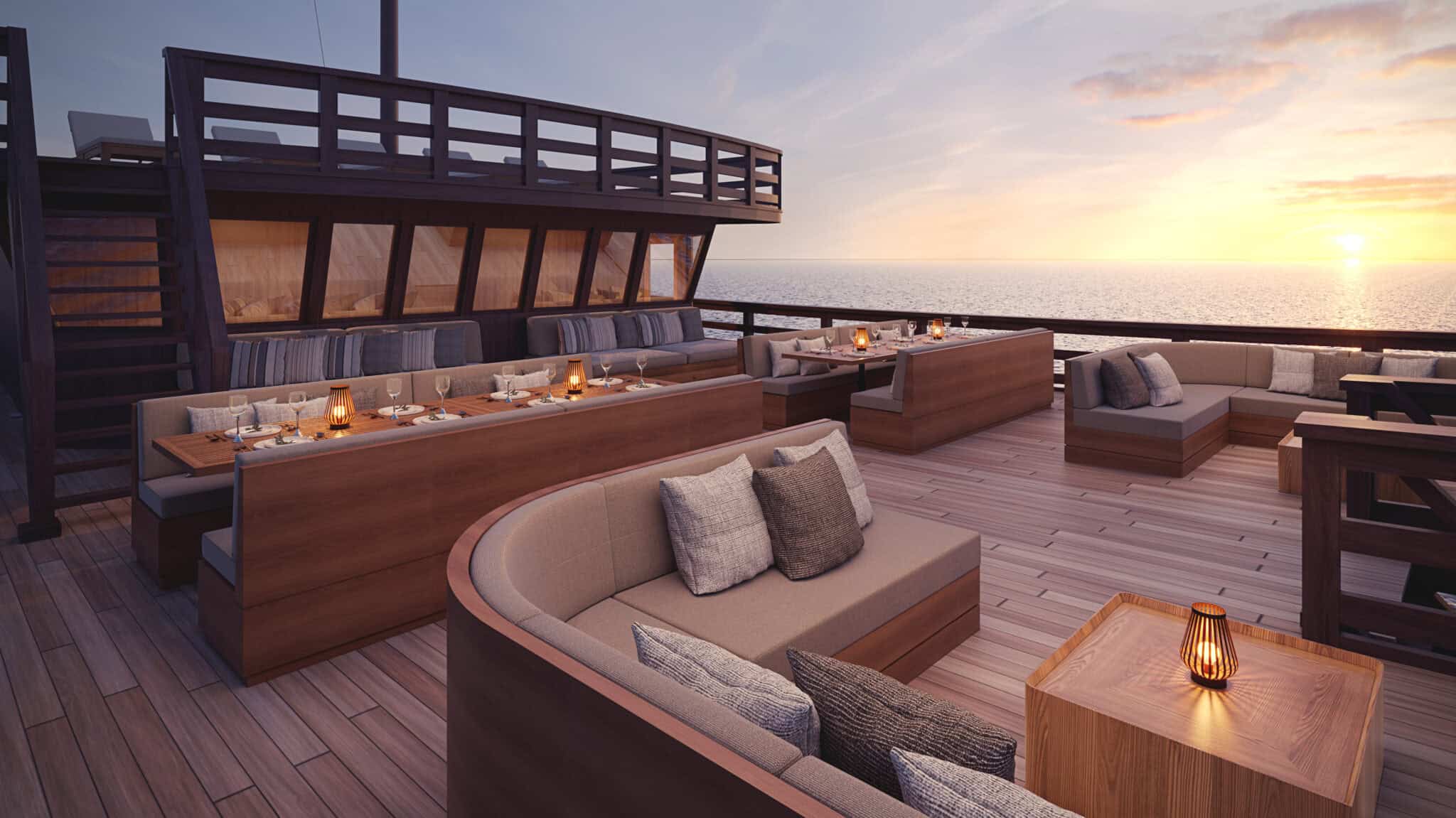
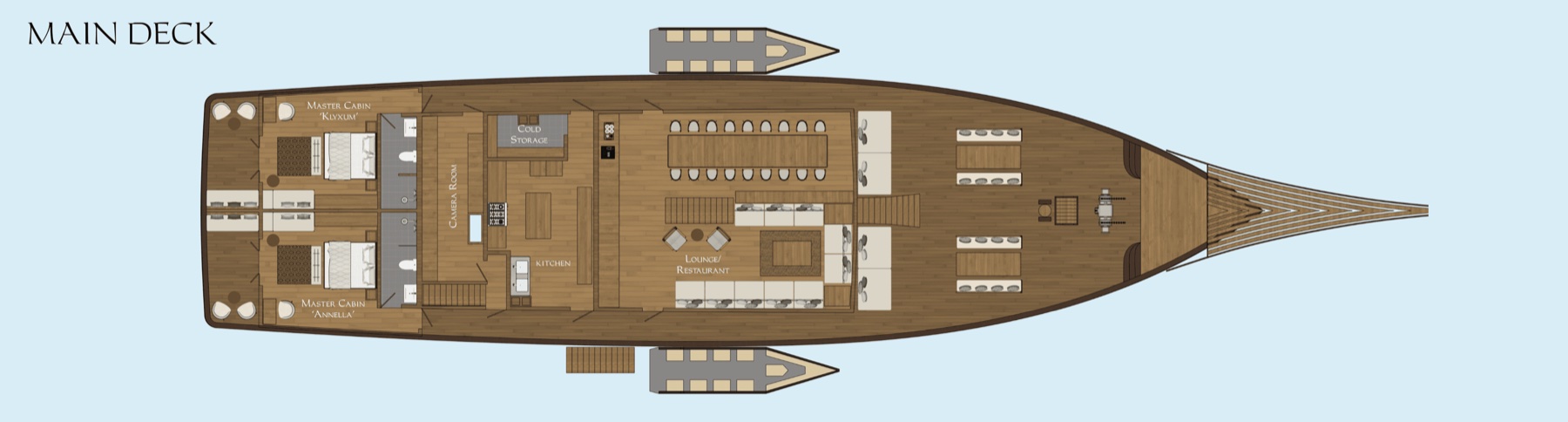
The new sister ship of the original Coralia, launching in 2026 and run by the same team, with cruise directors Debbie and Jerry Arriaga. At 52 meters (171 feet) long and over 10 meters (33 feet) wide, she has eight cabins, one of them kept for the MMF host, so our trips carry 14 guests, with 21 crew. Photographers have a full-width camera room with individual workstations, and between dives there are open-air lounges, an onboard masseuse on the sky deck, and complimentary satellite WiFi.
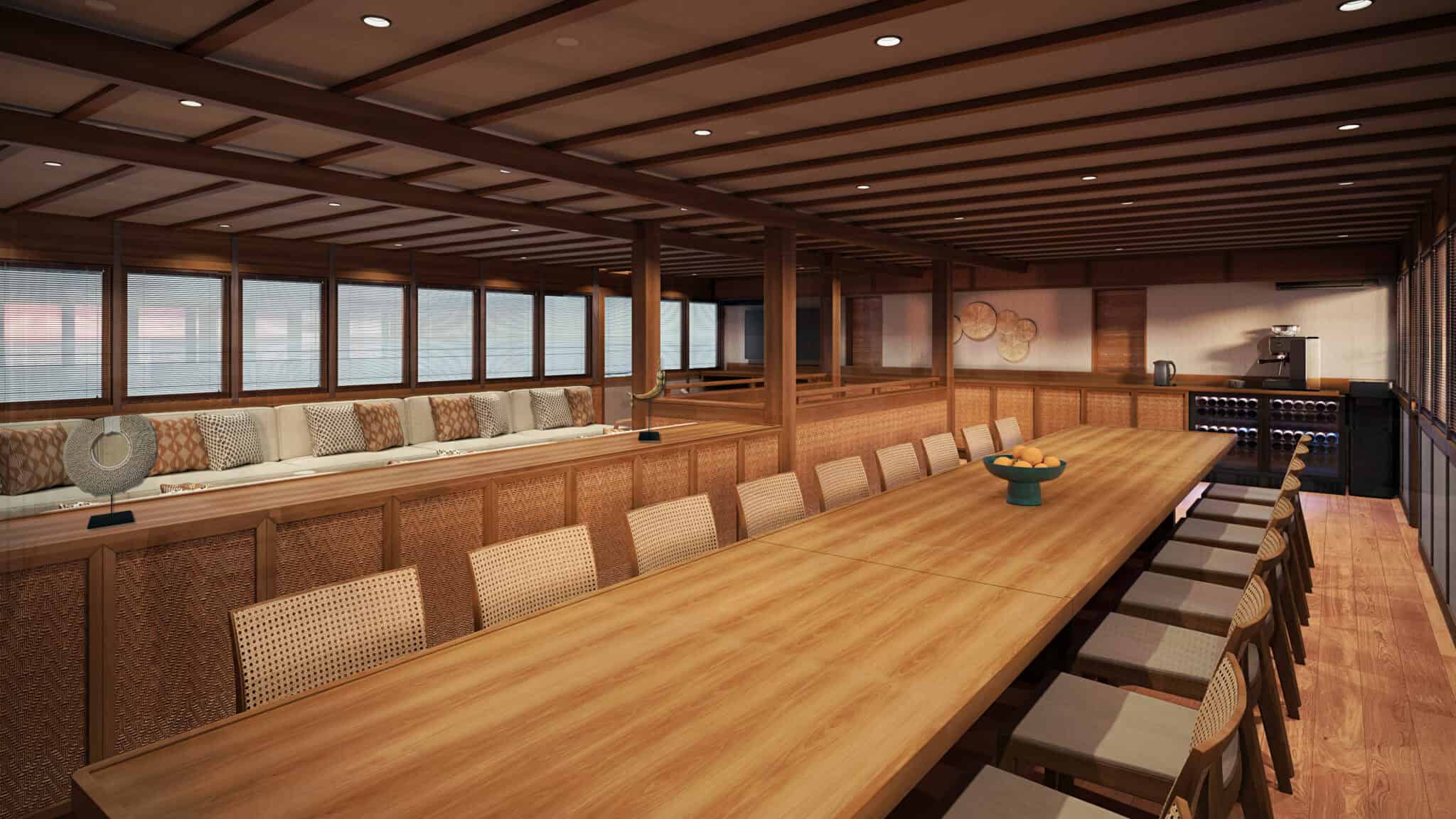
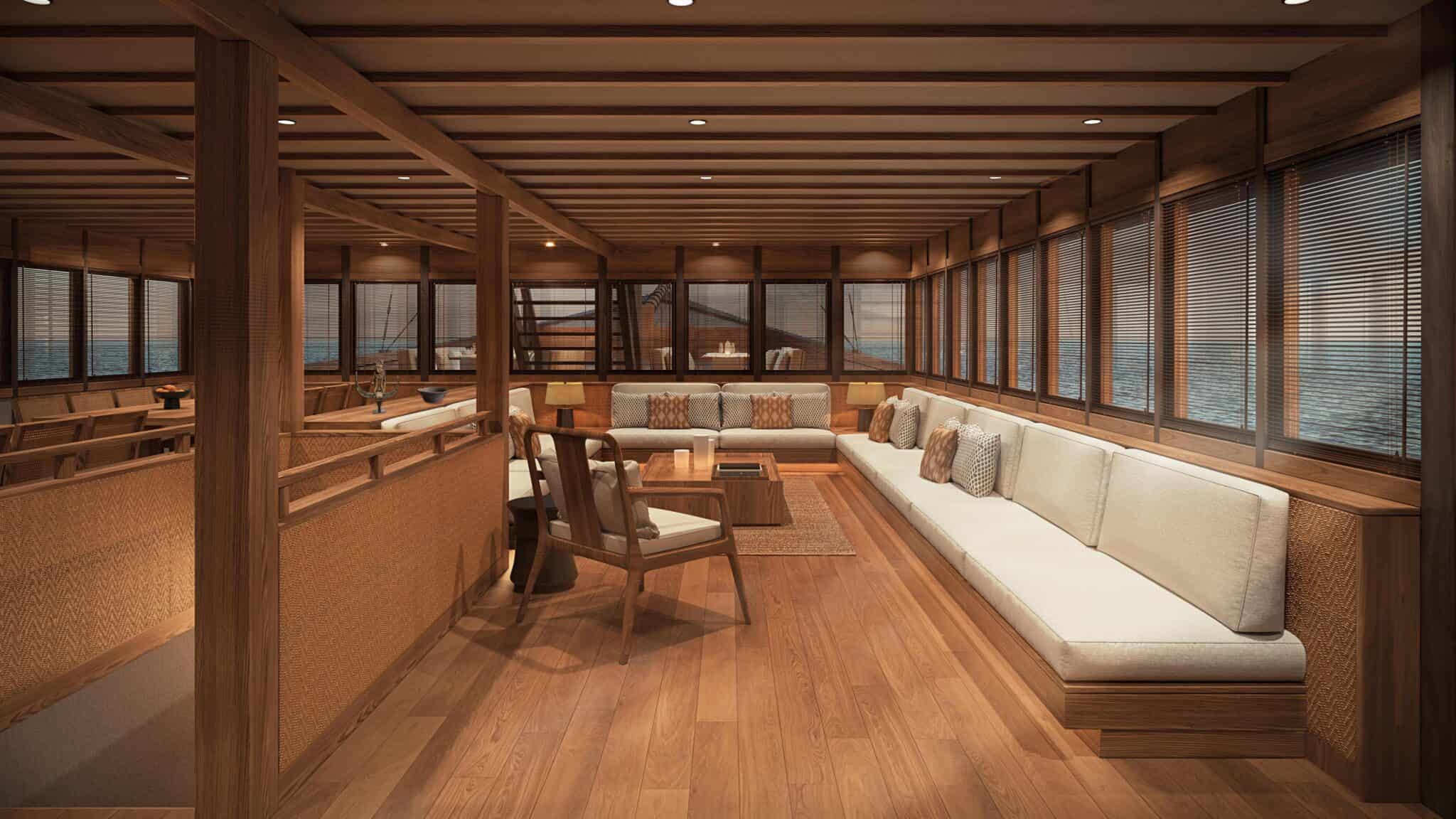

 Master cabinFour cabins, 35 m² (377 sq ft), on the main and upper decks, each with a private deckUS$9,350 per person
 Deluxe doubleTwo cabins on the lower deck, where a sofa bed takes a third guestUS$8,250 per person
 Deluxe twinTwo cabins on the lower deck, two single bedsUS$8,250 per person
Photos: Coralia Liveaboard
The Marine Megafauna Foundation is a globally recognized marine conservation non-profit, protecting the most endangered ocean giants and the habitats they call home since 2009.
Our vision is a future where marine megafauna are treasured and protected. Our mission is to protect marine megafauna and their key habitats through research, education, and conservation.
Our work began in 2003, when Dr. Andrea Marshall started her doctoral research on manta rays in Mozambique. Dr. Simon Pierce joined her at Tofo in 2005 to establish a whale shark research program, and Tofo remains our long-term base. MMF was registered as a nonprofit organization in the United States in 2012.
In the years since, our team has authored more than 200 scientific publications on marine megafauna, and that research has been put to use. It has contributed to the national protection of manta rays and whale sharks in several countries, including Indonesia, Mozambique, and Tanzania. MMF scientists also led the technical work that placed the reef manta ray, the oceanic manta ray, and the whale shark on Appendix I of the UN Convention on Migratory Species.
In Indonesia, where we have worked since 2012, more than 2,300 individual reef manta rays have been identified across our sites, principally at Nusa Penida and in Komodo National Park.
National staff lead our programs, and locally registered organizations carry the work: Associação Megafauna Marinha in Mozambique, Yayasan Megafauna Laut in Indonesia, and an independent partner organization in Madagascar.
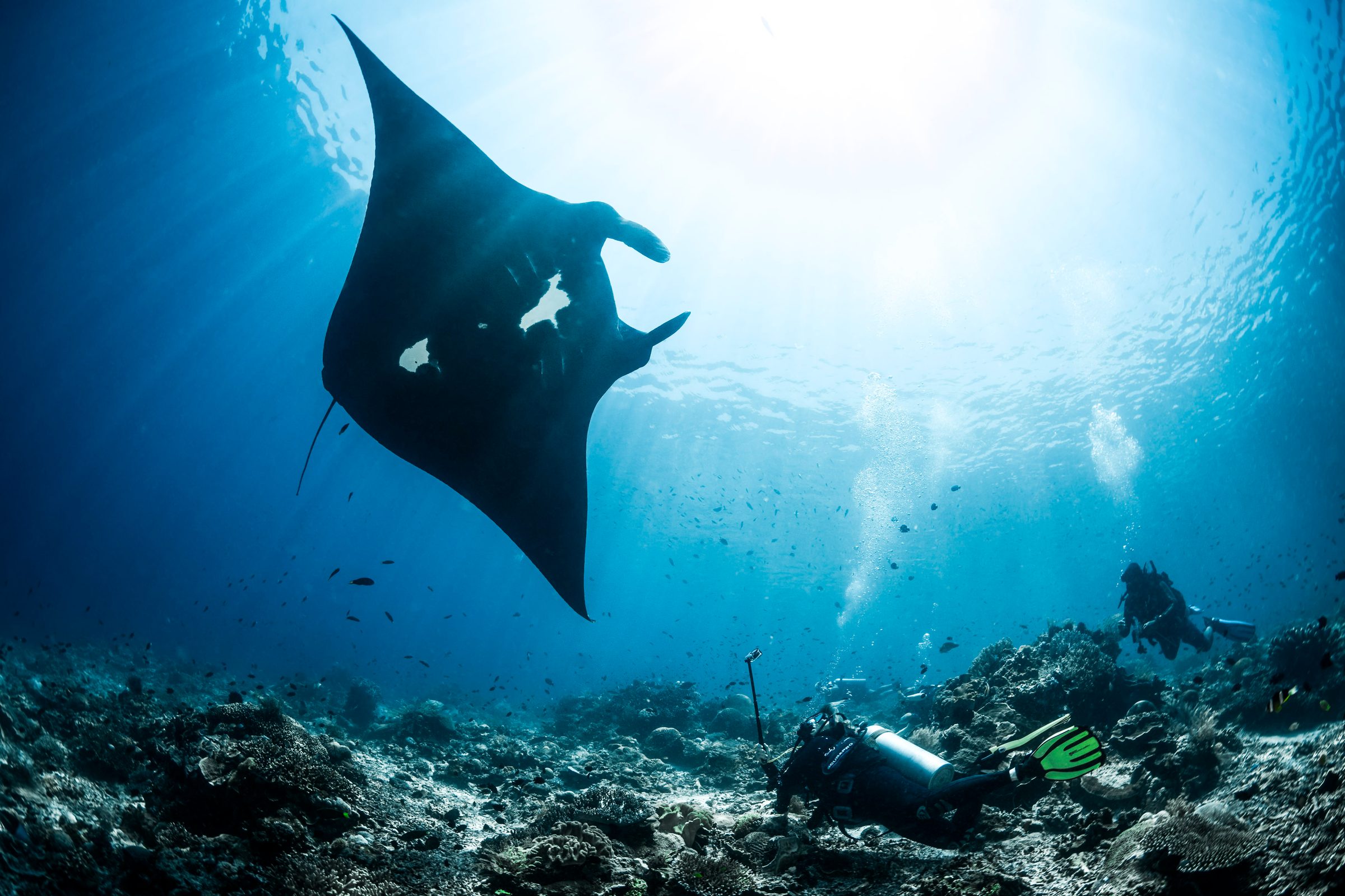
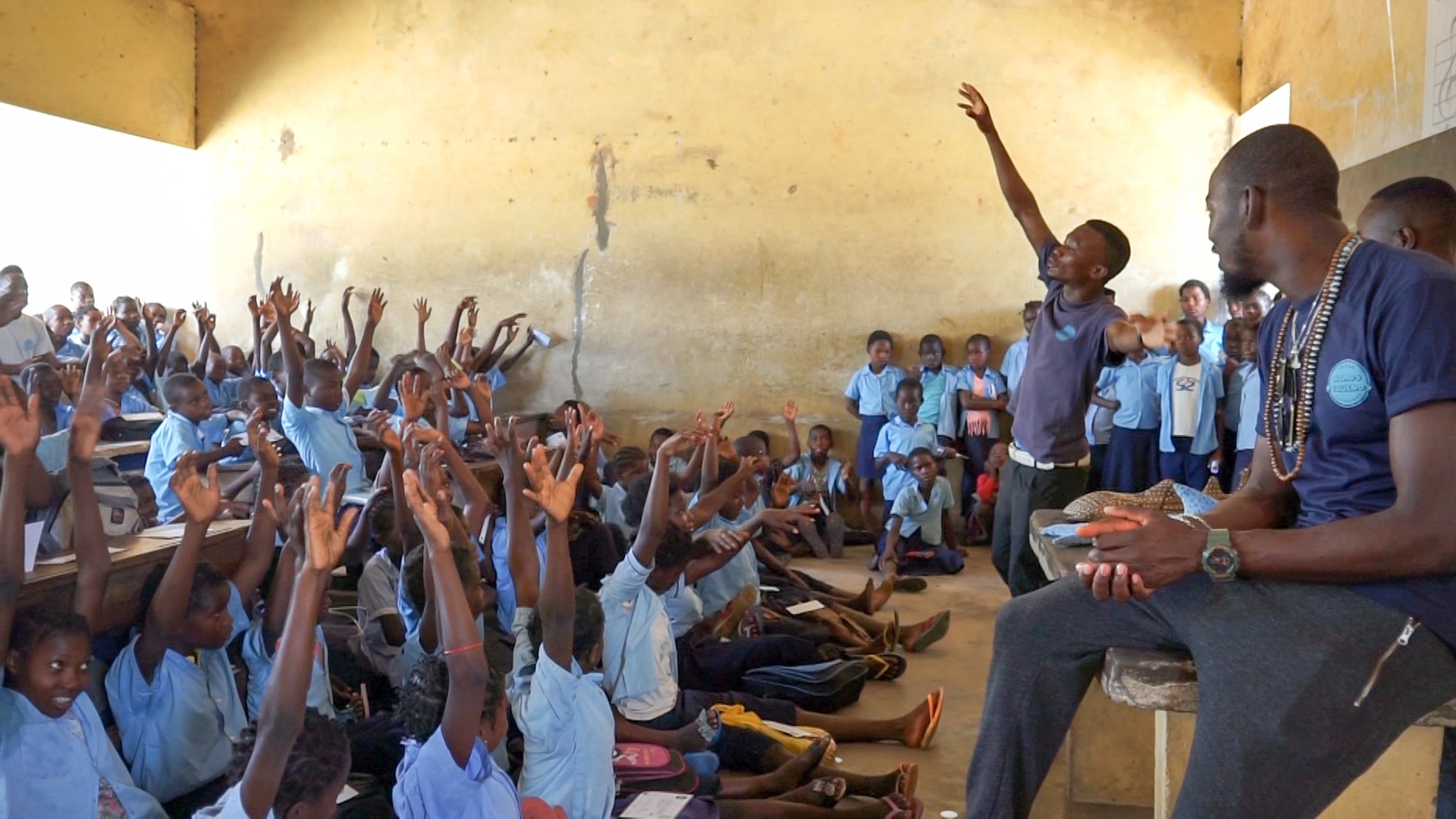
Every MMF expedition is hosted by a working marine scientist, who shares the latest research and conservation discoveries about the animals you'll see. Across the voyage your host gives a series of evening presentations — on the animals we're looking for, how they're studied, what the current research actually shows, and the threats these populations face. There's time to ask the questions you never get to ask a researcher in person, and photography guidance for anyone who wants to come home with better images.
Your photographs do real work. Whale sharks and manta rays can be identified individually by their natural markings — the spot patterns on a whale shark's flank, the markings on a manta's underside — the same way a fingerprint identifies a person. Guests are shown how to take an identification shot, and the photographs taken during the trip are contributed to the global photo-identification databases that researchers around the world draw on. Sightings you record become part of the long-term record for that population.
Marine Megafauna Foundation is a registered 501(c)(3) non-profit. Our expeditions exist to bring people into contact with these animals and send them home understanding them — and 100% of the profit supports MMF's research, education, and conservation work.
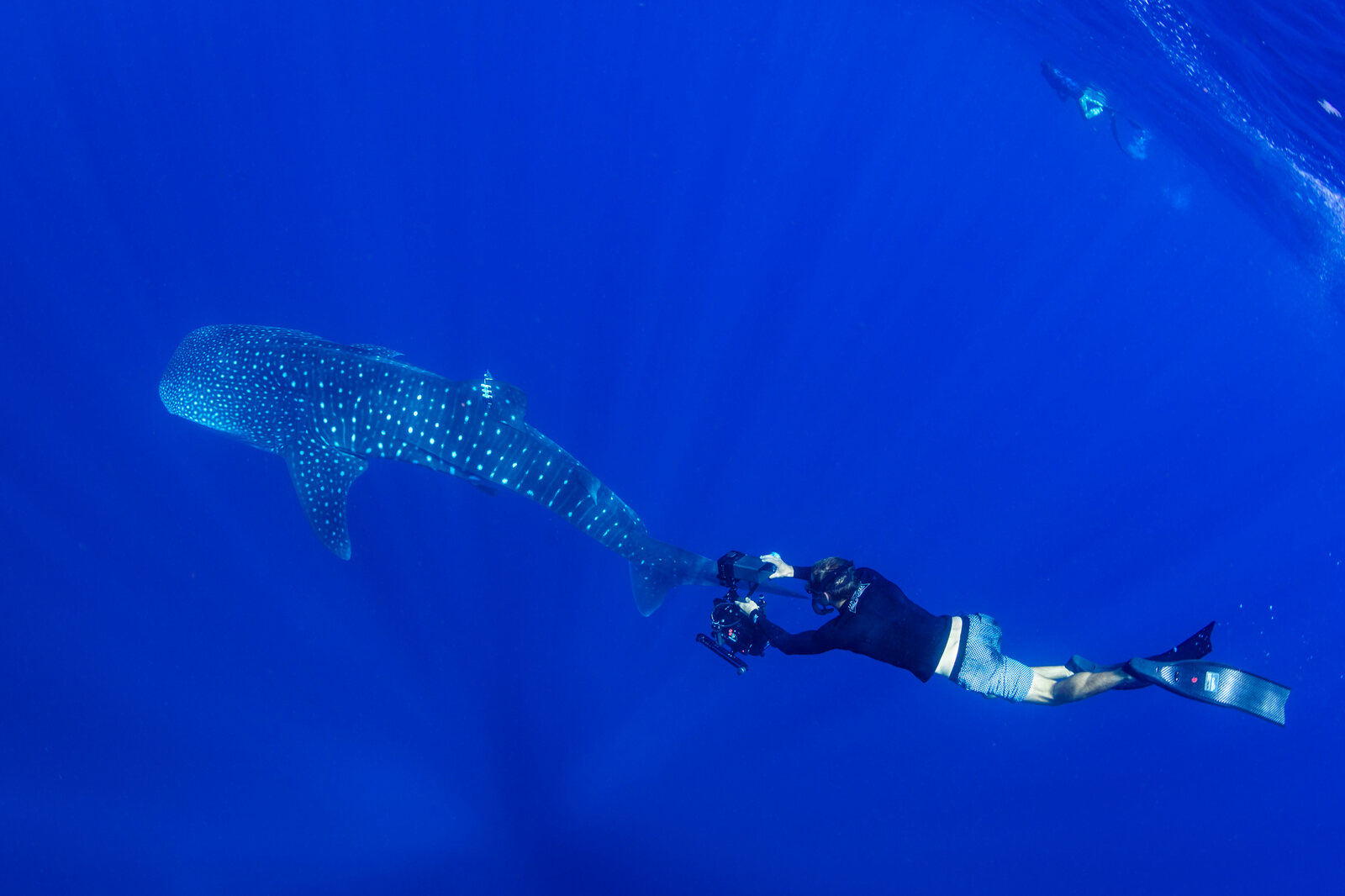
Our expeditions are small-group trips hosted by MMF scientists, and they support this work.
Dr. Pierce founded MMF's flagship Global Whale Shark Program. His work on the population ecology and management of this iconic species has made him the world's top whale shark conservation biologist.
In Indonesia, a two-year Research Assistant program trains early-career marine scientists. Janis Argeswara, MMF's first Indonesian intern, later earned a Fulbright scholarship to Florida International University, where she completed a master's degree on the reef manta rays of Nusa Penida. She now leads the national program.
Fly to Sorong (SOQ), with direct flights from Bali and connections via Jakarta, Makassar, or Manado. The harbor is about 10 minutes from the airport, and transfers to and from Sorong airport are included. Sorong accommodation is not included.
National park, port and fuel fees (US$385 per person for 2028) are paid on board. Inquire with no commitment. A 30% deposit and the completed terms and conditions form confirm your place, and the balance is due 120 days before departure. Travel insurance is required.
Certified divers of all experience levels are welcome, and each dive guide leads no more than four guests. Snorkelers are welcome too, and the Cenderawasih Bay whale sharks are seen at the surface.
Some sites have currents and depth, so recent diving helps you get the most from them. Tell us your certification, logged dives, and when you last dived when you inquire, and we will confirm the trip suits you. Courses, including Advanced Open Water and Nitrox, can be arranged on board if you book them ahead.
Personal dive-accident insurance that includes emergency evacuation (Divers Alert Network is recommended) is required for every certified diver. Our trip terms and conditions also require comprehensive travel insurance covering trip cancellation and interruption, overseas medical expenses, and emergency evacuation: these trips run in remote places where medical care is scarce, and MMF cannot help with canceled flights or lost luggage.
Nitrox is free for certified Nitrox divers, and tanks, weights, and belts are included. Full rental gear is available (BCDs, regulators, wetsuits, computers, fins, masks, torches, and SMBs); reserve it before the trip.
Contact the boat straight away. Depending on the itinerary and where the boat is, the crew will do everything possible to help you join. Plan a spare day either side for international flights; the last full day ends with two morning dives, finished around 1 pm, so you can fly safely.