Donating appreciated stock is often the most tax-efficient gift you can make. Sell shares that have grown in value and you may owe capital gains tax; donate them directly to the Marine Megafauna Foundation and, in most cases, you don’t. If you have held them for more than a year, you may also deduct their full market value. The same shares protect more ocean, at a lower cost to you, than a cash gift of equal size.
How to donate stock to MMF
- Email us at [email protected] and we’ll send you our brokerage transfer (DTC) instructions.
- Instruct your broker to transfer the shares. This is usually a short form on your broker’s website or a quick phone call.
- Receive your tax receipt. Once the transfer settles, we’ll send it to you.
The details you’ll need
- Our DTC transfer instructions: we email them to you (step 1).
- Legal name: Marine Megafauna Foundation
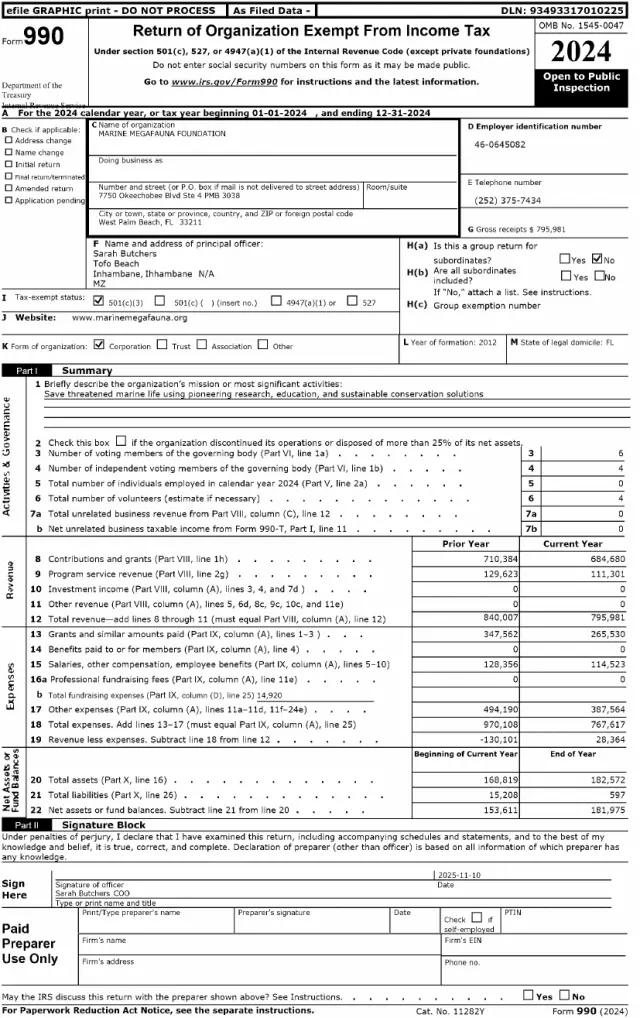
- Federal Tax ID (EIN): 46-0645082
- Please let us know the gift is coming. Transfers sometimes arrive without the donor’s name attached, and we want to thank the right person.
Your receipt
Once the transfer settles, we’ll send a receipt recording the securities and their value for your records. The Marine Megafauna Foundation is a US 501(c)(3) charitable organization with a 2026 Platinum Seal of Transparency from Candid (GuideStar). Contributions are tax-deductible in accordance with US tax law.
Why donate stock instead of cash?
- You may avoid capital gains tax on securities you’ve held for more than a year. On stock that has doubled in value, that saving alone can be substantial.
- You may deduct the full fair market value of shares held for more than a year, as of the date of the gift, not just what you originally paid.
- The ocean gets more. MMF receives the shares themselves, rather than what would remain after capital gains tax on a sale.
Tax treatment depends on your situation. Please confirm the details with your financial advisor.
What your gift funds
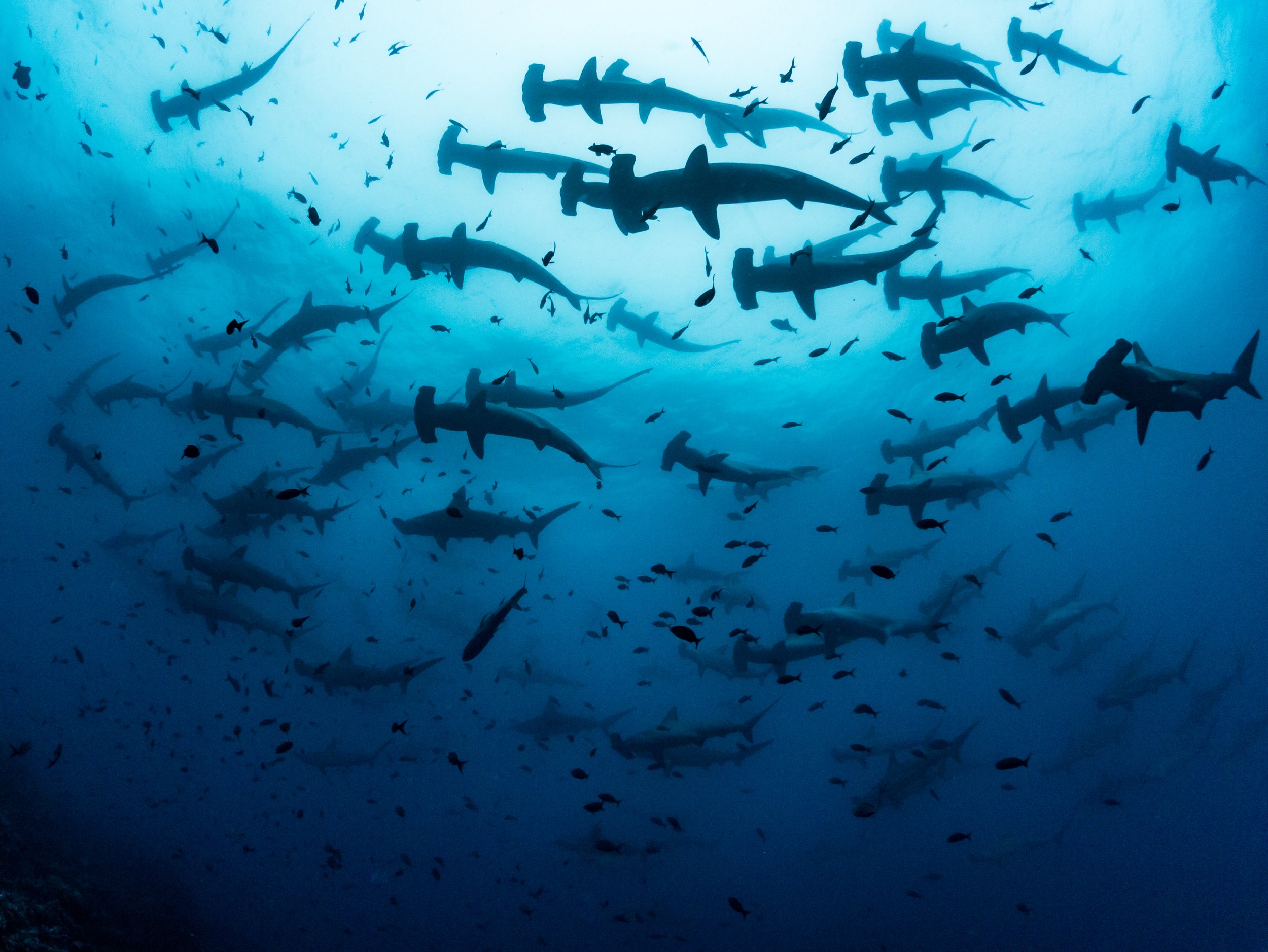
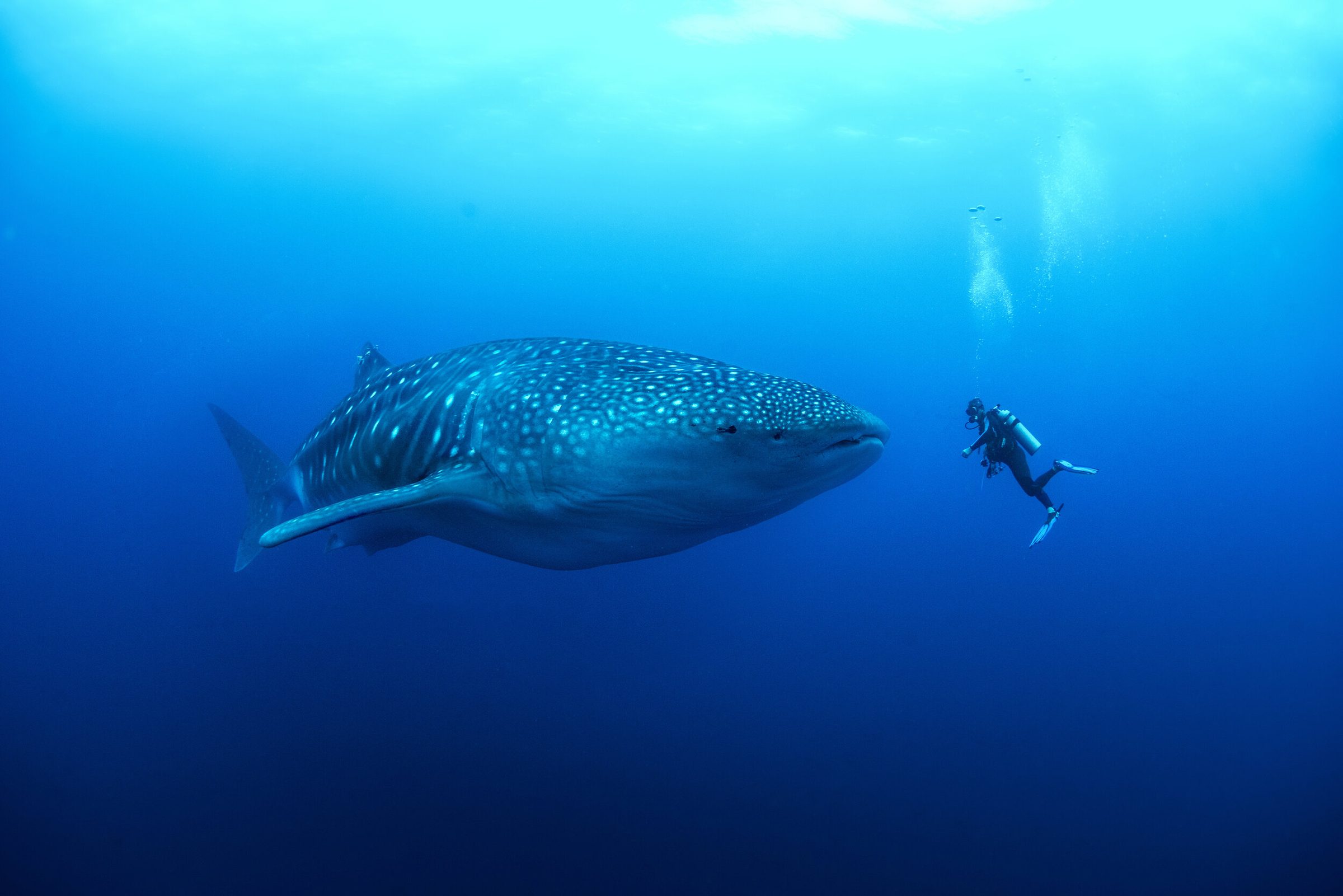
Our scientists co-led the 2016 IUCN Red List assessment that first listed the whale shark as Endangered, led its 2025 reassessment, co-authored the 2025 description of the Atlantic manta ray, and maintain Africa’s longest-running studies of manta rays and whale sharks:
- Protecting marine species and helping their recovery — we’ve led work that saw whale sharks and manta rays protected under international and national legislation.
- Strengthening marine protected areas — we work with MPA managers to design, expand, and monitor protected areas in the places these animals actually use.
- Tackling ocean plastics and other human threats — we study how threats affect endangered species and work directly on solutions.
- Building sustainable fisheries — practical, equitable ways for fishers to avoid accidentally catching threatened wildlife.
- Growing marine ecotourism — livelihoods that make a living whale shark worth more than a landed one.
- Supporting coastal communities — we’ve taught more than 1,900 people to swim, and created training and employment pathways in diving and ecotourism.

“It’s time to act together. We need ocean lovers to take tangible steps to protect the animals we all care about. Join us in the fight to save these ocean giants.”
DR. SIMON PIERCE Co-founder of the Marine Megafauna Foundation
Other tax-smart ways to give
- Donor-advised funds (DAFs): you can recommend a grant to the Marine Megafauna Foundation (EIN 46-0645082) through your DAF provider.
- IRA qualified charitable distributions: if you’re 70½ or older, a gift paid by your IRA trustee directly to MMF can be excluded from your taxable income, up to an annual limit, and, once you must take required minimum distributions, can count toward them.
- Legacy giving: include MMF in your will or as a beneficiary of a retirement account or life insurance policy.
- Cryptocurrency and one-time or monthly donations.
Questions about any of these? [email protected] — a real person reads it.
This page is general information, not tax advice. Please consult your financial advisor about your own situation.