
Where we work · Since 2012
Indonesia
From Bali's Nusa Penida to Komodo and the Derawan Islands, our Indonesian team studies manta rays and sea turtles, and turns the evidence into protection.
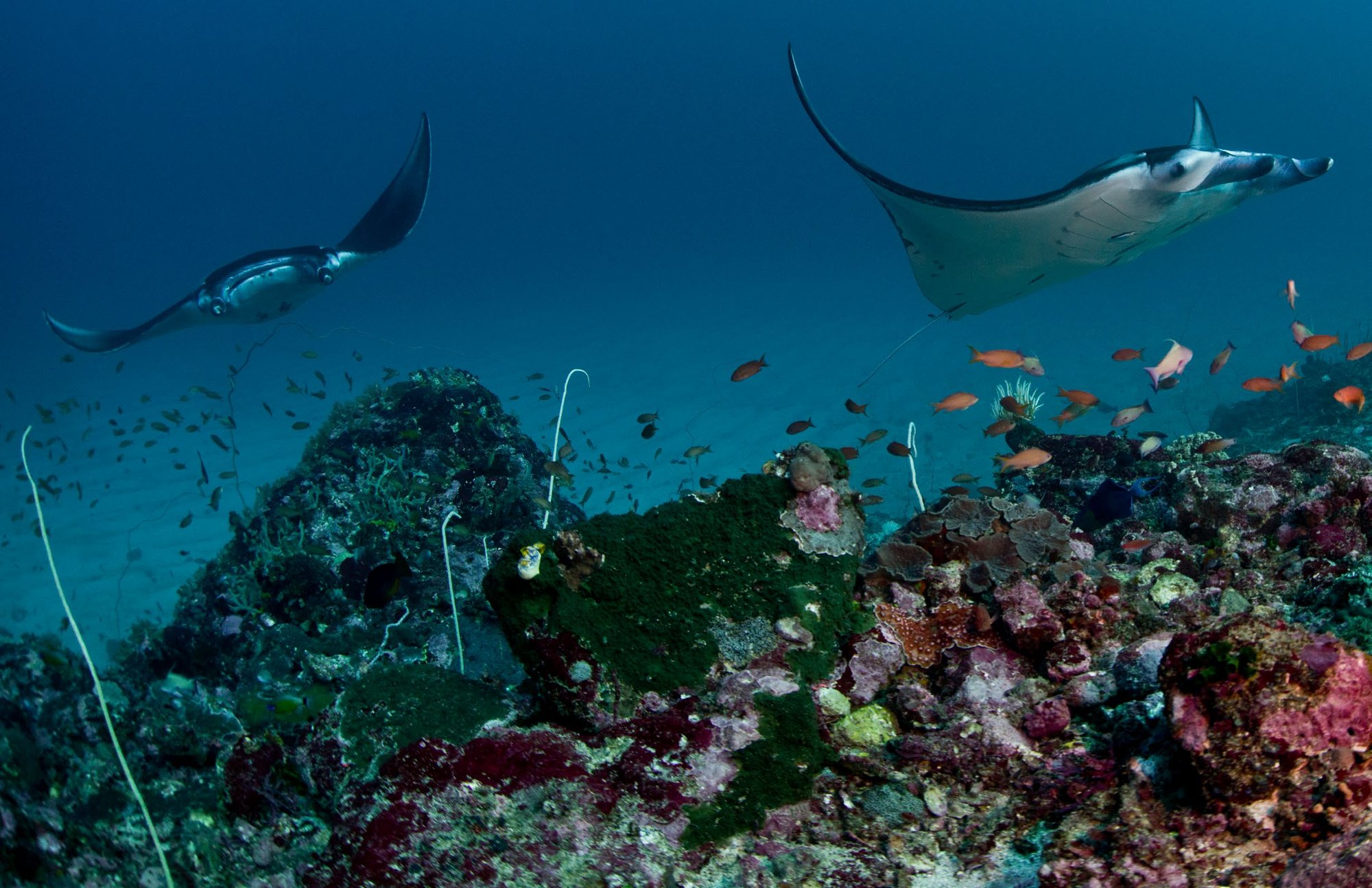
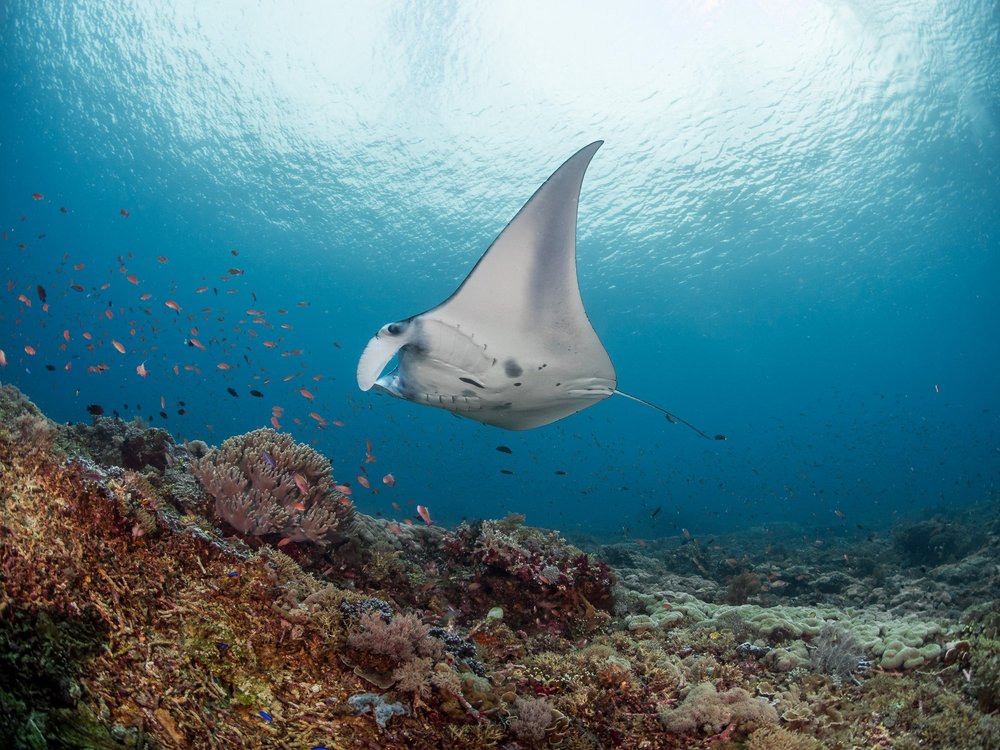
MMF has partnered with Indonesian organizations and universities on marine research across the archipelago since 2012. We currently work in two key areas: the Lesser Sunda Seascape (including Nusa Penida and Komodo National Park) and East Kalimantan, both home to manta ray and sea turtle aggregations. Our discoveries on manta ray populations, movements, habitat use, social networks, and threats helped lead to Indonesia’s nationwide protection of manta rays in 2014. An eleven-year photo-identification study at Nusa Penida, Bali estimated that reef manta ray (Mobula alfredi) numbers there more than doubled between 2012 and 2022, consistent with the hypothesis that the 2014 protections allowed the population to grow.
Today, our Indonesian team, led by Country Manager Janis Argeswara, studies manta rays, sea turtles, and the impacts of anthropogenic threats on these animals. Janis works with Finance and Administration Officer Anindya Retno Pramesti, Research Assistant Calvin Muliawan, Project Scientists Ariq Trisarjono and Lisa-Marie Auditore, and with Research Associates Dr. Elitza Germanov for the Microplastics & Megafauna project, and Aulia Zeintrinanda for the Sea Turtle Project. We have identified more than 2,300 individual reef manta rays across our Indonesian sites. We have now identified 374 sea turtles at Nusa Penida and East Bali, 308 in Komodo National Park, and 344 in the Derawan Islands, recognizing each turtle by the pattern of scales on its face rather than handling or tagging it. In 2026, our team initiated the Lesser Sunda Seascape Tracking Network, the first acoustic telemetry network spanning from Bali to Komodo National Park.
We have authored more than half a dozen peer-reviewed scientific papers on manta rays in Indonesia, including the first estimates of plastic pollution in the region’s manta ray and whale shark feeding grounds (2019) and an analysis of the residency, movements, and demographics of Komodo National Park’s reef manta rays (2022). Divers also contribute photographs: reef manta images go to MantaMatcher.org and turtle images to Internet of Turtles.
Our projects in Indonesia
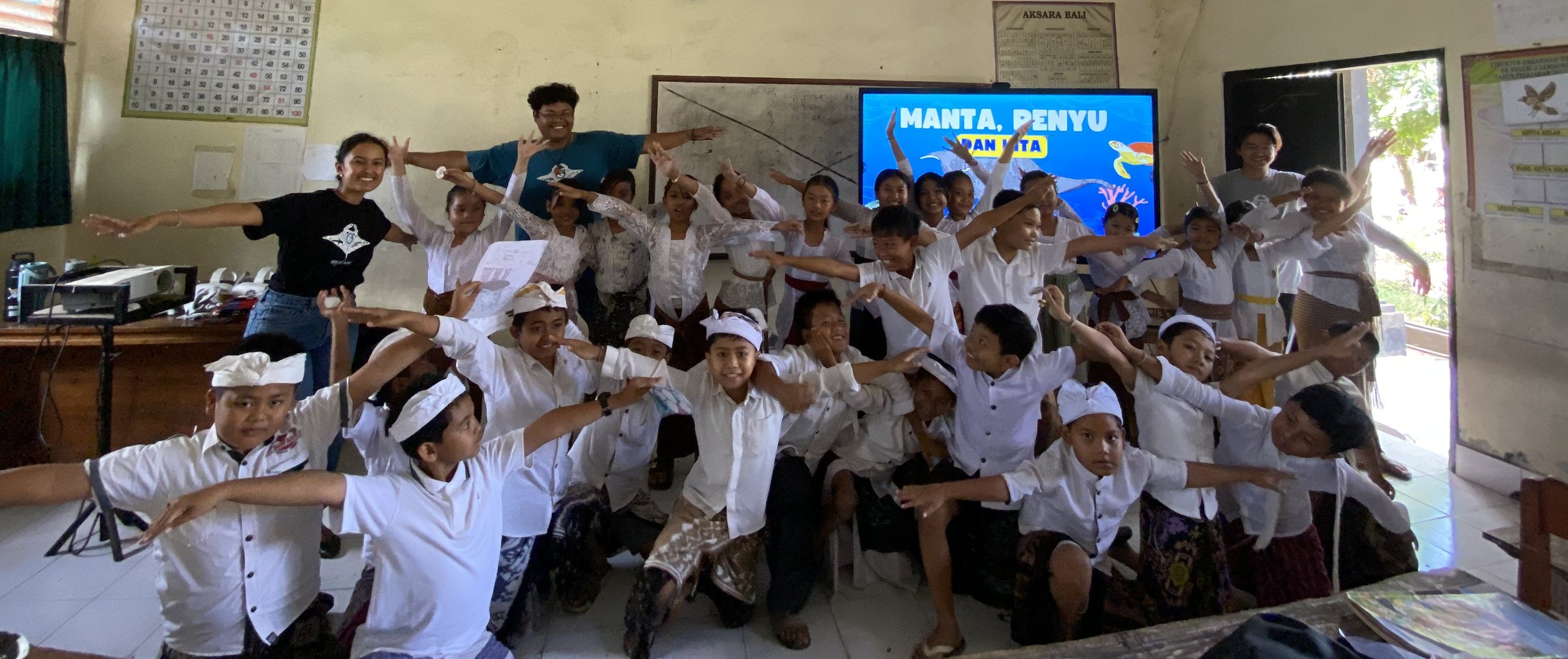
Education and Outreach
Public talks, school visits with virtual reality, citizen science with dive centers, and hands-on training that build understanding and care for Indonesia's marine megafauna.
40+ partner dive centers across our Indonesian research networkLed by Janis ArgeswaraAbout the project →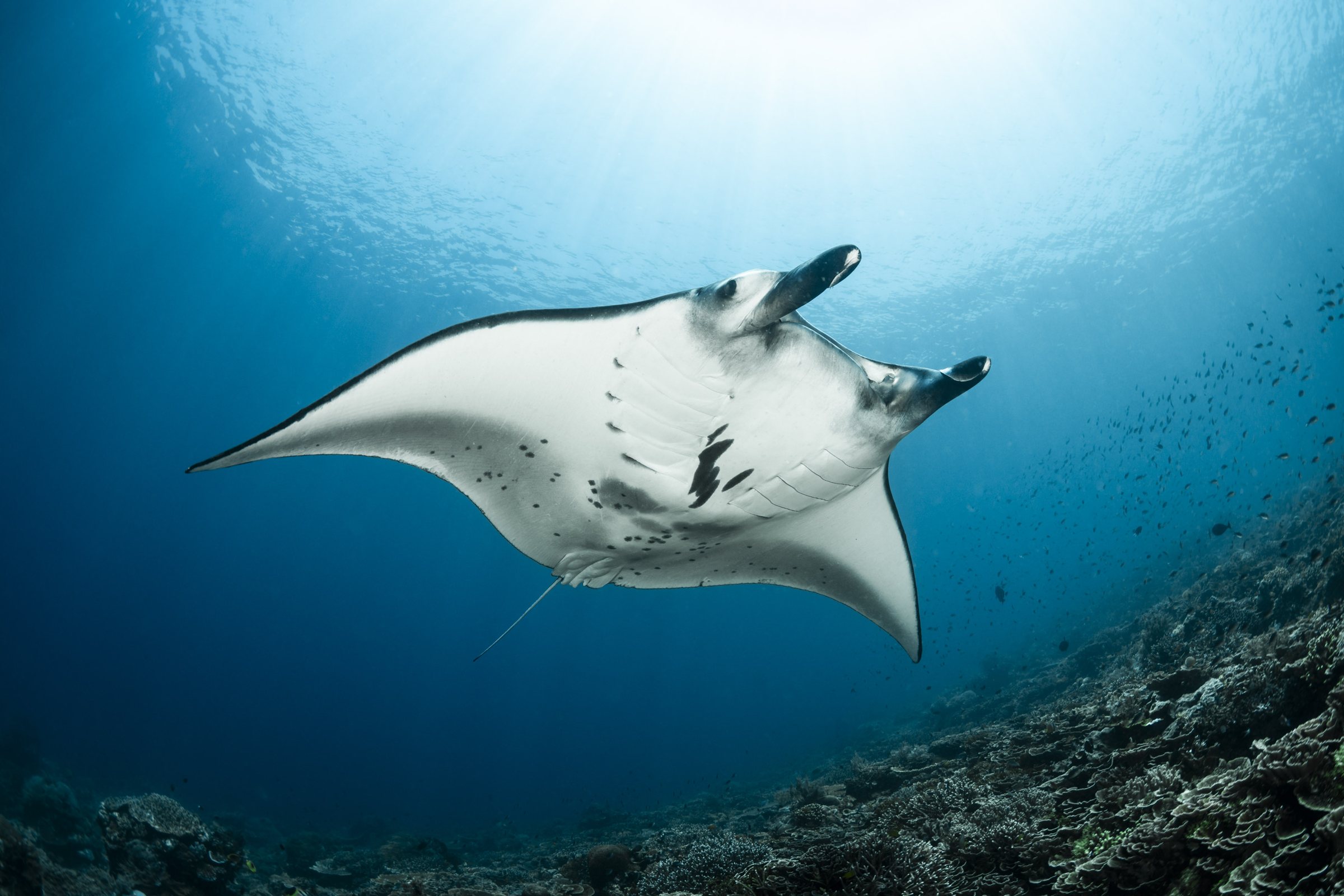
Indonesia Manta Ray Project
We have followed Indonesia's reef manta rays since 2012, and the data helped protect the species nationwide.
2,000+ reef manta rays identified at our Indonesian sitesLed by Janis ArgeswaraAbout the project →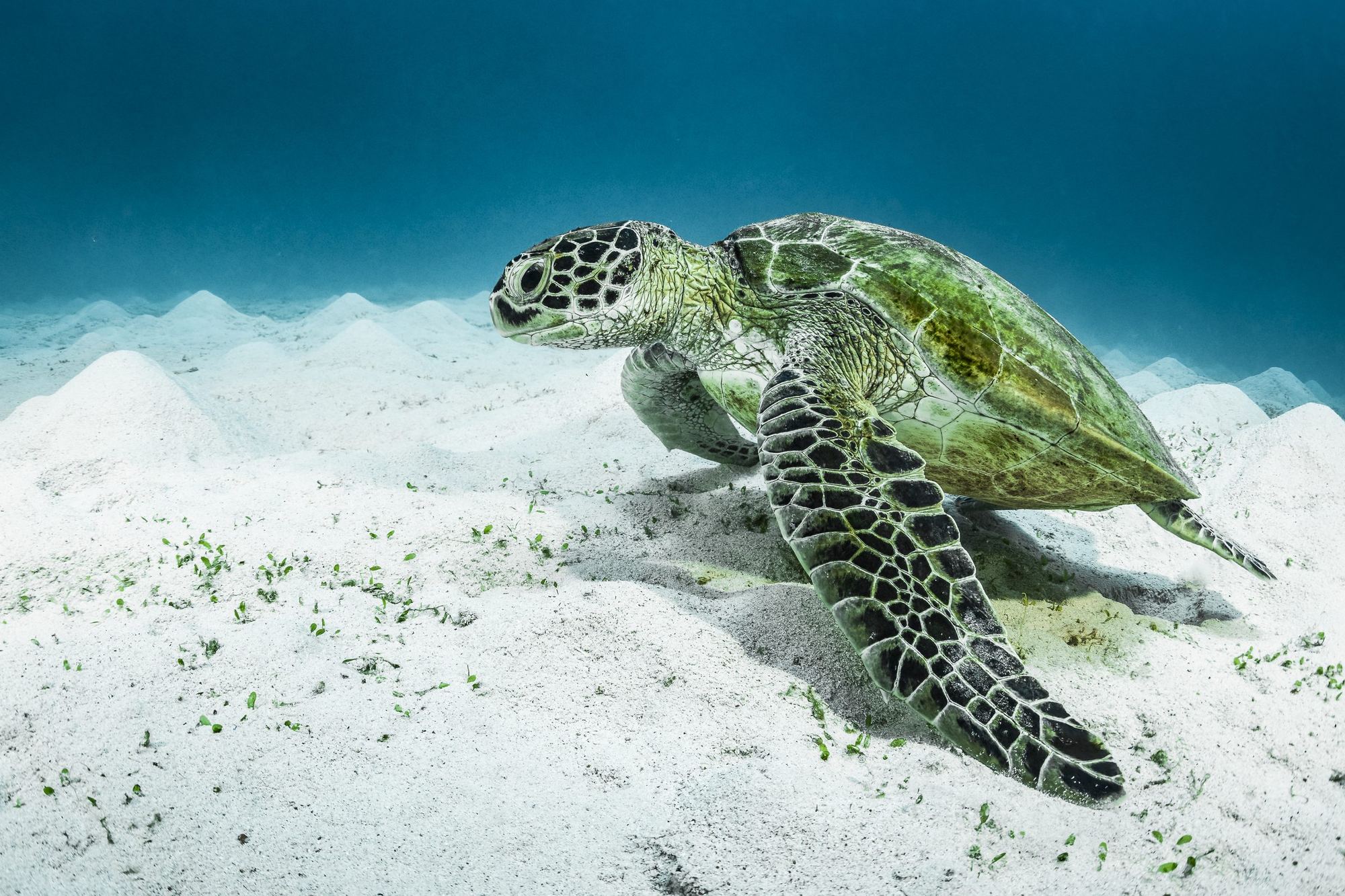
Indonesia Sea Turtle Project
Long-term, non-invasive photo-identification and size measurements of hawksbill and green turtles in Bali, East Kalimantan, and Komodo National Park.
308 individual turtles identified in Komodo National Park, 2016 to 2026Led by Janis ArgeswaraAbout the project →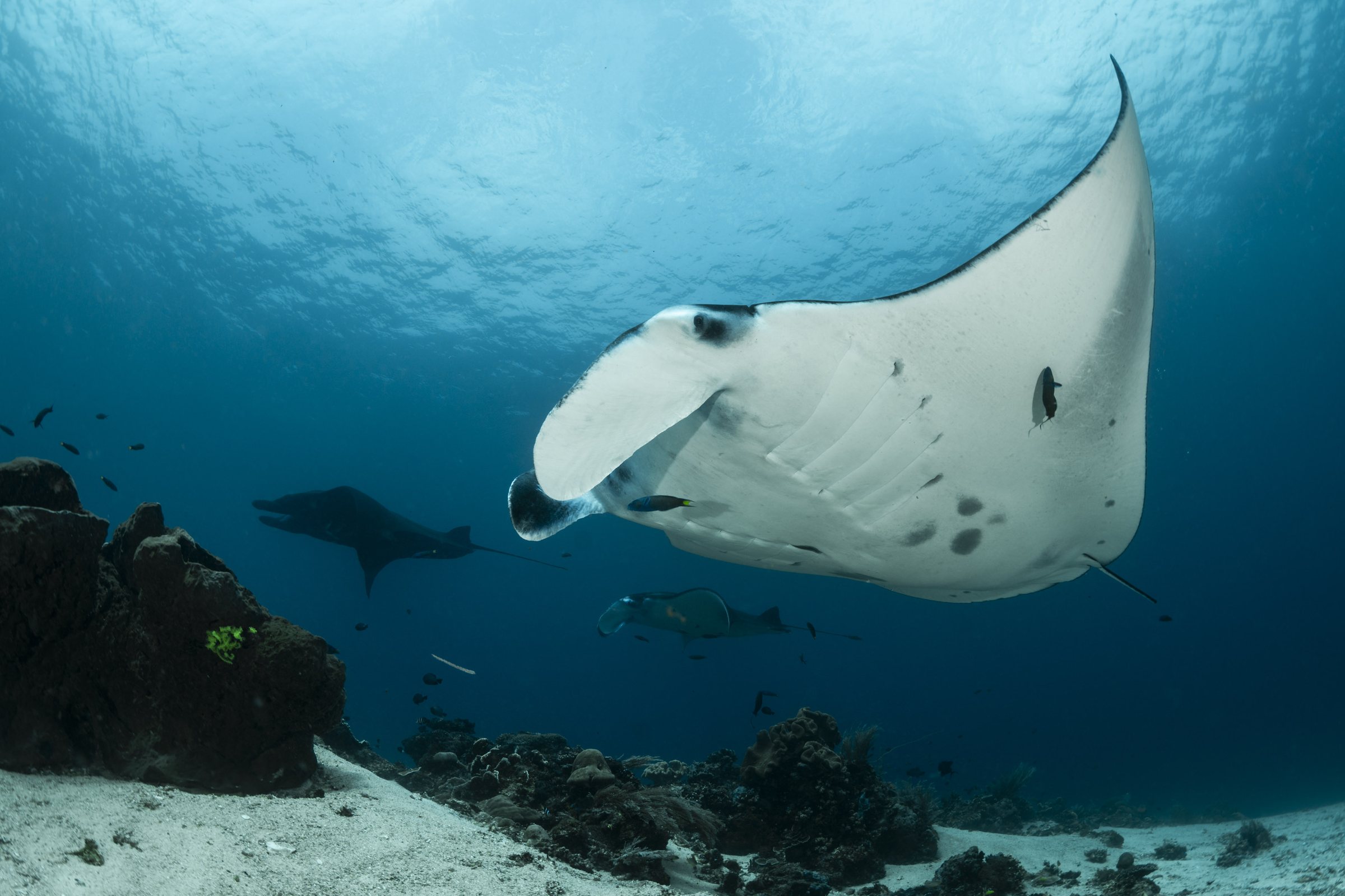
The Lesser Sunda Seascape Tracking Network
The first step toward an acoustic telemetry network stretching from Bali to Komodo National Park, built to show how reef manta rays move between Indonesia's aggregation sites.
10 acoustic receivers on loan from the Ocean Tracking NetworkLed by Janis ArgeswaraAbout the project →Completed projects
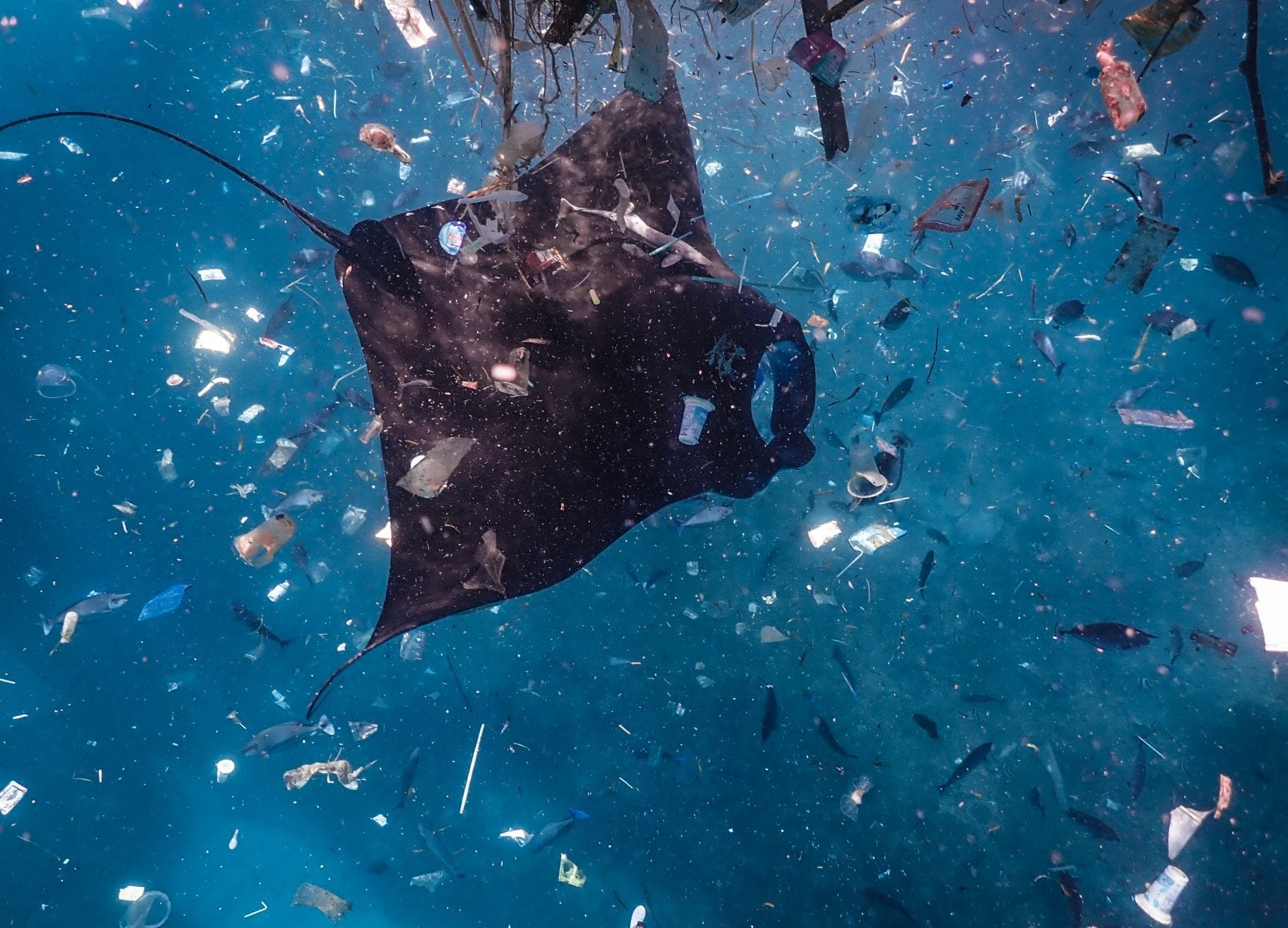 Nusa Penida Marine Protected Area (Bali); Komodo National Park (East Nusa Tenggara)Microplastics & MegafaunaMMF studied the impacts of marine plastic pollution on manta rays and whale sharks to better understand the risk to these filter-feeders.
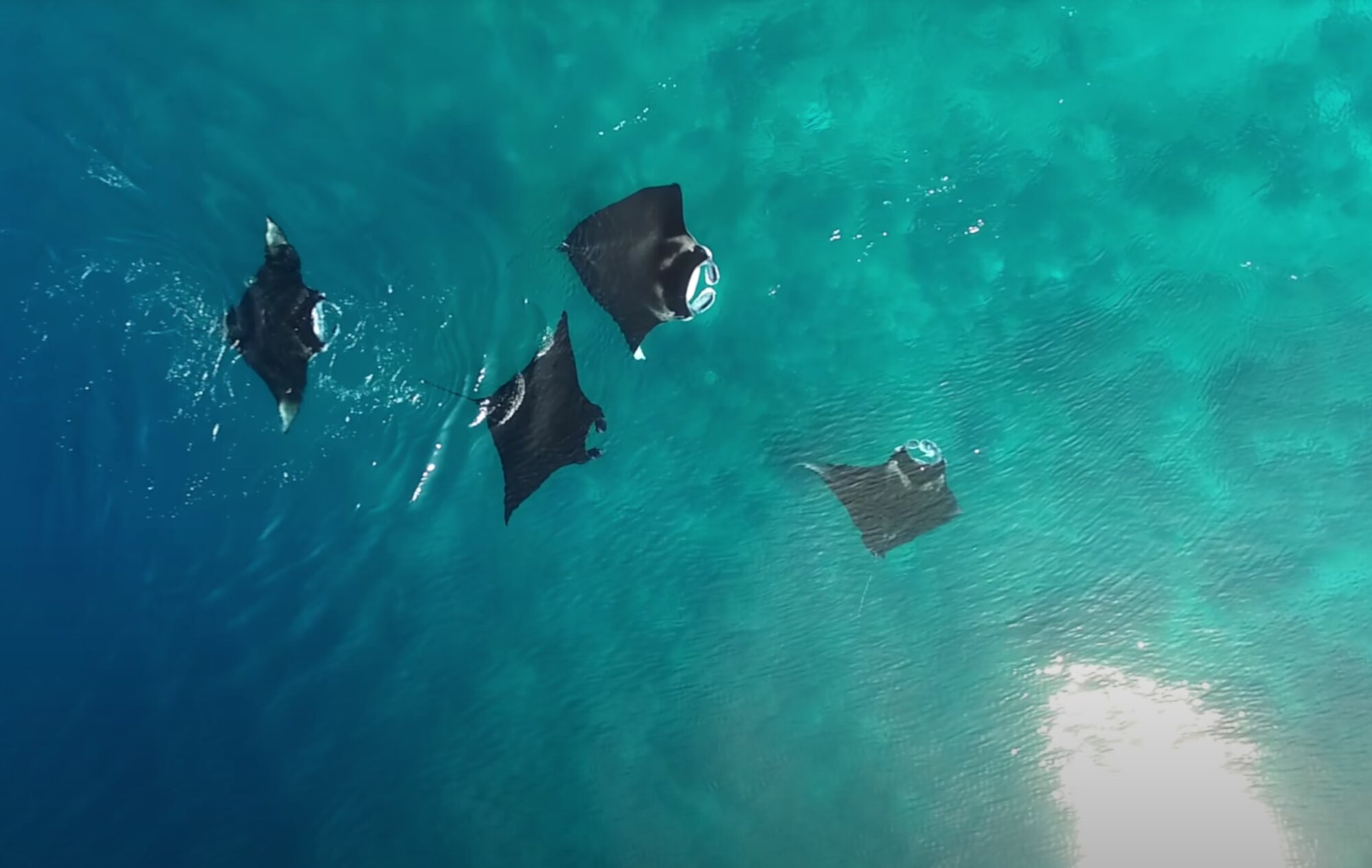 Raja Ampat, West PapuaRaja Ampat Manta RaysFive years of research into reef manta ray social behavior in Raja Ampat Marine Park, covering social networks, cephalic-lobe signals, and shared movements, published 2019–2022.
What we work on
Manta ray tourism is growing faster than it can be managed. At the busiest sites, boat and diver numbers now regularly outpace monitoring capacity. We measure tourism pressure at key aggregation sites, giving park authorities the evidence they need to set visitor limits and enforce codes of conduct that protect mantas and keep encounters sustainable.
We have begun deploying acoustic receivers across the Lesser Sunda Seascape, home to two of Indonesia's known manta ray aggregations. Alongside photo-identification and citizen science, this network will show how mantas move between sites and which habitats they depend on. It may also reveal aggregations we haven't found yet.
Through public talks, we share the biology of marine megafauna, including manta rays, mola, sea turtles, and leopard sharks, and the research and conservation work behind protecting them.
We run presentations for schools and for stakeholders such as tour operators, using virtual reality headsets to bring the underwater world to people who may never dive. We also offer volunteer and internship placements for Indonesians and international participants, building the next generation of marine conservationists.
Thank you to everyone who supports MMF Indonesia
Idea Wild, Rufford Foundation, Foundation FortUna, Mantahari Oceancare, Sustainable Ocean Alliance, MMF Canada, Udayana University, University of Papua, Yayasan Megafauna Laut, Big Fish Diving, Blue Corner Dive, Coralia Liveaboard, Papua Explorers, SEA Center, Scuba Junkie Dive Resorts.