
OUR STRATEGY.
OUR OCEAN.
OUR FUTURE.
Our strategic plan for 2026 to 2031.
The Marine Megafauna Foundation (MMF) protects the ocean’s largest and most threatened animals, among them sharks, rays, sea turtles, and marine mammals. This page summarizes our strategic plan for 2026 to 2031: what we intend to achieve over the next five years, and the method by which we will achieve it.
A future where marine megafauna are treasured and protected.
To protect marine megafauna and their key habitats through research, education, and conservation.
Two decades of work
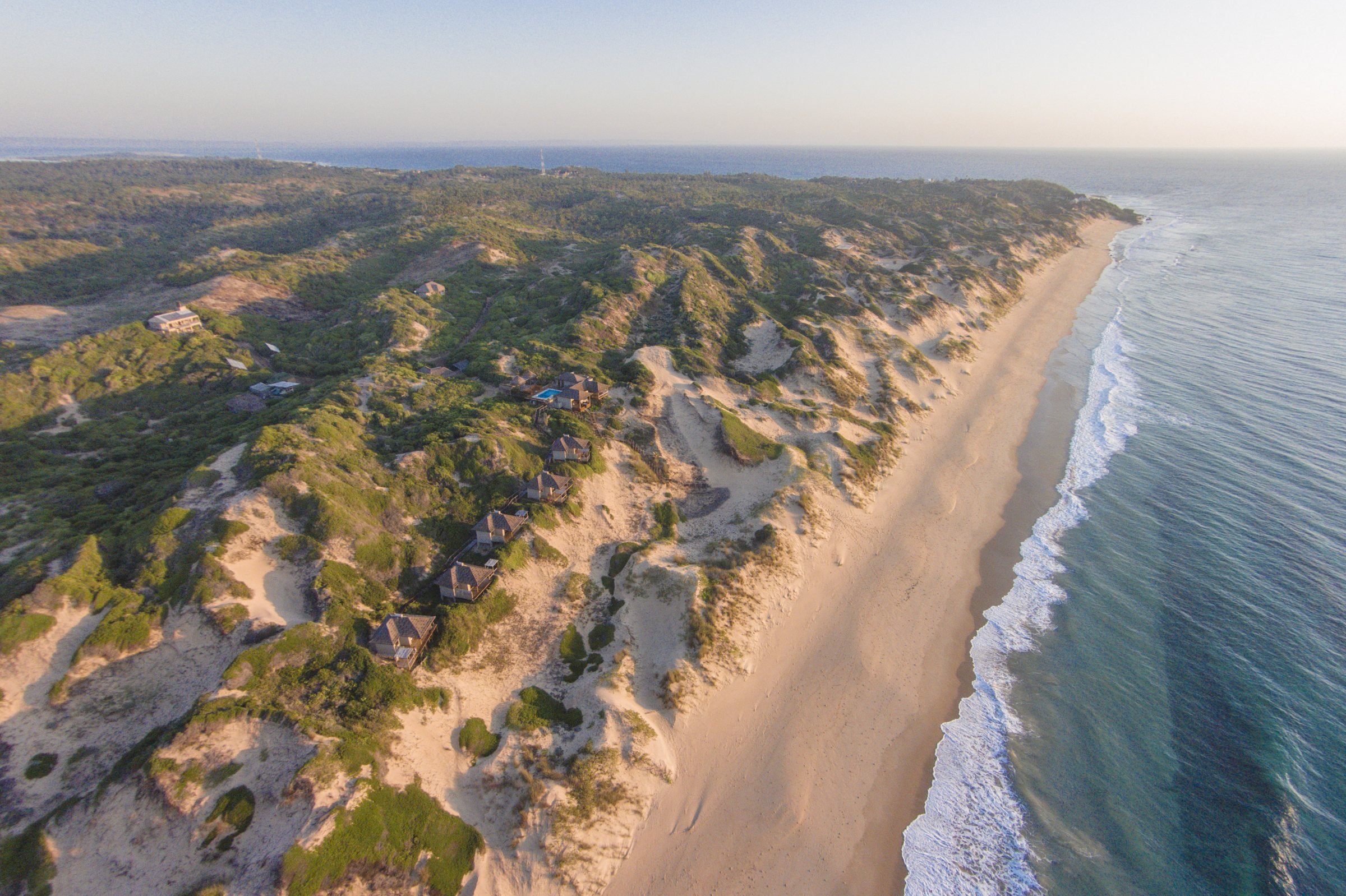
Our work began in 2003, when Dr. Andrea Marshall started her doctoral research on manta rays in Mozambique. Dr. Simon Pierce joined her at Tofo in 2005 to establish a whale shark research program, and Tofo remains our long-term base. MMF was registered as a nonprofit organization in the United States in 2012.
In the years since, our team has authored more than 200 scientific publications on marine megafauna, and that research has been put to use. It has contributed to the national protection of manta rays and whale sharks in several countries, including Indonesia, Mozambique, and Tanzania. MMF scientists also led the technical work that placed the reef manta ray, the oceanic manta ray, and the whale shark on Appendix I of the UN Convention on Migratory Species. That listing requires member countries within each species’ range to protect the animals, their key habitats, and their migration routes.
- 2003
Dr. Andrea Marshall starts her doctoral research on manta rays in Mozambique.
- 2005
Dr. Simon Pierce joins her at Tofo to establish a whale shark research program.
- 2012
MMF is registered as a nonprofit organization in the United States.
- Today
Our team has authored more than 200 scientific publications on marine megafauna.
Why marine megafauna
- 1 in 3shark and ray species are at risk of extinction
- 5 of 7of the world’s sea turtle species are at risk of extinction
- 1,000 kmprojected shift in core whale shark habitat toward the poles by 2100 (620 miles)
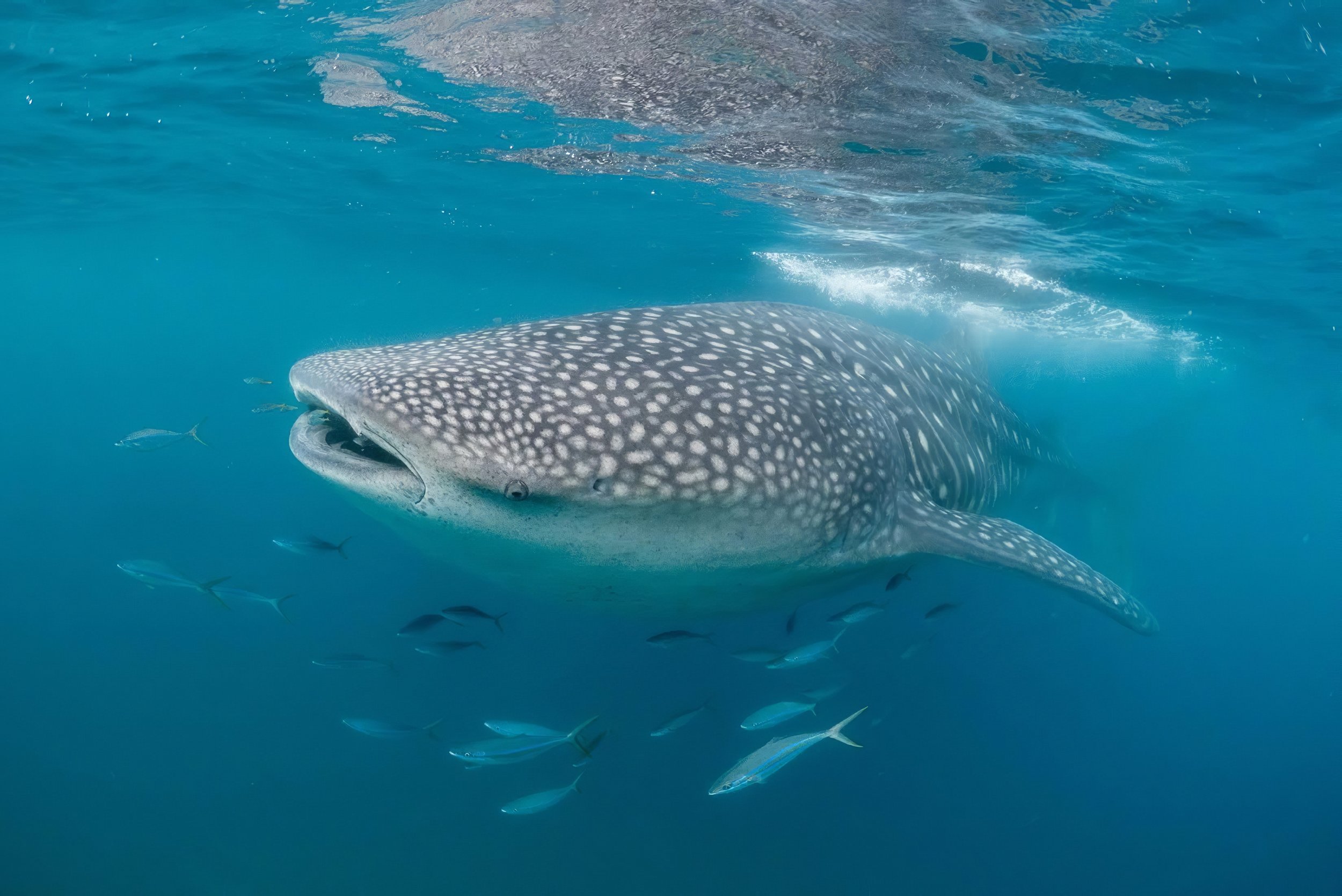
Marine megafauna are among the most threatened wildlife on Earth. One-third of all shark and ray species are at risk of extinction, as are five of the world’s seven sea turtle species. The whale shark is Endangered: the 2025 IUCN Red List assessment, led by MMF scientists, infers that its numbers have fallen by 50 to 79% over the past three generations, or about 120 years. The oceanic manta ray is also Endangered, after a suspected global decline of 50 to 79% over three generations, or 87 years.
For most of these species, the principal threat is direct: people kill them. The remedy is therefore simple to state and difficult to achieve, because conservation depends on changing human behavior. These animals are also large, highly mobile, now rare, and often found in remote places, so identifying what they need takes careful research that disturbs them as little as possible. Climate change compounds the problem. Our own research projects that the core habitat of whale sharks will shift more than 1,000 km (620 miles) toward the poles by 2100, which would greatly increase their overlap with shipping lanes.
We do not accept that these declines are inevitable. Threatened marine megafauna can recover when the threats that kill them are identified, protection is directed at those threats, the rules are enforced, and local people have the means to sustain that protection for decades.
Priorities for 2026 to 2031
Over the next five years, we intend to protect more species, in more countries, and to support more of the people who live alongside them. Five priorities guide that work.
- 1
The Conservation Blueprint
We will take more of our projects through the eight stages described below. We will also continue to assess potential new sites against standard criteria, as we did before launching our whale shark project in Oman.
- 2
Local leadership
We train and employ people from the communities where we work, from children’s swimming and ocean-education classes through to the national staff who lead entire programs.
- 3
Education media
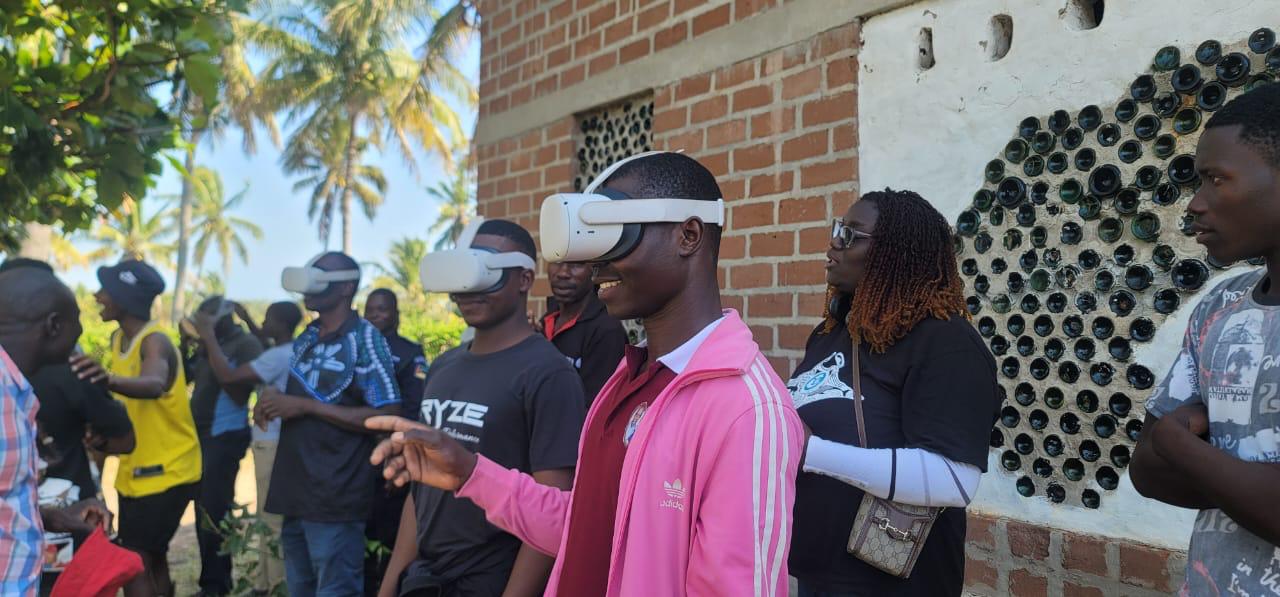
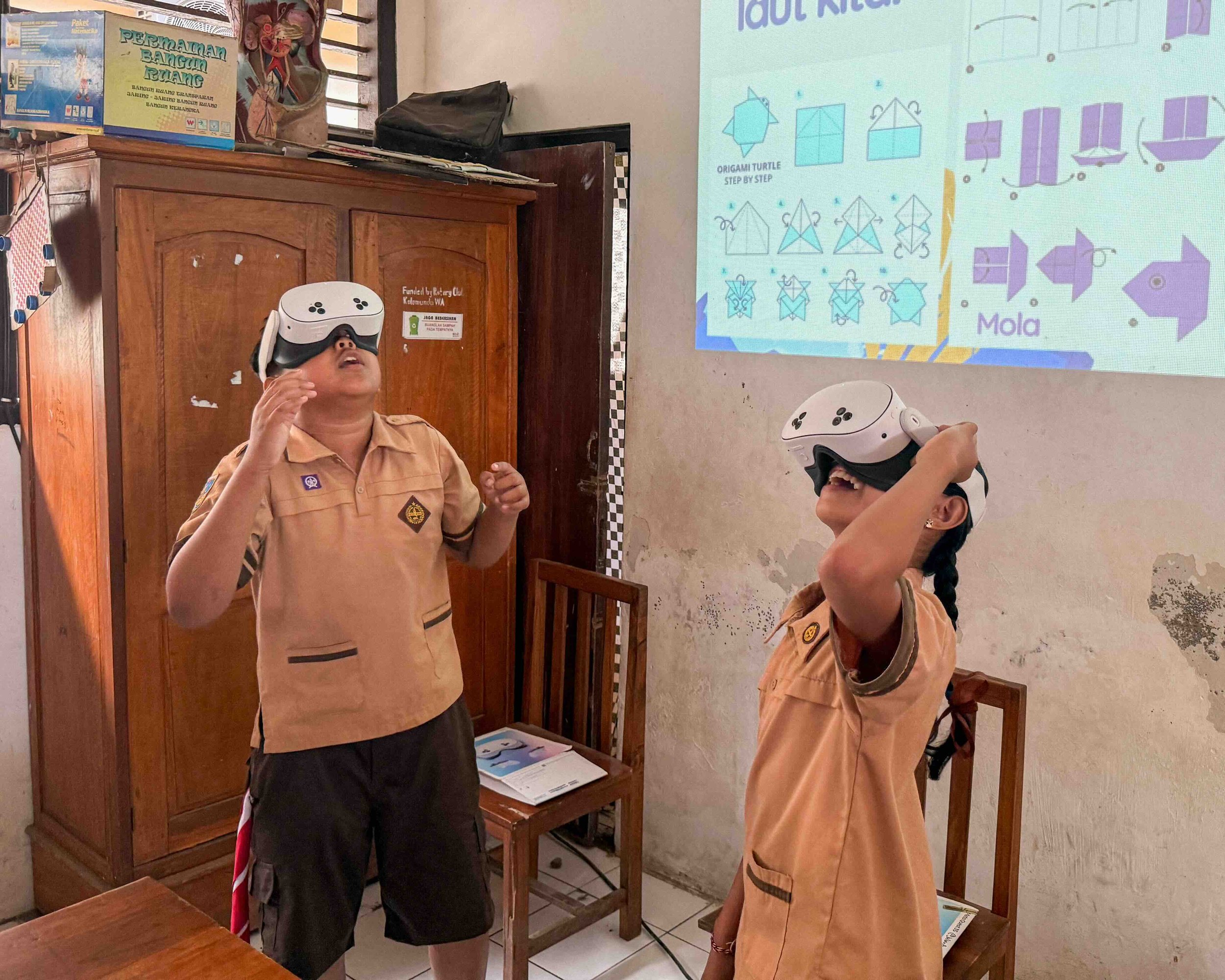
We will produce more media for our education programs, including virtual reality films, which we will use more widely in Mozambique and Indonesia.
- 4
Technology
Our scientists use artificial intelligence to accelerate photo-identification and data analysis, and we are building shared knowledge systems so that expertise passes between countries and on to new staff.
- 5
Stable, diverse funding
Multi-year support allows us to plan ahead, retain skilled staff, and respond quickly when a new threat emerges.
The Conservation Blueprint
The Conservation Blueprint is the method we apply at every site. It takes a project from a species or place about which little is known to a population that is protected, with local people managing that protection. The eight stages often overlap, and new evidence can return a project to an earlier one.
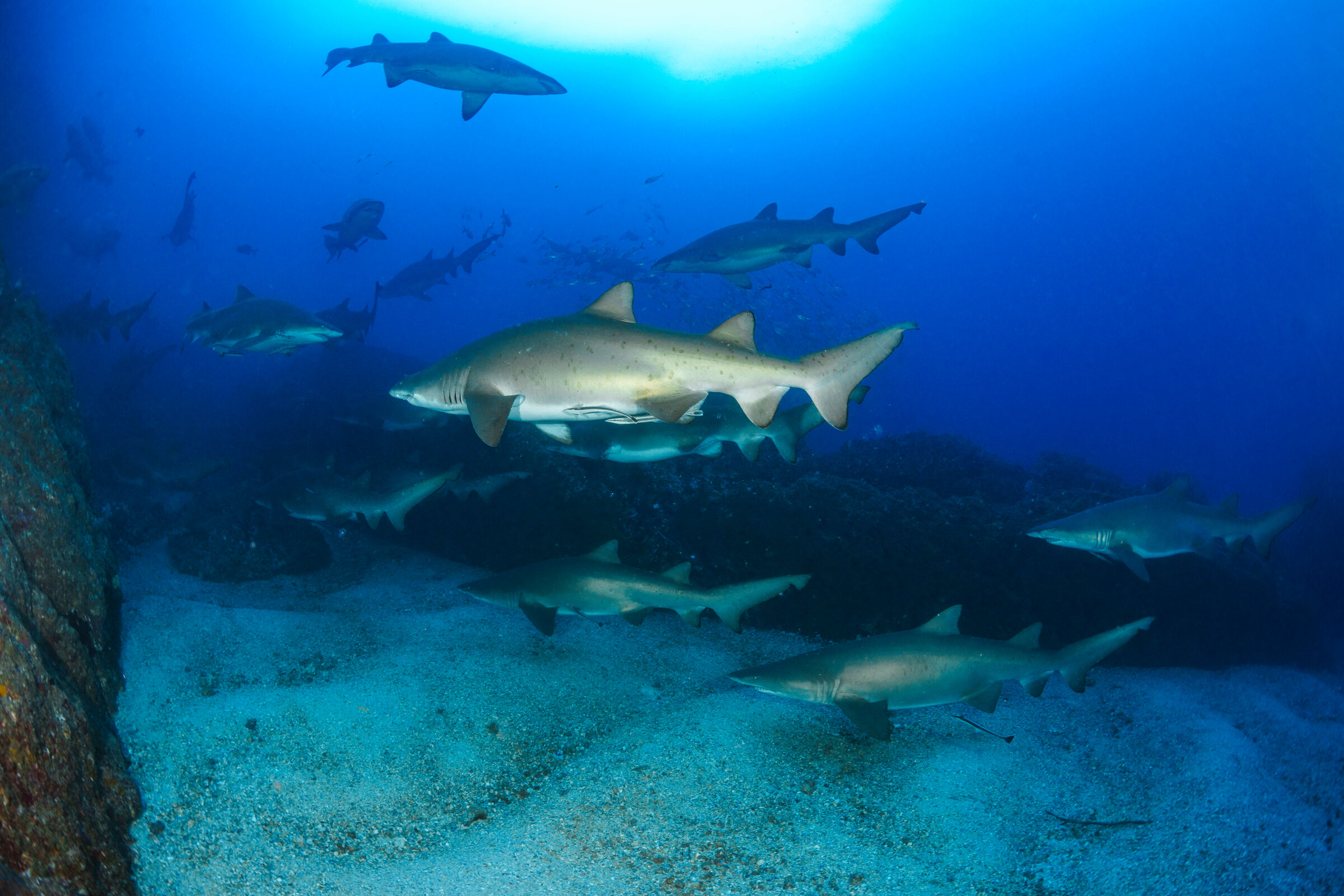
Grey nurse sharks gathered over sand at Wolf Rock, Australia. Stage 1Species selection
We work on endangered, threatened, or poorly known species for which a small team of specialists can change the outcome. These currently include whale sharks, three species of manta ray, grey nurse sharks, leopard sharks, guitarfish, wedgefish, sea turtles, dugongs, and black marlin.
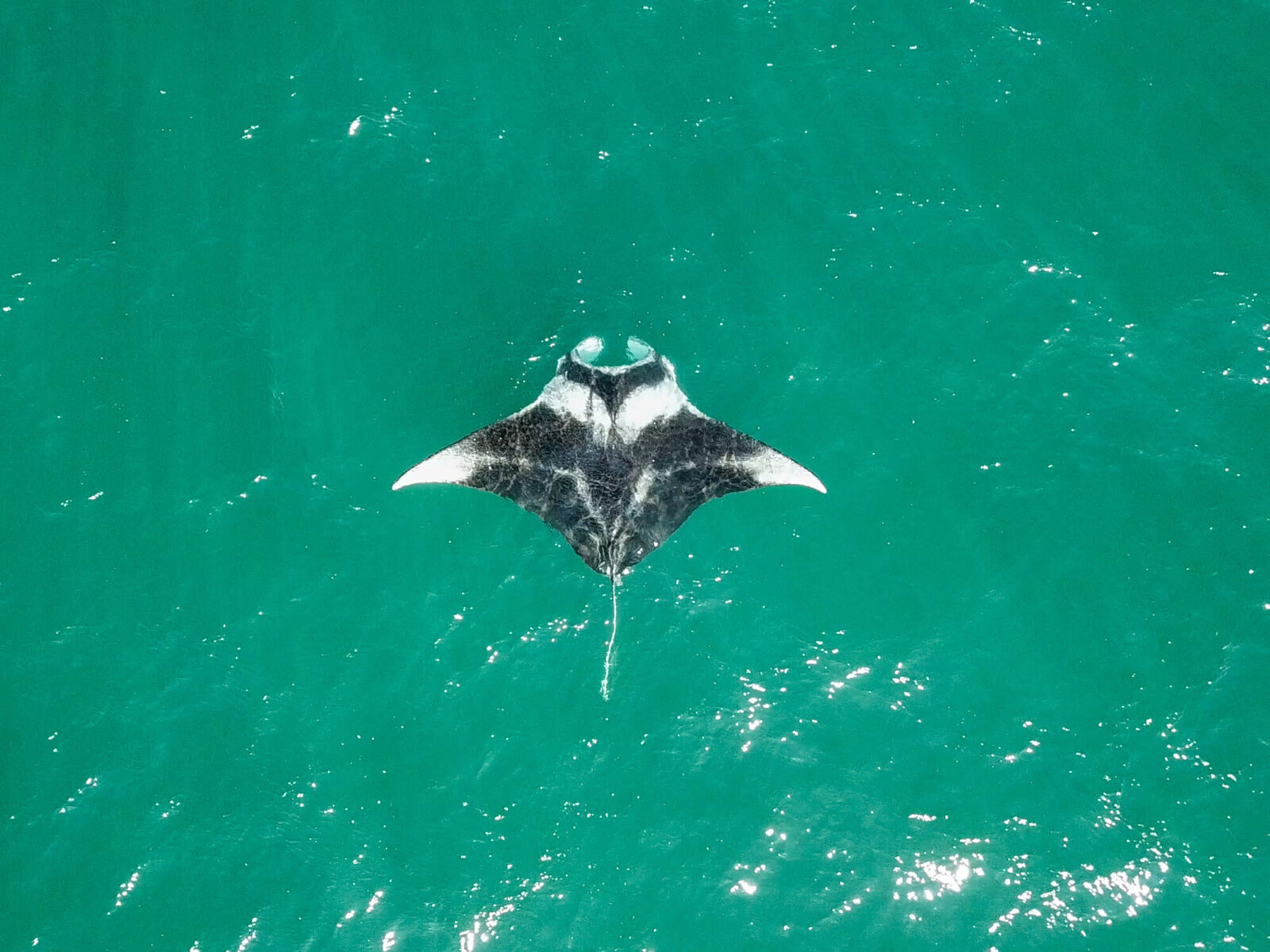
A manta ray off central Florida, seen from a drone. Stage 2Critical site identification
We identify where these animals feed, breed, migrate, and aggregate. This work has led to the formal recognition of IUCN Important Shark and Ray Areas and Key Biodiversity Areas, and has supported the creation and expansion of marine protected areas.
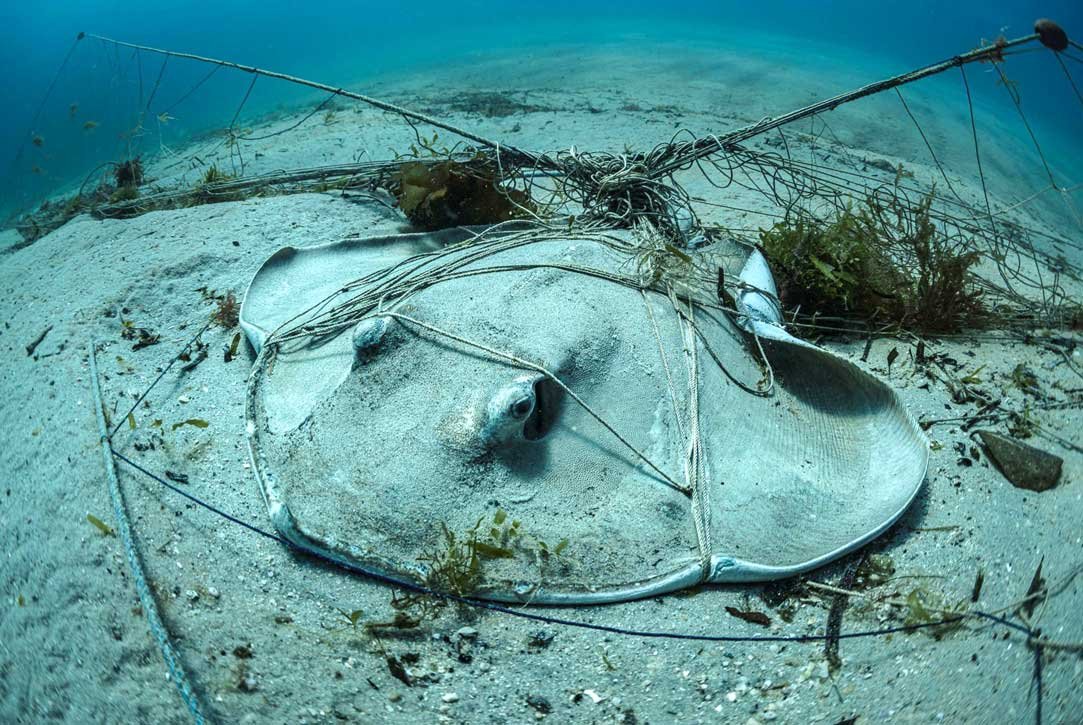
A ray entangled in fishing net on the seabed. Stage 3Threat analysis
We quantify the effects of fishing, shipping, pollution, and other human activities, and give priority to the threats that kill animals or prevent populations from recovering, as distinct from those that mainly disturb them.
Threats to marine megafaunaWhale sharks and shipping riskMicroplastics and megafauna
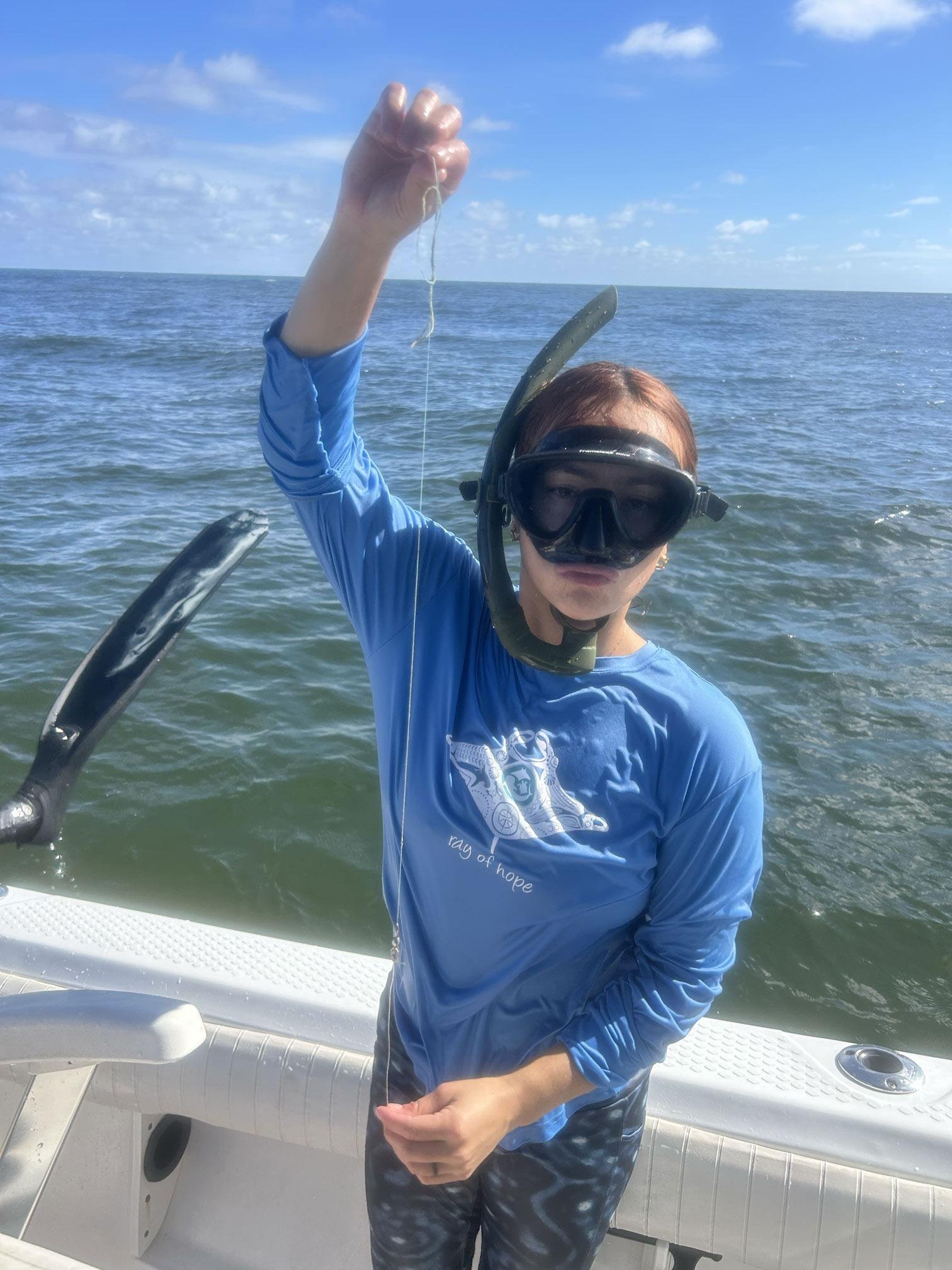
Fishing line removed from an entangled manta ray off South Florida. Stage 4Conservation and education action
We introduce targeted measures against the priority threats and run education programs alongside them. After our initial assessment identified a high risk of oil tankers and other ships striking whale sharks in the Al Shaheen oil field off Qatar, we worked with the field operator, Maersk, to establish a go-slow zone around the primary shark feeding area. In Florida, where entanglement in fishing line injures young manta rays, the team worked with fishers to understand the problem and then placed signs about manta ray entanglement on heavily used fishing piers.
.jpg)
Coastal police graduates of the MMF ocean awareness training workshop. Stage 5Effective protection
We work with governments and communities to turn scientific findings into lasting legal protection, and then support its enforcement, because a protected area without enforcement is protected on paper only. In Mozambique, we assist the coastal police and marine rangers of Inhambane Province with patrol vessels and beach vehicles. In the Bazaruto Seascape, we are working with the Vilanculos Coastal Wildlife Sanctuary and the local community fishing council to establish a protected no-netting area around critical habitat for critically endangered rhino rays (wedgefish and guitarfish).
Community fisheries inspectors accredited in MozambiqueBazaruto Seascape
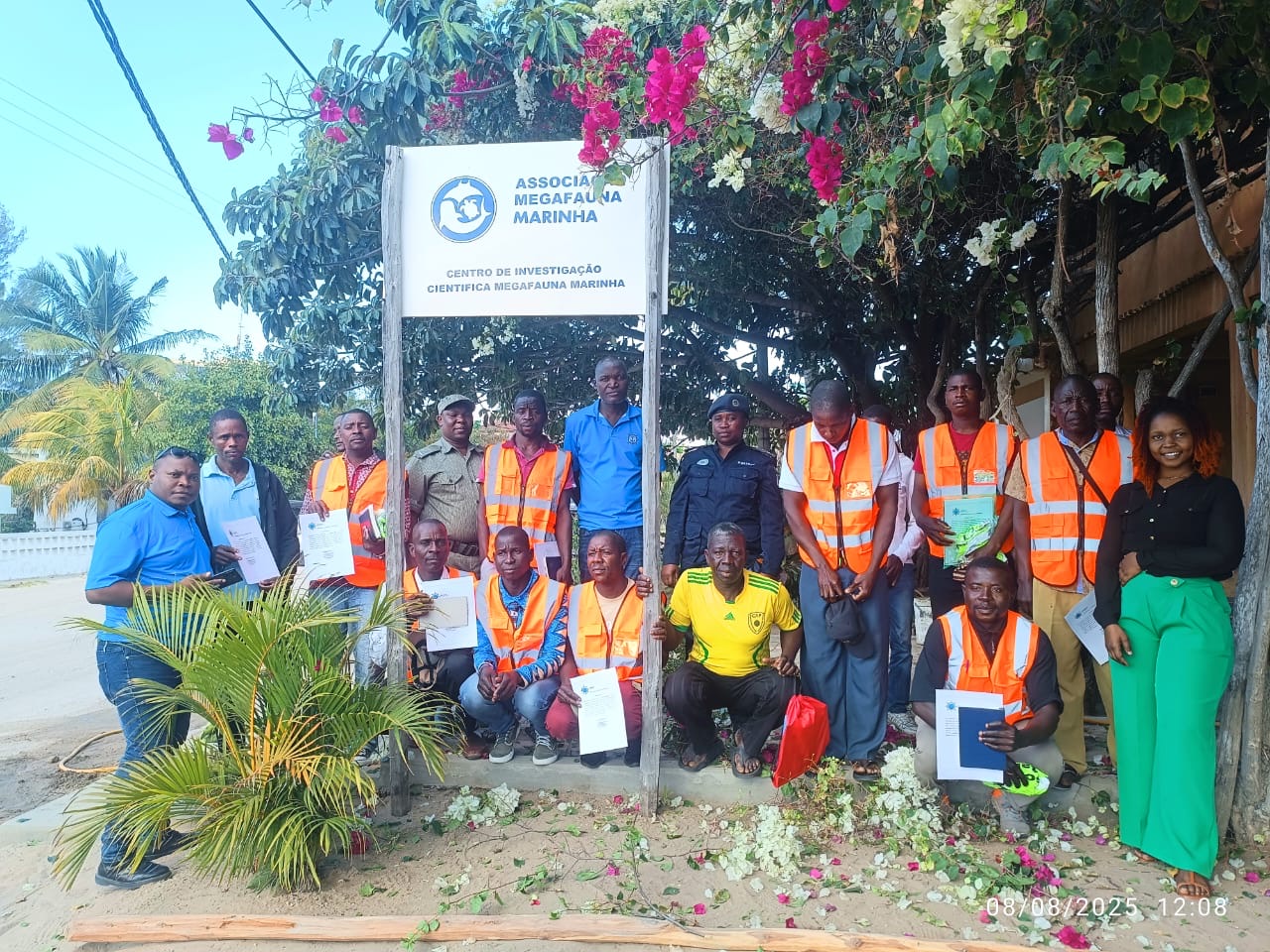
The accreditation session for community fisheries inspectors. Stage 6Local ownership
National staff lead our programs, and locally registered organizations carry the work: Associação Marinha Megafauna in Mozambique, Yayasan Megafauna Laut in Indonesia, and an independent partner organization in Madagascar.
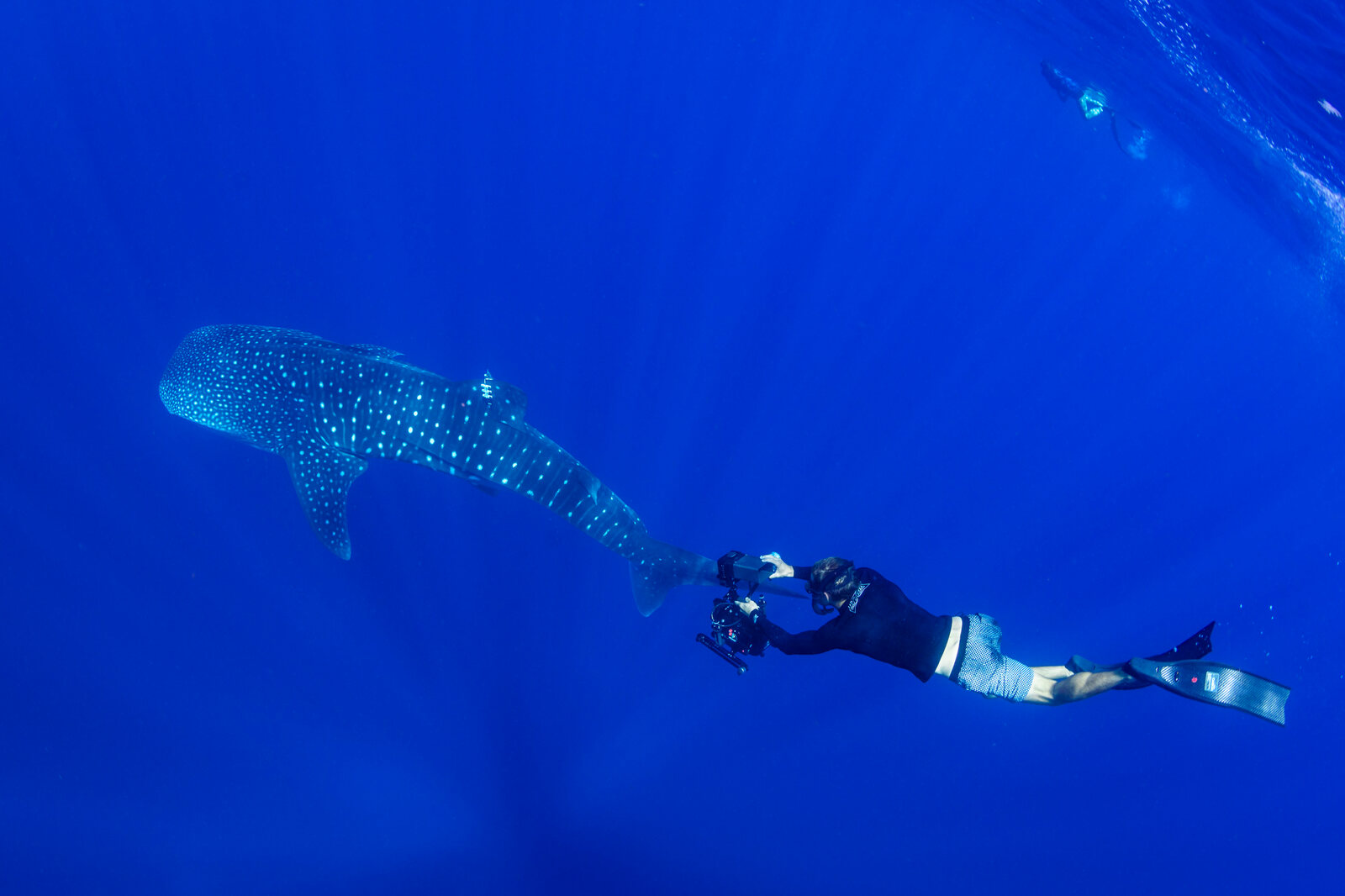
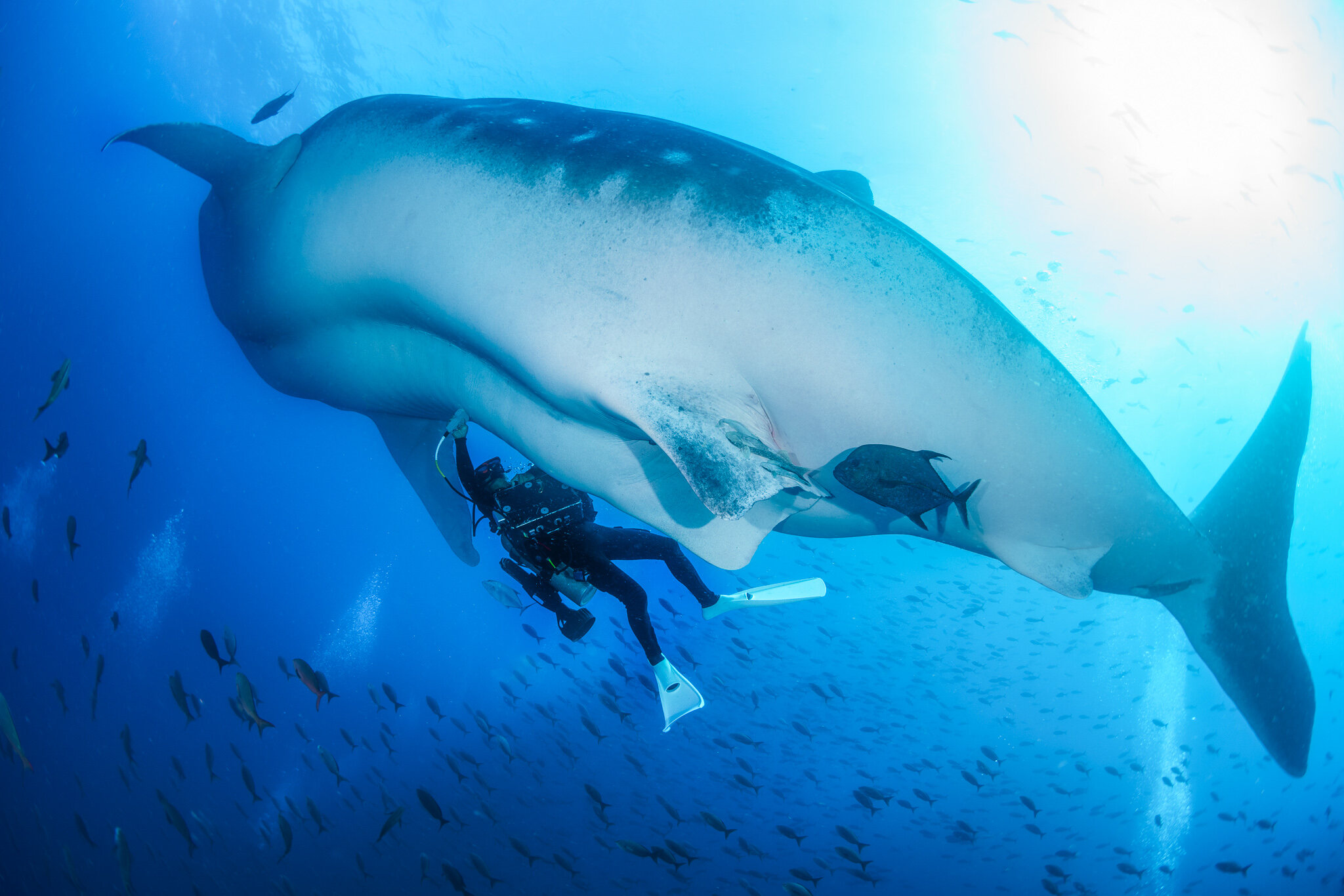
A snorkeler photographs a whale shark swimming below. Stage 7Sustainable monitoring
Whale sharks may not mature for 25 to 40 years, so detecting gradual changes in a population can take decades of consistent monitoring. Photo-identification assisted by artificial intelligence, through the Sharkbook platform to which MMF is scientific advisor, allows trained tour operators and community scientists to contribute, which makes long-term monitoring affordable for local teams to sustain.
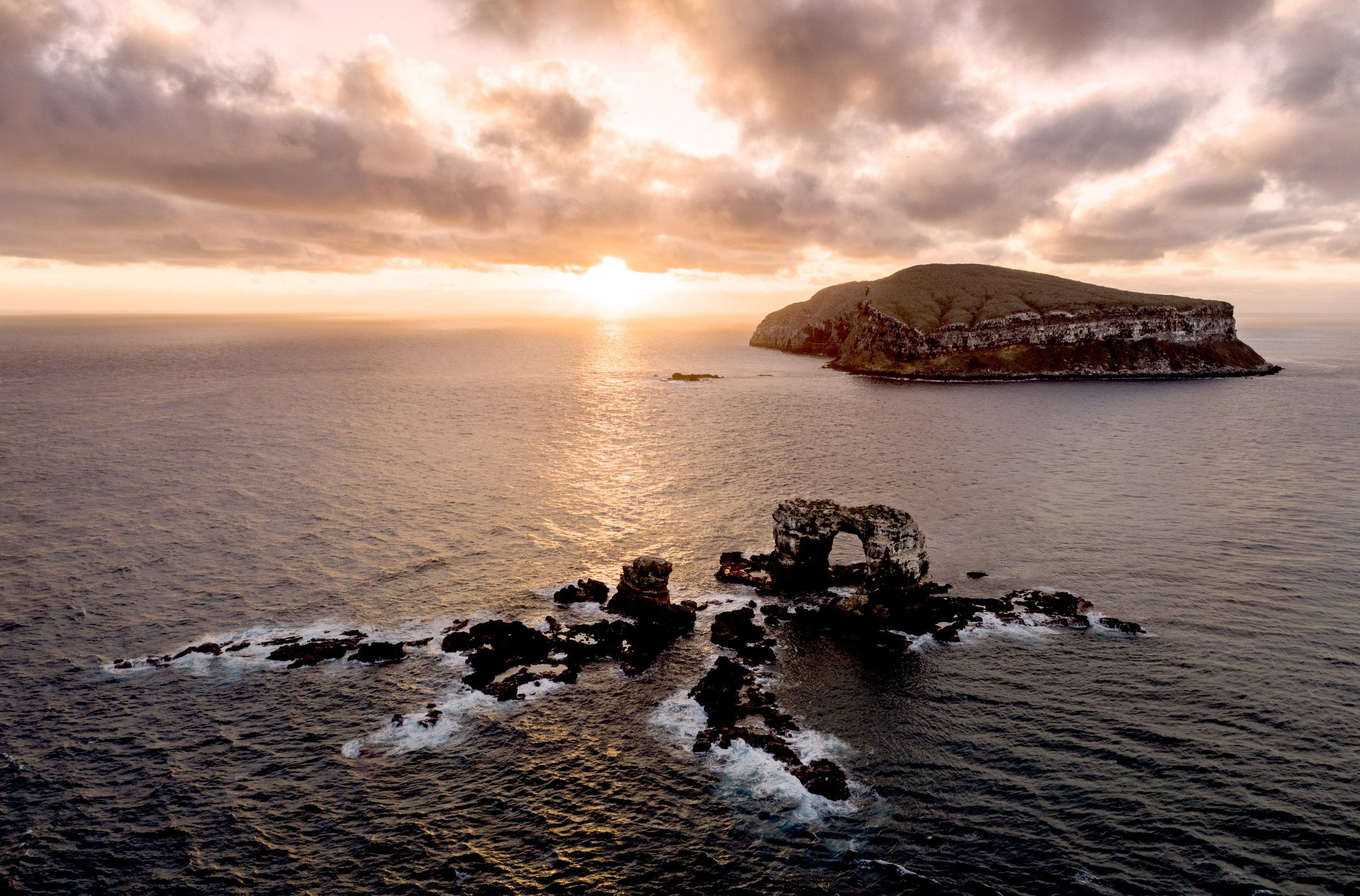
Darwin’s Arch at sunrise, with Darwin Island behind, in the northern Galápagos. Stage 8Expanding the halo
Once a site is secure, we follow the animals to the next, using tracking to identify connected habitats and to build networks of protection across each species’ range. In the Galápagos, for example, our collaborative research on whale shark movements contributed to the expansion of the marine reserve and to a protected corridor toward Cocos Island, off Costa Rica.
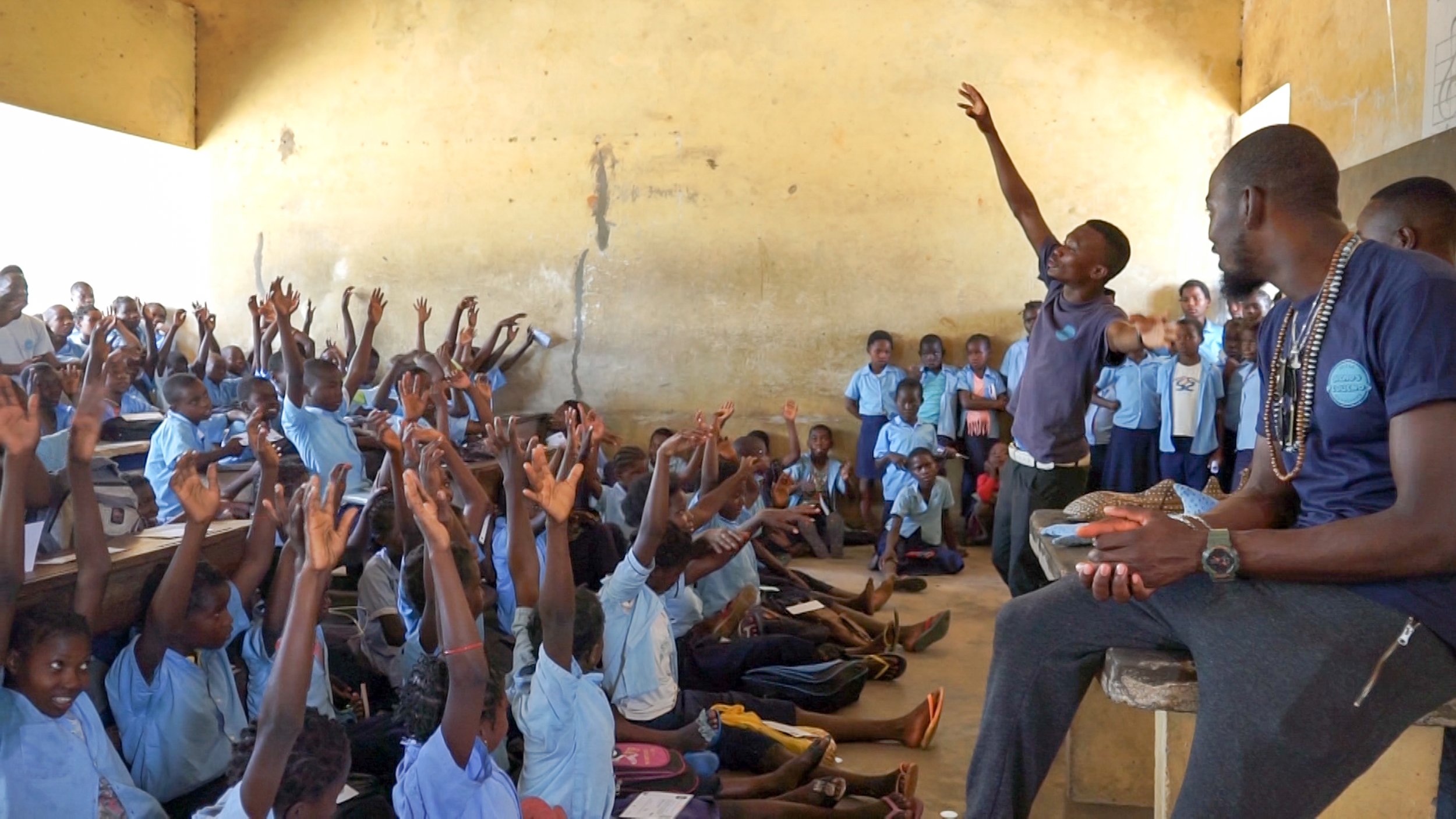
Local leadership
- 6,220children have graduated from the Ocean Guardians curriculum since 2012
- 90Ocean Ambassadors work with Sustainable Seas
- 7fishing communities where the Ocean Ambassadors work
Conservation endures when the people who live beside it lead it, and our education programs in Mozambique are designed as a pathway to that leadership. Since 2012, 6,220 children have graduated from the curriculum of Ocean Guardians, our UNESCO-recognized program teaching marine conservation, swimming, and water safety. Its Coral Reef Club then offers young adults aged 16 to 21 advanced English, internships, and business training, while the 90 Ocean Ambassadors of Sustainable Seas work in seven fishing communities. For university graduates, the Research Fellows program is a year-long internship with a stipend, and several of our permanent staff began there, including MMF’s Research Manager in Mozambique, Nilza de Catarina. Our Country Manager in Mozambique, Emildo Patricio Vilanculo, grew up in Vilanculos and volunteered with MMF for two years before training as a swimming instructor in 2016. He now leads our people and operations across the country.
- Children
Ocean Guardians
A UNESCO-recognized program teaching marine conservation, swimming, and water safety.
- Young adults, 16 to 21
Coral Reef Club
Advanced English, internships, and business training.
- Fishing communities
Ocean Ambassadors
Ninety ambassadors working in seven fishing communities through Sustainable Seas.
- University graduates
Research Fellows
A year-long internship with a stipend. Several of our permanent staff began there.
In Indonesia, a two-year Research Assistant program trains early-career marine scientists. Janis Argeswara joined as its first research assistant and later earned a Fulbright scholarship to Florida International University, where she completed a master’s degree on the reef manta rays of Nusa Penida. She now leads the national program.

Nilza de Catarina
Research Manager, MozambiqueBegan at MMF in the Research Fellows program.
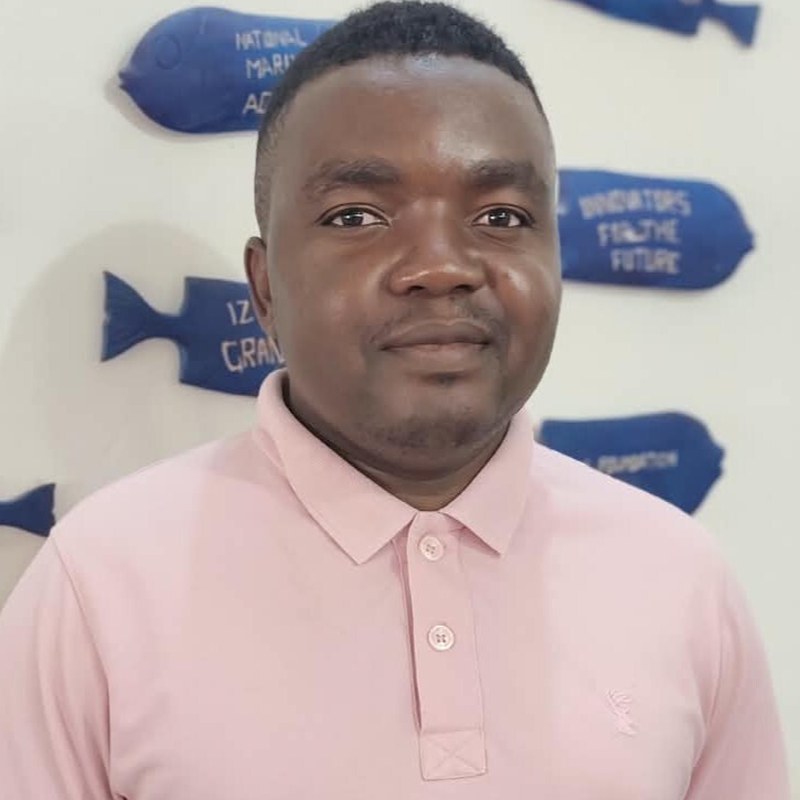
Emildo Patricio Vilanculo
Country Manager, MozambiqueBegan as a swimming instructor, and now leads our people and operations in Mozambique.
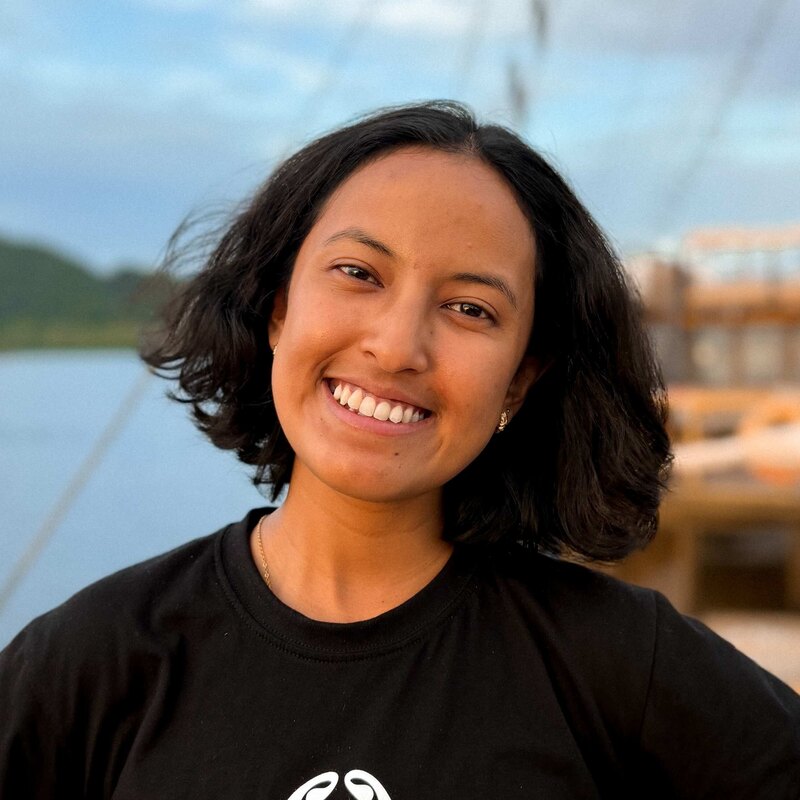
Janis Argeswara
Country Manager, IndonesiaJoined as the first research assistant in Indonesia, and now leads the national program.
Regional priorities
BryantTurffs.jpg)
Photo: Bryant Turffs The Americas
Our Americas program took its present form in 2016, when MMF’s Jessica Pate began studying manta rays in Florida. Much of that research concerns the Atlantic manta ray (Mobula yarae), a recently described species whose basic biology remains largely unknown. Over the next five years, we intend to:
- Describe Florida’s manta ray nursery formally, and seek its protection.
- Produce the first rigorous population estimates for Atlantic manta rays in US waters, with NOAA.
- Quantify the mortality of manta rays taken as bycatch (accidental catch) in shrimp trawl and purse-seine fisheries, and work with fisheries managers on solutions.
- Extend manta ray research into the Gulf of Mexico and north along the Atlantic coast, develop a conservation program for Atlantic guitarfish, and document the distribution and important habitats of oceanic manta rays in Hawaii.
- Continue whale shark research in the Galápagos and off Mexico’s Yucatan Peninsula, including population trends and the threats the sharks face beyond protected waters.
Florida Manta ProjectAtlantic mobula raysAtlantic guitarfishGalápagos whale sharks
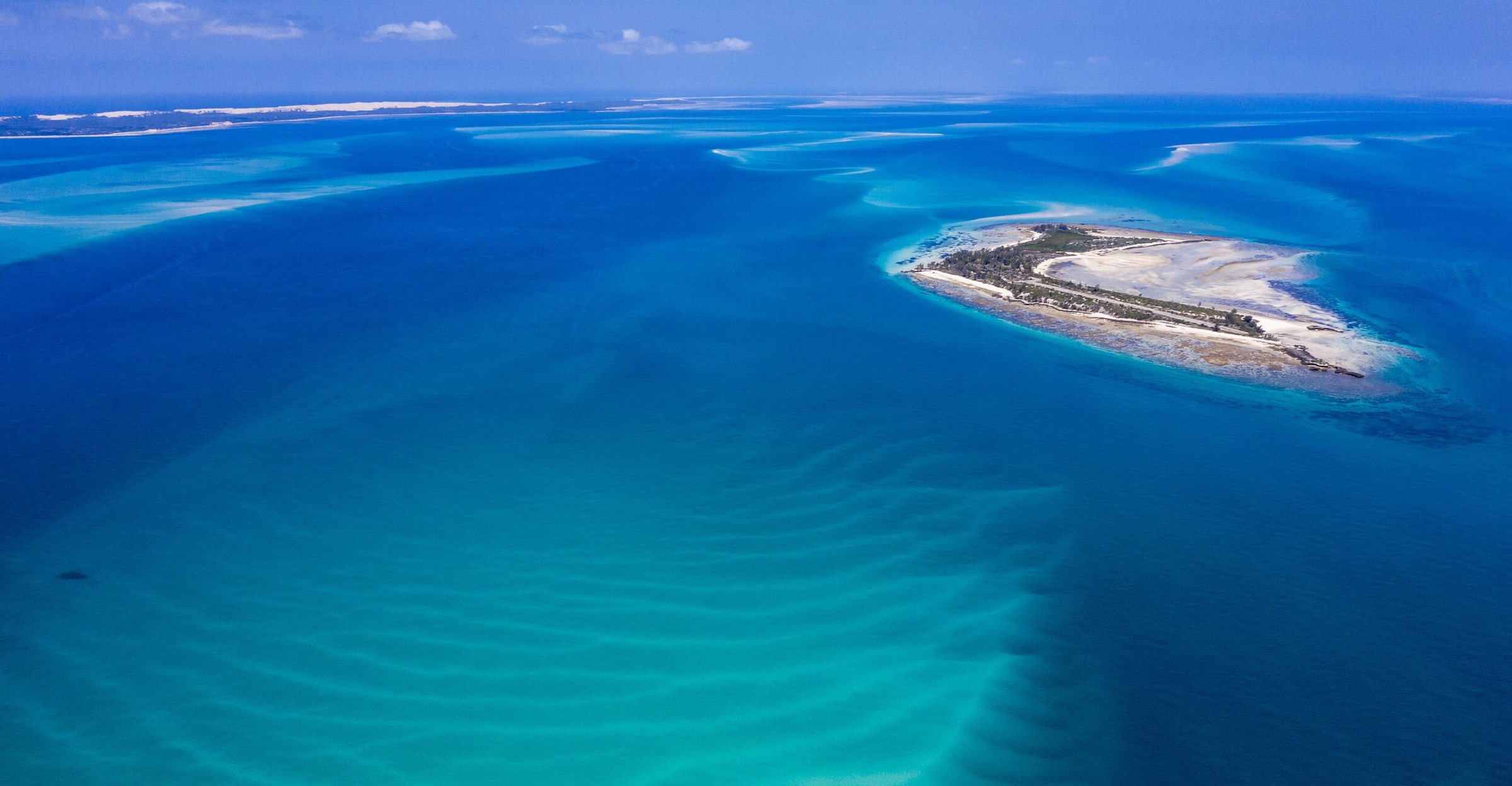
The Western Indian Ocean
We have worked in Mozambique’s Inhambane Province since 2003, and with partners in Madagascar, Tanzania, Kenya, and the Seychelles we are extending research and protection across the region. Over the next five years, we intend to:
- Expand our network of acoustic receivers, which detect tagged animals as they pass, along the Mozambican coast, and link it with partners in South Africa.
- Develop the Coral Reef Club into a flagship program for sustainable livelihoods.
- Extend our research to poorly known species, including oceanic manta rays, black marlin, dugongs, and leopard sharks.
- Begin regular aerial surveys, and continue underwater video monitoring, along the Inhambane coast to track fishing and other threats.
- Help build national capacity for whale shark research in Kenya, and broaden our work in Tanzania to other threatened species.
Mozambique whale sharksAfrican manta raysBazaruto SeascapeMadagascar whale sharksOcean Guardians
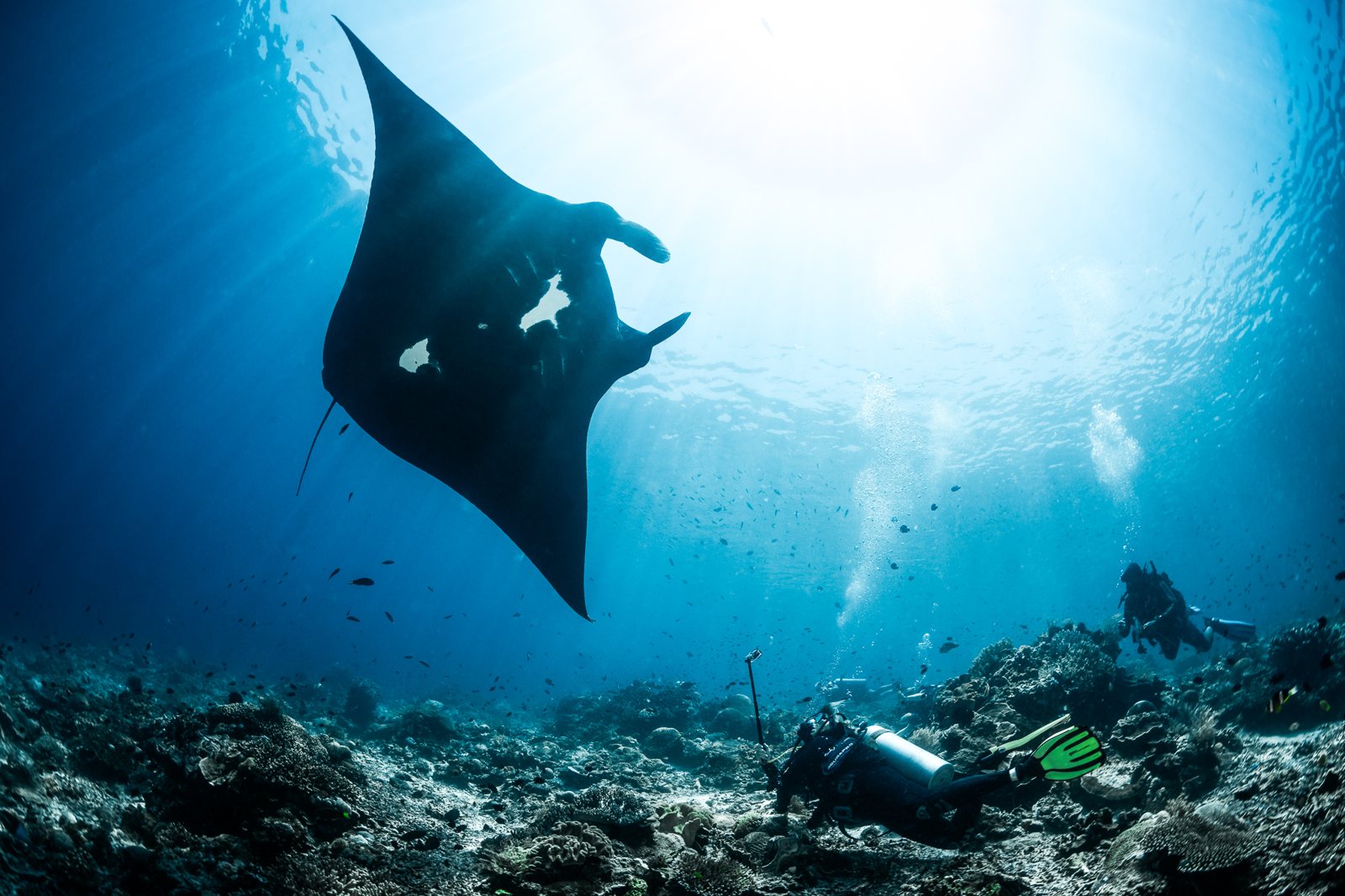
Asia-Pacific
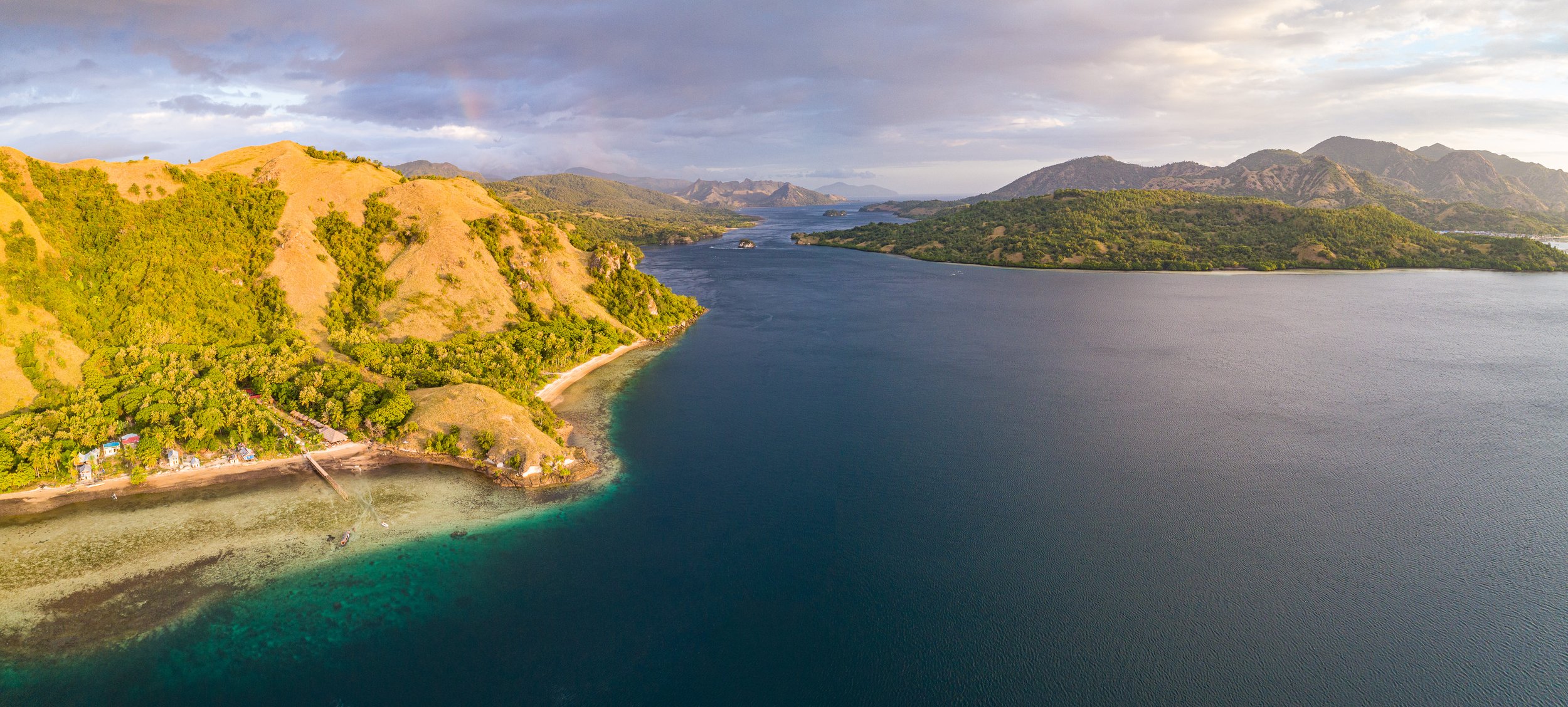
In Indonesia, where we have worked since 2012, more than 2,300 individual reef manta rays have been identified across our sites, principally at Nusa Penida and in Komodo National Park. In Australia, we work with partners at Byron Bay on one of the largest known aggregations of leopard sharks, and on critically endangered grey nurse sharks along the east coast. Our collaborative whale shark research extends to the far northern Great Barrier Reef. Over the next five years, we intend to:
- Expand manta ray conservation to Sangalaki, and to the Sumbawa coast adjacent to Komodo National Park.
- Extend our sea turtle research to Komodo National Park.
- Help manage rapidly growing dive and snorkel tourism at our Indonesian sites.
- Work toward effective protection for grey nurse sharks and leopard sharks in Australia.
Indonesia manta raysIndonesia sea turtlesAustralia leopard sharksAustralia grey nurse sharks
Explore further All projectsWhere we workSpeciesResearch methodsScientific publicationsOur teamImpact reportTransparency
Supporting this strategy
A small team of specialists can achieve a great deal on a modest budget, and steady support is what allows us to plan across the five years this strategy covers.
Give monthly, or adopt an animal.
Regular gifts and adoptions give our field teams a reliable foundation. Donate, adopt a manta ray, or adopt a whale shark.
Give stock or cryptocurrency.
See giving stock and giving cryptocurrency.
Leave a gift in your will.
A legacy gift supports this work for the long term.
Join an expedition.
Our expeditions are small-group trips hosted by MMF scientists, and they support this work.
Partner with us.
We build long-term partnerships with organizations that share our aims, particularly in the places where we work.
Many of the species we study mature slowly and recover slowly, so the protection they need has to outlast any single grant or project. This strategy is our plan for building it.