Research Interests
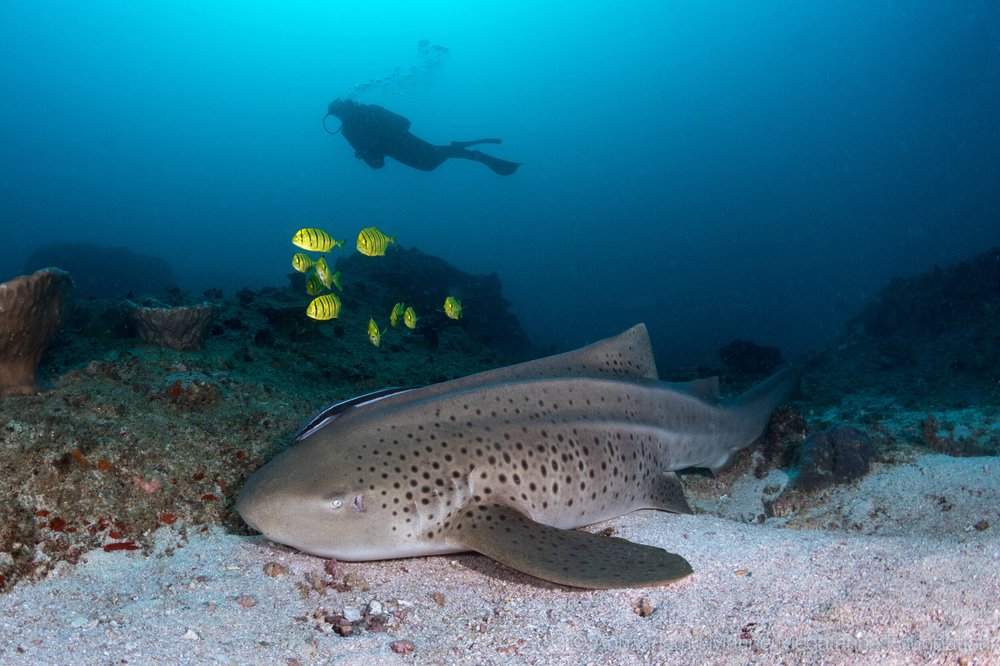
Anna is interested in translating good science into effective policy and management interventions. She focuses on manta rays in Thailand, Mozambique, and Myanmar, as well as other threatened elasmobranchs in Mozambique, especially smalleye stingrays, leopard (zebra) sharks, and wedgefish. Working with MMF she has used a variety of methodologies to improve our understanding of focal species, including photo identification, baited remote underwater video (BRUVs), and eDNA. She is especially interested in increasing engagement with science and conservation by utilizing traditional ecological knowledge and citizen science, and works hard to involve local fishing and diving communities.
Anna is part of the Mozambique Leopard Shark, Manta & Devil Ray, African Manta Ray, and Elasmobranch Diversity project teams. Her recent co-authored papers include a 14-year study of leopard sharks on the Inhambane coast (2026), which identified 164 individuals and documented the first records of leopard shark courtship in the Western Indian Ocean; a 20-year analysis of manta and devil ray sightings off Tofo (2024), which found persistent declines; and a study of manta and devil rays around Nosy Be in northwest Madagascar (2025), which compiled 255 encounters with three species.
Education
2014 Master of Environmental Management
Duke University Durham, North Carolina, USA
Thesis title: Ecotourism Sustainability in Thailand: a formative evaluation of Andaman Discoveries
Community-Based Environmental Management Certificate
Nicholas School of the Environment
International Development Policy Certificate
Sanford School of Public Policy
2008 Bachelor of Science cum laude
Cornell University, Ithaca, New York, USA
Biography
Anna grew up swimming and sailing in the Northeast United States, which instilled an early love of the ocean. After graduating with a degree in Biology, Anna spent five years working as a dive instructor in Thailand, Australia, and California. Witnessing Thailand’s severe coral bleaching episode in 2010 made her realize how quickly beloved reefs could become rotting dead zones. Seeing the rapid decline of leopard sharks over that same time period inspired her to go back to school. In her new course of study, Anna sought to translate science into effective policy and conservation management solutions that benefit local human and wildlife populations.
After working on a conservation enterprise project in Tanzania, Anna had the opportunity to join MMF Mozambique in 2014. Working her way up from a research assistant at a satellite research station on Bazaruto, Anna now manages the shark and ray research for Mozambique, serves as global coordinator for MantaMatcher.org, and manages the manta research projects in Thailand and Myanmar.
Anna loves that her work with MMF allows her ample time underwater with some of her favorite wildlife, while also working to safeguard their populations. When she’s not underwater, Anna can be found heading inland to practice her wildlife photography on some of Africa’s terrestrial megafauna, or hiking, camping, and yoga-ing. She is also attempting to be a better surfer and birder.
Current research
Team member
- African Manta Ray ProjectMozambique · South AfricaTeam
- Mozambique Elasmobranch Diversity Research ProjectTeam
- Mozambique Leopard Shark Research ProjectTeam
- Mozambique Manta & Devil Ray Research ProjectTeam
Past research
Team member
Media
Asia’s shark and ray hotspots remain poorly protected, study finds | Mongabay
Manta rays and whale sharks now protected by new commercial fishing law in Mozambique | Oceanographic Magazine
New Study Reveals Long Distance Migration of Largest Stingray | Dive Magazine
Mission Briefing: Off the Chart in Myanmar | Dive Photo Guide
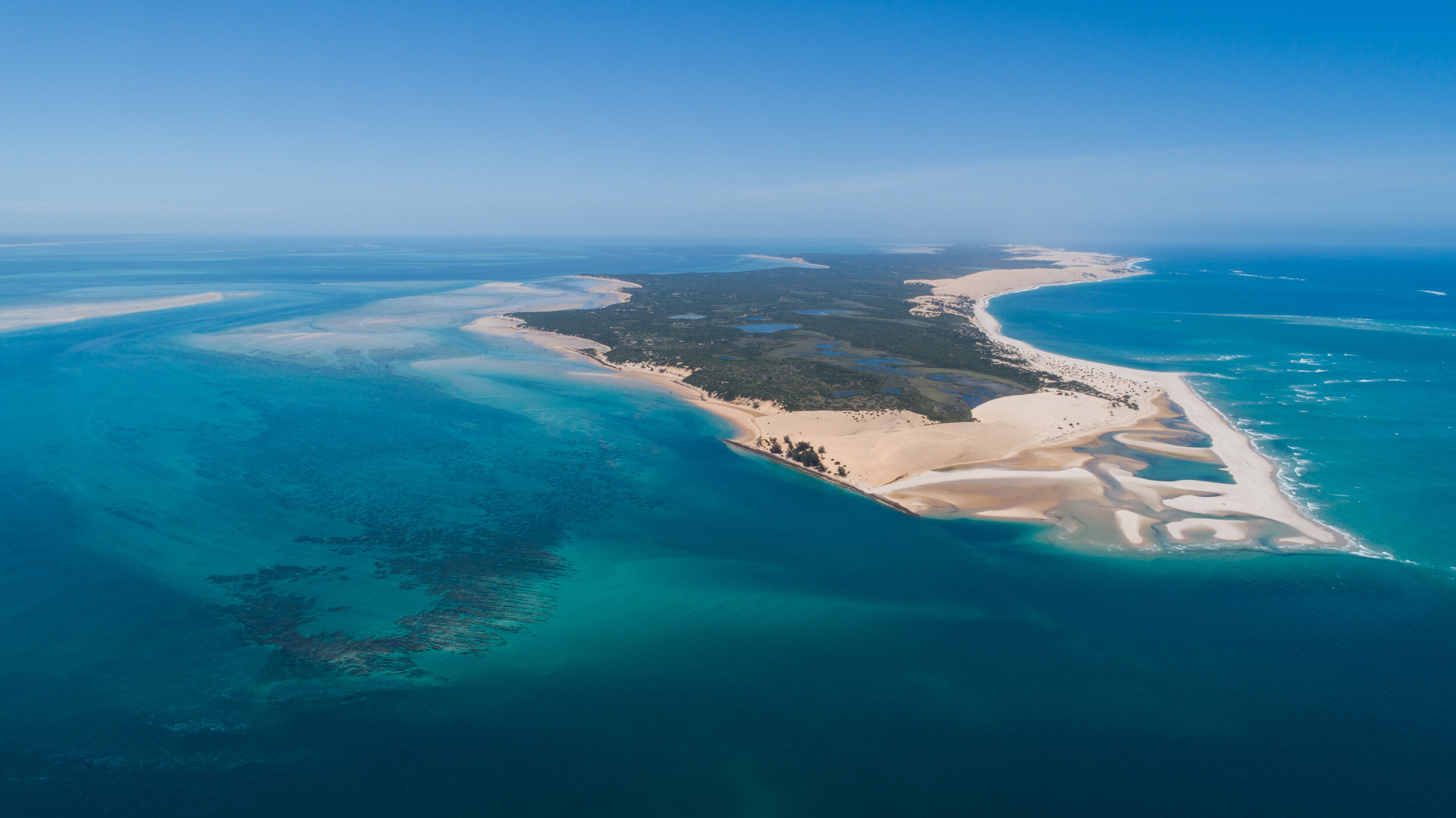
Our work in Mozambique
News featuring Anna
Recent research
- 2026Leopard sharks Stegostoma tigrinum in southern Mozambique: population structure, spatial ecology, and first observations of courtship behaviour
- Critical habitats for sharks and rays in Asia remain largely unprotected
- Only one percent of important shark and ray areas in the Western Indian Ocean are fully protected from fishing pressure
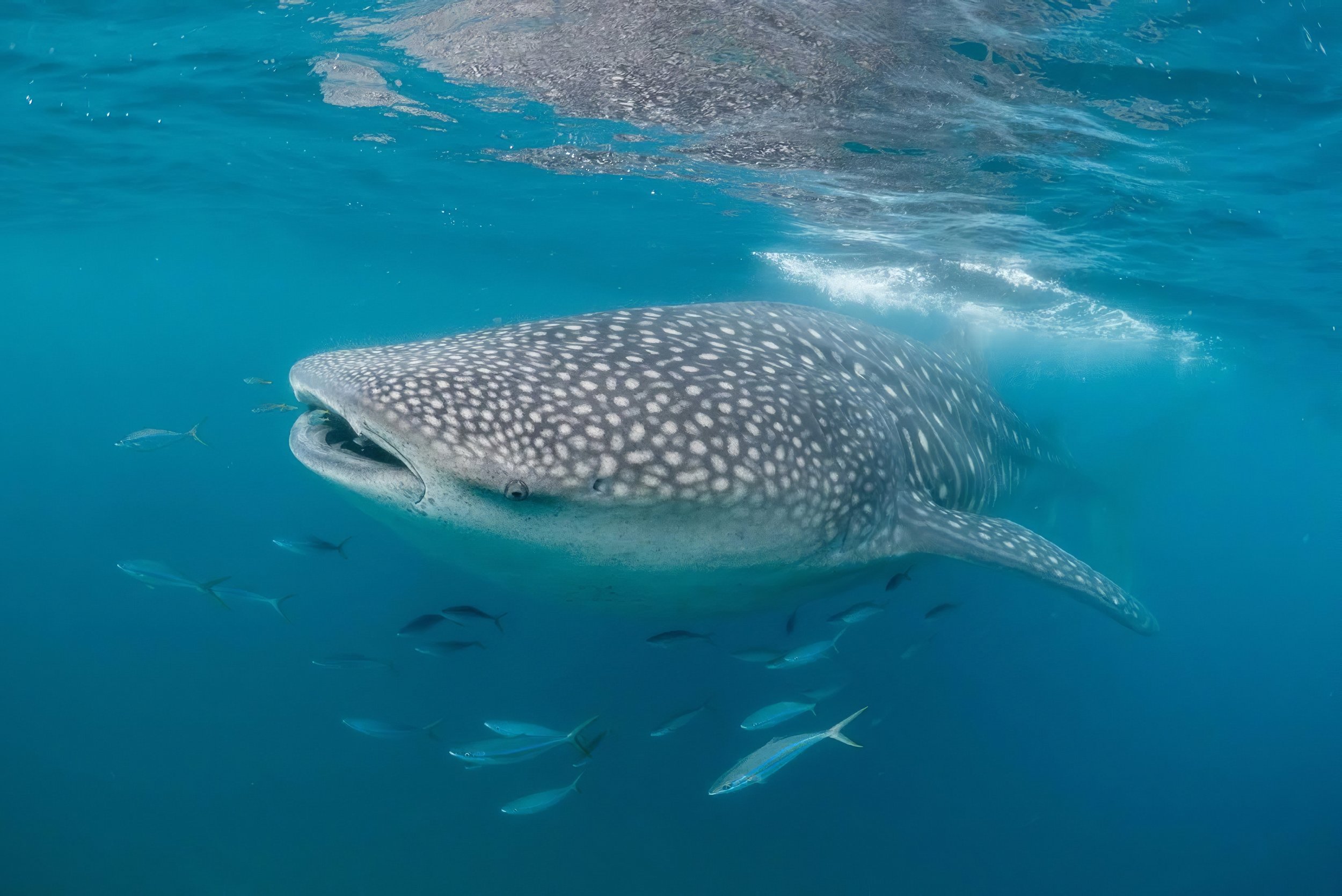
- 2025A 15-year time series shows major declines in whale sharks in southern Mozambique
- Occurrence of mobulid rays in Northwest Madagascar
- 2024Persistent declines in sightings of manta and devil rays (Mobulidae) at a global hotspot in southern Mozambique
- Directed conservation of the world’s reef sharks and rays
- Identifying priority sites for whale shark ship collision management globally
- 2023Widespread diversity deficits of coral reef sharks and rays
- Southward range extension and transboundary movements of reef manta rays Mobula alfredi along the east African coastline