Research Interests
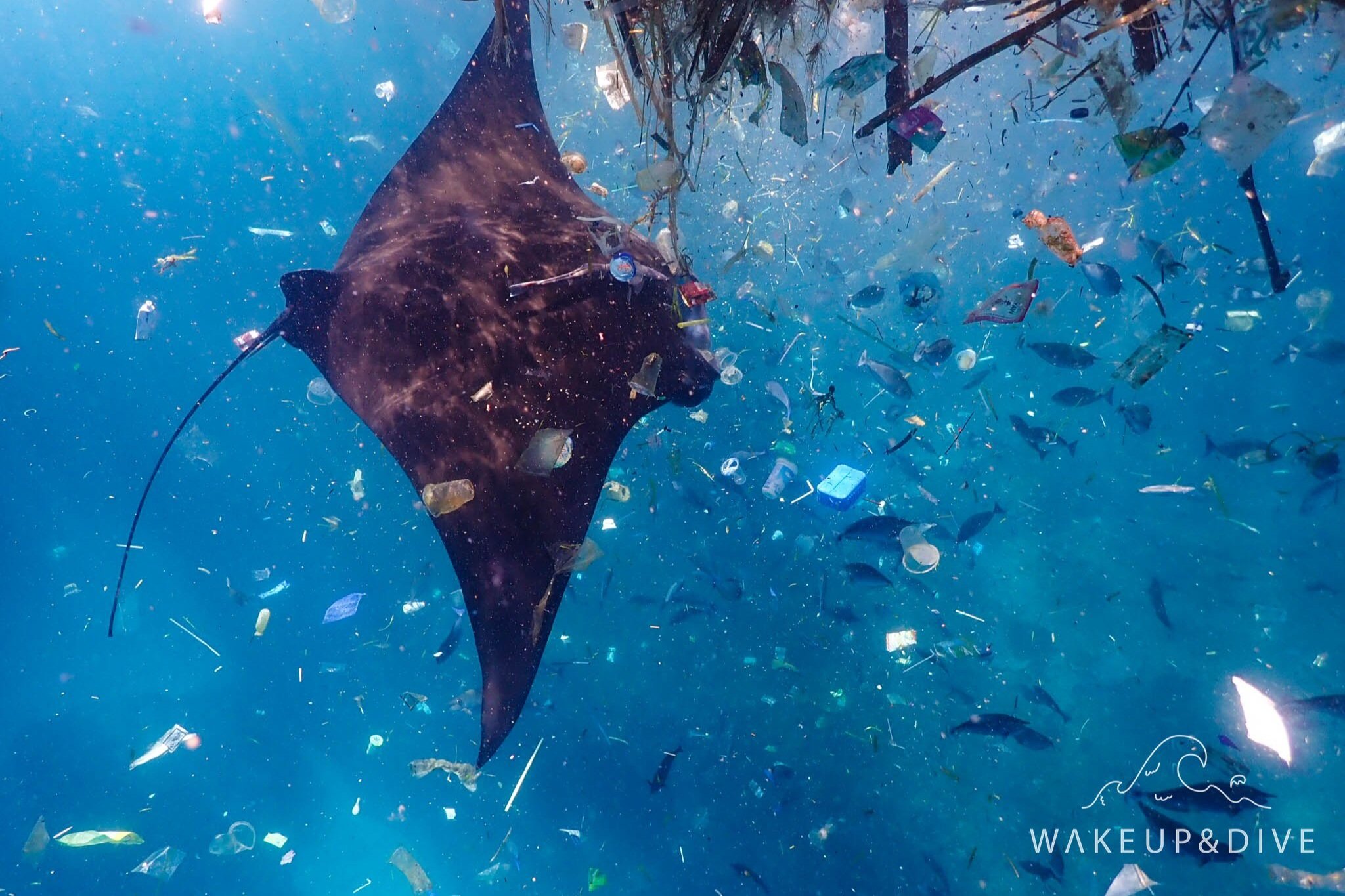
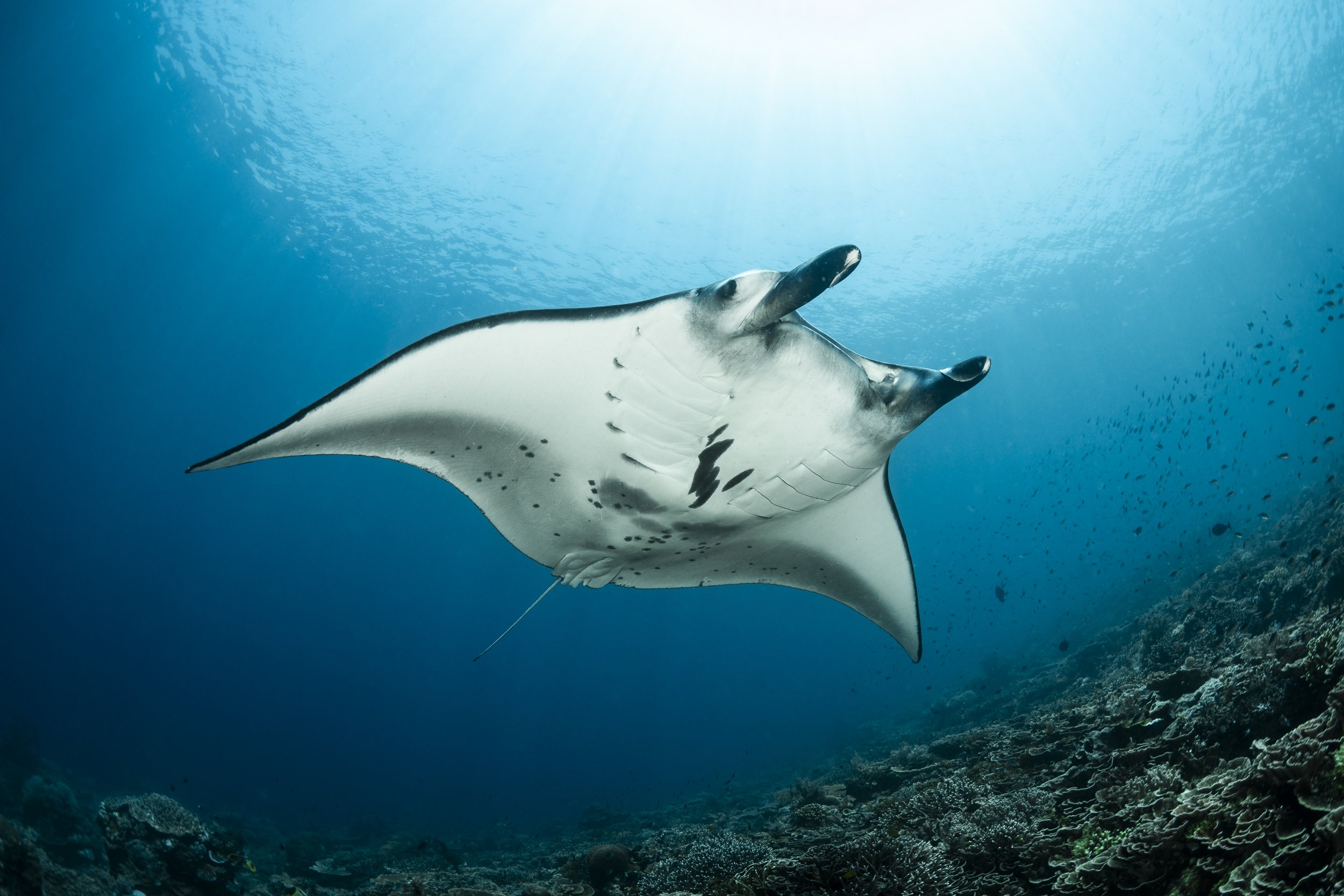
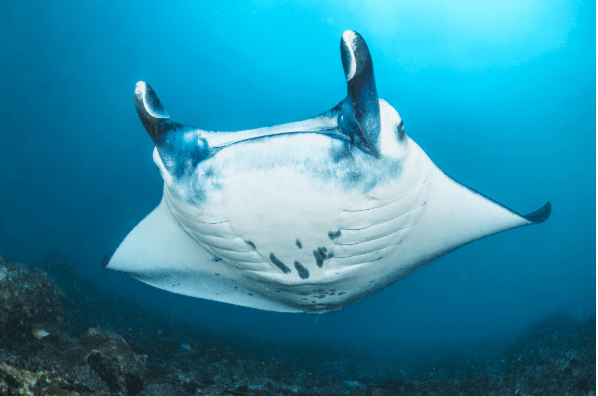
Lisa has assisted in different aspects of the Indonesia Manta Ray Project and the Microplastics & Megafauna project throughout Indonesia. She has spent time in Bali, Komodo, and Borneo, contributing to MMF studies on population demographics, behavior, habitat usage, and threats from tourism and microplastic presence in feeding areas.
Lisa recently completed her master’s degree program, where her studies focused on understanding how oceanographic modeling and instrumentation can complement conservation efforts.
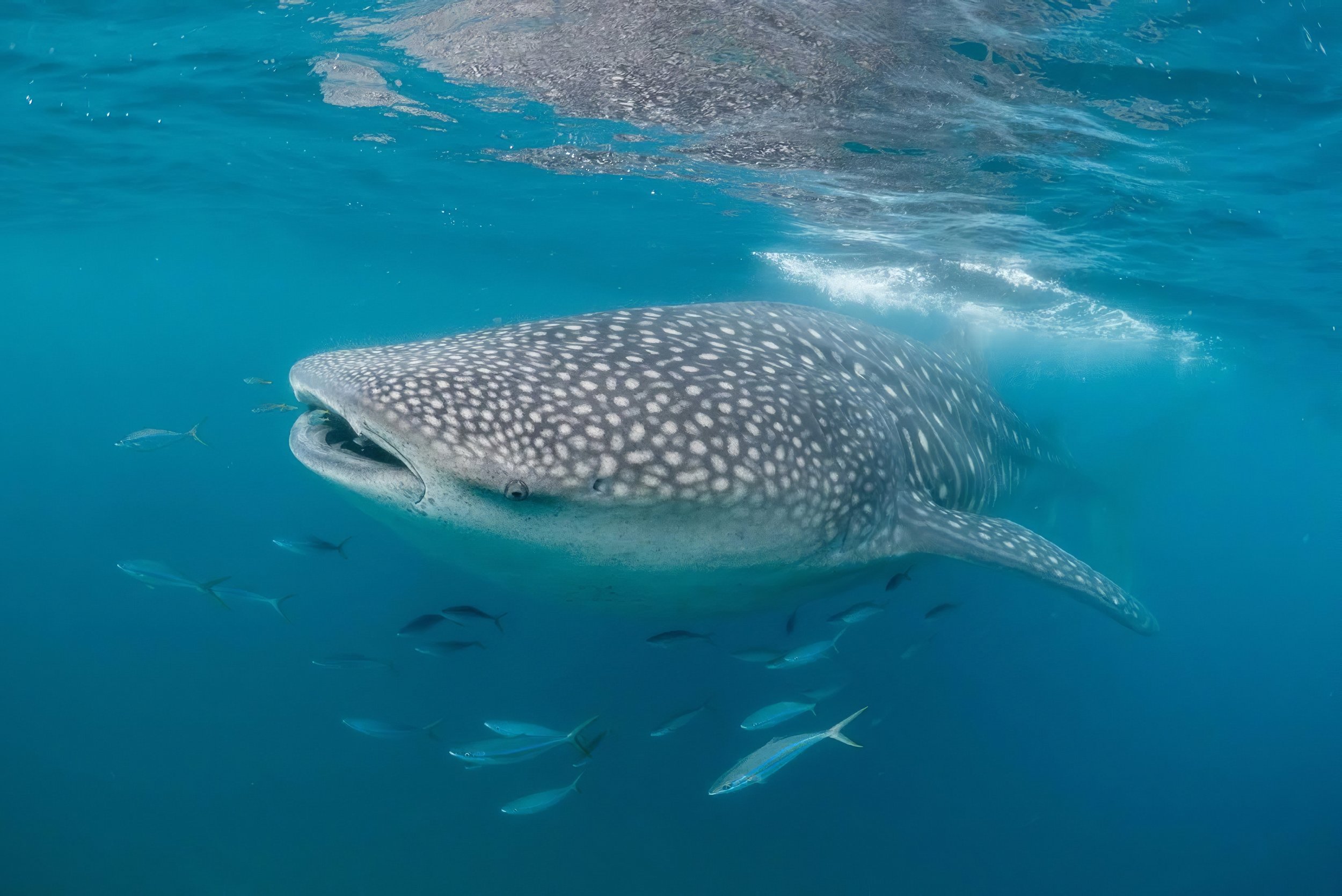
Lisa is the first author of a 2025 study of whale sharks (Rhincodon typus) off Praia do Tofo, Mozambique, part of our Mozambique Whale Shark Project. Using 15 years of photo-identification records (2005–2019) covering 706 individual sharks, the team found that sightings fell by 87% and estimated abundance by 89% at one of the world’s largest whale shark aggregations, underlining the need to understand the sharks’ movements, reduce threats, and protect this Endangered species.
Education
2022 MSc Marine Biology
University of Cape Town, South Africa
2013 BSc (Hons) Conservation Ecology
Stellenbosch University, South Africa
Current: MSc Applied Ocean Science: Marine Biology
University of Cape Town, South Africa
Biography
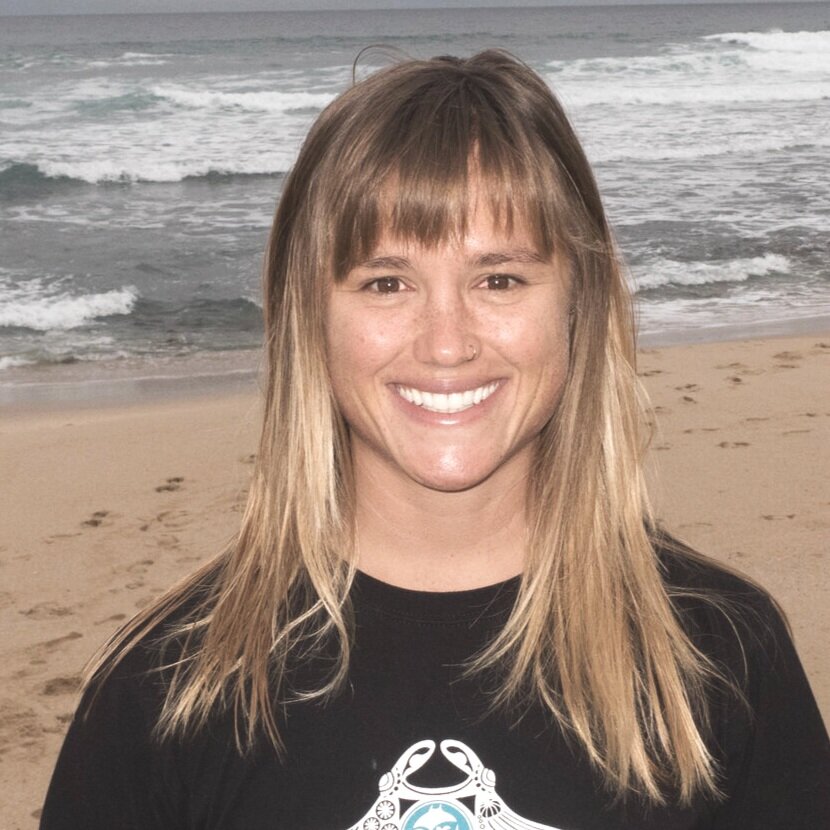
Since moving from landlocked Zimbabwe to South Africa, Lisa was captivated by the sea and knew she would have to incorporate it into her lifestyle and career. Becoming an avid surfer, she also knew that one day she had to go to Indonesia. When this dream finally happened, it wasn’t the waves that kept her there, but the world below the surface and a deep desire to help in some way to conserve it.
After finishing her undergraduate degree, Lisa worked on sailboats, which enabled her to advance her SCUBA training in Indonesia and, consequently, her introduction to marine conservation through MMF’s projects. Spending time in different parts of the diverse nation, Lisa developed a deep respect for the people and culture. A highlight for her has been mentoring students on the ‘Microplastics and Megafauna’ internships, and seeing how young Indonesian scientists developed and thrived as their diving experience, fieldwork, and project management grew.
As a supporter of citizen science and open data, Lisa helped to expand the crowdsourced data platform, DiveTheData.com, into the different Indonesian regions, making species abundance and distributions more understandable to conservation managers, dive operators, and enthusiasts. The possibly smaller manta ray population around Sangalaki island in East Borneo, where she assisted in establishing a research post, holds a special place in her heart. She hopes to return to conservation in Indonesia once she has completed her degree.
Lisa loves diving in currents as much as traveling to remote and challenging locations. When she can’t be in the field and isn’t plugged into her laptop, you will find her drinking coffee, surfing, eating peanut butter, or taking a nap.