

Nakia Cullain
Senior Scientist
ORCIDInstagramTwitterResearch GateGoogle Scholar
nakia[@]marinemegafauna.org
Research Interests
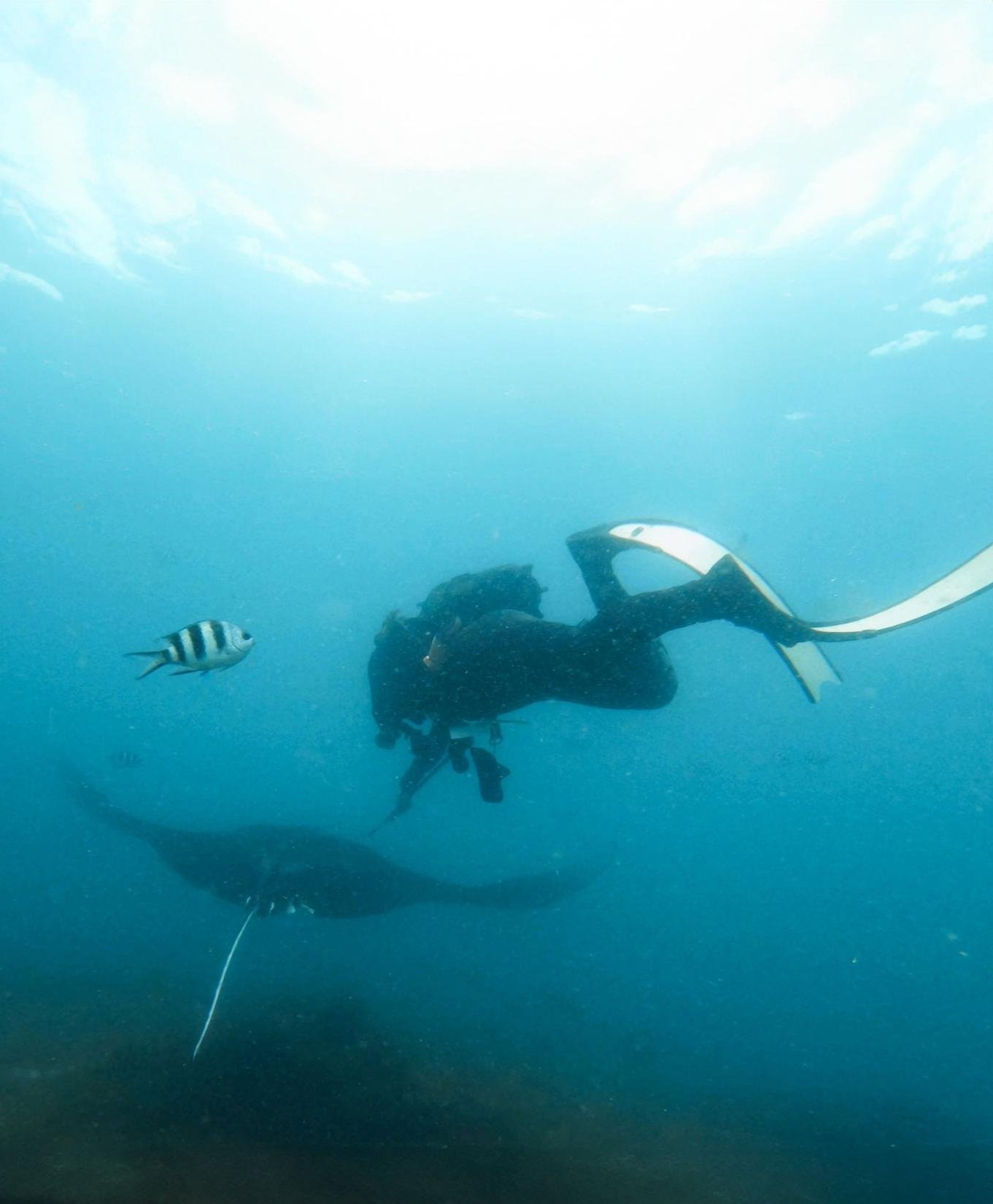
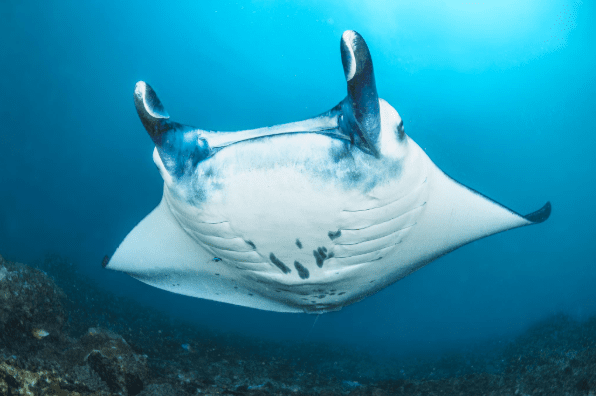
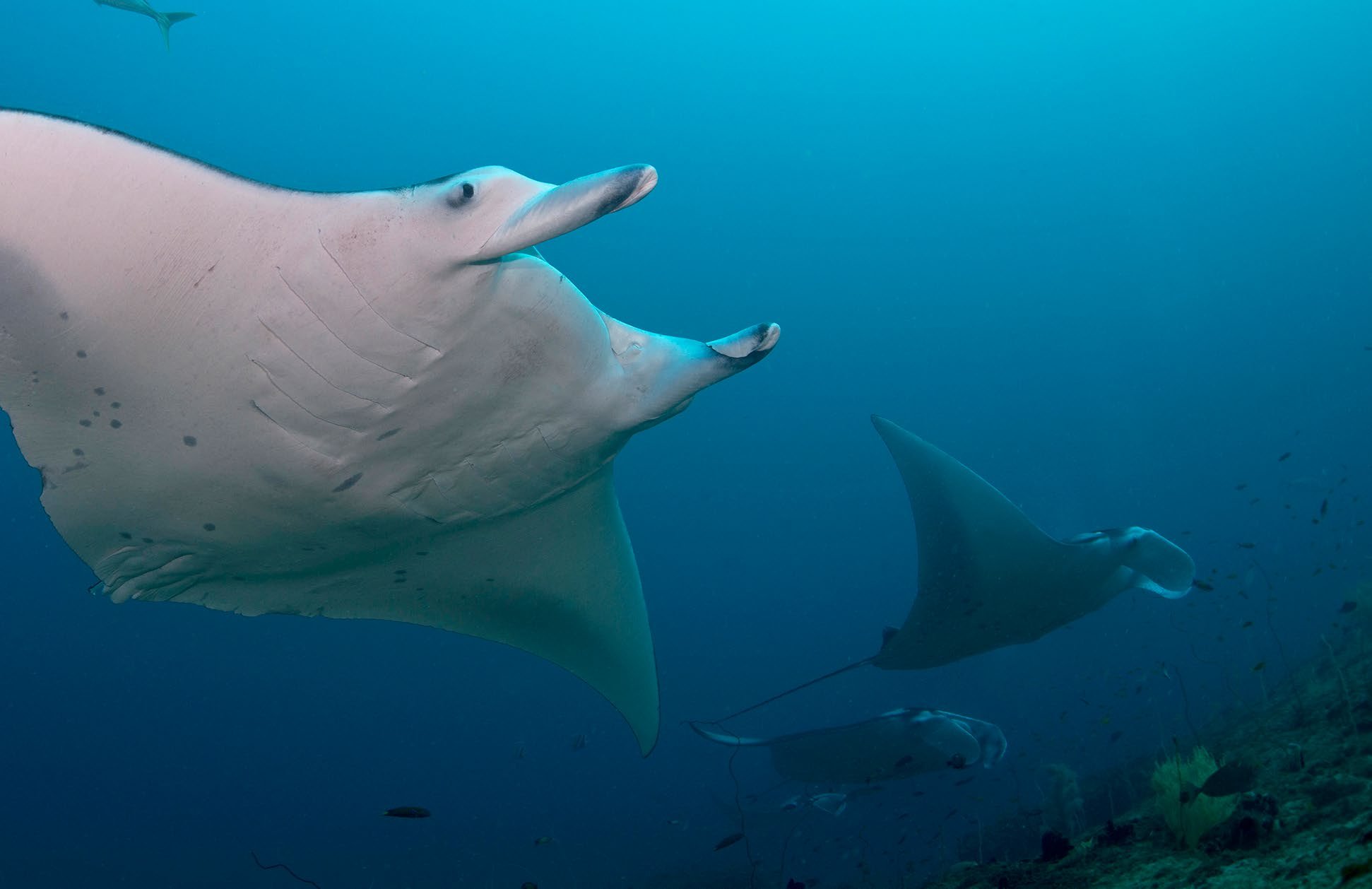
Nakia is an ecologist and conservationist interested in improving marine conservation and management of marine resources within Southern Africa. Her expertise as a community ecologist has expanded from seagrass habitats to subtropical rocky reef ecosystems, with her current research focused primarily on threatened species of sharks and rays. Since 2016 she has been working in Mozambique monitoring Závora’s manta ray population and has recently completed her PhD on the movement ecology of manta rays and the effectiveness of marine protected areas for these species in Southern Africa. Using sightings data, photo ID, and telemetry, she aims to fill the knowledge gaps in Mozambique’s manta ray population.
Education
2021–2026 Doctor of Philosophy (PhD)
Dalhousie University, Halifax, Nova Scotia, Canada
Thesis title: Movement ecology of the reef manta ray (Mobula alfredi) in southern Africa: multi-scale habitat use and implications for regional and transboundary management
2014–2016 Master of Science (MSc), Marine Ecology
Dalhousie University, Halifax, Nova Scotia, Canada
Thesis title: Macroinfaunal communities in seagrass beds in Atlantic Canada: Regional variation and the effects of eutrophication and finfish aquaculture
2010–2014 BSc Honours, Marine Biology
Dalhousie University, Halifax, Nova Scotia, Canada
Thesis title: Seasonality of eelgrass (Zostera marina) and associated community in Nova Scotia, Canada
Biography
Nakia was born and raised in the small town of Kars, Ontario, Canada. Despite growing up far from the ocean, she knew from the age of four that she wanted to become a marine biologist. She never let go of that childhood dream, spending the next three decades learning, traveling, volunteering, and working her way toward a career in marine research and conservation. In 2016, Nakia moved to Mozambique and took over the direction of the Závora Marine Lab, while simultaneously founding MAR Expeditions, a marine research and conservation platform based in Závora. Although she had worked closely with MMF for several years, she officially joined the MMF team in 2020 as Závora’s Research Manager.
Nakia completed her PhD through Dalhousie University in March 2026, focusing on the movement ecology of reef manta rays and the effectiveness of marine protected areas for highly mobile and migratory species in southern Africa. Her research combines long-term field observations with acoustic and satellite telemetry to better understand how threatened marine species use and move between protected and unprotected areas.
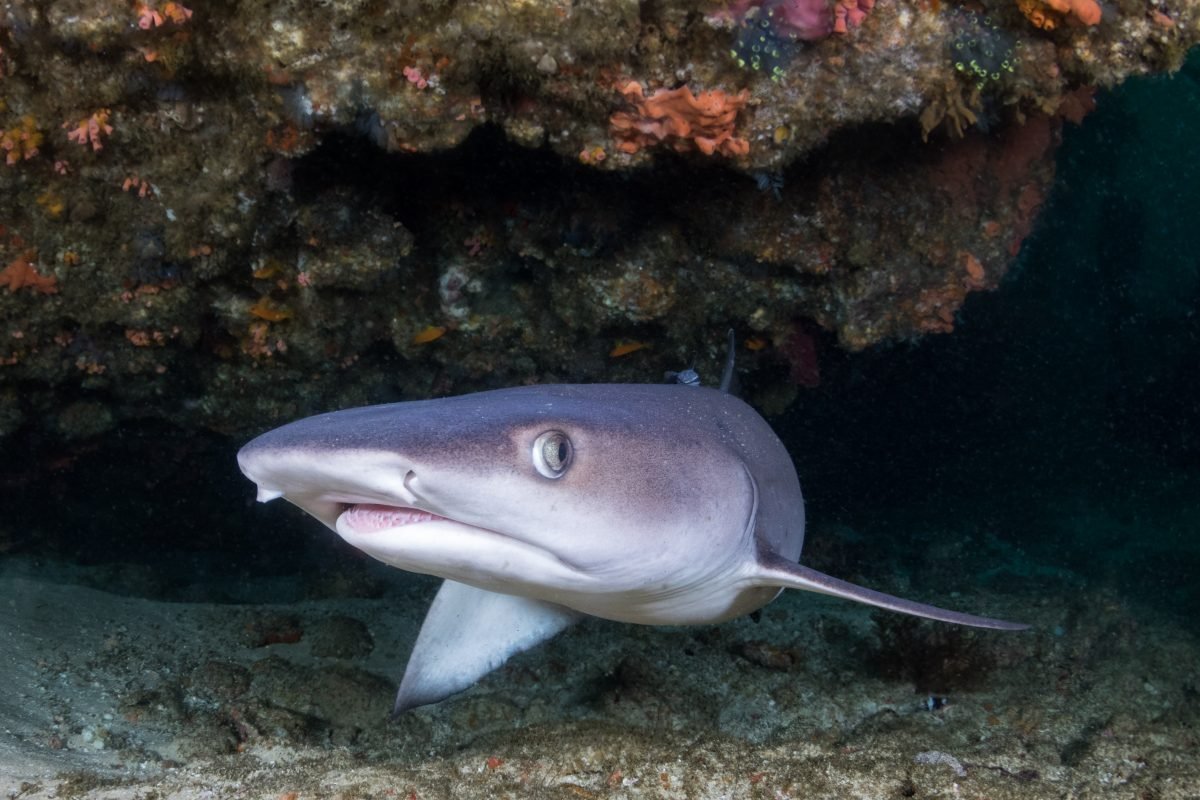
Today, Nakia leads MMF’s African Manta Ray Research as well as the Threatened Species Program along the Mozambique and South African coastline. Based in Závora, she continues to collect long-term sightings, photo-identification, and telemetry data in the region while overseeing research and monitoring efforts across the wider program. Her work focuses on understanding population trends, movements, habitat use, and conservation needs of threatened marine megafauna, with the aim of translating long-term field data into meaningful conservation action.
After over a decade in Mozambique, Nakia has embraced the rustic and simple life of rural Závora. When she’s not in the field, you’ll usually find her in her office crunching data, or somewhere with a book and a hammock. One of her proudest accomplishments is MAR Expeditions, which she created to give aspiring marine scientists hands-on experience in field research and to share the realities (both the rewards and the challenges) of working in marine conservation in rural Africa.
Current research
Leads
- African Manta Ray ProjectMozambique · South AfricaProject leader
- Mozambique Acoustic Telemetry NetworkProject leader
- Mozambique Manta & Devil Ray Research ProjectProject leader
- Mozambique Smalleye Stingray Research ProjectProject leader
- Závora Marine ConservationMozambiqueProject leader
Team member
Media
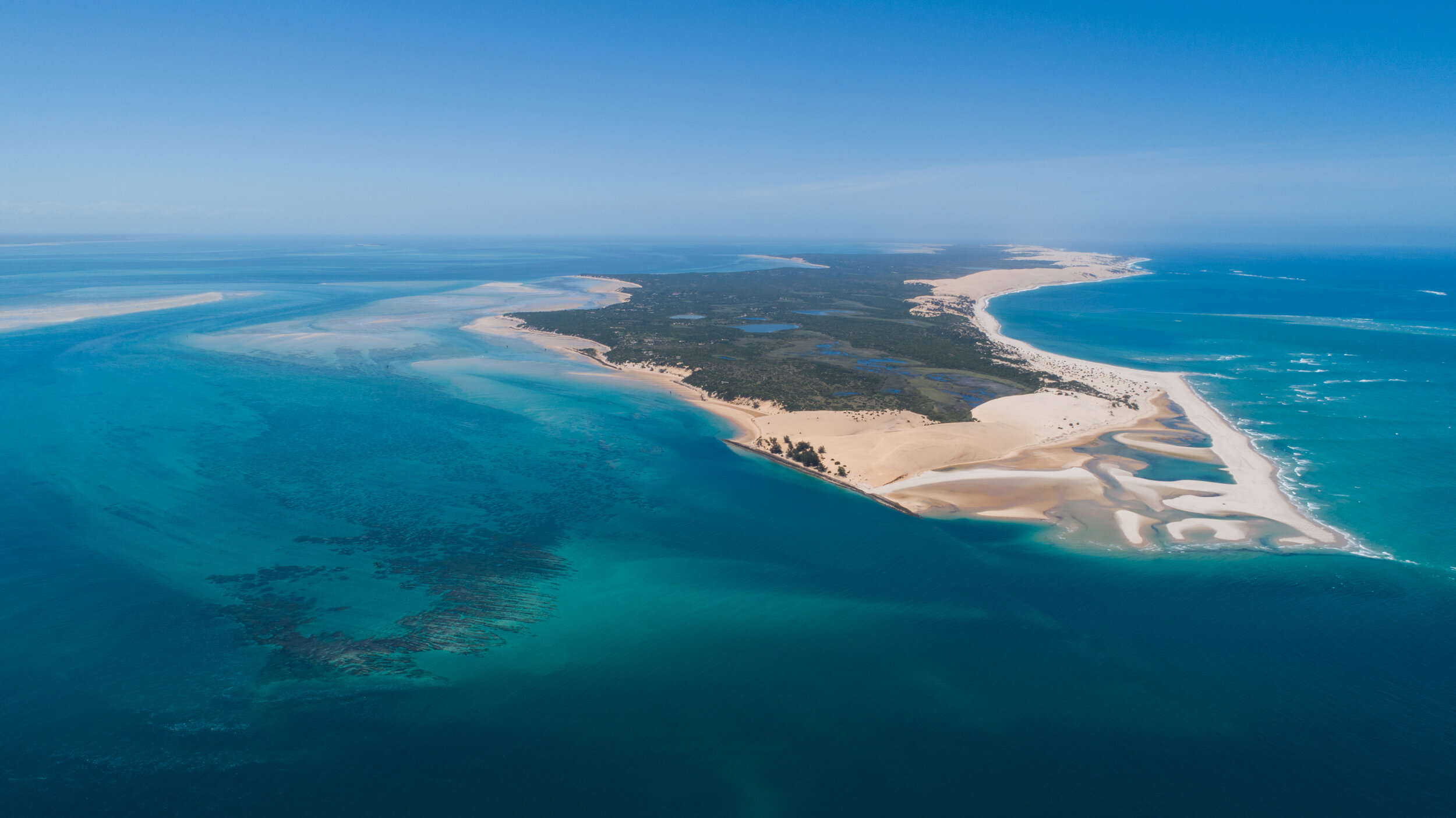
Our work in Mozambique
News featuring Nakia
Recent research
- 2026Acoustic telemetry reveals cross-border movements and conservation opportunities for reef manta rays Mobula alfredi in southern Africa
- Movement ecology of the reef manta ray (Mobula alfredi) in southern Africa: multi-scale habitat use and implications for regional and transboundary conservation
- Only one percent of important shark and ray areas in the Western Indian Ocean are fully protected from fishing pressure
- 2025Declines in sightings and changing visitation patterns of reef manta rays at an important aggregation site in Mozambique
- Preliminary insights into manta ray (Mobula alfredi and M. birostris) population demographics and distribution in South Africa
- 2023Southward range extension and transboundary movements of reef manta rays Mobula alfredi along the east African coastline
- 2022Evidence of Závora Bay as a critical site for reef manta rays, Mobula alfredi, in southern Mozambique