
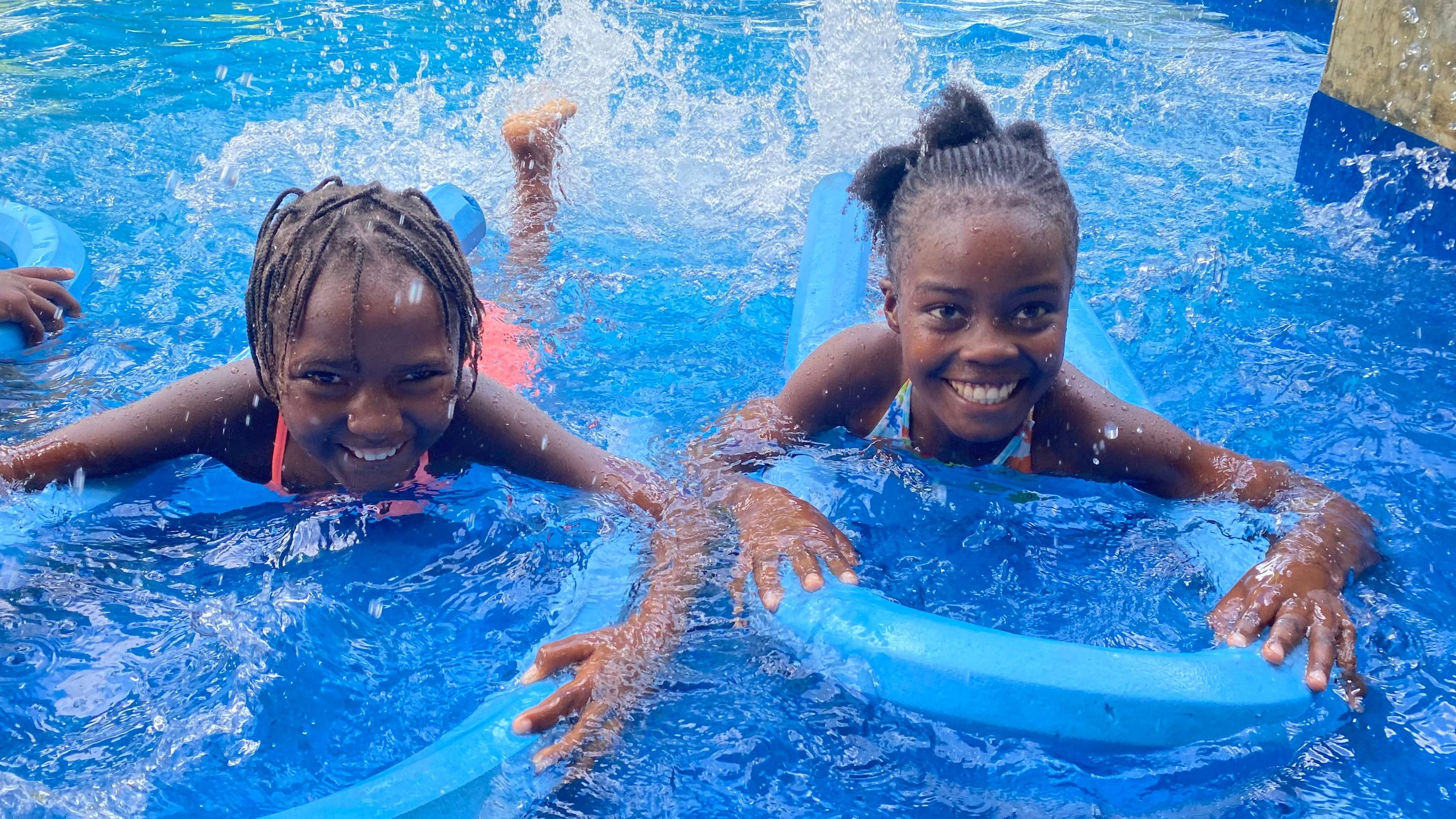
MMF’s learn-to-swim school in Mozambique
This year really reinforced why MMF’s work is so important, and why we love doing it! The team have described a new manta ray species, published a new global conservation assessment for whale sharks, created new livelihoods for coastal communities, put a bunch of new locations “on the map” as Important Shark & Ray Areas worldwide, and lots more. We’ve worked across more than a dozen countries, published 21 new scientific papers (with more coming soon), and reached over 3,500 future ocean conservationists through our in-person educational programs.
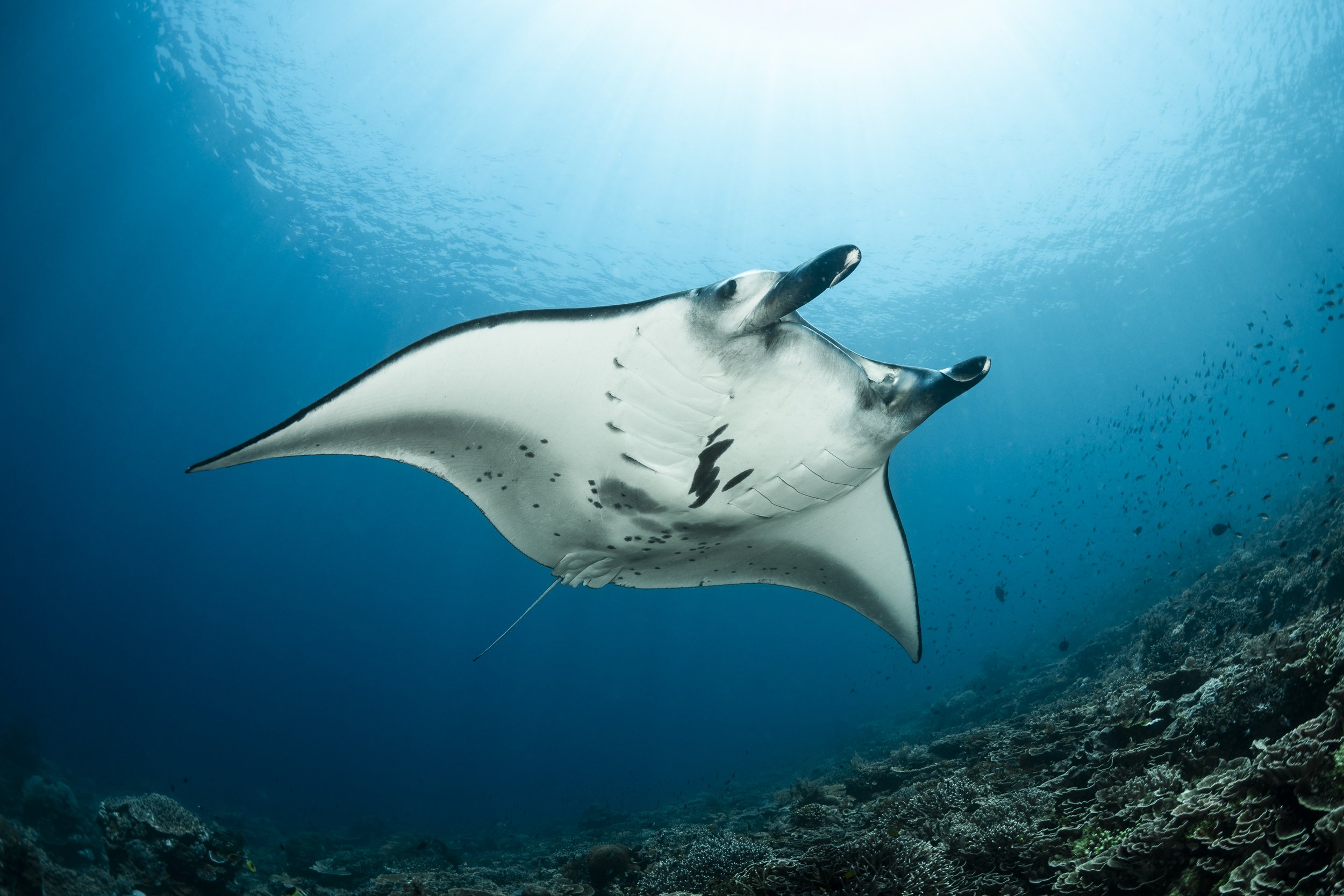
Reef manta ray in Komodo, Indonesia
That said, many sharks, rays, and other ocean giants continue to decline at alarming rates. Science-based population monitoring is a big part of our work, and – unfortunately – some of our outputs this year have emphasised just how much work remains to be done. We’ve documented an 89% decline in Mozambican whale sharks, and an 82% decline in Závora reef manta ray sightings. A bright spot was that the reef manta ray population around Nusa Penida, Indonesia, approximately doubled between 2012 and 2022. MMF’s work contributed to the legal protection of manta rays from fishing in the country back in 2014, and this increase supports the effectiveness of that initiative.
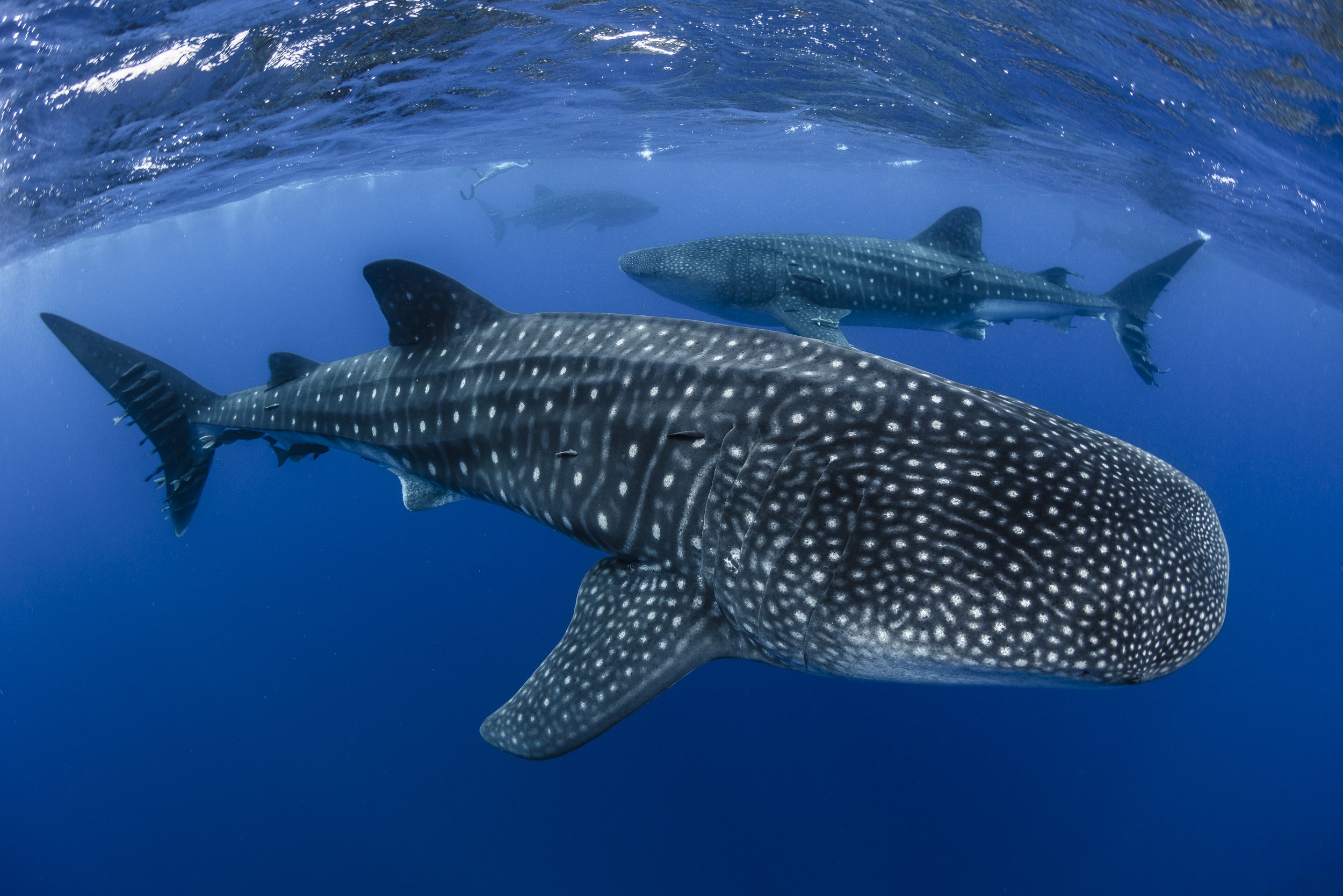
Whale sharks at St Helena Island
Overfishing is still the single largest threat to most endangered sharks and rays, so we were extremely happy to contribute to the recent addition of whale sharks, manta rays, rhino rays, and several other species to CITES Appendix I – effectively a global ban on international trade.
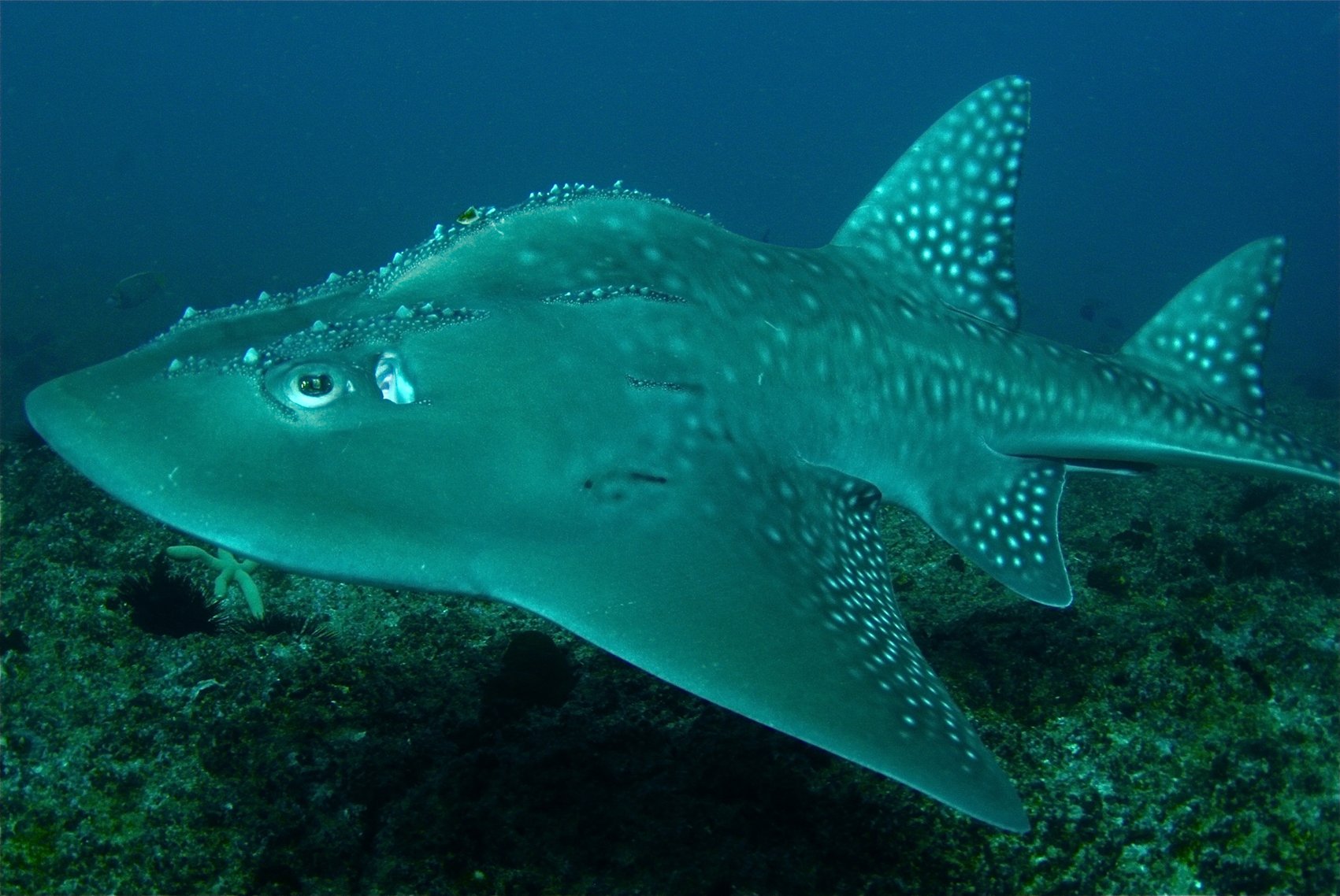
Bowmouth guitarfish – now protected from international trade via CITES Appendix I listing
It’s a great time to look back at some highlights from 2025, as we look forward to building on the momentum through 2026. And for those of you in the US or Canada, as the end of the tax year approaches, we’d love for you to help save these ocean giants through a tax-deductible donation:
PROTECT OCEAN GIANTSGroundbreaking Research
One of the most significant milestones of the year was the formal description of the Atlantic manta ray (Mobula yarae) as a distinct species. This long-anticipated taxonomic breakthrough was built on years of collaborative research, including critical ecological data and the designation of the type specimen from the Florida Manta Project, now housed at the Smithsonian Institution. The discovery validates the ‘third species hypothesis’ first advanced by Dr Andrea Marshall during her PhD research, and reshapes how we understand manta ray diversity, distribution, and conservation needs in the Atlantic Ocean.
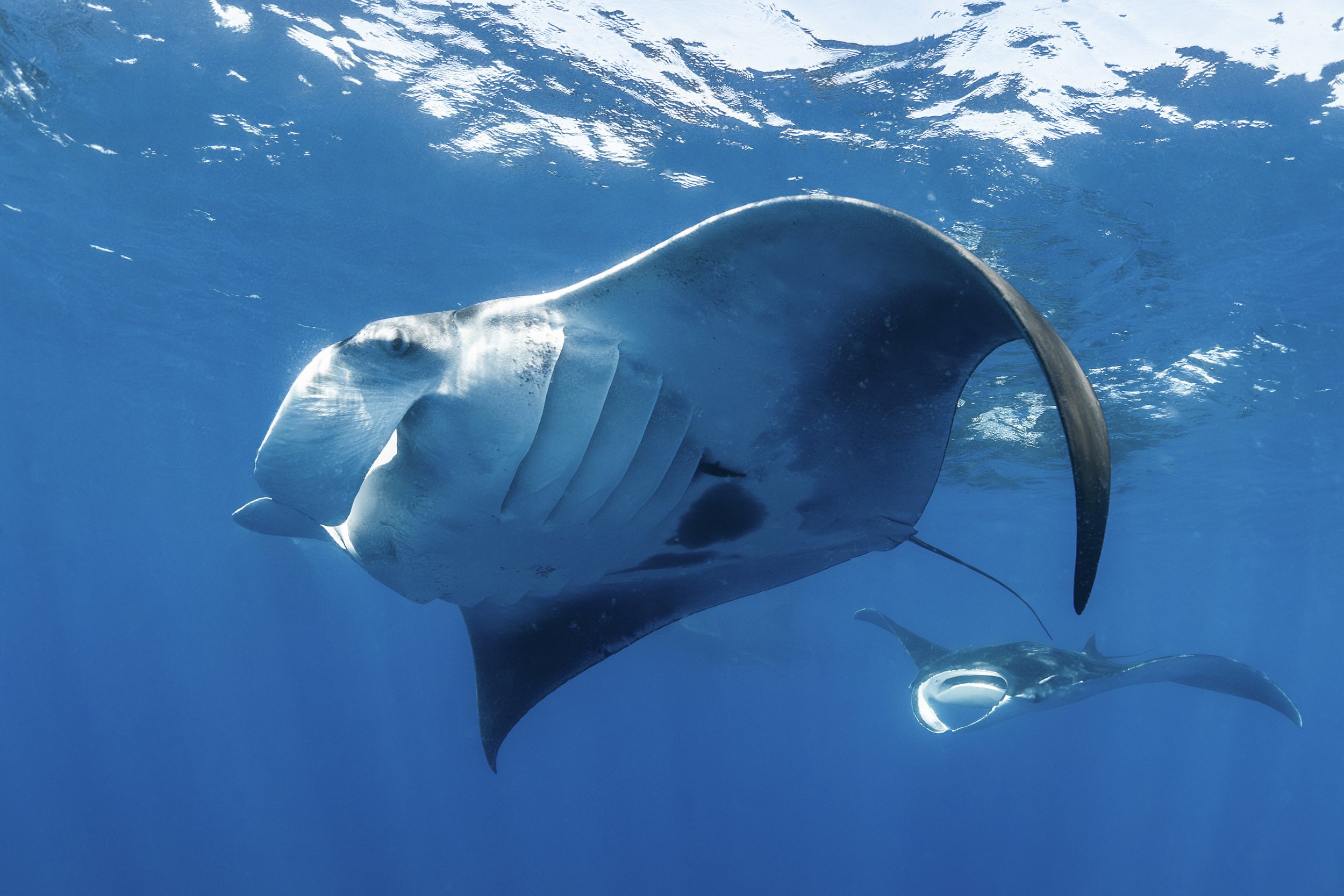
Atlantic manta rays off Mexico
In the Arabian Gulf, collaborative research in Qatar revealed remarkable fine-scale behaviour within a large seasonal aggregation of whale sharks that feed on tuna eggs. Using passive acoustic telemetry, we documented individual whale sharks remaining in the area for up to 77 consecutive days, following a highly consistent daily pattern: drifting with currents while feeding on the tuna eggs each morning, then actively swimming back against the flow each afternoon to return to the spawning hotspot within the Al Shaheen gas field. These findings highlight both the ecological importance — and vulnerability — of this industrial seascape, and the need to protect the tuna spawning area so as to safeguard this incredible natural event.
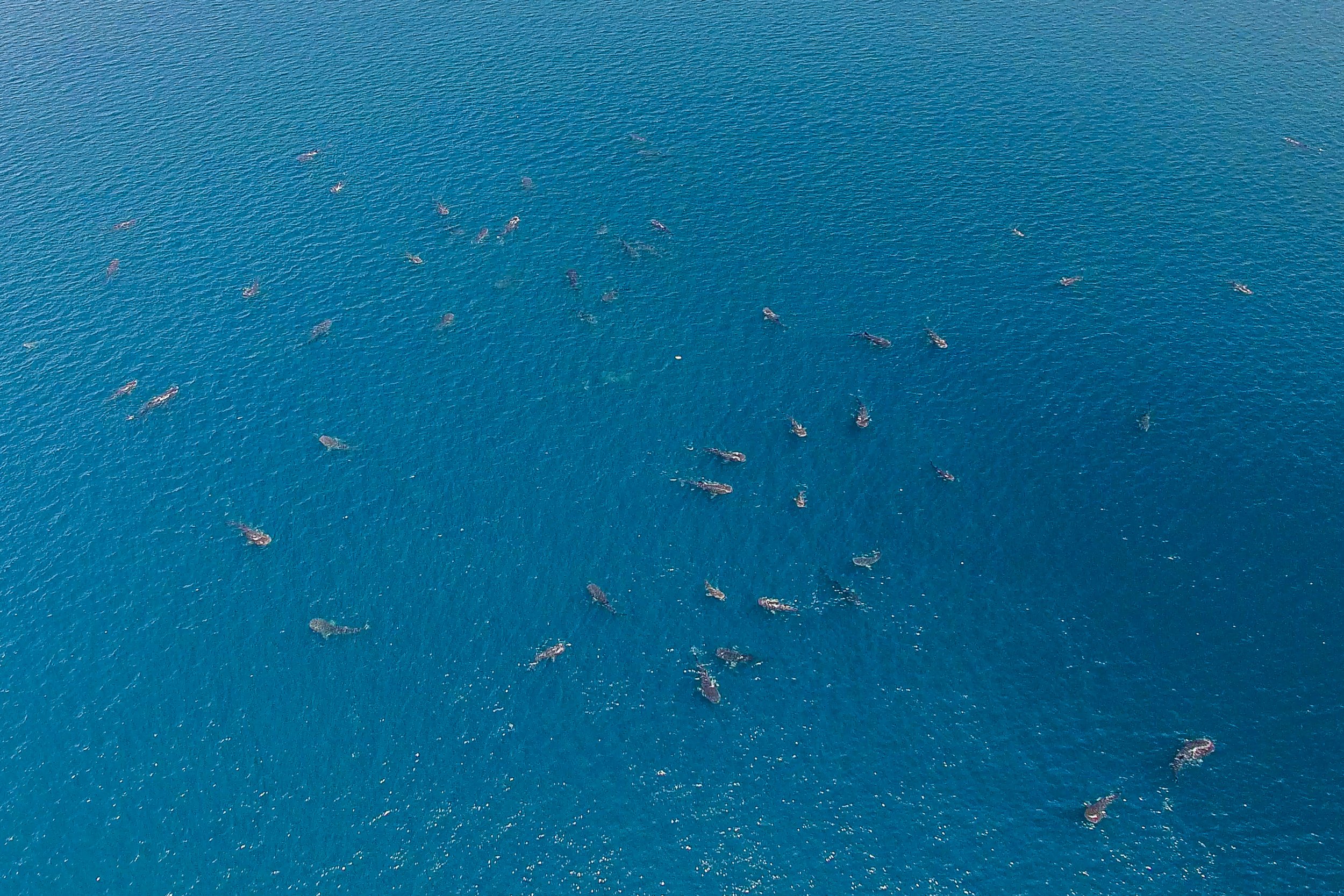
Whale sharks feeding on tuna eggs off Qatar
In Mayotte, a French overseas territory in the western Indian Ocean, satellite-tagging and photo-ID research identified the lagoon and outer reef passes as critical reef manta ray habitat (including for newborn manta rays). Most tagged individuals remained within the region for extended periods, occasionally diving to depths of nearly 400 m. Their strong site fidelity, small population size, and reliance on the lagoon, particularly by young mantas, mean that effective local management in and around Mayotte could deliver disproportionately large conservation benefits for this isolated population.
Across the Mozambique Channel, our research delivered the first long-term assessment of the reef manta ray population at Závora, drawing on 15 years of sighting data. As above, the results were stark: an 82% decline in sightings, alongside a shift from year-round presence to short seasonal aggregations. While this mirrors the severe declines we’ve documented slightly north along Mozambique’s coastline, the persistence of seasonal reproductive aggregations at Závora does highlight the area’s continued importance. To ensure their recovery, strengthened protection is urgent, along with close collaboration with local communities and decision-makers.
Our long-term whale shark research off Tofo, Mozambique, also produced sobering results. Monitoring 706 individual whale sharks over 15 years, we documented an 87% decline in sightings and an 89% reduction in abundance. This precipitous decline underscores the urgent need for regional action to protect these placid giants.
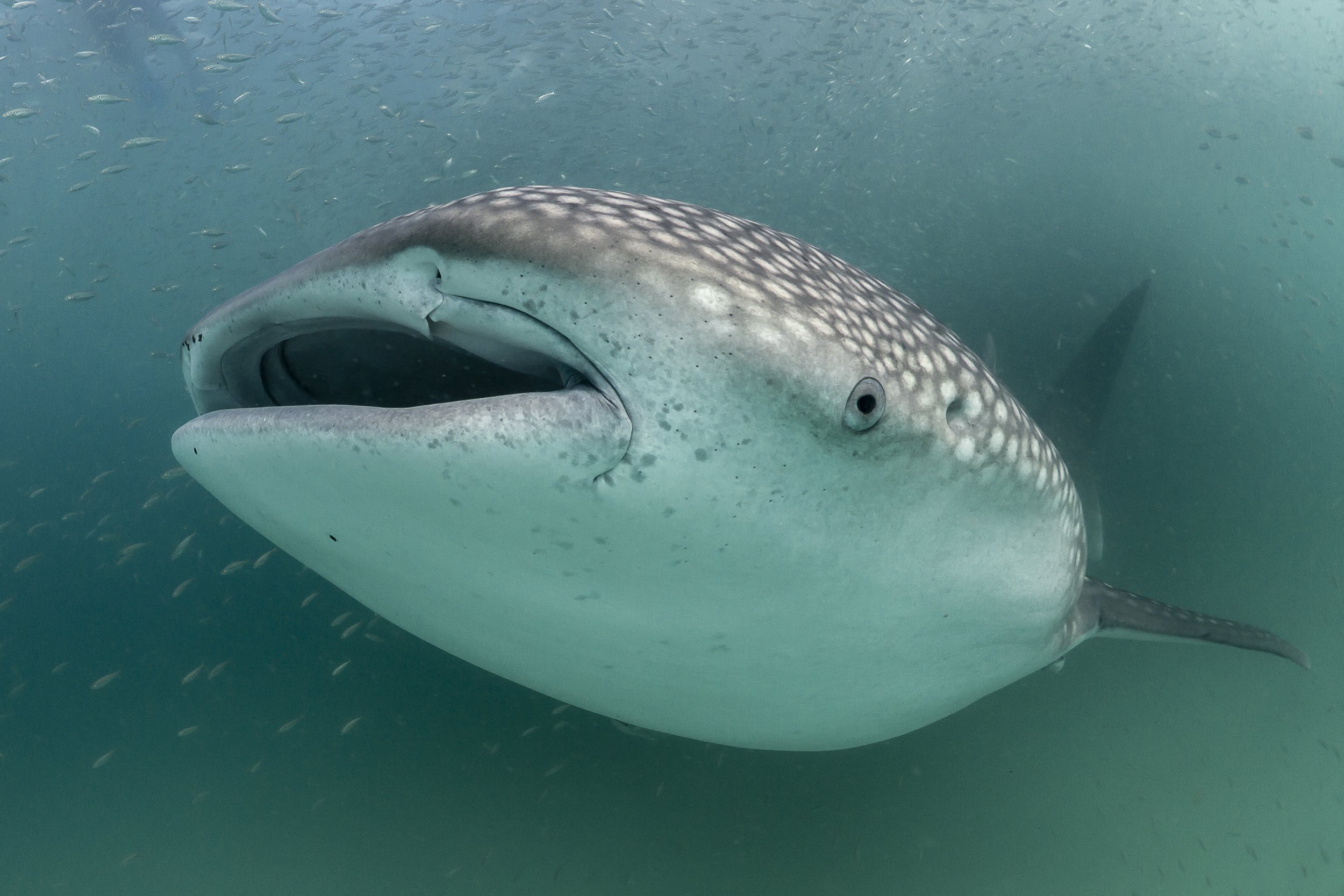
This work also featured in the MMF-led update to the global conservation status of whale sharks via the IUCN Red List.
In South Africa, two decades of citizen science data revealed six key sites across KwaZulu-Natal and the Eastern Cape where reef and oceanic manta rays are repeatedly encountered. The study identified 184 individual manta rays and extended the known southern range of reef mantas in Africa by more than 500 km. Photo-identification records also documented exceptional mobility, including a 1,305 km round-trip movement between South Africa and Mozambique. Together, these results show that the southern African reef manta population is among the most mobile globally, reinforcing the need for coordinated, transboundary conservation and management across national borders.
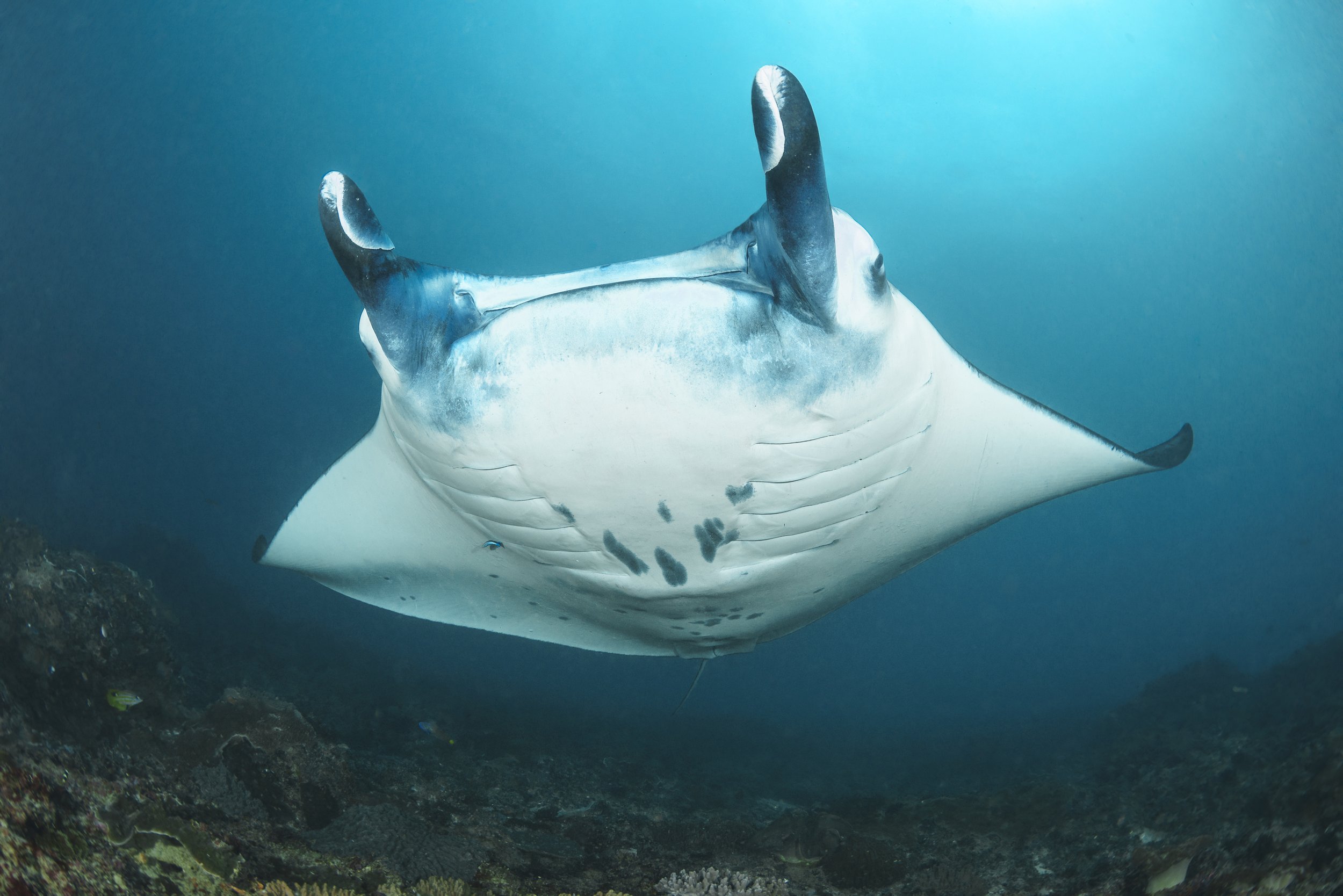
Reef manta ray off Nusa Penida
In a happy contrast to some of the above results, research from Nusa Penida in Indonesia provided some good news on reef manta recovery. An 11-year monitoring dataset showed that reef manta ray abundance has more than doubled since 2012, following national protection from fishing. While the species is still at a tipping point globally, it’s great to see that country-led effective protection can be a major contribution to recovery.
We also contributed to the discovery of a previously unknown whale shark population centred around Wreck Bay in the far north Great Barrier Reef. Across four expeditions, the team identified 59 individual sharks. Satellite tracking showed that individuals remained in the area for up to a few weeks each season, with some longer-term tracks showing that sharks returned to the area across years. This is the first whale shark constellation identified in eastern Australia, and sheds some light on the little-known South Pacific population of the species.
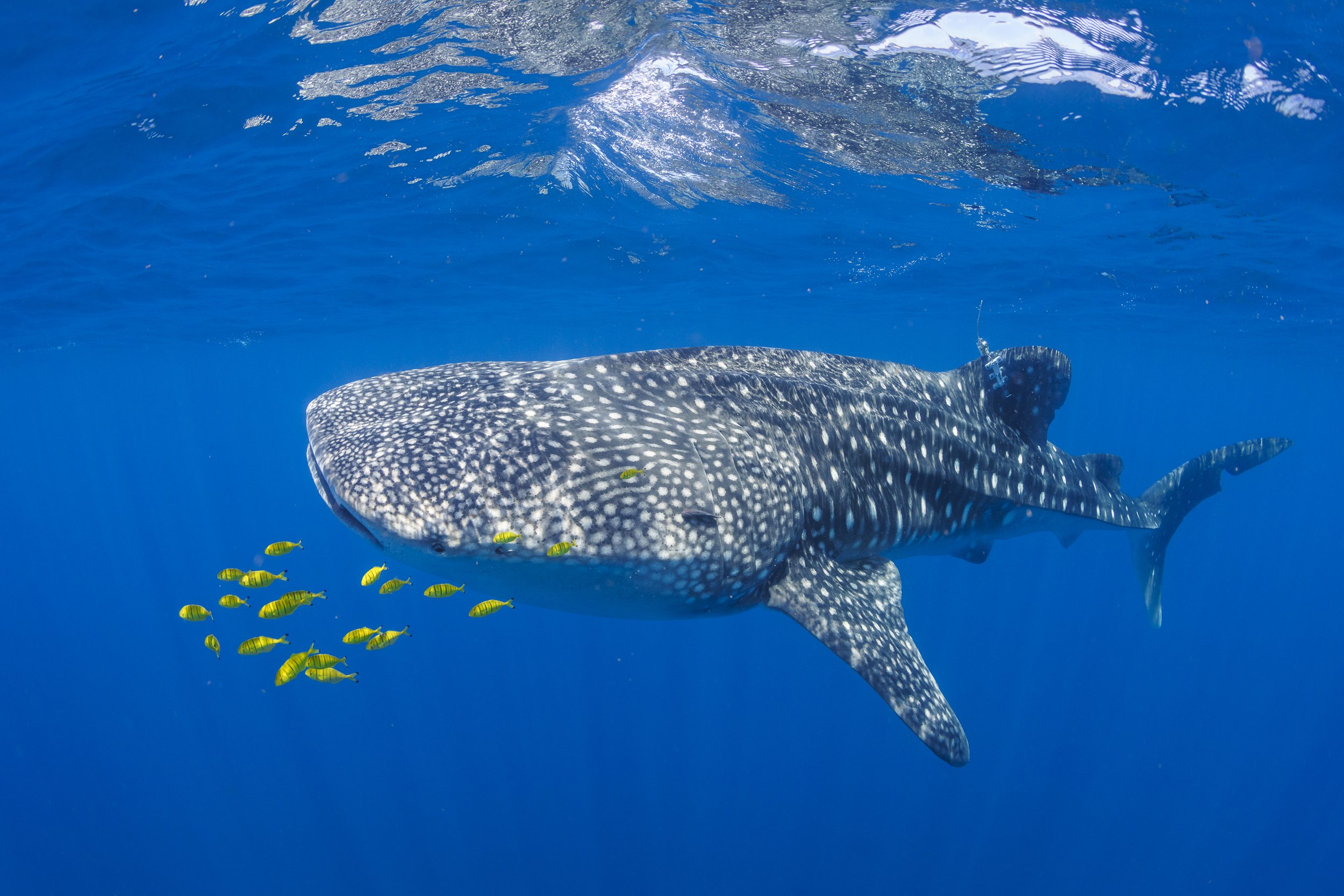
A satellite-tagged whale shark in Wreck Bay, Australia
We’ve published many more scientific papers through 2025; you can see them all here on the site.
Fieldwork Progress
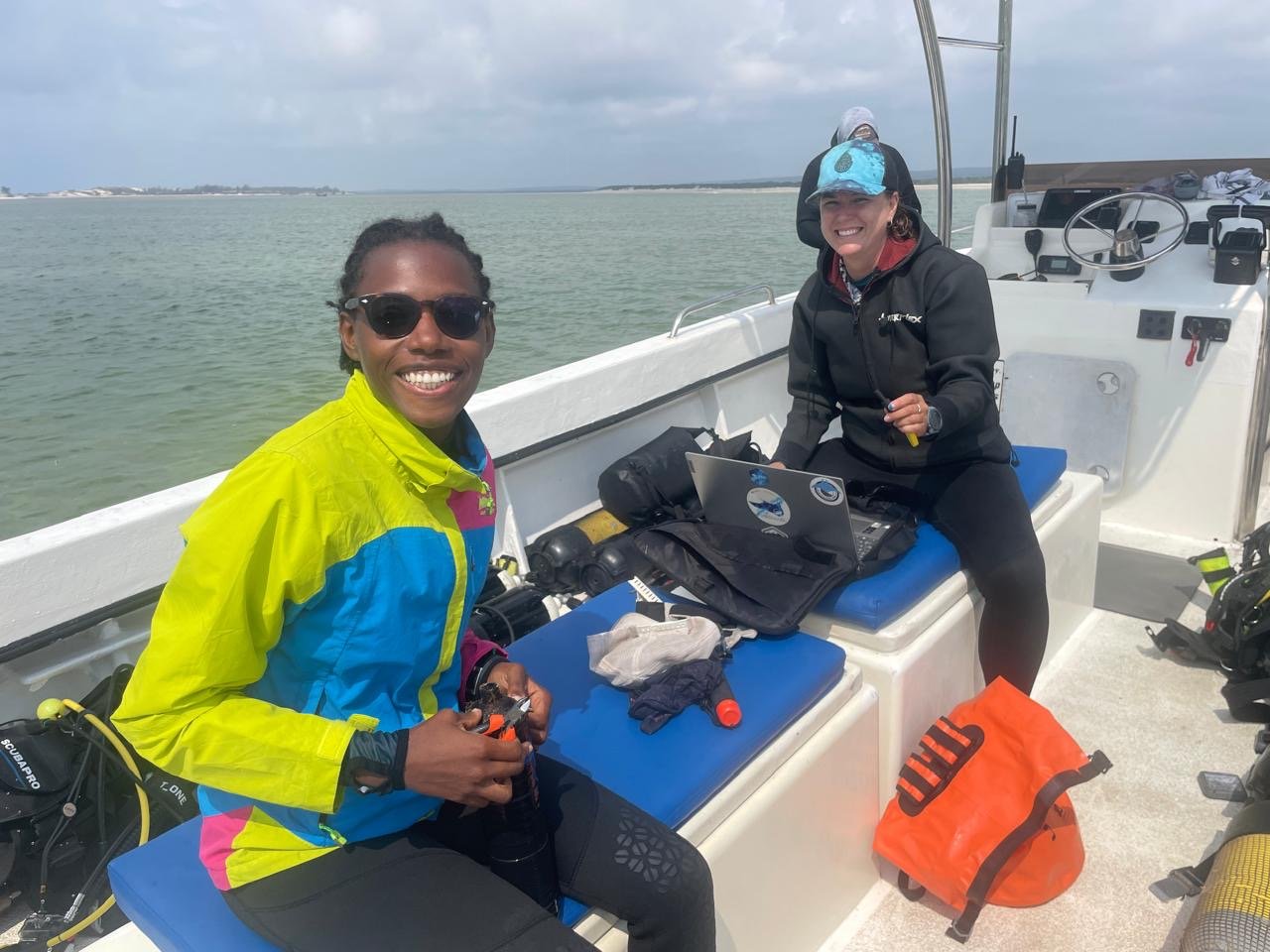
Nilza de Catarina and Nakia Cullain during a receiver changeover mission in the Bazaruto Archipelago
In Mozambique, we expanded an extensive network of more than 30 passive acoustic receivers along more than 500 km of coastline, which forms a regional array with colleagues in South Africa, Madagascar, and elsewhere. This international project is providing high-quality movement data for some of the world’s most threatened marine species, including critically endangered rhino rays, endangered leopard (zebra) sharks and manta rays, and elusive ornate eagle rays, among other animals.
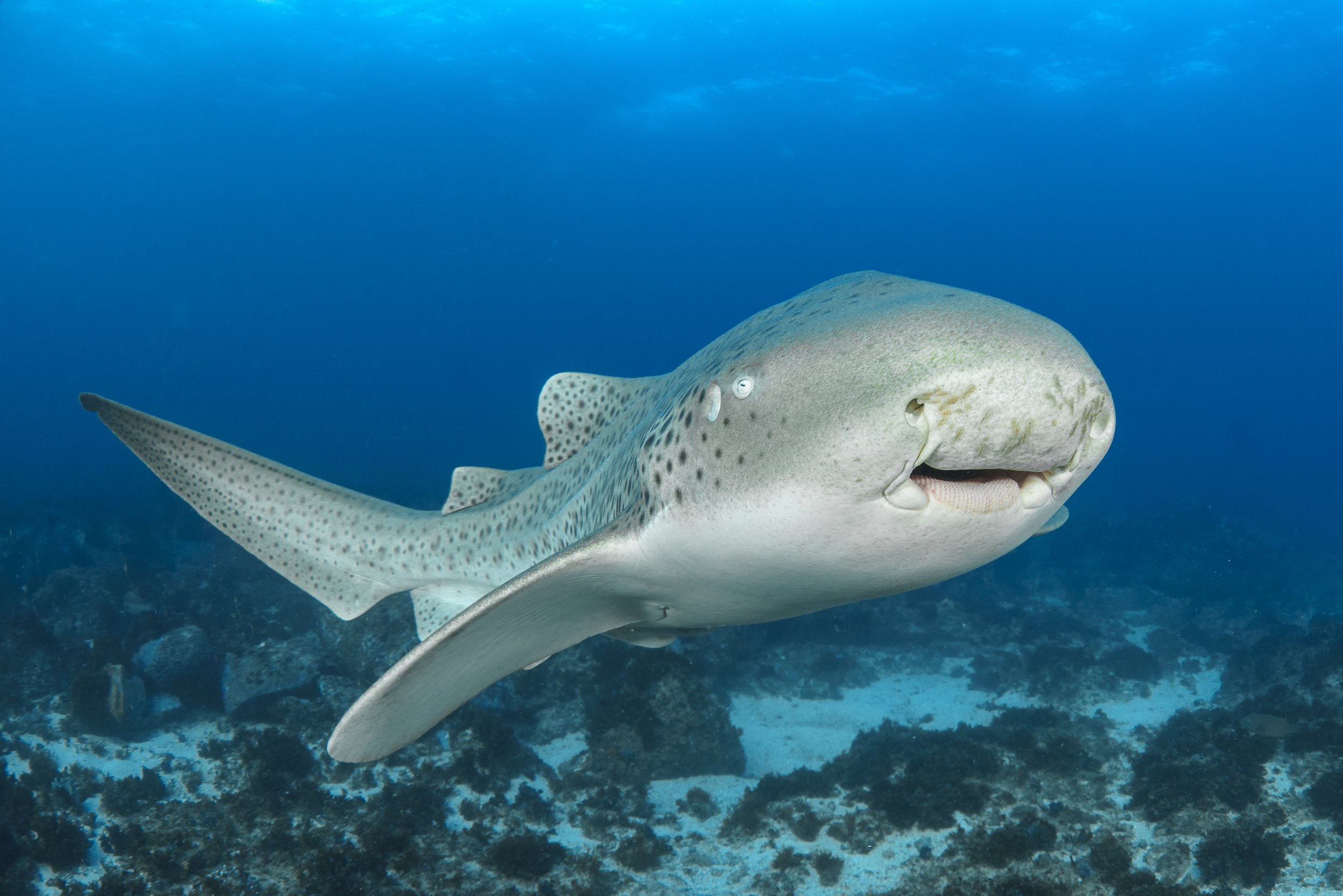
A leopard (zebra) shark
One amazing result published from this initiative in 2025 was a bull shark that swam over 2,000 km from Mozambique to the southern tip of South Africa, then another 5,000 km (!!!) up to the Nigerian coast in West Africa.
Also in Mozambique, nine more critically endangered bottlenose wedgefish were tagged inside The Sanctuary in the Bazaruto area. Understanding their local and regional movements will enable the design of an effective no-netting protection zone that encompasses core habitat. The team also completed over 150 video system deployments to assess overall shark and ray diversity and abundance in the region.
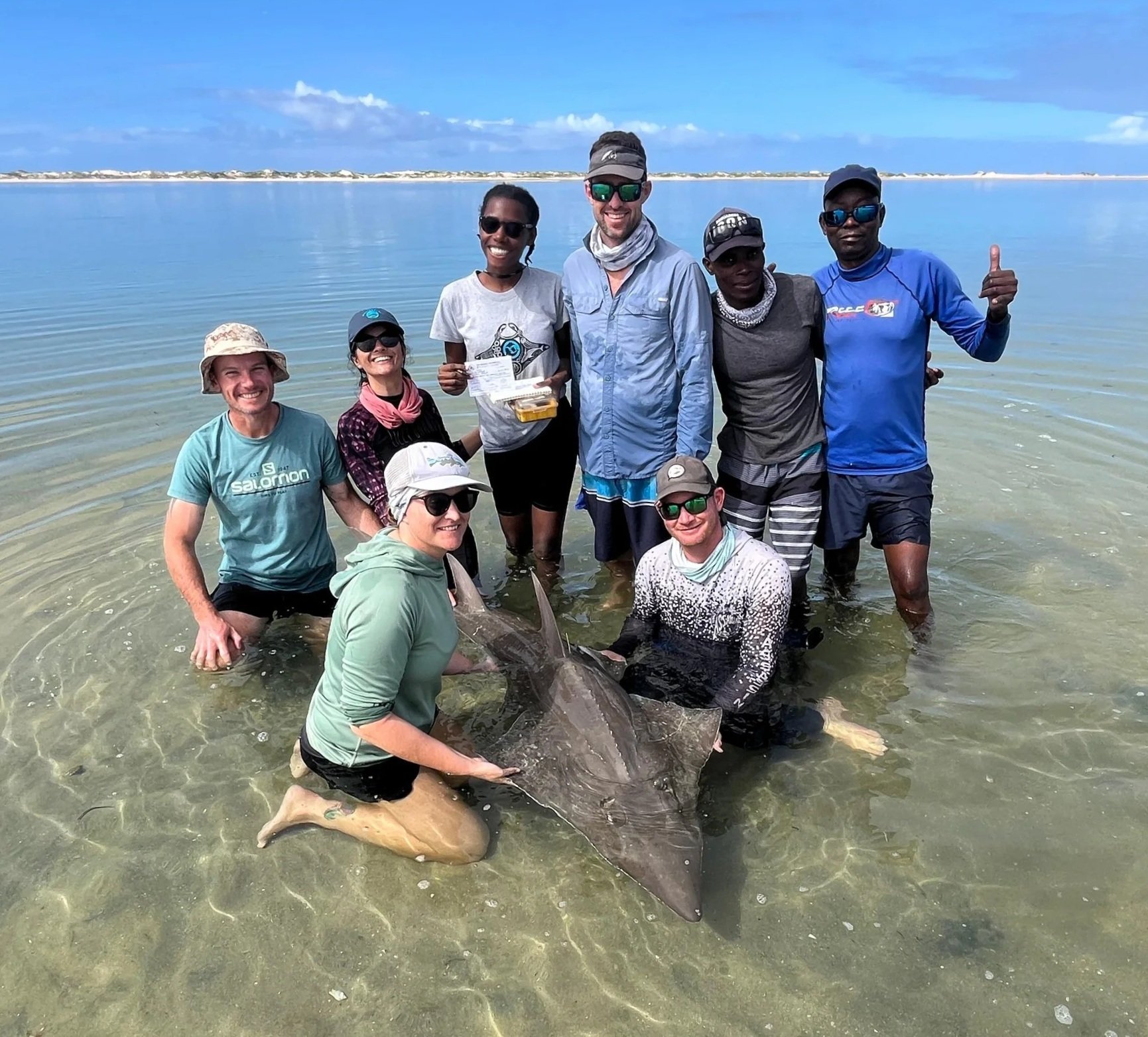
The wedgefish tagging team in Bazaruto
Reproductive research using an underwater ultrasound unit also continues apace in Mozambique, with over 70 scans of reef mantas and several other species.
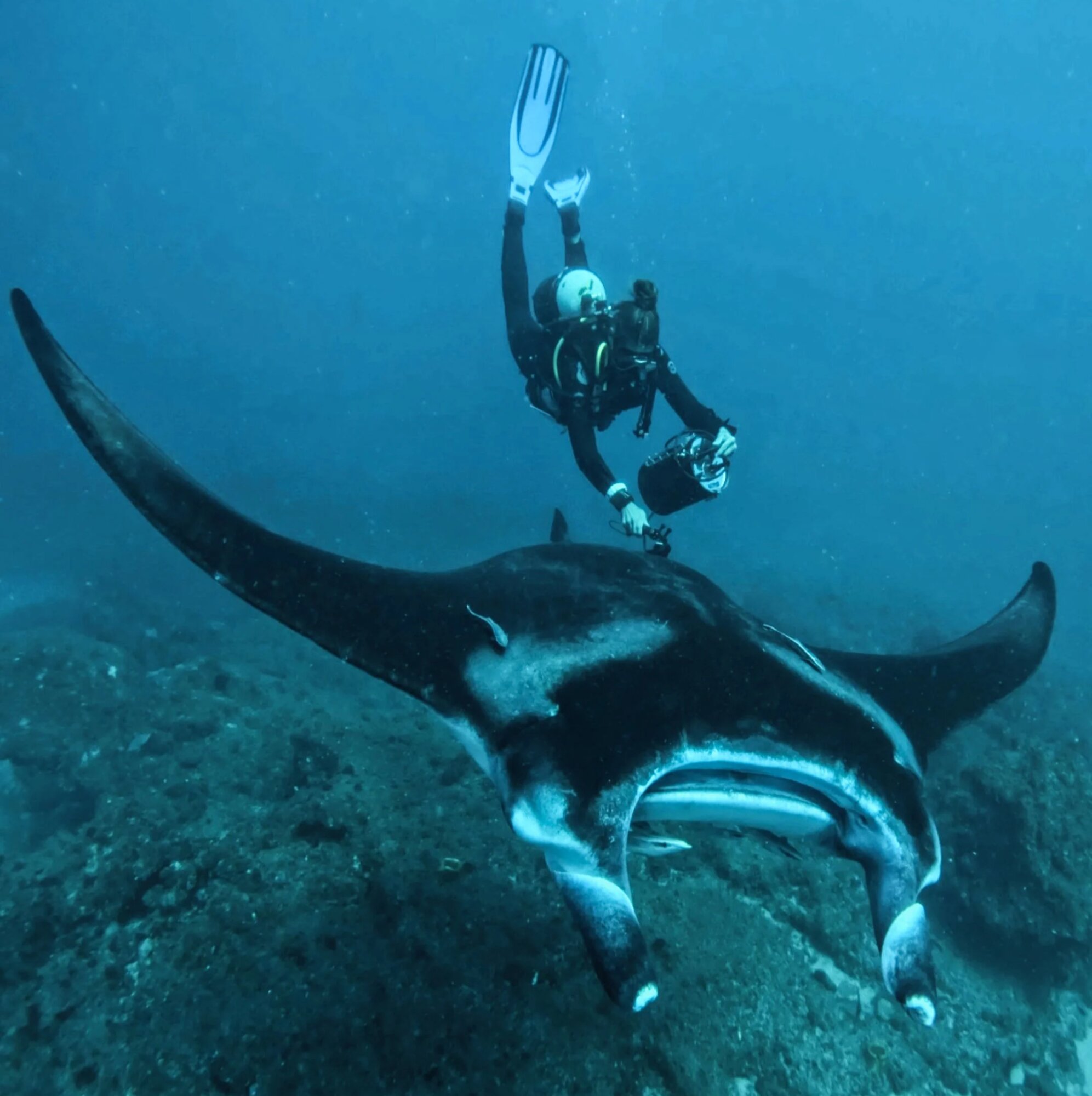
Ed Bevan ultrasounding a reef manta ray off Závora, Mozambique
In Oman, MMF launched a dedicated field research project on whale sharks along the Seeb coast. Building on community-contributed photos, we’ve now identified over 200 individual sharks from this area, and identified linkages with surrounding countries and the Arabian Gulf. We observed a high injury rate among the 30 sharks we identified during our fieldwork this year, providing a clear target for conservation initiatives in 2026.
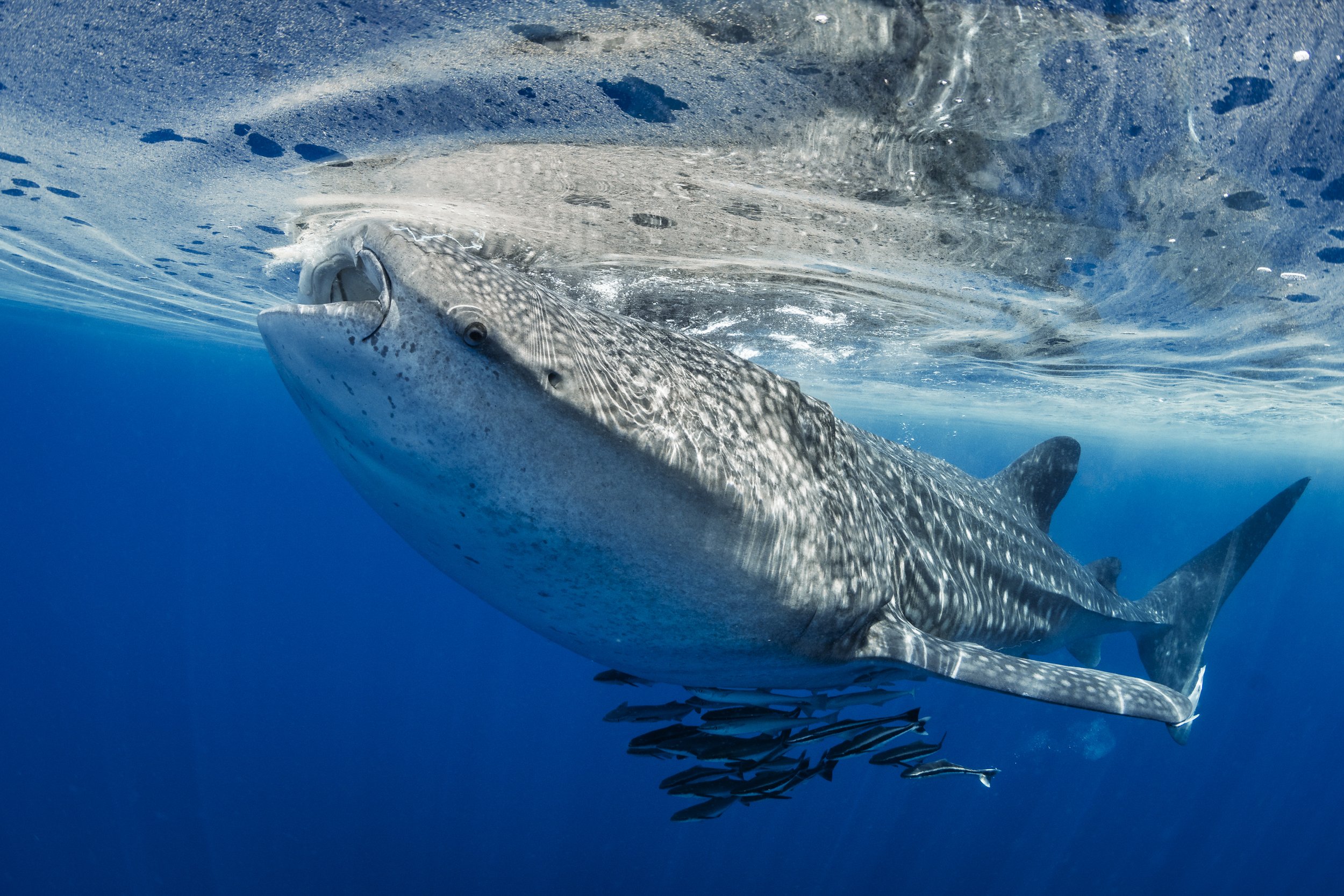
A whale shark in Oman feeding on fish eggs
The MMF team is just finishing up their whale shark and blacktip reef shark research season at Mafia Island in Tanzania, where we have now identified over 250 individual whale sharks, so we’ll be updating those numbers shortly.
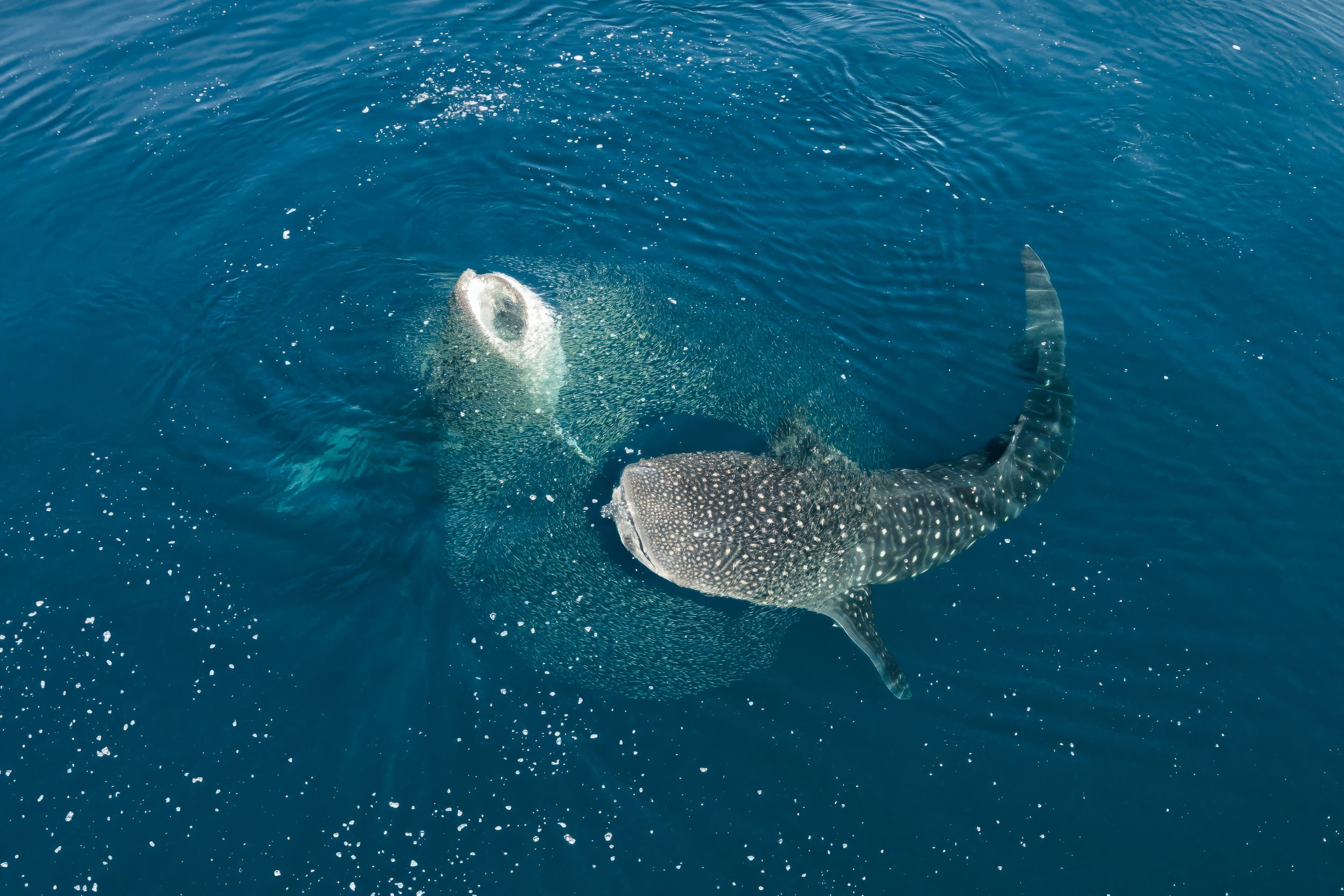
Whale sharks feeding on small fish off Tanzania
In Indonesia, fieldwork resumed in the Derawan Islands, East Kalimantan, after a several-year break. The team have had frequent leopard shark sightings, identified 255 new sea turtles, and finally found a manta ray after 55 dives!
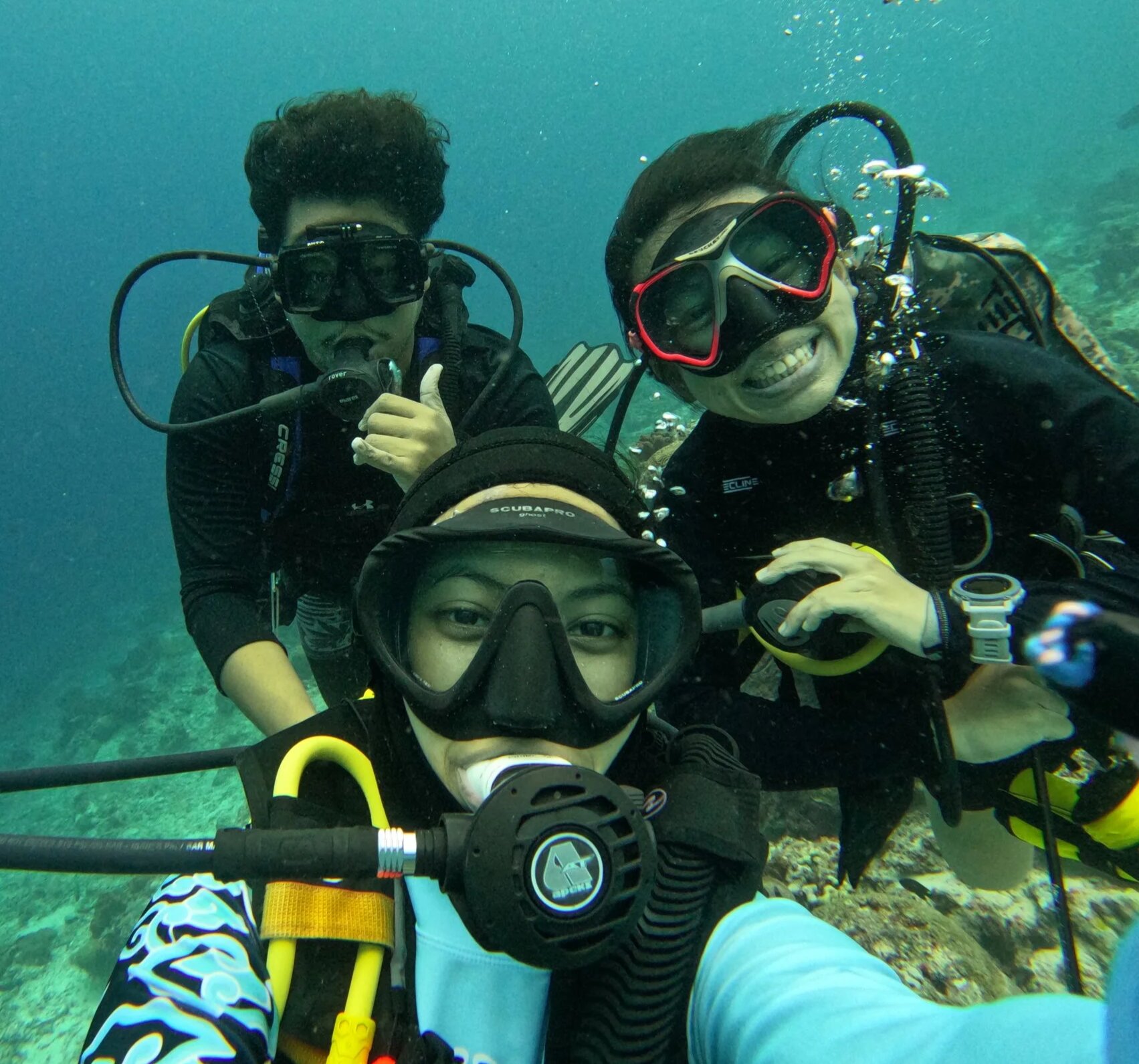
Taking a break from field surveys in the Derawan Archipelago
The team also participated in SEACONNECT stakeholder consultations, helping shape the future of marine conservation across the Sulu–Sulawesi Seascape, and completed the first full year of underwater video monitoring of reef manta cleaning stations at Nusa Penida. This study will help inform current work on tourism carrying capacity at this popular area.
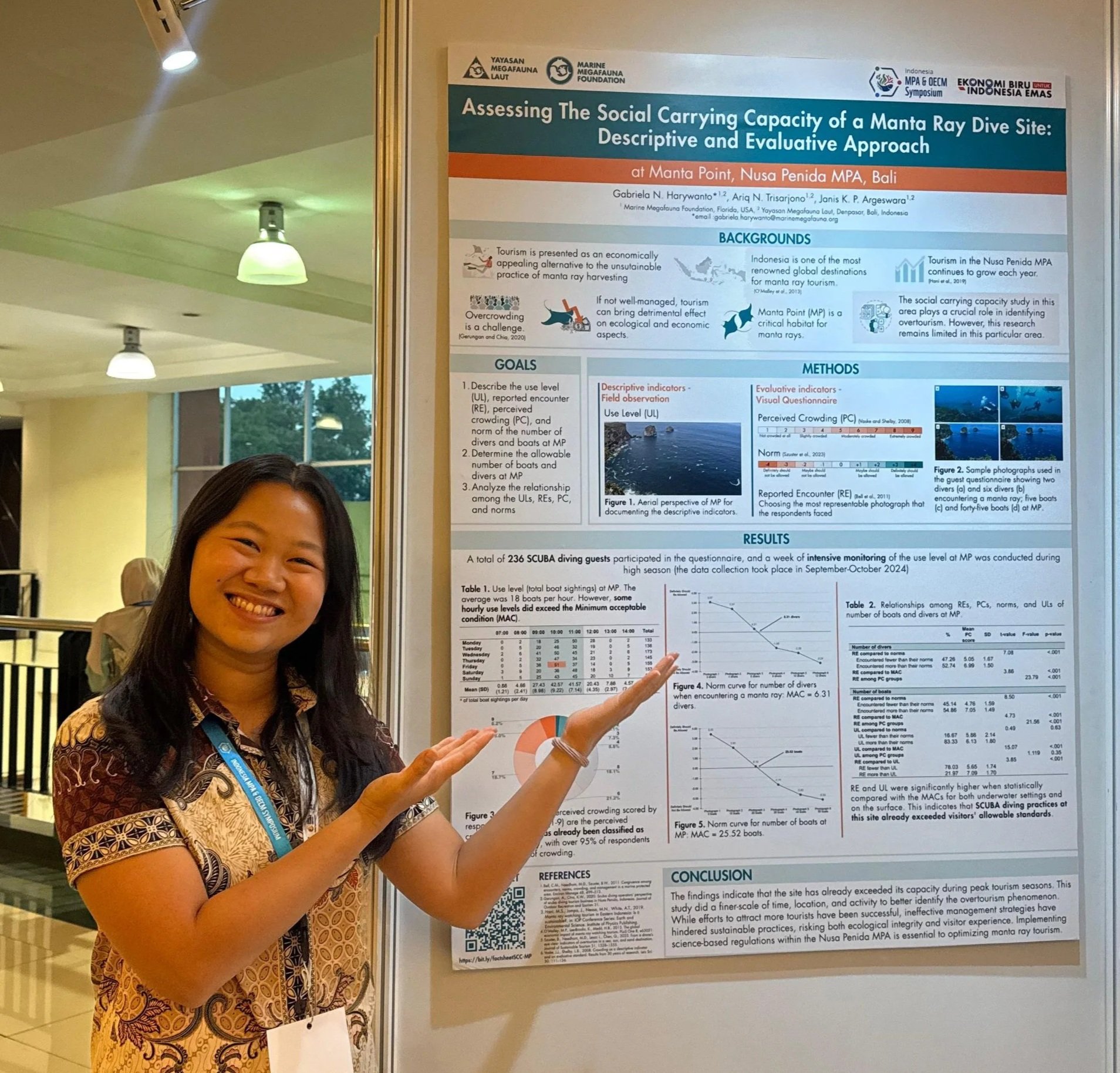
Gabriela Nathania Harywanto from MMF Indonesia sharing carrying capacity data for Nusa Penida
Over 330 individual manta rays and over 200 sea turtles have been identified at Nusa Penida through 2025, and over 2,300 reef manta rays have been identified across MMF’s Indonesian research sites in total.
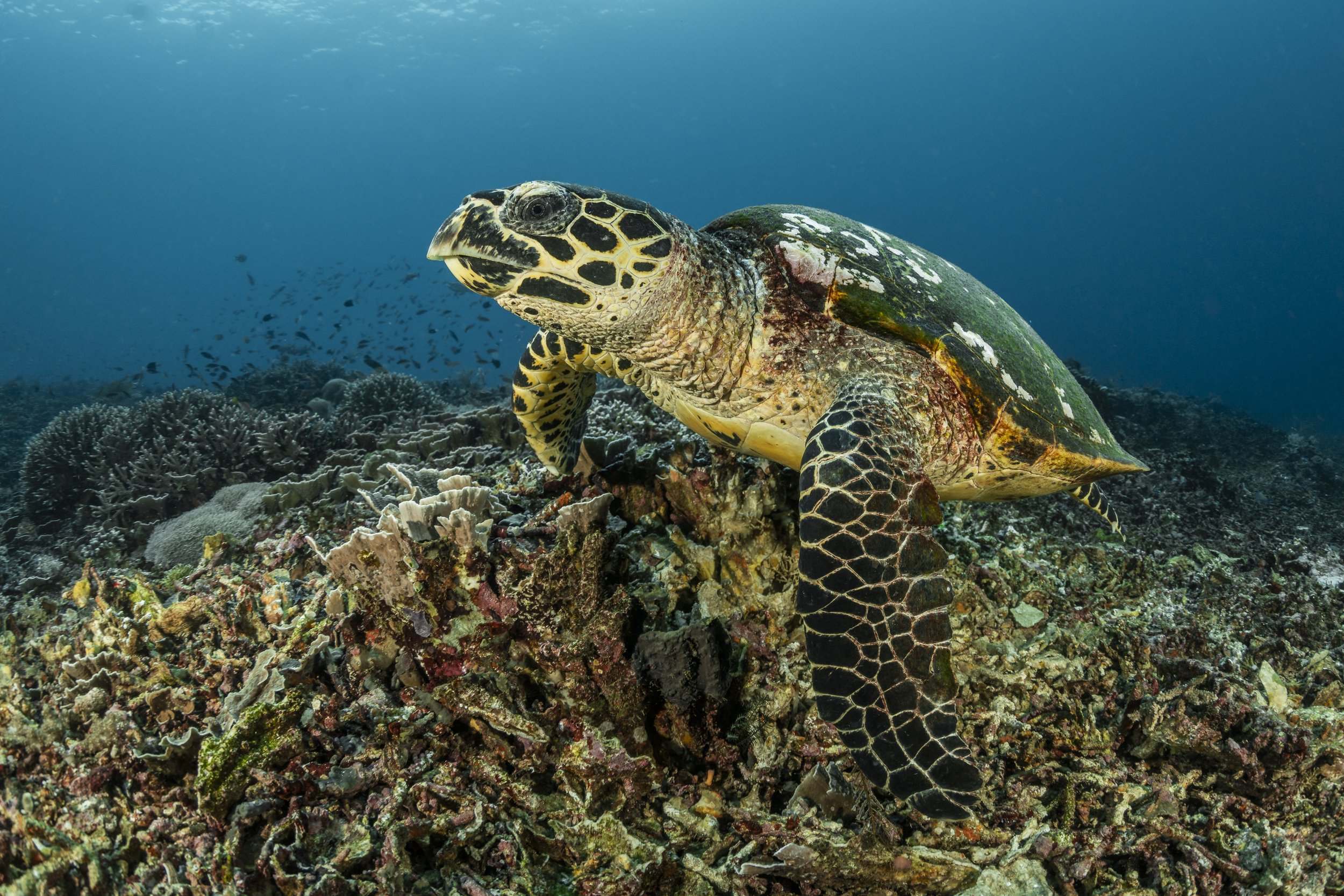
A hawksbill turtle photo-ID from Komodo National Park
Across the world, MMF’s guitarfish research continued expanding rapidly in Florida. With over 200 identified individuals, and 25 being tracked with passive acoustic tags, the expansion of receiver coverage from Palm Beach to Miami and the contribution of photos from community scientists along the coast is helping us better understand residency and movements of this threatened species. Works on the feeding ecology and reproductive physiology of guitarfish are also being prepared for publication in 2026.
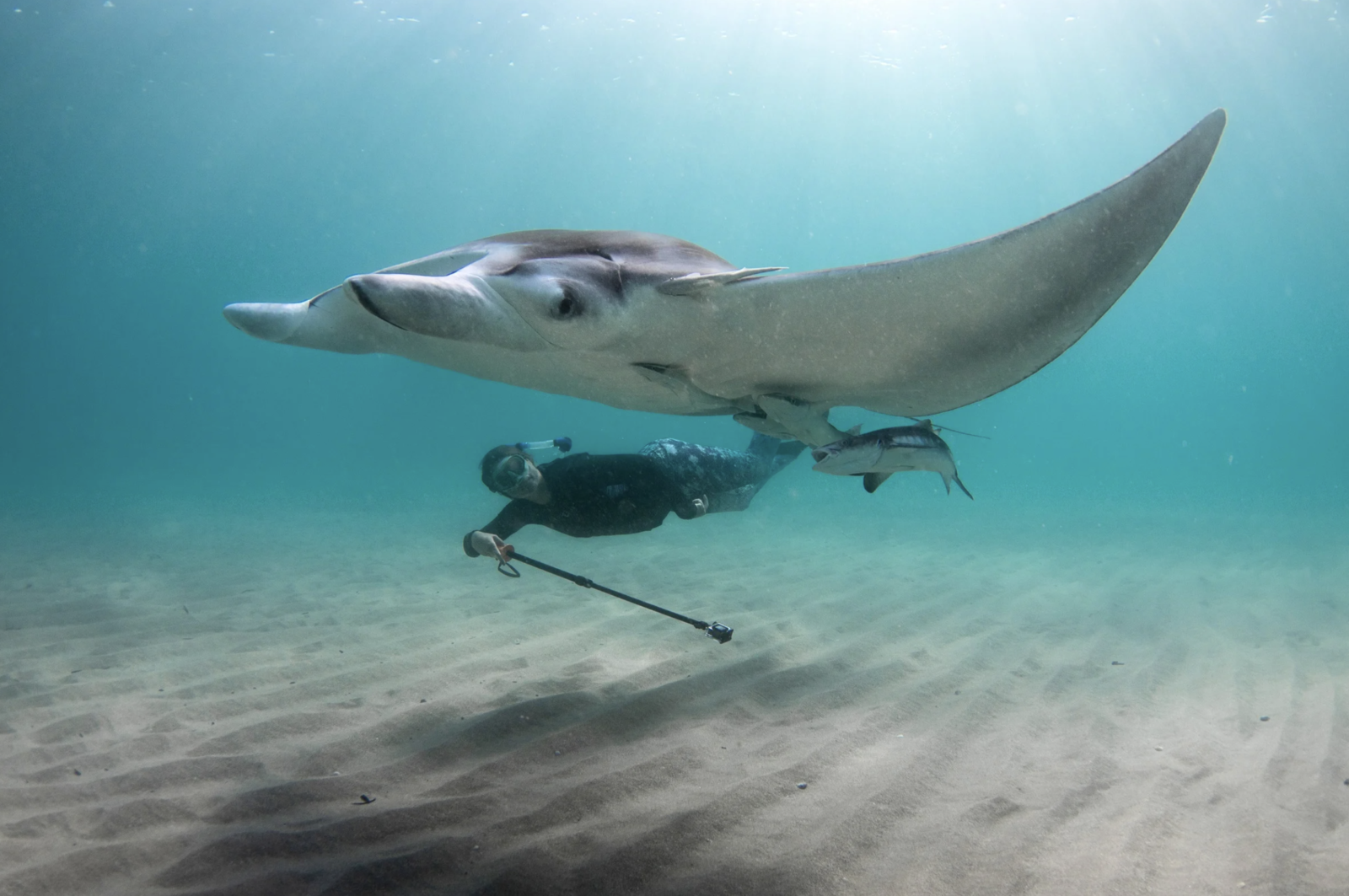
Jessica Pate photo-identifying an Atlantic manta off Florida
Meanwhile, the Florida Manta Project continues to broaden its horizons – a rename is probably in order – as work has expanded to Louisiana, other mobulid species, and even Hawaiian oceanic manta rays. They’ve deployed multiple satellite tags on Atlantic manta rays in Florida and Louisiana.
In Australia, we’ve continued working on critically endangered grey nurse sharks (sand tigers) in southeast Queensland, with over 2,000 individual sharks now identified along the eastern coast – likely a significant proportion of the population. Our partners at Sundive Research have been helping with this effort, while also documenting the Cape Byron area of New South Wales as a global hotspot of leopard shark abundance.
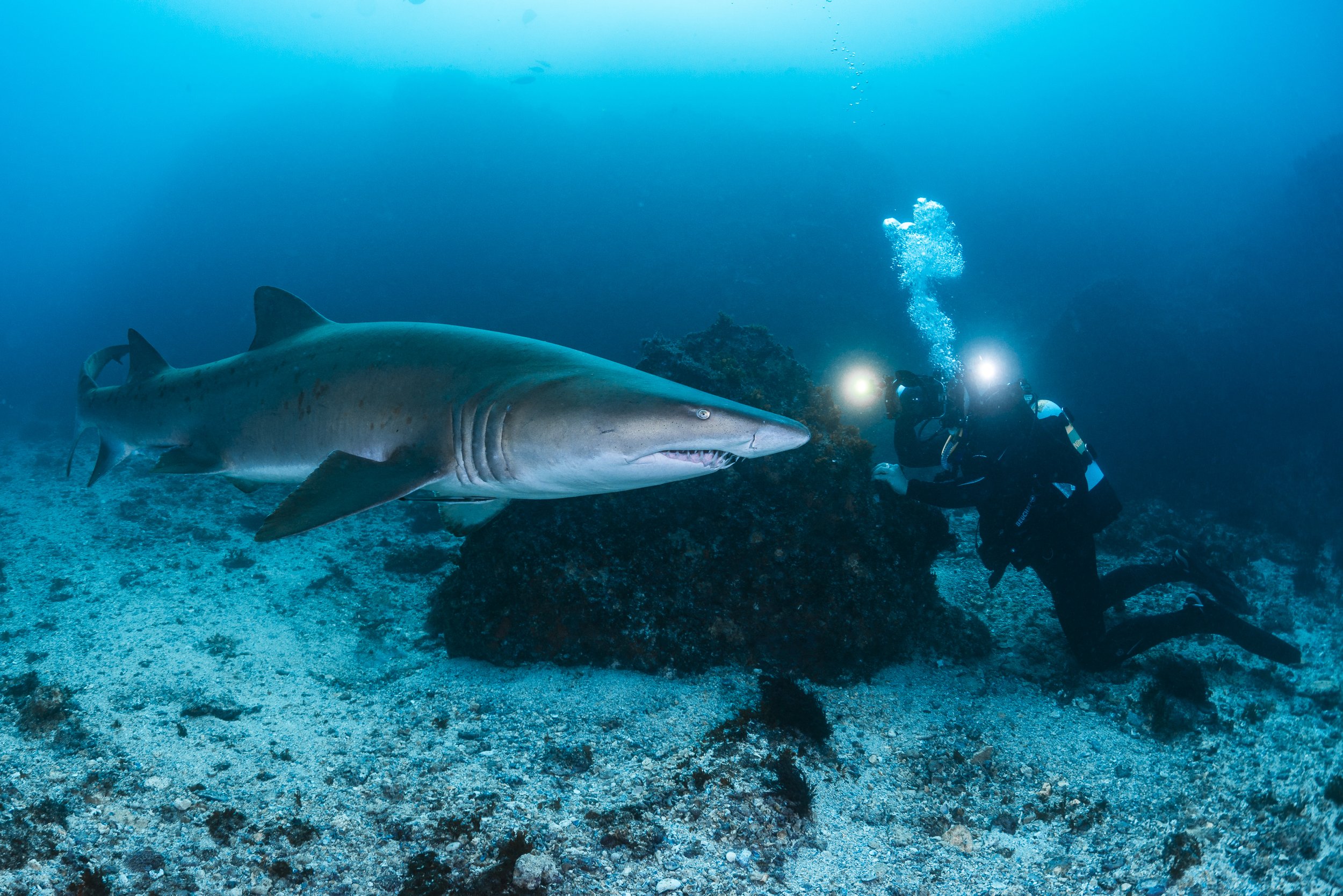
Jarrod Cameron, a PhD candidate at the University of the Sunshine Coast, photo-identifying a grey nurse shark off southeast Queensland
Community Education & Conservation
.jpg)
Learning to swim in Mozambique
Beyond research and fieldwork, 2025 was a standout year for community education and locally led conservation. In Mozambique, MMF’s long-running programs continue to achieve remarkable success. Over 1,400 children and young people graduated from our marine conservation curricula during the year, learning about their local ocean wildlife and the importance of healthy marine ecosystems.
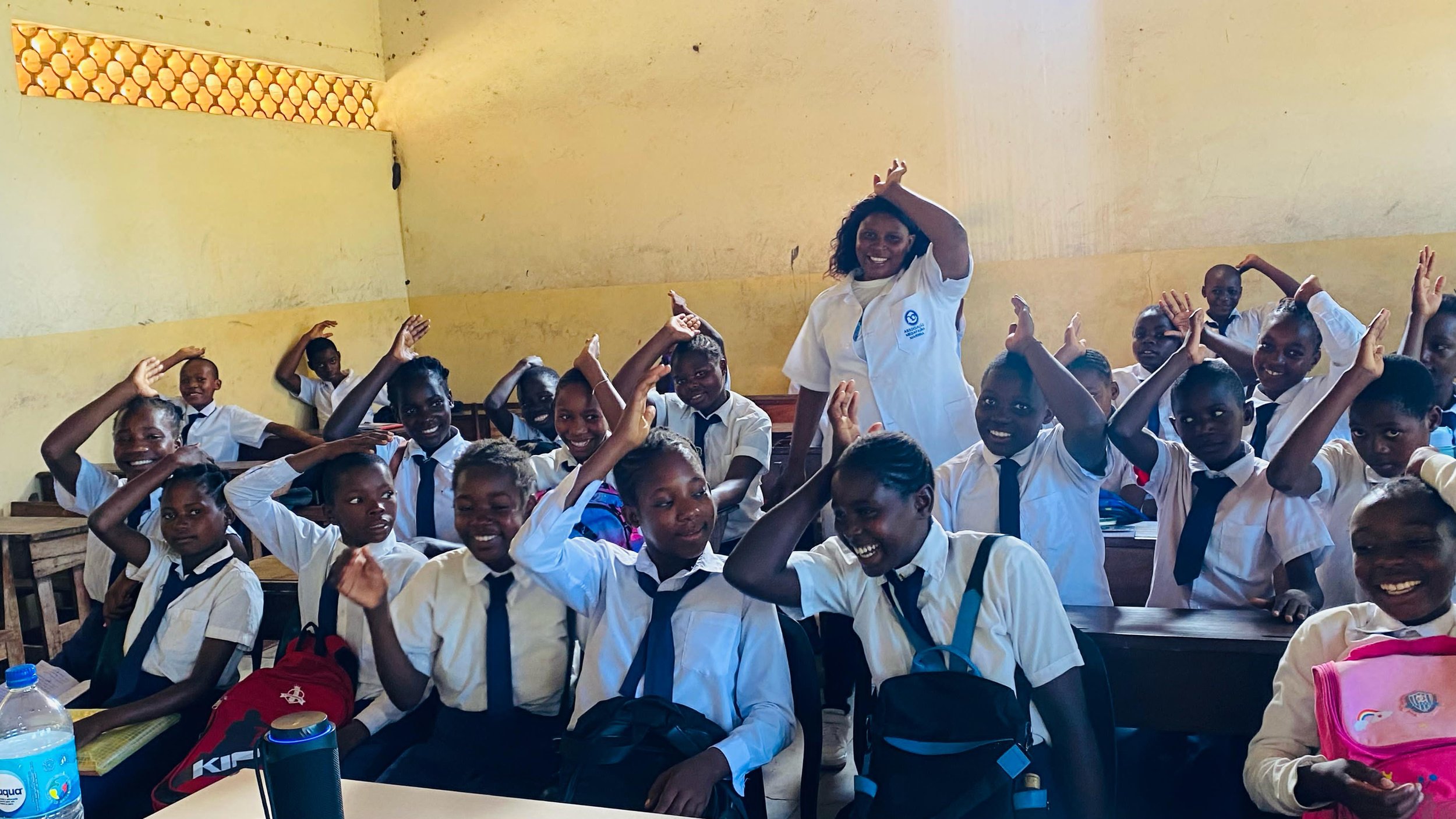
Marine conservation lessons in Morrungulo, Mozambique
Alongside this, we equipped 362 children and adults with vital swimming and practical water-safety skills — critical knowledge for ocean-dependent coastal communities, and often the first step towards a positive engagement with the ocean.
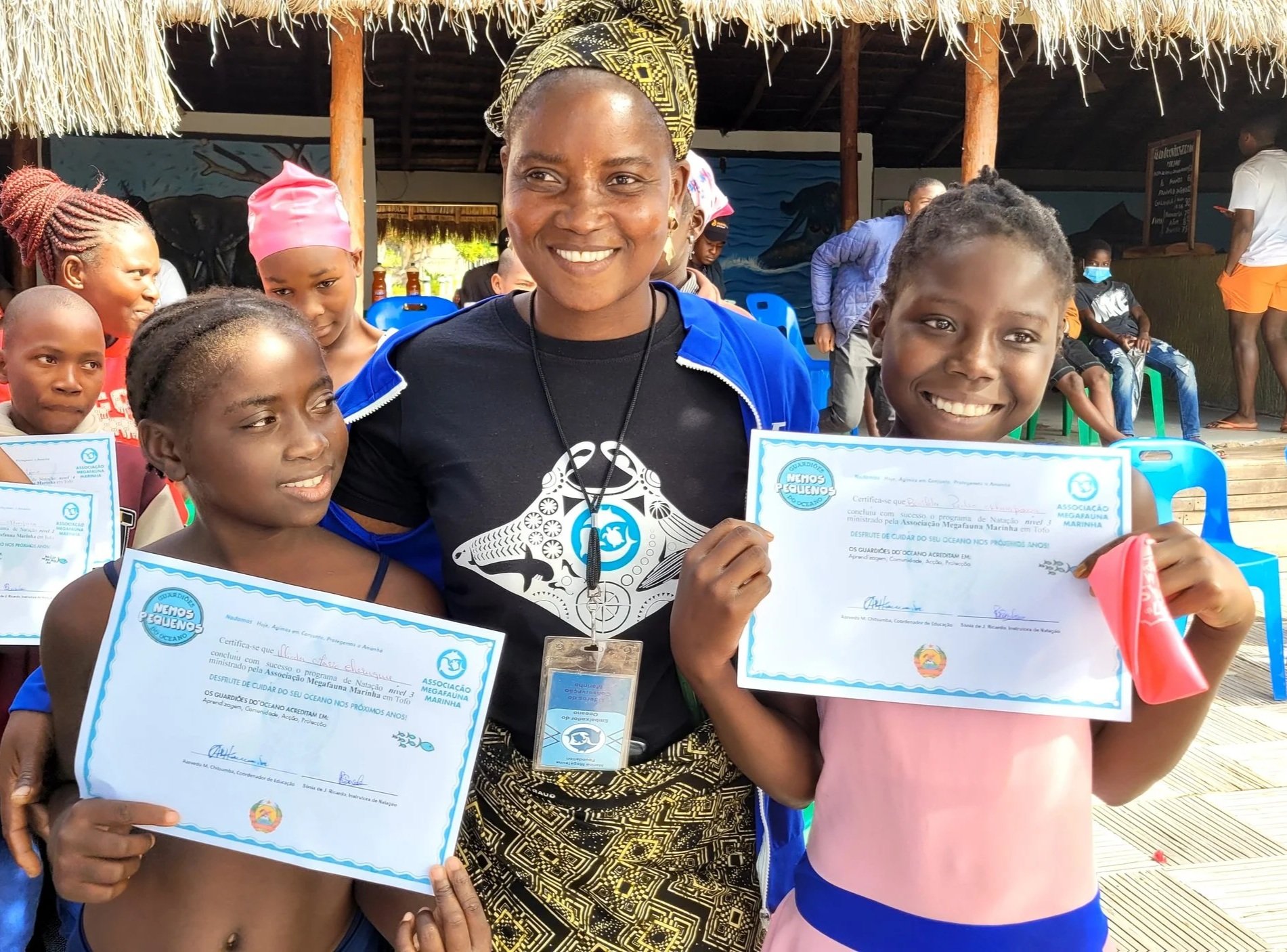
Swim school graduates in Mozambique
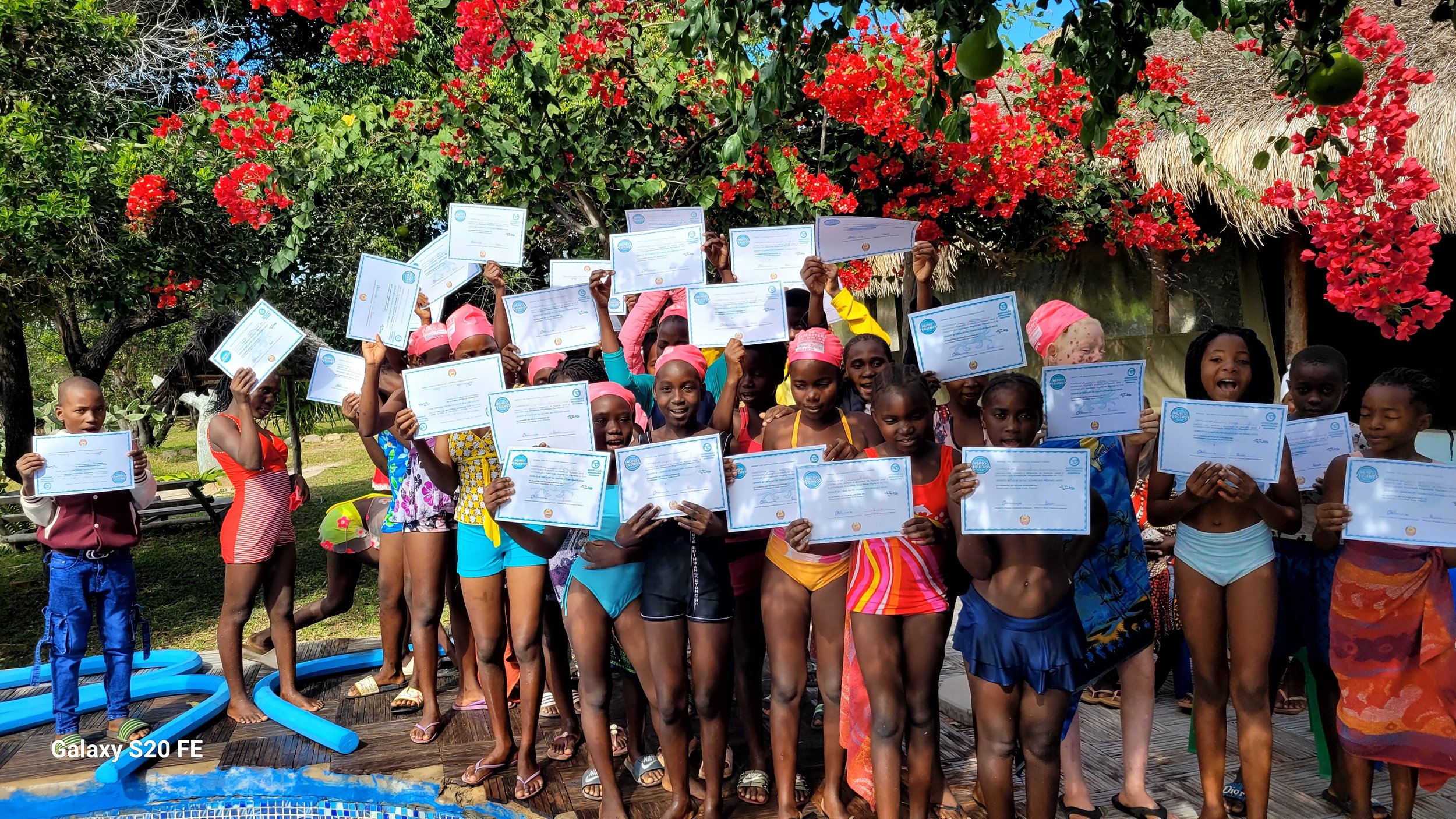
… and more swim school graduates in Mozambique!
Our youth-focused programs also continued to grow. Saturday conservation activities and the Coral Reef Club, designed to develop leadership skills, provide advanced marine education, and to facilitate a variety of career experiences and opportunities – engaged 132 participants.
As part of our climate resilience and conservation initiative in Mozambique, and with support from the Irish Embassy, MMF project-managed the rebuilding of school blocks in Morrungulo to improve the teaching space and their resistance to extreme weather events.
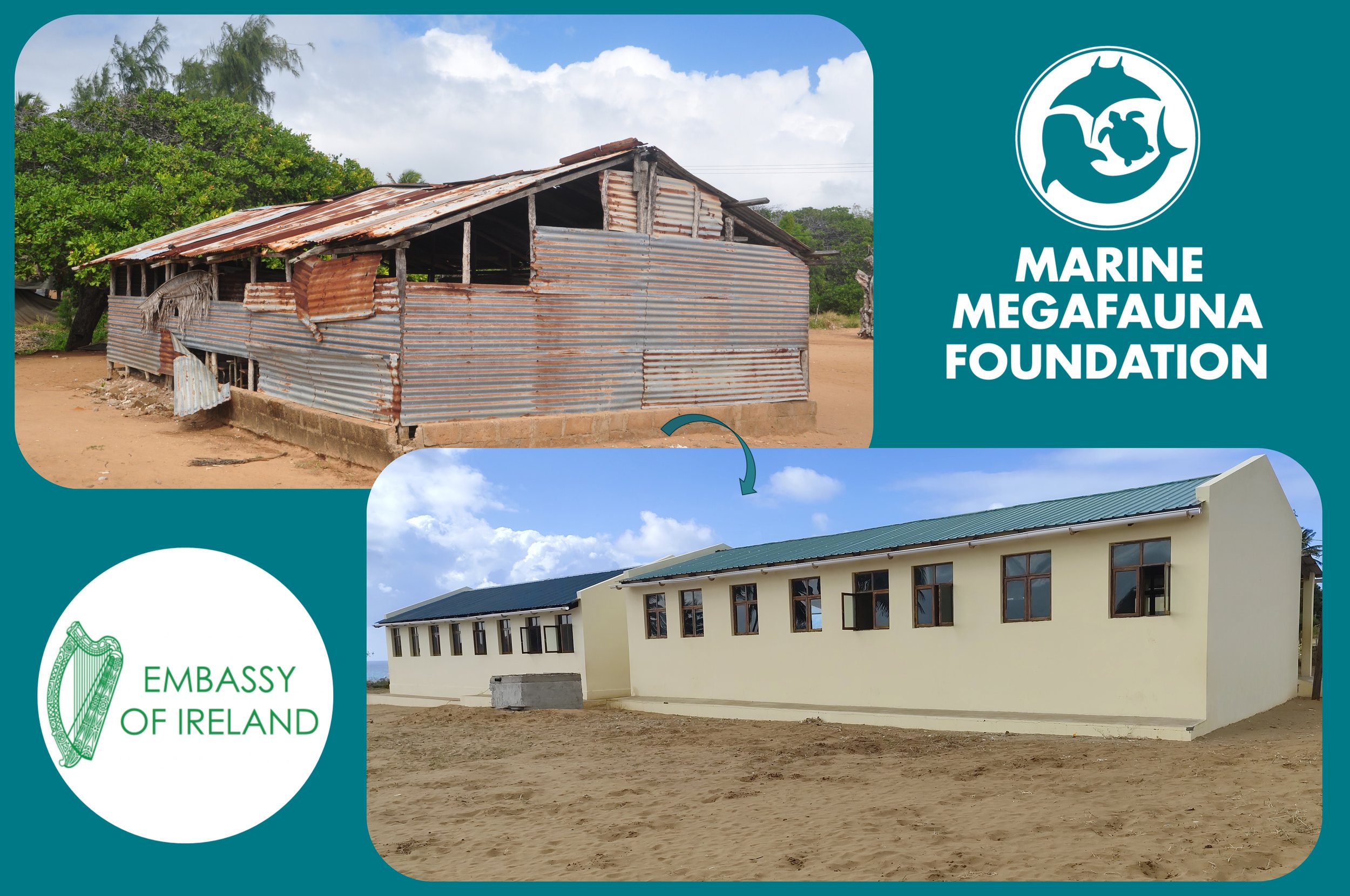
A before and after of the Morrungulo school
MMF’s Ocean Ambassadors go from strength to strength as community conservationists. These ambassadors are local leaders — fishers, teachers, youth mentors — who combine our scientific data with area-specific ecological and cultural knowledge to work in, and with, coastal communities to monitor fisheries and protect marine megafauna species. Through the year, 76 MMF-trained Ocean Ambassadors delivered around 80 conservation lessons, reaching more than 6,500 community members across fishing villages in the Bazaruto and Inhambane regions.
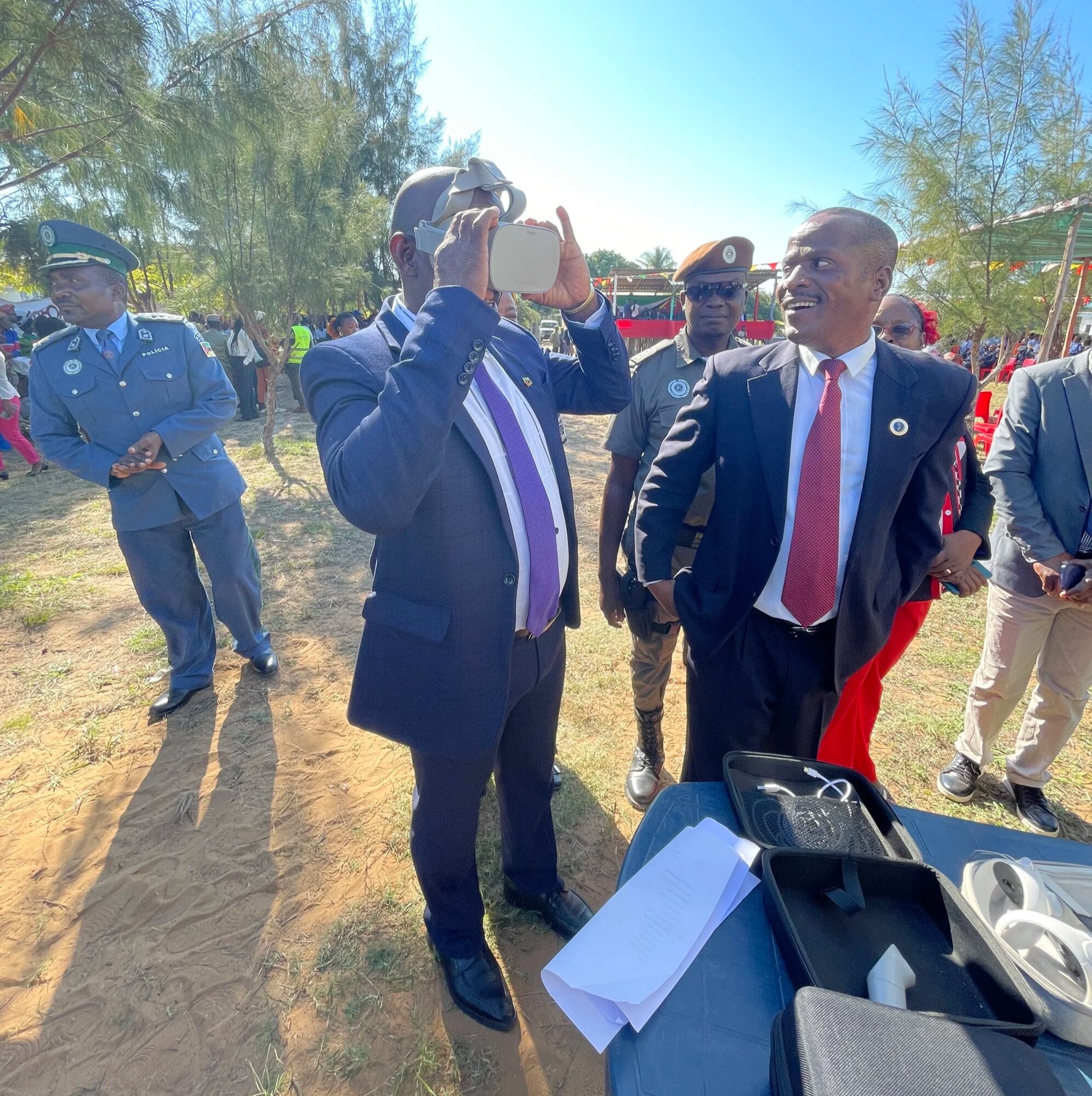
Government officials getting a first-person view of Mozambique’s marine life
This community engagement is paired with practical conservation action. MMF trained 17 marine rangers to implement catch monitoring in both existing fishing areas and the planned Shark and Ray Protection Zone in Bazaruto. We also hosted a training workshop on fish and shark identification for 53 participants, including inspectors from the Coastal, Lake, and River Police and members of Community Fishing Councils in Inhambane.
.jpg)
Coastal police graduates of the MMF ocean awareness training workshop
With support from the Irish Embassy, we also provided a four-wheel all-terrain vehicle to the Coastal Police for monitoring and enforcement activities in remote coastal areas.
.jpg)
Coastal police leaders receiving their new remote patrol quad bike from MMF
Alongside this, village savings & loan groups now include over 230 active members across 11 villages, with strong female participation, helping to build financial resilience and reduce dependence on unsustainable fishing practices. Additional livelihood initiatives, including aquaponics training, glass recycling schemes, and extreme weather recovery support, further reinforce the links between healthy oceans and resilient communities.
MMF’s Research Fellowship Program in Mozambique continues to be an exceptional way to help early-career scientists become accomplished marine conservation biologists. Our 2025 fellows completed their Open Water SCUBA certification, analysed over 4,320 hours of video footage from remote video deployments, contributed extensively to photo-identification matching across multiple species, including the creation of a unified Mozambican manta database, and gained valuable field experience with our science, conservation, and education staff.
Meanwhile, in Indonesia, two of MMF’s research assistants have moved up to international postgraduate courses this year: Ariq Trisarjono is pursuing a master’s degree in Marine Environmental Management at the University of Exeter in the UK, and Gabriela Nathania Harywanto has moved to Australia for a master’s in Environmental Conservation at The University of Queensland.

MMF’s Indonesian Country Manager, Janis Argeswara, sharing MMF data at a Lesser Sunda Seascape workshop
Also in Indonesia, conservation planning and education advanced at multiple scales. The Lesser Sunda Seascape was formally recognised as a priority region for marine megafauna research and connectivity, and MMF contributed to regional workshops in Timor-Leste, Kupang, and Denpasar, helping identify research gaps and shape the forthcoming Regional Action Plan. New projects focused on manta ray connectivity within the seascape are already underway, directly informed by these discussions.
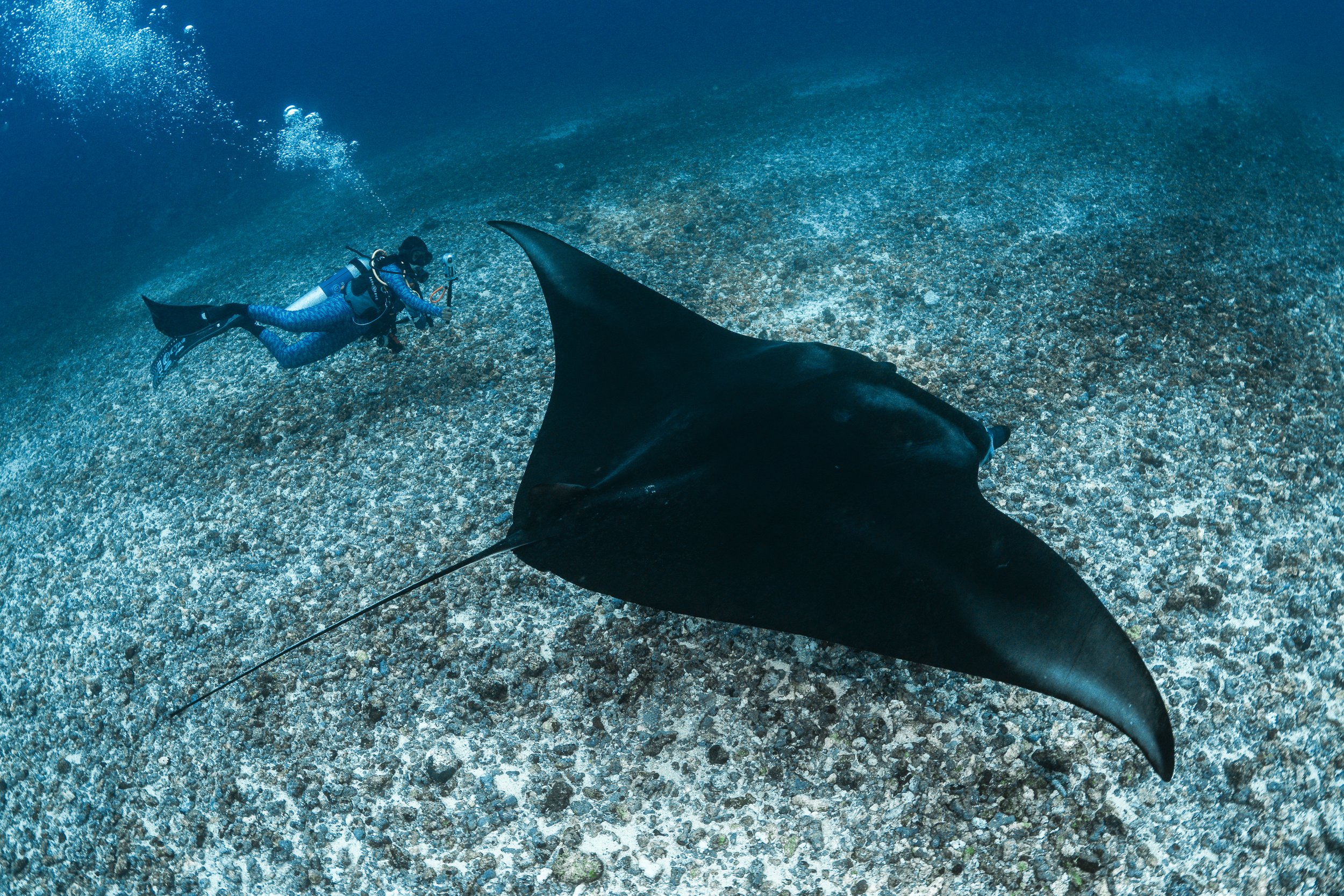
Janis Argeswara filming VR content in Komodo
Innovation in education was another highlight. MMF’s Indonesia team introduced Virtual Reality ocean experiences into classrooms in Derawan, Nusa Lembongan, and Nusa Penida, allowing students to “swim” with manta rays without leaving school. Children responded with drawings, stories, and origami creatures, literally illustrating the importance of early exposure in fostering care for the ocean and its inhabitants.
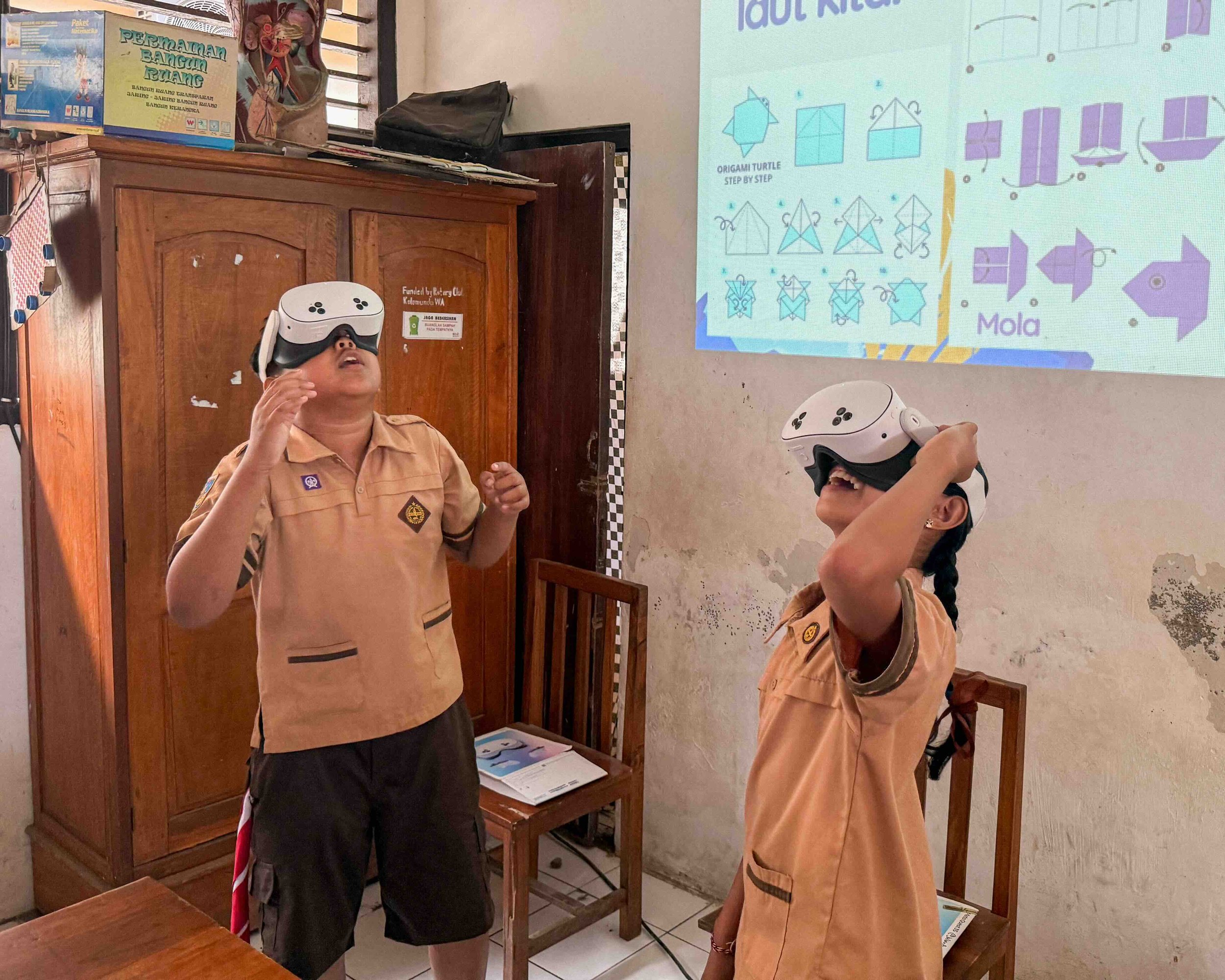
Children enjoying their first VR experience on Nusa Penida
In the United States, MMF’s community engagement reached more than 3,000 people via school visits, public talks, coastal festivals, and creative outreach. From dressing as manta rays during Halloween events, to distributing hundreds of free children’s books to under-resourced schools, the project continues to build local stewardship alongside its scientific work.
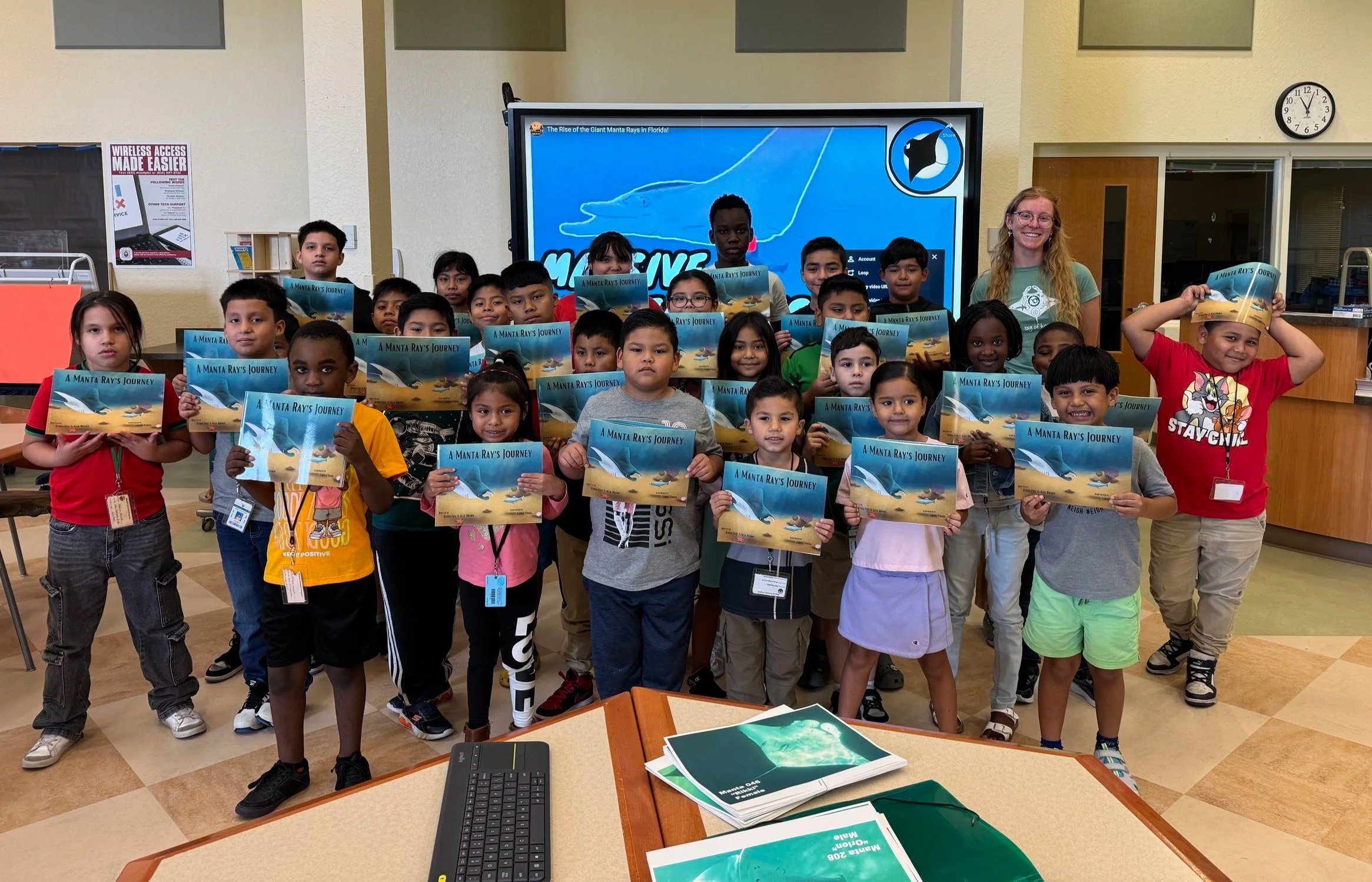
Children at the Florida Migrant Education Program receiving their manta ray story books, written by MMF’s Jessica Pate
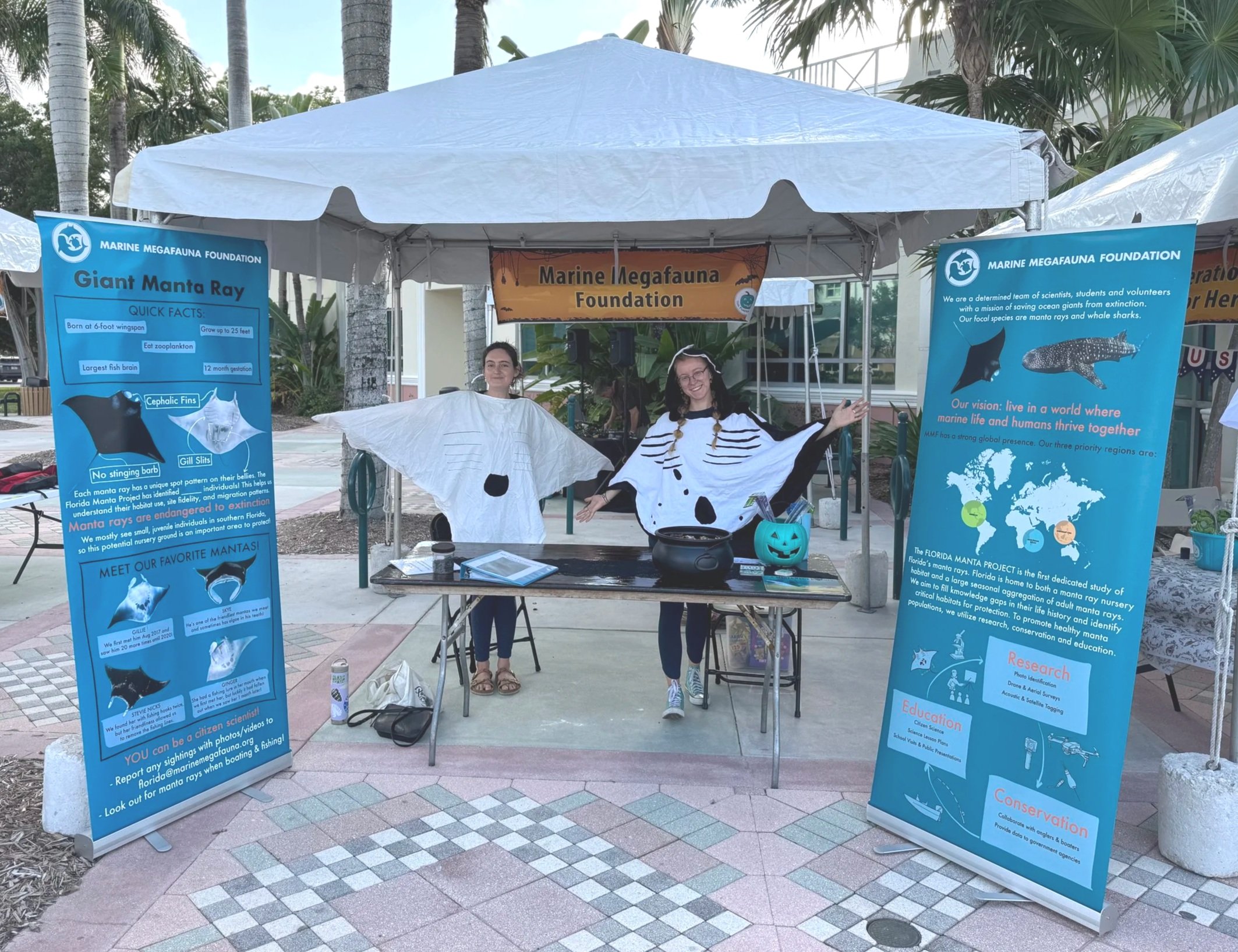
Educational work by the Florida Manta Project team
However, 2025 also brought painful reminders of the pressures these species face. Boat strikes near the Boynton Beach Inlet caused severe injuries to two juvenile manta rays, including Ozzy, who did not survive. The Palm Beach Post published a moving community tribute, reflecting just how strongly local people now feel connected to these animals. Ozzy’s recovered body will make a lasting contribution to manta ray neurological research, but his loss underscores the urgent need for improved boating guidelines and public awareness along Florida’s busy coastline.
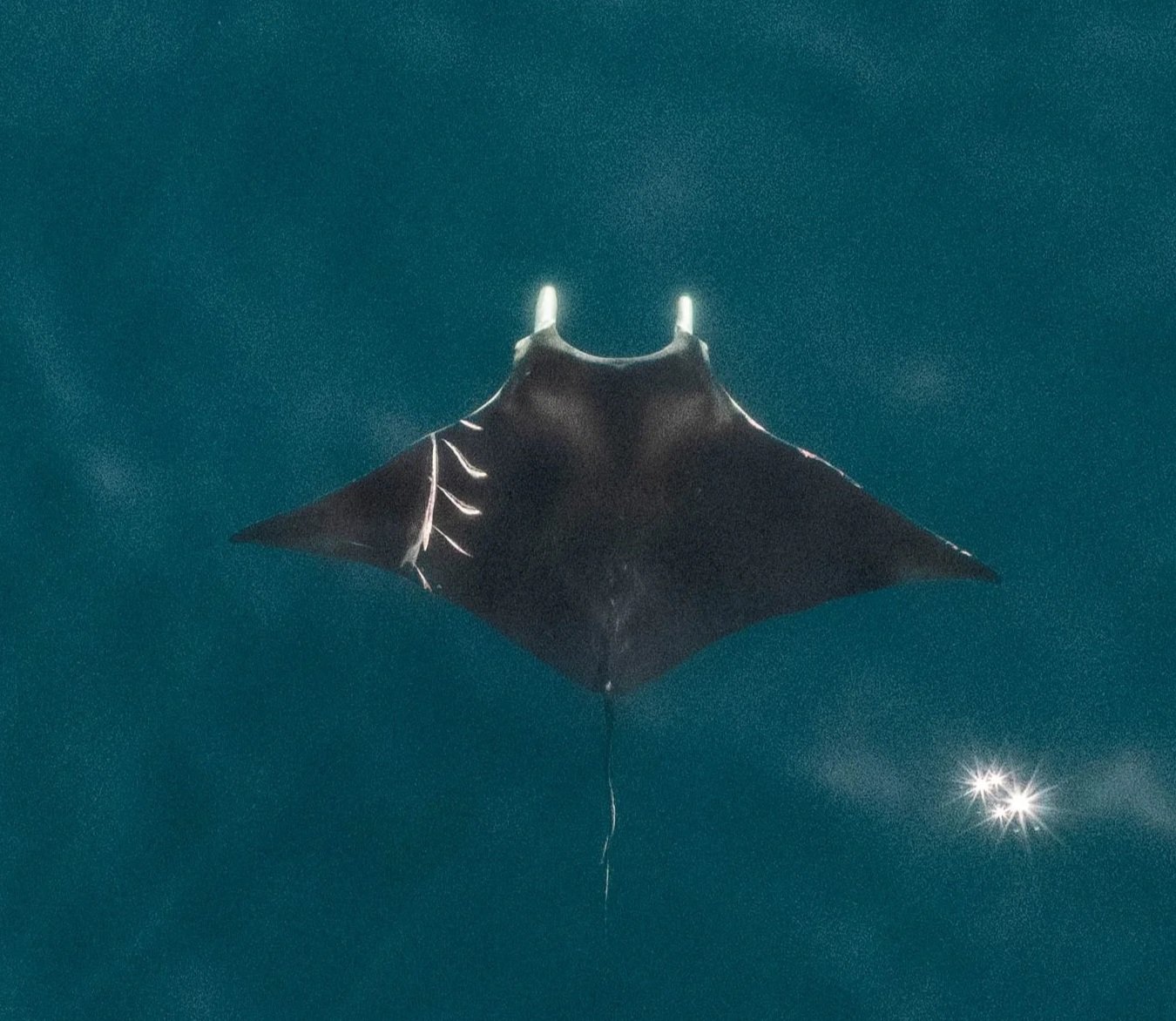
A prop-scarred manta ray in Florida
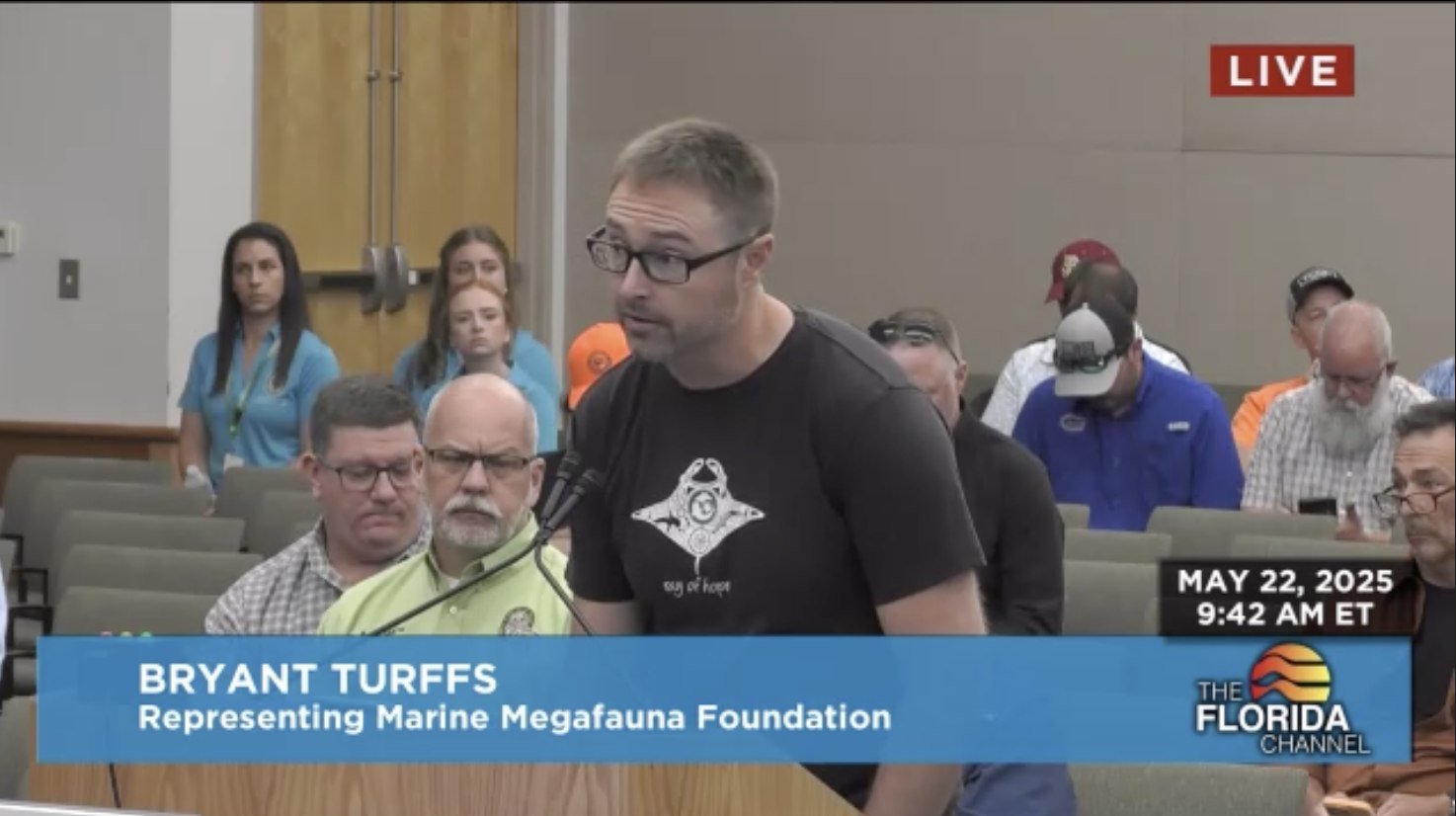
Bryant Turffs from MMF speaking to the Florida Fish & Wildlife Conservation Commission about human impacts on Atlantic manta rays
Across all regions, this mix of education, capacity building, and community engagement remains central to MMF’s conservation model. We use science to clearly define conservation issues, and to provide evidence-based recommendations — and then support people and communities, working locally and informed by that science, to deliver lasting protection for ocean giants.
Expeditions and Research Trips
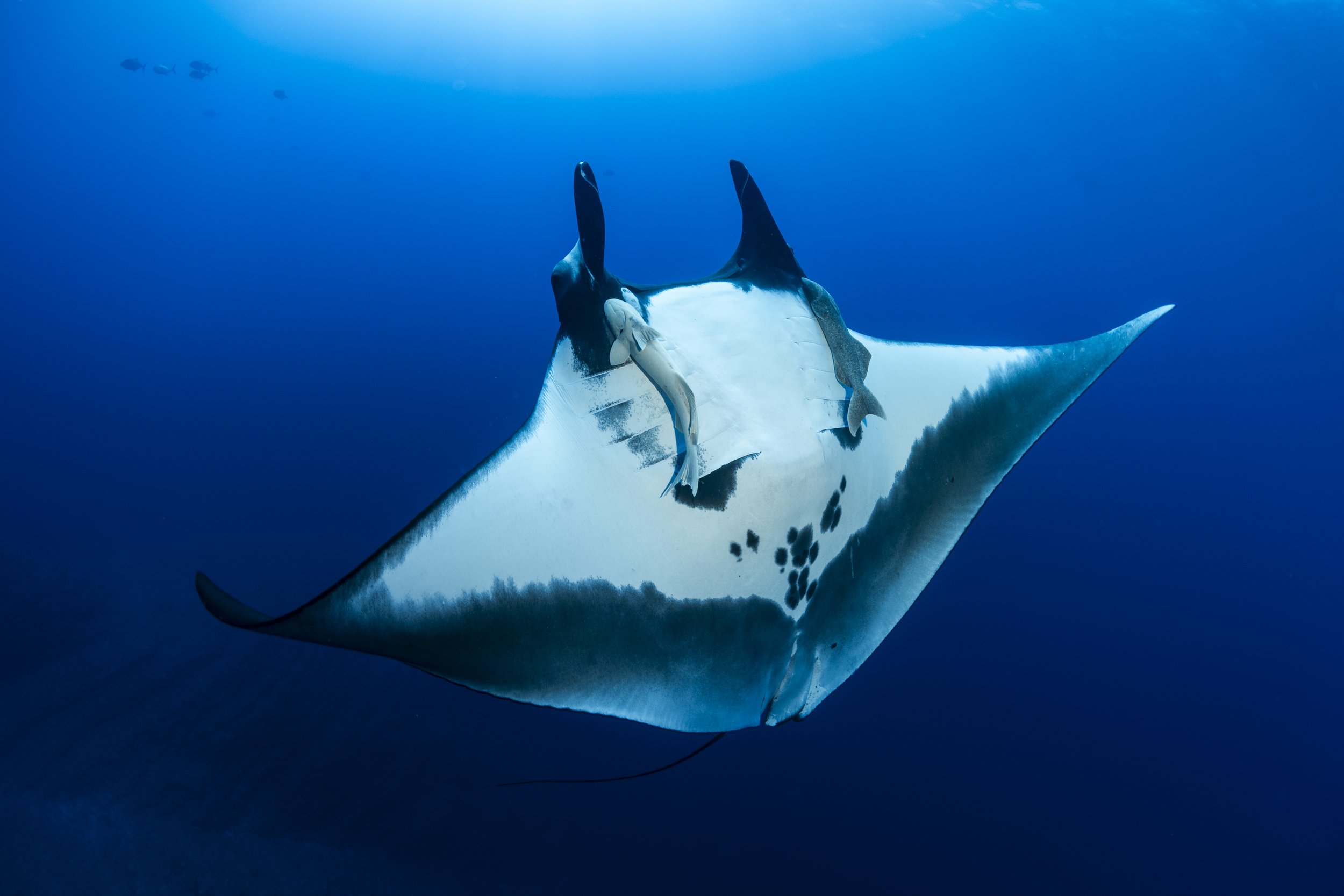
Oceanic manta ray in the Revillagigedo Islands, Mexico
Our two MMF Expeditions this year travelled to the Revillagigedo Islands (Socorro) off the Pacific coast of Mexico, and then down to the Galapagos Islands off the Pacific coast of Ecuador. Both had some ‘interesting times’ – an unseasonal cyclone meant we spent a day in Mexico hiding out behind the bulk of Socorro Island (though we were still able to dive!), while a tsunami swept the Pacific while we were up at Darwin Island in the Galapagos. Fortunately, it was a small one; unfortunately, it was so small we didn’t even see it go past!
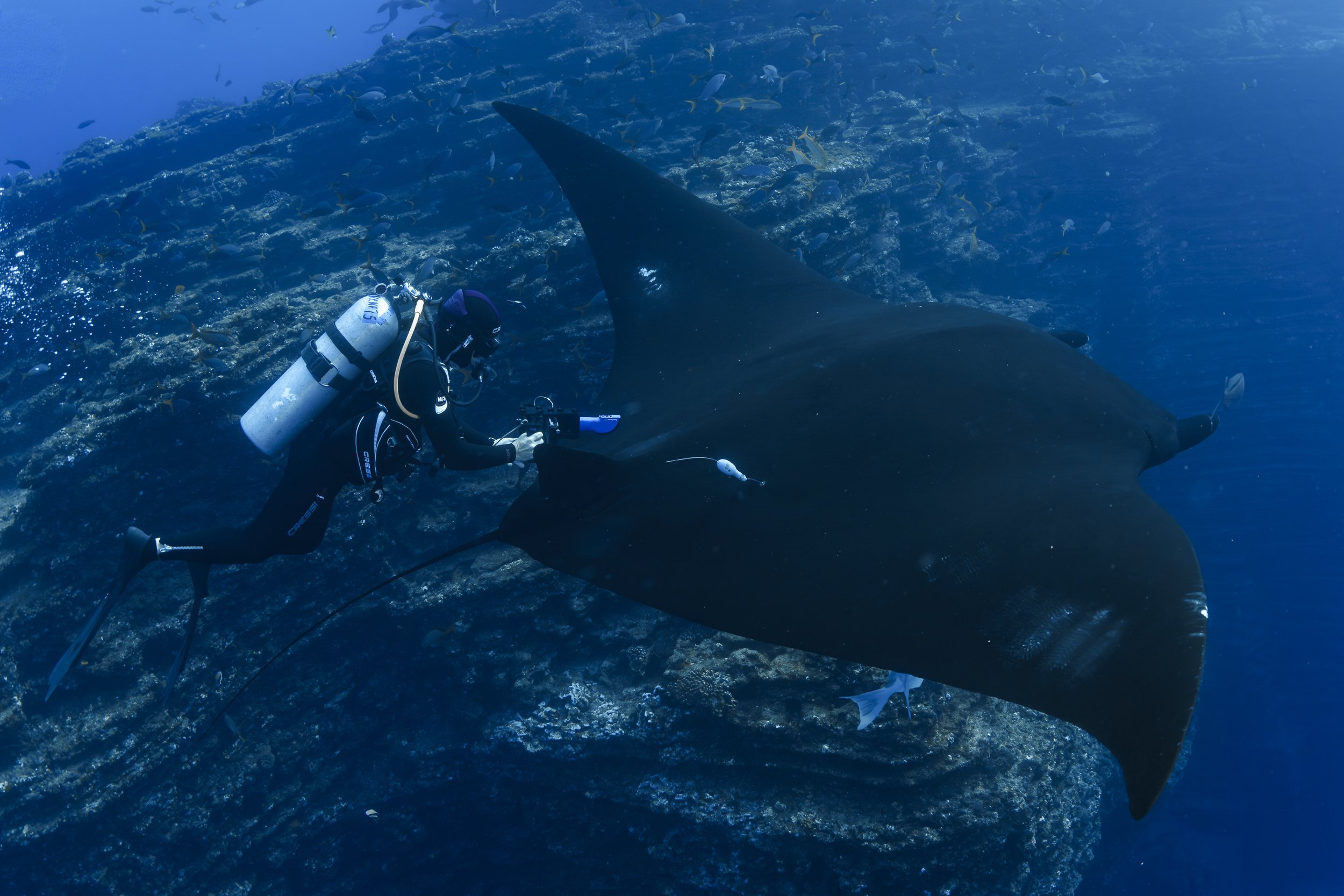
Madalena Cabral ultrasounding an oceanic manta off Mexico
The Revillagigedo trip reinforced, once again, just how amazing the diving is out there. Having friendly oceanic manta rays surround you all day is a very special experience. It also made the research that Dr Madalena Cabral was carrying out on the trip, reproductive studies of oceanic manta rays using her touchless underwater ultrasound, and deploying satellite tags, relatively easy – all the tags were out on the first day.
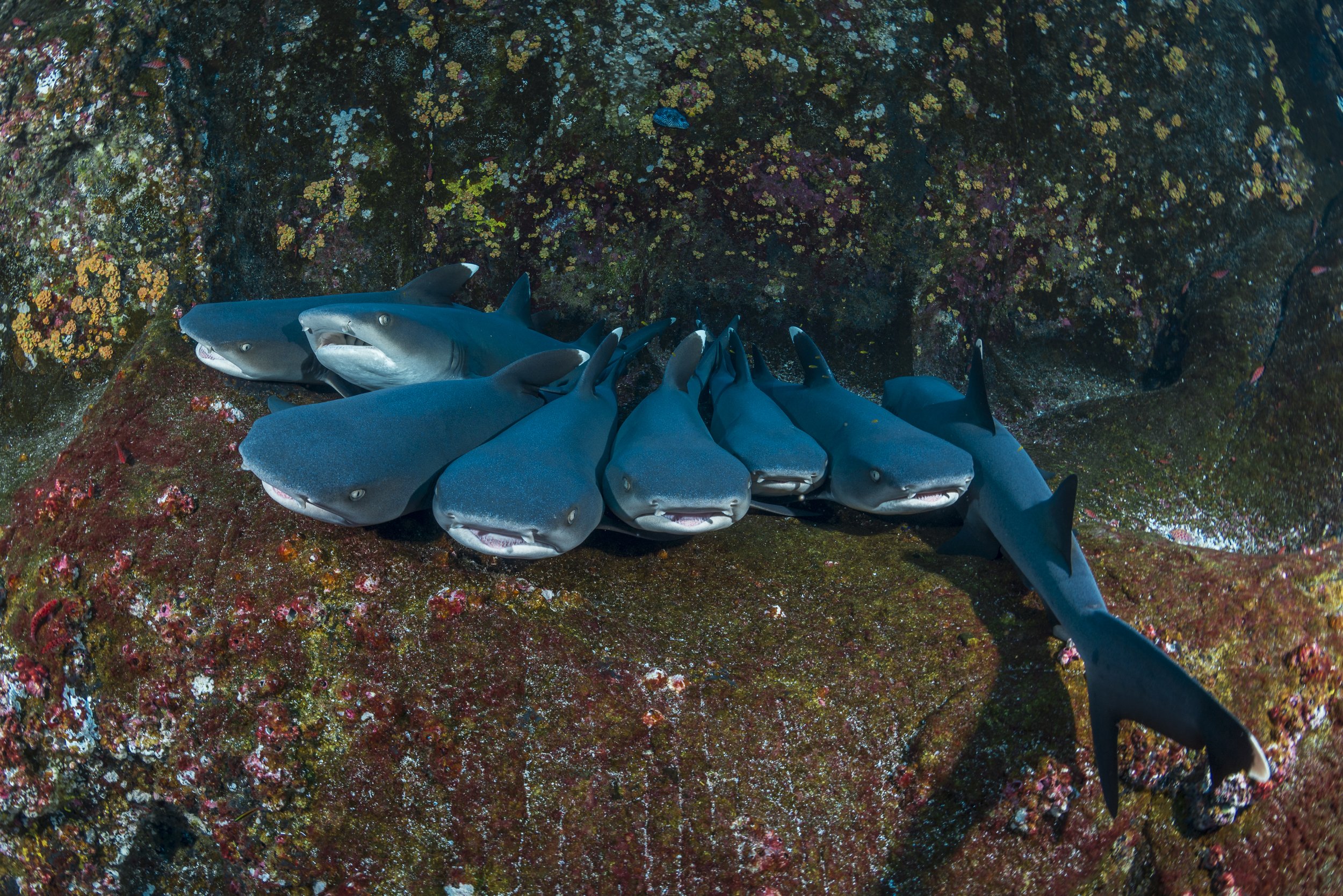
Whitetip reef sharks in the Revillagigedo Islands, Mexico
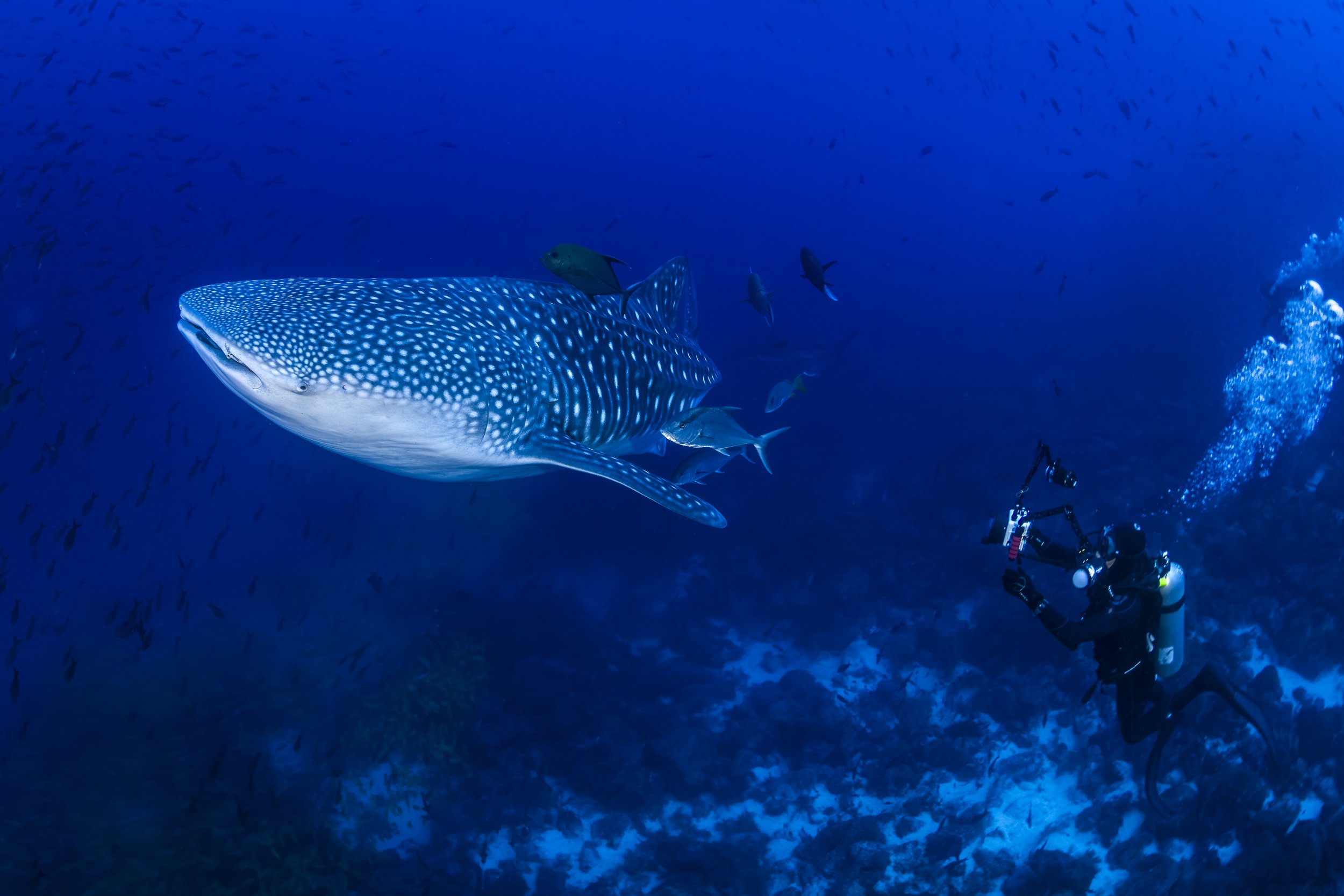
MMF Board Chair, Mack Hackney, with a whale shark in the Galapagos
The Galapagos trip was a very special one for me, as I got to design a two-week diving itinerary to spend extra time at my favourite sites, including Fernandina Island for the marine iguanas:
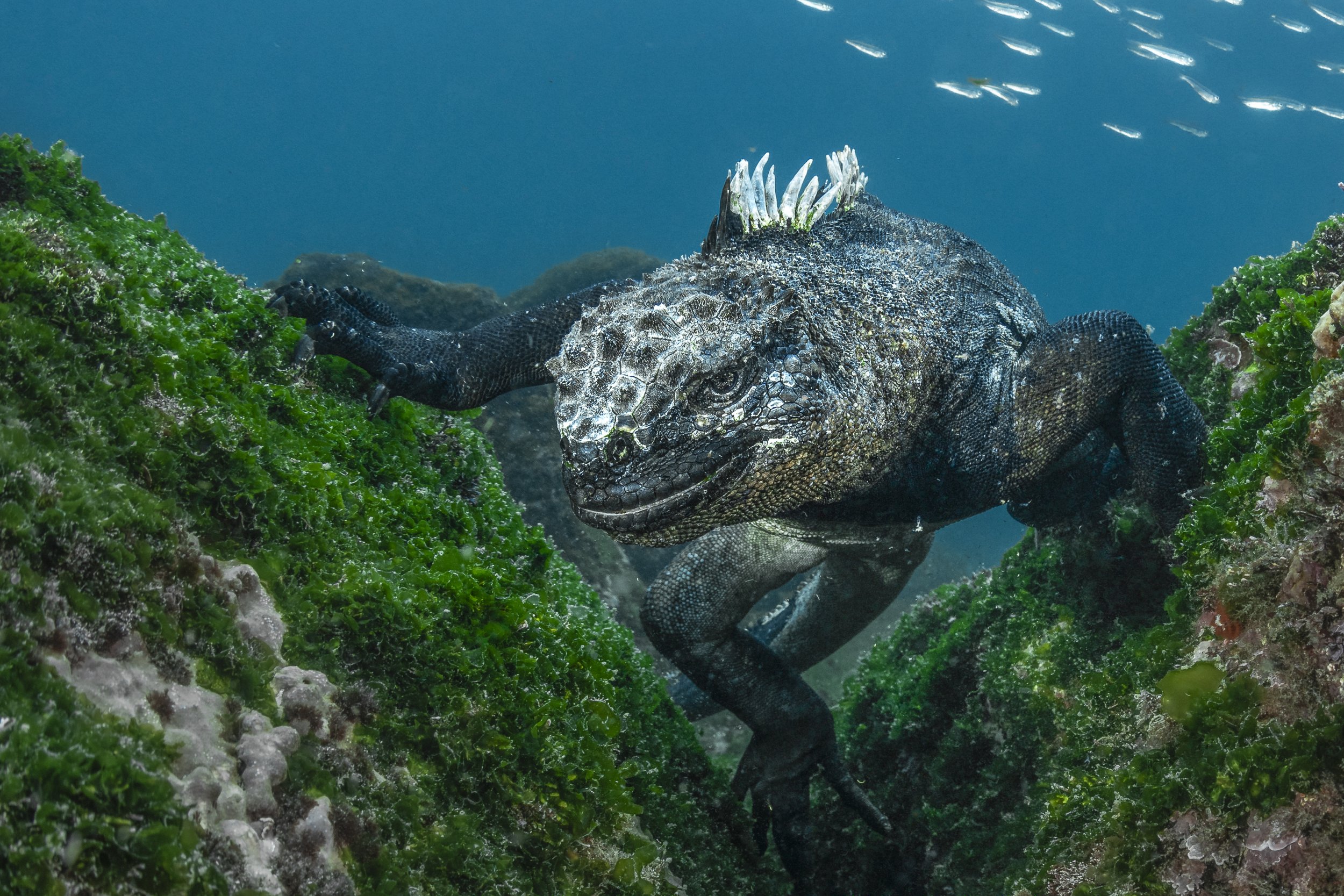
The iconic marine iguana, only found in the Galapagos
We’ve got liveaboard diving trips to Indonesia booked for 2026 and 2027, and our 2028 dates will be released soon! Sign up for the MMF newsletter list to ensure you see that announcement (just scroll down the page).
Thanks for your support!
We’re a small team but, as you can see above, we overachieve in our outputs.
We’re looking forward to continuing this critical work in 2026. We have strong momentum across our research, conservation, and community programs, and clear opportunities to convert that work into lasting protection for marine megafauna.
If you’re able to support MMF as we close out 2025, an end-of-year donation is a powerful way to help protect these amazing animals — and for supporters in the United States and Canada, contributions are tax-deductible:
PROTECT OCEAN GIANTSYour support directly enables the science, local partnerships, and on-the-ground conservation action needed to save these endangered ocean giants. Thanks for helping to protect our planet.
Simon J Pierce, PhD
Executive Director & Co-Founder