
The Banda Sea can only be crossed by liveaboard, and only when the seasons allow — which is exactly what makes these trips special. Schooling hammerheads over deep seamounts, the Spice Islands, world-class muck diving at either end, and reefs that see only a handful of boats a year.
Dive the Banda Sea with MMF
These ‘crossover’ trips book out years in advance! In October 2027 we’re running two back-to-back Banda Sea crossings aboard the award-winning Coralia — join us for one, or combine both for the full month-long traverse from Alor to Raja Ampat.
The Banda Sea is famous for deep walls, untouched reefs, and giant sponges in crystal-clear blue water — and it’s now known for the chance to see schooling hammerhead sharks over seamounts rising from very deep water. Around it lie some of Indonesia’s finest critter destinations: Alor’s Kalabahi Bay and Ambon Bay, two of the best places on Earth to find the Holy Grail of fish, Rhinopias.
Trip Highlights
-
Look for schooling hammerhead sharks over the Banda Sea’s deep seamounts.
-
Hunt for Rhinopias in Alor and Ambon — plus frogfish, ghost pipefish, and octopus from wunderpus to coconut.
-
Walk the Spice Islands: an old Dutch fort, a nutmeg plantation, and centuries of remarkable history.
-
Deck time in whale and dolphin territory as we cross deep water.
-
Hosted by MMF co-founder Dr. Simon J Pierce, with a series of evening science presentations and photography guidance.
2027 Departures
Crossing 1: Alor to Ambon — October 6–18, 2027 (12 nights, starts in Maumere)
Master Cabin: US$9,600 per person
Lower Deck Cabin: US$8,400 per person
Alor’s world-famous muck diving and the Abui tribe, then east across the Banda Sea — hammerhead seamounts, the Spice Islands — to finish in Ambon Bay.
Crossing 2: Ambon to Raja Ampat — October 21–November 2, 2027 (12 nights, ends in Sorong)
Master Cabin: US$9,600 per person
Lower Deck Cabin: US$8,400 per person
Ambon’s famed macro first, then north through the eastern Banda Sea’s rarely-dived stopovers to finish among the manta rays and soft corals of Raja Ampat.
National park and port fees are paid on board. Booking is confirmed with a 30% deposit, with the balance due 120 days before departure — see our trips terms and conditions. Flight and boarding details will be confirmed with your booking. Enquire below for current availability.
Alor
Alor is home to fantastic muck diving — Kalabahi Bay is one of the top places in the world to find Rhinopias, alongside frogfish, ghost pipefish, all types of octopus, and nudibranchs galore. The Pantar Strait adds colorful walls, healthy hard coral gardens, and village dives where local children swim out to greet divers wearing hand-made wooden goggles. Coralia’s Alor visits also include time with the Abui, an ancient tribe whose traditional dances and ceremonies are a highlight of any trip to the region.
The Banda Sea
Deep walls, untouched reefs, and giant barrel sponges in crystal-clear blue water — and schooling hammerhead sharks over seamounts like Dusborgh and Nil Desperandum, surrounded by very deep water where large pelagics cruise. We’ll also spend time in the Banda Islands themselves — the original Spice Islands — where the land excursion takes in an old Dutch fort, a nutmeg plantation, and centuries of remarkable history. At Batu Kapal, schooling pyramid butterflyfish and red-tooth triggerfish cover the pinnacle in a myriad of color.
Ambon
Ambon Bay is a world-class muck diving destination — the finale of the first crossing and the launch point of the second: Rhinopias, frogfish, ghost pipefish, mandarin fish, ribbon eels, harlequin and tiger shrimps, and octopus from wunderpus to coconut to the night-hunting long-arm. Our eagle-eyed guides will find critters you never knew existed.
North to Raja Ampat
The second crossing continues from Ambon through remote stopovers like Koon — where the signature site is called Too Many Fish, which is all the explanation you need — before finishing among the islands of Raja Ampat, where marine surveys suggest biodiversity is the highest recorded on Earth. Expect soft-coral reefs exploding with life, iconic karst scenery, and the chance to dive with both reef and giant manta rays as the season builds. Read more on our Raja Ampat expedition page.
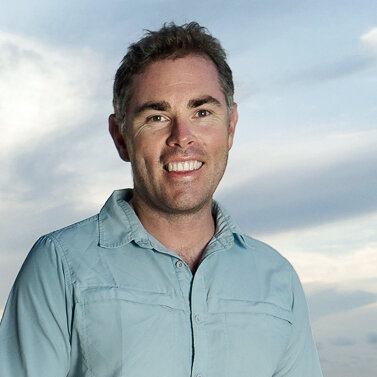
DR. SIMON PIERCE
Dr. Pierce founded MMF’s flagship research program on whale sharks, and is a world expert on the species. Simon works globally on whale shark conservation issues, and led the most recent IUCN Red List assessment of the species. He is also a scientific advisor to the online global whale shark database, and regional co-chair of the IUCN Shark Specialist Group.
The Coralia
The World’s Best Liveaboard
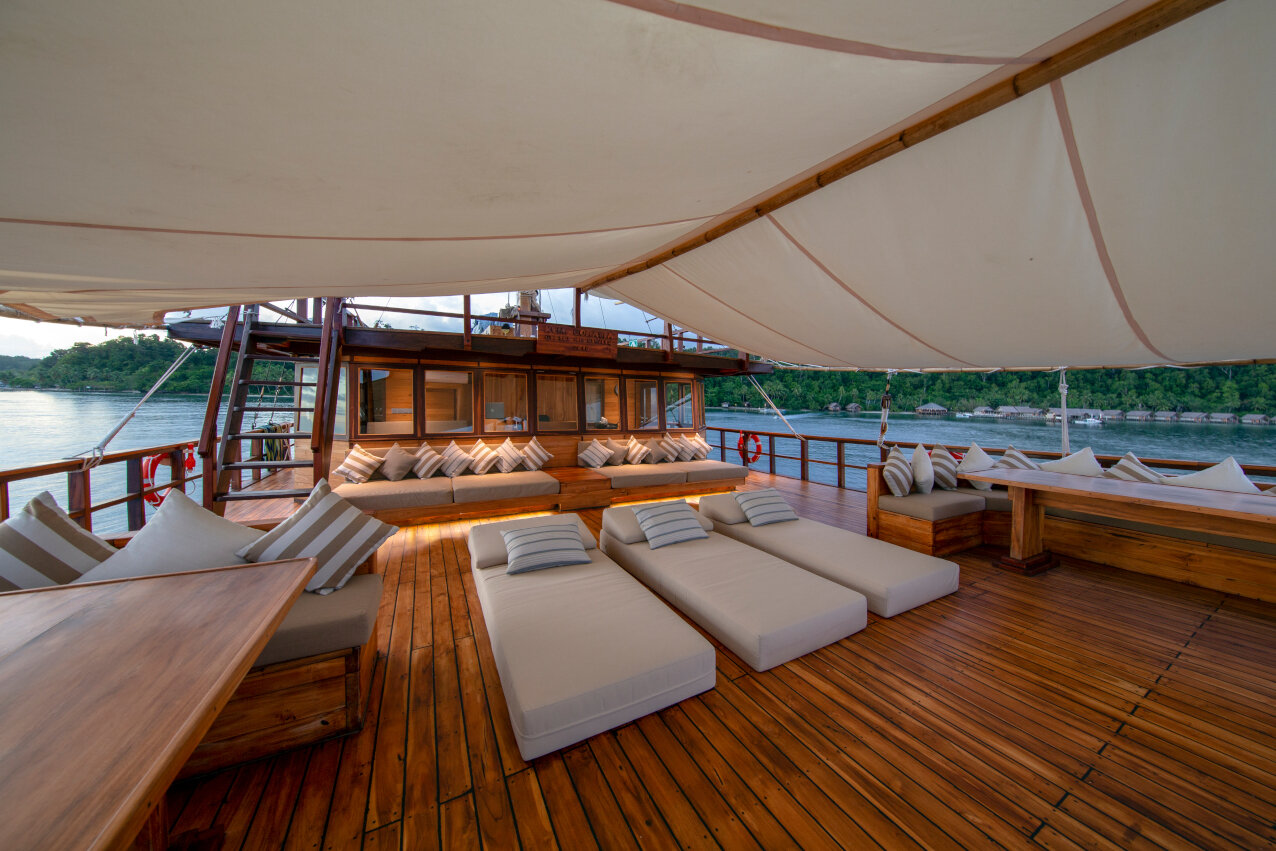
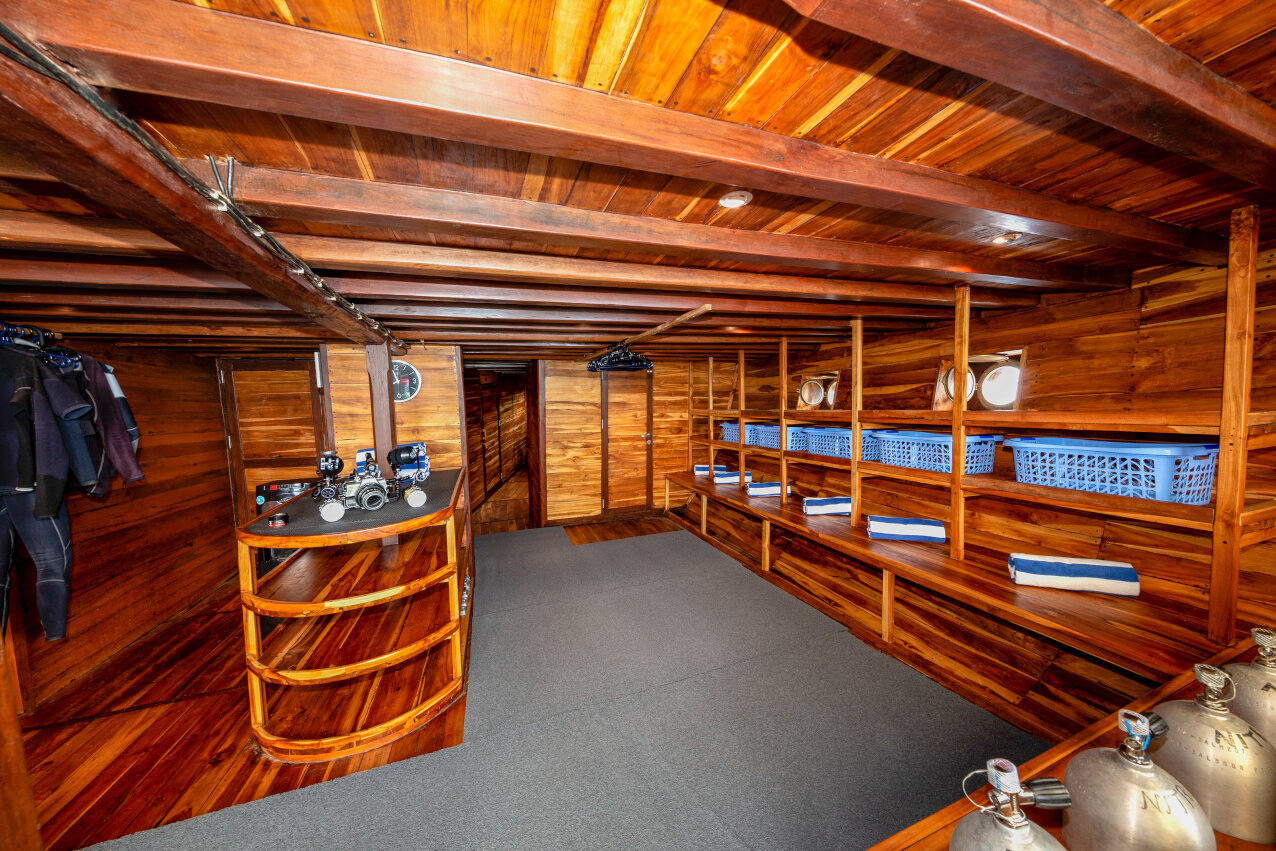
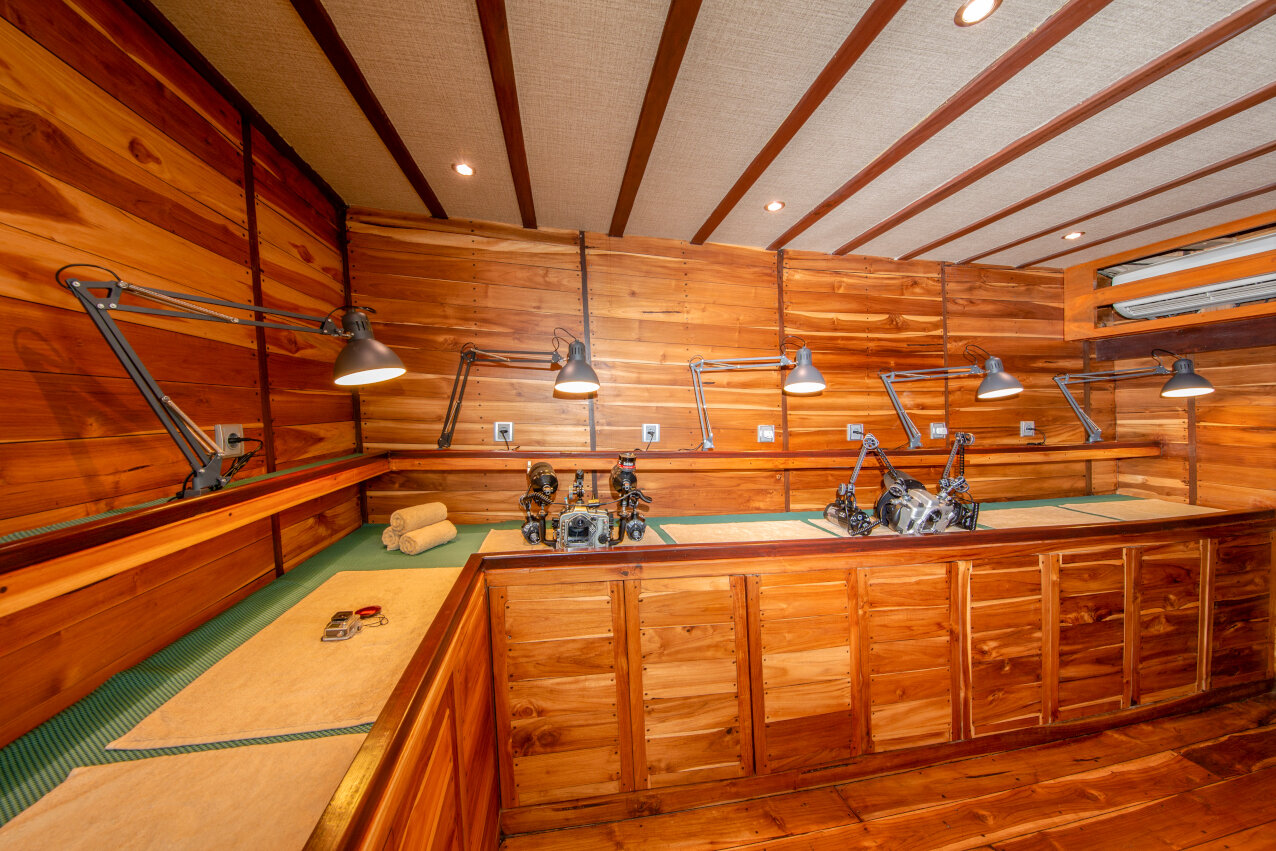
Your vessel is the MV Coralia, managed by Cruise Directors Debbie and Jerry Arriaga — one of the finest boats in the region and voted the World’s Best Liveaboard. A classic wooden Phinisi, the 48-meter Coralia was built specifically for dive liveaboards with a commitment to conserve the surrounding environment. Aboard Coralia you will be well taken care of by the dedicated local crew, with a 1:1 staff-to-guest ratio.
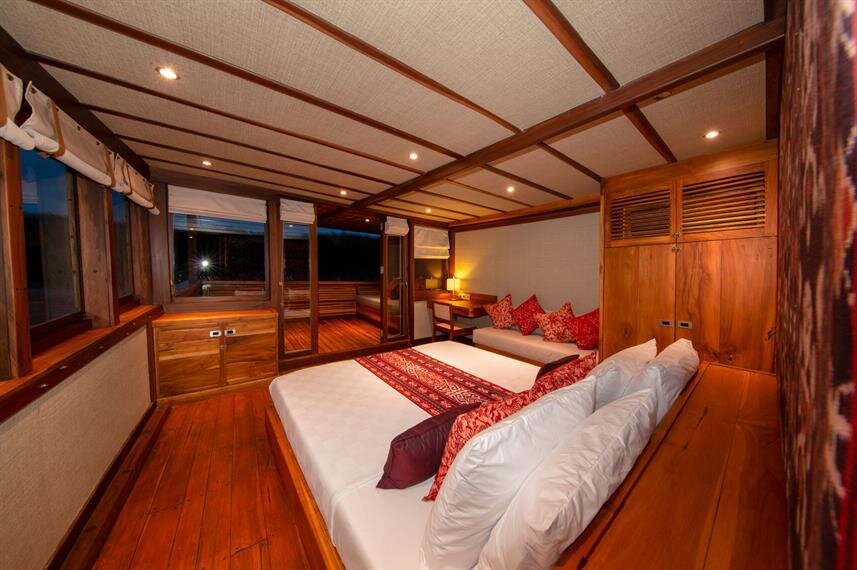
Master Cabin
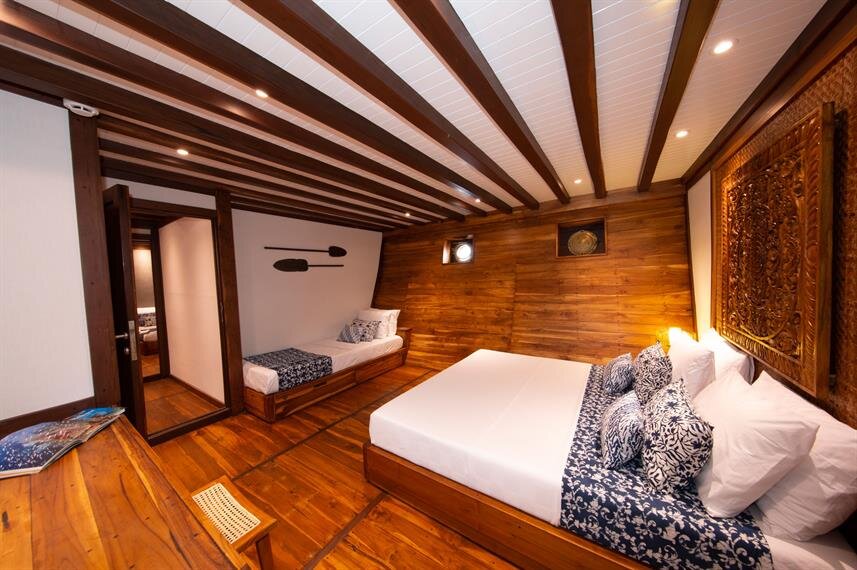
Double Cabin
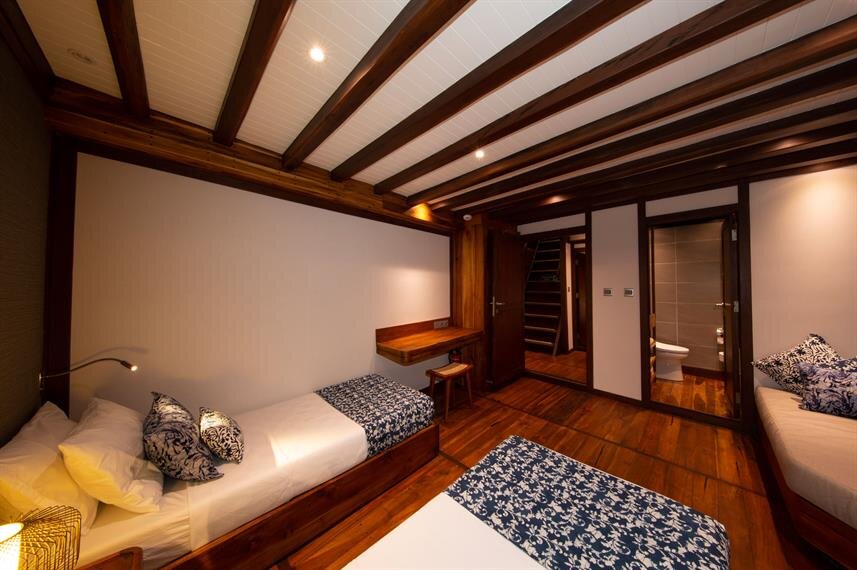
Twin Cabin
Enquire
Open trip dates:
October 6–18, 2027 (12 nights, Maumere–Ambon via Alor)
October 21 – November 2, 2027 (12 nights, Ambon–Sorong)
Prices per person (each crossing):
Master: $9,600 (4 cabins)
Lower Deck: $8,400 (Double and Twin cabins)
Hosted by Dr Simon J Pierce
-
Inclusions
-
Liveaboard cruise on the MV Coralia
-
Up to four dives a day
-
Complimentary Nitrox
-
Shore excursions according to the program
-
All meals and snacks, every day
-
Hot and cold soft beverage selection
-
Tanks, weights, belts
-
Airport transfers at embarkation and disembarkation
-
Presentations from MMF hosts
-
-
Exclusions
-
International or domestic flights
-
Pre- and post-trip accommodation
-
National park and port fees (paid on board)
-
Dive courses
-
Dive gear rental *
-
Alcoholic beverages **
-
On-board massages
-
Laundry
-
Use of on-board satellite phone
-
Encouraged gratuity
-
Travel insurance ***
-
Learning with us on board
Every MMF expedition is led by a working marine scientist, and the science is part of the trip rather than an add-on. Across the voyage your host gives a series of evening presentations — on the animals we're looking for, how they're studied, what the current research actually shows, and the threats these populations face. There's time to ask the questions you never get to ask a researcher in person, and photography guidance for anyone who wants to come home with better images.
Your photographs do real work. Whale sharks and manta rays can be identified individually by their natural markings — the spot patterns on a whale shark's flank, the markings on a manta's underside — the same way a fingerprint identifies a person. Guests are shown how to take an identification shot, and the photographs taken during the trip are contributed to the global photo-identification databases that researchers around the world draw on. Sightings you record become part of the long-term record for that population.
Marine Megafauna Foundation is a registered 501(c)(3) non-profit. Our expeditions exist to bring people into contact with these animals and send them home understanding them — and 100% of the profit supports MMF's research, education, and conservation work.