Where we work
USA
From an urban manta ray nursery in south Florida to the oceanic mantas of Hawaii, our US team studies some of the least-known rays in American waters.








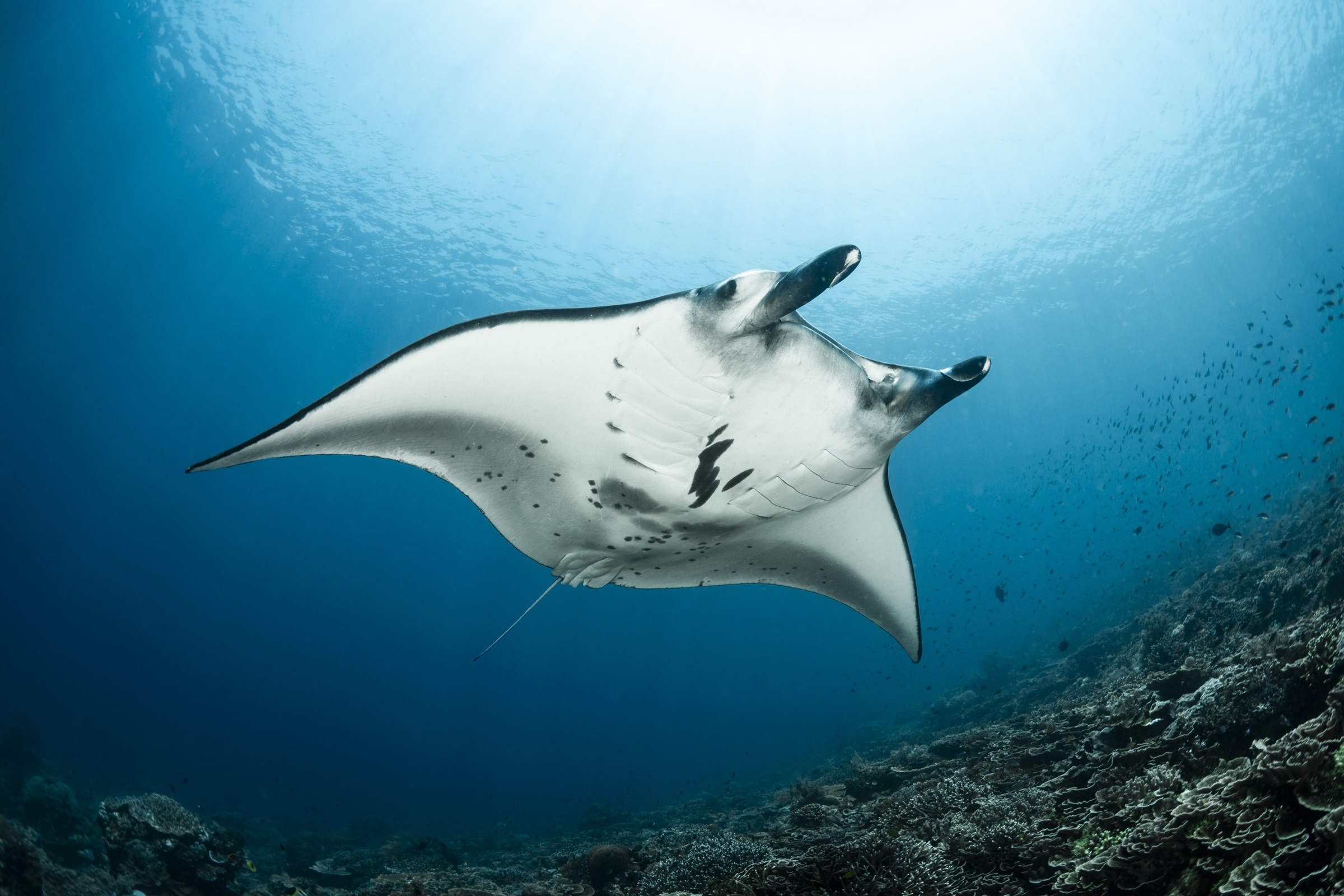
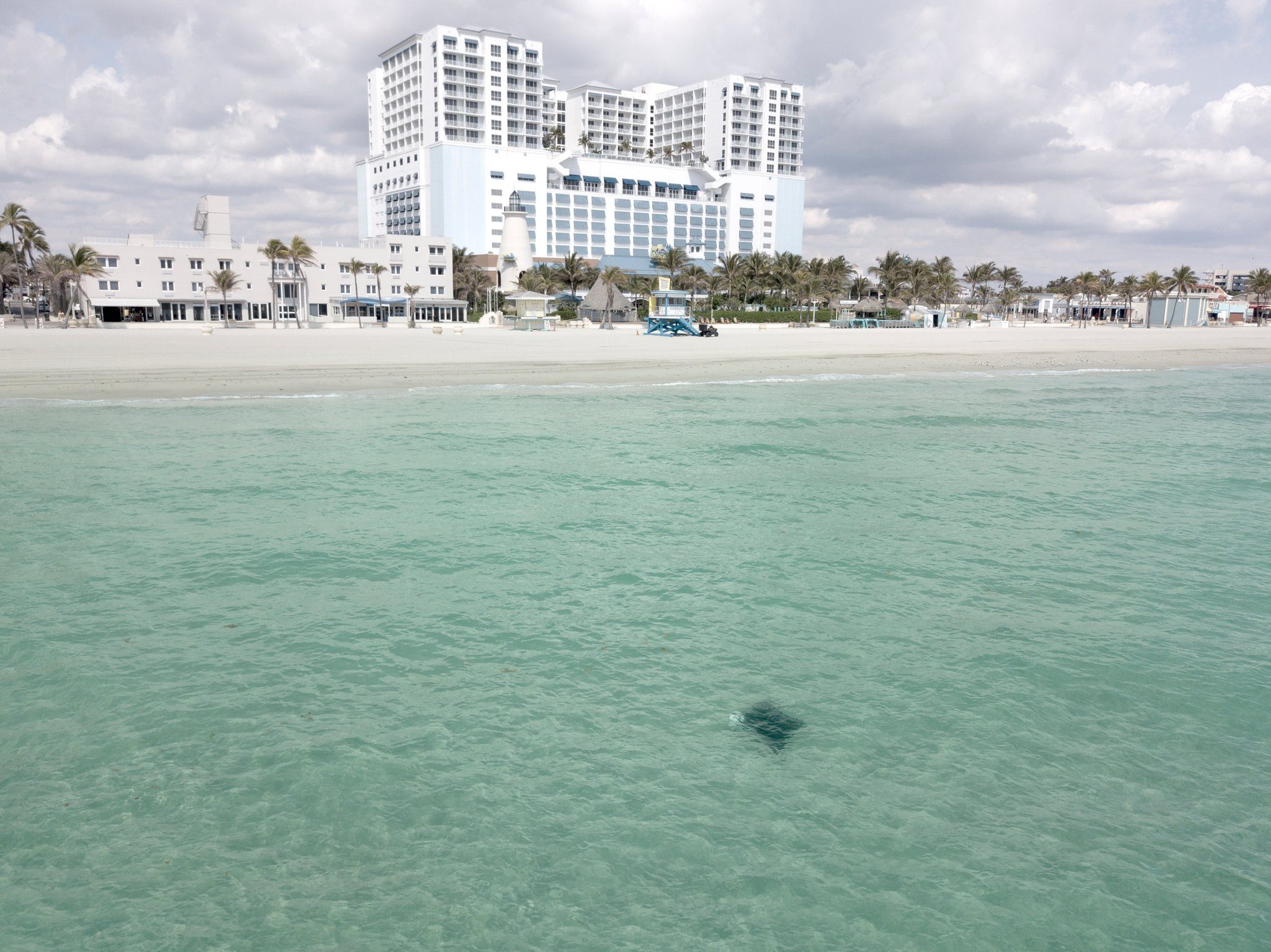
MMF has studied rays in the United States since 2016, when Jessica Pate founded the Florida Manta Project, which published the first description of the manta rays along Florida’s southeast coast. Our surveys identified potential nursery habitat (opens in a new tab) for young manta rays along the developed coast of south Florida, where most rays seen were juveniles and some were resighted over several years, and reproductive habitat for adults (opens in a new tab) off central and north Florida. In 2025 the manta rays we study were formally described as a new species (opens in a new tab), the Atlantic manta ray (Mobula yarae). A specimen collected by our team is its type material (the reference specimen for the species’ scientific description), held at the Smithsonian Institution.
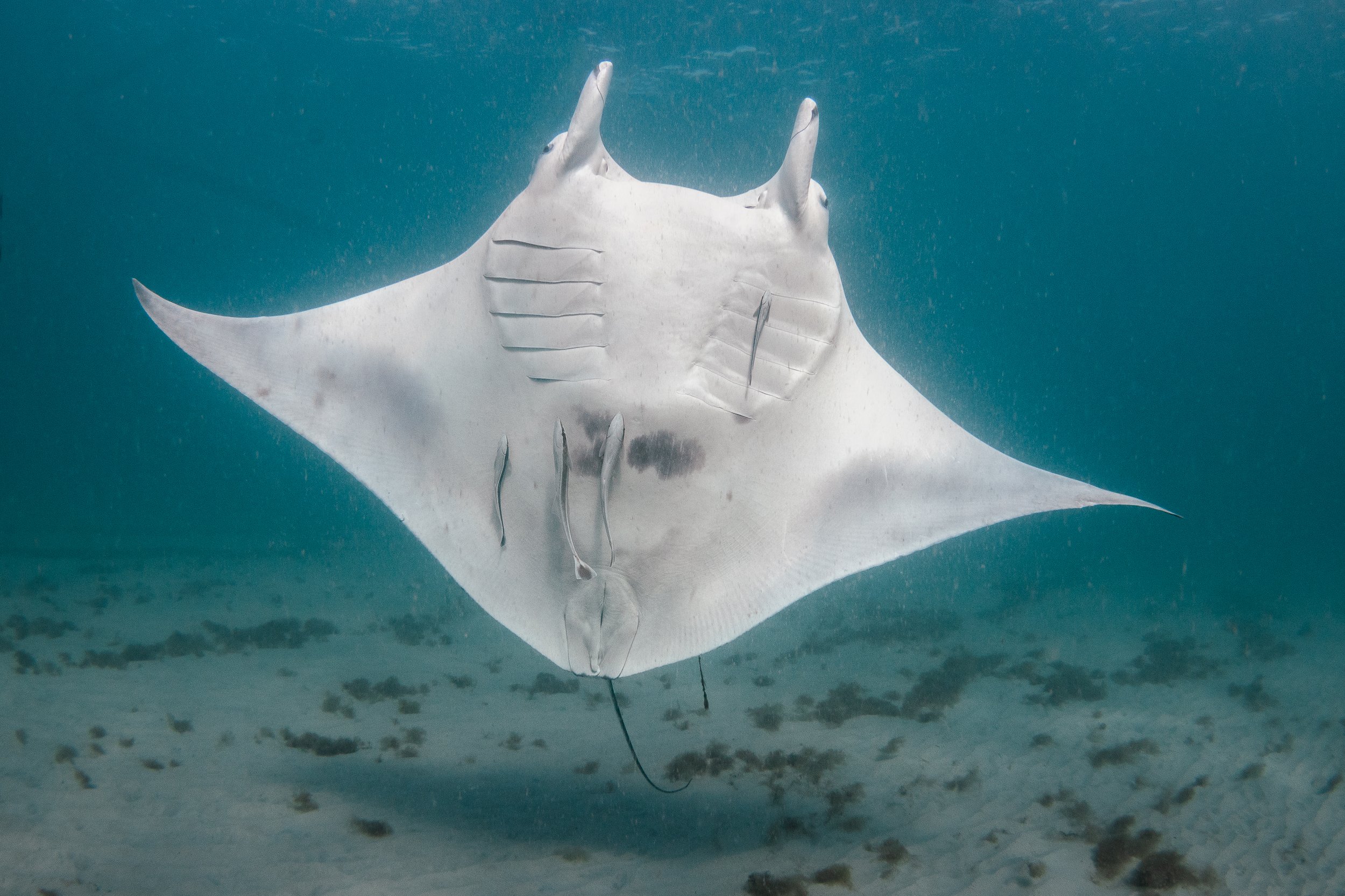
The same Florida field program studies Atlantic guitarfish (Pseudobatos lentiginosus), with more than 200 individuals identified so far, and maps the distribution of rarely seen devil rays along the Atlantic coast and in the Gulf of Mexico. A 2025 study (opens in a new tab) led by Jessica Pate compiled 970 sightings of three devil ray species across the western Atlantic and Caribbean, about a fifth of them (21%) recorded through interactions with fisheries. Jessica Pate and MMF biologist Bryant Turffs also co-authored a 2026 study (opens in a new tab) of remoras, fish that hitch rides on larger animals, documenting them swimming into the cloaca (the shared reproductive and excretory opening) of all three manta species. In the Pacific, our Hawaii Oceanic Manta Project is working with local researchers and the diving community to build the first picture of oceanic manta rays around the Hawaiian Islands.
We have taught our lesson plans to thousands of students, and they are free for any teacher to use. If you see a manta ray in Florida, please send a photograph of it to [email protected].
Our projects in the USA
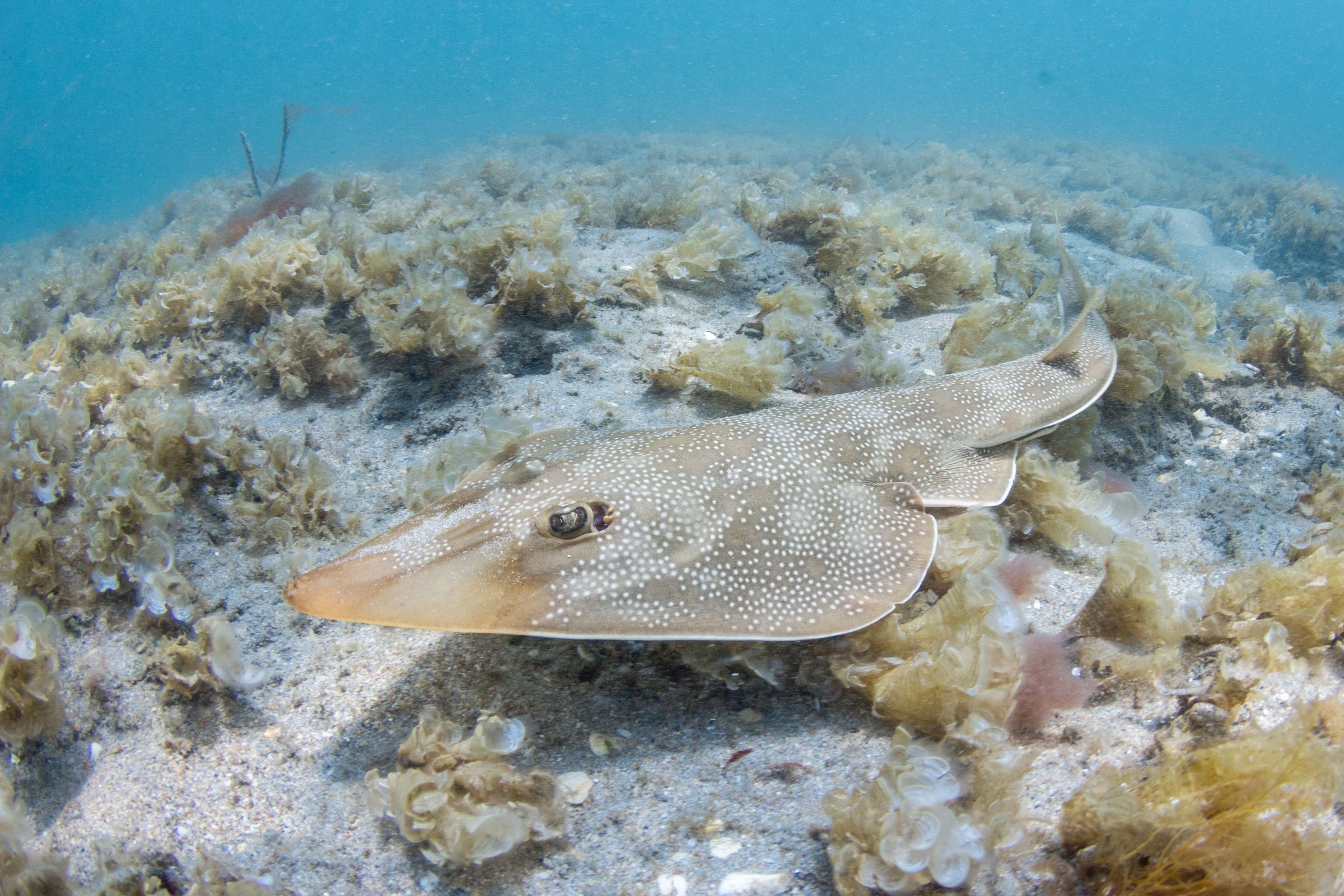
Atlantic Guitarfish
Photo-identification, acoustic tracking, and habitat assessment of a little-known rhino ray on Florida's Atlantic coast.
Led by Jessica PateAbout the project →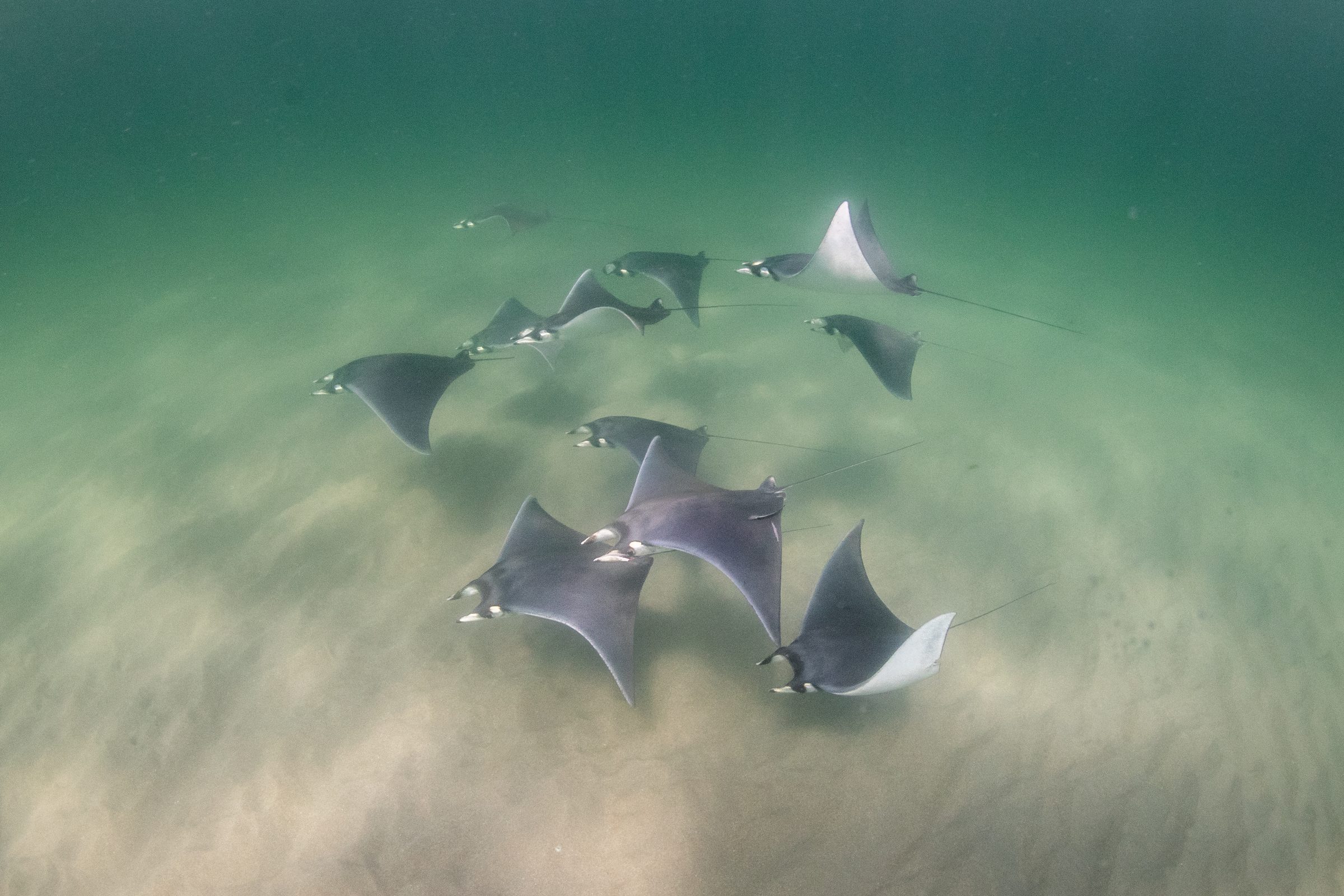
Atlantic Mobula Rays
Mapping the distribution of the western Atlantic's rarely encountered manta and devil rays, to establish the baseline their conservation requires.
Led by Jessica PateAbout the project →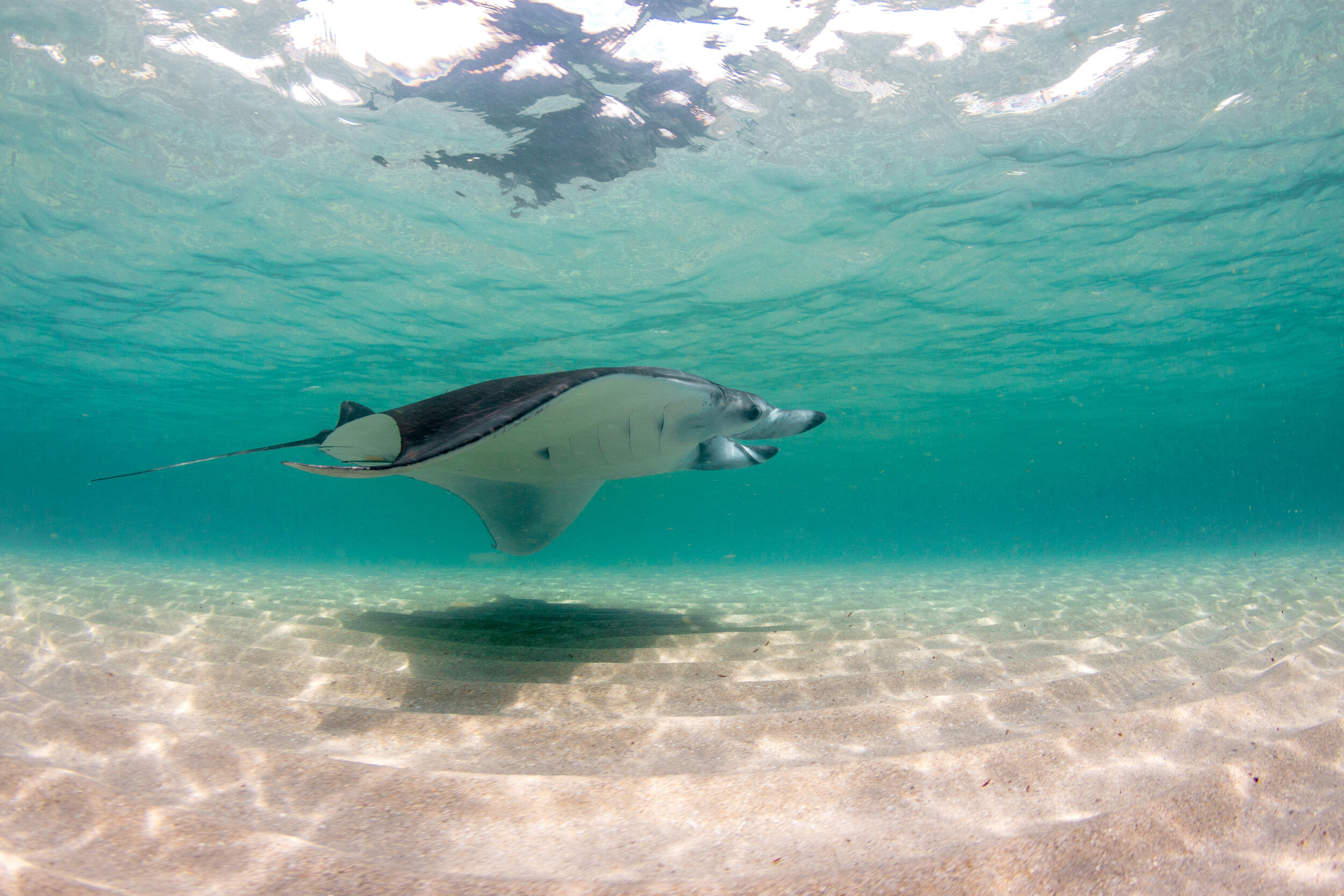
Florida Manta Project
We have studied Florida's manta rays since 2016, from a rare urban nursery for young rays in south Florida to a spring aggregation of adults off central Florida.
Led by Jessica PateAbout the project →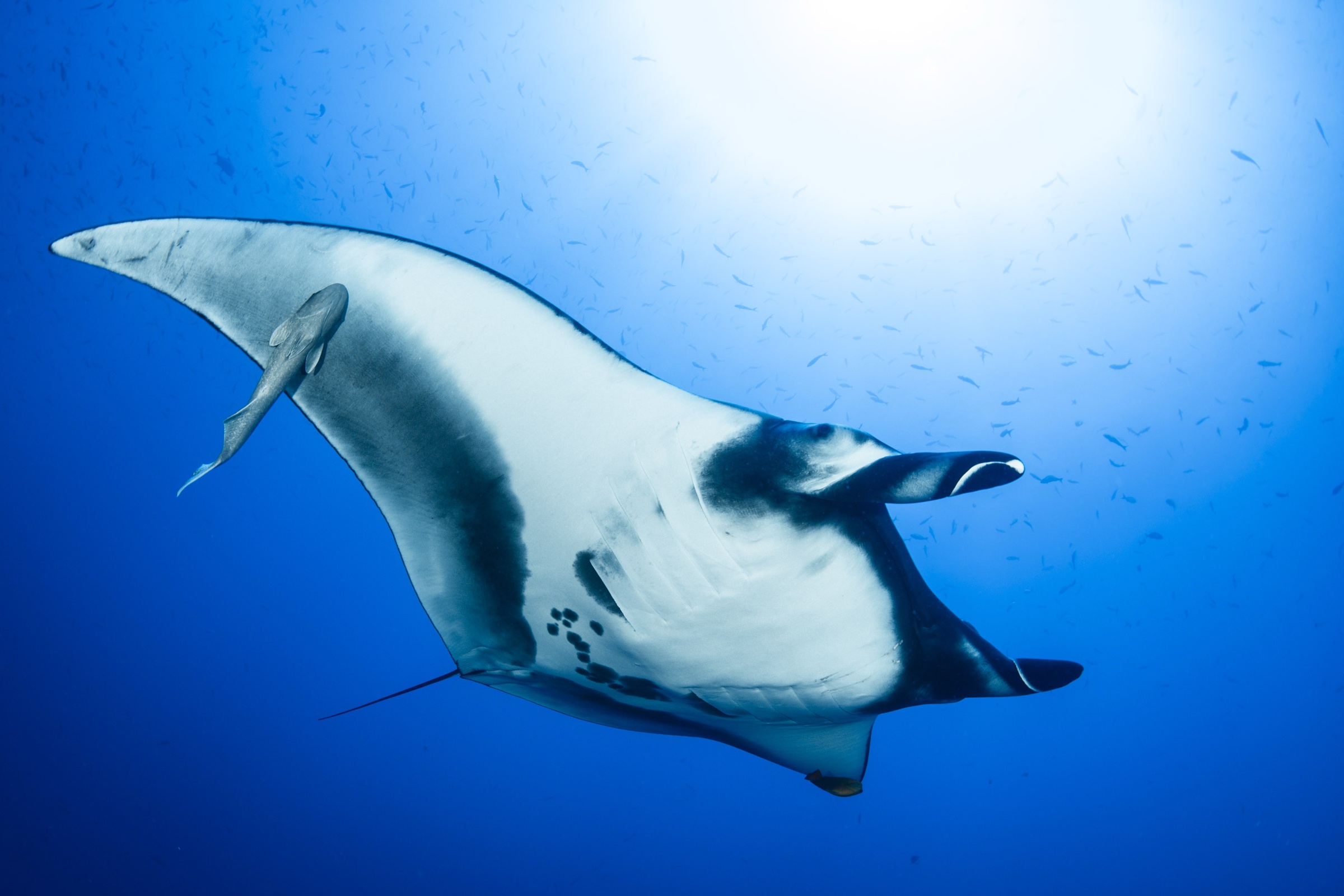
Hawaii Oceanic Manta Project
Oceanic manta rays occur in Hawaiian waters, yet little is known about them there, so we are compiling sightings from researchers and divers to describe where and when the species occurs around the islands.
Led by Mark HackneyAbout the project →What we work on
Manta rays in south Florida live close to large urban centers, and 25% of the rays we have identified have been entangled in fishing gear. We produce outreach signs and videos for anglers and boaters, and are working with the International SeaKeepers Society on a boat-strike awareness campaign.
Almost nothing is known about the Atlantic manta ray's critical habitats, population structure, or life history. We share our data with NOAA to support manta ray protection under the US Endangered Species Act, and present our findings to the Florida Fish and Wildlife Conservation Commission.
Little is known about the biology and ecology of the Atlantic guitarfish, also known as the freckled guitarfish, a species vulnerable to extinction. We are building a photo-identification catalog while studying the movements and habitats that management requires.
We visit schools twice a month, and 88% of the students we teach are at Title I schools. Every student we visit at a Title I school receives a copy of A Manta Ray's Journey, a children's book by Jessica Pate and Allie Brown. We can also bring our new virtual reality film to your classroom.


Adopt a manta ray
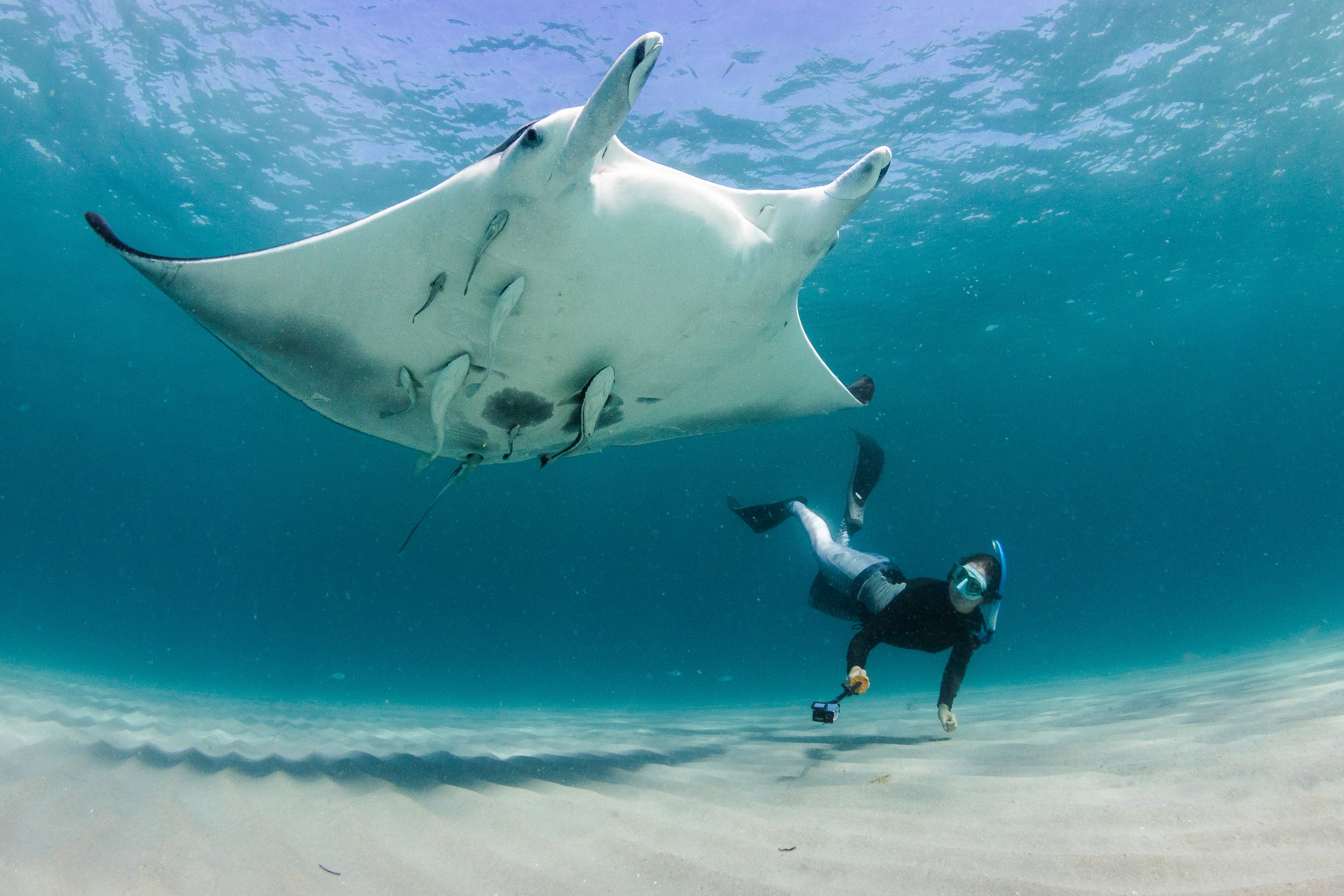
The world's largest rays, studied by MMF scientists in Mozambique, South Africa, Indonesia, and the USA.
Thank you to everyone who supports our work in the USA
Kansas City Zoo & Aquarium, Disney Conservation Fund, Our Children's Earth Foundation, Nacora, Oak Foundation, NOAA, International SeaKeepers Society, The Field School, Manta Caribbean Project, Mote Marine Laboratory, University of Miami.
You can also donate stock or cryptocurrency, recommend a grant from your donor-advised fund, or leave a gift in your will.