
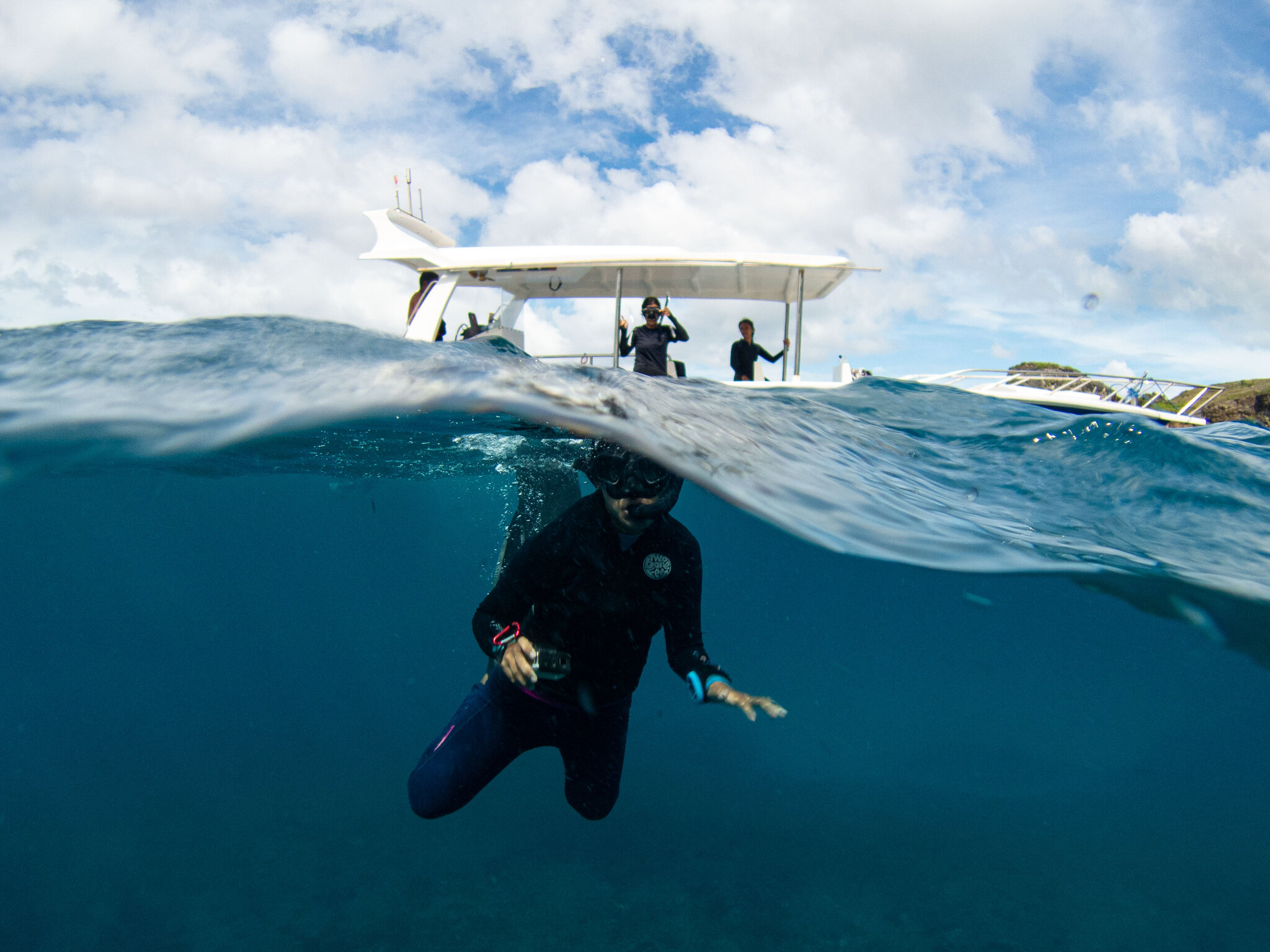
Our work
We protect marine megafauna and their key habitats through research, education, and conservation.
Our approach
Our vision is a future where marine megafauna are treasured and protected. We concentrate on endangered, threatened, or poorly known species for which a small team of specialists can change the outcome. These currently include whale sharks, three species of manta ray, grey nurse sharks, leopard sharks, guitarfish, wedgefish, sea turtles, dugongs, and black marlin.
The Conservation Blueprint is the method we apply at every site. It takes a project from a species or place about which little is known to a population that is protected, with local people managing that protection. Research identifies where the animals feed, breed, migrate, and aggregate, and which threats kill them or prevent their populations from recovering; education and conservation then turn that evidence into protection that lasts.
Research, education, and conservation
Many projects combine two or all three. Choose one to see the projects doing it now, an example of what it has achieved, and where to read more.
Research
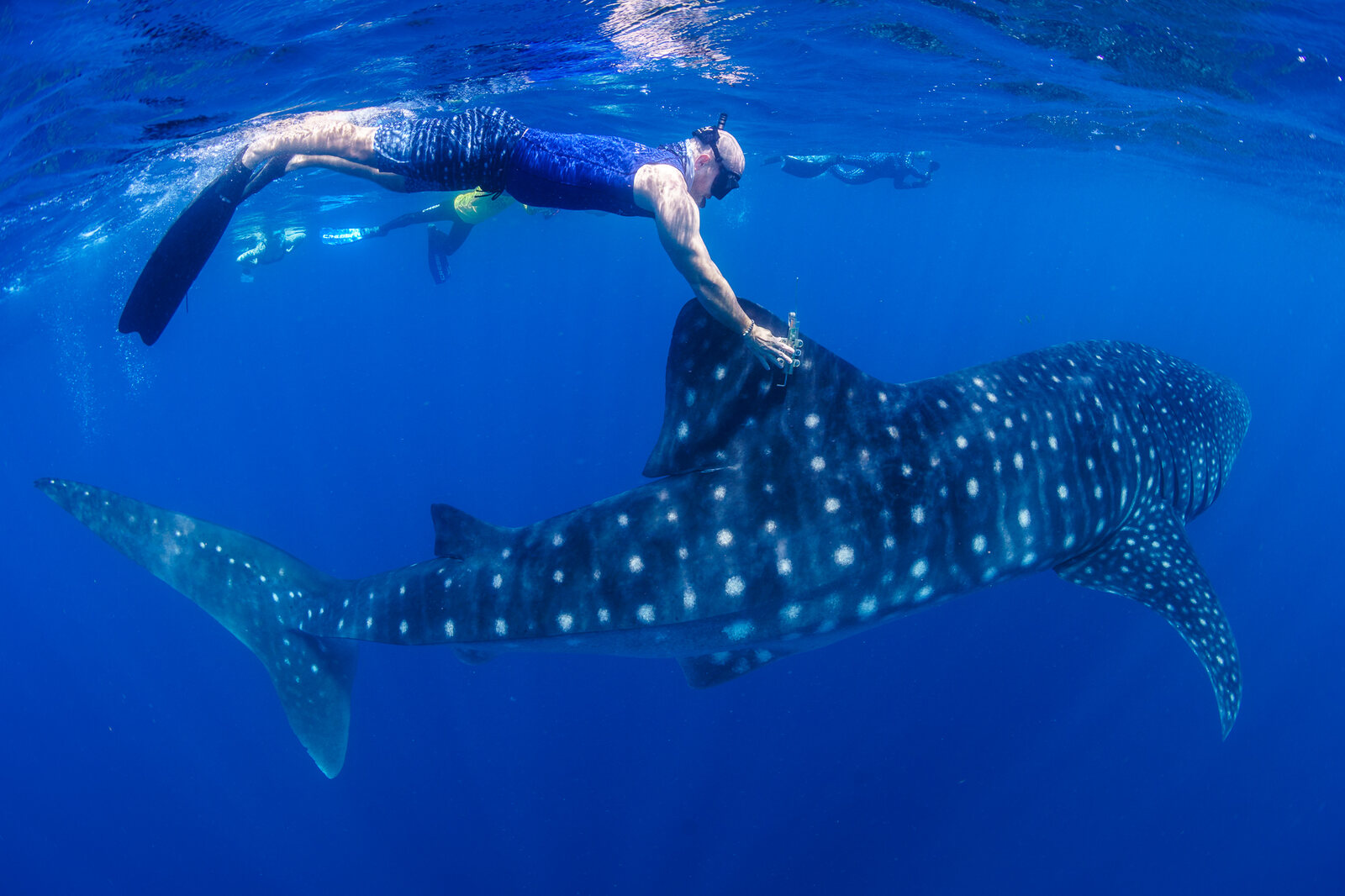
We identify where the ocean's largest animals feed, breed, and migrate, estimate how many remain, and measure what threatens them, so that protection rests on evidence.
Our long-term sightings, aerial-survey, and tagging data from southern Mozambique were instrumental in the designation of four Important Shark and Ray Areas, habitats critical for sharks and rays, identified along the Mozambican coast at a 2023 regional workshop.
Doing this now
Education
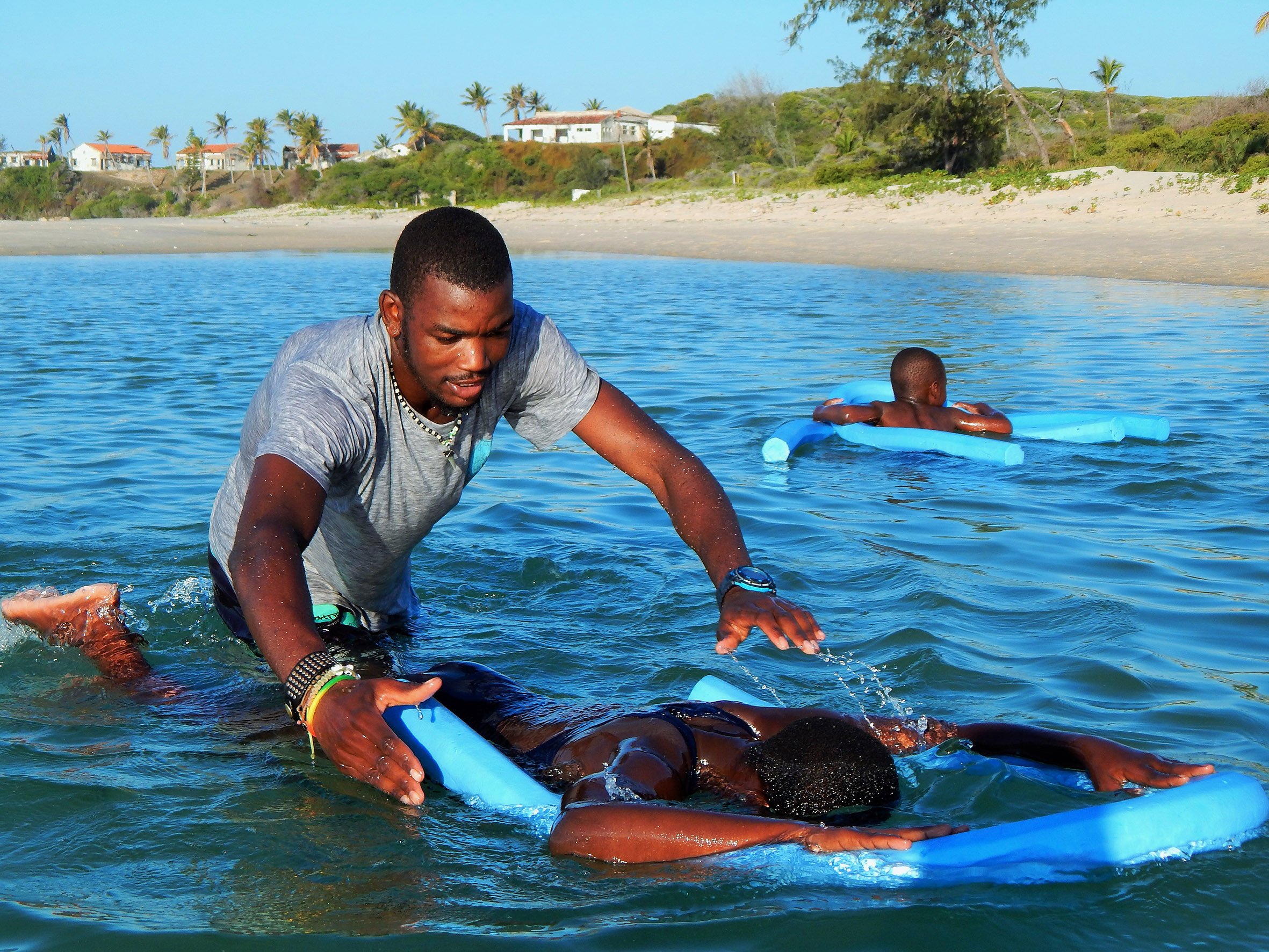
Our education programs run from children's swimming and ocean-education classes to the training of national staff who now lead entire programs.
6,220 children have graduated from the Ocean Guardians curriculum in Mozambique since 2012, and its swim school has taught 1,902 people to swim safely.
Doing this now
- Education and OutreachNusa Penida (Bali); Komodo National Park (East Nusa Tenggara); West Nusa Tenggara; Derawan Islands (East Kalimantan)
- Mozambique Ocean Guardians Education ProgramSix sites in Inhambane Province, Mozambique
- Dugong & Seagrass ConservationInhassoro district, Bazaruto Seascape, Mozambique
- Florida Manta ProjectFlorida, USA
Conservation
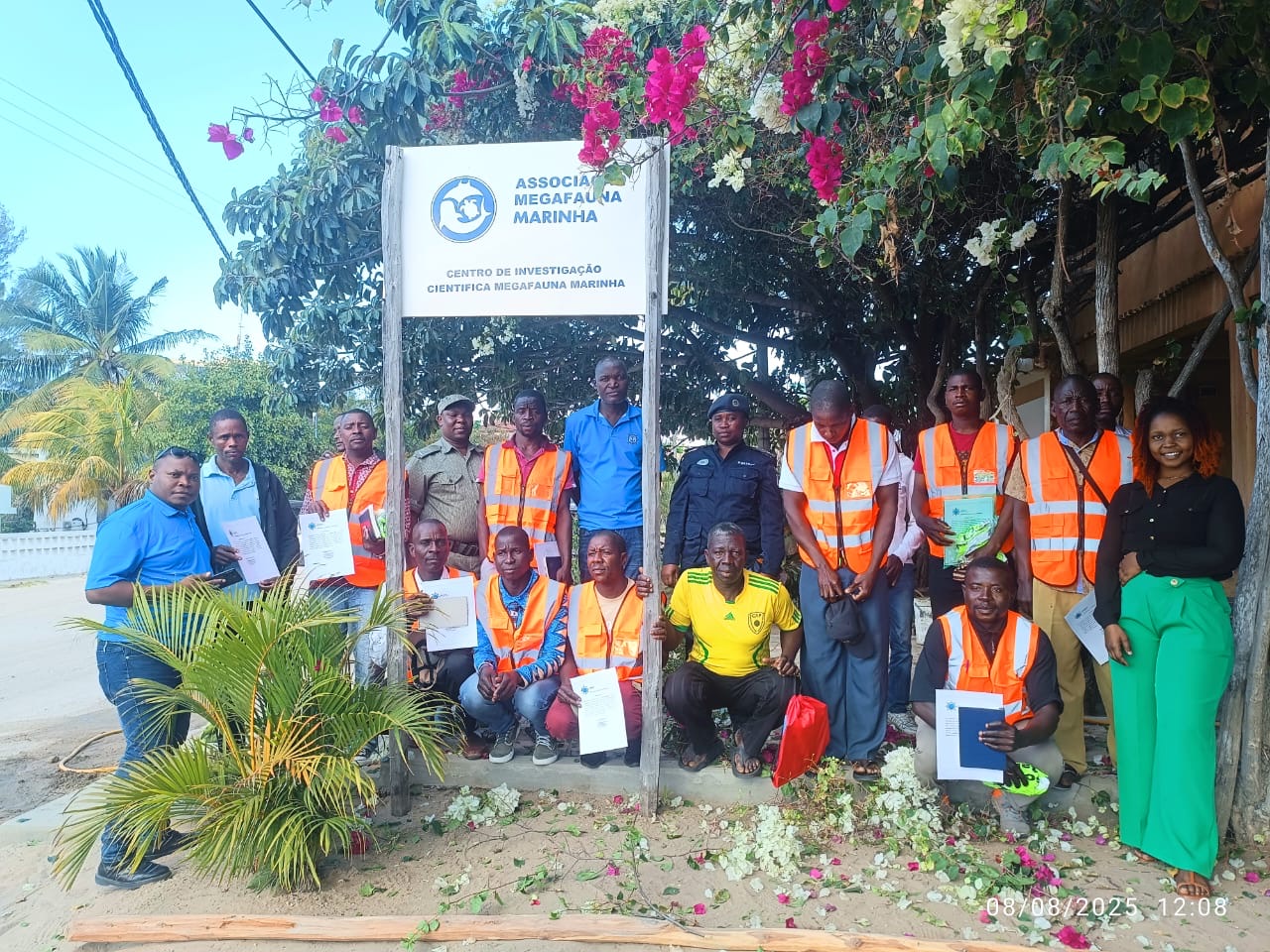
We work with governments and communities to turn scientific findings into lasting protection, and then support its enforcement.
Our research and advocacy were a major factor in Mozambique’s decision to give whale sharks, manta rays, and devil rays legal protection in January 2021.
Doing this now
- Bazaruto Seascape Marine ResearchBazaruto Seascape, Inhambane Province, Mozambique
- Dugong & Seagrass ConservationInhassoro district, Bazaruto Seascape, Mozambique
- Sustainable SeasTofo, Barra, Rocha, Morrungulo, Vuca, Fequete, and Závora, Inhambane Province, Mozambique
- African Manta Ray ProjectInhambane coast, Mozambique, to iSimangaliso, South Africa
Our global programs
Our three global programs, on whale sharks, manta rays, and rhino rays, each bring together our work on one group of animals wherever we study it; our sea turtle projects are grouped on a page of their own.
Places and partners
Each place page lists our work there, current and completed, and the people and partners behind it.
Americas
- Galápagos2 current
- Honduras
- United States4 current
Western Indian Ocean
- Kenya
- Madagascar1 current
- Mayotte
- Mozambique15 current
- Tanzania2 current
Arabian Sea
- Oman1 current
- Qatar1 current
- United Arab Emirates
Asia-Pacific
- Australia2 current
- Indonesia4 current
- Philippines
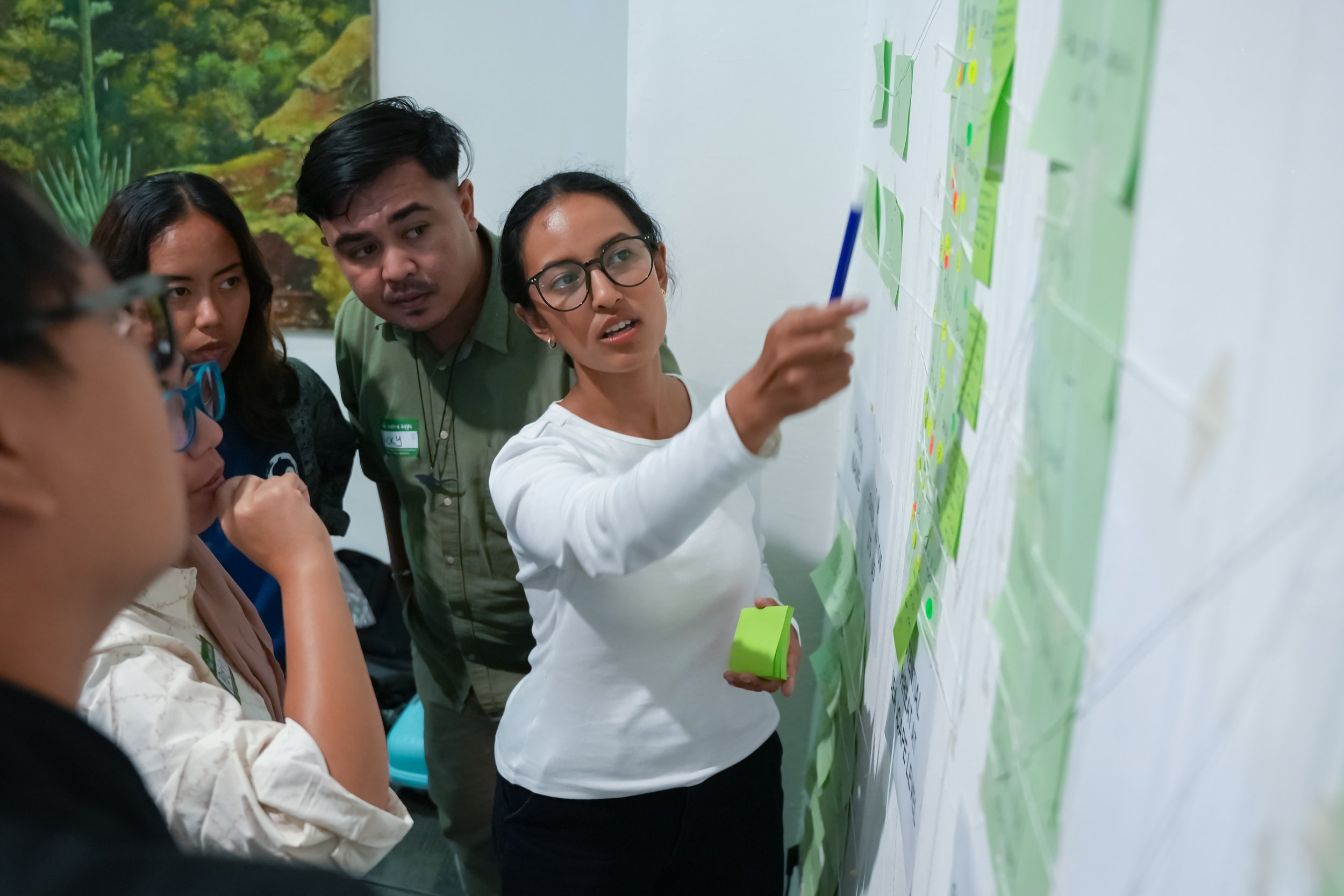
Local leadership
National staff lead our programs, and locally registered organizations carry the work: Associação Megafauna Marinha in Mozambique, Yayasan Megafauna Laut in Indonesia, and an independent partner organization in Madagascar. Most of the scientists and conservationists who lead MMF came through our own training programs, which run from children’s swimming classes in Mozambique to the Research Fellows program, a year-long internship for university graduates.