Conservation
We work with governments and communities to turn scientific findings into lasting protection, and then support its enforcement.
Why conservation
Research shows where marine megafauna are most at risk; conservation is the work of reducing that risk in the water. We work with governments and coastal communities to turn scientific findings into legal protection and to improve the management of existing marine protected areas. We also help fishing communities manage their own fishing grounds, so that families can keep fishing while threatened species are protected. A protected area without enforcement, however, is protected on paper only, so we also support the people who enforce the rules.
From national law to international agreements
Our evidence has contributed to the national protection of manta rays and whale sharks in several countries, including Indonesia, Mozambique, and Tanzania; Mozambique gave whale sharks, manta rays, and devil rays legal protection in January 2021. Because these animals cross borders, protection in one country is rarely enough. MMF scientists led the technical work that placed the reef manta ray, the oceanic manta ray, and the whale shark on Appendix I of the UN Convention on Migratory Species, which requires member countries within each species’ range to protect the animals, their key habitats, and their migration routes. In the Galápagos, our collaborative research on whale shark movements contributed to the expansion of the marine reserve and to a protected corridor toward Cocos Island, off Costa Rica.
How we work
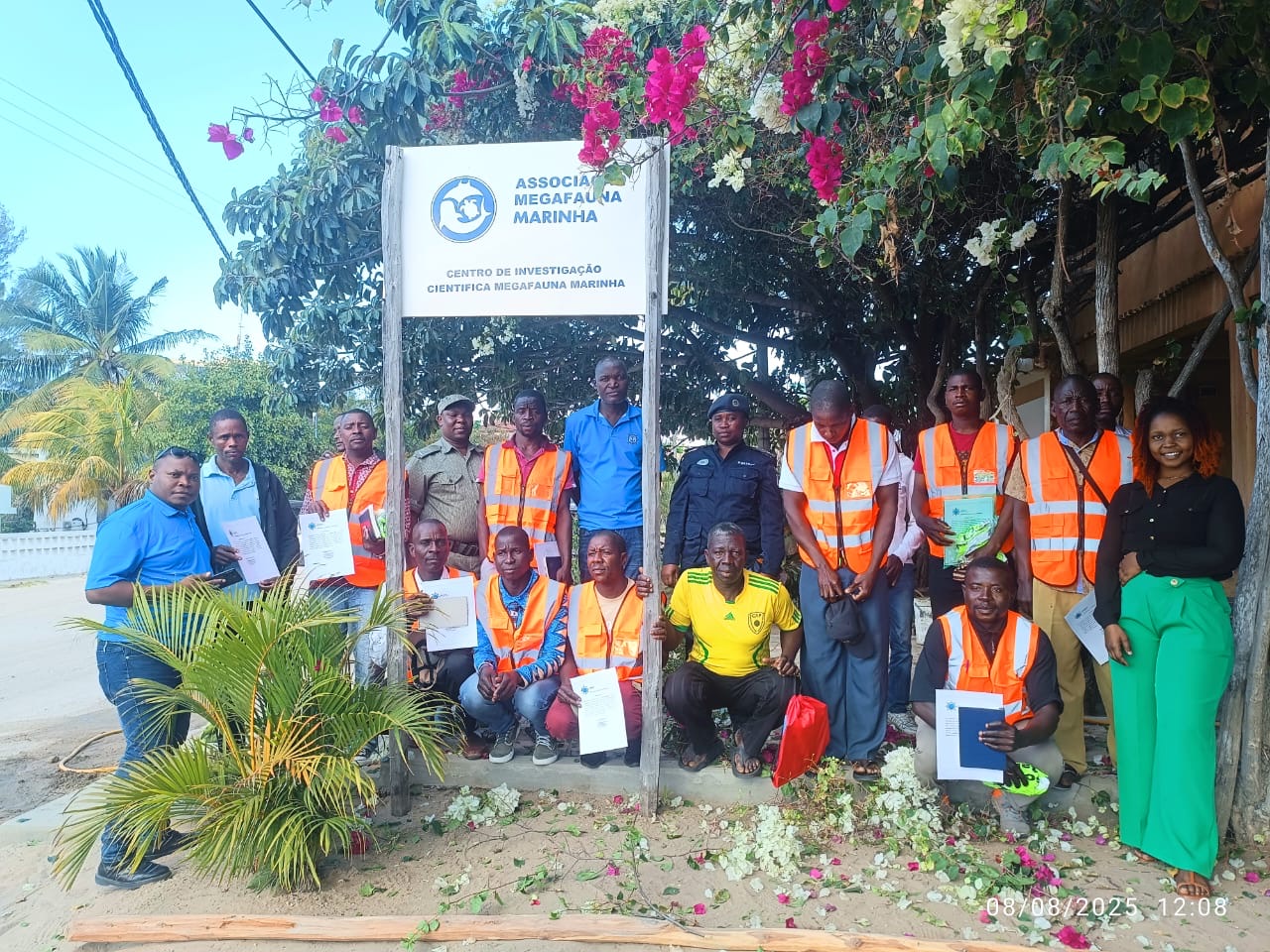
We introduce targeted measures against the priority threats and run education programs alongside them. In Mozambique, for instance, we assist the Coastal Police and marine rangers of Inhambane Province with patrol vessels and beach vehicles, while community fisheries inspectors and Ocean Ambassadors work within the fishing communities themselves. Elsewhere, the measure follows the threat, from a go-slow zone for ships where whale sharks feed off Qatar to a code of conduct for whale shark tourism in Madagascar, now in law; the cases below follow each one from the evidence to where it stands today. Protection endures when local people have the means to sustain it, which is why so much of this work takes place in the communities.
What the work has changed, and what it has not yet
Choose a case to follow it from the evidence to the action to where it stands now.
Mozambique: whale sharks, manta and devil rays In law
- The evidence
An analysis published in 2013 found steep declines in sightings off Tofo, in southern Mozambique, after adjusting for survey effort and environmental conditions: 79% for whale sharks from 2005 to 2011, and 88% for reef manta rays from 2003 to 2011.
- The action
Our research, lobbying, and advocacy with the Mozambican government.
- Where it stands
Mozambique gave whale sharks, manta rays, and devil rays legal protection in January 2021.
Madagascar: whale shark tourism In law
- The evidence
Young whale sharks aggregate off Nosy Be, in northwestern Madagascar, from about September to December, and boats take visitors to swim with them.
- The action
A code of conduct for whale shark tourism has been developed and implemented since 2017, and more than 300 tourism professionals have been trained in it. The Madagascar Whale Shark Project, with MMF as a partner, worked to make it the legal standard.
- Where it stands
The code became Malagasy law by inter-ministerial decree in December 2023, although some boats still work with whale sharks without following it.
Qatar: ship strikes Established
- The evidence
An initial assessment by the Qatar Whale Shark Research Project, to which MMF scientists contributed, identified a high risk of oil tankers and other ships striking whale sharks in the Al Shaheen oil field.
- The action
The project worked with the oil field’s operator to reduce that risk.
- Where it stands
A go-slow zone was established around the primary shark feeding area.
Florida: fishing line Under way
- The evidence
In our first study, 27% of the manta rays identified in south Florida were seen foul-hooked or entangled in fishing line, and surveys of shore-based recreational anglers suggest that most entanglements are accidental.
- The action
The team worked with fishers to understand the problem, then made videos on fishing and boating near manta rays and posted outreach signs on heavily used fishing piers.
- Where it stands
Both videos are published online. The team will also work with professional cobia angling guides to establish best practices for cobia fishing around manta rays.
Inhassoro: wedgefish Proposed
- The evidence
Twenty-six community rangers record wedgefish and guitarfish landings (catches brought ashore) on the unprotected Inhassoro coast of Mozambique.
- The action
Two fishing communities used the records to propose a no-net zone at Tsondzo and a no-take zone at Mangarelane.
- Where it stands
Both proposals are moving through formal government processes. Rangers will continue recording landings before and after the areas are established, to help assess whether a no-net zone reduces wedgefish deaths.
Oman: whale sharks In progress
- The evidence
Our 2025 field season documented whale sharks injured by boats and fishing gear.
- The action
We ran a workshop with the Ministry of Agriculture, Fisheries and Water Resources and are building Omani partnerships.
- Where it stands
The project is working toward national legal protection for whale sharks in Oman, starting with agreement on speed limits, vessel routes, and safe-release protocols.
Projects that do this work
15 current projects include conservation in their work.
Current work 15
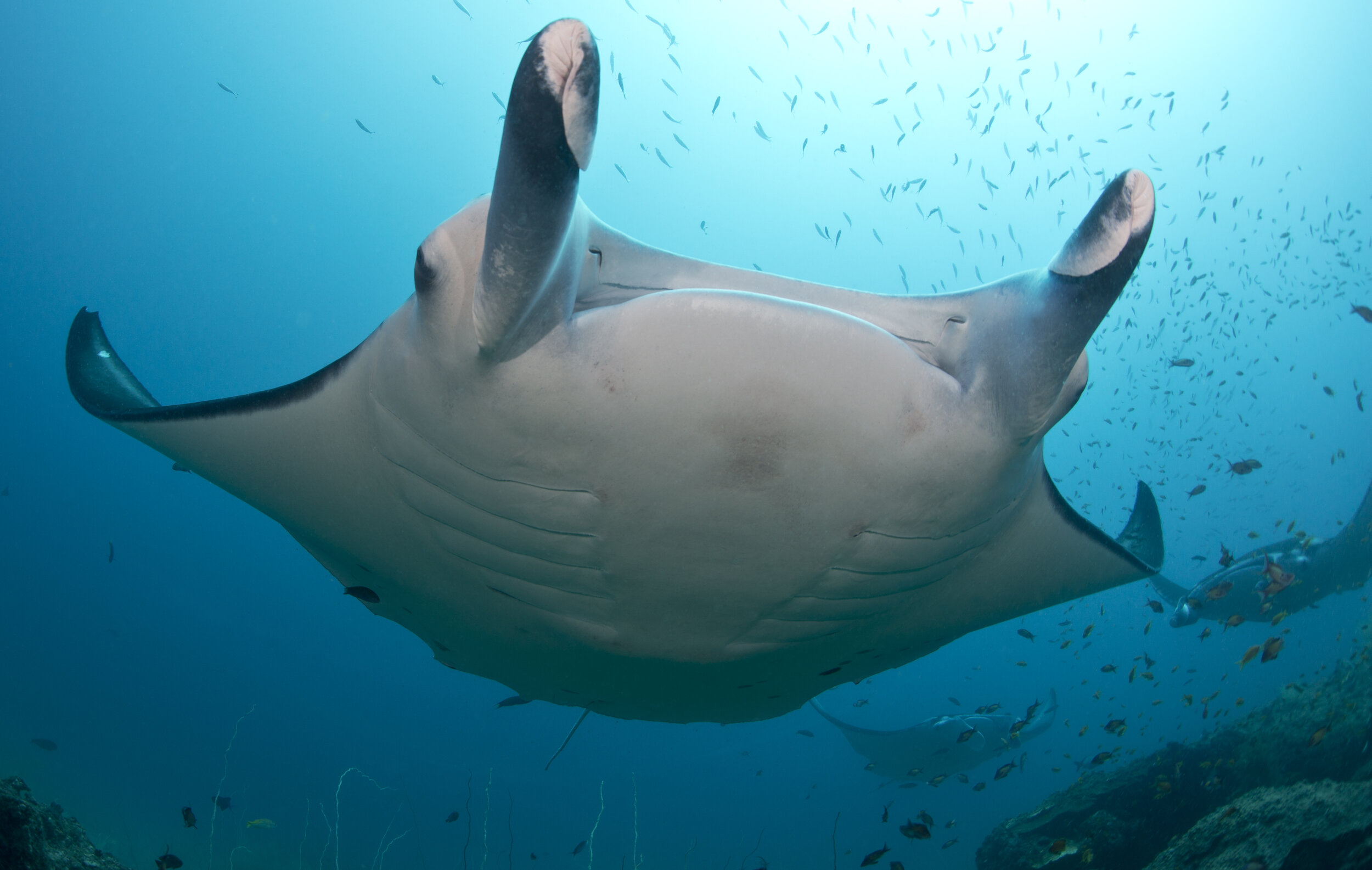 Inhambane coast, Mozambique, to iSimangaliso, South AfricaAfrican Manta Ray ProjectManta rays tagged in Mozambique turn up in South African waters, so we follow them across the border to protect them as one population.
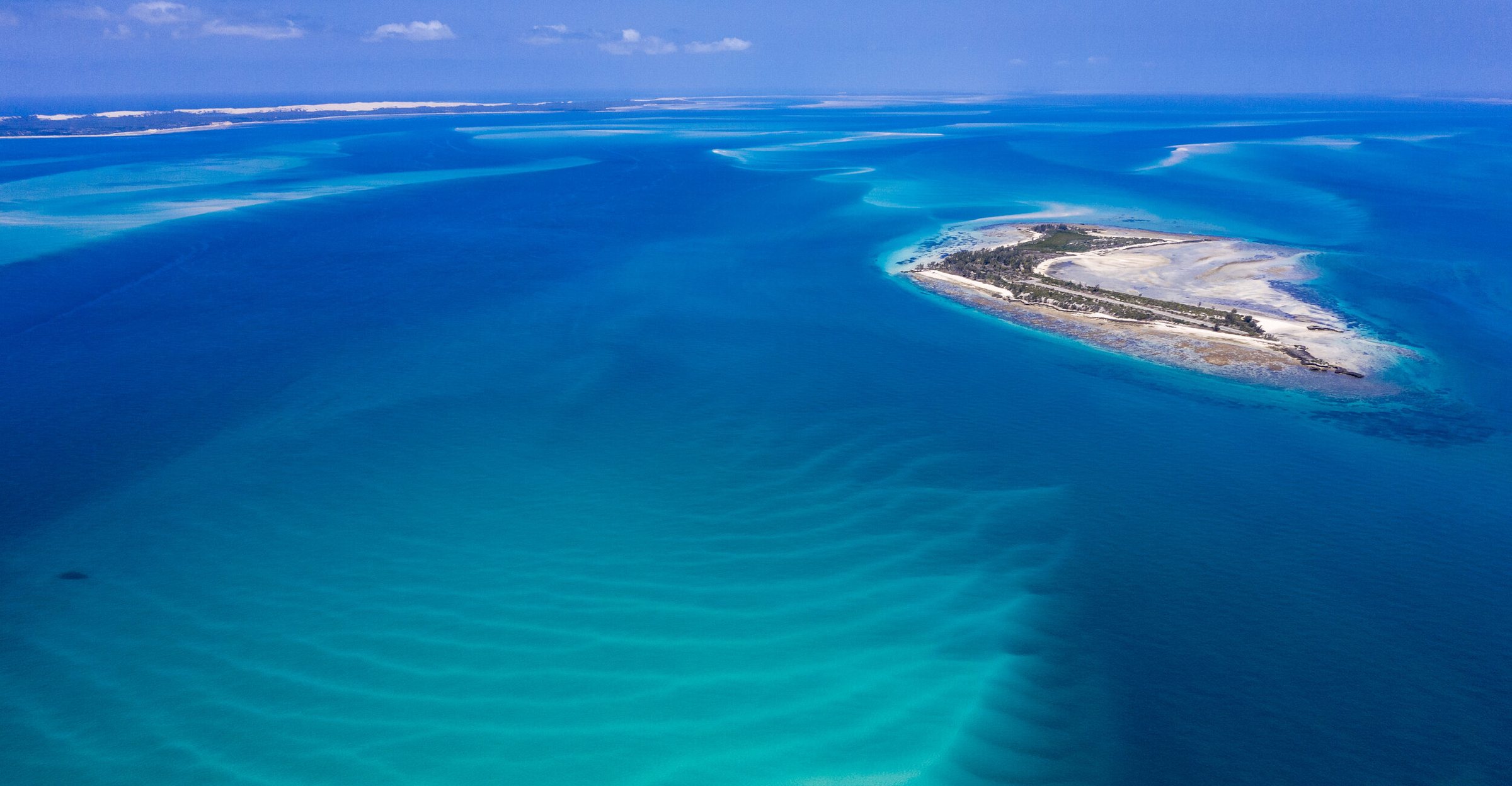 Bazaruto Seascape, Inhambane Province, MozambiqueBazaruto Seascape Marine ResearchOne of the most diverse marine habitats in Africa, where we work with park managers, rangers, and fishing communities to protect threatened sharks, rays, and dugongs.
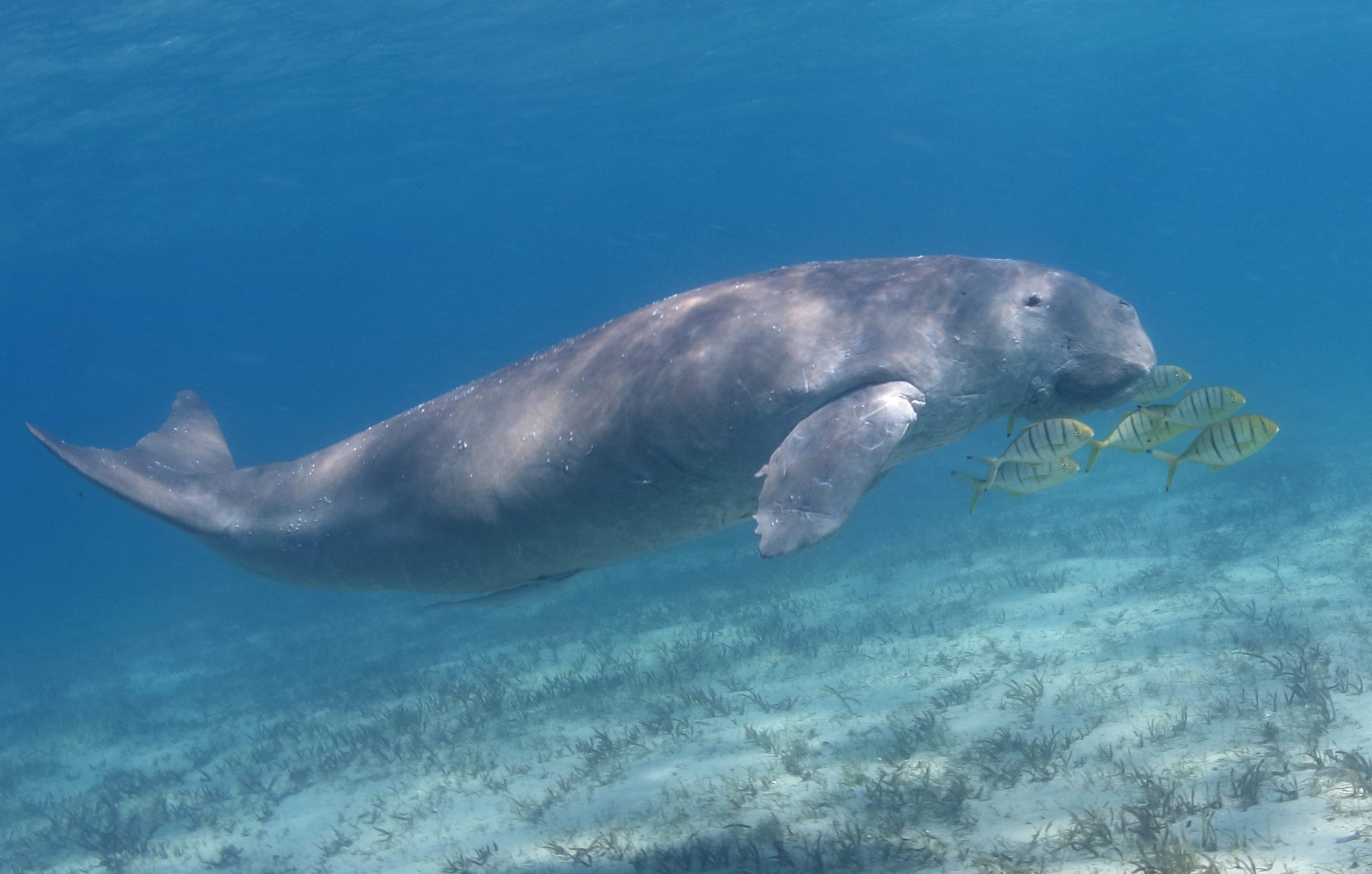 Inhassoro district, Bazaruto Seascape, MozambiqueDugong & Seagrass ConservationMapping the unprotected seagrass meadows of the Bazaruto Seascape, monitoring the dugongs that feed on them, and working with fishing communities to protect them.
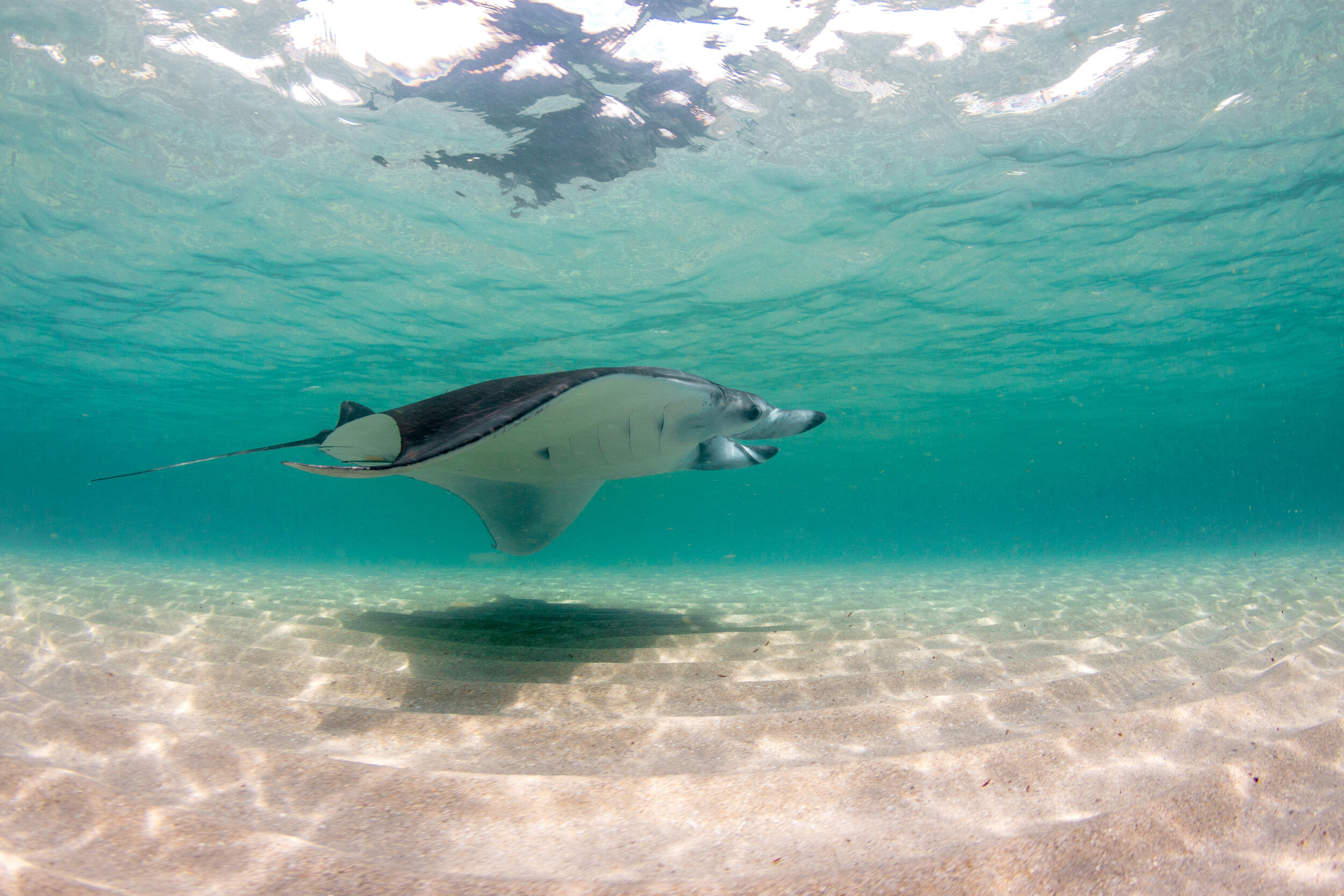 Florida, USAFlorida Manta ProjectWe have studied Florida's manta rays since 2016, from a rare urban nursery for young rays in south Florida to a spring aggregation of adults off central Florida.
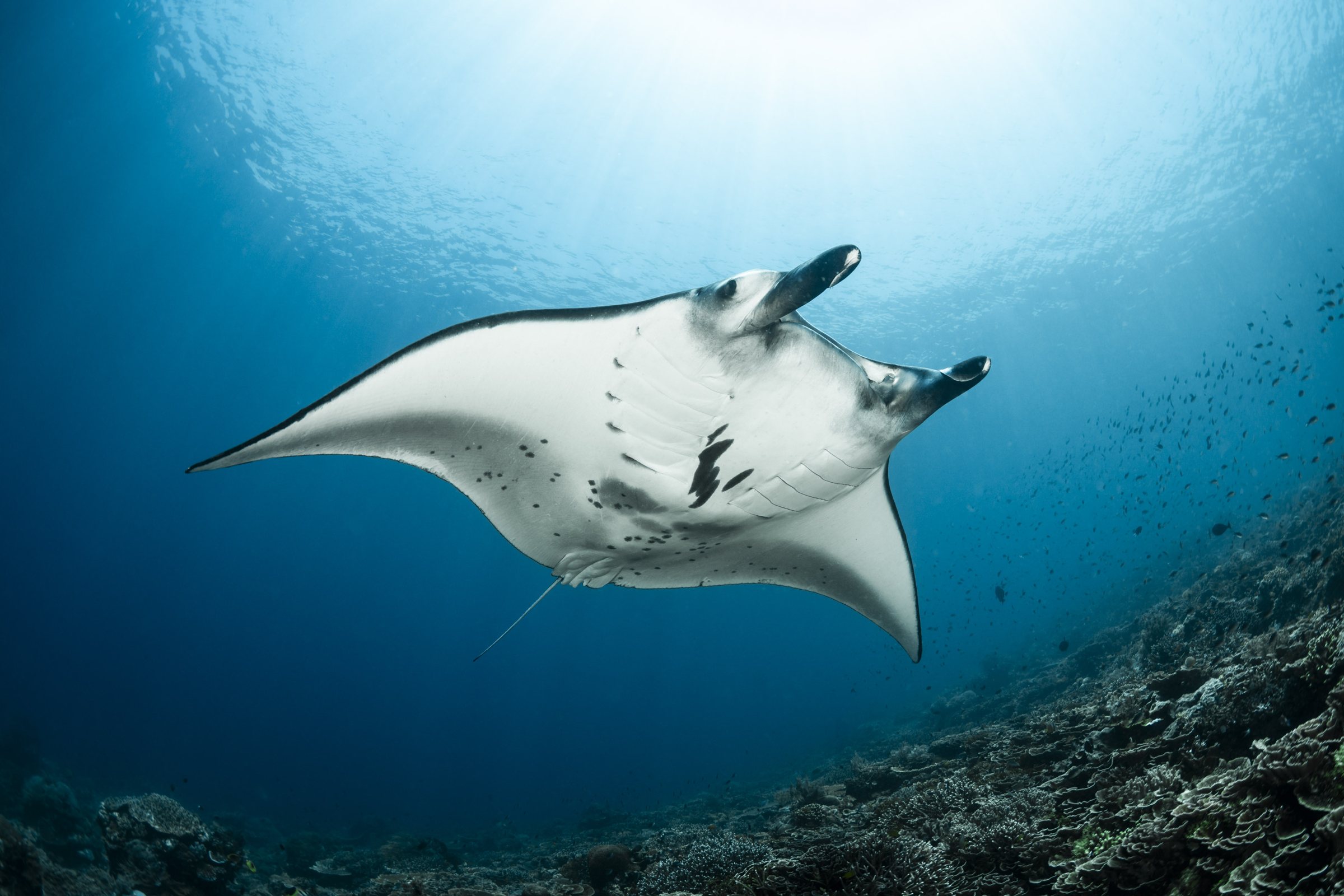 Nusa Penida (Bali); Komodo National Park (East Nusa Tenggara); West Nusa Tenggara; Derawan Islands (East Kalimantan)Indonesia Manta Ray ProjectWe have followed Indonesia's reef manta rays since 2012, and the data helped protect the species nationwide.
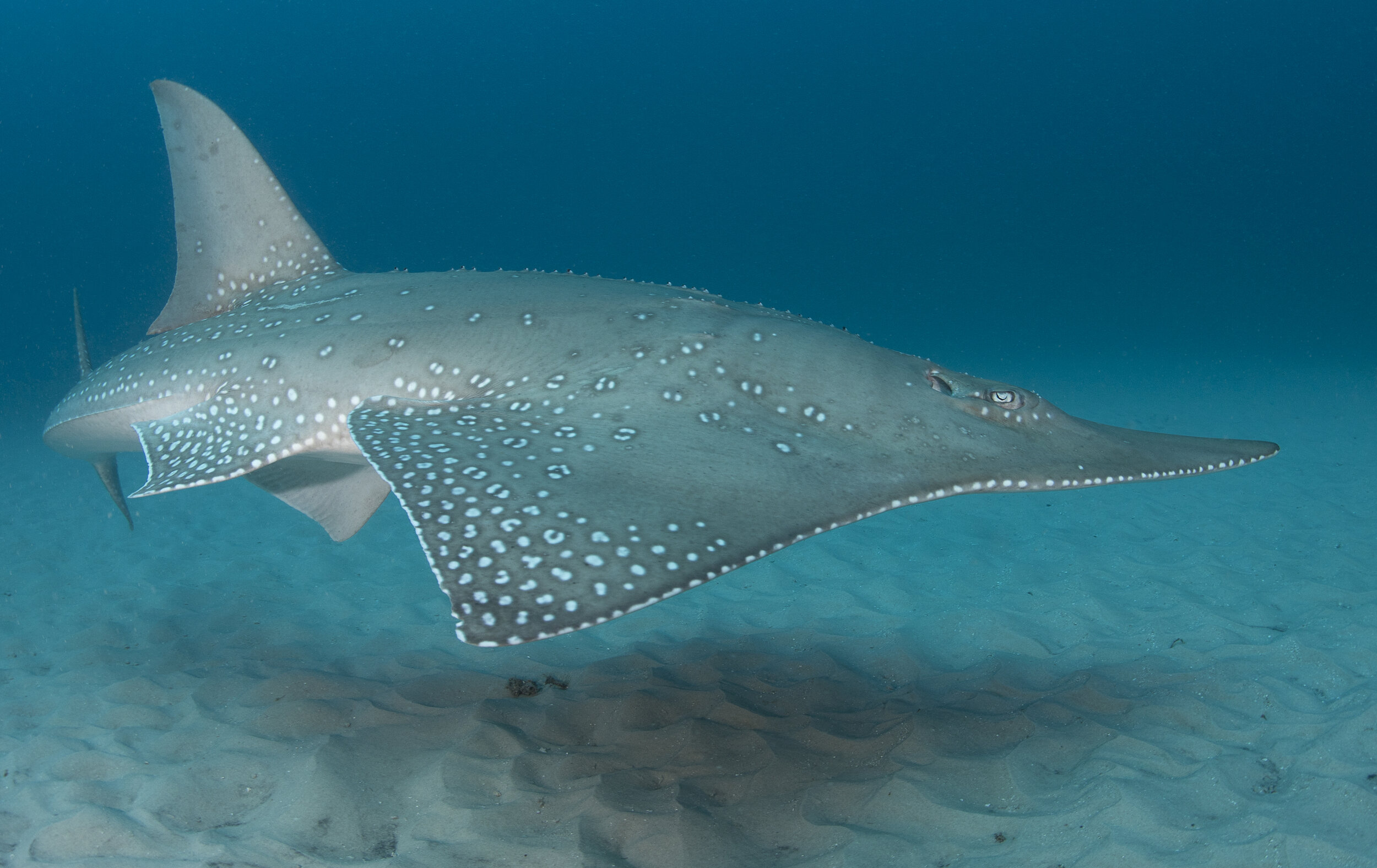 Inhassoro district coast, Bazaruto Seascape, MozambiqueInhassoro Wedgefish ProjectCommunity rangers have recorded wedgefish and guitarfish landings on the unprotected Inhassoro coast, and their records helped two fishing communities propose areas closed to net fishing.
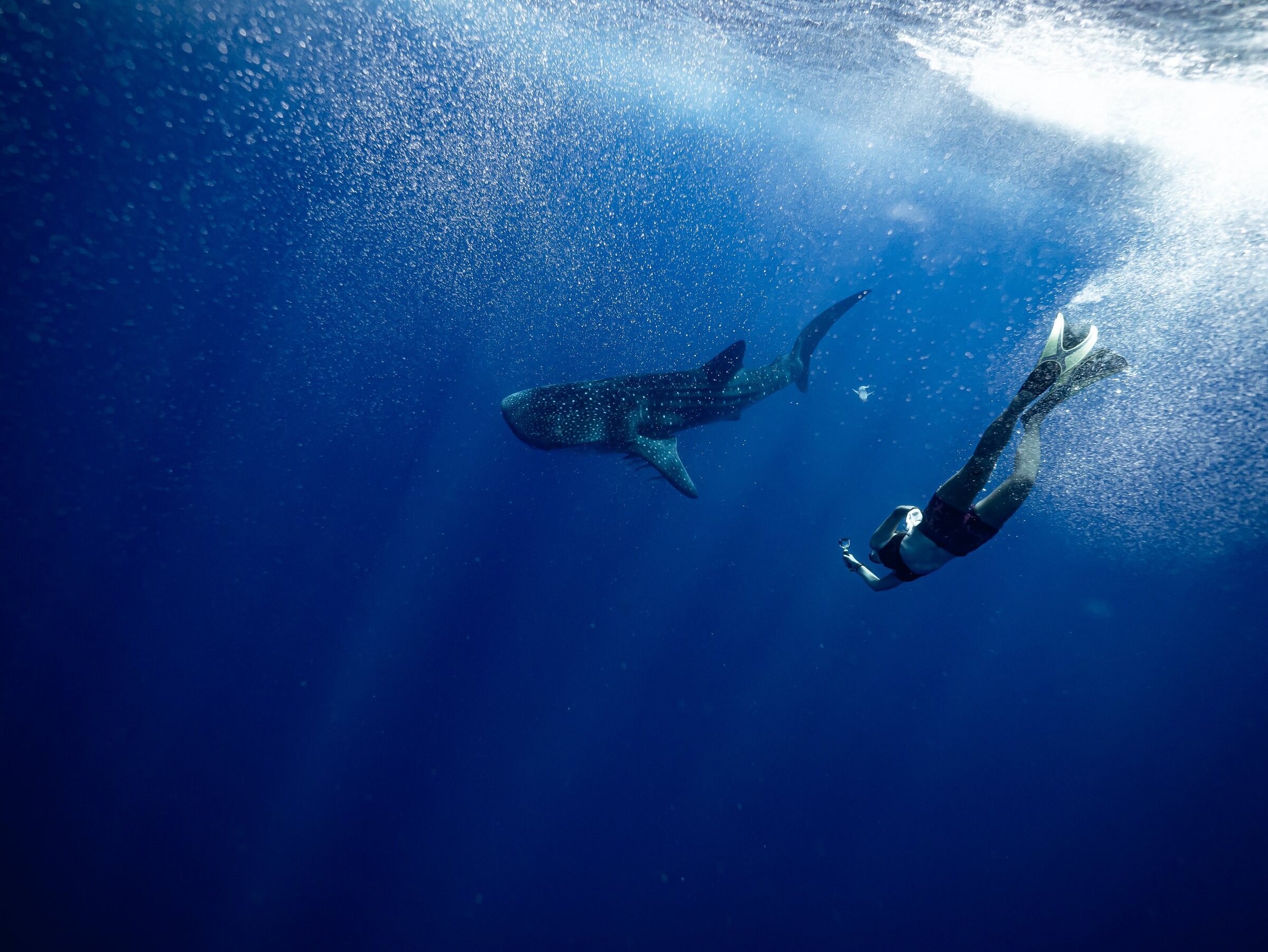 Nosy Be, northwestern MadagascarMadagascar Whale Shark ProjectYoung whale sharks aggregate off Nosy Be from about September to December, and the Madagascar Whale Shark Project has studied and protected them since 2016.
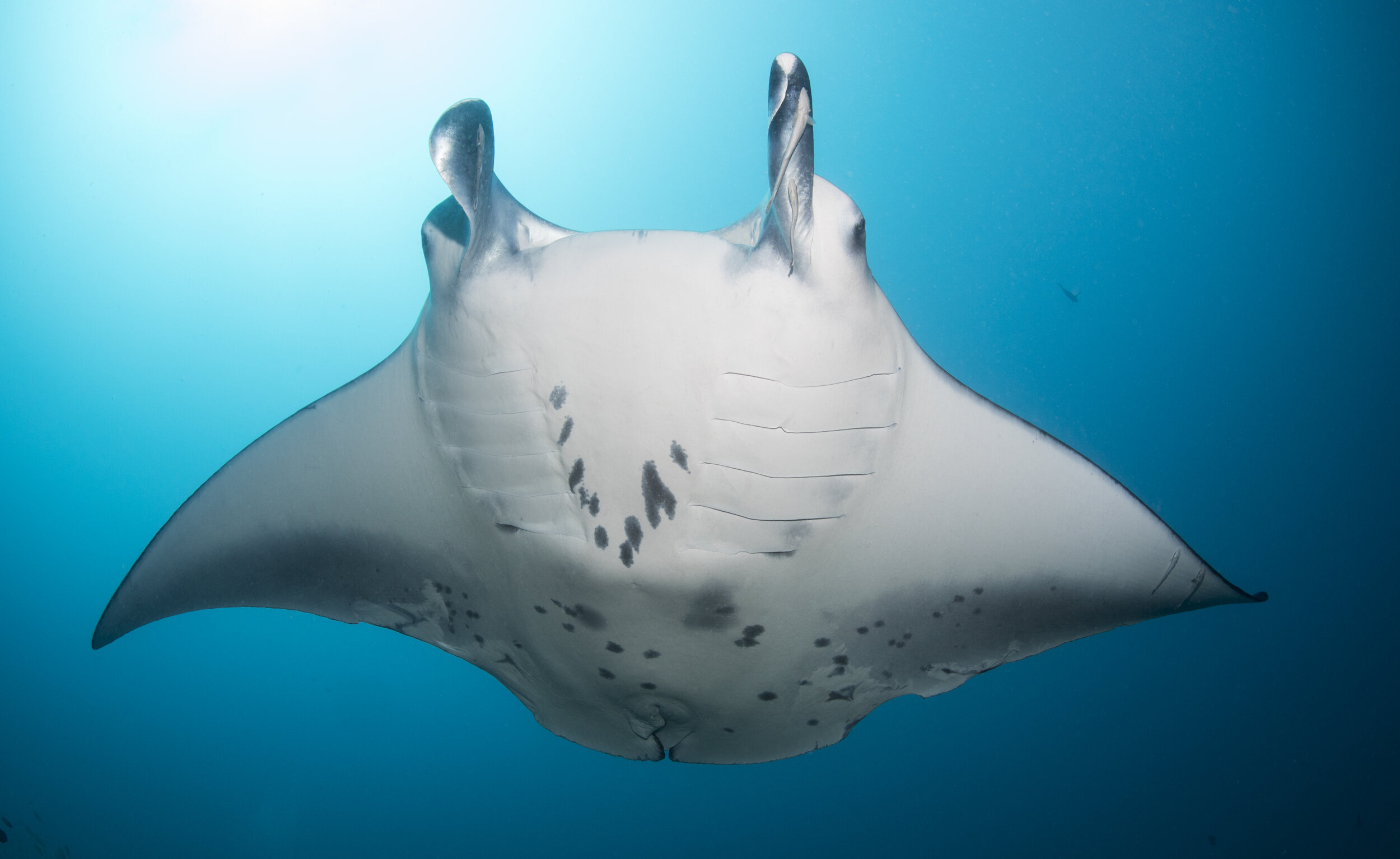 Tofo, Závora, and the Bazaruto Archipelago, Inhambane Province, MozambiqueMozambique Manta & Devil Ray Research ProjectSouthern Mozambique has Africa's largest known populations of reef and giant manta rays, and we are working to reverse their steep decline.
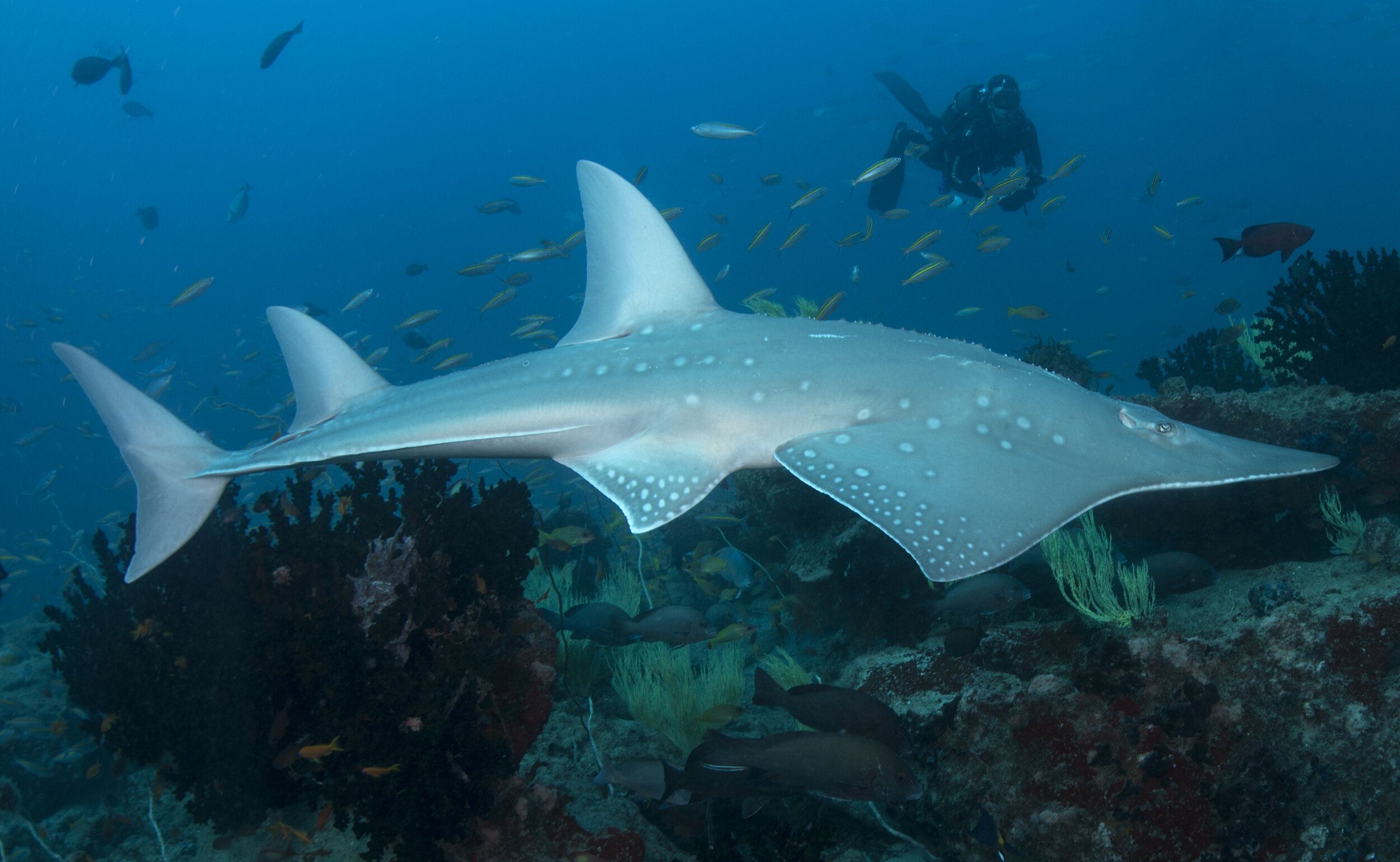 Bazaruto Seascape to Závora, Inhambane Province, MozambiqueMozambique Rhino Rays Research ProjectMozambique is a center of abundance for rhino rays, the world's most threatened group of marine fishes, and we are collecting the data needed to protect them.
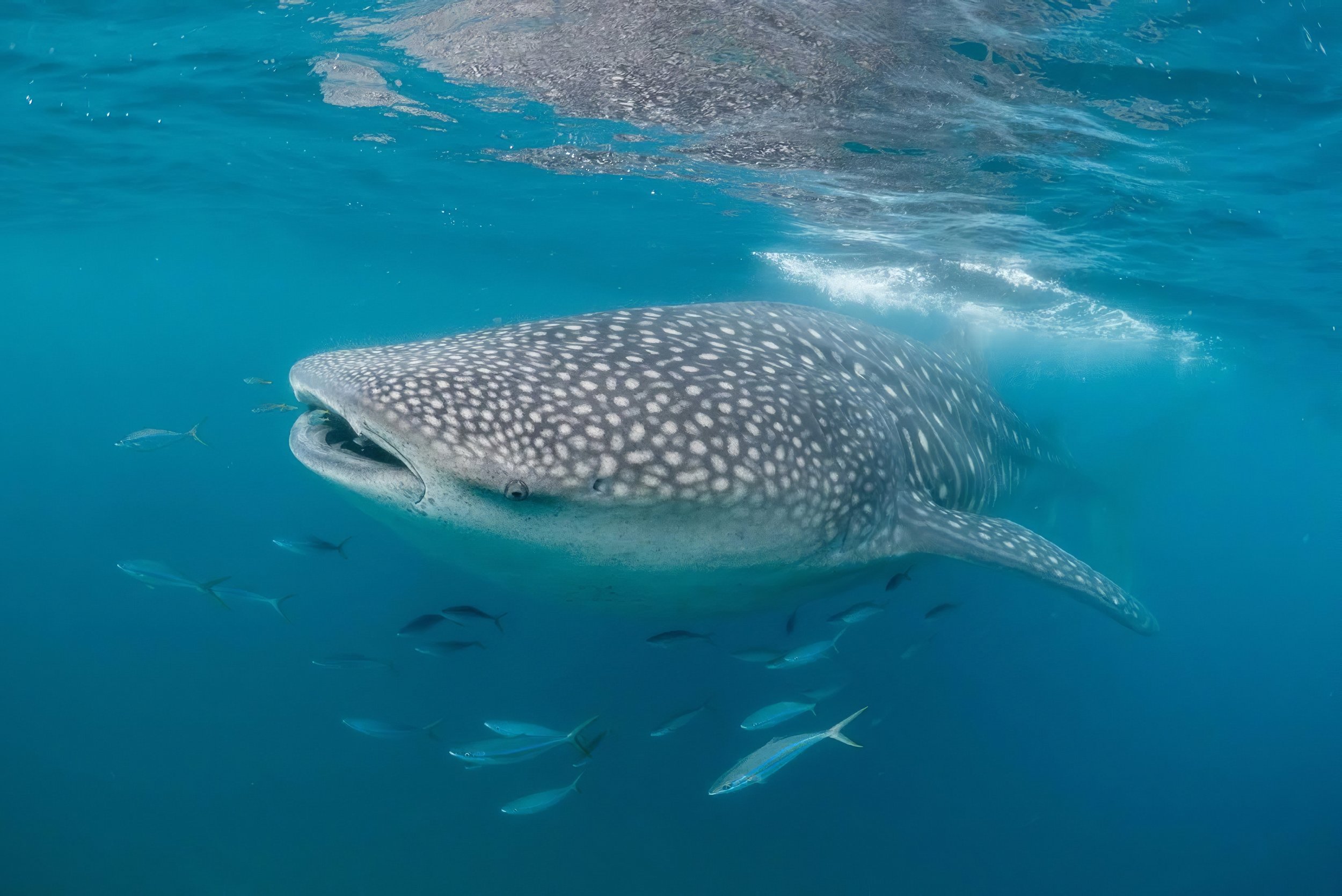 Inhambane Province, southern MozambiqueMozambique Whale Shark ProjectSouthern Mozambique is one of the world's most important whale shark feeding areas, and we have studied the sharks here since 2005 to understand and protect them.
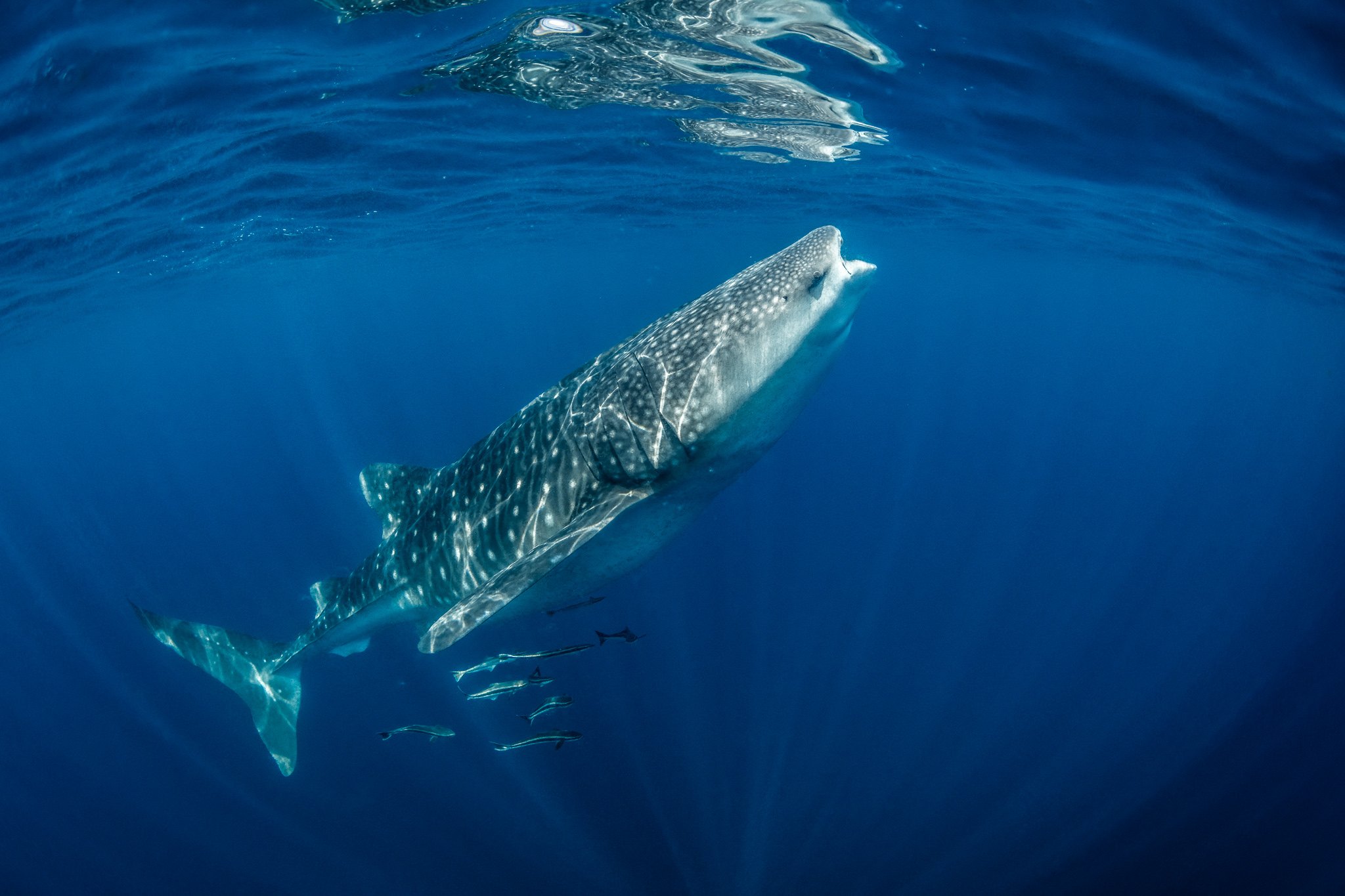 Muscat Coast, OmanOman Whale Shark ProjectMapping the Gulf of Oman's whale shark aggregation, documenting the injuries its sharks suffer from vessel strikes and fishing gear, and building the Omani partnerships that can protect them.
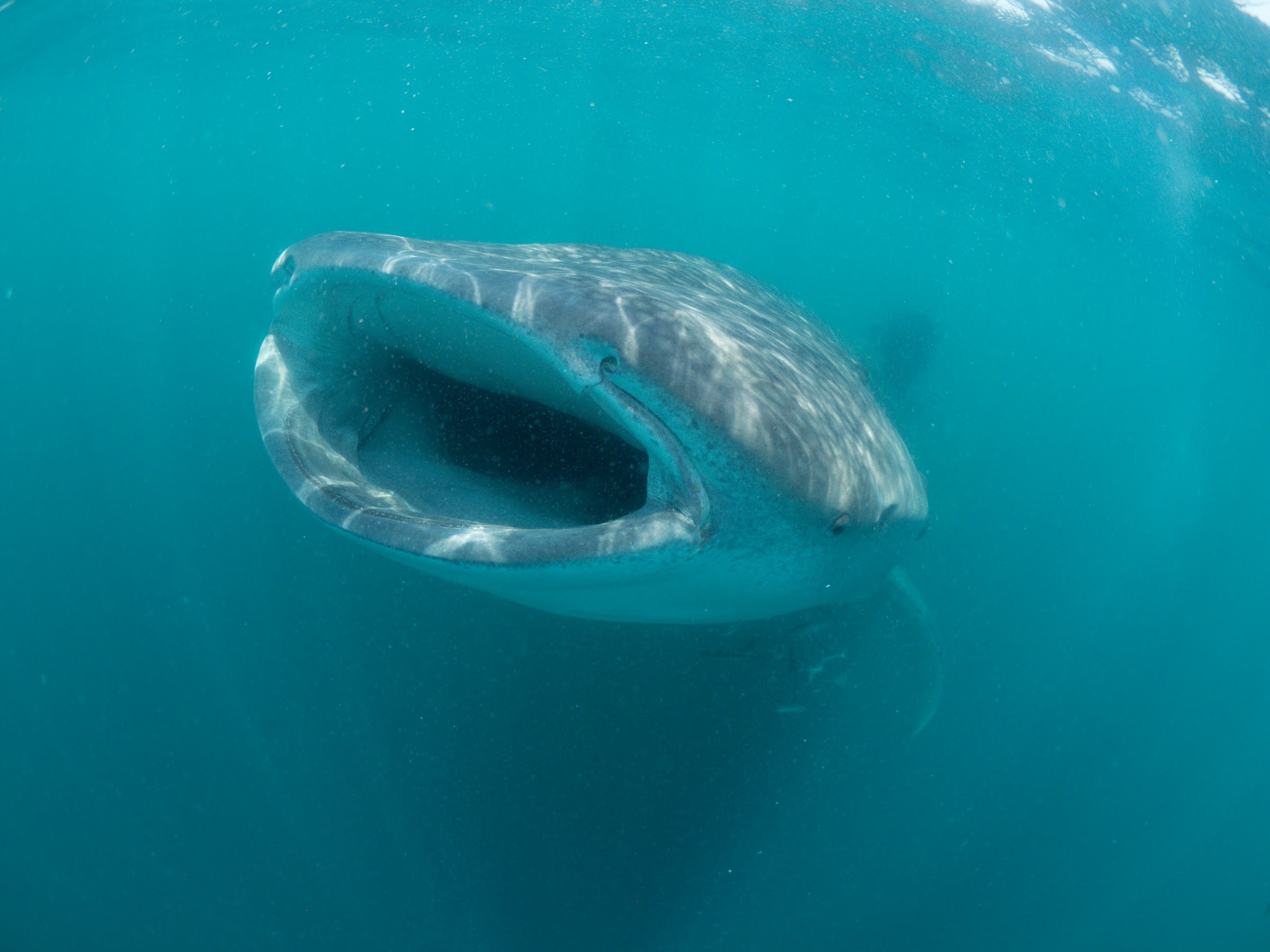 Al Shaheen oil field, Arabian Gulf, QatarQatar Whale Shark ProjectEvery summer, more than a hundred whale sharks at a time aggregate in an offshore oil field in Qatar to feed on the eggs of spawning tuna.
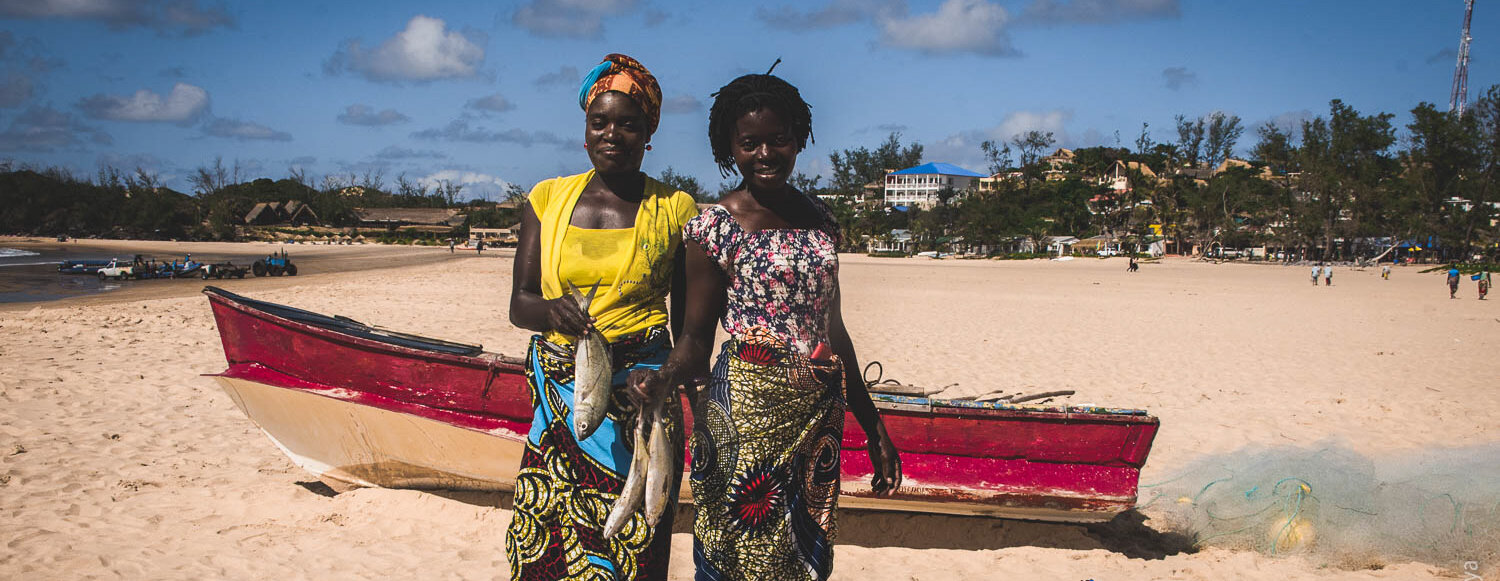 Tofo, Barra, Rocha, Morrungulo, Vuca, Fequete, and Závora, Inhambane Province, MozambiqueSustainable SeasHelping fishing communities on Mozambique's Inhambane coast manage their own fishing grounds and protect threatened marine life.
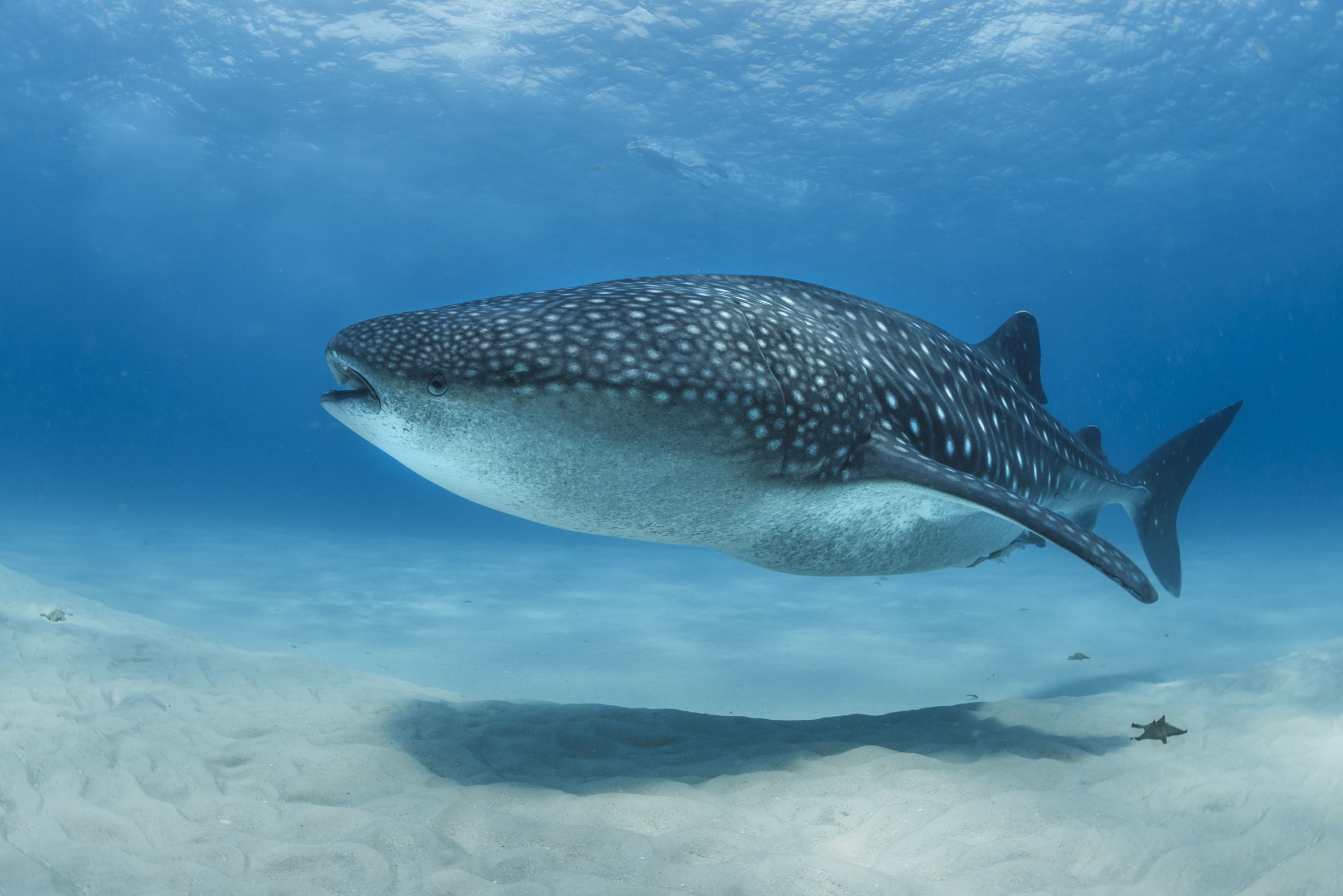 Mafia Island, TanzaniaTanzania Whale Shark ProjectThe whale sharks off Mafia Island return to the same small stretch of coast year after year, and we have monitored them since 2012 to understand and protect them.
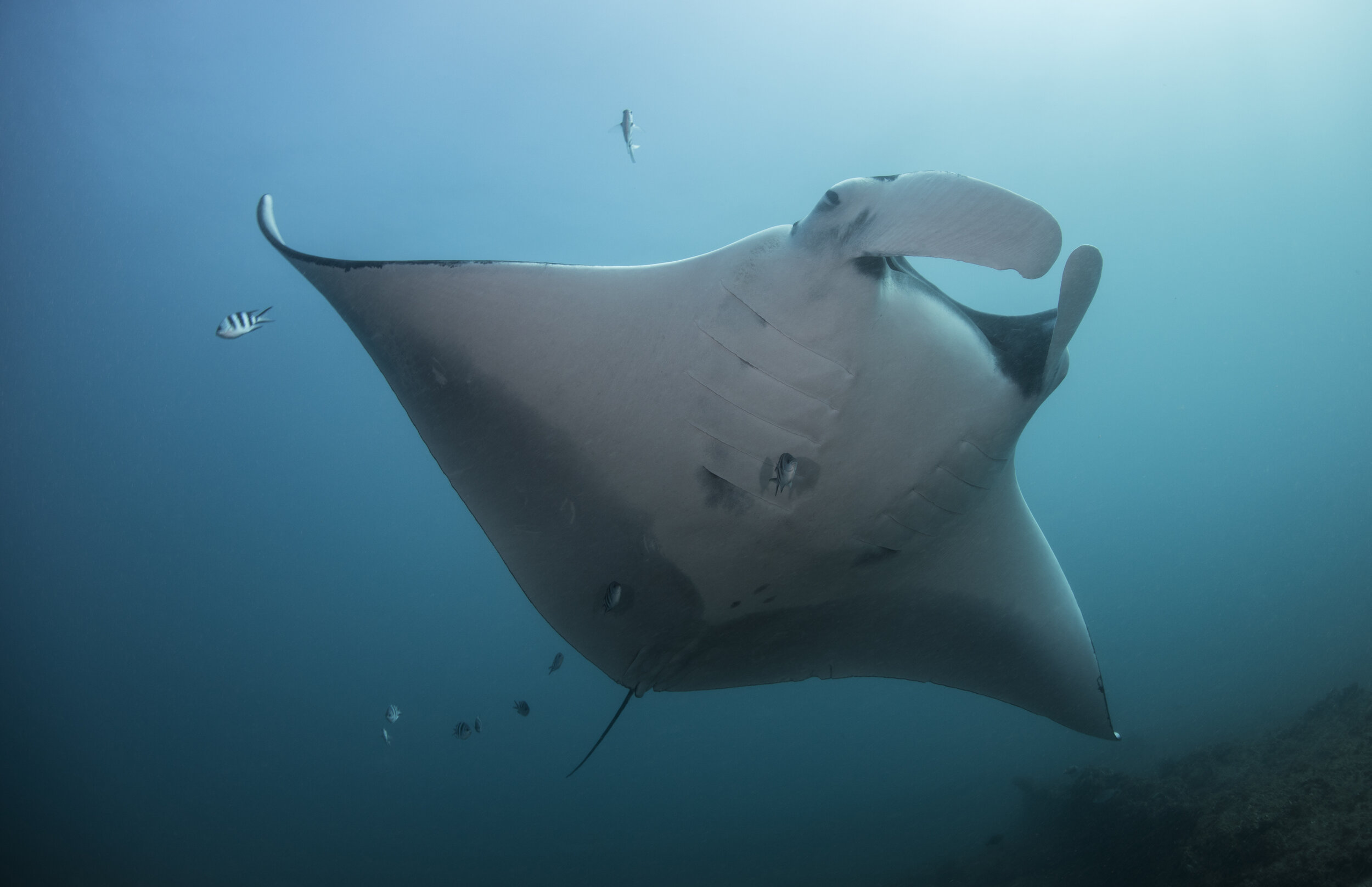 Závora Bay, Inhambane Province, MozambiqueZávora Marine ConservationResearch, fisheries monitoring, and community-led protection at MMF's southernmost site in Mozambique, home to one of the last reef manta ray aggregations on the East African coast.
No project matches all of these filters.
Who leads this work
 Dr Nakia CullainSenior ScientistLeads African Manta Ray Project and Mozambique Manta & Devil Ray Research Project and Závora Marine Conservation
 Dr Clare PrebbleSenior ScientistLeads Bazaruto Seascape Marine Research and Mozambique Whale Shark Project
 Olivia PattersonProject Scientist – MozambiqueLeads Dugong & Seagrass Conservation and Inhassoro Wedgefish Project
 Dr Christoph A. RohnerPrincipal ScientistLeads Tanzania Whale Shark Project
 Dr David P RobinsonMMF Research AssociateLeads Qatar Whale Shark Project
 Dr Simon J. PierceCo-Founder & Executive DirectorLeads Oman Whale Shark Project
 Dr Stephanie VenablesResearch AssociateLeads Mozambique Rhino Rays Research Project
 Janis ArgeswaraCountry Manager – IndonesiaLeads Indonesia Manta Ray Project
 Jessica PateCountry Manager – US & Senior ScientistLeads Florida Manta Project
 Martinho Saide PedroConservation Department ManagerLeads Sustainable Seas
 Stella DiamantResearch Associate / Madagascar Whale Shark ProjectLeads Madagascar Whale Shark Project
Support conservation
Gifts made here go to MMF’s general fund, which supports this work across our projects. Most current projects also have a donate button on their own page.