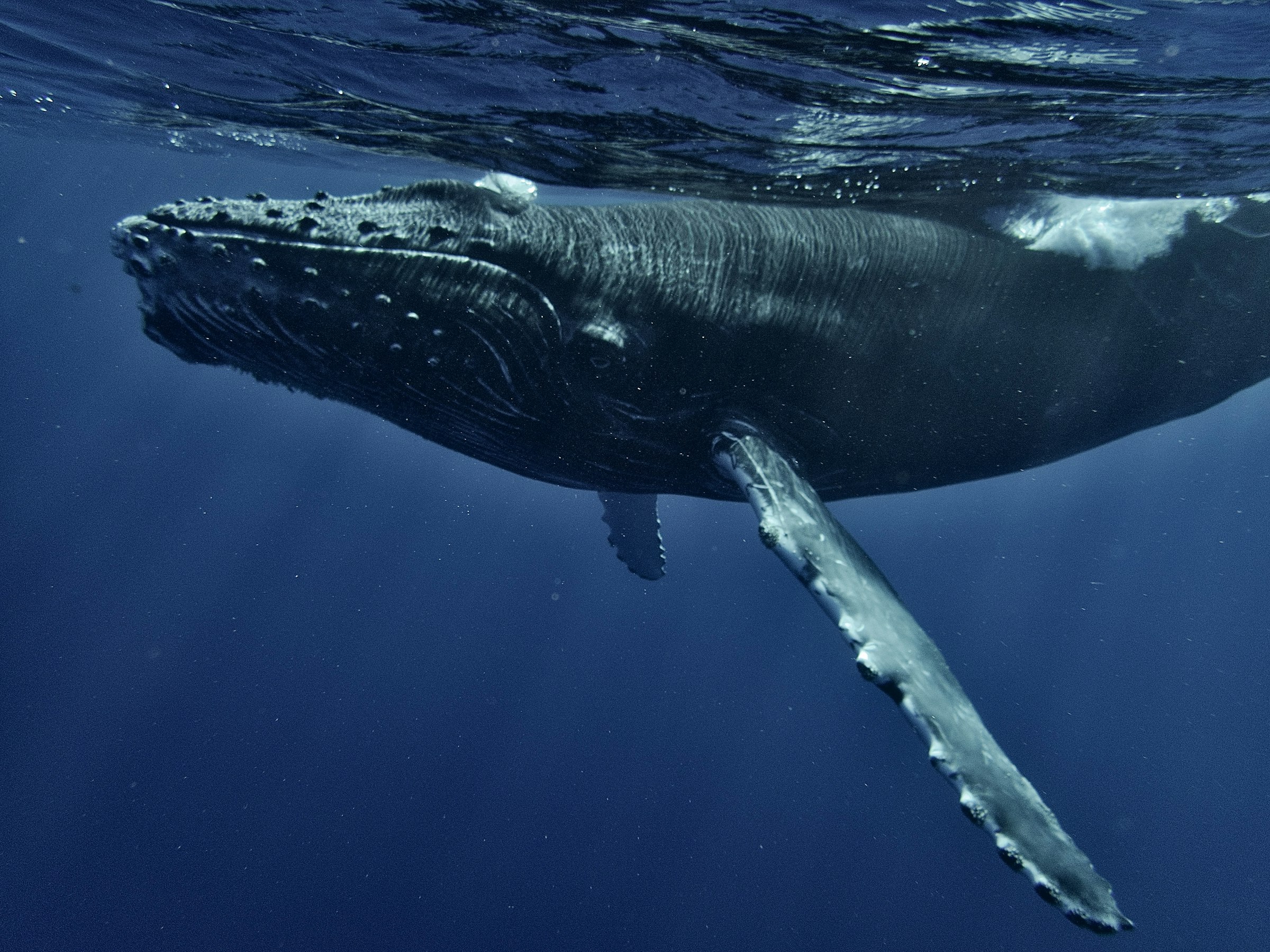
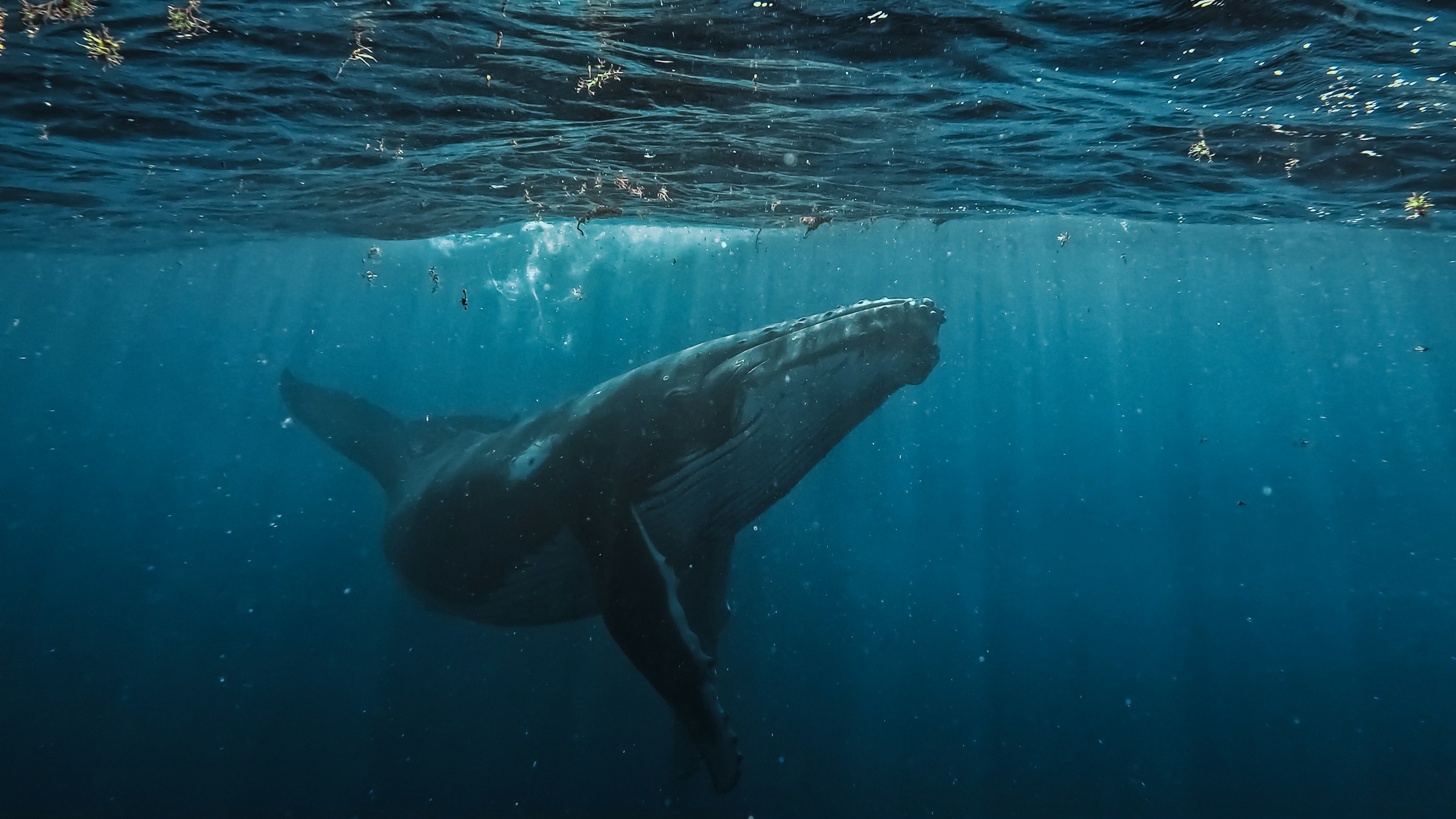



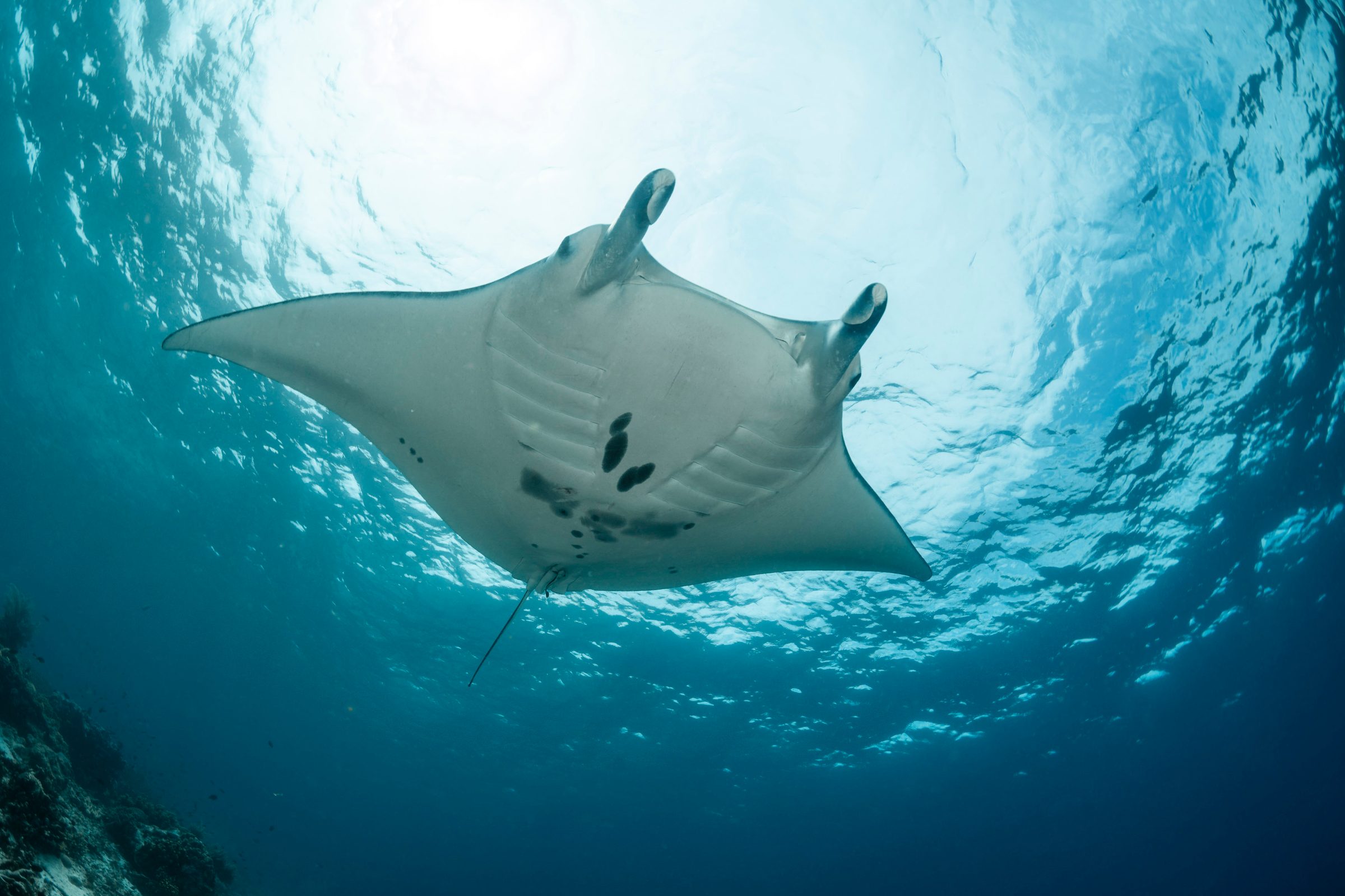
A humpback whale swimming beneath the surface, its long pectoral fins spread.

Adopt a Humpback Whale

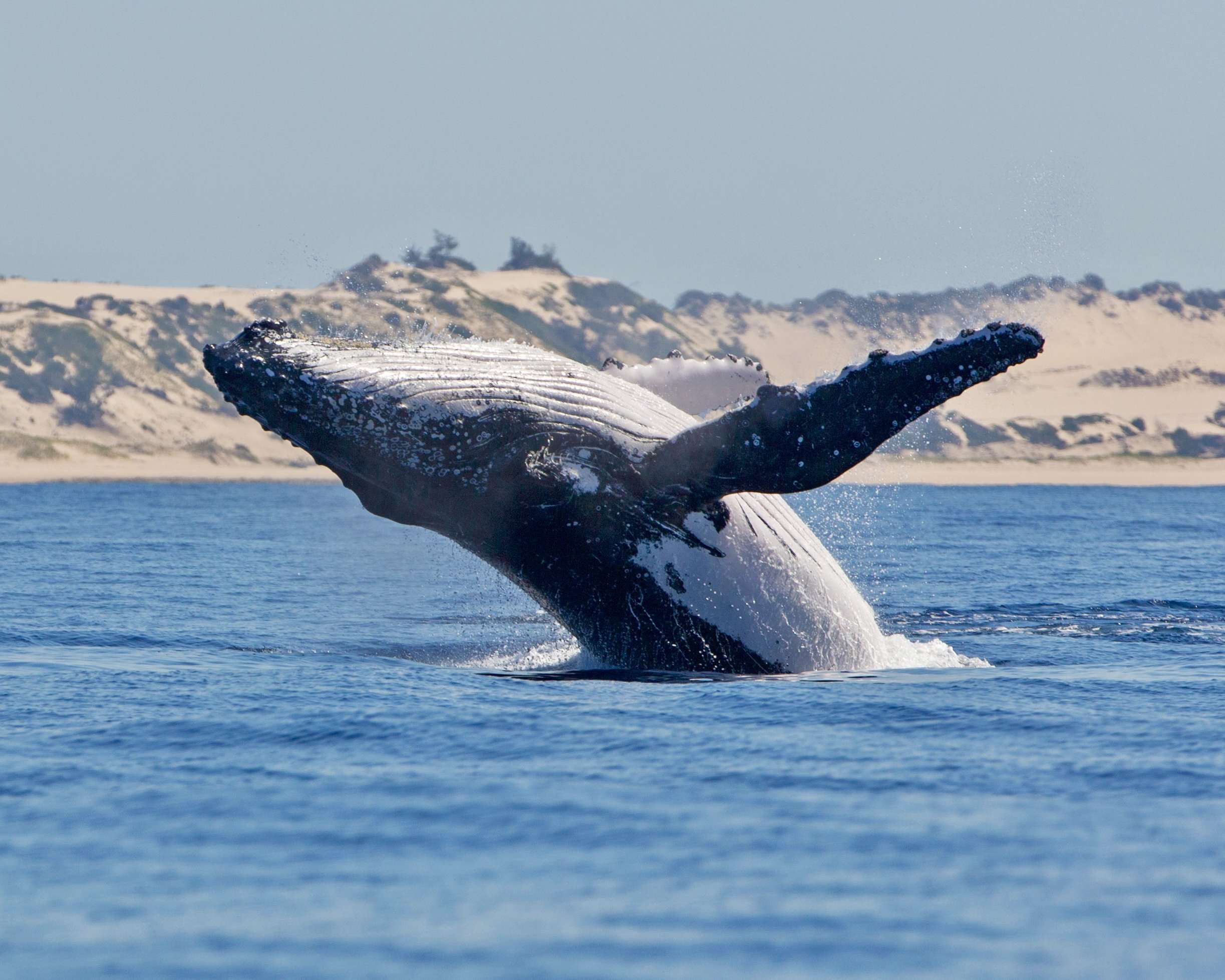
Humpback whales breach on the horizon each winter in Mozambique's Bazaruto Seascape, where MMF works with fishers to reduce netting in critical habitat.

Adopt a humpback whale · $39Personalized certificate · Instant download

Photo: Oliver Tsappis / Unsplash

Your humpback whale adoption

Adopt a humpback whale for someone who loves the ocean. This symbolic adoption comes with a personalized certificate and supports MMF's work, including conservation in Mozambique's Bazaruto Seascape, where humpbacks visit each winter.

  • Winterwhen humpbacks visit Mozambique's Bazaruto Seascape
  • 1,430 km²Bazaruto Archipelago National Park, established in 1971
  • 400 kmof coast covered by the acoustic receiver network MMF shares with partners
  • 6,220children graduated from Ocean Guardians since 2012

What you'll give

The name stays in your browser and is not stored by MMF. You can change it after checkout.

Plus a gift card with your own message:

  • Birthday gift cardBirthday
  • Valentine's Day gift cardValentine's Day
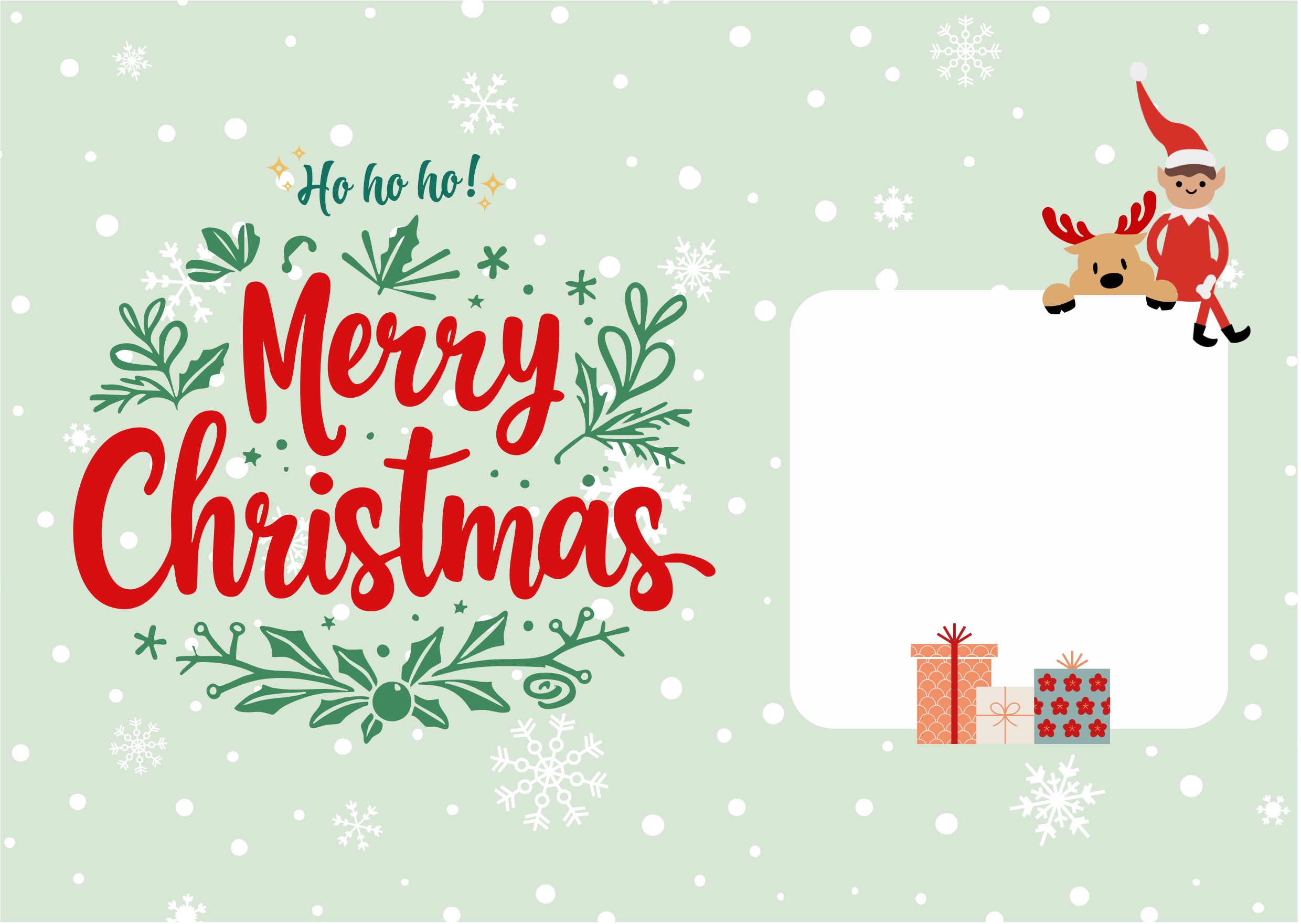
  • Christmas gift cardChristmas
Dr. Simon Pierce

Signed by the scientist

Every adoption certificate is signed by MMF's Co-Founder & Executive Director.

Dr. Simon PierceCo-Founder & Executive Director, Marine Megafauna Foundation

Why adopt a humpback whale?

Every winter, humpback whales (Megaptera novaeangliae) visit Mozambique's Bazaruto Seascape, and they can be seen breaching on the horizon. When you adopt a humpback whale through the Marine Megafauna Foundation (MMF), you support the team protecting the waters these whales pass through.

Humpbacks are also proof of what protection can do. After fieldwork in Australia in 2024, where he watched thousands of humpback whales migrate past, MMF co-founder Dr. Simon Pierce wrote that the whales, almost wiped out by the 1960s, are nearly back to pre-whaling numbers. In his words: "Turns out, we just needed to stop killing them."

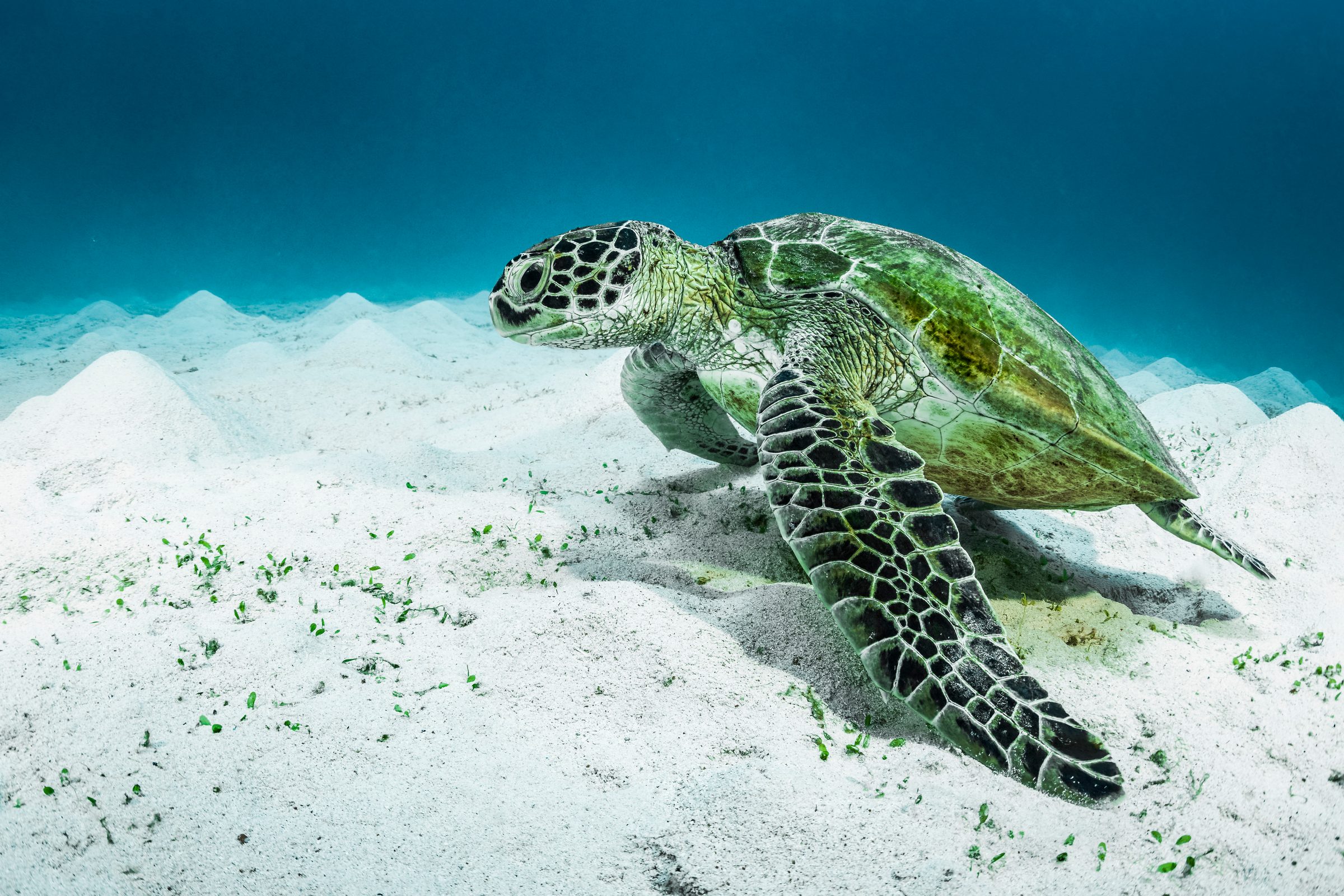
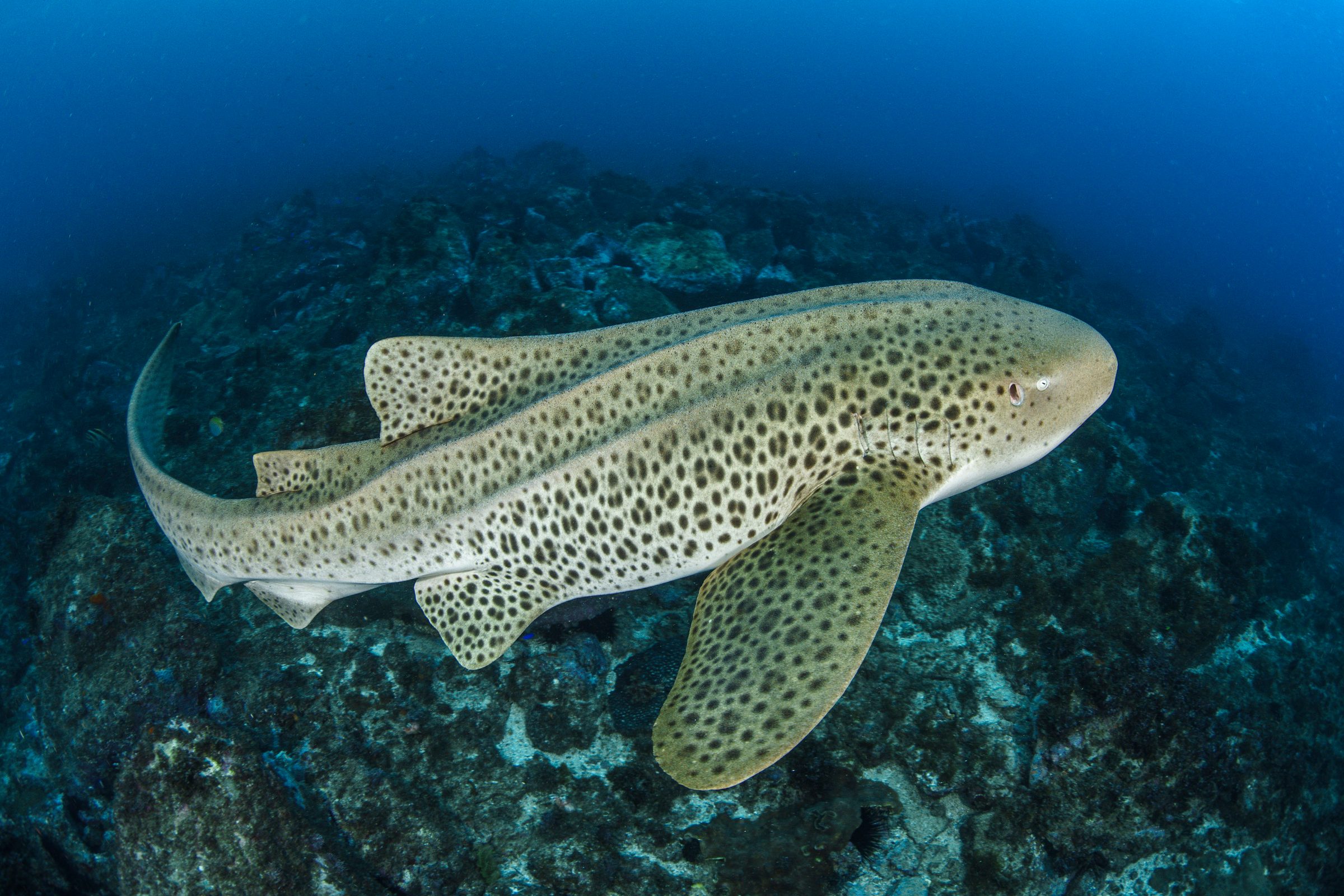
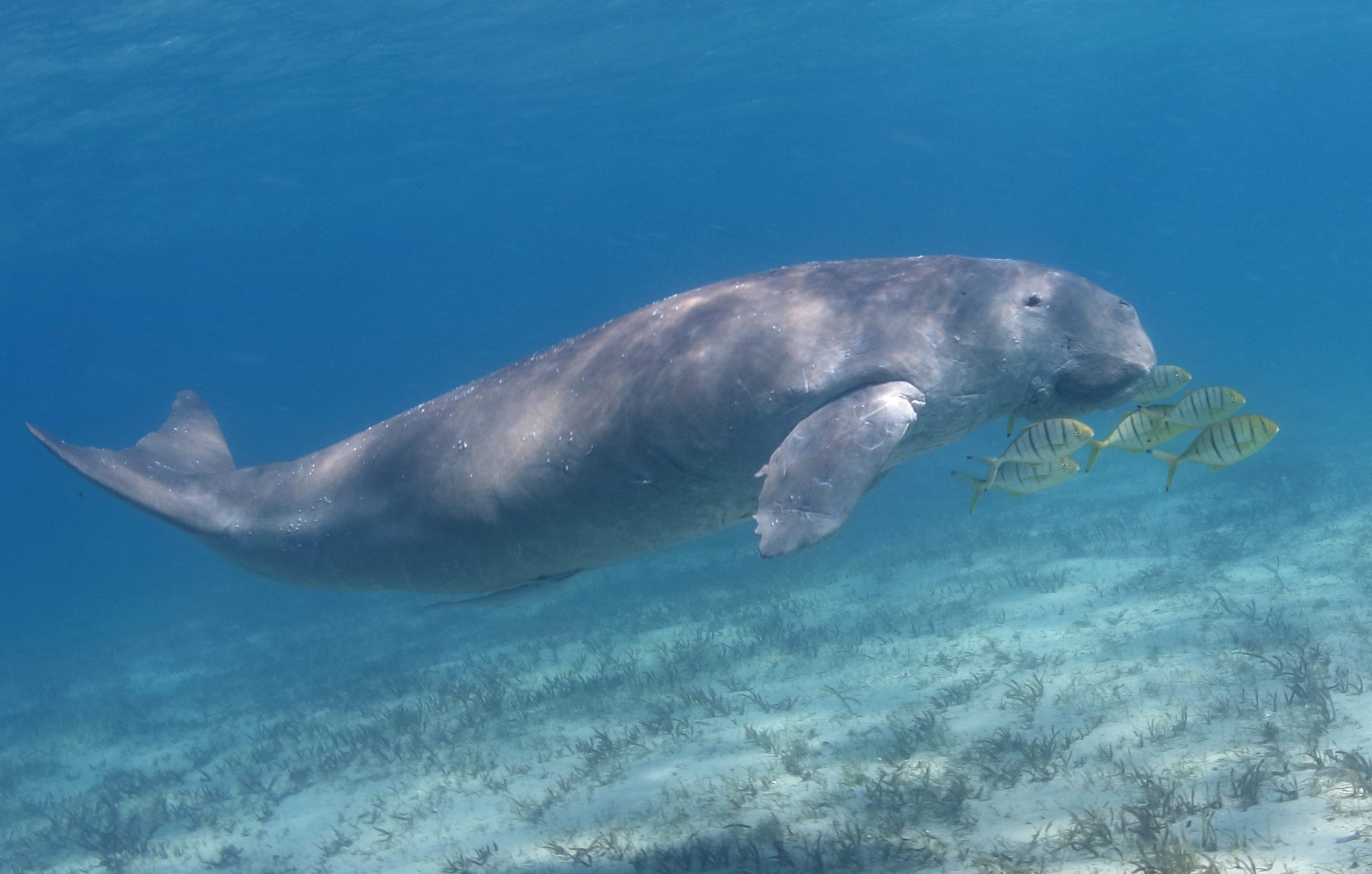
The whales' winter waters are shared with threatened sharks, rays, sea turtles, and dugongs. Fishing along Mozambique's Inhambane coast has increased sharply, much of it with non-selective gillnets, and has contributed to steep declines in manta and devil rays, whale sharks, sea turtles, and dugongs. Humpbacks are caught in those nets too: a 2022 review of the western Indian Ocean notes that information is limited, but that stranding reports and bycatch records show humpback whales entangled in gillnets off Mozambique, Tanzania, South Africa, and Mayotte. Substantial areas of the province remain unprotected and unmonitored.

About humpback whales

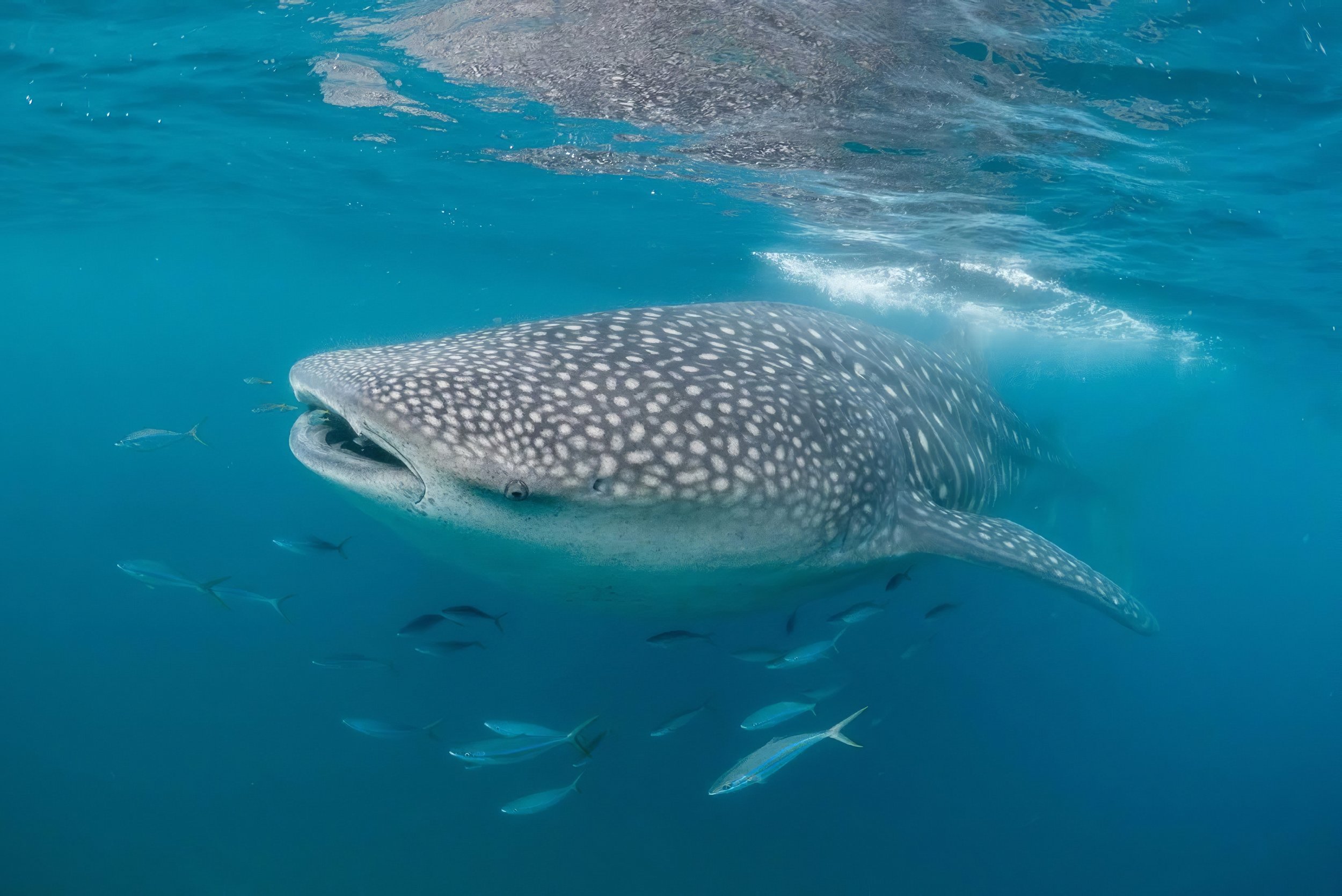
MMF does not run a humpback whale research project. Humpback whales are mammals, and they reach lengths similar to whale sharks, the largest fish, but are far heavier.

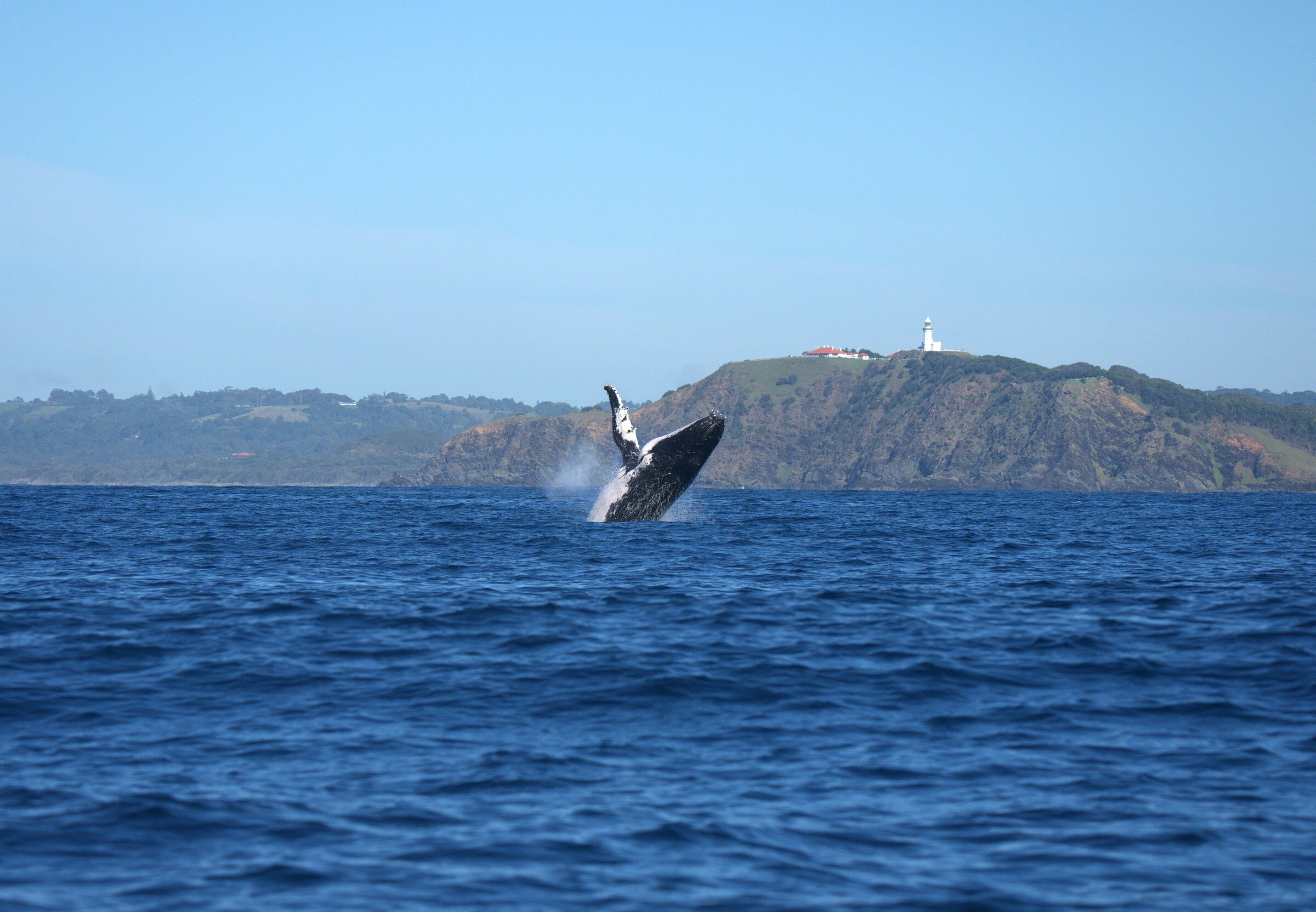
Mozambique's Inhambane Province is used by numerous species of cetaceans. Besides the winter visitors to the Bazaruto Seascape, humpback whales visit Závora Bay, MMF's southernmost site, in season, and Závora is an important habitat for them.
How your humpback whale adoption helps

MMF does not run a humpback whale project. Your humpback whale adoption supports MMF's work as a whole, including our Migratory Species Program and our work in the Bazaruto Seascape in Mozambique, where MMF scientists have worked since 2013 and Dr. Clare Prebble leads the program today. Reducing gillnet use in critical habitat, the focus of our work with local fishers, can also benefit the whales that winter along this coast.

In the Bazaruto Seascape, that work includes:

  • Marine protected areas. We work with the managers and rangers of Bazaruto Archipelago National Park, created in 1971 as one of Mozambique's first marine protected areas, and its neighbor, The Sanctuary (Santuário Bravio de Vilanculos). In 2023, MMF data helped secure two IUCN Important Shark and Ray Areas covering both.
  • Monitoring. A network of acoustic receivers runs roughly 400 km (250 miles) along the coast, from Závora to Bazaruto Island, following tagged sharks and rays. In 2025 the team also completed 158 baited camera deployments in the seascape.
  • Working with fishers. With The Sanctuary and the local community fishing council, we are working to establish a protected no-netting area, supported by patrol boats, trained rangers, and a ranger camp, and since late 2025 local fishers have been training in selective handline fishing. Through Sustainable Seas, 90 Ocean Ambassadors work in seven fishing communities.
  • Education. Ocean Guardians, our UNESCO-recognized program, teaches marine conservation, swimming, and water safety. Since 2012, 6,220 children have graduated from its curriculum.

Ready to help? A humpback whale adoption is $39, with a personalized certificate to download straight after checkout.

Adopt a humpback whale · $39
How it works

  1. 1

    Adopt

    Pay securely in the pop-up. Your receipt arrives by email.

  2. 2

    Add the name

    Type the adoptee's name and see it on the certificate.

  3. 3

    Download and give

    Download the certificate and a gift card, then print or forward them.

Humpback whale adoption FAQs

When can you see humpback whales in Mozambique?

In the Bazaruto Seascape, visiting humpback whales can be seen breaching on the horizon throughout the winter months. Farther south, Závora Bay is visited by humpback whales in season.

Does MMF run a humpback whale research project?

No. Humpback whales visit the Bazaruto Seascape each winter, where we work on Mozambique's sharks, rays, sea turtles, and dugongs, and a humpback whale adoption supports MMF's work, including that wider conservation work in the Bazaruto Seascape.

Are humpback whales recovering?

After fieldwork in Australia in 2024, MMF co-founder Dr. Simon Pierce wrote that the humpback whales migrating past Australia, almost wiped out by the 1960s, are nearly back to pre-whaling numbers. He sees the same path open for whale sharks if people stop killing them.

How big is a humpback whale?

Humpback whales reach lengths similar to whale sharks, the largest fish, but are far heavier, as our whale shark size guide explains.

What is a symbolic adoption?

A symbolic adoption is a gift to MMF's work as a whole. We use it where it does the most good, and that includes the research and conservation behind the animal you chose. No animal is taken from the wild or sent to you. Your certificate records your support.

What do I receive?

A personalized adoption certificate (PDF) with the name you choose and the date, ready to download as soon as checkout is complete. You can also make a gift card for a birthday, Valentine's Day, or Christmas with your own message. Both are yours to print or send by email.

Can I give an adoption as a gift?

Yes. Type the recipient's name for the certificate and write your message on the gift card. Because everything is digital, it works as a last-minute gift too.

How do I get my certificate?

After checkout you are taken to a page where you type the name and download the certificate. The link to that page is also in your receipt email, so you can come back to it later.

Is my adoption tax-deductible?

Your adoption is tax-deductible in the USA. MMF is a registered 501(c)(3) non-profit conservation organization, and you receive a receipt by email.

Is anything sent by mail?

No. The certificate and card are digital files, so nothing is printed or shipped.

Adopt a Humpback Whale · $39

Secure checkout by Donorbox. As soon as your adoption is complete you can make your certificate and gift card.

Form not loading? Open the secure checkout in a new tab.