
Join whale shark expert Dr. Simon J Pierce and the MMF team in remote Cenderawasih Bay, home to one of the world’s most reliable whale shark encounters — with 100% of profit supporting MMF’s research, education, and conservation work.
Dive Cenderawasih Bay with MMF
Cenderawasih Bay is Indonesia’s largest national park and one of the most remote corners of the Bird’s Head Seascape — the same region as Raja Ampat, but visited by only a handful of liveaboards each year.
This entire area is unspoiled, with a very small population and many parts uninhabited. More than 500 species of coral have been recorded in the bay, including some of the healthiest hard coral gardens anywhere, and its long isolation has produced fish found nowhere else on Earth — endemic species like Walton’s flasher wrasse, Cenderawasih’s own damselfish, and a dottyback all await sharp-eyed divers. And then there are the whale sharks.
Trip Highlights
-
Close encounters with the famous whale sharks of Kwatisore Bay — hosted by one of the world’s leading whale shark scientists.
-
Learn how MMF’s whale shark research works, with evening science presentations.
-
Dive rarely-visited reefs, WWII wrecks, and endemic-species sites far off the beaten track.
-
Cruise on the brand-new Coralia Dua, sister ship of the award-winning Coralia.
-
Expert underwater photography guidance and a dedicated full-width camera room.
2028 Departures
Trip 1: August 8–18, 2028 (10 nights, Manokwari to Manokwari)
Master Cabin: US$8,500 per person
Lower Deck Cabin: US$7,500 per person
Trip 2: August 20–September 1, 2028 (12 nights, Manokwari to Sorong)
Master Cabin: US$10,200 per person
Lower Deck Cabin: US$9,000 per person
The second departure finishes in Sorong — the gateway to Raja Ampat — crossing the remote Bird’s Head coastline that very few divers ever see. National park, port, and fuel fees (US$410 per person) are paid on board. Booking is confirmed with a 30% deposit, with the balance due 120 days before departure — see our trips terms and conditions. Enquire below for current availability.
The Whale Sharks of Kwatisore Bay
Cenderawasih Bay offers something found almost nowhere else: whale sharks that reliably gather year-round, close to shore, in calm water.
The whale sharks here have learned to visit the bagans — traditional fishing platforms — where they suck on the nets to release some of the fishermen’s catch. The fishermen consider these huge fish good luck, and throw handfuls of baitfish to keep them close. We’ll arrive in the area the evening before, check with the fishermen who have seen sharks at their bagans that day, and head out early the next morning. On a good day, several whale sharks may circle the platforms for hours, mouths agape, giving us some of the closest and most extended encounters possible with the world’s biggest fish — in conditions that suit snorkelers just as well as divers.
For MMF, these trips are working science: Dr. Pierce founded MMF’s flagship whale shark research program and led the most recent IUCN Red List assessment of the species. You’ll see how photo-identification research works in the water, and every shark we identify contributes to understanding this population.
Wrecks, Reefs, and Endemics
Cenderawasih rewards divers far beyond the whale sharks. In Manokwari harbour we can explore excellent World War II wrecks, including a huge Japanese freighter and a former coastal patrol boat, now encrusted in coral and packed with marine life. At Tanjung Mangguar, one of the bay’s most beautiful sites, soft coral carpets attract schooling barracuda, trevally, and surgeonfish — with chances of manta and mobula rays out in the blue. Tridacna Atoll’s deep drop-offs and sponge-covered fringing reefs are among the fishiest sites in the bay, and around Roon and Pulau Rippon we’ll find hard coral ridges, sea fans, turtles, bumphead parrotfish — and even a beachside waterfall that flows straight into the sea.
Throughout the trip, our guides will help you find the bay’s endemic fish — Walton’s flasher wrasse, the damselfish Chrysiptera pricei, and the dottyback Pictichromis caitlinae — plus critter favorites like ghost pipefish, walking sharks, and reef octopus on night dives.
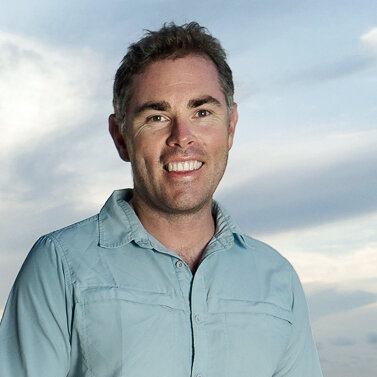
DR. SIMON PIERCE
Dr. Pierce founded MMF’s flagship research program on whale sharks, and is a world expert on the species. Simon works globally on whale shark conservation issues, and led the most recent IUCN Red List assessment of the species. He is also a scientific advisor to the online global whale shark database, and regional co-chair of the IUCN Shark Specialist Group.
The Coralia Dua
A New Ship from the World’s Best Liveaboard Team
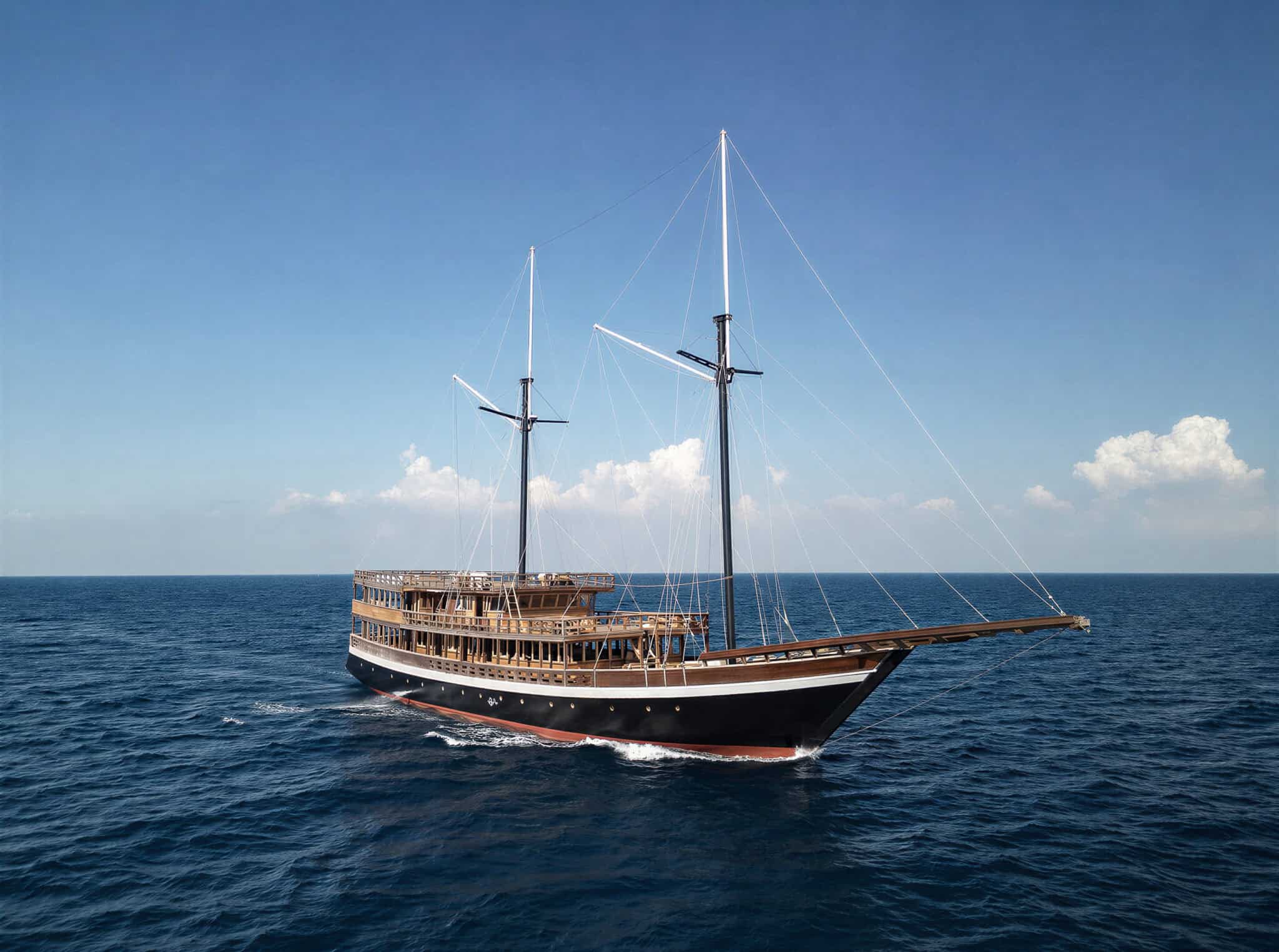
Our 2028 expeditions sail aboard the brand-new Coralia Dua, sister ship of the original Coralia — voted the World’s Best Liveaboard — and run by the same team, with Cruise Directors Debbie and Jerry Arriaga. At 52 meters long and over 10 meters wide, Coralia Dua carries just 16 guests in eight well-appointed cabins: four 35 m² Master Cabins on the main and upper decks, each with a private deck overlooking the ocean, plus Deluxe Double and Deluxe Twin cabins on the lower deck.
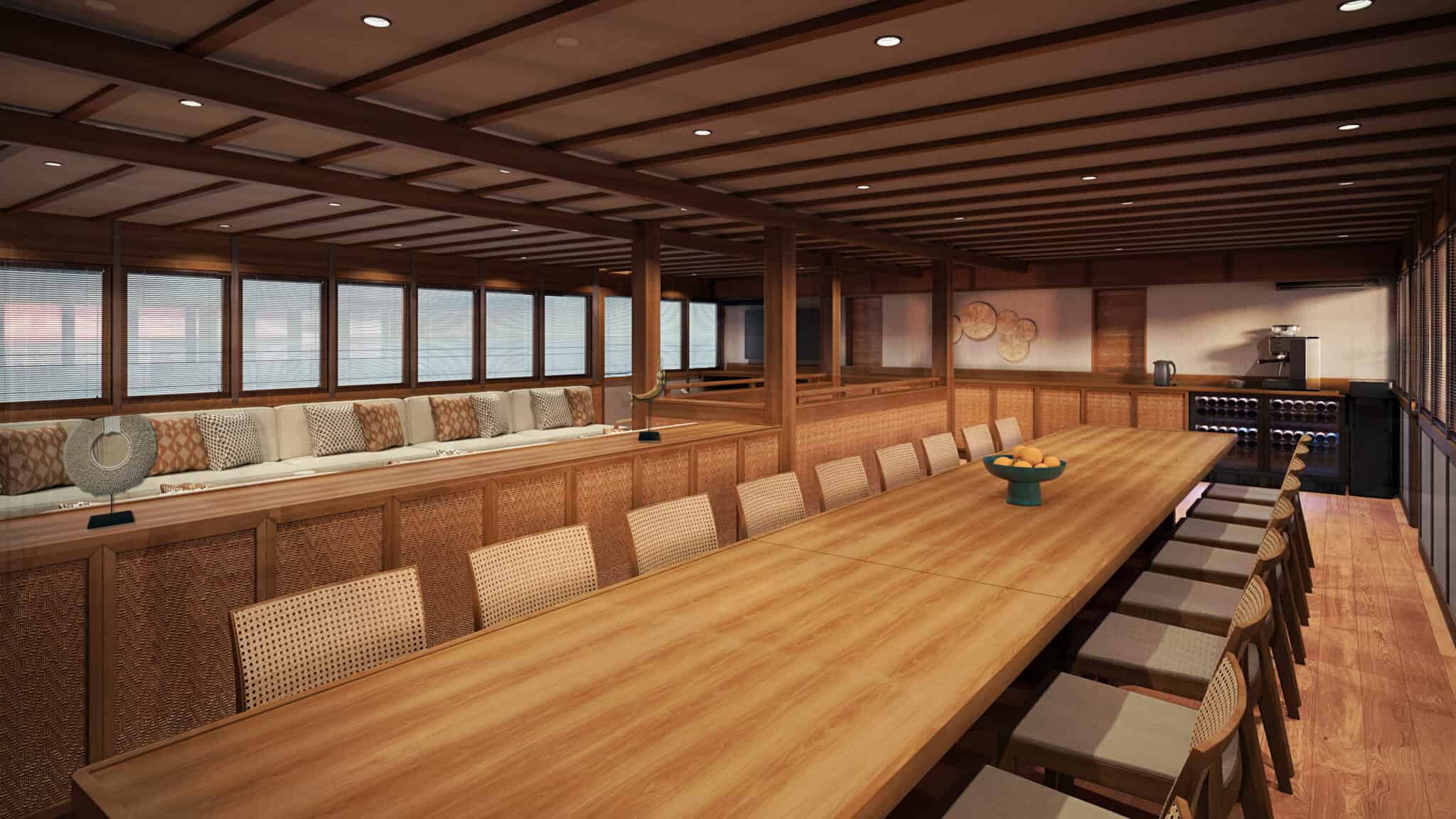
Built for divers, she features a full-width camera room with individual workstations, a spacious dive center, free Nitrox, an onboard masseuse, complimentary satellite WiFi, and open-air lounging and dining areas for relaxing between dives — all supported by 21 crew and 2 cruise directors, the warm, attentive service Coralia is known for.
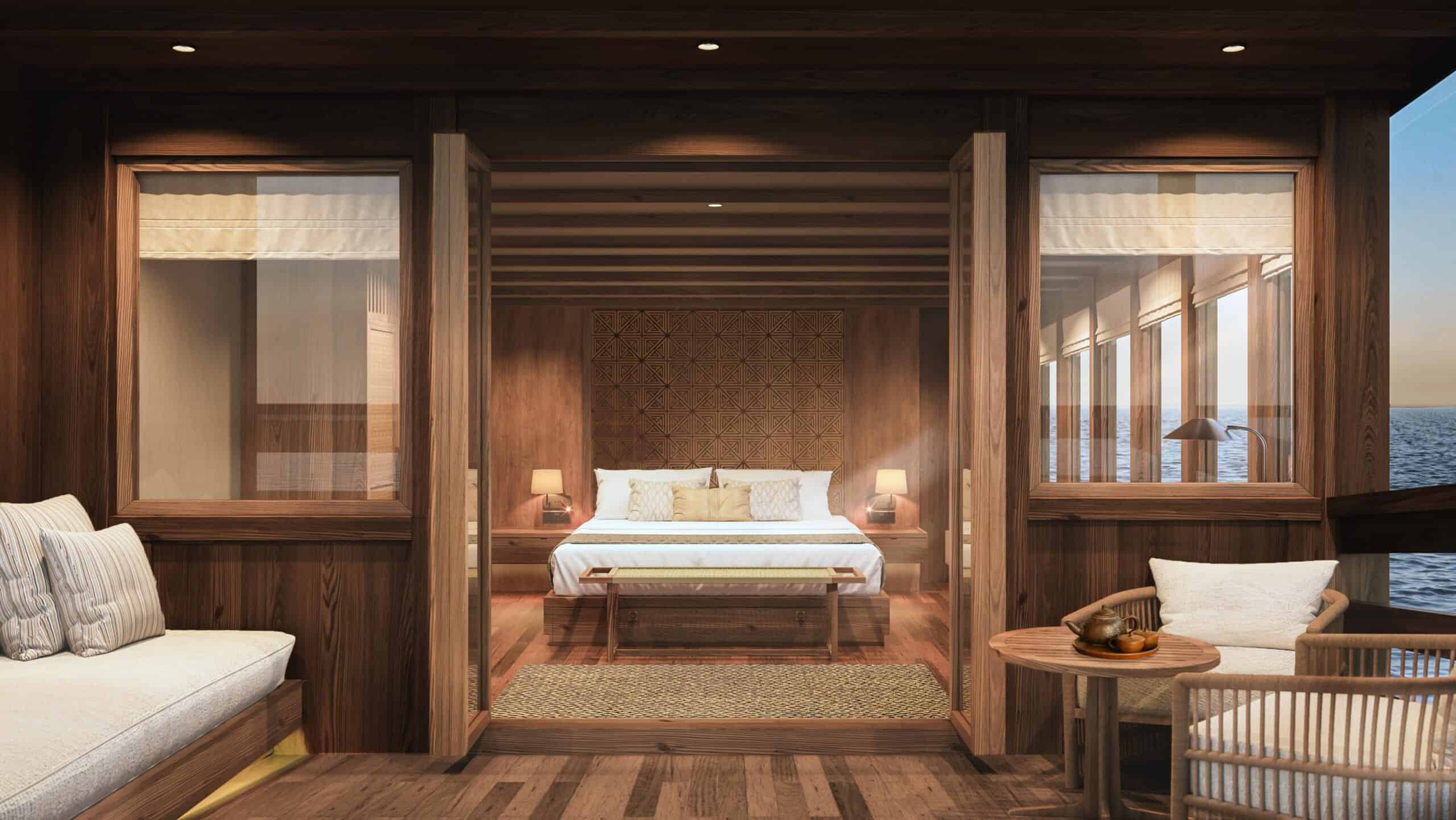
Master Cabin

Deluxe Double Cabin
Enquire
Open trip dates:
August 8–18, 2028 (10 nights, Manokwari–Manokwari)
August 20–September 1, 2028 (12 nights, Manokwari–Sorong)
Prices per person:
Trip 1 — Master: $8,500 / Lower Deck: $7,500
Trip 2 — Master: $10,200 / Lower Deck: $9,000
Hosted by Dr Simon J Pierce
-
Inclusions
-
Liveaboard cruise on Coralia Dua
-
Up to four dives a day
-
Complimentary Nitrox
-
Shore excursions according to the program
-
All meals and snacks, every day
-
Hot and cold soft beverage selection
-
Tanks, weights, belts
-
Airport transfers at Manokwari and Sorong
-
Presentations from MMF hosts
-
-
Exclusions
-
International or domestic flights
-
Manokwari or Sorong accommodation
-
National park, port, and fuel fees ($410 pp, paid on board)
-
Dive courses
-
Dive gear rental *
-
Alcoholic beverages **
-
On-board massages
-
Laundry
-
Use of on-board satellite phone
-
Encouraged gratuity
-
Travel insurance ***
-
Learning with us on board
Every MMF expedition is led by a working marine scientist, and the science is part of the trip rather than an add-on. Across the voyage your host gives a series of evening presentations — on the animals we're looking for, how they're studied, what the current research actually shows, and the threats these populations face. There's time to ask the questions you never get to ask a researcher in person, and photography guidance for anyone who wants to come home with better images.
Your photographs do real work. Whale sharks and manta rays can be identified individually by their natural markings — the spot patterns on a whale shark's flank, the markings on a manta's underside — the same way a fingerprint identifies a person. Guests are shown how to take an identification shot, and the photographs taken during the trip are contributed to the global photo-identification databases that researchers around the world draw on. Sightings you record become part of the long-term record for that population.
Marine Megafauna Foundation is a registered 501(c)(3) non-profit. Our expeditions exist to bring people into contact with these animals and send them home understanding them — and 100% of the profit supports MMF's research, education, and conservation work.