
The animals we study
Facts, guides and our research on the ocean giants at the heart of our work. Search by common or scientific name.
Shark
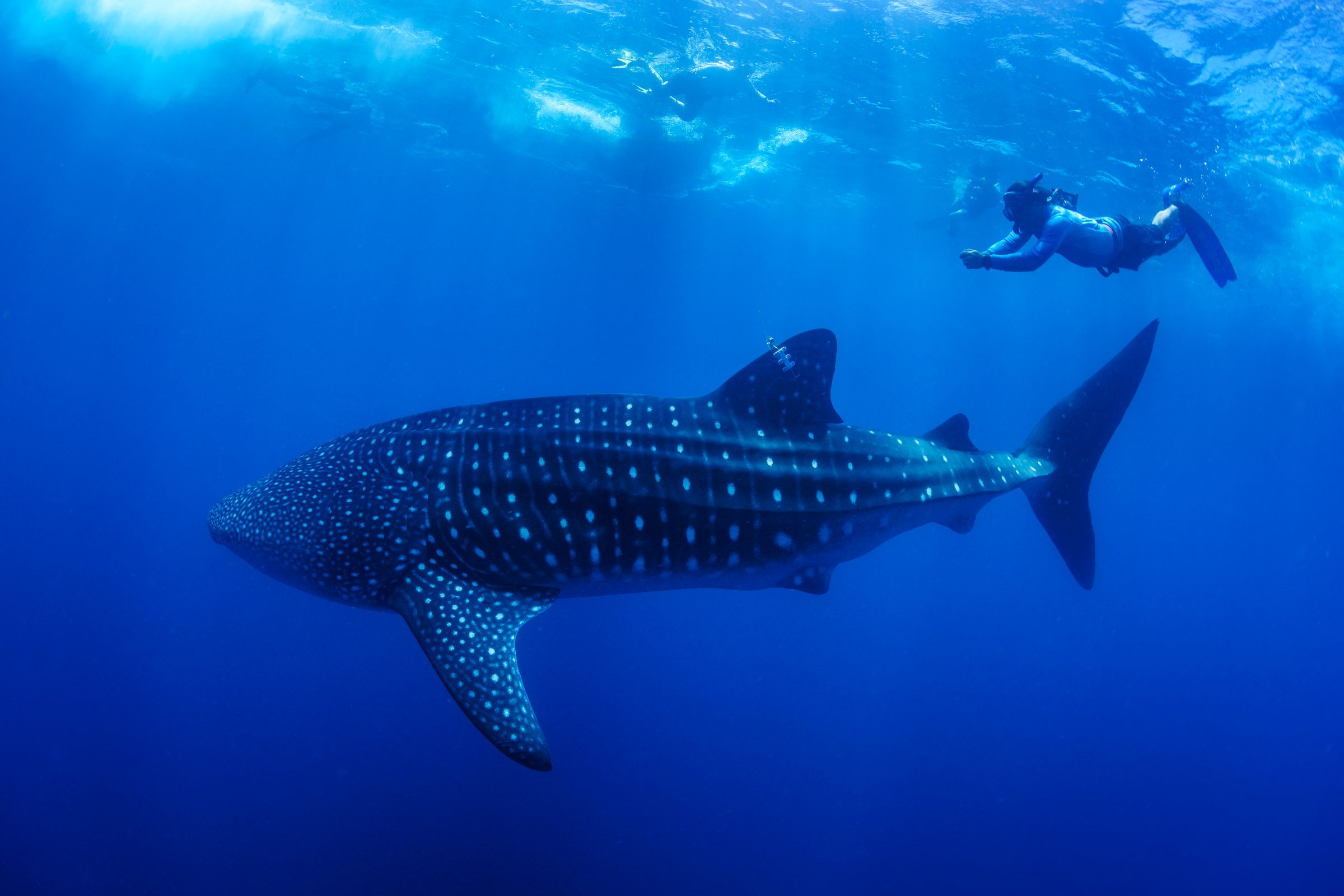
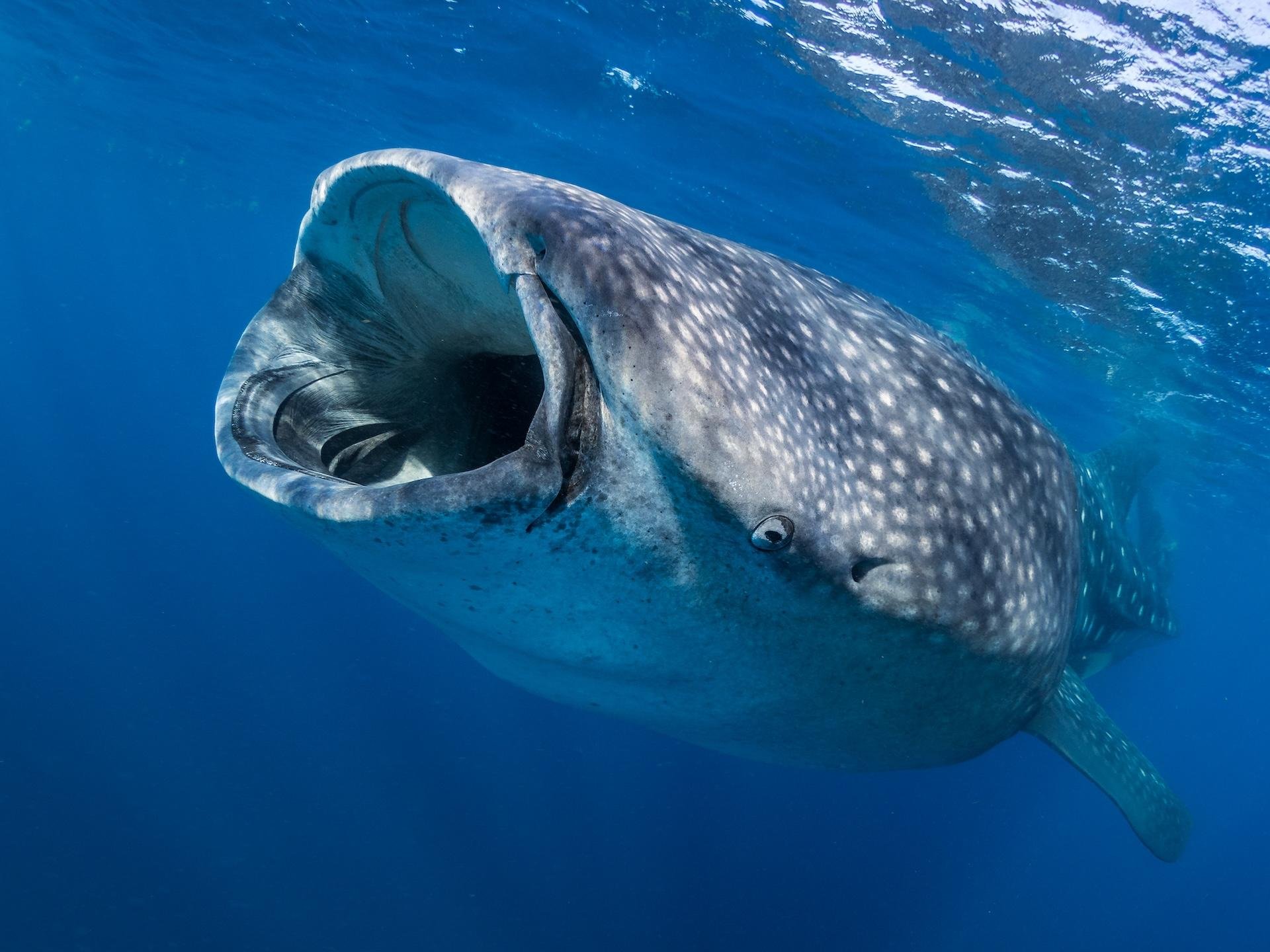
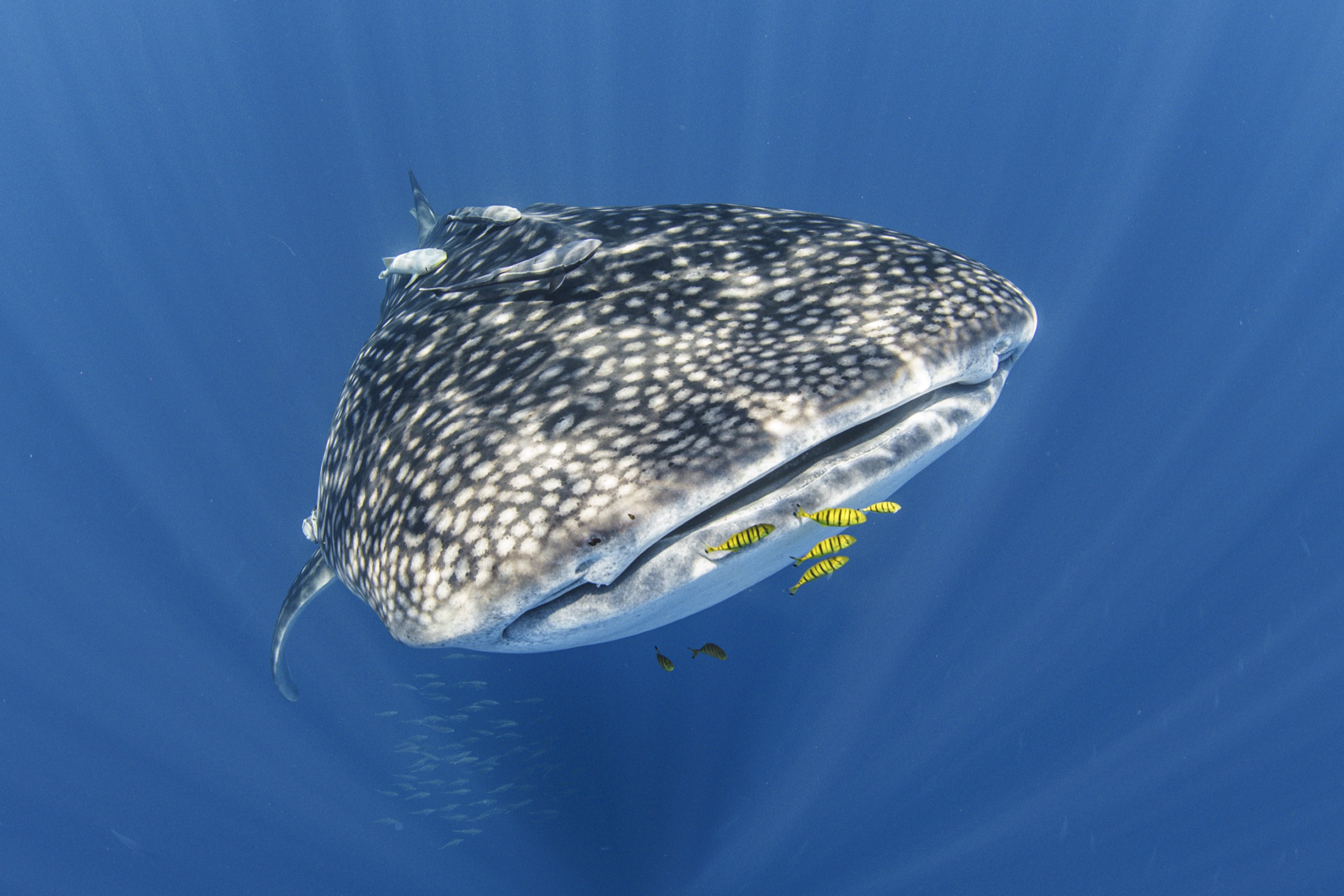
Whale shark
Rhincodon typus
The biggest fish in the ocean, and one of the least known: a spotted filter feeder that gathers at a handful of coastal sites, ranges across whole ocean basins, and is inferred to have lost 50 to 79% of its numbers over the past three generations.
IUCN Red List: Endangered
Rays: three species
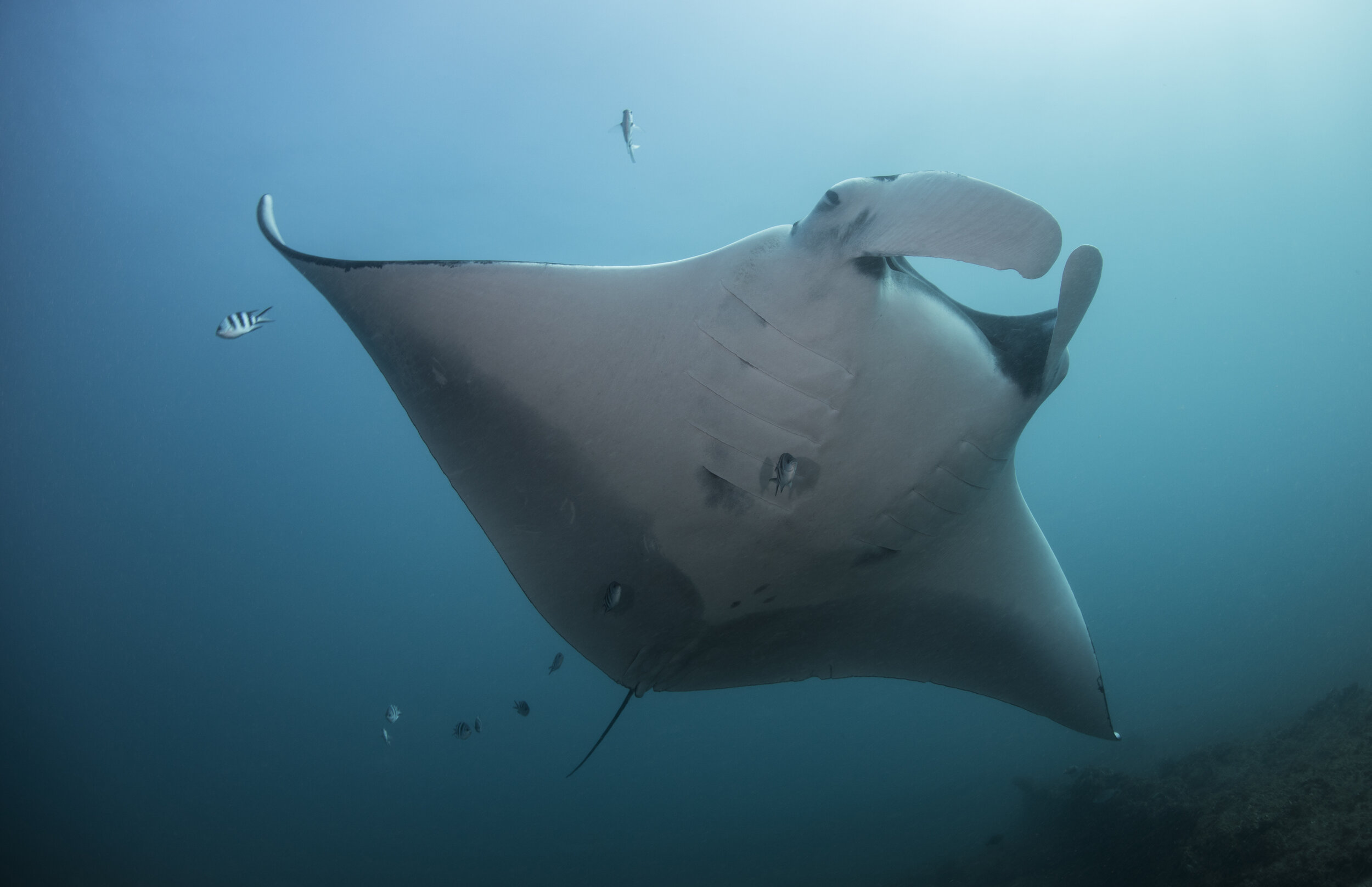
Manta rays
The ocean's largest rays: three species, and every manta carries a unique pattern of spots on its underside.
- Reef manta ray Mobula alfrediVulnerable
- Oceanic manta ray Mobula birostrisEndangered
- Atlantic manta ray Mobula yarae
Shark
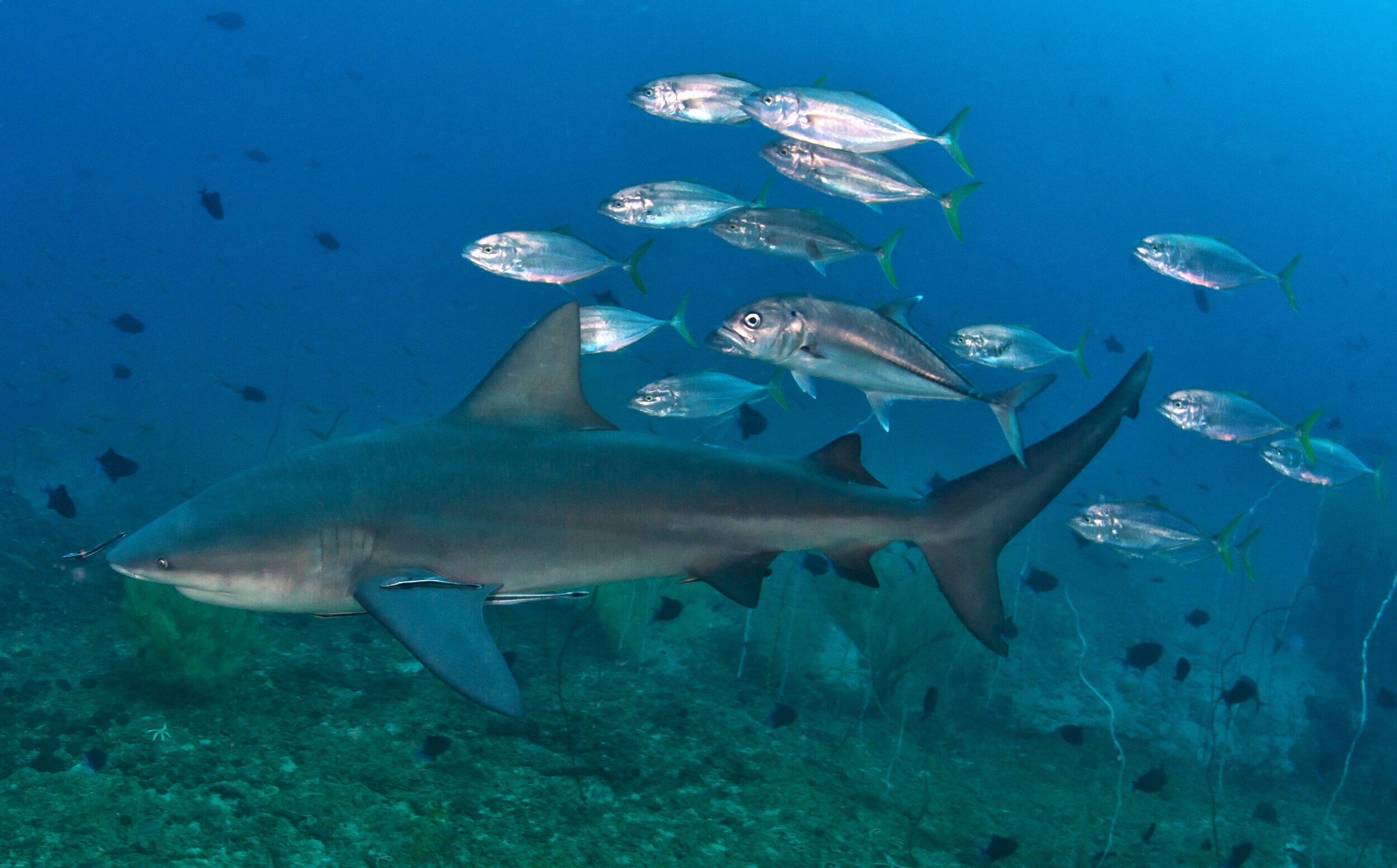
Bull shark
Carcharhinus leucas
The shark that swims up rivers: a heavy-bodied coastal predator that raises its pups in estuaries, crosses international borders as a matter of routine, and is caught in fisheries at every stage of that journey.
IUCN Red List: Vulnerable
Sharks: about ten species
Hammerhead sharks
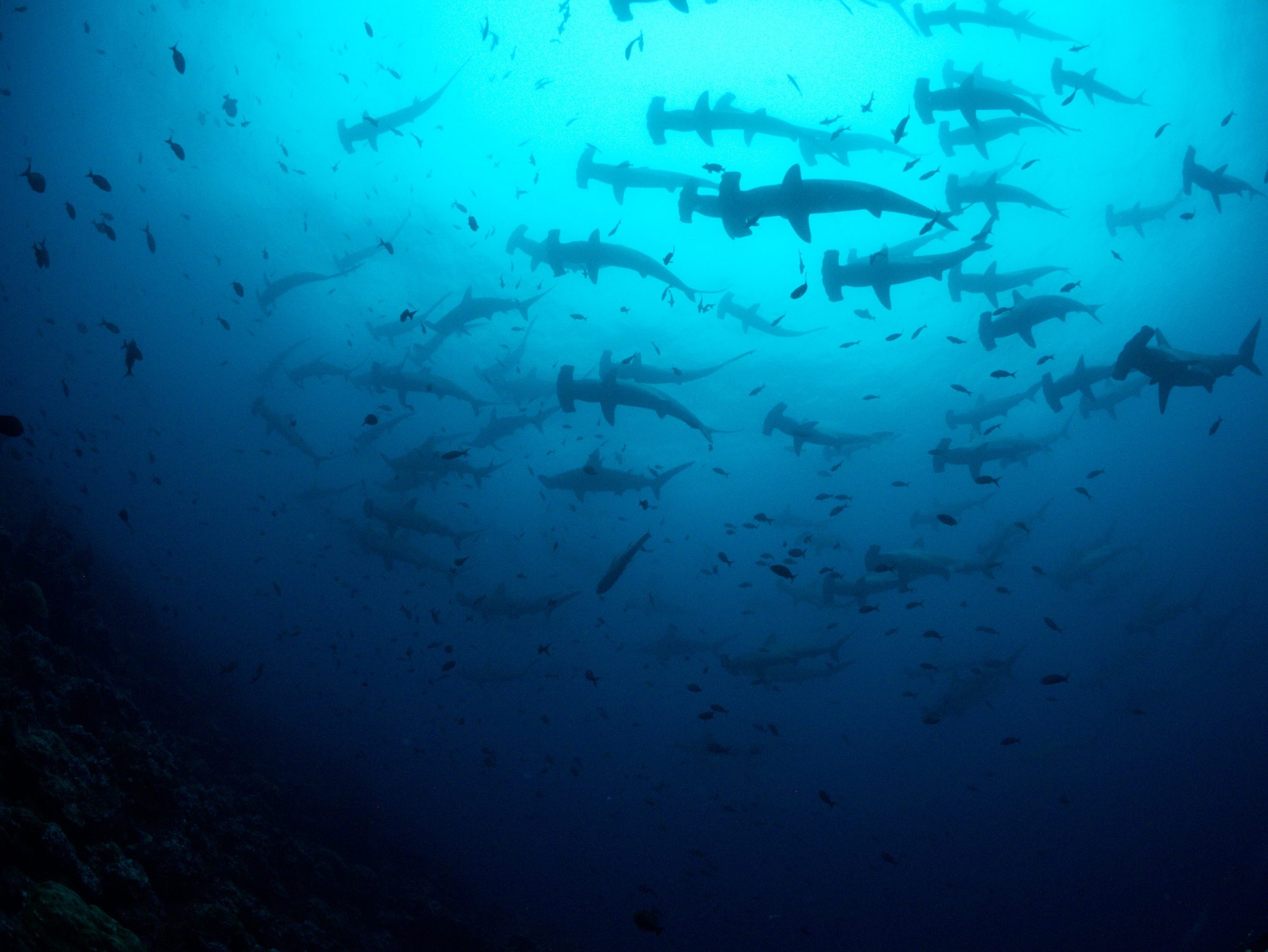
About ten species of shark with a hammer for a head, from the solitary great hammerhead to the scalloped hammerheads that school in their hundreds at offshore islands.
- Scalloped hammerhead Sphyrna lewiniCritically Endangered
- Great hammerhead Sphyrna mokarranCritically Endangered
- Smooth hammerhead Sphyrna zygaenaVulnerable
Rays: a whole order
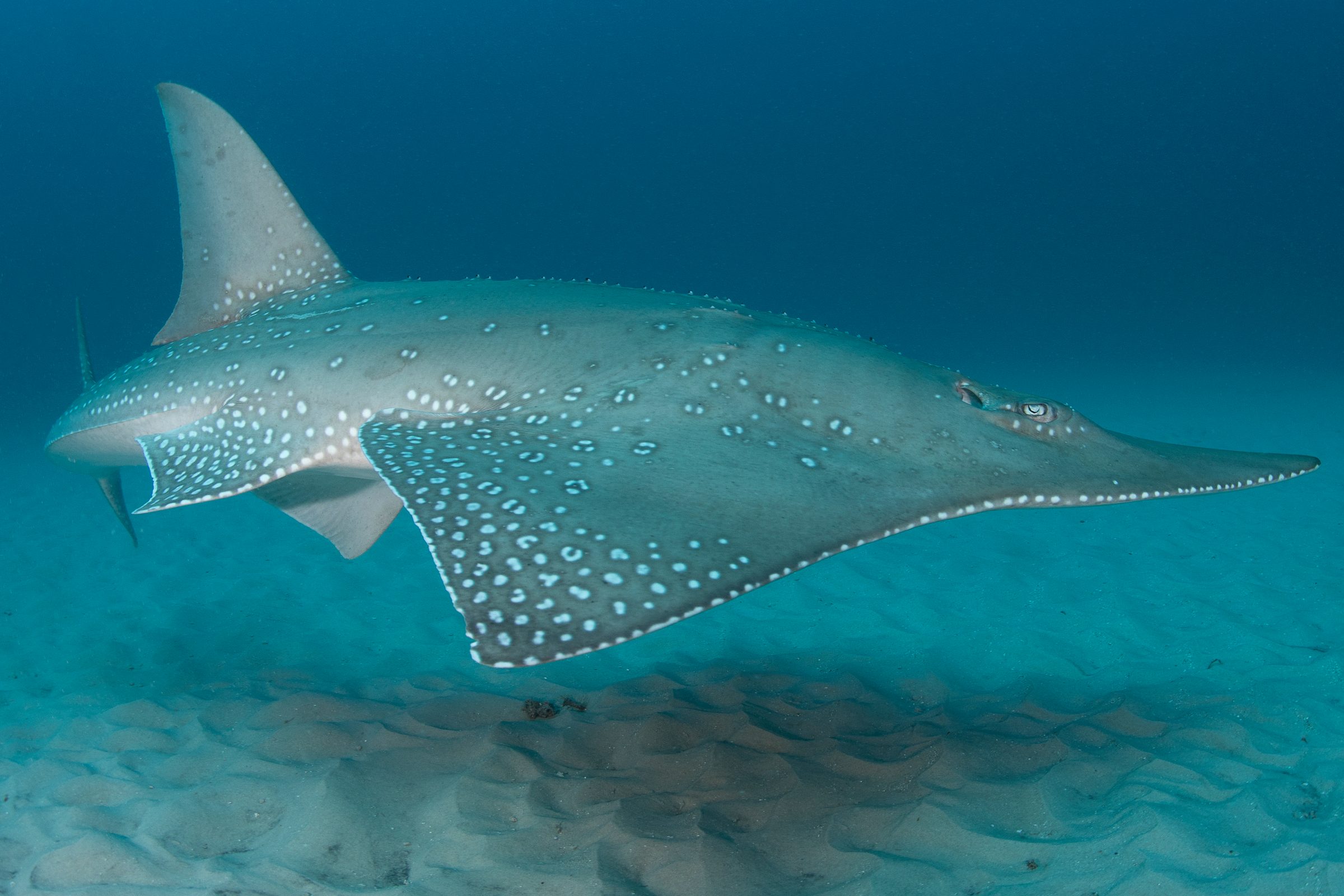
Rhino rays
Rhinopristiformes
Shark-like rays of warm, shallow coastal seas, and among the most threatened marine fishes on Earth.
Nothing matches. We may not study that animal yet; try a common or scientific name.
Travel with our scientists
Every MMF expedition is hosted by a working marine scientist, who shares the latest research and conservation discoveries about the animals you'll see.