Education
Our education programs run from children's swimming and ocean-education classes to the training of national staff who now lead entire programs.
Why education
For most of the threatened species we work on, the principal threat is direct: people kill them. Lasting protection therefore depends on changing human behavior, and on the people who live alongside these animals having the skills and the standing to lead that protection themselves. Our education programs work at two scales: directly with coastal communities and government officials where our projects are based, and more widely with students, divers, and visitors.
A pathway to leadership in Mozambique
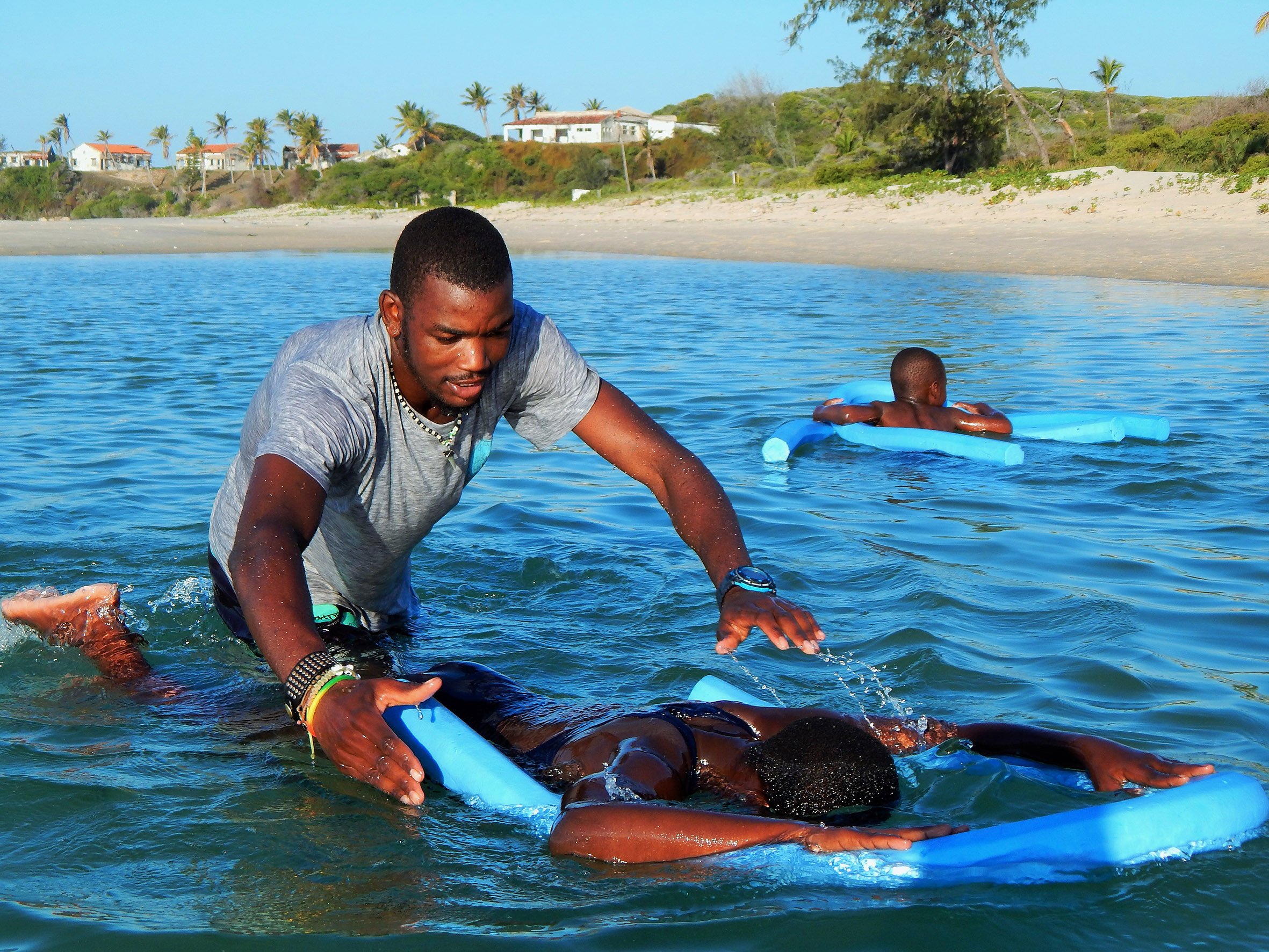
In Mozambique, our programs form a pathway from a child’s first swimming lesson to the leadership of a national program. Since 2012, 6,220 children have graduated from the curriculum of Ocean Guardians, our UNESCO-recognized program teaching marine conservation, swimming, and water safety on the Inhambane coast. Its Coral Reef Club then offers young adults aged 16 to 21 advanced English, internships, and business training. In seven fishing communities, the 90 Ocean Ambassadors of Sustainable Seas lead community talks and help fishers bring their concerns to government.
For university graduates, the Research Fellows program is a year-long internship with a stipend, and several of our permanent staff began there. MMF’s Country Manager in Mozambique, Emildo Patricio Vilanculo, volunteered with MMF for two years before training as a swimming instructor in 2016; he now leads our people and operations across the country.
Training and outreach in Indonesia
In Indonesia, a two-year Research Assistant program trains early-career marine scientists, two of whom went on to master’s degrees abroad in 2025. Janis Argeswara, MMF’s first Indonesian intern, later completed a master’s degree on the reef manta rays of Nusa Penida and now leads the national program. Our education and outreach work reaches the wider public through talks in English and Bahasa Indonesia, school visits with virtual reality headsets, and citizen-science and code-of-conduct training with more than 40 partner dive centers.
A pathway, from first swim to leading the work
Choose who the education is for to see how each program reaches them.
Children: Ocean Guardians
A UNESCO-recognized program in which local instructors have taught marine conservation, swimming, and water safety on Mozambique’s Inhambane coast since 2012.
How it is delivered
- A marine conservation curriculum taught in coastal schools
- Swim school and water safety
- Activities beyond the classroom and virtual reality films of Mozambican reefs
6,220children graduated from the curriculum since 2012
Young adults: The Coral Reef Club
Established in 2018 for young adults who have completed Ocean Guardians, the club offers advanced English, internships, and business training.
How it is delivered
- Courses in English and business skills
- Internships in fields such as fish farming, ecotourism, scuba diving, and lifeguarding
- Vocational courses with training providers since 2025
32members in 2025, half of them young women
Fishing communities: Ocean Ambassadors, Sustainable Seas
Ocean Ambassadors are local conservation leaders working in seven fishing communities as part of Sustainable Seas, which also supports community-managed fishing areas and new sources of income.
How it is delivered
- Community talks
- Helping fishers bring their concerns to government
- Support for community fisheries inspectors
5,867people reached by the Ambassadors' community talks in 2025
Graduates and early-career scientists: Research Fellows and Research Assistants
In Mozambique, the Research Fellows program is a year-long internship with a stipend; several of our permanent staff began there. In Indonesia, a two-year Research Assistant program trains early-career marine scientists; two of them went on to master’s degrees abroad in 2025.
How it is delivered
- Year-long fellowships with a stipend
- Two-year research assistant posts
- Internships for students and early-career researchers in Indonesia
Students, divers, and visitors: Education and Outreach, Indonesia
Public talks, school visits with virtual reality, citizen science with dive centers, and hands-on training that build understanding and care for Indonesia’s marine megafauna.
How it is delivered
- Public talks in English and Bahasa Indonesia
- School visits with virtual reality headsets
- Citizen science and code-of-conduct training with dive centers
40+partner dive centers across Bali, Komodo, West Nusa Tenggara, and the Derawan Islands in 2026
Projects that do this work
7 current projects include education in their work.
Current work 7
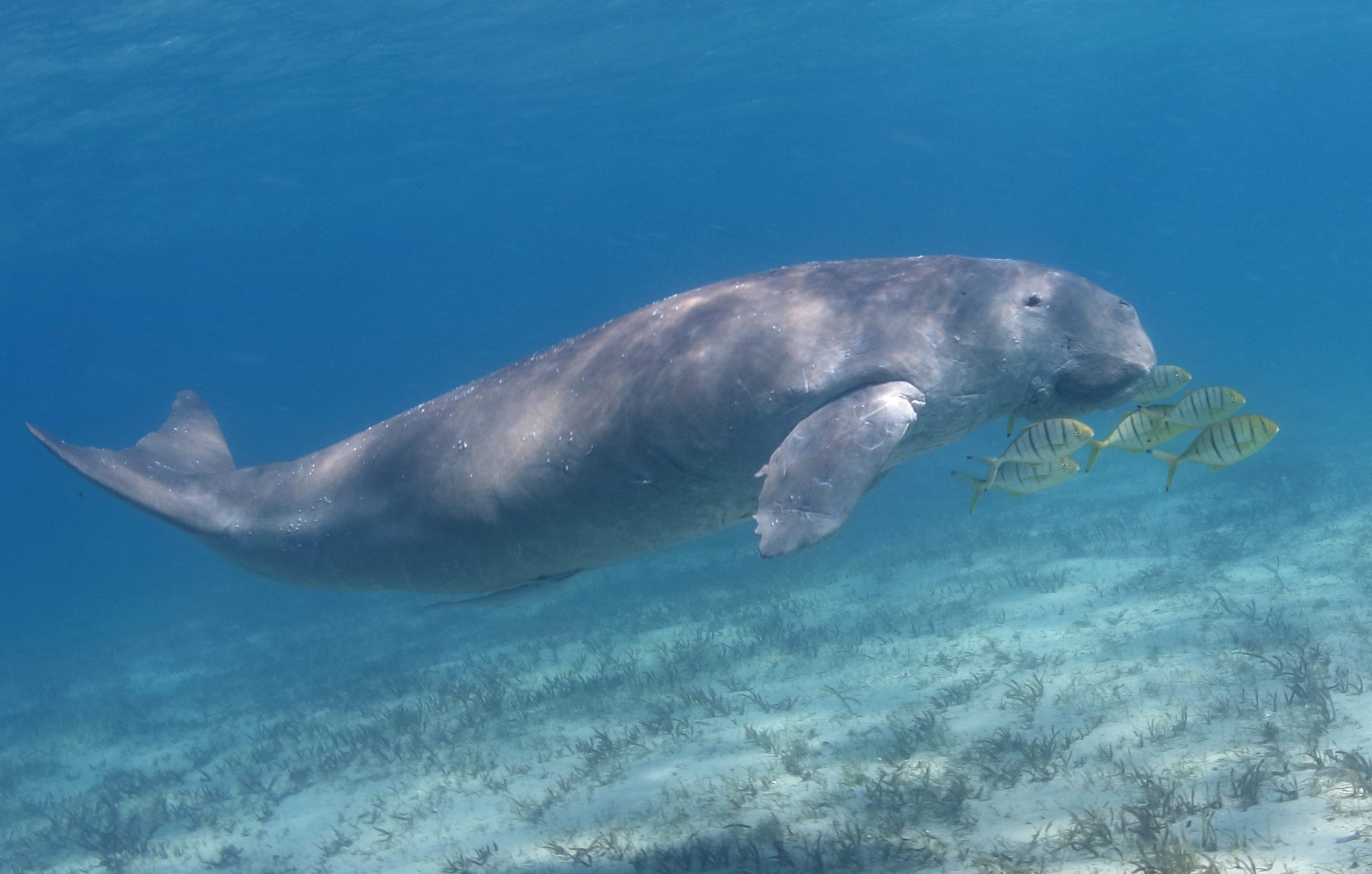 Inhassoro district, Bazaruto Seascape, MozambiqueDugong & Seagrass ConservationMapping the unprotected seagrass meadows of the Bazaruto Seascape, monitoring the dugongs that feed on them, and working with fishing communities to protect them.
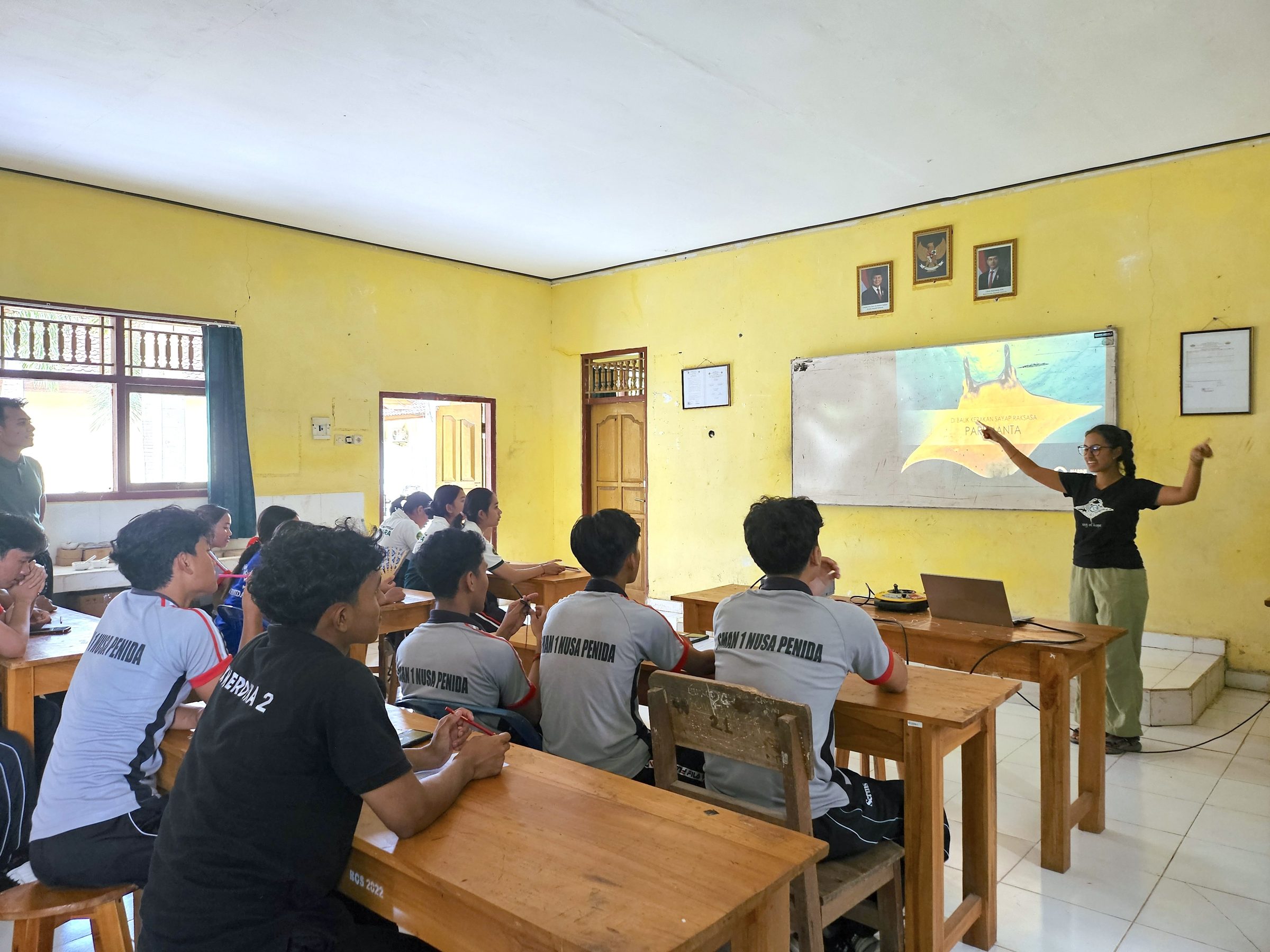 Nusa Penida (Bali); Komodo National Park (East Nusa Tenggara); West Nusa Tenggara; Derawan Islands (East Kalimantan)Education and OutreachPublic talks, school visits with virtual reality, citizen science with dive centers, and hands-on training that build understanding and care for Indonesia's marine megafauna.
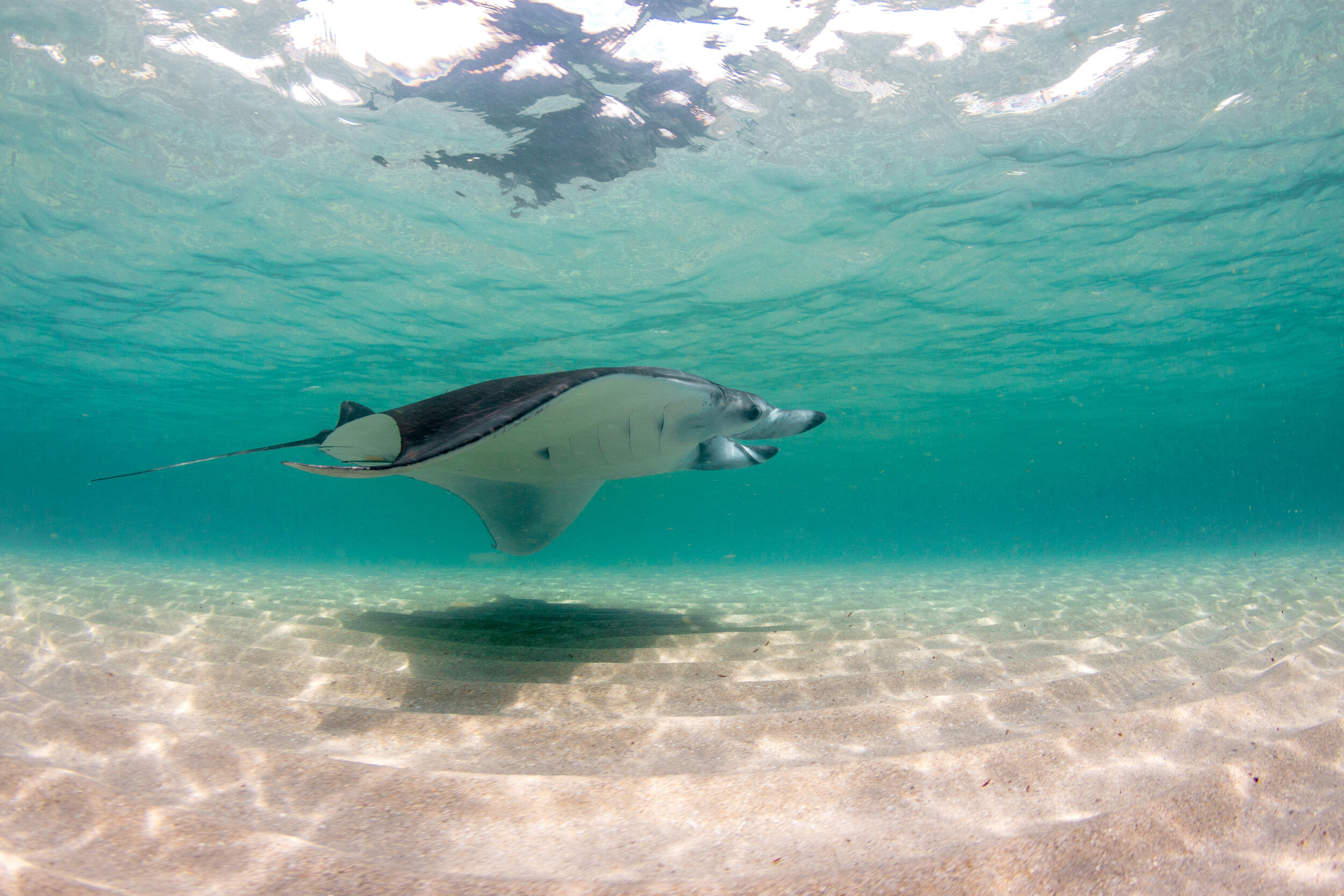 Florida, USAFlorida Manta ProjectWe have studied Florida's manta rays since 2016, from a rare urban nursery for young rays in south Florida to a spring aggregation of adults off central Florida.
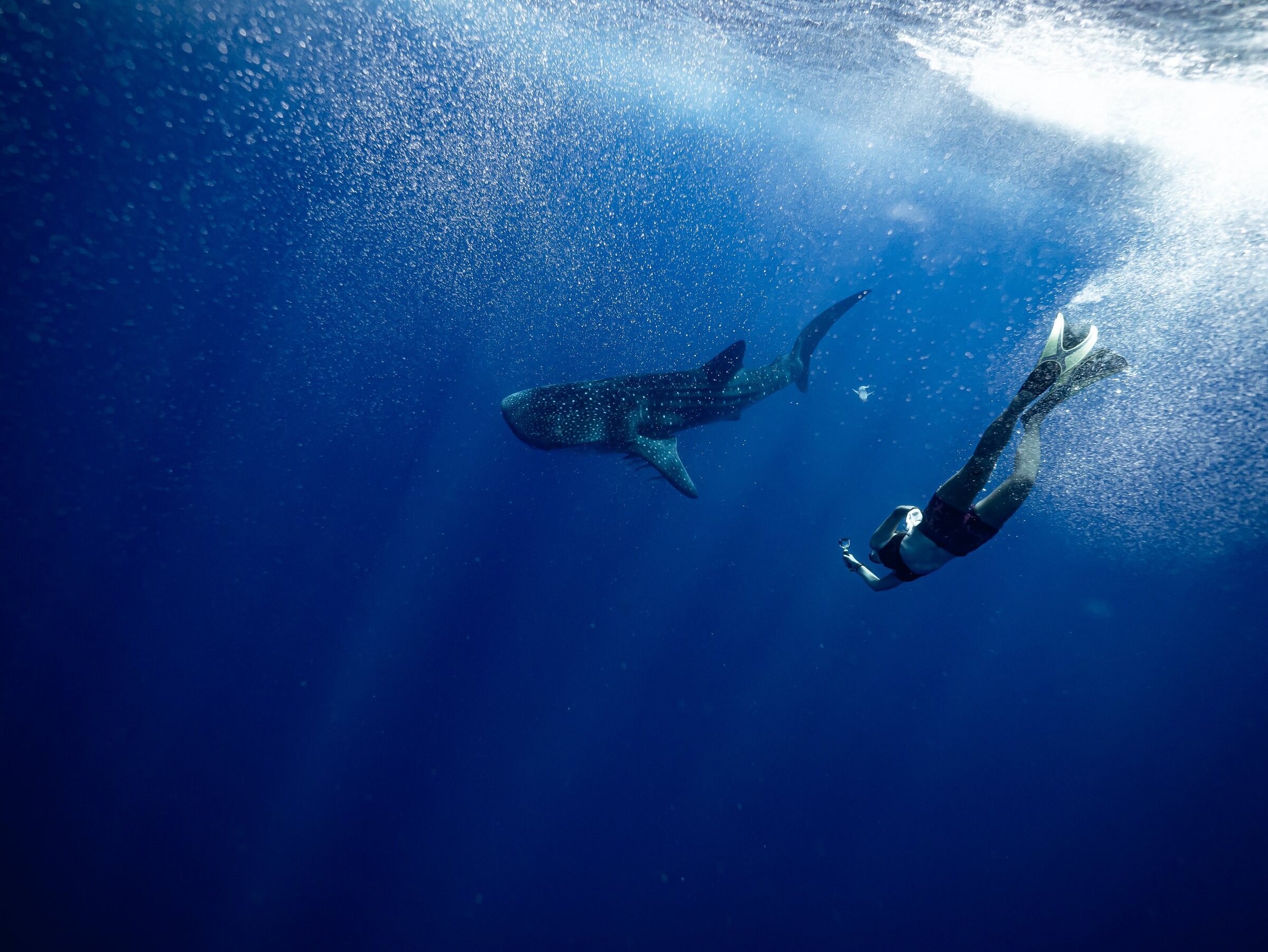 Nosy Be, northwestern MadagascarMadagascar Whale Shark ProjectYoung whale sharks aggregate off Nosy Be from about September to December, and the Madagascar Whale Shark Project has studied and protected them since 2016.
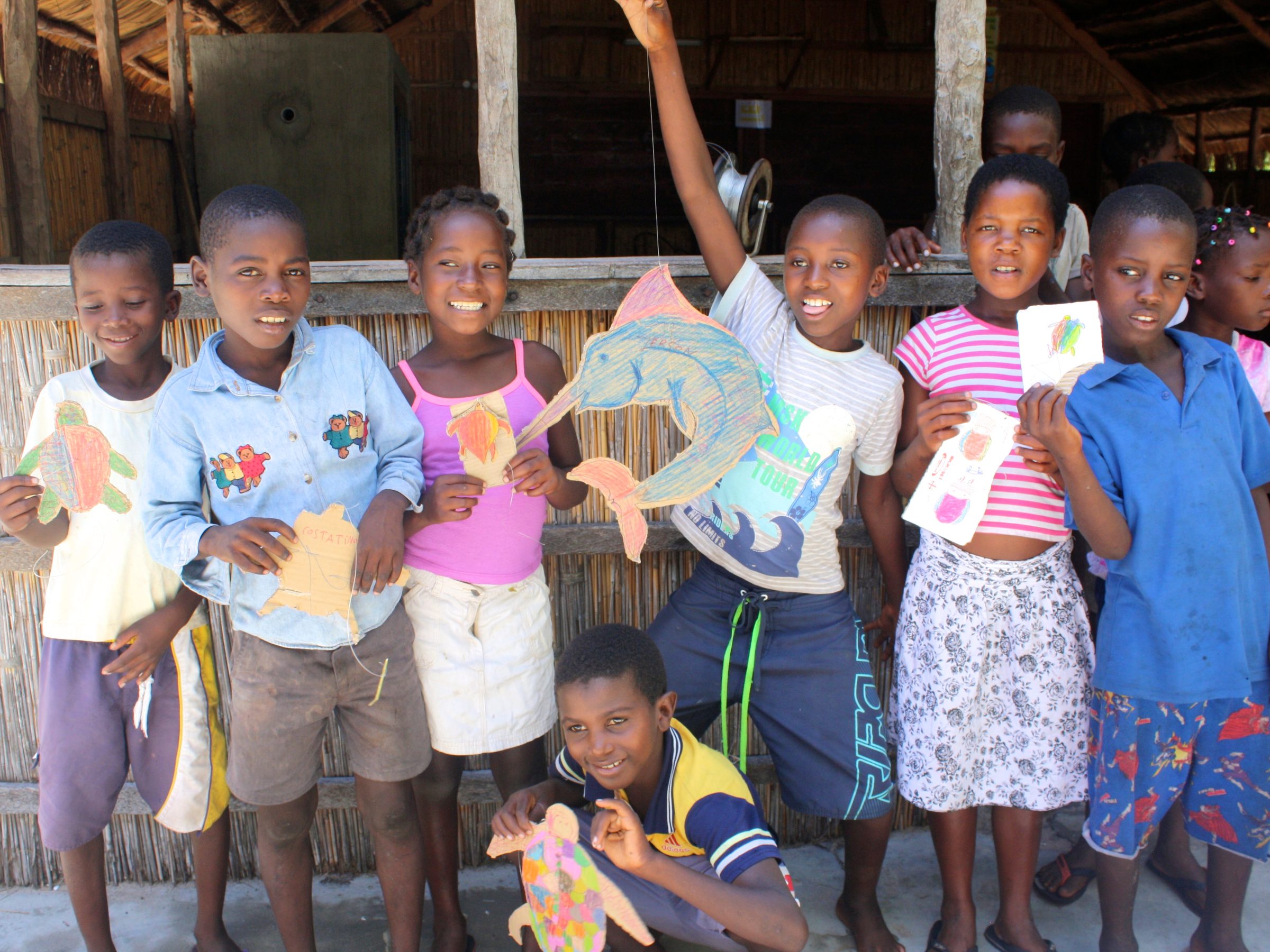 Six sites in Inhambane Province, MozambiqueMozambique Ocean Guardians Education ProgramMarine conservation lessons, swimming, and water safety for children and young people on Mozambique's Inhambane coast, taught by local instructors since 2012.
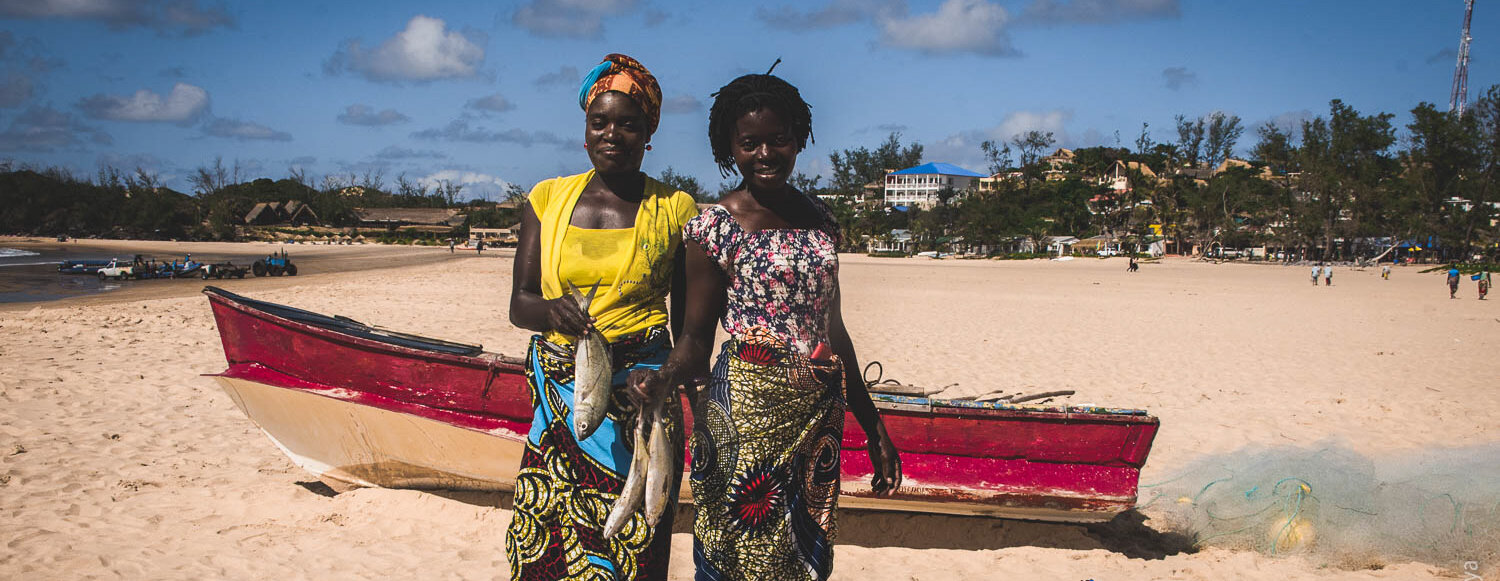 Tofo, Barra, Rocha, Morrungulo, Vuca, Fequete, and Závora, Inhambane Province, MozambiqueSustainable SeasHelping fishing communities on Mozambique's Inhambane coast manage their own fishing grounds and protect threatened marine life.
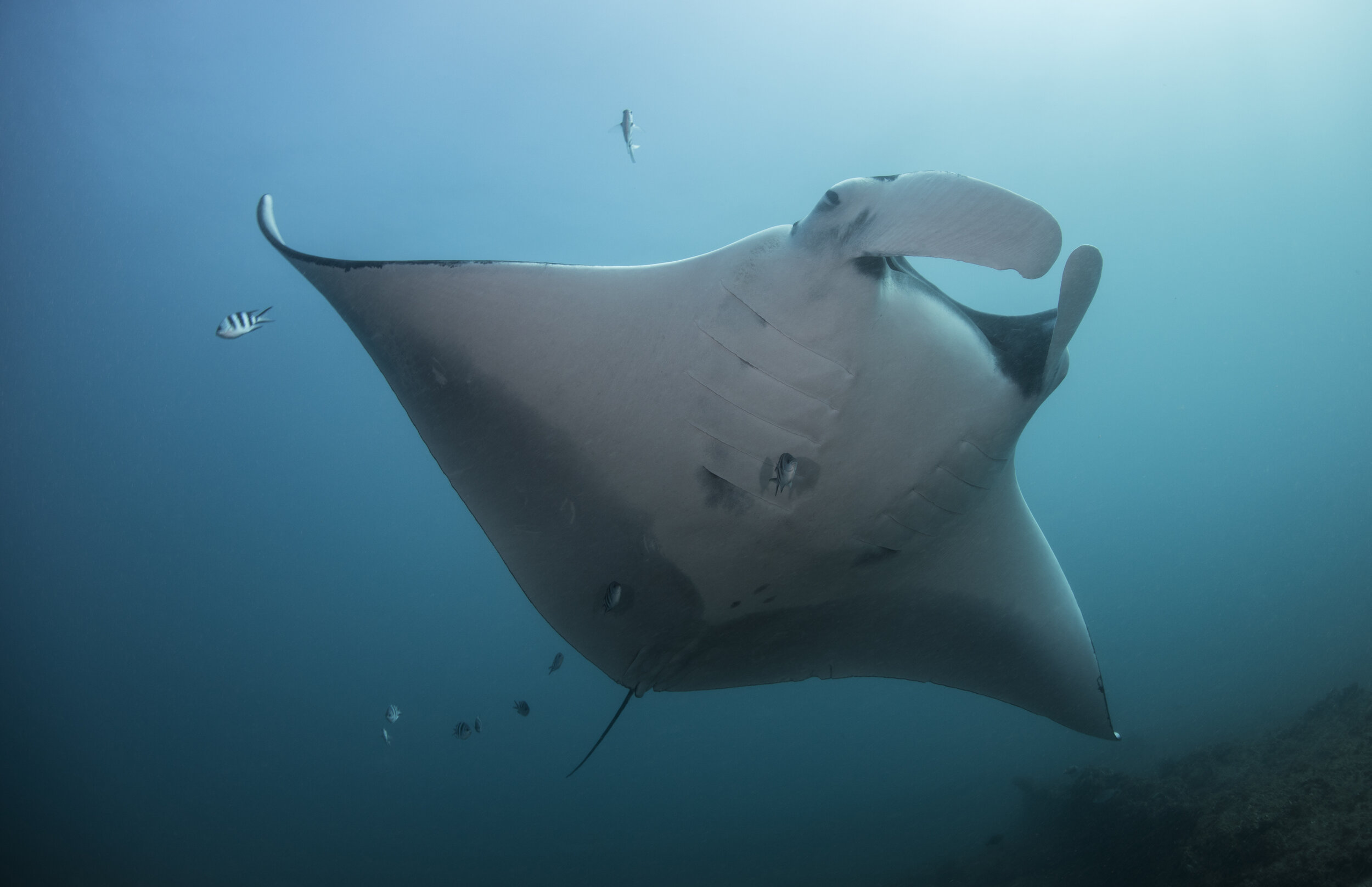 Závora Bay, Inhambane Province, MozambiqueZávora Marine ConservationResearch, fisheries monitoring, and community-led protection at MMF's southernmost site in Mozambique, home to one of the last reef manta ray aggregations on the East African coast.
No project matches all of these filters.
Who leads this work
 Azevedo ChitsumbaEducation Program ManagerLeads Mozambique Ocean Guardians Education Program
 Dr Nakia CullainSenior ScientistLeads Závora Marine Conservation
 Janis ArgeswaraCountry Manager – IndonesiaLeads Education and Outreach
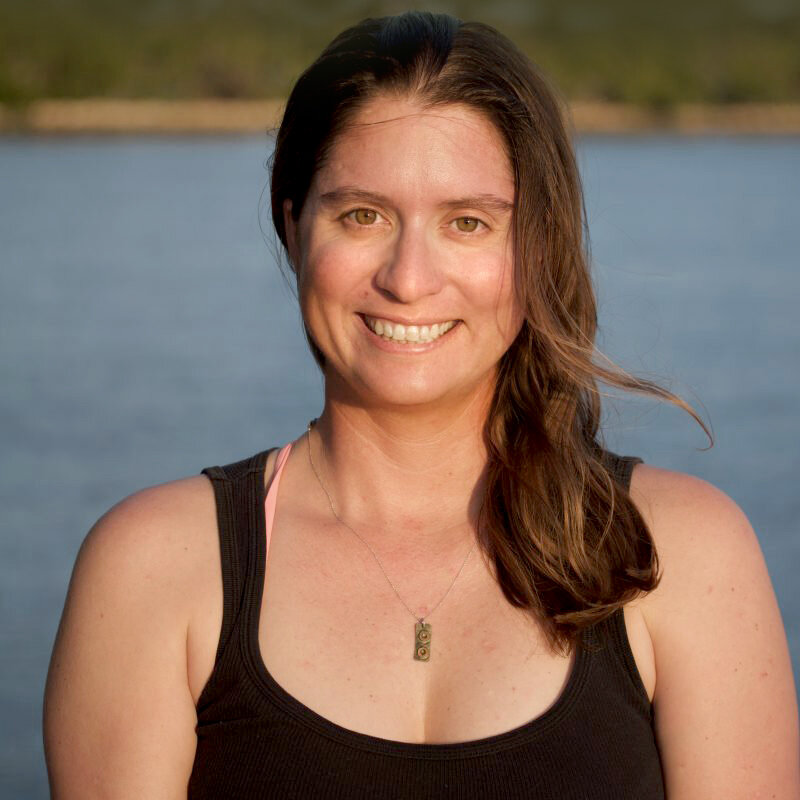 Jessica PateCountry Manager – US & Senior ScientistLeads Florida Manta Project
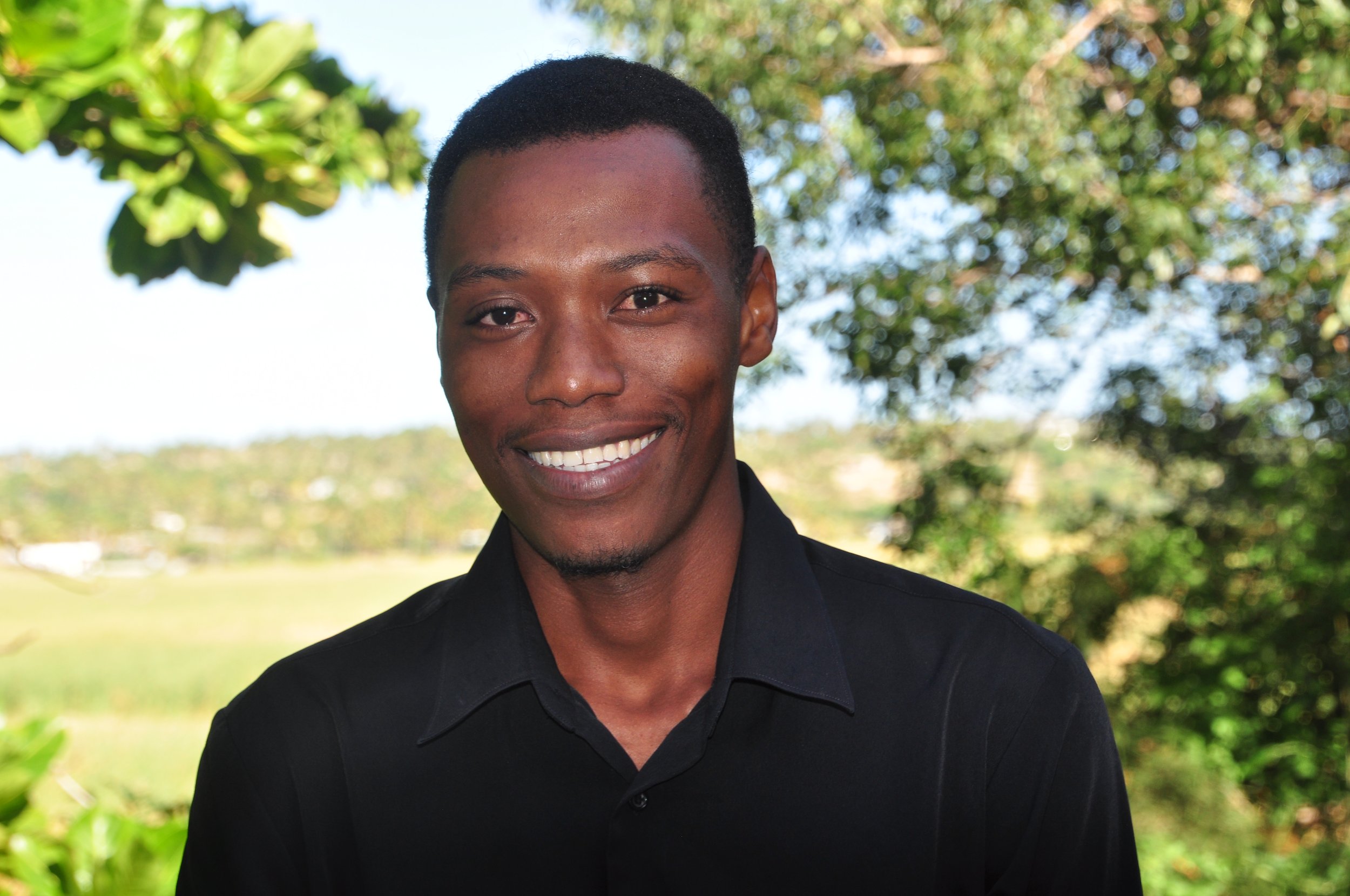 Martinho Saide PedroConservation Department ManagerLeads Sustainable Seas
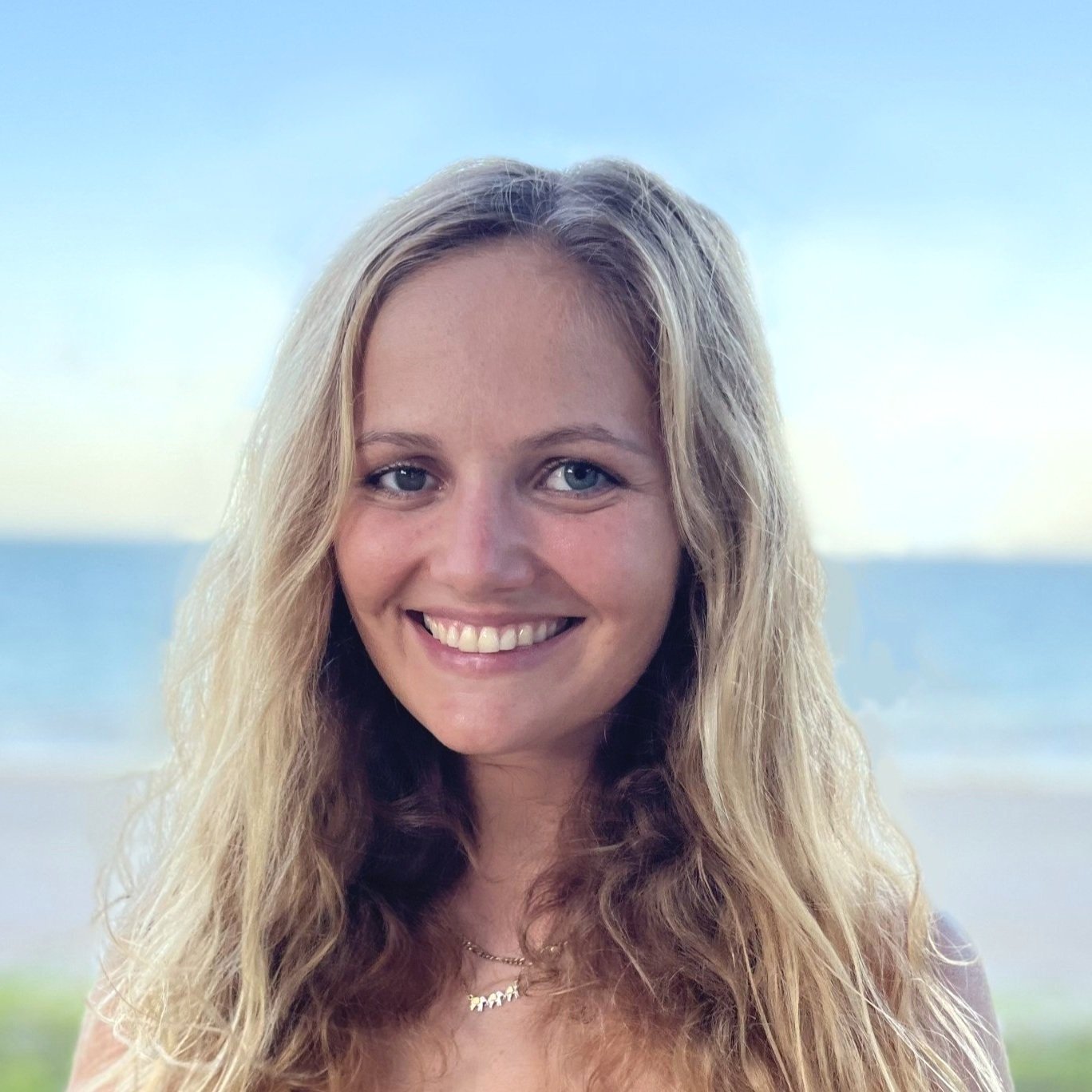 Olivia PattersonProject Scientist – MozambiqueLeads Dugong & Seagrass Conservation
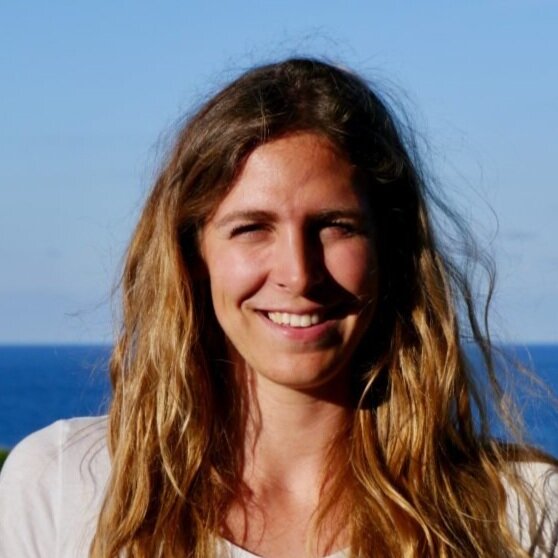 Stella DiamantResearch Associate / Madagascar Whale Shark ProjectLeads Madagascar Whale Shark Project
Support education
Gifts made here go to MMF’s general fund, which supports this work across our programs. The Ocean Guardians and Indonesia Education and Outreach pages also have their own donate buttons.