
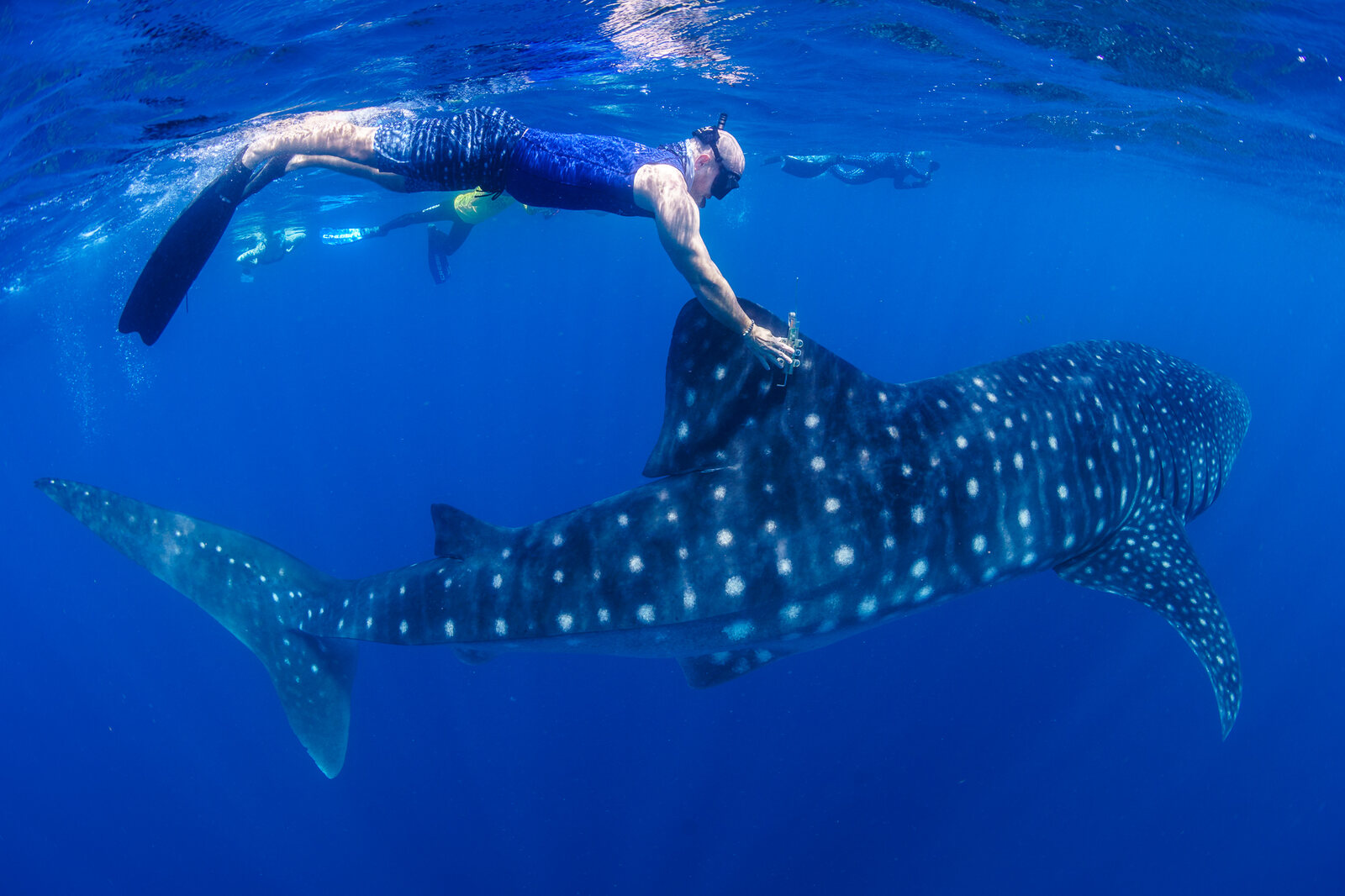
Research
We identify where the ocean's largest animals feed, breed, and migrate, estimate how many remain, and measure what threatens them, so that protection rests on evidence.
Why research comes first
The ocean giants we work on are large, wide-ranging, now rare, and often found in remote places, so the evidence needed to protect them is difficult to gather. Research therefore drives the early stages of the Conservation Blueprint, the method we apply at every site. We identify where these animals feed, breed, migrate, and aggregate, estimate how many remain, and quantify the effects of fishing, shipping, pollution, and other human activities. We give priority to the threats that kill animals or prevent populations from recovering, as distinct from those that mainly disturb them, because those are the threats that protection has to address.
What the research has achieved
Our research began with manta rays. In 2009, work led by MMF co-founder Dr. Andrea Marshall showed that the manta ray is two species, the reef manta ray and the oceanic manta ray. Since then, our team has authored more than 200 scientific publications on marine megafauna, and that research has been put to use. It has contributed to the national protection of manta rays and whale sharks in several countries, including Indonesia, Mozambique, and Tanzania. MMF scientists led the technical work that placed the reef manta ray, the oceanic manta ray, and the whale shark on Appendix I of the UN Convention on Migratory Species, and led the 2025 IUCN Red List assessment that lists the whale shark as Endangered. Our identification of critical sites has also contributed to the recognition of IUCN Important Shark and Ray Areas and Key Biodiversity Areas.
How we work
Many of our methods work with free-swimming animals without catching them. Photo-identification, based on each animal’s natural markings, follows individuals over years and, in some species, decades, while satellite and acoustic tags track their movements. Laser photogrammetry, which uses two parallel laser dots as a scale in photographs, measures body size, and underwater ultrasound reveals reproductive state. Genetics, biochemical markers, aerial surveys, and baited cameras then show how populations are connected, what the animals eat, and which species are present at sites where few people dive.
Long-term monitoring
Whale sharks may not mature for 25 to 40 years, so detecting gradual changes in a population can take decades of consistent monitoring. Our studies off Tofo, in southern Mozambique, are Africa’s longest-running studies of manta rays and whale sharks. Photo-identification assisted by artificial intelligence, through the global Sharkbook platform, for which MMF’s Dr. Simon Pierce is a scientific advisor, also allows trained tour operators and community scientists to contribute, which makes long-term monitoring affordable for local teams to sustain.
The questions we ask
Choose a question to see the methods that answer it, the current projects that use them, and our most recent paper using one of them.
Where do they go?
- Methods
- Acoustic telemetry 17 projects
- Aerial and drone surveys 7 projects
- Biochemical markers 6 projects
- Satellite tagging 23 projects
- Projects using them now
- Newest paper
Acoustic telemetry reveals cross-border movements and conservation opportunities for reef manta rays Mobula alfredi in southern AfricaCullain N et al., Endangered Species Research, 2026
How many are there?
- Methods
- Acoustic telemetry 17 projects
- Aerial and drone surveys 7 projects
- Baited cameras (BRUVS) 6 projects
- Genetics and genomics 9 projects
- Photo-identification 34 projects
- Projects using them now
- Newest paper
Diversity assessment of Western Indian Ocean whiprays (Himantura spp.) through a molecular species delimitation approachRedelinghuys K et al., Marine Biodiversity, 2026
How fast do they grow?
- Methods
- Length estimation 3 projects
- Ultrasound and reproductive biology 4 projects
- Projects using them now
- Newest paper
Underwater ultrasonography confirms pregnancy and identifies developmental stages in free-swimming oceanic manta rays (Mobula birostris)Cabral MP et al., Journal of Fish Biology, 2026
Are they breeding?
- Methods
- Length estimation 3 projects
- Photo-identification 34 projects
- Ultrasound and reproductive biology 4 projects
- Projects using them now
- Newest paper
Underwater ultrasonography confirms pregnancy and identifies developmental stages in free-swimming oceanic manta rays (Mobula birostris)Cabral MP et al., Journal of Fish Biology, 2026
How are populations connected?
- Methods
- Genetics and genomics 9 projects
- Projects using them now
- Newest paper
Diversity assessment of Western Indian Ocean whiprays (Himantura spp.) through a molecular species delimitation approachRedelinghuys K et al., Marine Biodiversity, 2026
What threatens them?
- Methods
- Biochemical markers 6 projects
- Baited cameras (BRUVS) 6 projects
- Photo-identification 34 projects
- Satellite tagging 23 projects
- Projects using them now
- Newest paper
Methods for tagging whale sharks: insights into performance and best practices with a focus on clamp attachmentsWomersley FC et al., Animal Biotelemetry, 2026
Projects that do this work
29 current projects include research in their work, and 15 completed studies follow them.
Current work 29
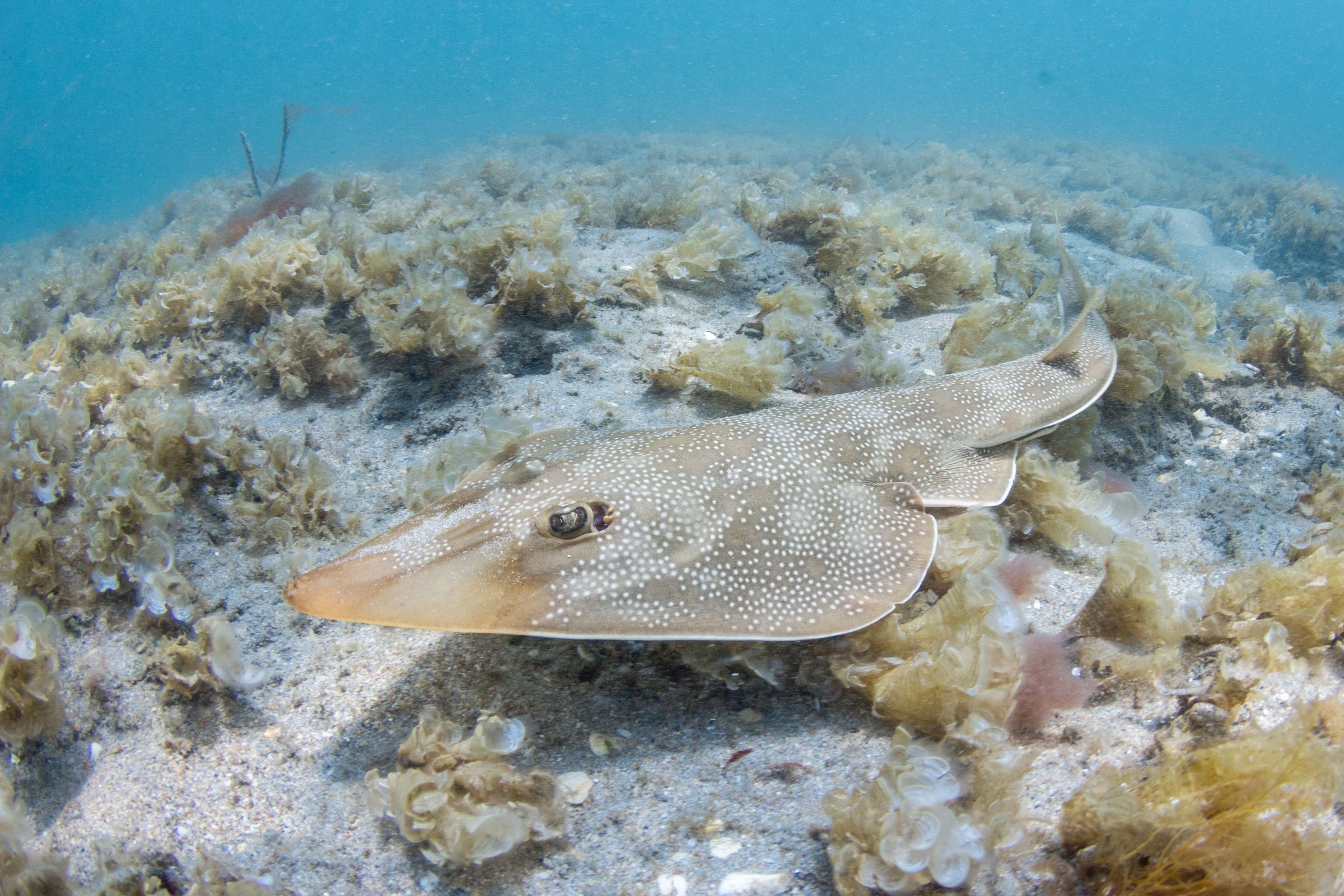 Florida's Atlantic coast, USAAtlantic GuitarfishPhoto-identification, acoustic tracking, and habitat assessment of a little-known rhino ray on Florida's Atlantic coast.
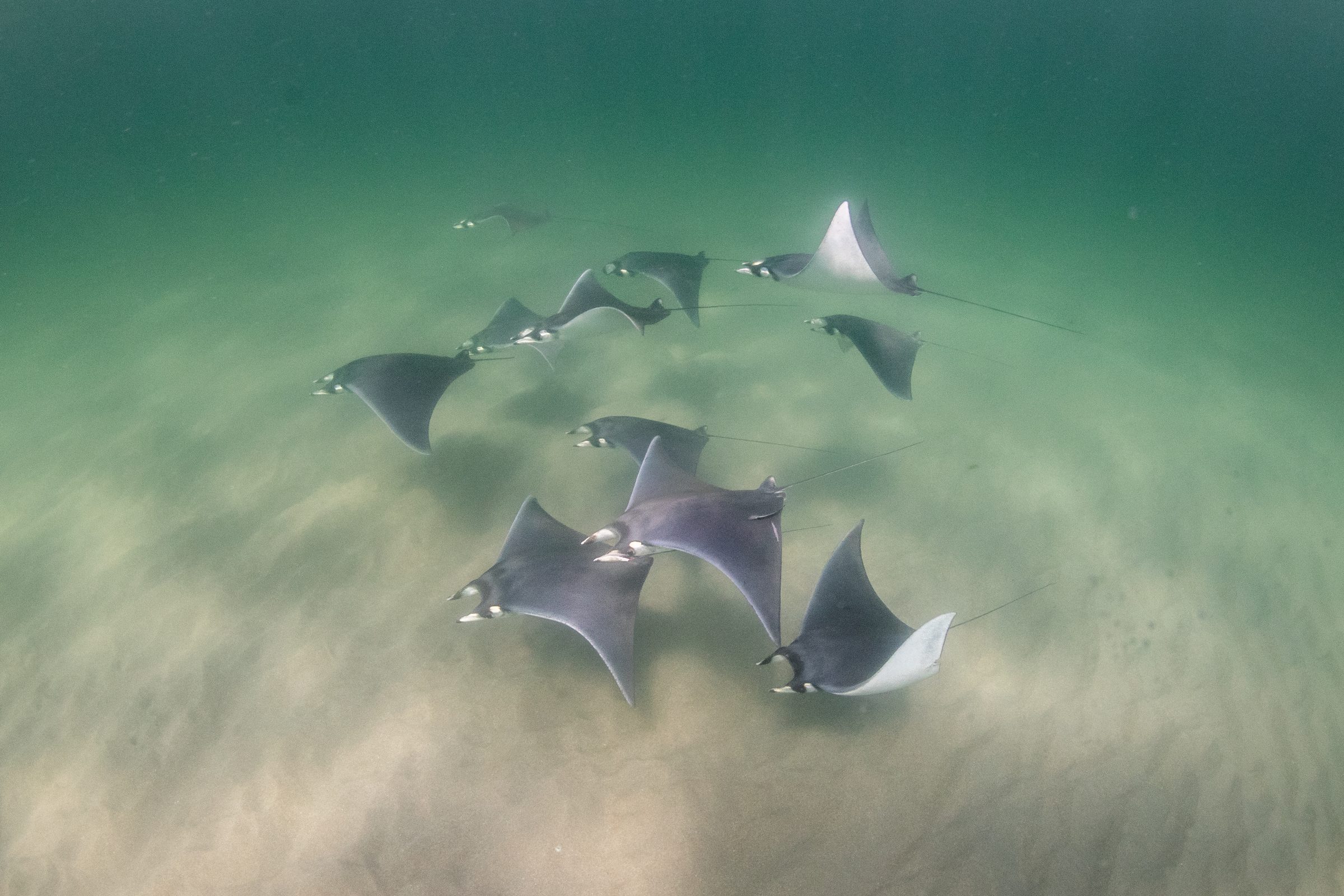 US east coast, Gulf of Mexico, and the CaribbeanAtlantic Mobula RaysMapping the distribution of the western Atlantic's rarely encountered manta and devil rays, to establish the baseline their conservation requires.
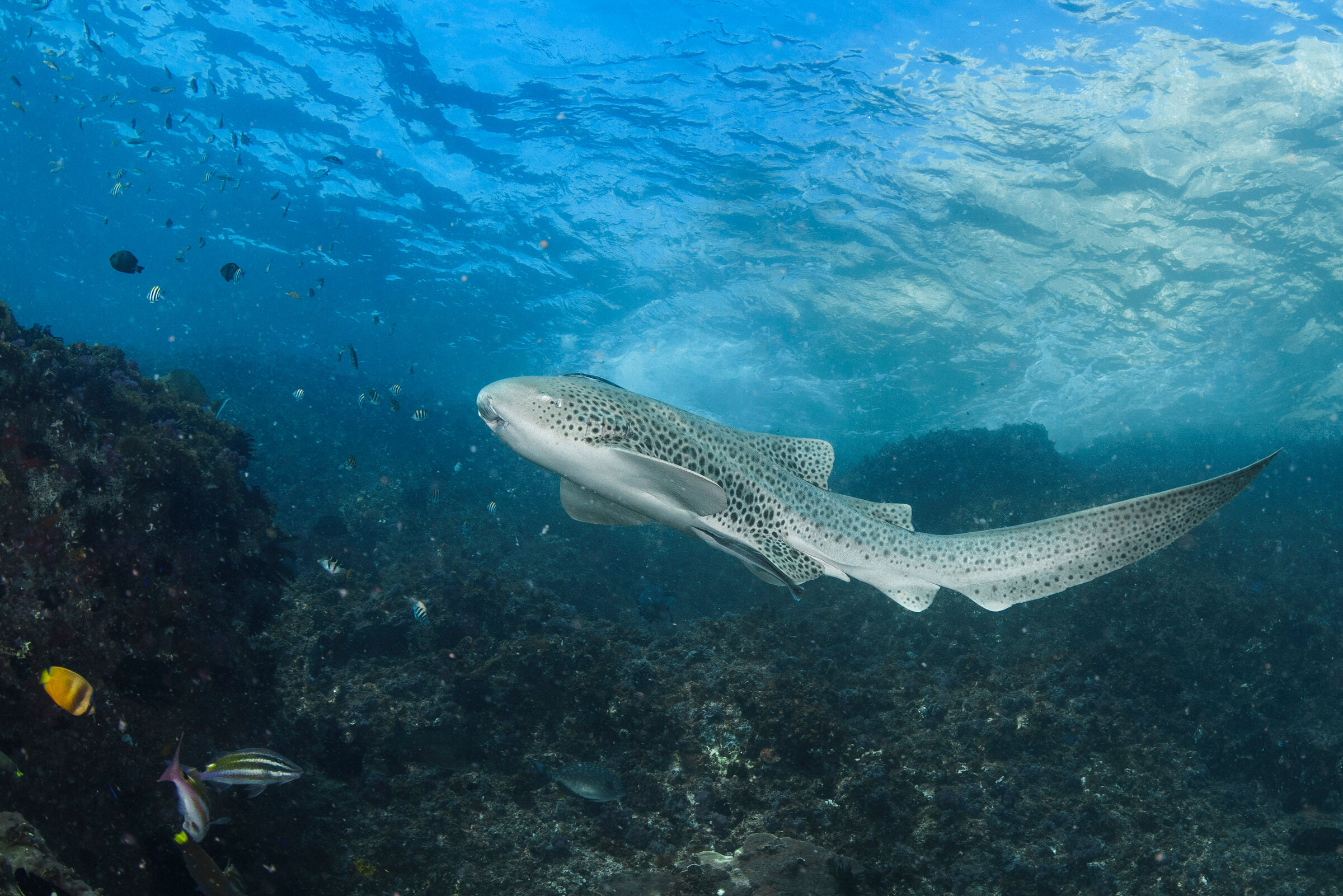 Julian Rocks, Cape Byron Marine Park, New South Wales, AustraliaAustralia Leopard Shark ProjectEach summer, hundreds of endangered leopard sharks aggregate at Julian Rocks off Byron Bay, and since 2019 the project has identified individual sharks from their spot patterns.
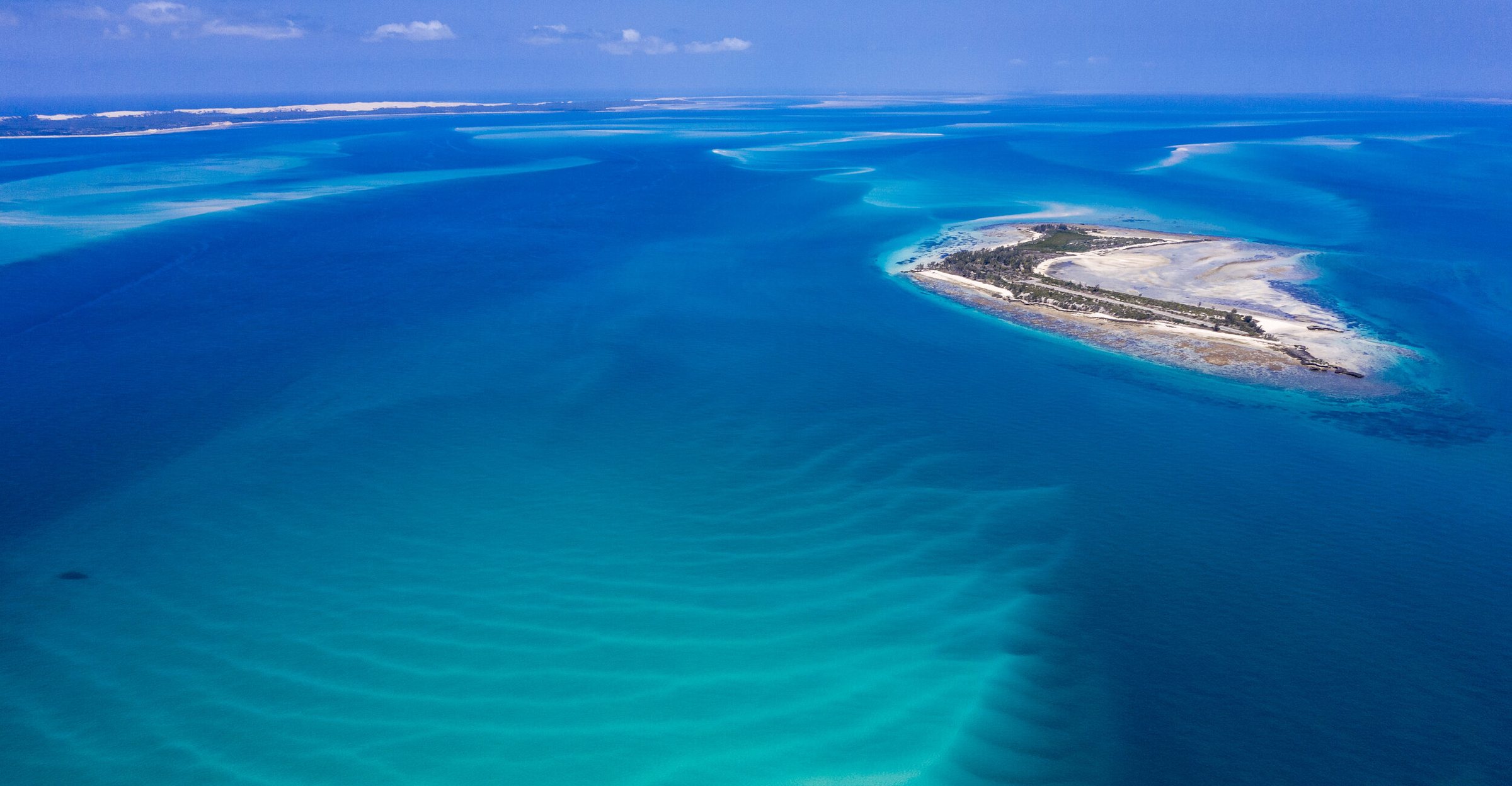 Bazaruto Seascape, Inhambane Province, MozambiqueBazaruto Seascape Marine ResearchOne of the most diverse marine habitats in Africa, where we work with park managers, rangers, and fishing communities to protect threatened sharks, rays, and dugongs.
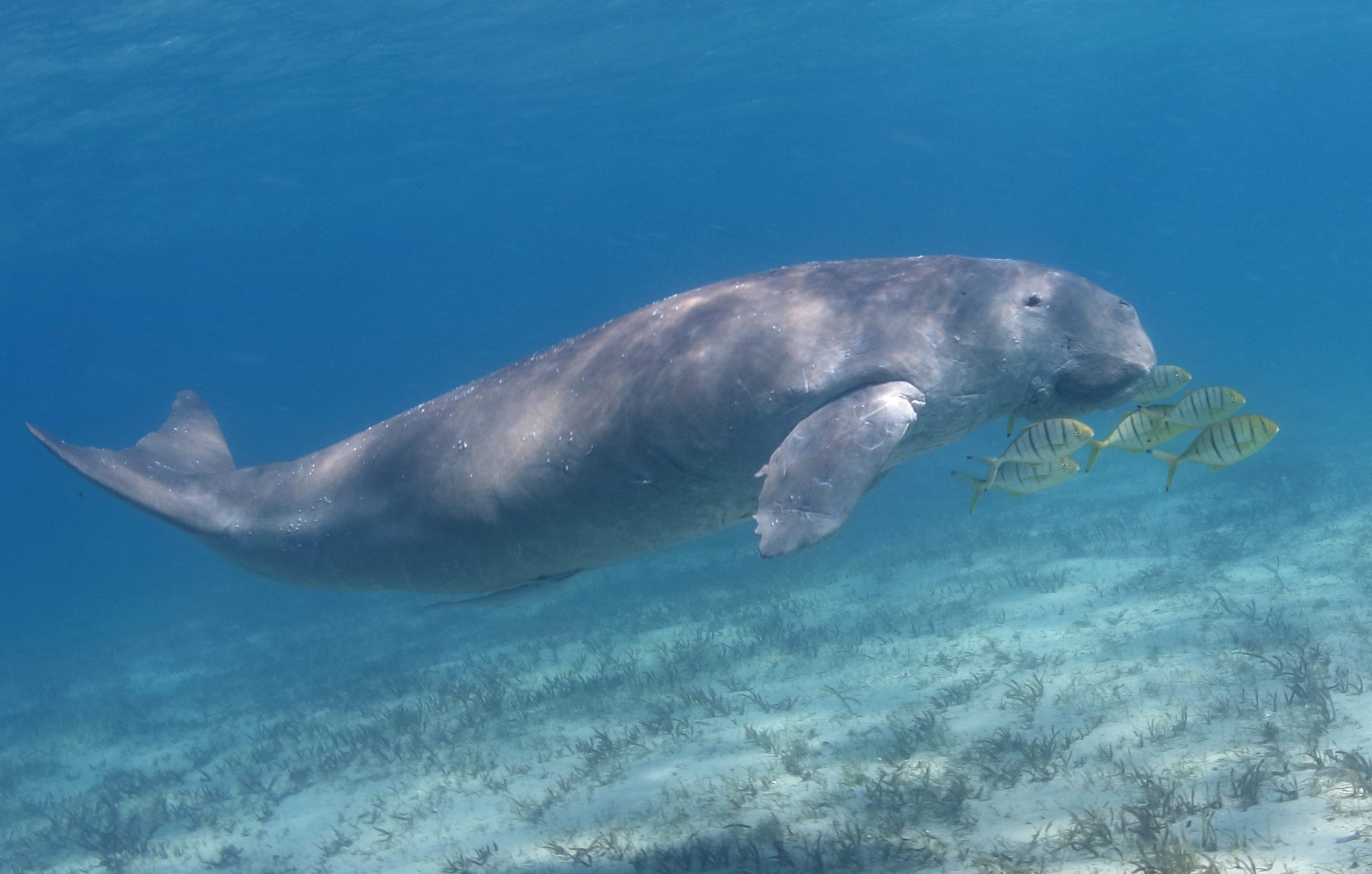 Inhassoro district, Bazaruto Seascape, MozambiqueDugong & Seagrass ConservationMapping the unprotected seagrass meadows of the Bazaruto Seascape, monitoring the dugongs that feed on them, and working with fishing communities to protect them.
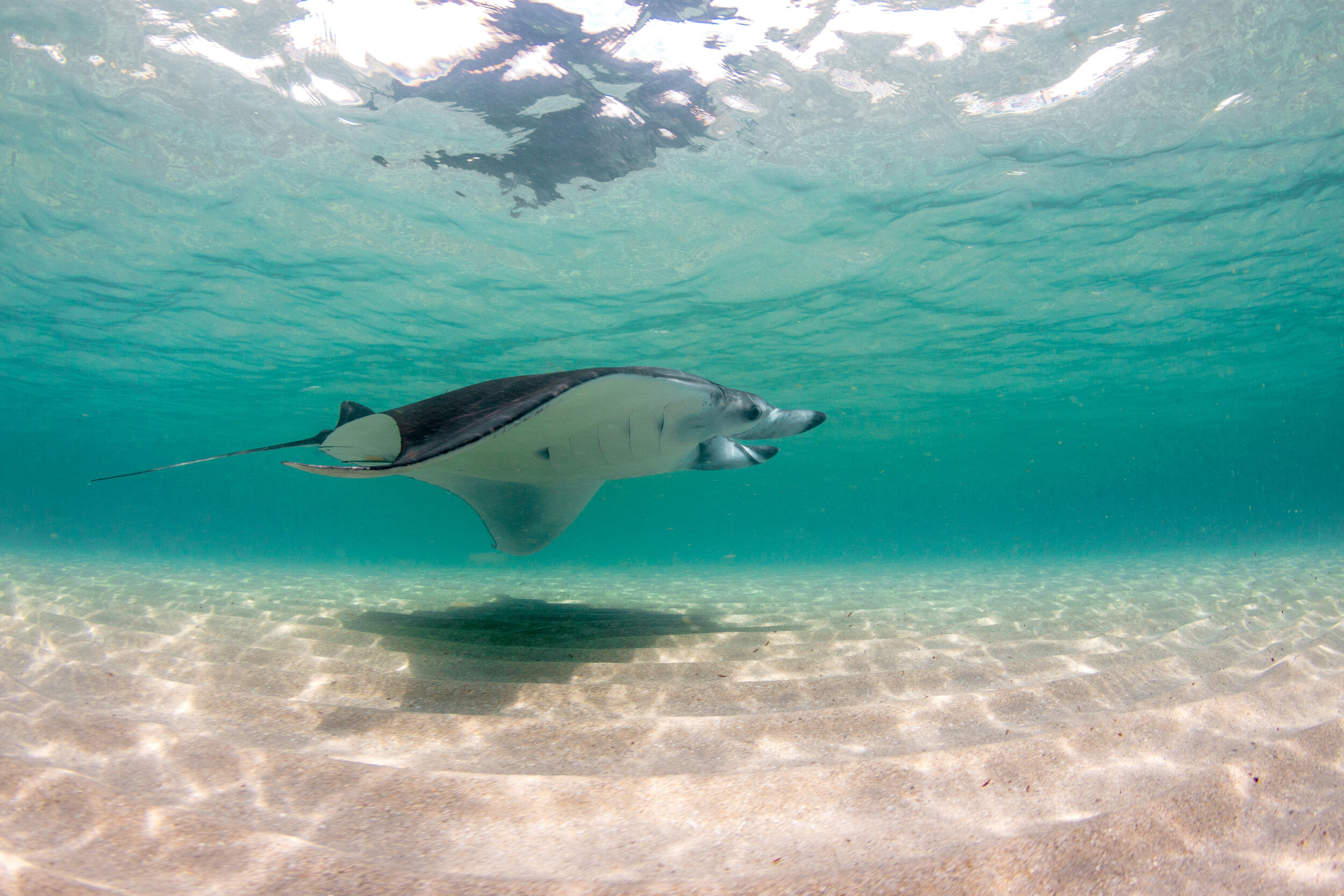 Florida, USAFlorida Manta ProjectWe have studied Florida's manta rays since 2016, from a rare urban nursery for young rays in south Florida to a spring aggregation of adults off central Florida.
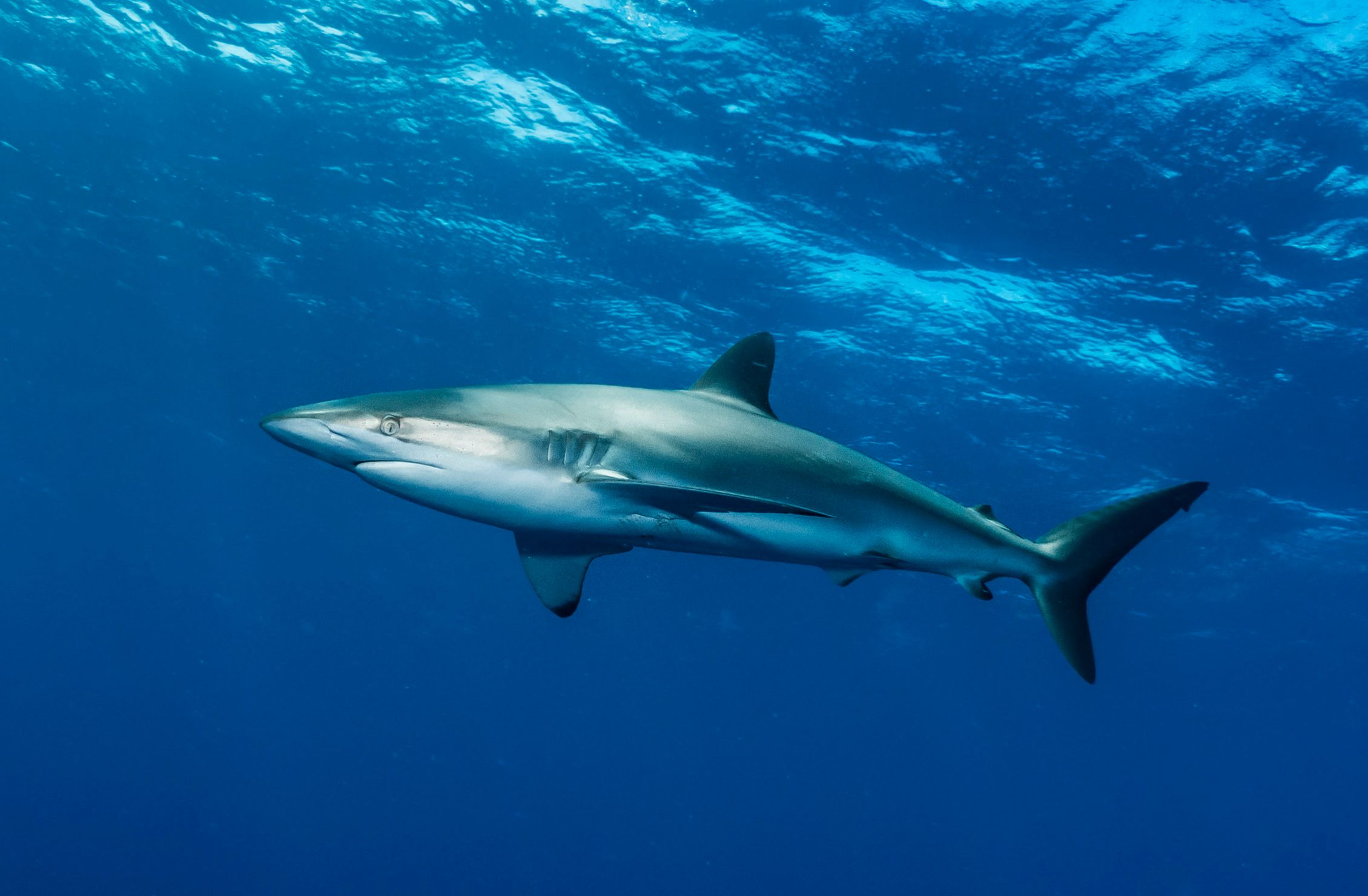 Offshore islands from Mexico to the GalapagosGalapagos Silky Shark ProjectTracking silky sharks between the offshore islands of the Eastern Tropical Pacific to assess how well the region's marine protected areas protect them.
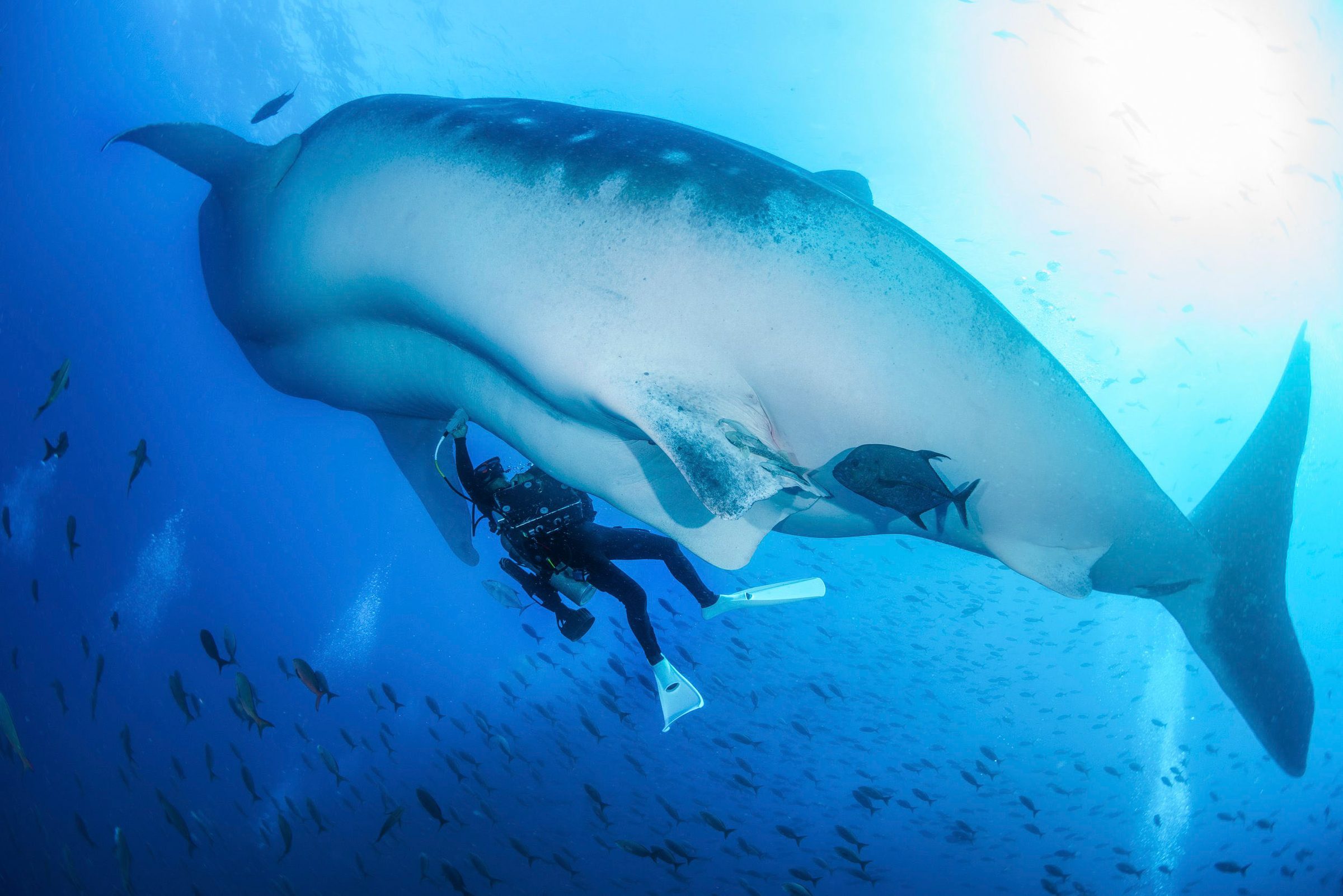 Darwin Island, northern Galápagos, EcuadorGalapagos Whale Shark ProjectAlmost all the whale sharks passing Darwin Island are large adult females, a demographic rarely seen anywhere else.
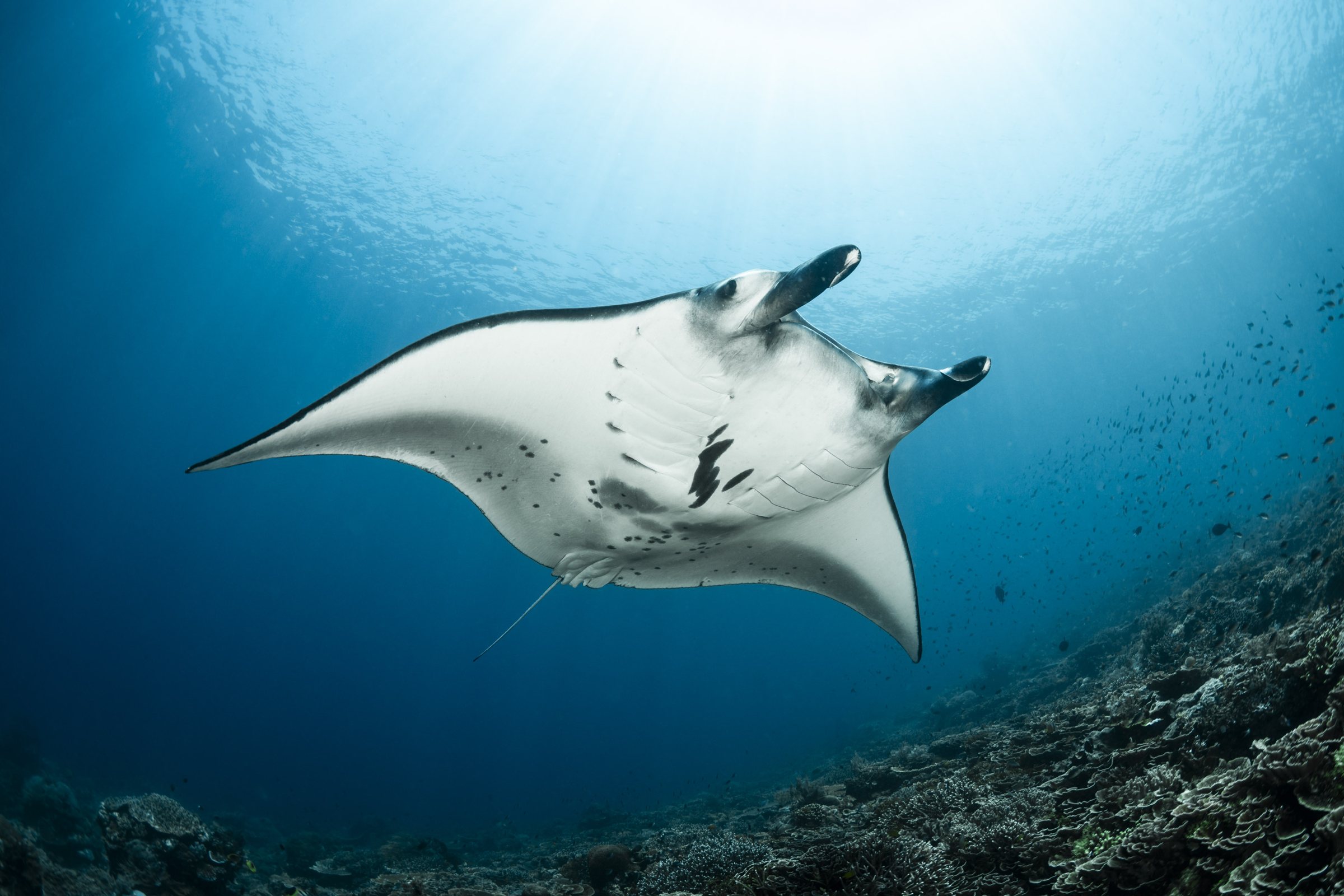 Nusa Penida (Bali); Komodo National Park (East Nusa Tenggara); West Nusa Tenggara; Derawan Islands (East Kalimantan)Indonesia Manta Ray ProjectWe have followed Indonesia's reef manta rays since 2012, and the data helped protect the species nationwide.
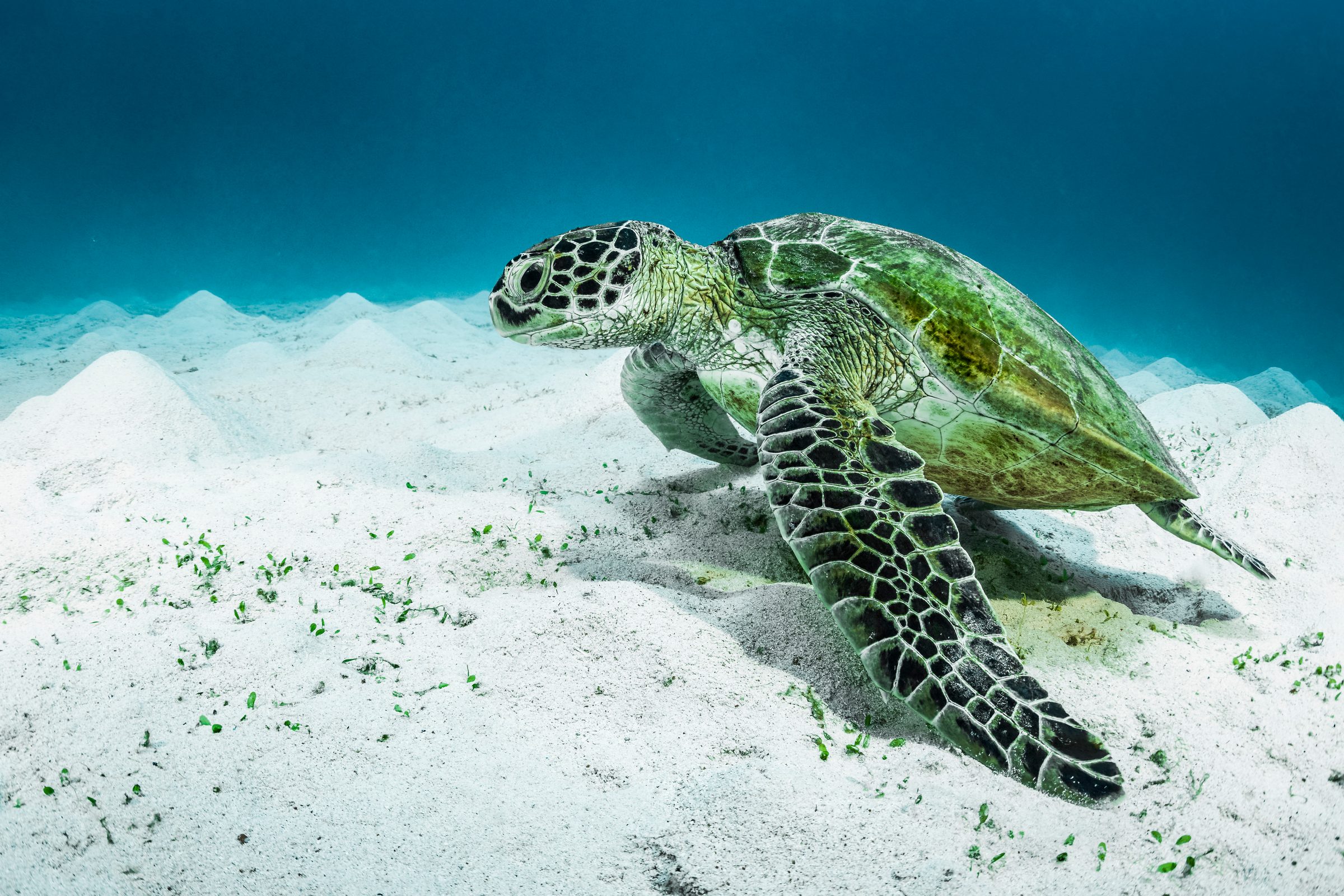 Nusa Penida (Bali); Komodo National Park (East Nusa Tenggara); Derawan Islands (East Kalimantan)Indonesia Sea Turtle ProjectLong-term, non-invasive photo-identification and size measurements of hawksbill and green turtles in Bali, East Kalimantan, and Komodo National Park.
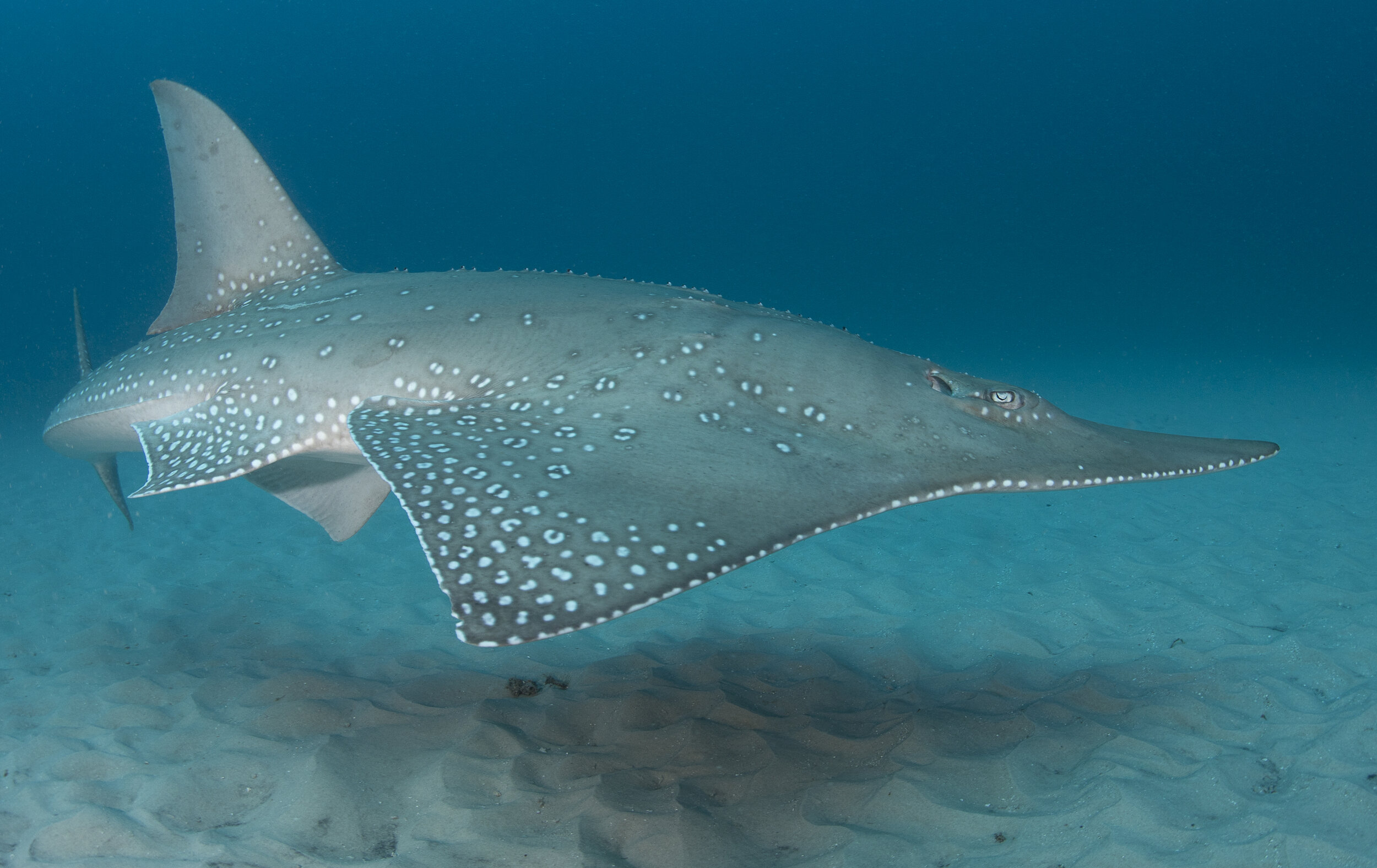 Inhassoro district coast, Bazaruto Seascape, MozambiqueInhassoro Wedgefish ProjectCommunity rangers have recorded wedgefish and guitarfish landings on the unprotected Inhassoro coast, and their records helped two fishing communities propose areas closed to net fishing.
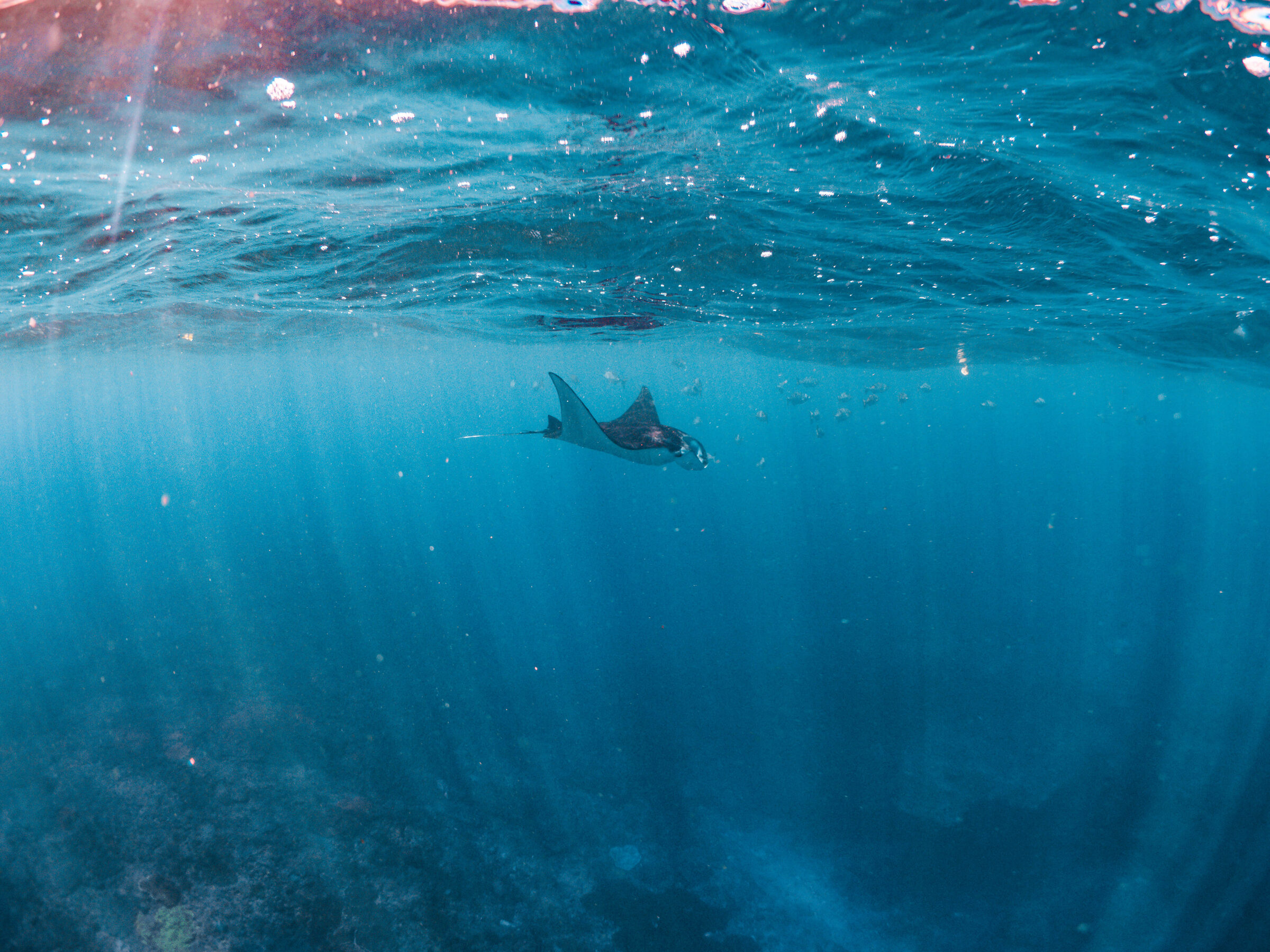 Lesser Sunda Seascape, from Bali to Komodo National Park, IndonesiaThe Lesser Sunda Seascape Tracking NetworkThe first step toward an acoustic telemetry network stretching from Bali to Komodo National Park, built to show how reef manta rays move between Indonesia's aggregation sites.
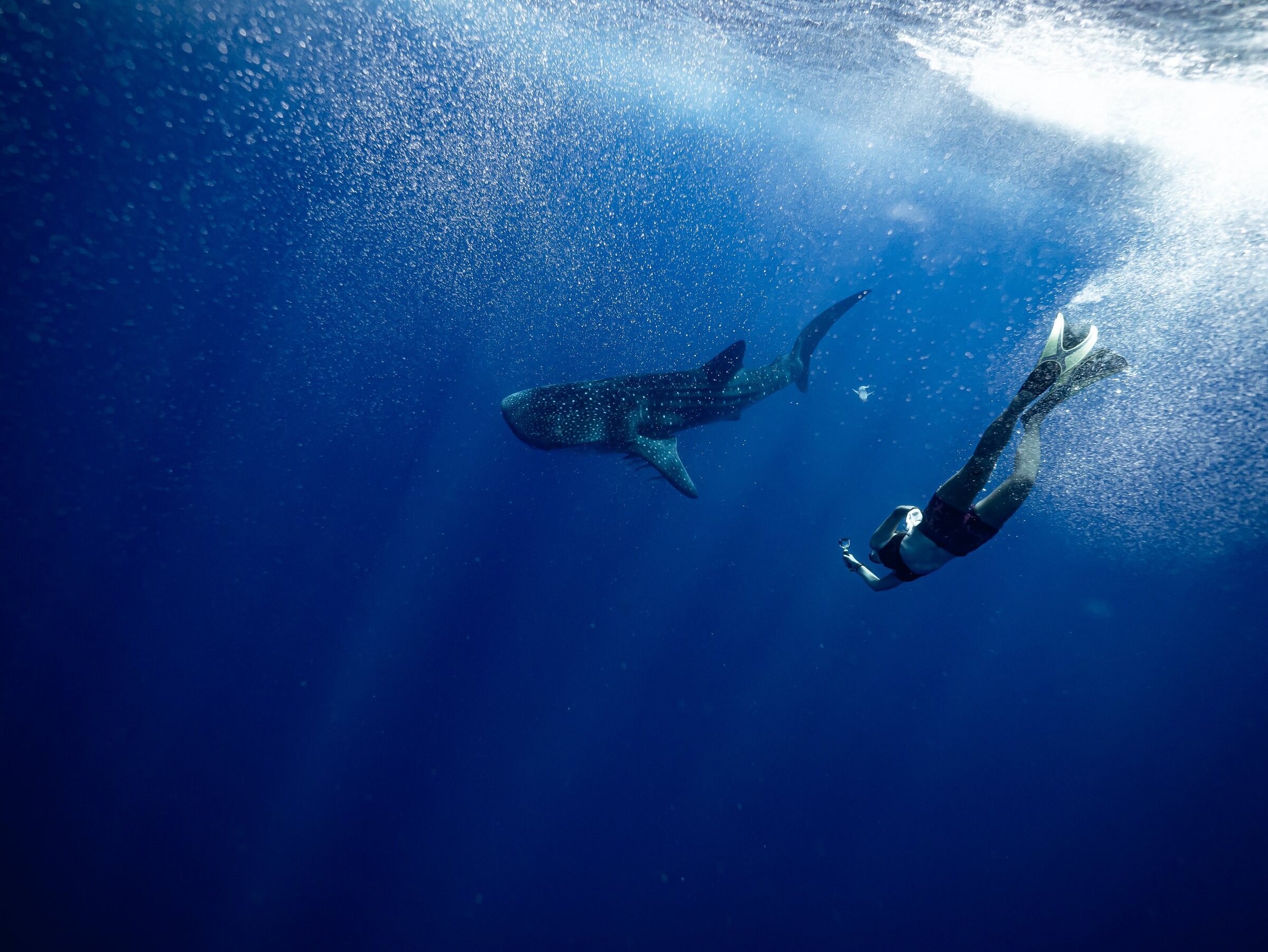 Nosy Be, northwestern MadagascarMadagascar Whale Shark ProjectYoung whale sharks aggregate off Nosy Be from about September to December, and the Madagascar Whale Shark Project has studied and protected them since 2016.
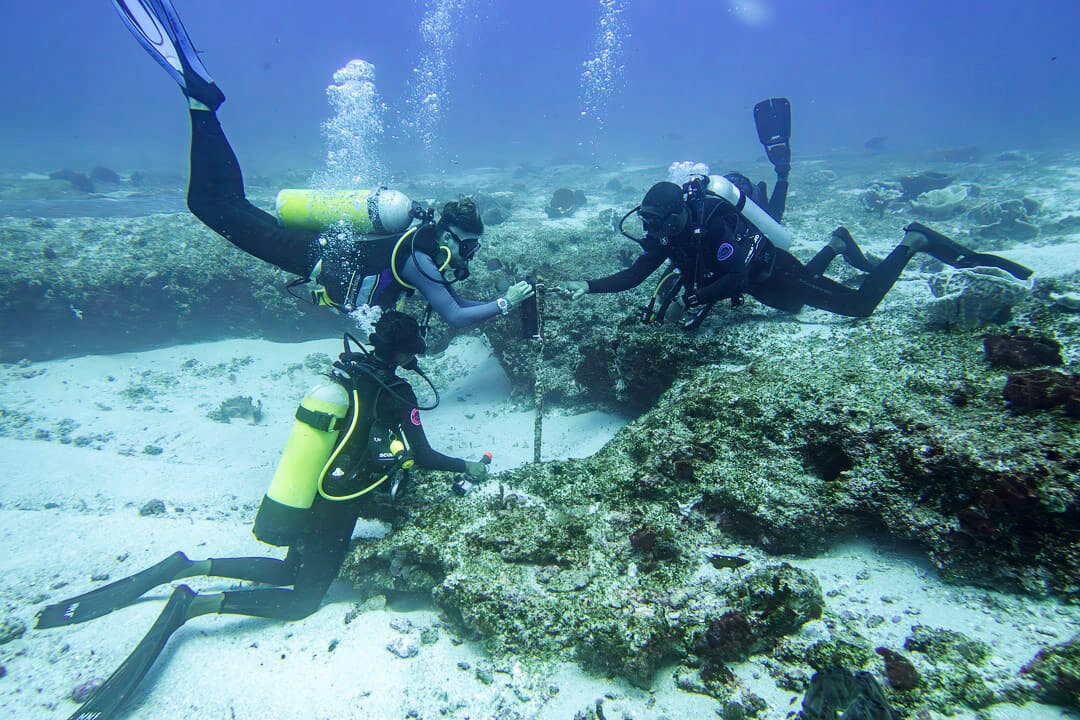 Závora to Bazaruto, Inhambane Province, MozambiqueMozambique Acoustic Telemetry NetworkUnderwater listening stations along 400 kilometers (250 miles) of Mozambique's coast follow tagged sharks and rays as they move, and show which places matter most for their protection.
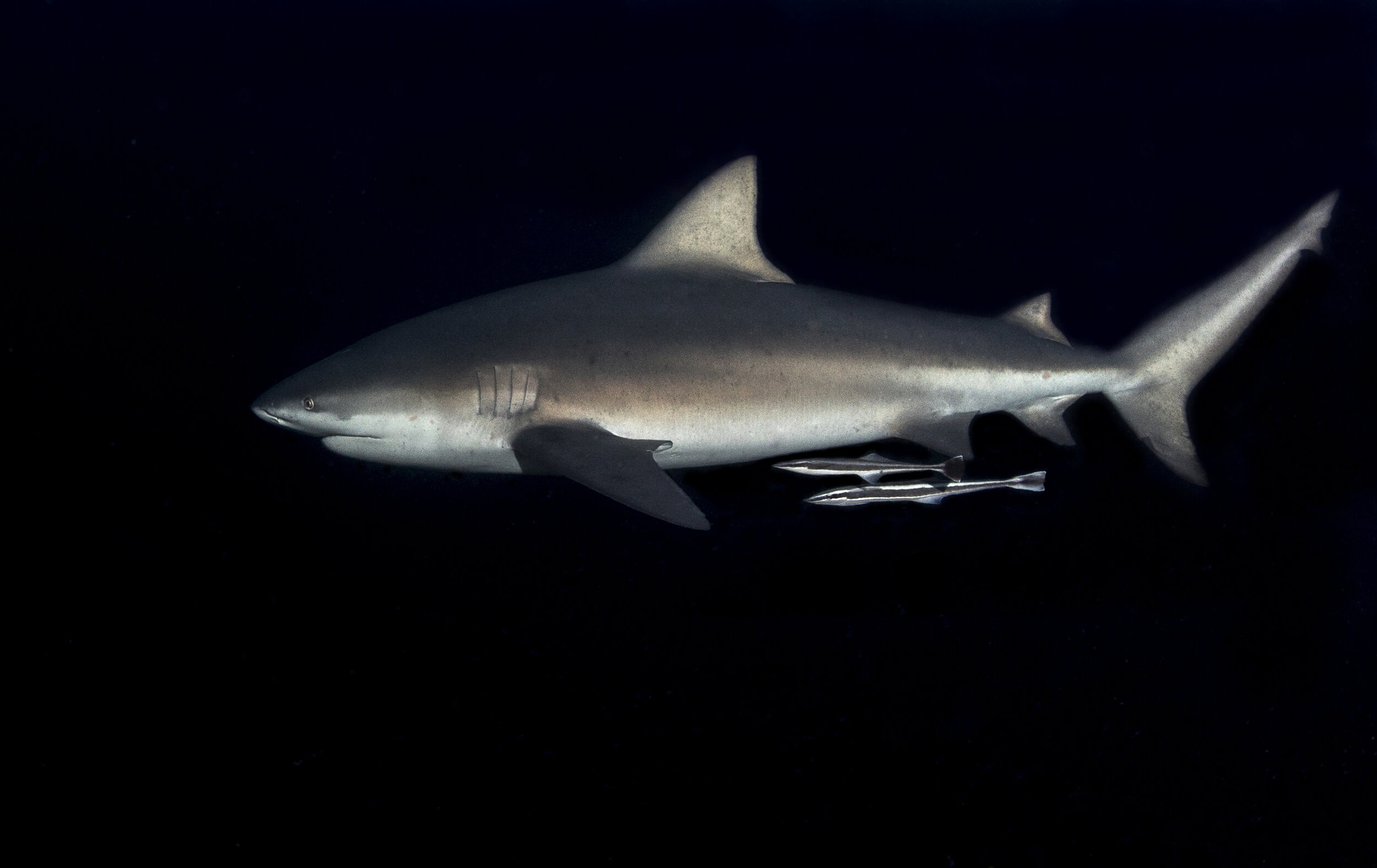 Bazaruto Archipelago and southern MozambiqueMozambique Bull Shark Research ProjectAcoustic and satellite tracking show that Mozambique's bull sharks include year-round residents of the Bazaruto Archipelago and migrants that travel thousands of kilometers across national borders.
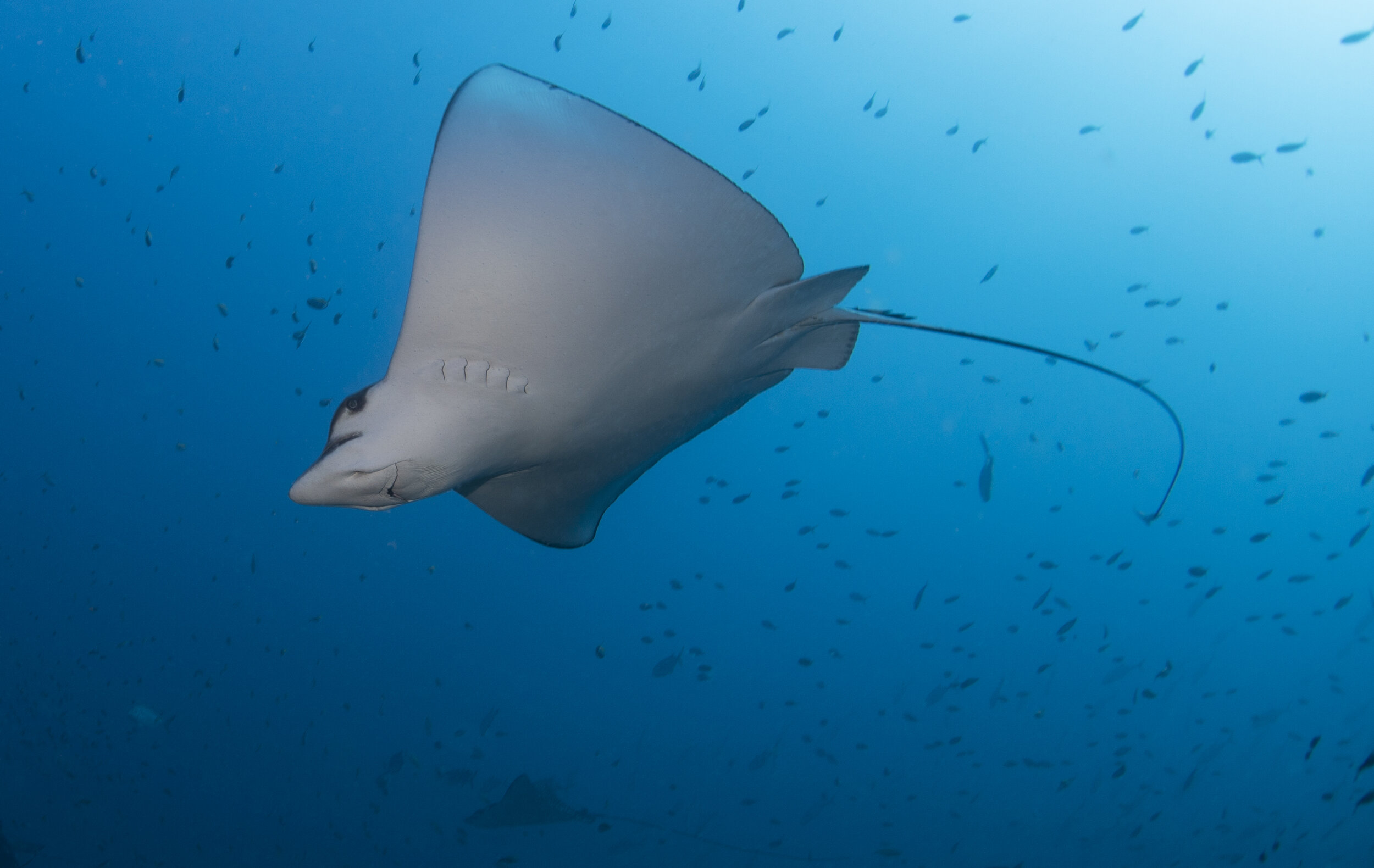 Inhambane Province, MozambiqueMozambique Elasmobranch Diversity Research ProjectWe are documenting the diversity, distribution, and abundance of sharks and rays along Mozambique's Inhambane coast, using diver surveys, baited cameras, and environmental DNA.
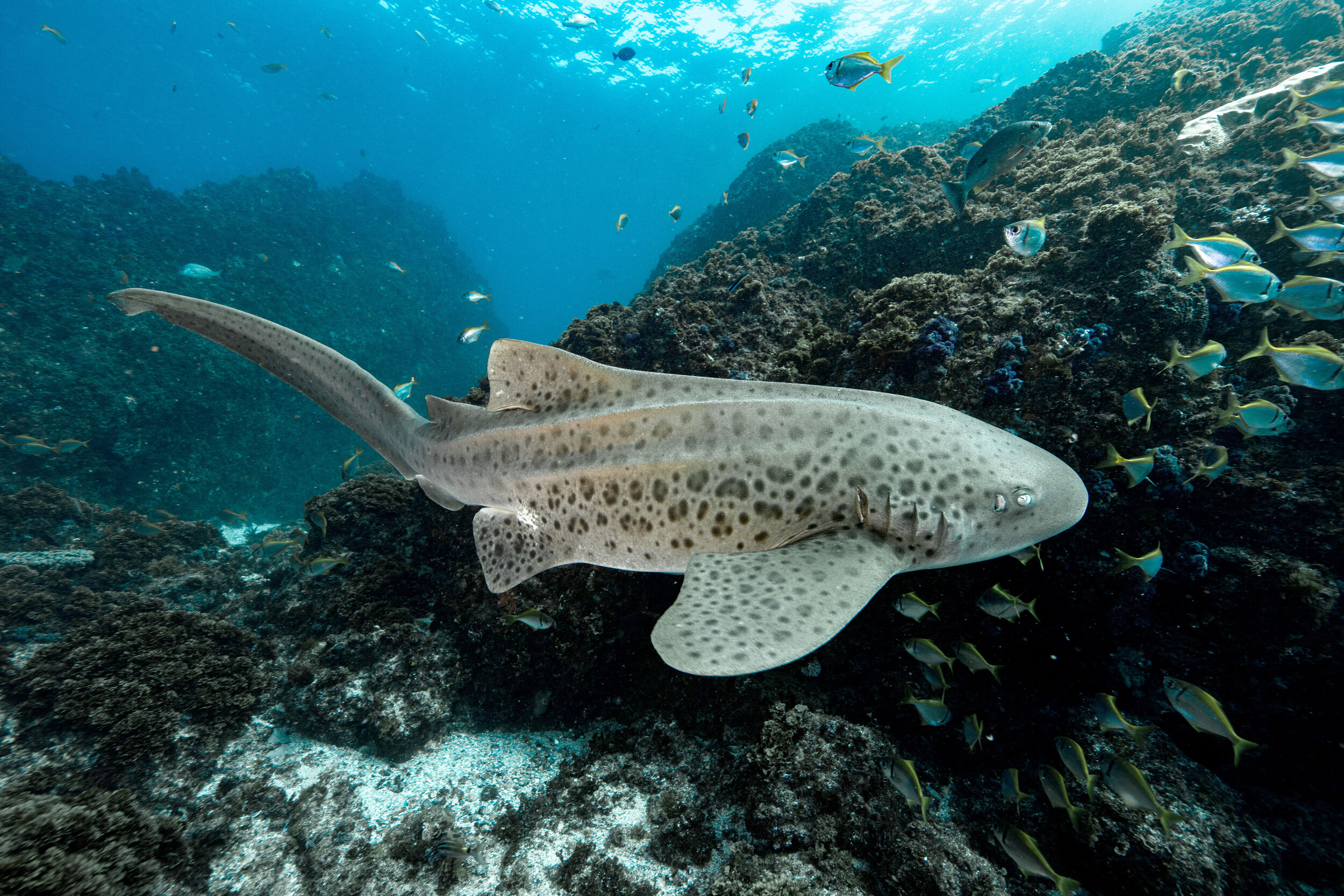 Inhambane Province, southern MozambiqueMozambique Leopard Shark Research ProjectWe are documenting the aggregation sites and year-round habitat use of endangered leopard sharks along Mozambique's Inhambane coast, and identifying the areas that most need protection.
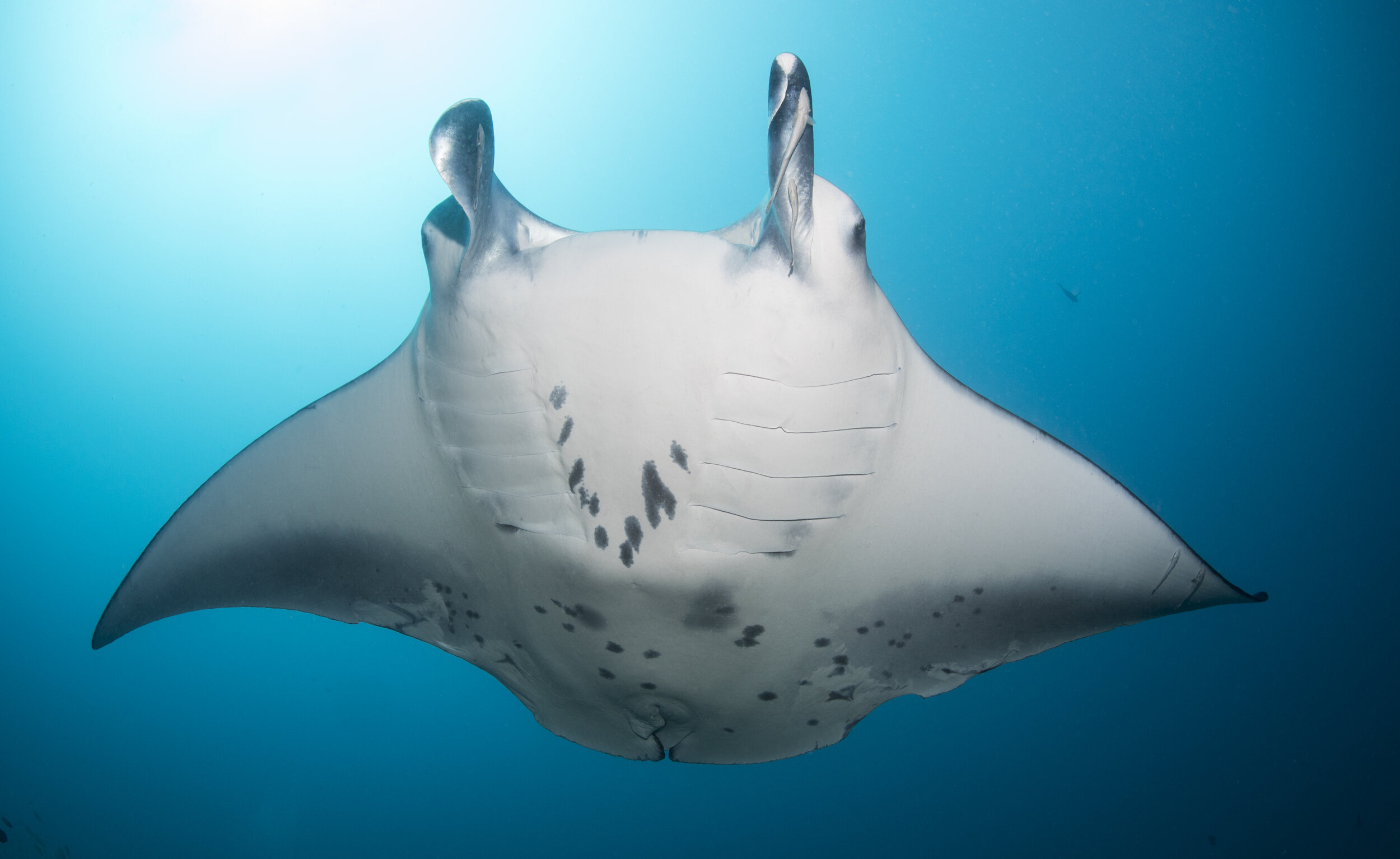 Tofo, Závora, and the Bazaruto Archipelago, Mozambique, to iSimangaliso, South AfricaMozambique Manta & Devil Ray Research ProjectSouthern Mozambique has Africa's largest known populations of reef and giant manta rays, and we are working to reverse their steep decline.
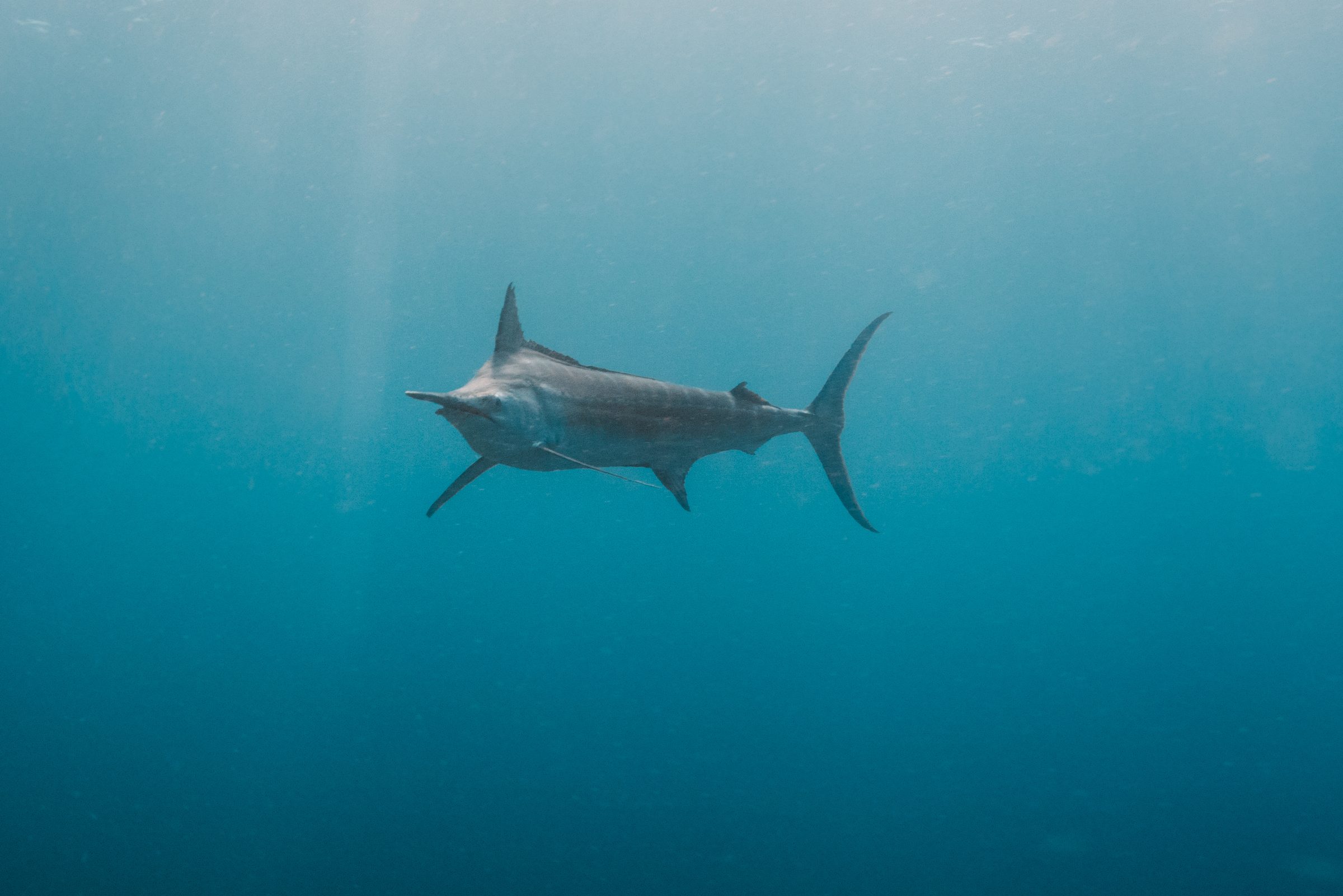 Bazaruto Seascape, Inhambane Province, MozambiqueMozambique Marlin Research ProjectOur research combines satellite tagging, genetics, and collaboration with the Bazaruto Seascape's sport-fishing community to investigate the movements and population structure of black marlin in the western Indian Ocean.
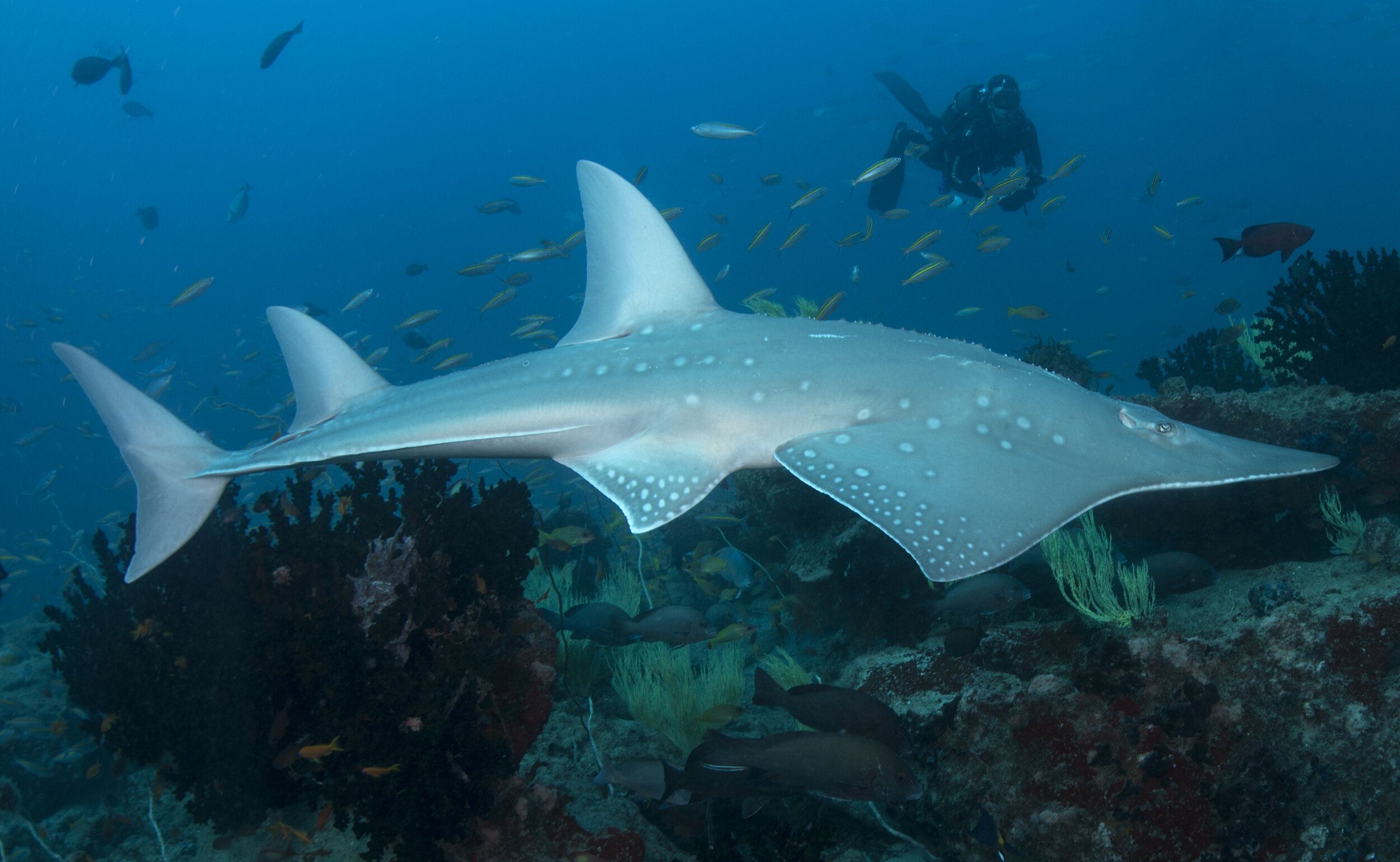 Bazaruto Seascape to Závora, Inhambane Province, MozambiqueMozambique Rhino Rays Research ProjectMozambique is a center of abundance for rhino rays, the world's most threatened group of marine fishes, and we are collecting the data needed to protect them.
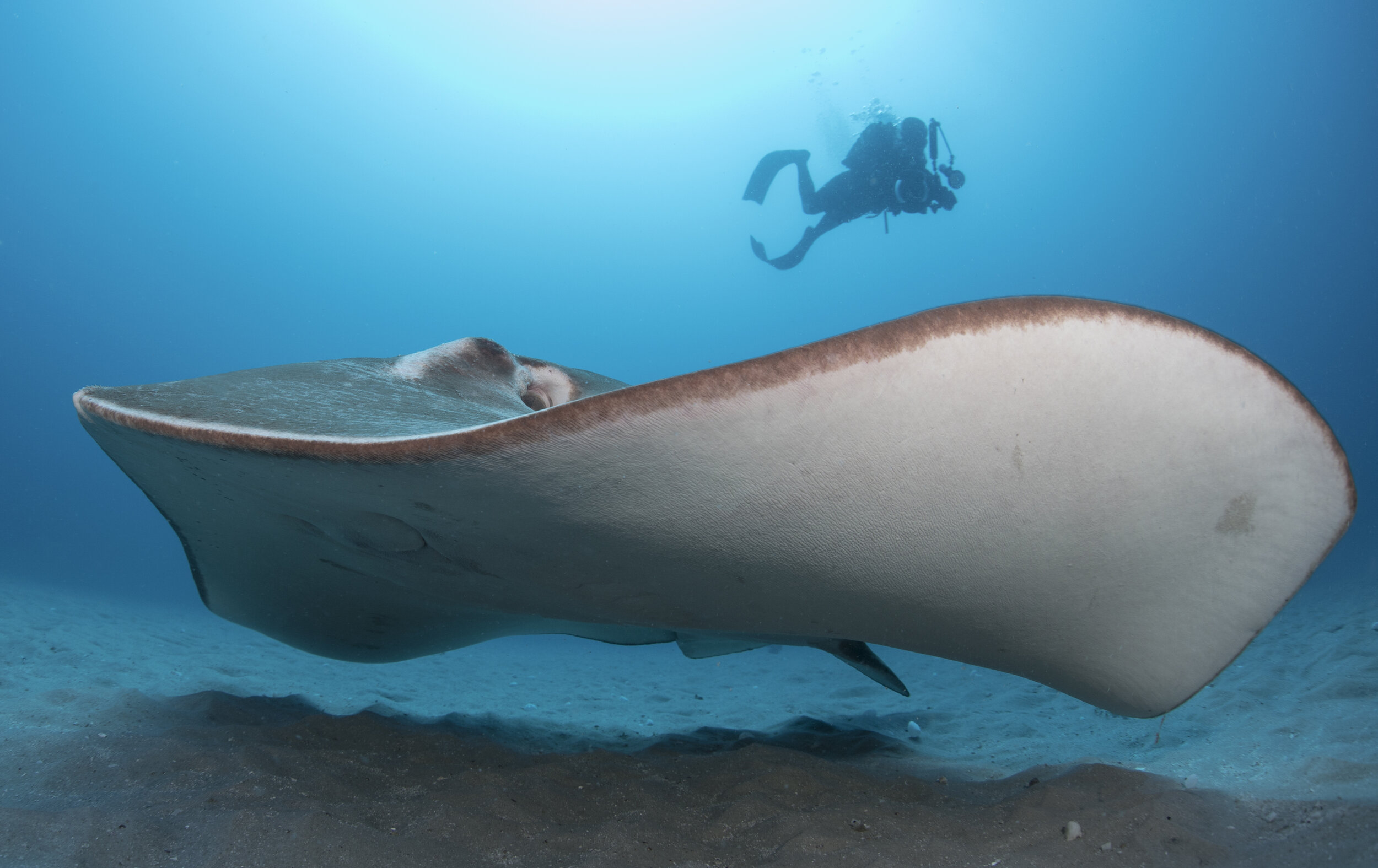 Inhambane Province, MozambiqueMozambique Smalleye Stingray Research ProjectMMF's research on the smalleye stingray in southern Mozambique, from the species' first record in the western Indian Ocean in 2008 to long-term photo-identification and acoustic tracking of this rare giant.
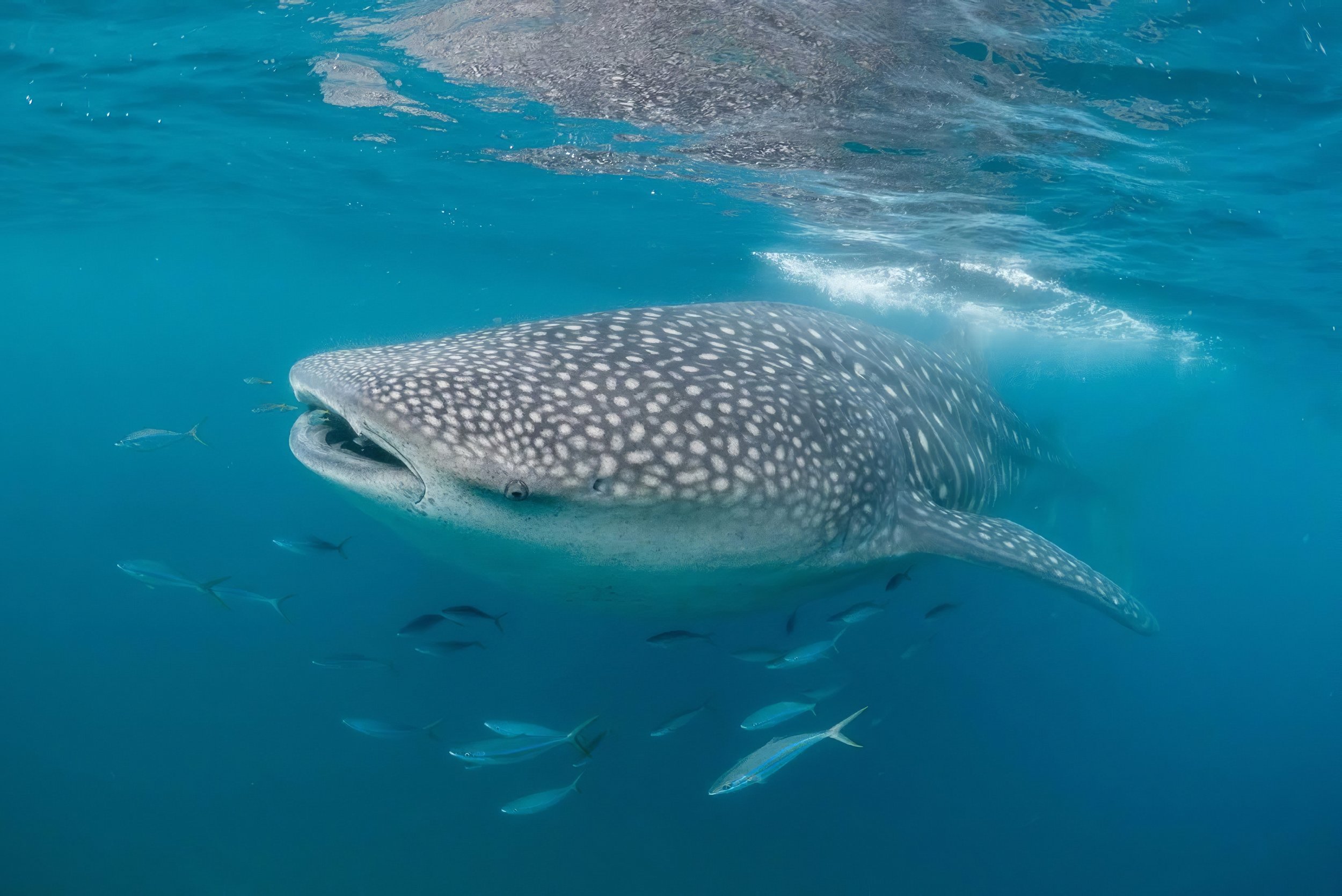 Inhambane Province, southern MozambiqueMozambique Whale Shark ProjectSouthern Mozambique is one of the world's most important whale shark feeding areas, and we have studied the sharks here since 2005 to understand and protect them.
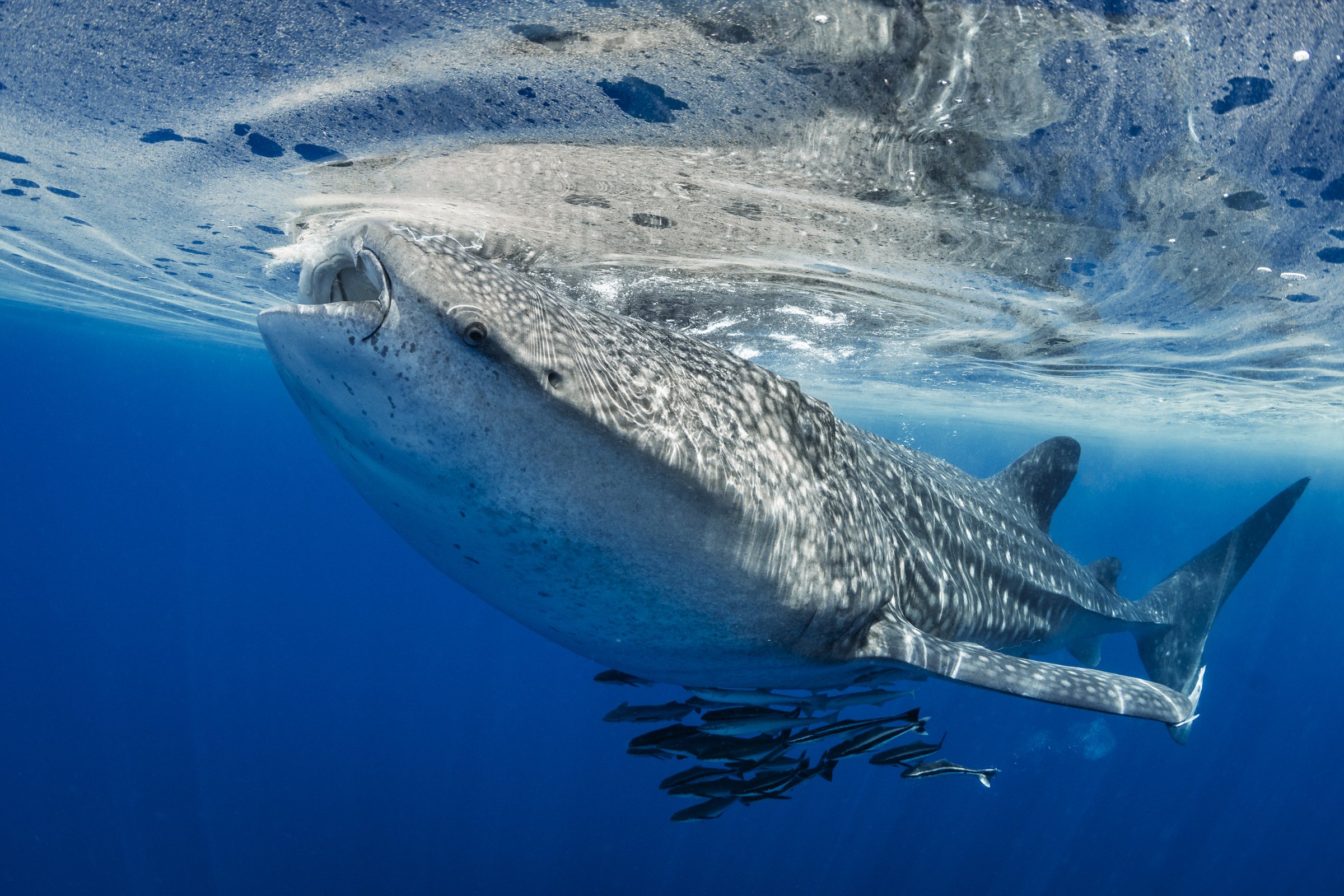 Muscat Coast, OmanOman Whale Shark ProjectMapping the Gulf of Oman's whale shark aggregation, documenting the injuries its sharks suffer from vessel strikes and fishing gear, and building the Omani partnerships that can protect them.
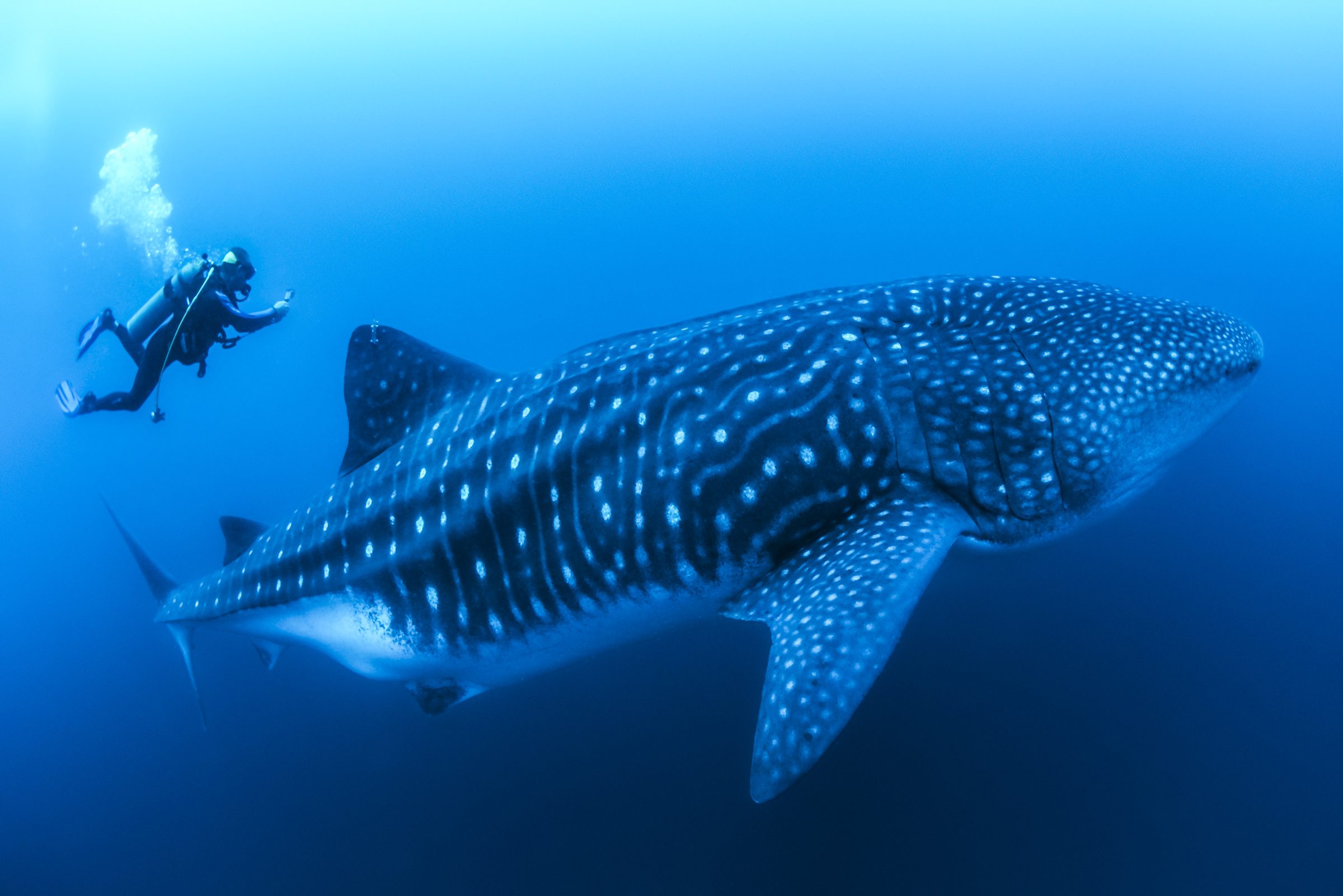 GlobalOpen Ocean GiantsWhale sharks, oceanic manta rays, and devil rays travel far beyond any one country's waters. Our campaign uses evidence of their movements to inform the treaties and protected areas that can safeguard them across their range.
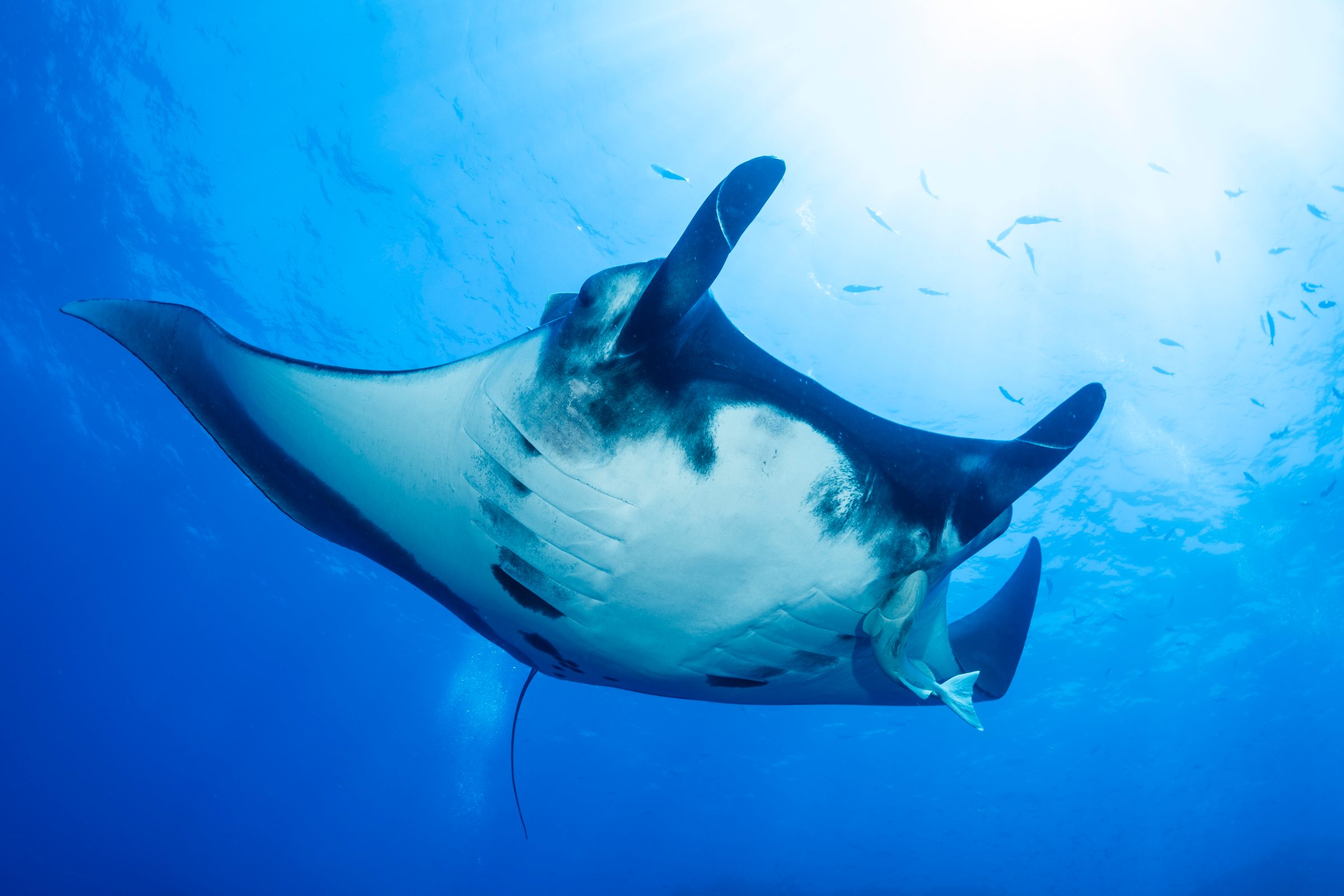 Revillagigedo National Park, MexicoRevillagigedo Manta Ray ResearchRevillagigedo National Park is a well-known aggregation site for oceanic manta rays, and the first place where pregnancy has been confirmed in free-swimming oceanic manta rays by underwater ultrasound.
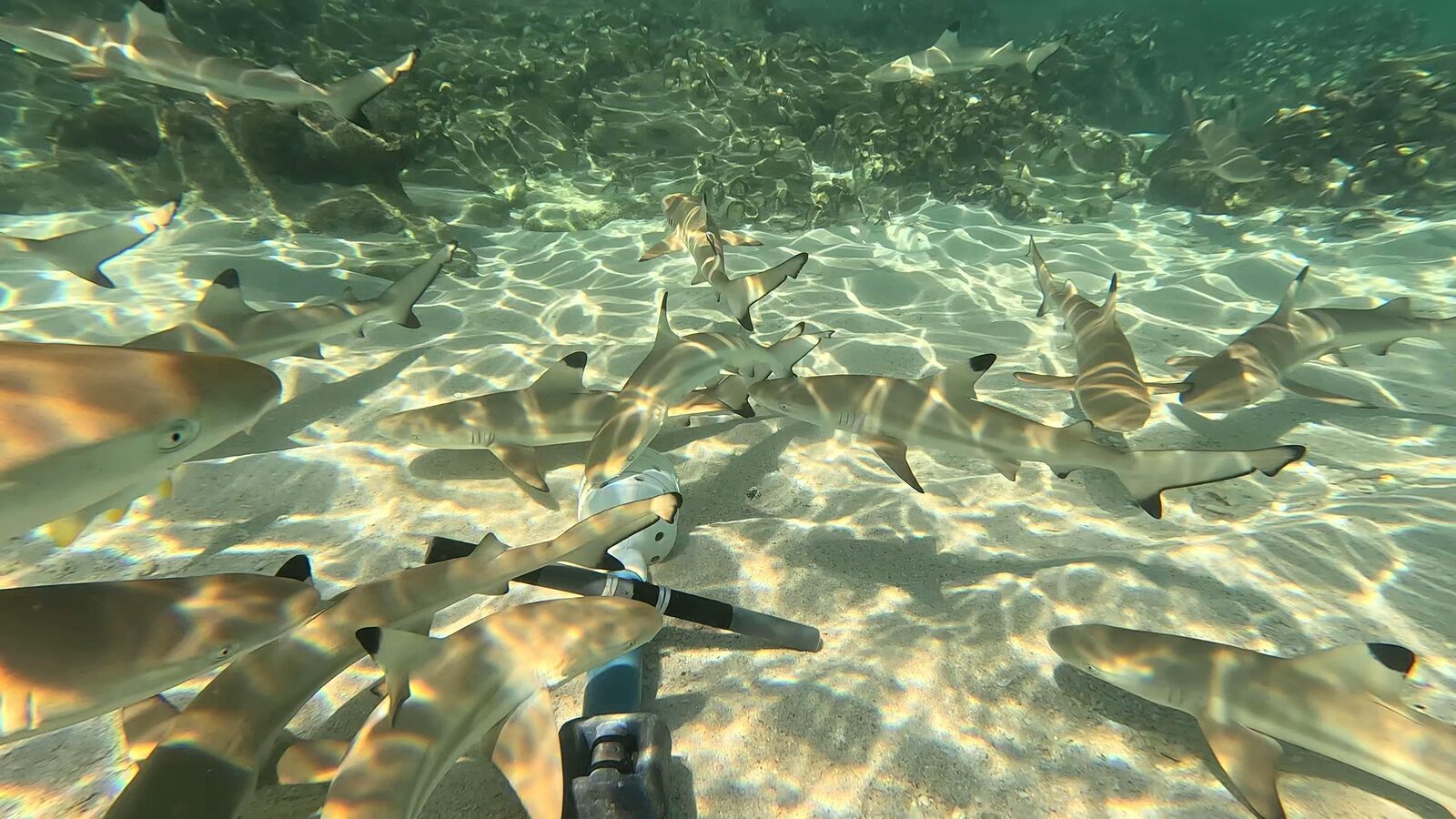 Shungimbili Island Marine Reserve, Mafia Island, TanzaniaTanzania Blacktip Reef Shark ProjectTesting whether a no-take reserve off Mafia Island, Tanzania, is a nursery for young blacktip reef sharks.
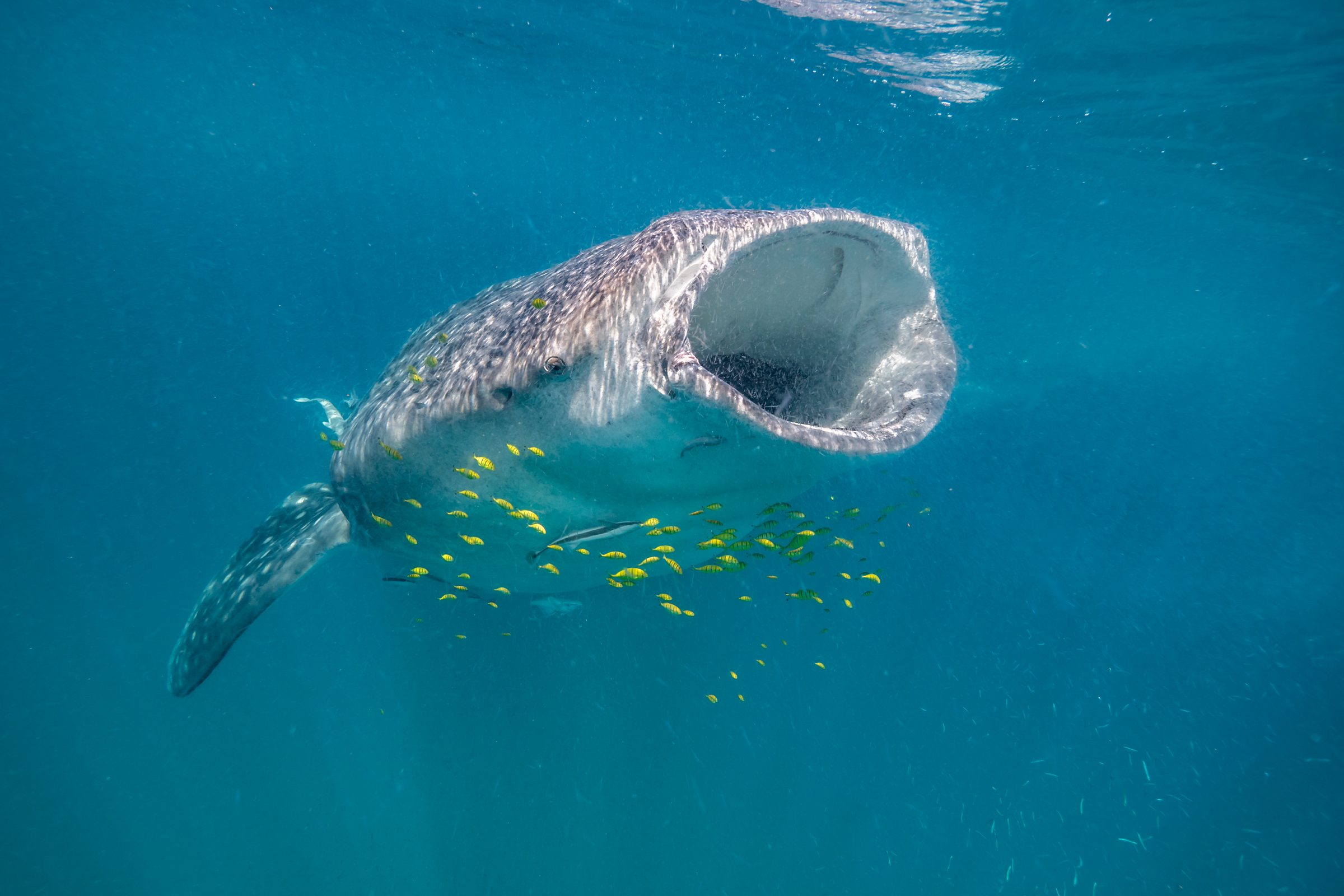 Mafia Island, TanzaniaTanzania Whale Shark ProjectThe whale sharks off Mafia Island return to the same small stretch of coast year after year, and we have monitored them since 2012 to understand and protect them.
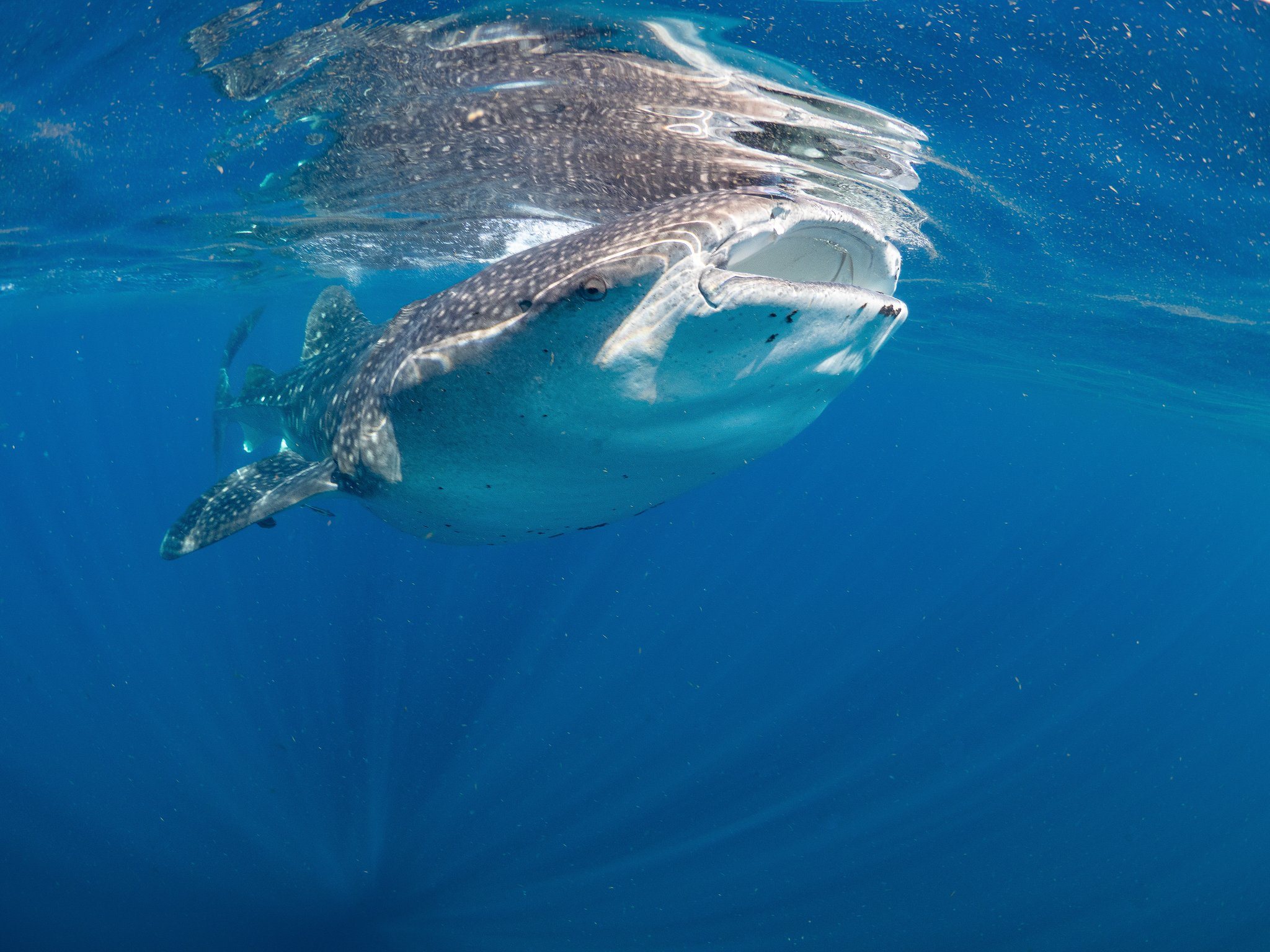 Isla Mujeres and Isla Holbox, Quintana Roo, MexicoYucatan Whale Shark ResearchEach summer, hundreds of whale sharks gather off the Yucatan Peninsula to feed, forming the largest aggregation of the species yet recorded.
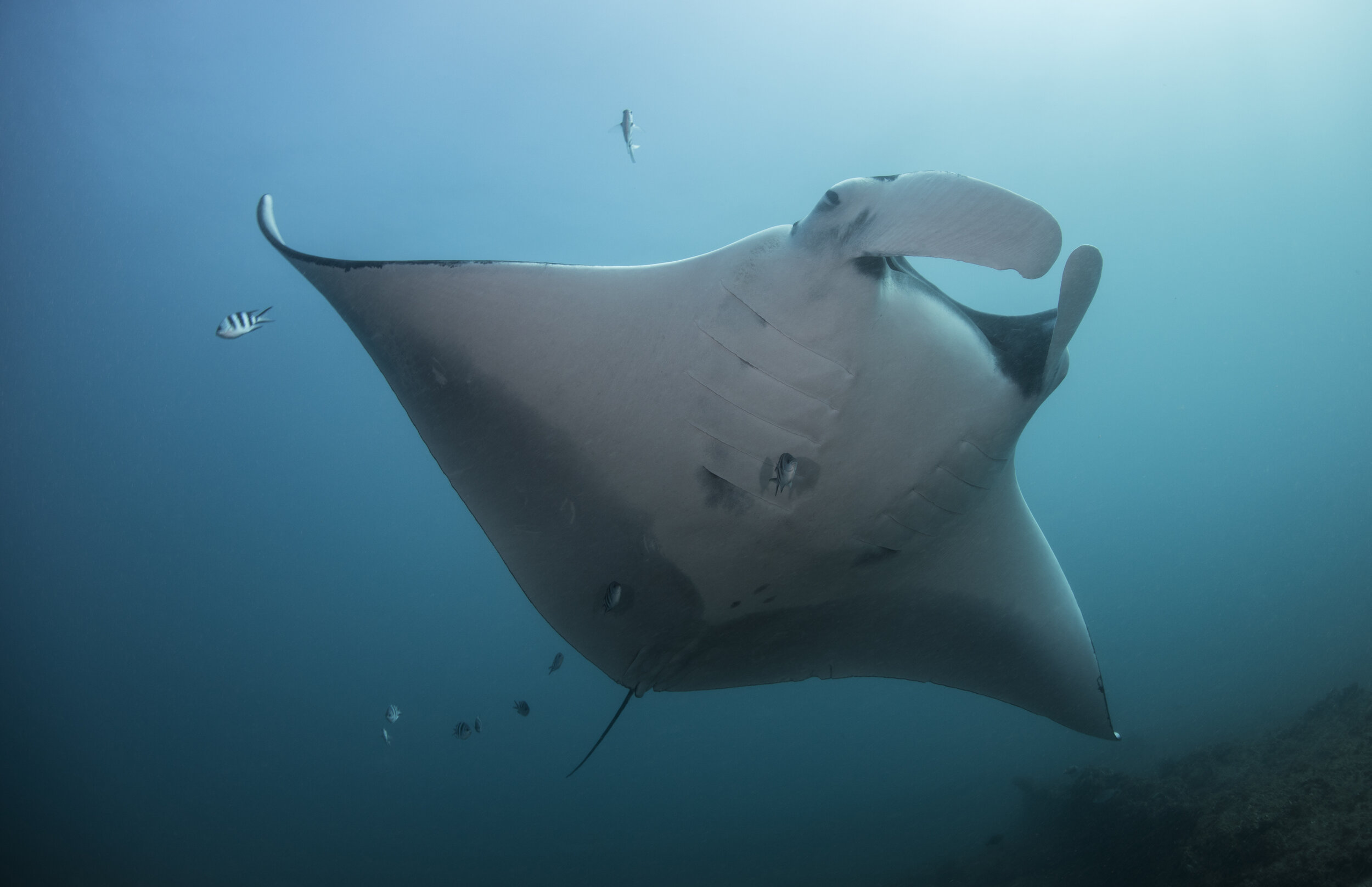 Závora Bay, Inhambane Province, MozambiqueZávora Marine ConservationResearch, fisheries monitoring, and community-led protection at MMF's southernmost site in Mozambique, home to one of the last reef manta ray aggregations on the East African coast.
Completed 15
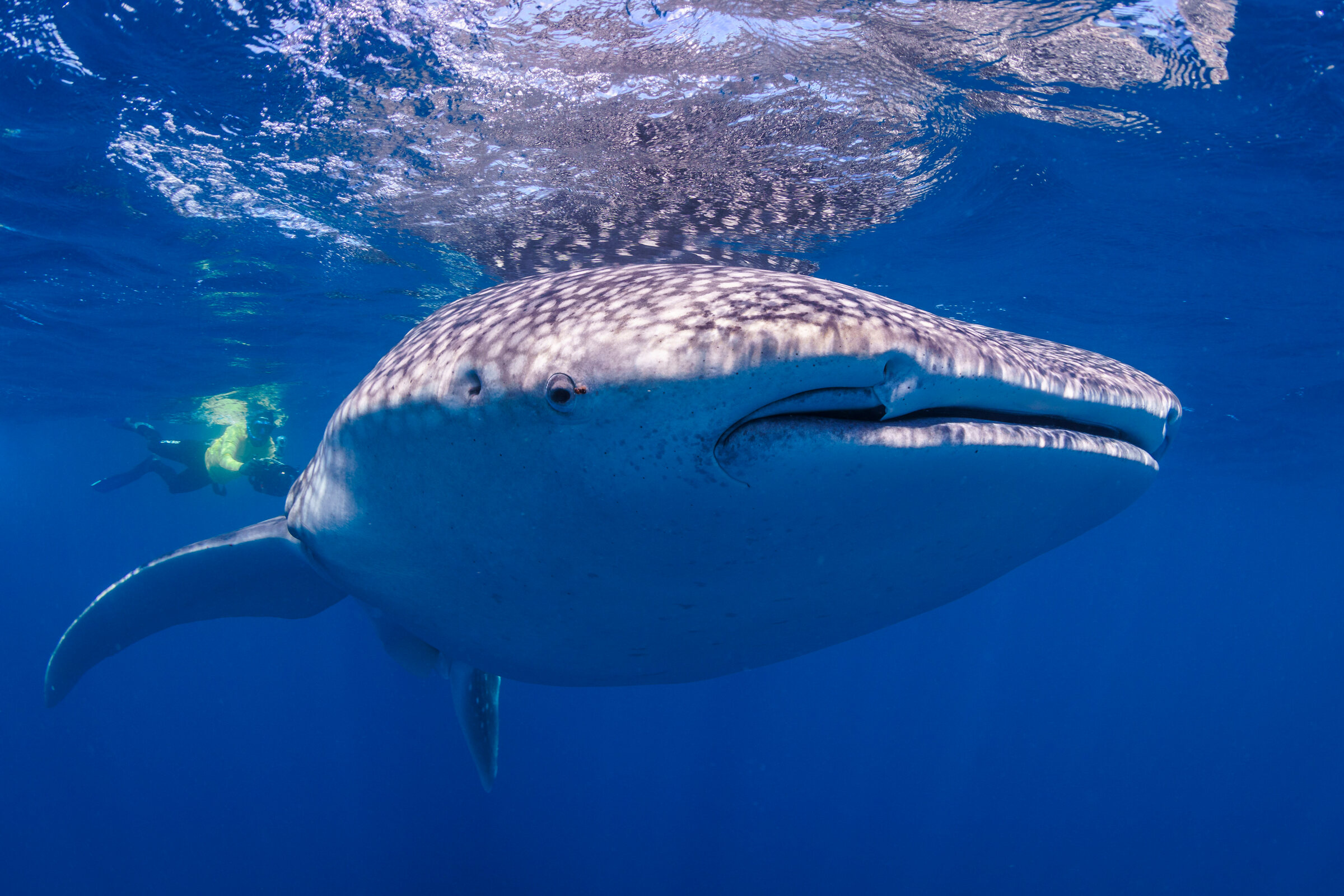 Wreck Bay, far northern Great Barrier Reef, AustraliaCoral Sea Whale Shark ProjectYoung whale sharks aggregate at Wreck Bay each November and December before dispersing across the Coral Sea and beyond.
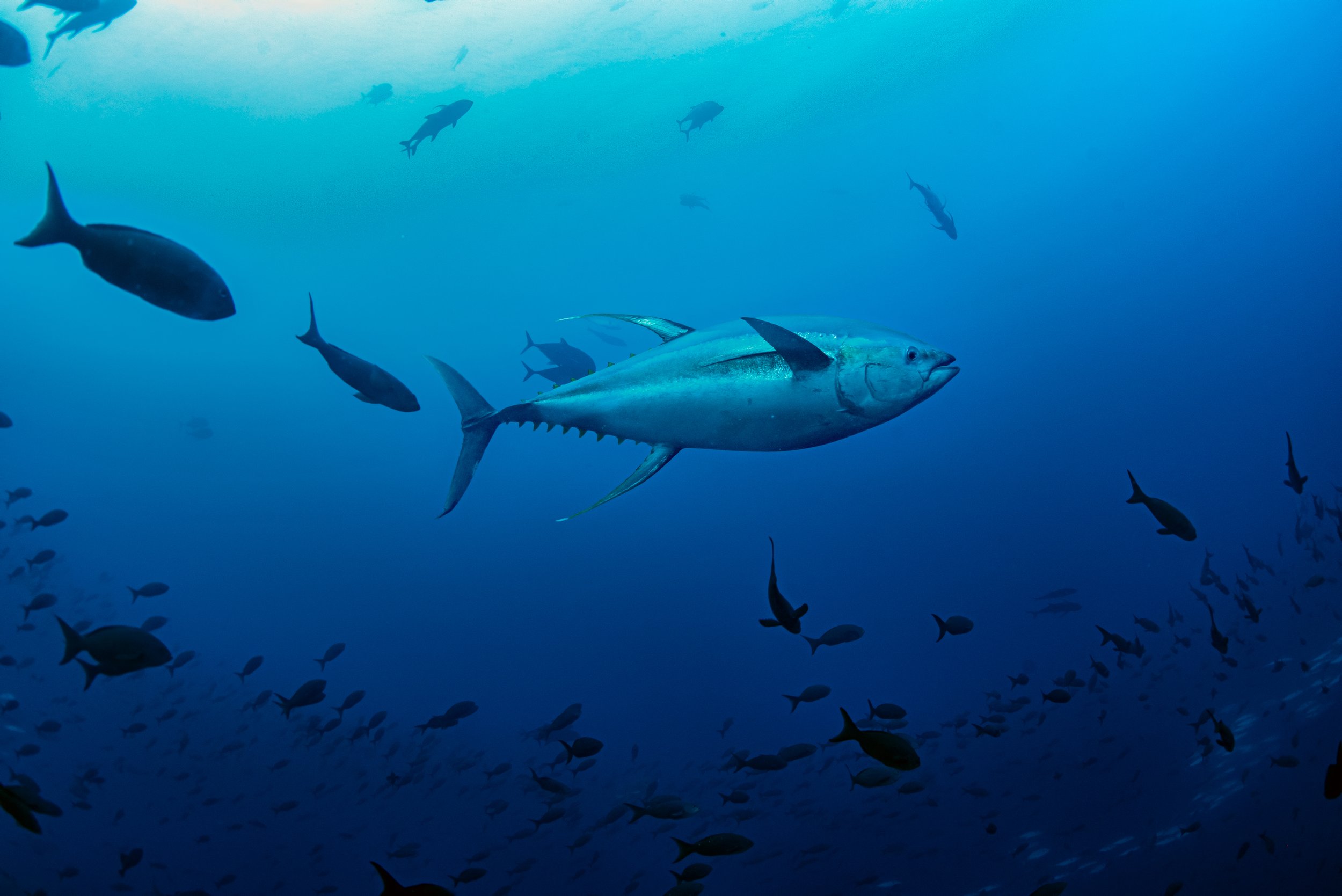 Galápagos Marine Reserve, EcuadorGalápagos Yellowfin Tuna ProjectSatellite tags on yellowfin tuna in the Galápagos showed that oxygen, not depth, limits their dives, keeping them close to the surface and within reach of fishing gear.
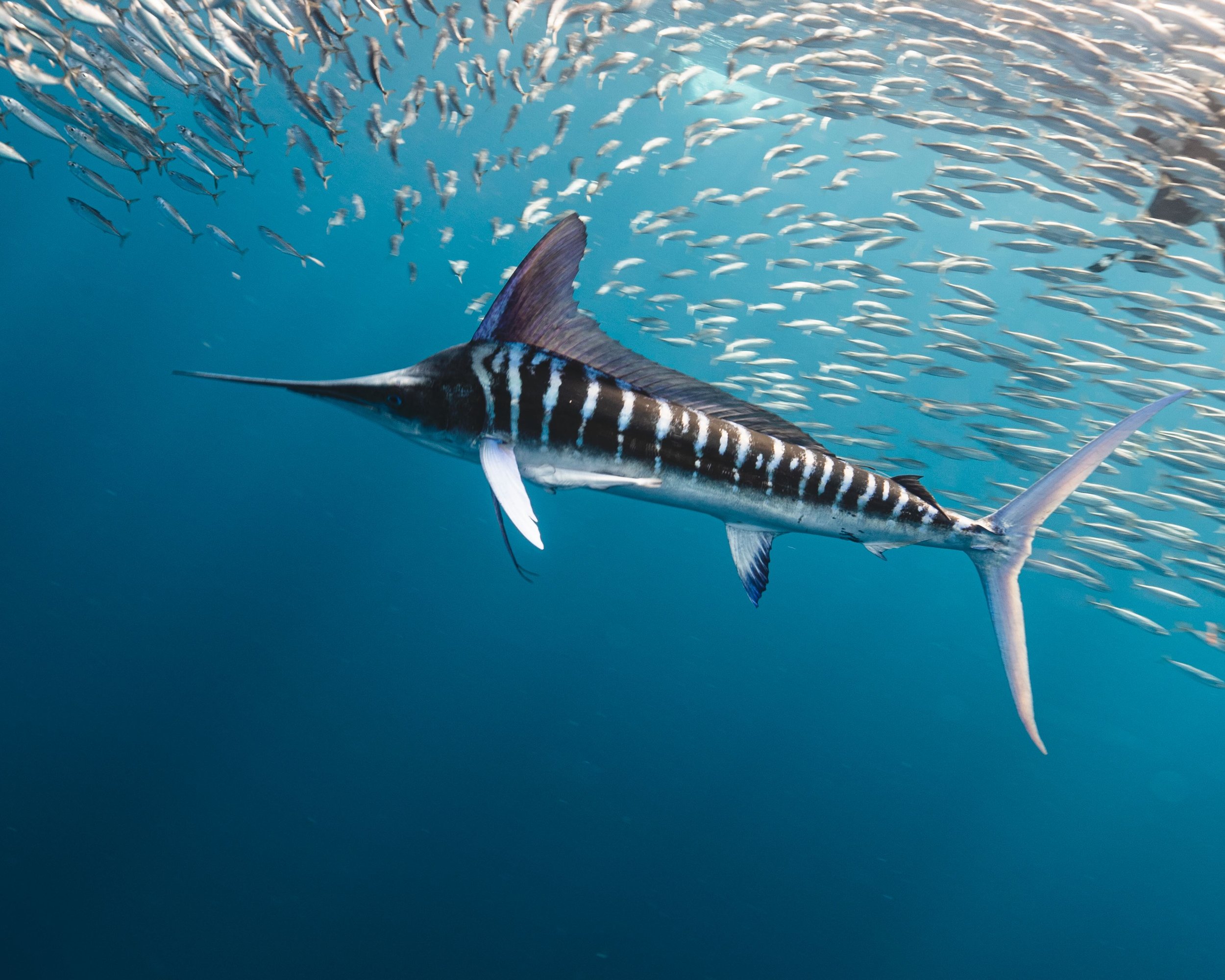 Watamu and Shimoni, KenyaKenya Marlin ProjectSport-fishing crews in Kenya fitted 98 satellite tags to black and striped marlin, and the tracks showed fish ranging thousands of kilometers across the western Indian Ocean.
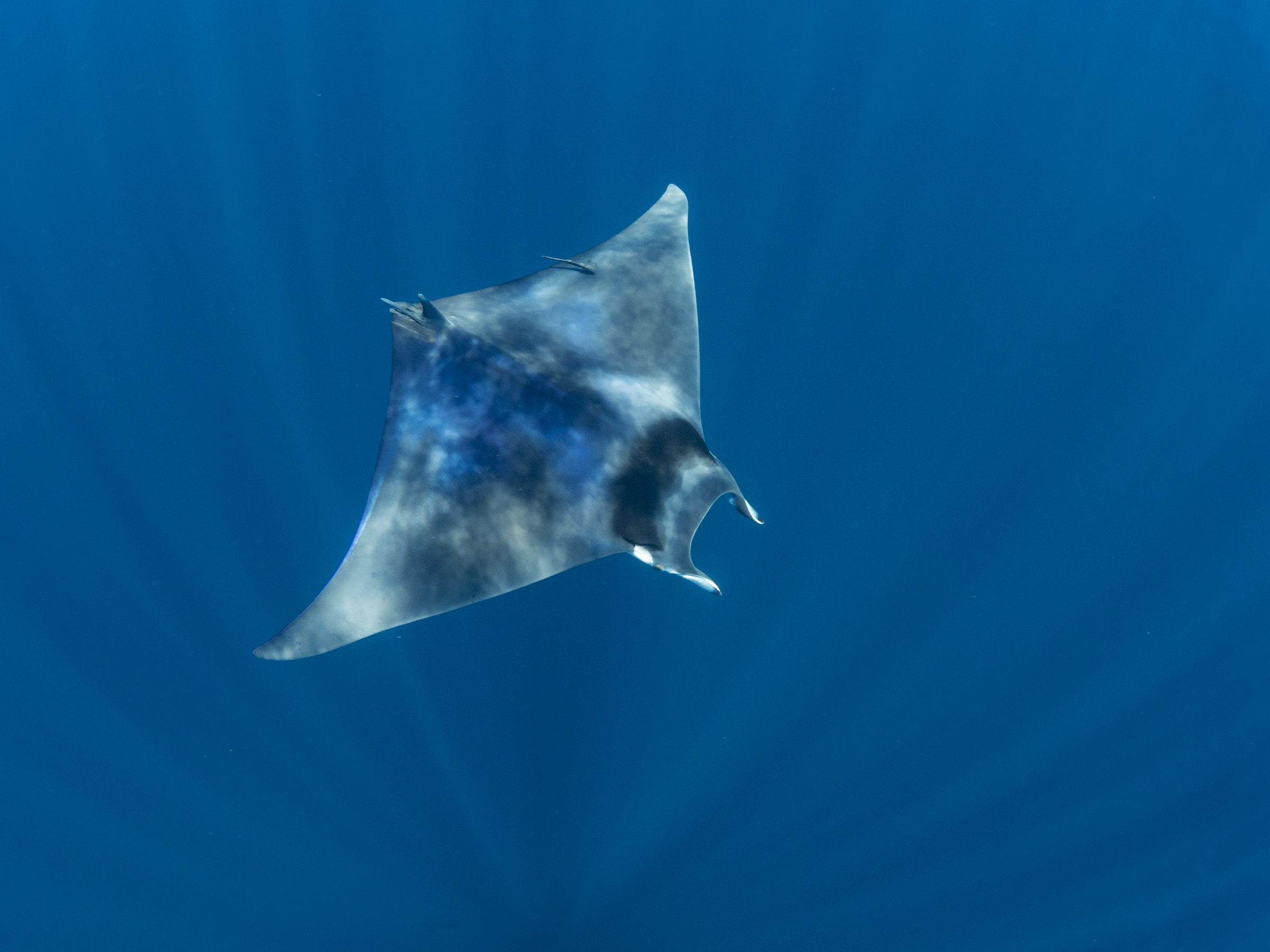 Nosy Be, northwest MadagascarMadagascar Manta and Devil RaysSeven years of surveys off Nosy Be documented three threatened species of manta and devil rays feeding in the same bay, but no confirmed records of reef manta rays since 2015.
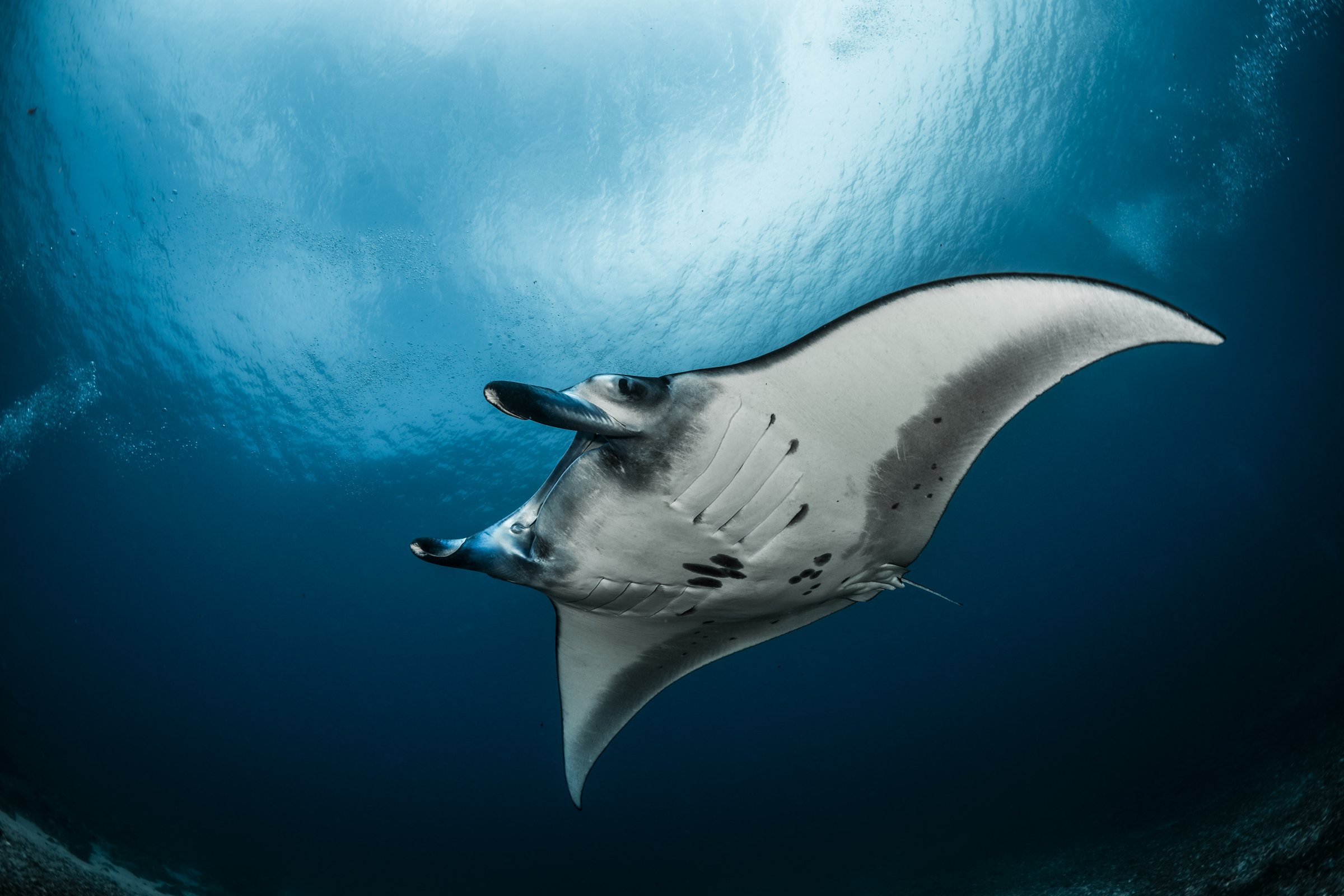 Mayotte, northern Mozambique ChannelMayotte Manta Ray ProjectSatellite tags and photographs from local divers showed that Mayotte's tracked reef manta rays stayed in local waters around the island while diving to nearly 400 m (1,300 ft), and that young mantas aggregate in one shallow bay.
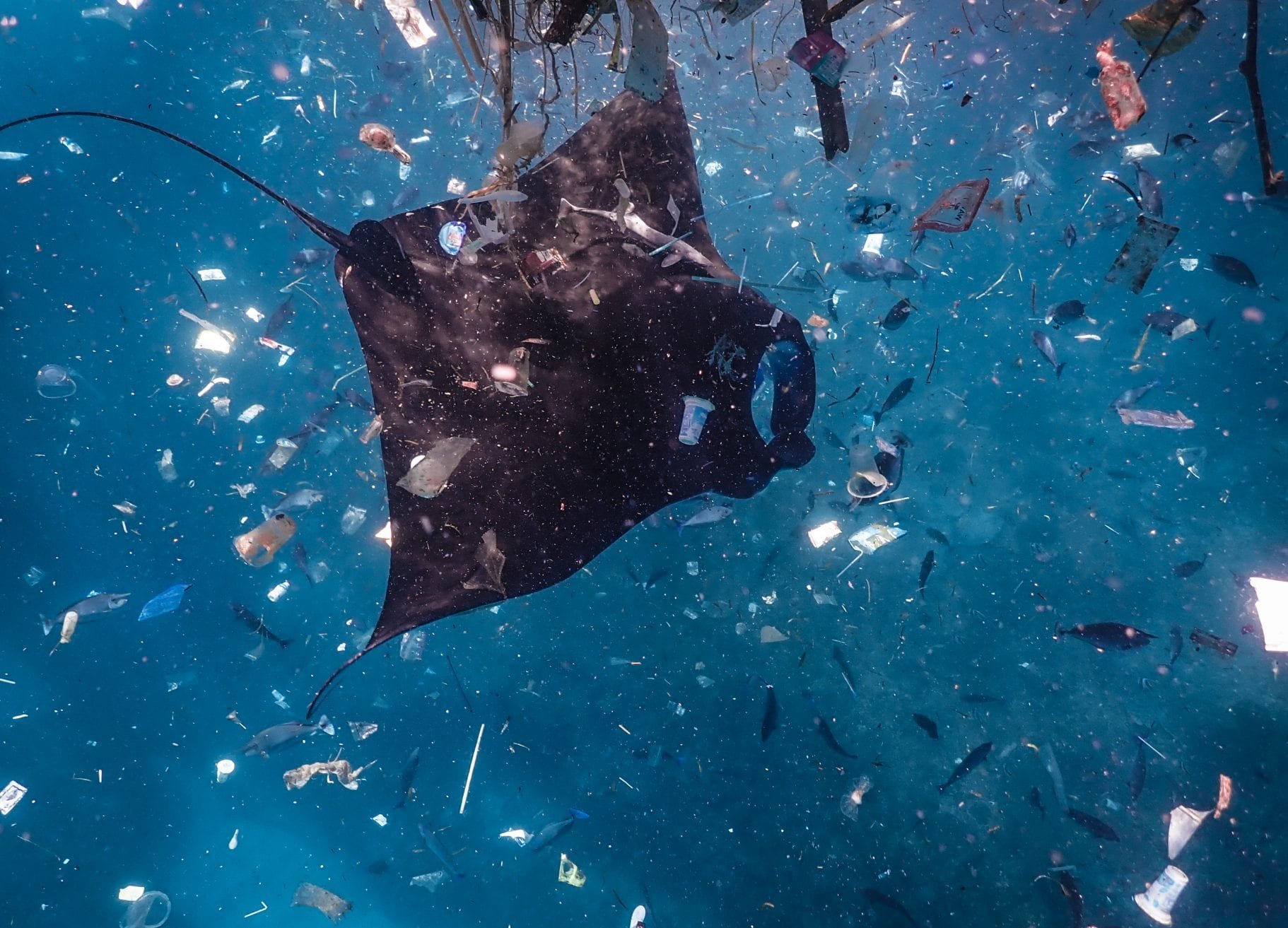 Nusa Penida Marine Protected Area (Bali); Komodo National Park (East Nusa Tenggara)Microplastics & MegafaunaMMF studied the impacts of marine plastic pollution on manta rays and whale sharks to better understand the risk to these filter-feeders.
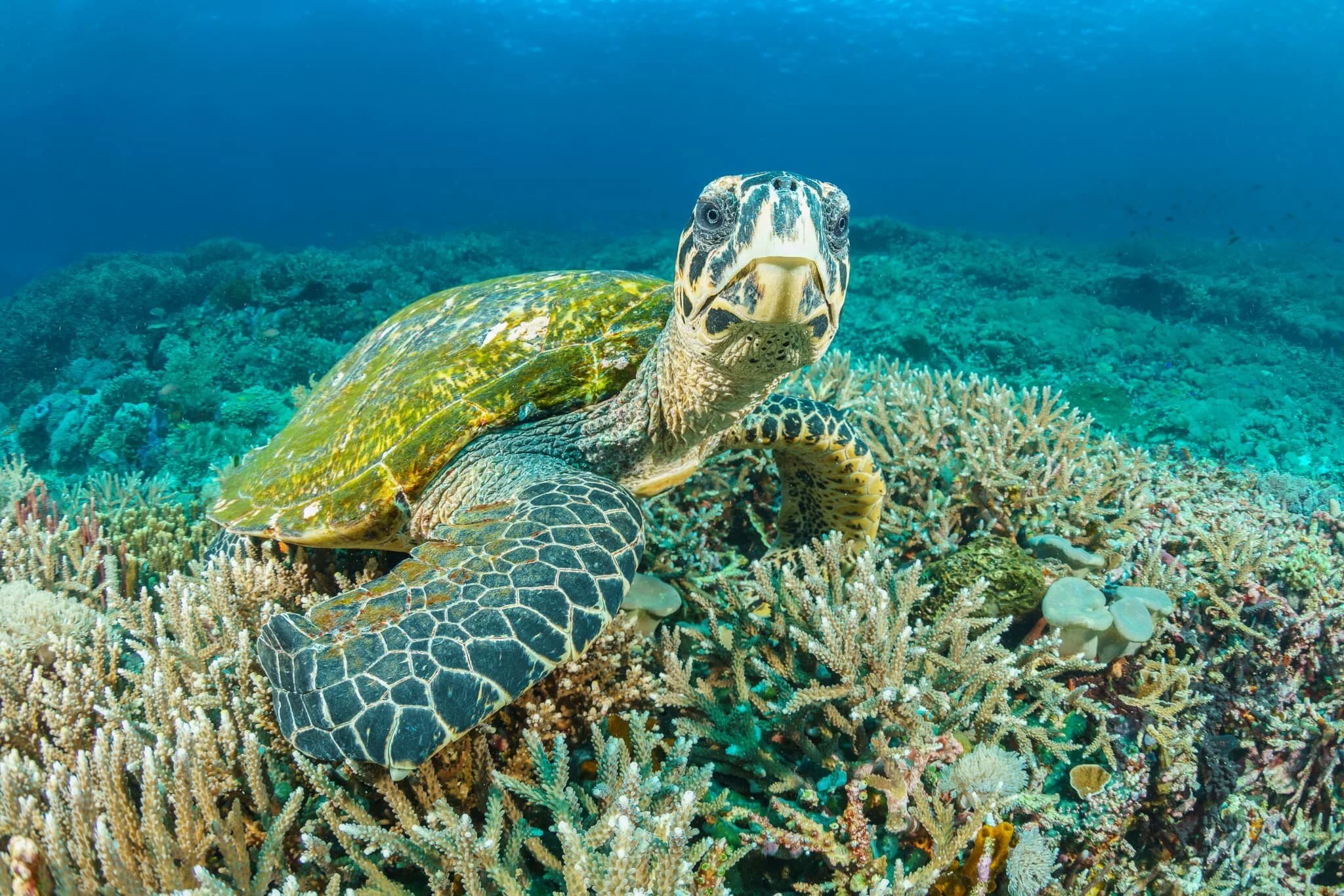 Tofo, Inhambane Province, MozambiqueMozambique Sea Turtle ProjectTurtle abundance, residency, and threats on the reefs off Tofo: a PhD study by Dr. Jessica Williams with MMF and James Cook University, completed in 2017.
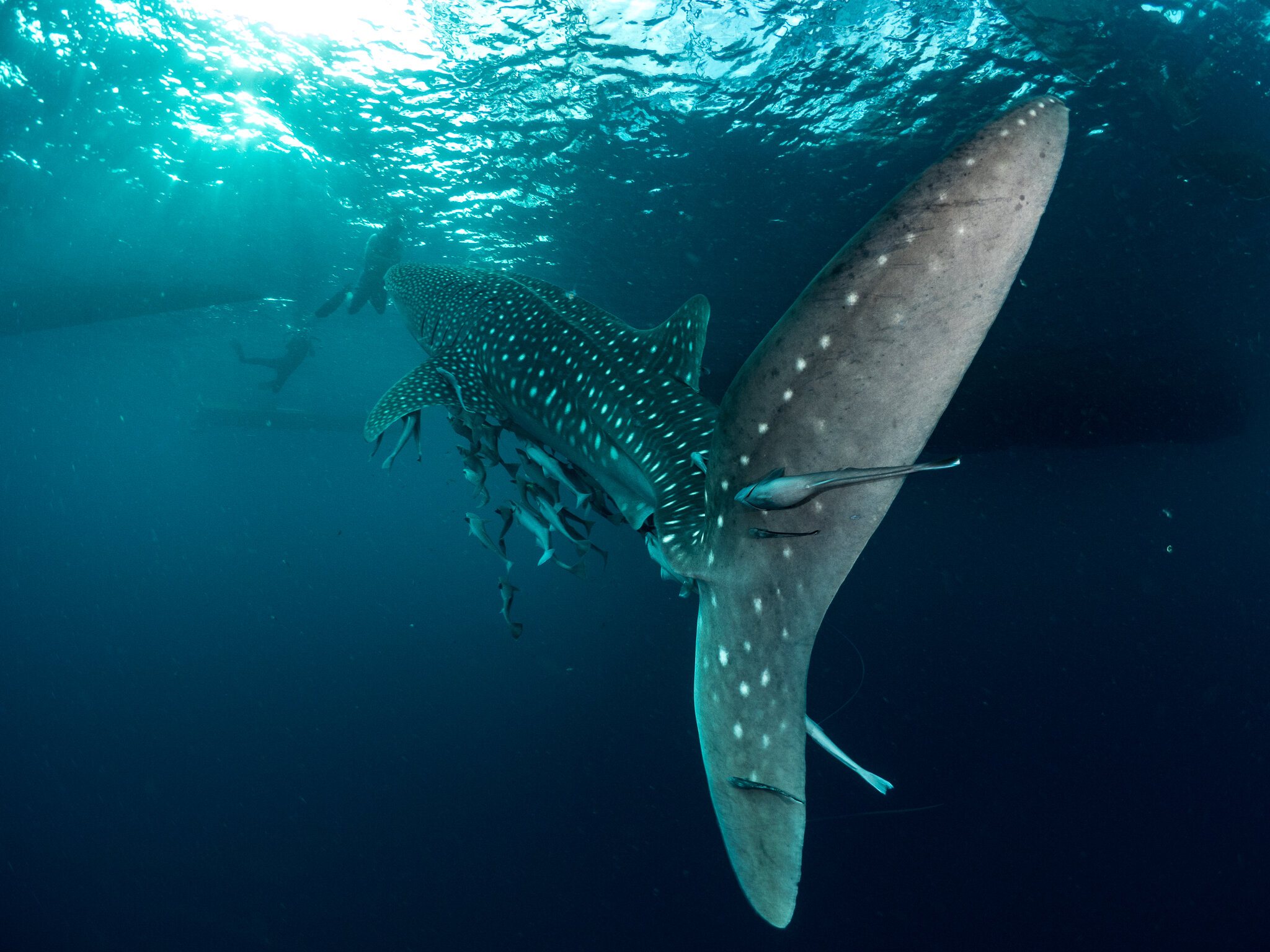 Gulf of California and eastern Pacific, MexicoPacific Mexico Whale Shark TrackingSatellite tags showed that the juvenile whale sharks tracked stayed inside the Gulf of California, while the adults, most of them apparently pregnant females, moved into the open Pacific.
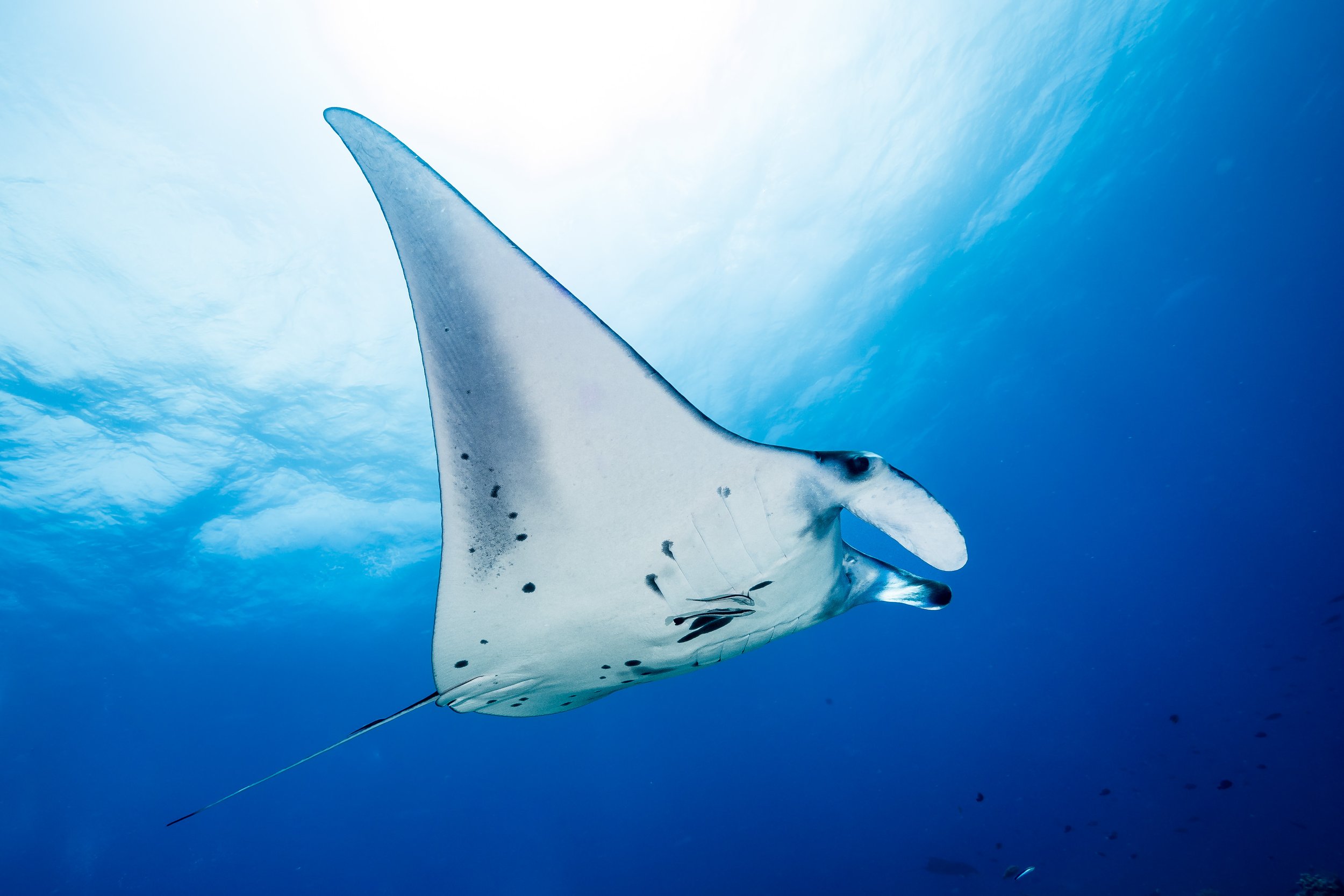 Bohol Sea, PhilippinesPhilippines Manta and Devil RaysFour species of manta and devil rays landed together in the Bohol Sea fed almost entirely on krill, and reproduce so slowly that no level of fishing appeared sustainable.
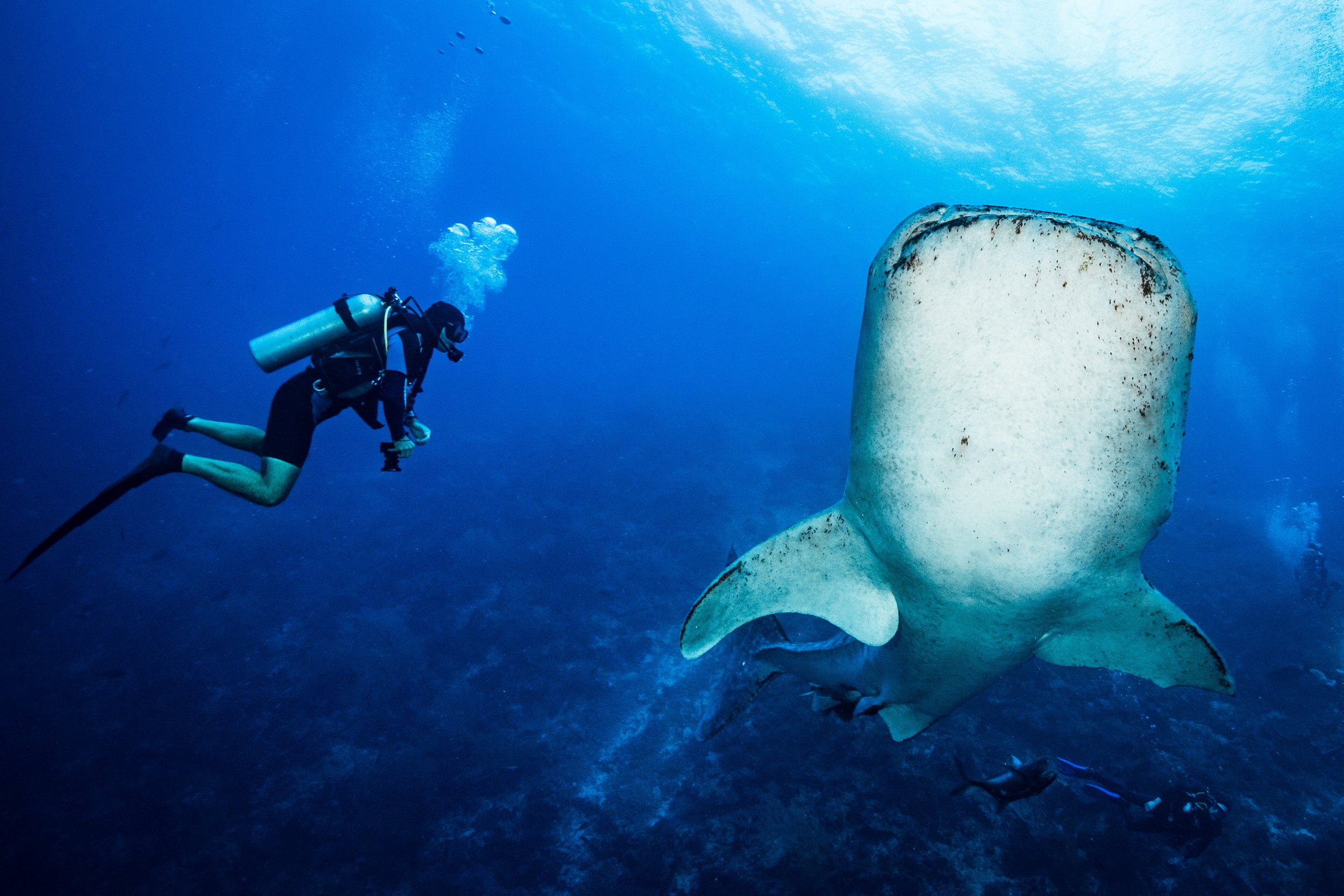 Sulu and Bohol Seas, PhilippinesPhilippines Whale Shark ProjectSatellite tags on 17 young whale sharks showed that they stayed in Philippine waters throughout tracking, yet spent most of their time offshore, over deep water.
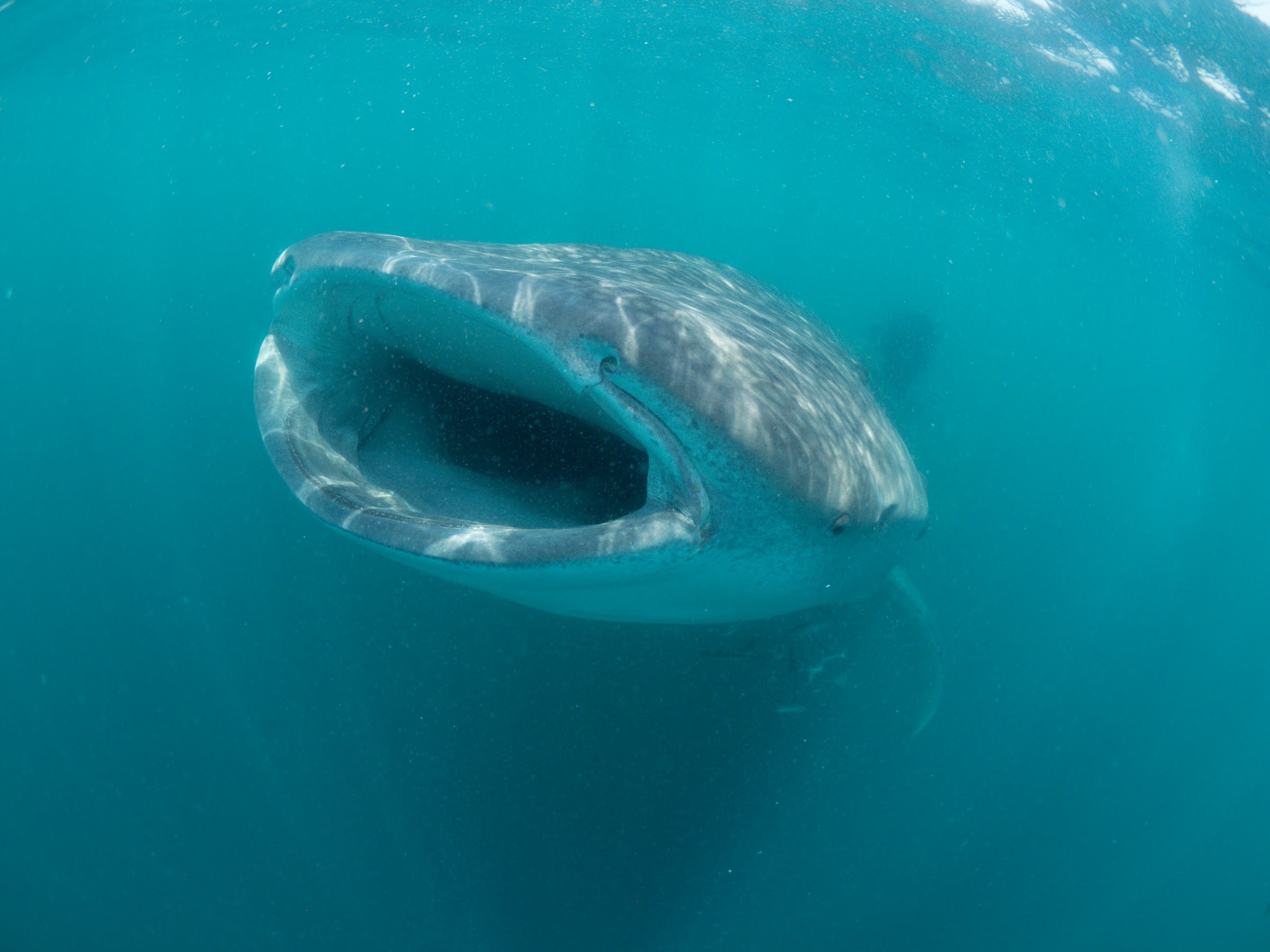 Al Shaheen oil field, Arabian Gulf, QatarQatar Whale Shark ProjectEvery summer, more than a hundred whale sharks at a time aggregate in an offshore oil field in Qatar to feed on the eggs of spawning tuna.
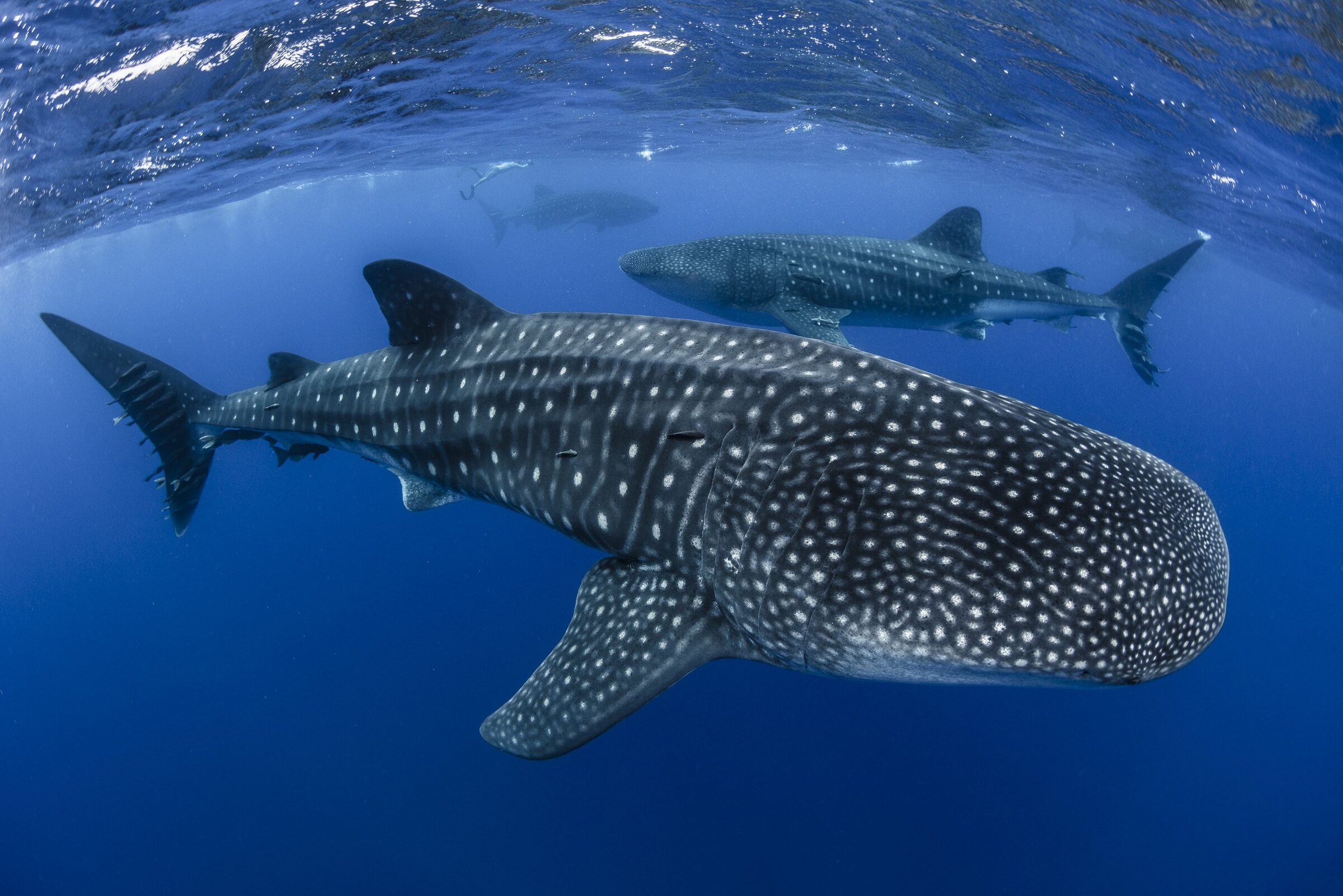 St. Helena, central South AtlanticSt. Helena Whale Shark ProjectThe whale sharks that aggregate around this remote island are mainly adults, with males and females in roughly equal numbers. Two eyewitness accounts from local observers were the first reported sightings of whale sharks mating.
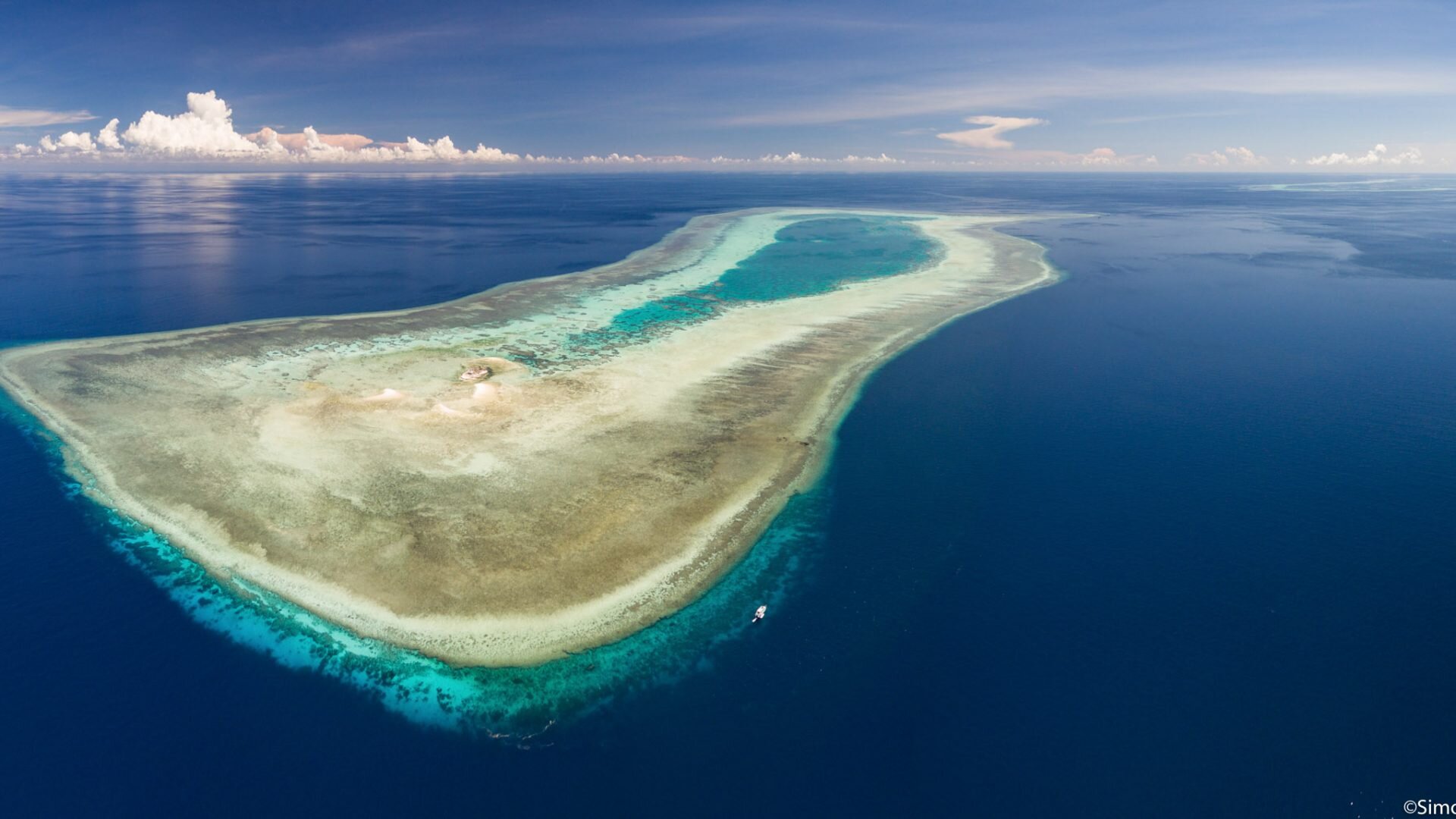 Tubbataha Reefs Natural Park, Sulu Sea, PhilippinesTubbataha Shark MonitoringDiver surveys and baited cameras recorded about seven sharks and rays per hectare (about three per acre) at Tubbataha, three times the density of reef sharks in the Great Barrier Reef's no-take zones.
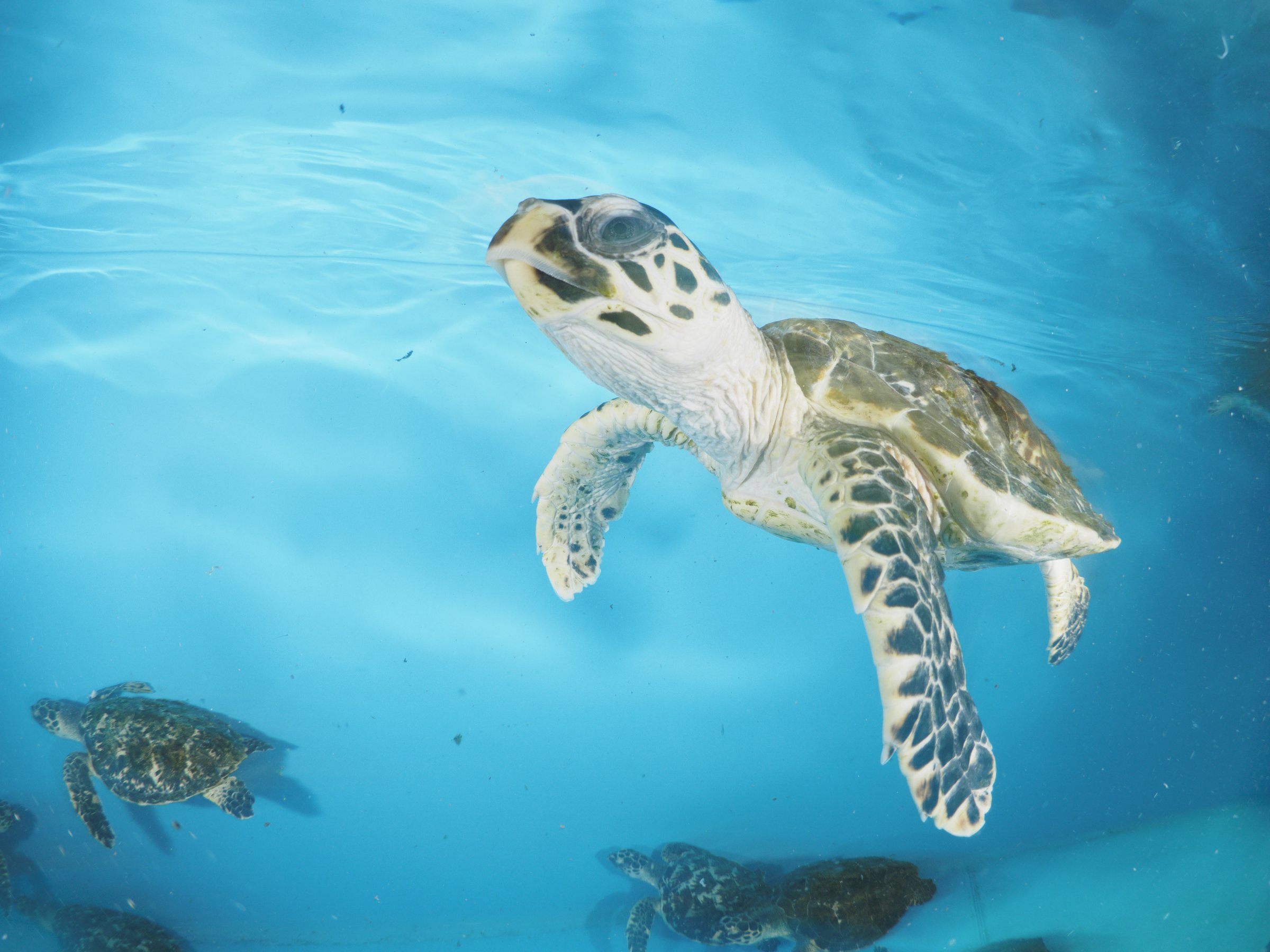 Dubai and the Arabian Gulf, United Arab EmiratesUAE Sea Turtle Rescue and RecoverySatellite tracking of rescued and rehabilitated sea turtles showed that most survived in the wild for as long as they were monitored, including turtles that had lost a flipper, and one green turtle swam 8,283 km (5,147 miles).
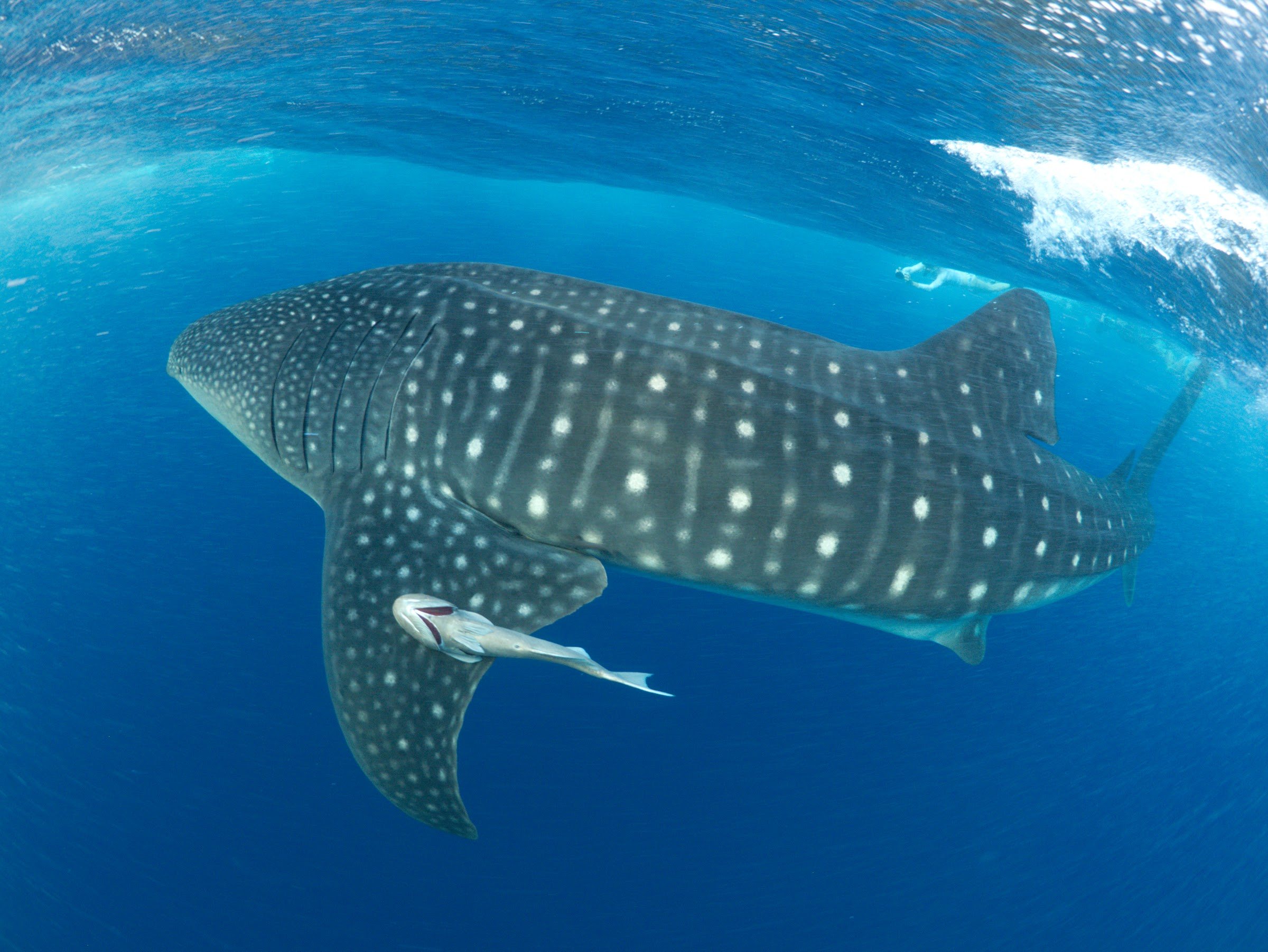 Utila, Bay Islands, HondurasUtila Whale Shark ProjectTwelve years of sightings identified 95 whale sharks at Utila, and later regional work showed that these sharks move between Honduras, Belize, Mexico, and the United States.
No project matches all of these filters.
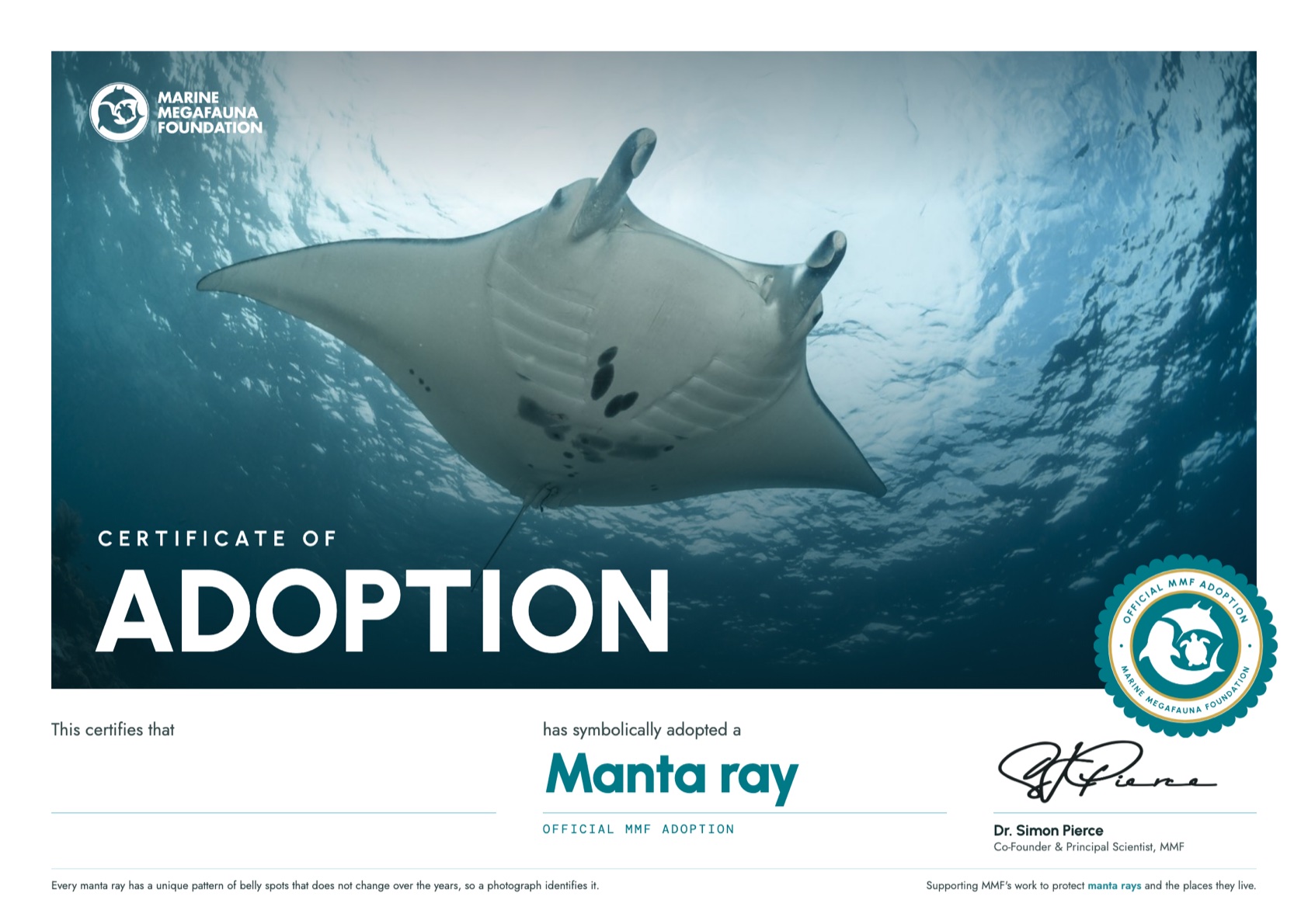


Adopt a manta ray
The world's largest rays, studied by MMF scientists in Mozambique, South Africa, Indonesia, and the USA.
Who leads this work
 Dr Clare PrebbleSenior ScientistLeads Bazaruto Seascape Marine Research and Mozambique Acoustic Telemetry Network and Mozambique Marlin Research Project and Mozambique Whale Shark Project and Yucatan Whale Shark Research
 Dr Christoph A. RohnerPrincipal ScientistLeads Galapagos Silky Shark Project and Open Ocean Giants and Tanzania Blacktip Reef Shark Project and Tanzania Whale Shark Project
 Dr Nakia CullainSenior ScientistLeads Mozambique Acoustic Telemetry Network and Mozambique Manta & Devil Ray Research Project and Mozambique Smalleye Stingray Research Project and Závora Marine Conservation
 Jessica PateUS Country Manager & Senior ScientistLeads Atlantic Guitarfish and Atlantic Mobula Rays and Florida Manta Project and Revillagigedo Manta Ray Research
 Dr Stephanie VenablesResearch AssociateLeads Mozambique Bull Shark Research Project and Mozambique Elasmobranch Diversity Research Project and Mozambique Rhino Rays Research Project
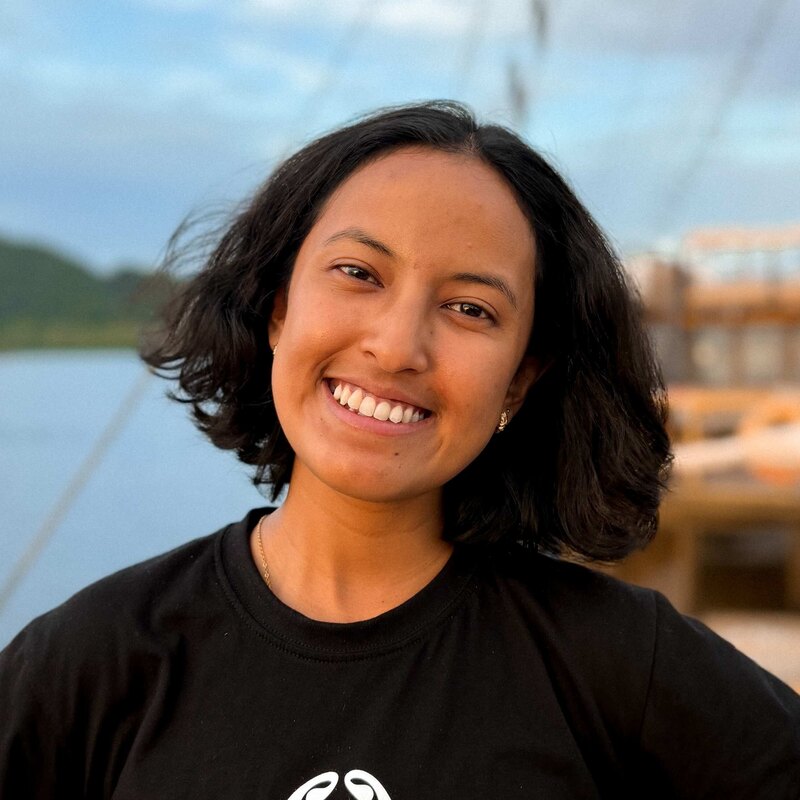 Janis ArgeswaraIndonesia Country ManagerLeads Indonesia Manta Ray Project and Indonesia Sea Turtle Project and The Lesser Sunda Seascape Tracking Network
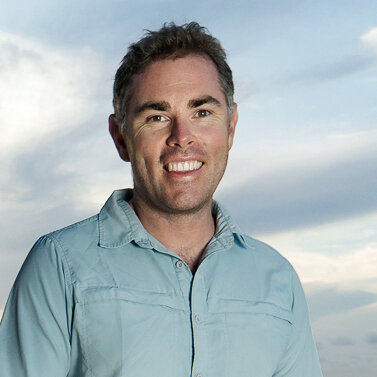 Dr Simon J. PierceExecutive DirectorLeads Galapagos Whale Shark Project and Oman Whale Shark Project
 Olivia PattersonProject Scientist – MozambiqueLeads Dugong & Seagrass Conservation and Inhassoro Wedgefish Project
 Dr David P RobinsonMMF Research AssociateLeads Australia Leopard Shark Project
 Stella DiamantResearch Associate / Madagascar Whale Shark ProjectLeads Madagascar Whale Shark Project
Fund the science
Long-term monitoring helps show whether protection is working, and multi-year support allows us to plan ahead, retain skilled staff, and respond quickly when a new threat emerges. Gifts made here go to MMF’s general fund.
Travel with our scientists
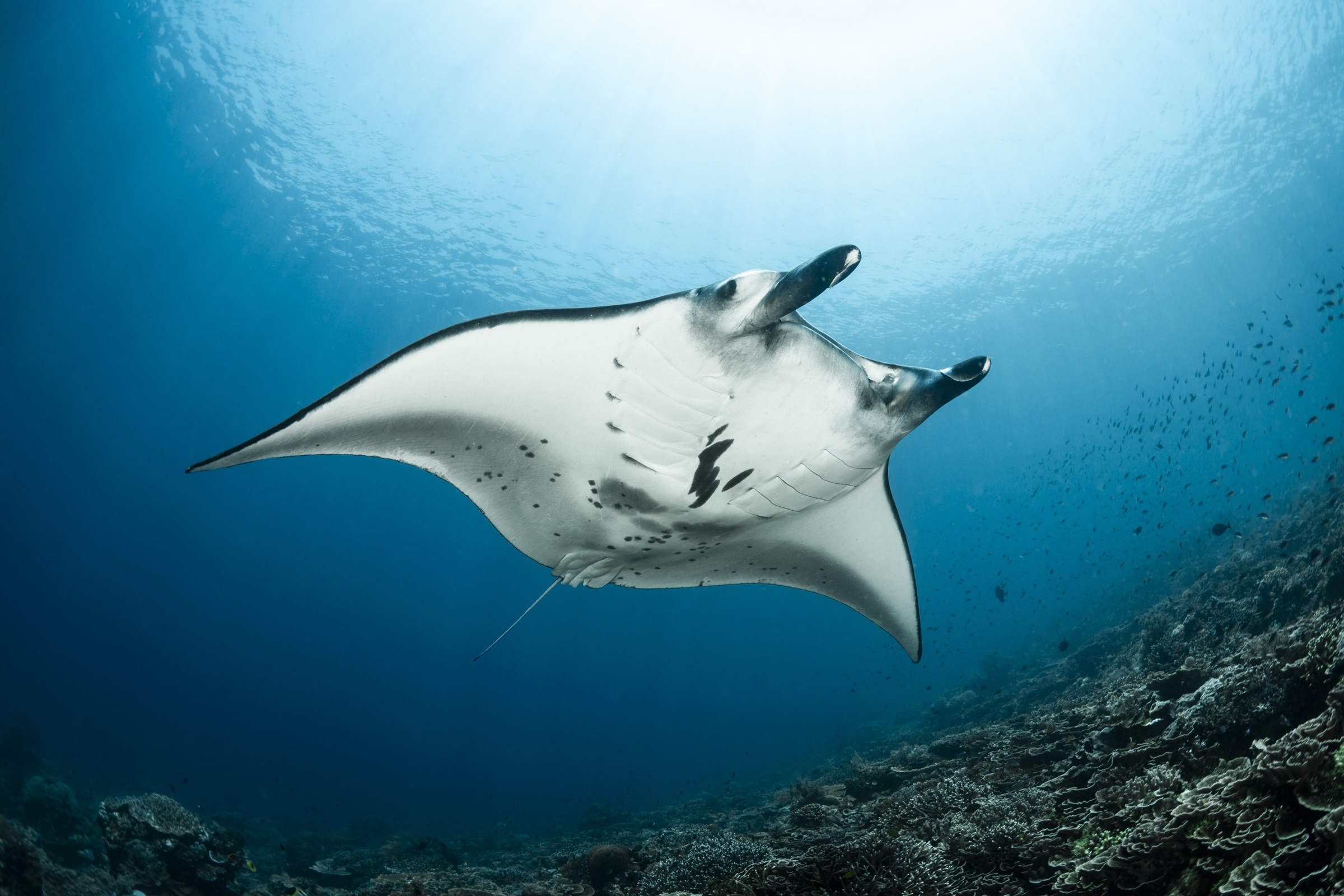
Every MMF expedition is hosted by a working marine scientist, who shares the latest research and conservation discoveries about the animals you'll see.