
Where we work · Since 2003
Mozambique
From Závora to the Bazaruto Archipelago, our Mozambican team studies threatened sharks, rays, and whale sharks, and works with coastal communities to protect them.
Mozambique is where MMF began. Since 2003, our team has explored and studied the coast of southern Mozambique and documented Africa’s largest identified populations of manta rays and whale sharks. Our research and advocacy were a major factor in Mozambique’s decision to give manta rays, devil rays, and whale sharks legal protection in January 2021.
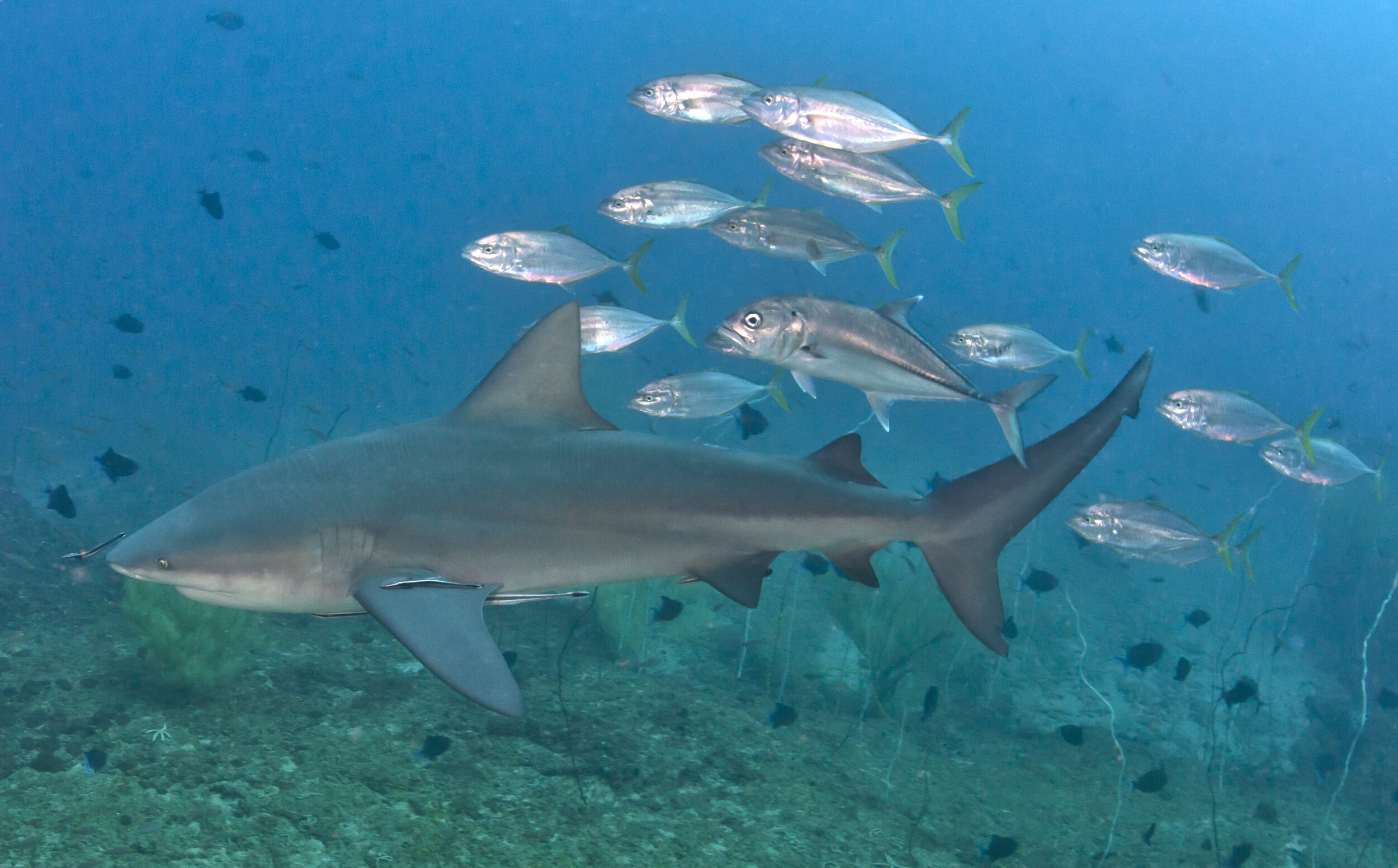
Our work centers on Inhambane Province, which extends from the Save River to Závora and covers about a fifth of Mozambique’s coastline. These waters are a breeding area for reef and oceanic manta rays (Mobula alfredi and M. birostris), one of the world’s most important feeding areas for whale sharks (Rhincodon typus), and home to critically endangered rhino rays, the rare smalleye stingray (Megatrygon microps), leopard sharks (Stegostoma tigrinum), bull sharks (Carcharhinus leucas), and black marlin (Istiompax indica). We track these species with a shared network of underwater listening stations, monitor their numbers through our shark and ray census, and follow manta rays into South Africa through the African Manta Ray Project.
We have published more than 30 peer-reviewed scientific papers on marine life in southern Mozambique and shared them with the government. Four IUCN Important Shark and Ray Areas proposed by our researchers were recognized along this coast in 2023, and the Inhambane Seascape is a Mission Blue Hope Spot. Alongside the research, our Ocean Guardians education program runs at six sites from Tofo to Vilanculos, and Sustainable Seas helps fishing communities manage their own fishing grounds.
Our projects in Mozambique
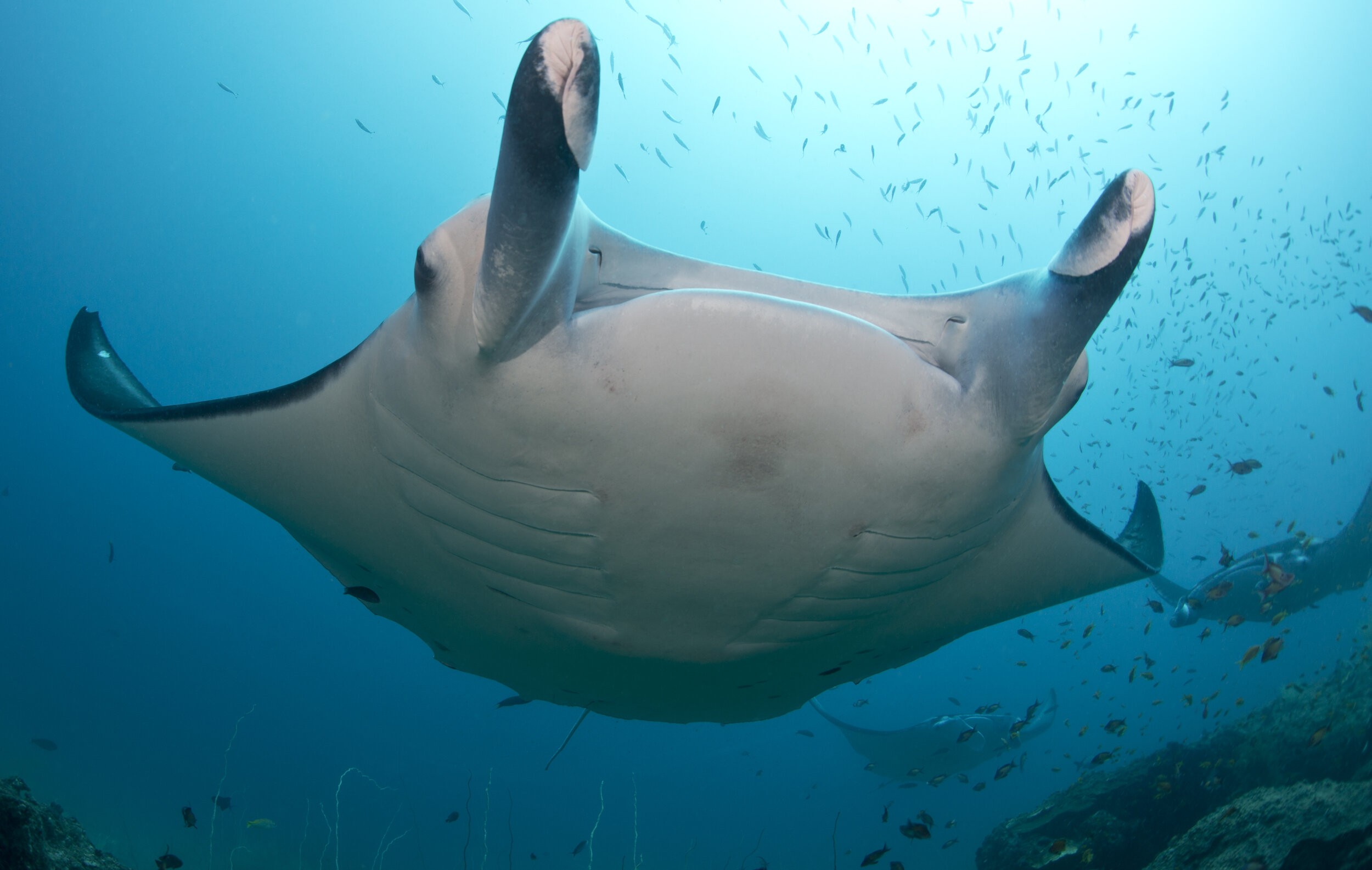
African Manta Ray Project
Manta rays tagged in Mozambique turn up in South African waters, so we follow them across the border to protect them as one population.
99% fall in reef manta ray sightings at Tofo, 2003 to 2023Led by Dr. Nakia CullainAbout the project →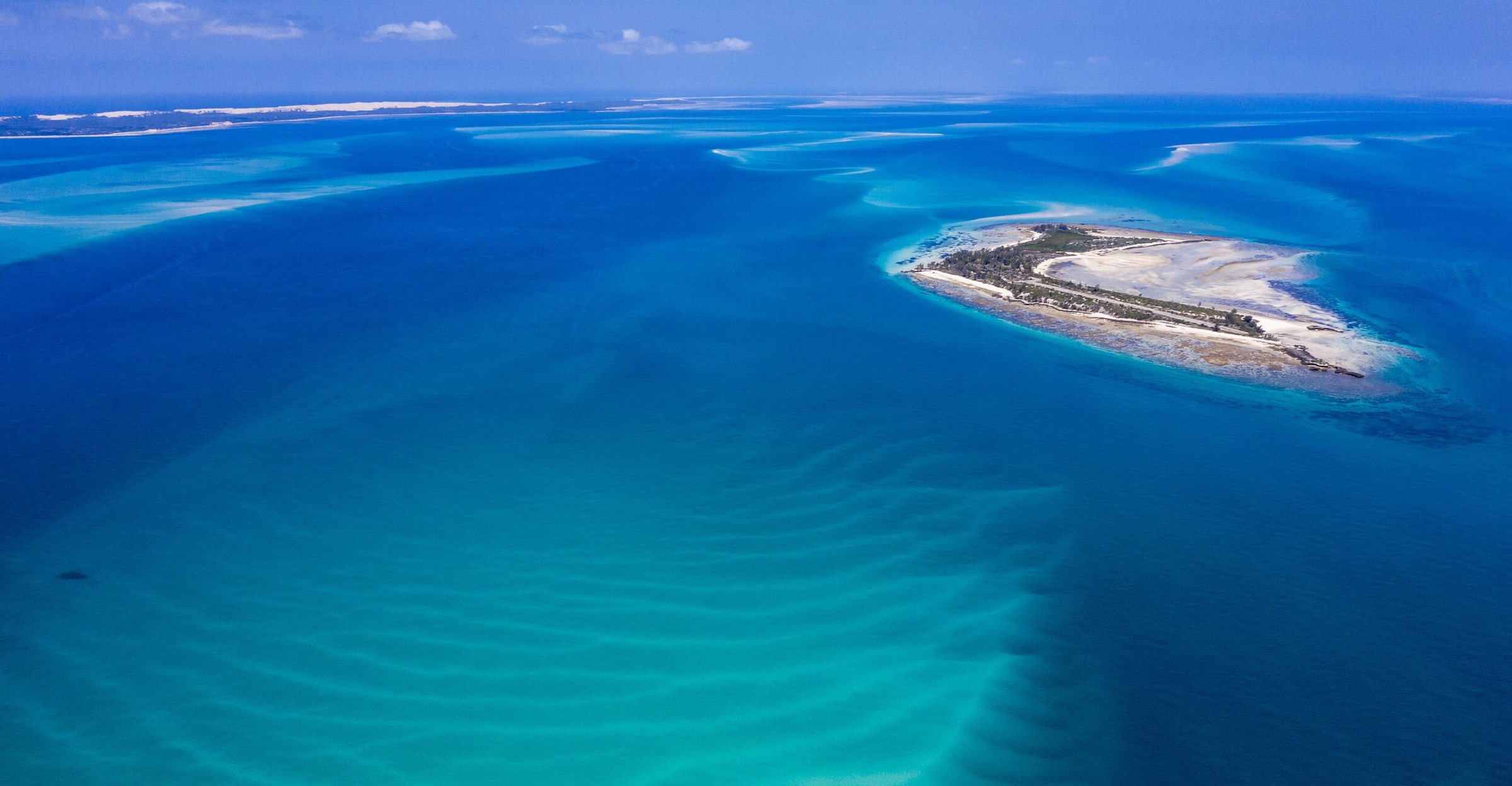
Bazaruto Seascape Marine Conservation
One of the most diverse marine habitats in Africa, where we work with park managers, rangers, and fishing communities to protect threatened sharks, rays, and dugongs.
20 years of MMF research on Mozambique's Inhambane coastLed by Dr. Clare PrebbleAbout the project →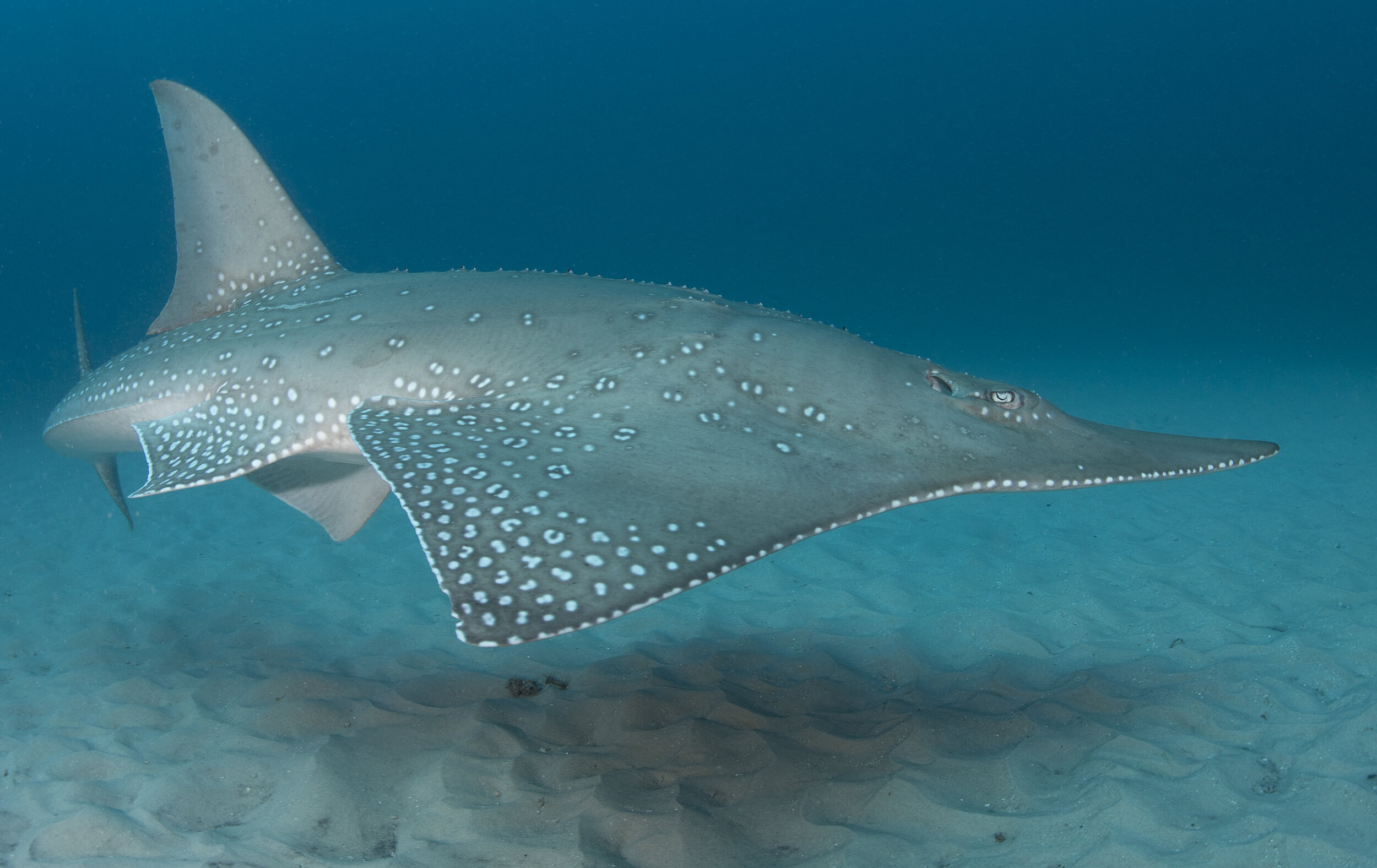
Mozambique Acoustic Telemetry Network
Underwater listening stations along 400 kilometers of Mozambique's coast follow tagged sharks and rays as they move, and show which places matter most for their protection.
400 km of Mozambican coast covered, from Závora to BazarutoLed by Dr. Nakia CullainAbout the project →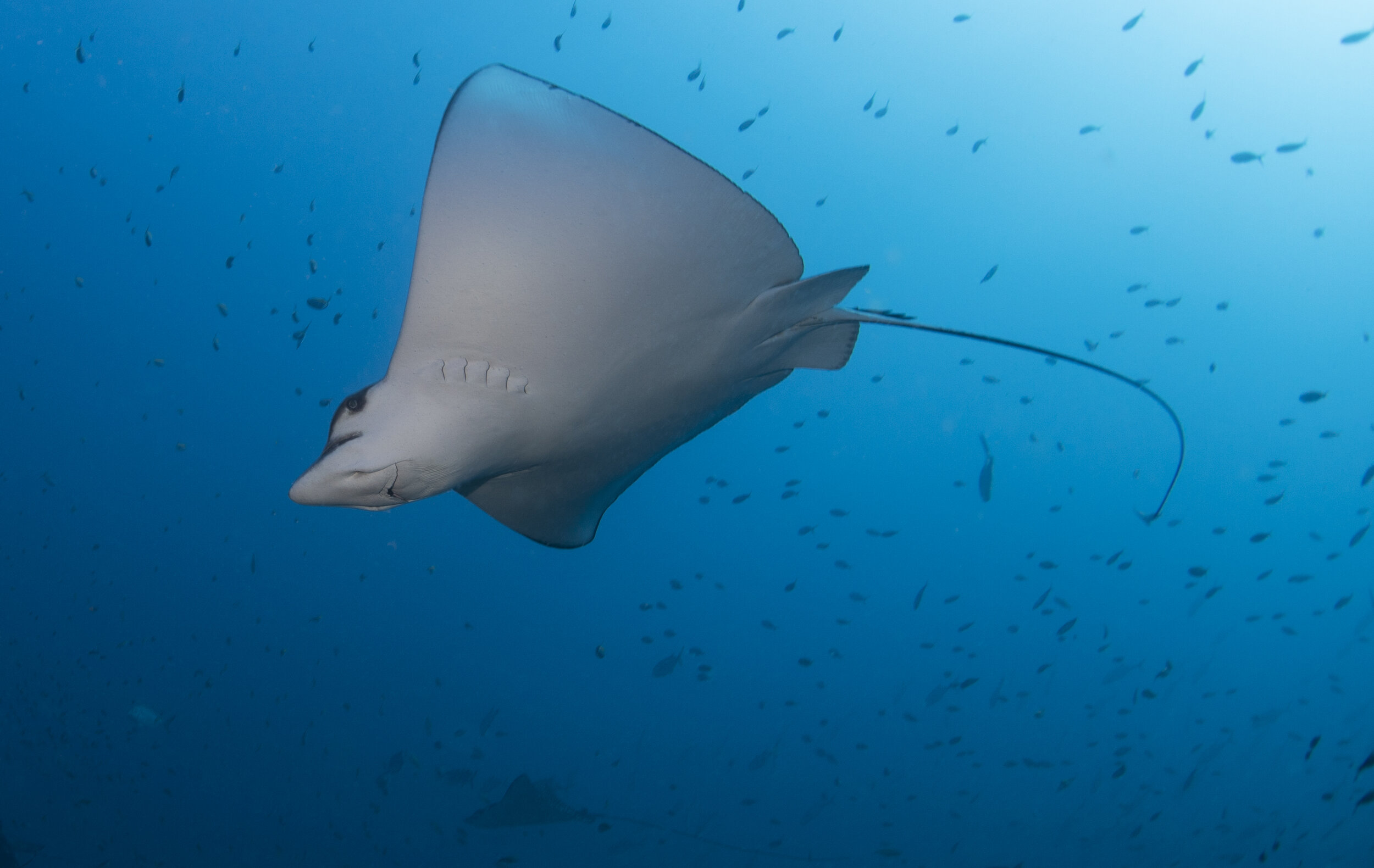
Mozambique Elasmobranch Diversity Research Project
We are documenting the diversity, distribution, and abundance of sharks and rays along Mozambique's Inhambane coast, using diver surveys, baited cameras, and environmental DNA.
31 shark and ray species on our Inhambane Province listLed by Dr. Stephanie VenablesAbout the project →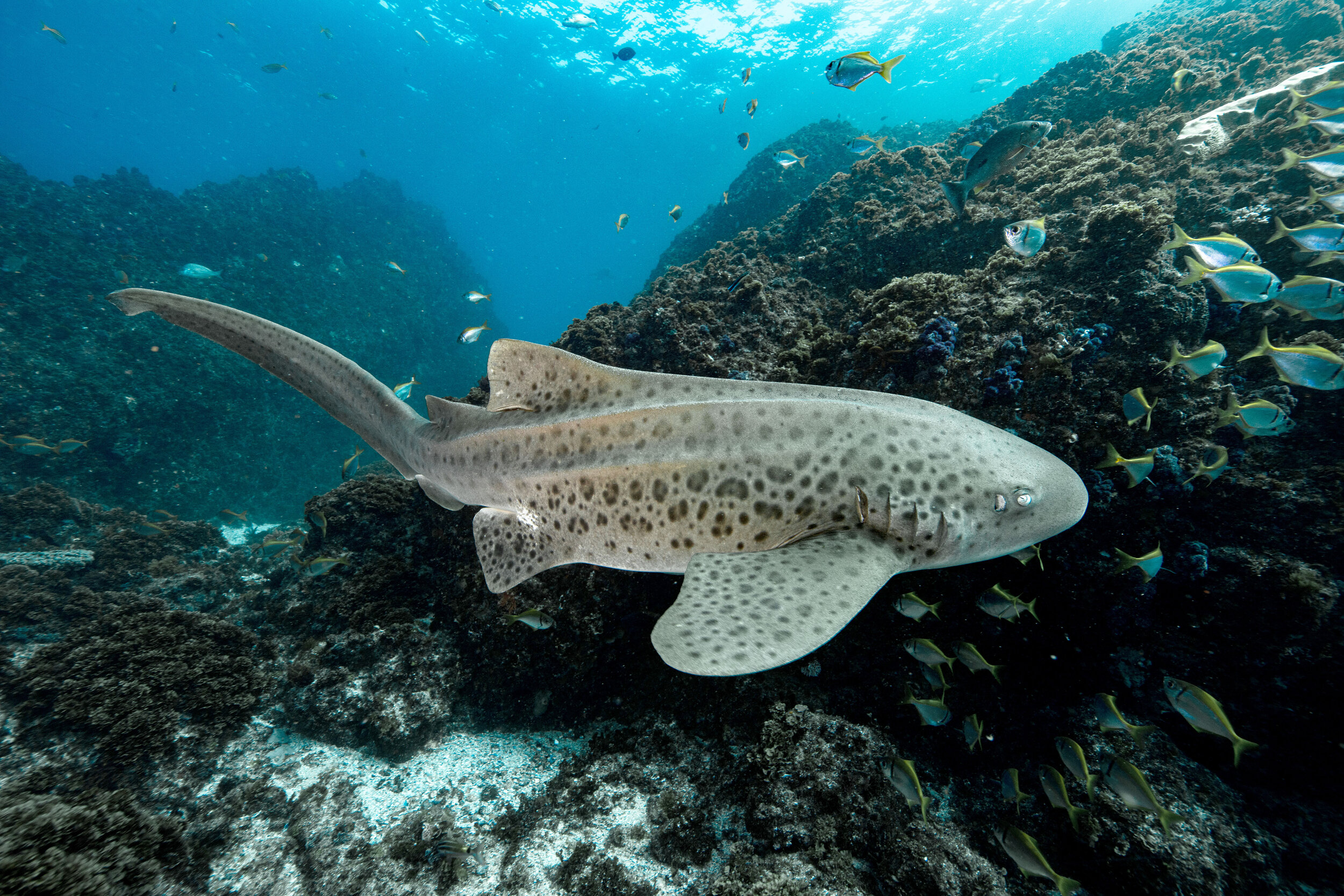
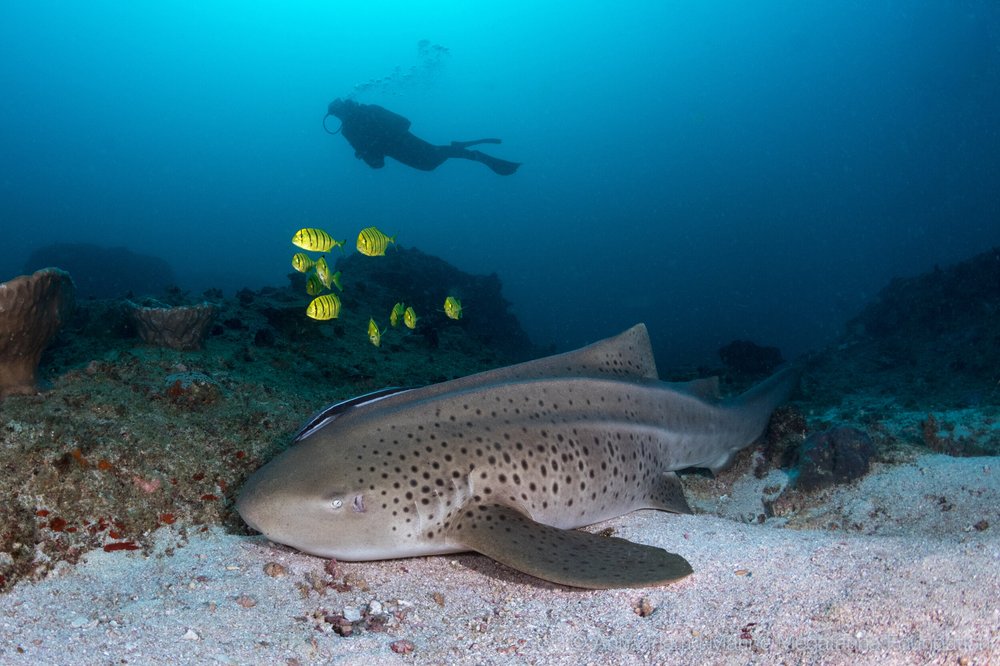
Mozambique Leopard Shark Research Project
We are documenting the aggregation sites and year-round habitat use of endangered leopard sharks along Mozambique's Inhambane coast, and identifying the areas that most need protection.
First photo-ID catalog for leopard sharks in southern AfricaLed by Nilza de CatarinaAbout the project →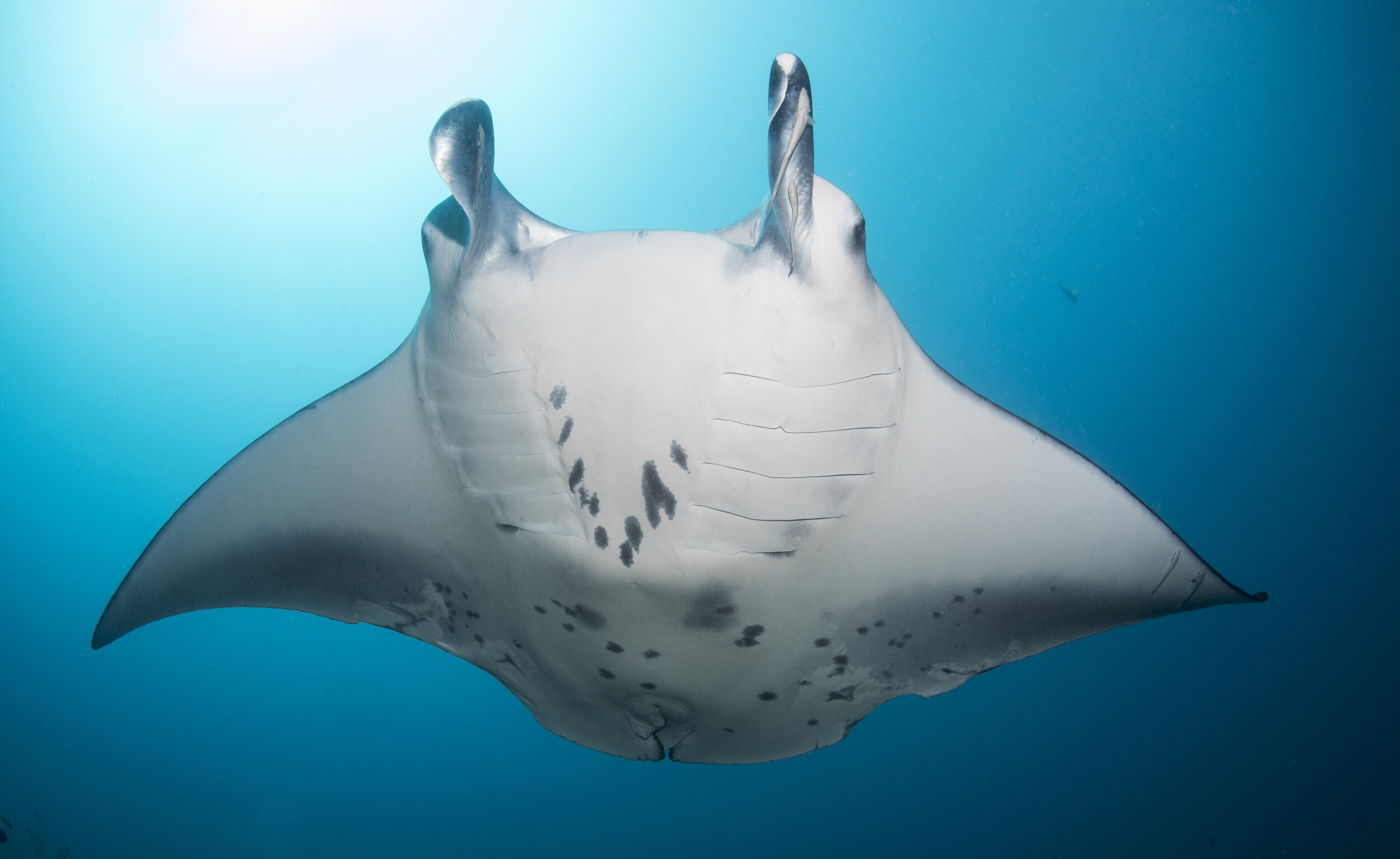
Mozambique Manta & Devil Ray Research Project
Southern Mozambique has Africa's largest known populations of reef and giant manta rays, and we are working to reverse their steep decline.
99% drop in reef manta ray sightings at Tofo, 2003–2023Led by Dr. Nakia CullainAbout the project →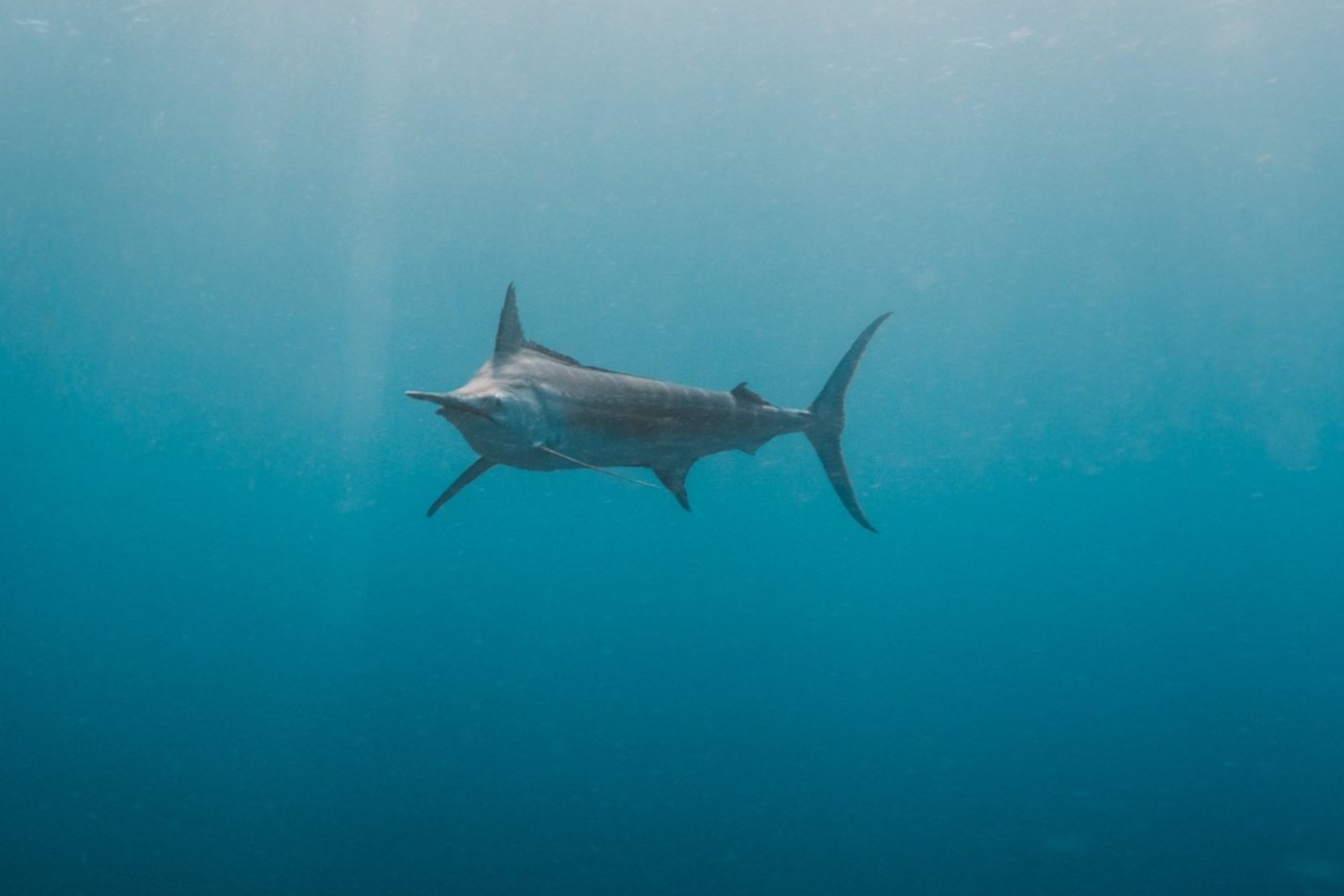
Mozambique Marlin Research Project
Black marlin (Istiompax indica) are highly migratory apex predators and one of the world’s largest teleost fishes.
Led by Dr. Clare PrebbleAbout the project →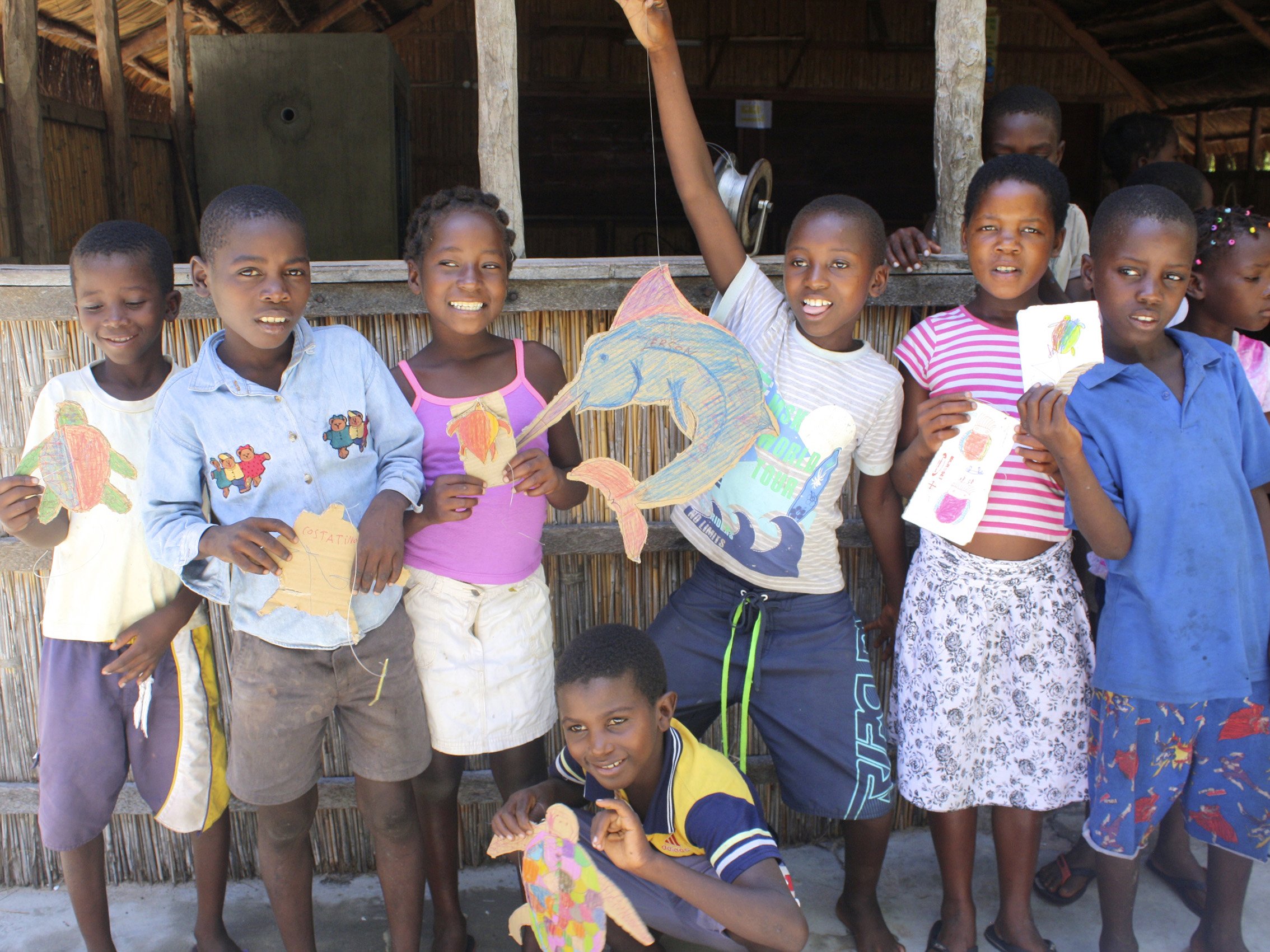
Mozambique Ocean Guardians Education Program
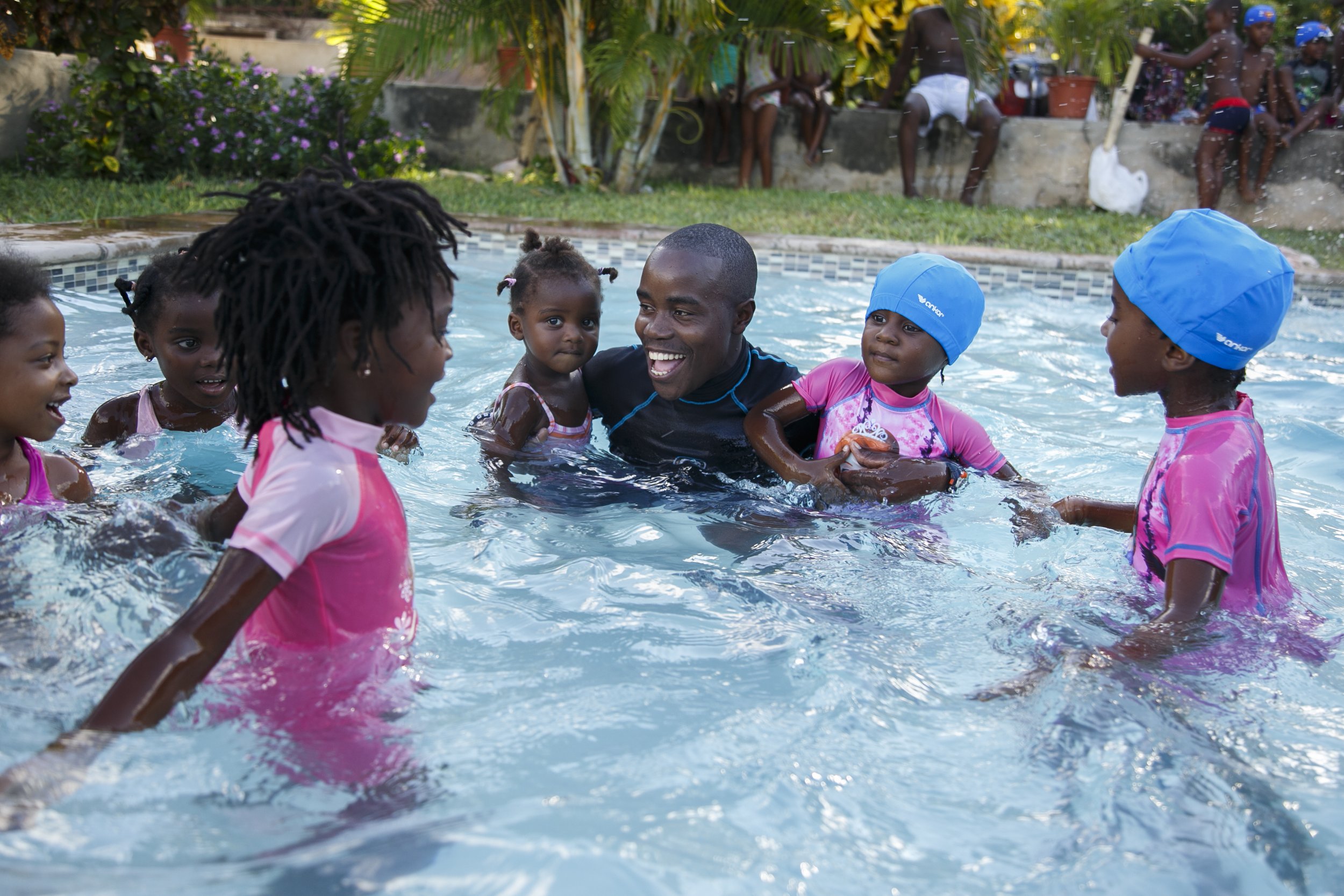
Marine conservation lessons, swimming, and water safety for children and young people on Mozambique's Inhambane coast, taught by local instructors since 2012.
6,220 children graduated from our marine conservation curriculum since 2012Led by Azevedo ChitsumbaAbout the project →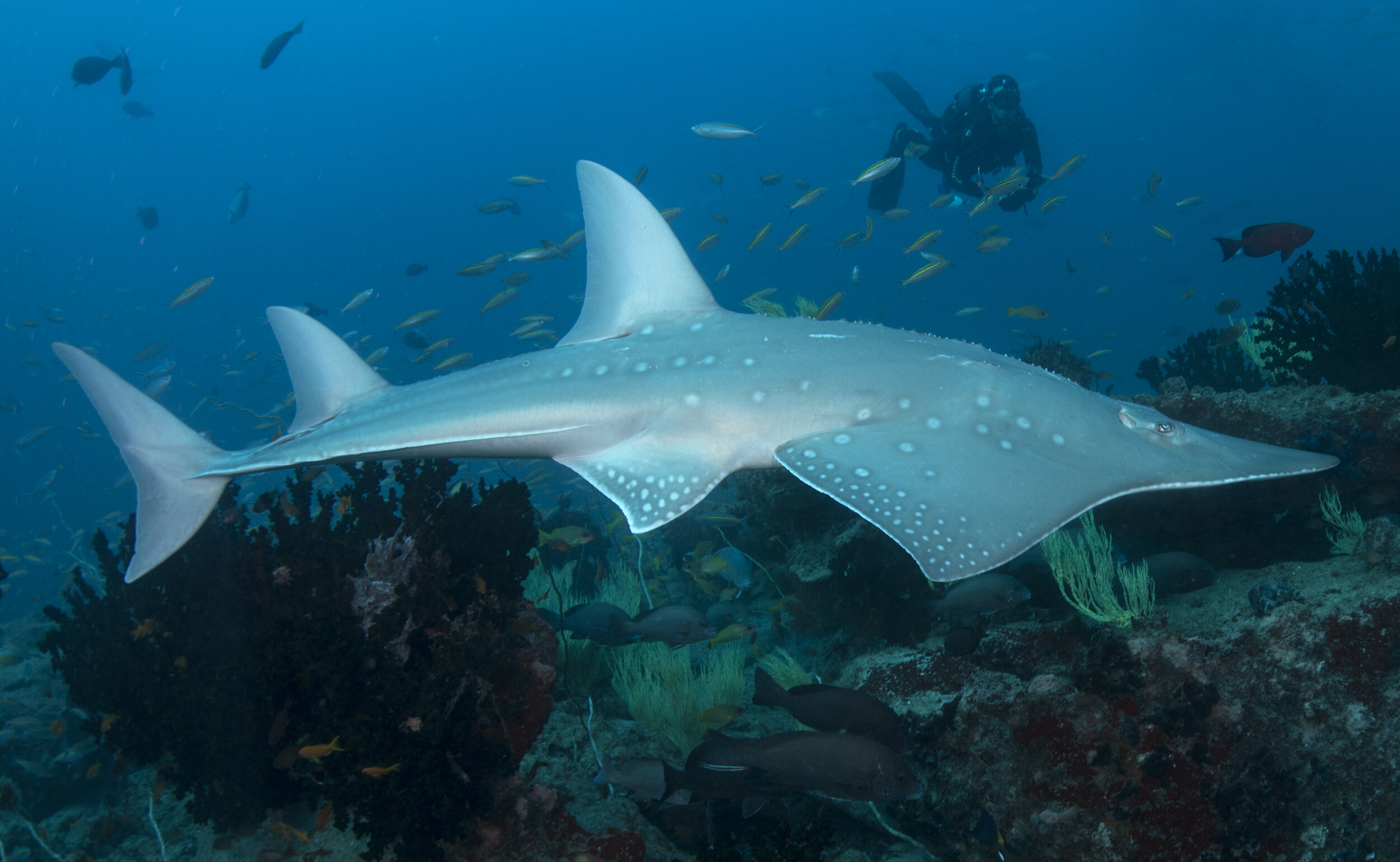
Mozambique Rhino Rays Research Project
Mozambique is a center of abundance for rhino rays, the world's most threatened group of marine fishes, and we are collecting the data needed to protect them.
90+ bottlenose wedgefish identified from photographsLed by Dr. Stephanie VenablesAbout the project →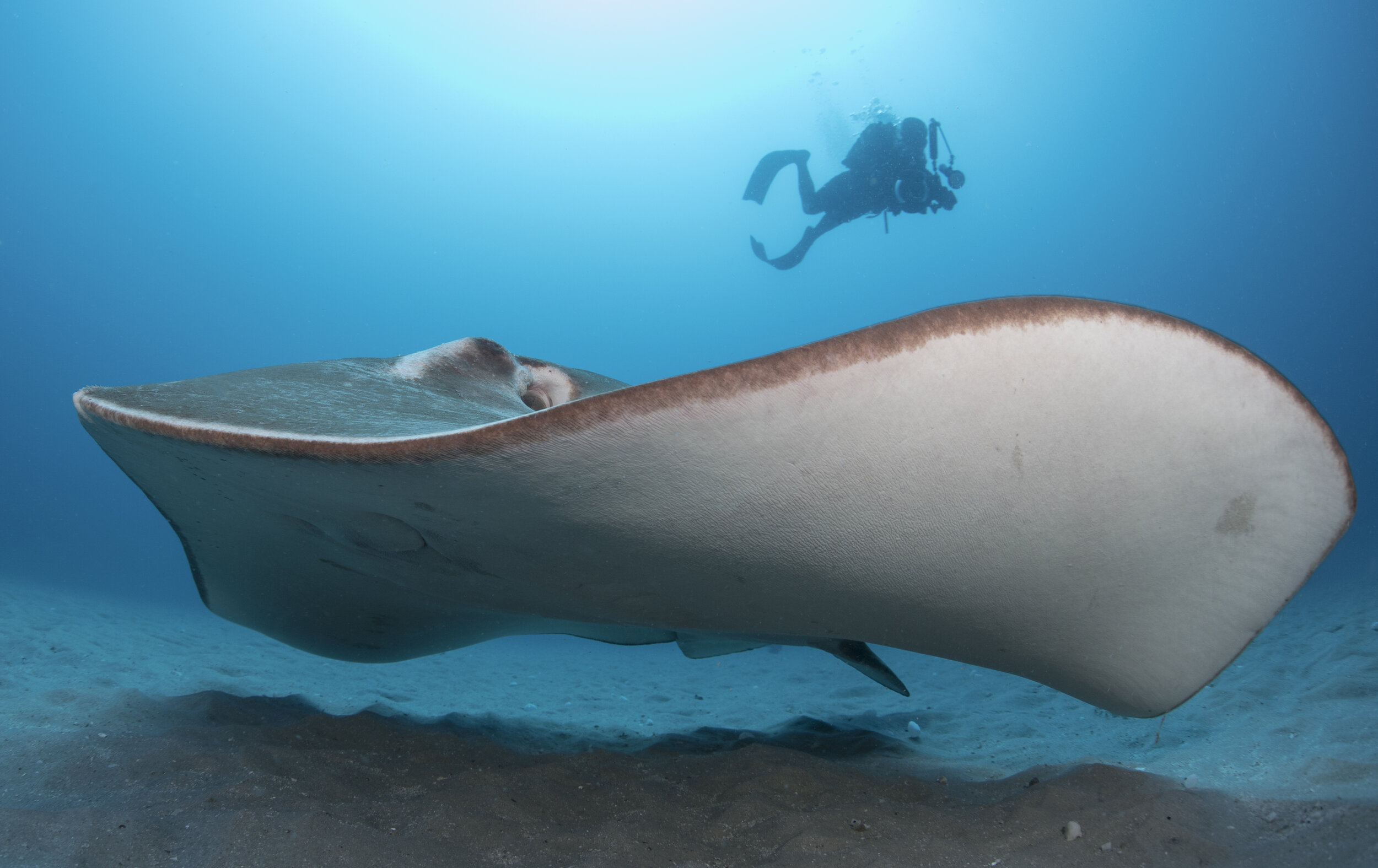
Mozambique Smalleye Stingray Research Project
In Mozambique we have an extraordinary opportunity to study the rare and enigmatic smalleye stingray.
Led by Dr. Nakia CullainAbout the project →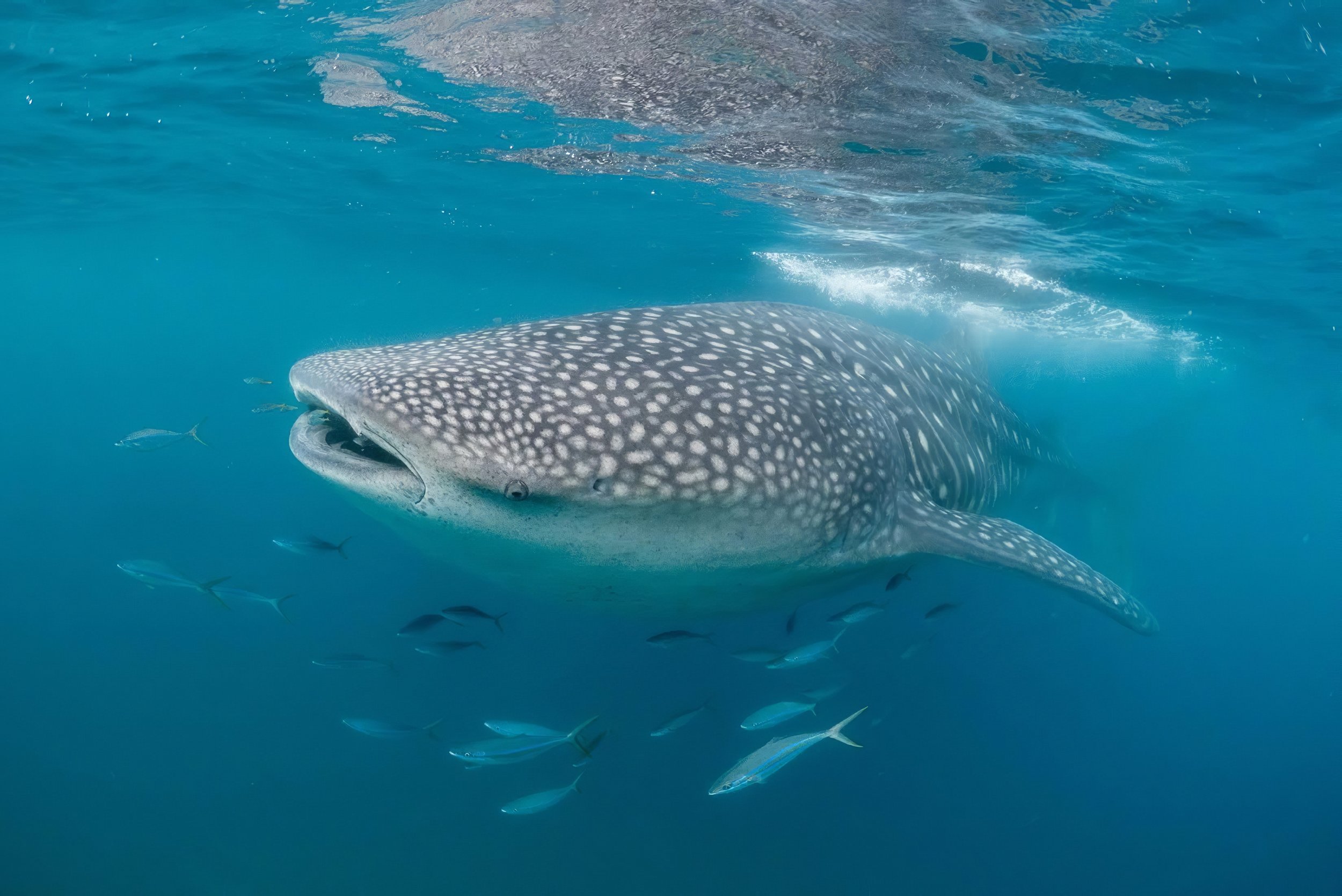
Mozambique Whale Shark Project
Southern Mozambique is one of the world's most important whale shark feeding areas, and we have studied the sharks here since 2005 to understand and protect them.
About 800 individual whale sharks identified in Mozambican watersLed by Dr. Clare PrebbleAbout the project →
Sustainable Seas
Helping fishing communities on Mozambique's Inhambane coast manage their own fishing grounds and protect threatened marine life.
Led by Martinho SaideAbout the project →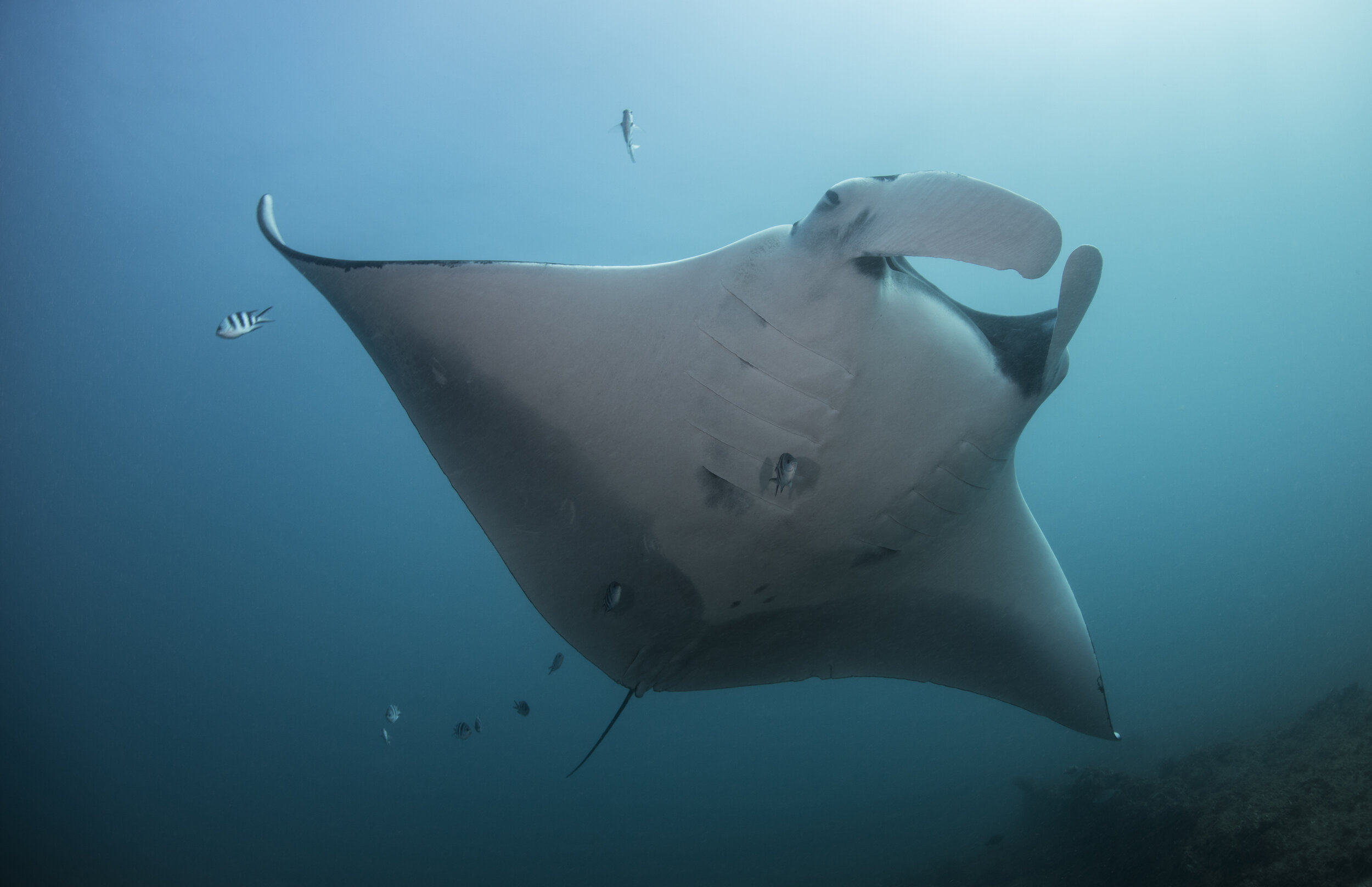
Závora Marine Conservation
Research, fisheries monitoring, and community-led protection at MMF's southernmost site in Mozambique, home to one of the last reef manta ray aggregations on the East African coast.
Led by Dr. Nakia CullainAbout the project →Completed projects
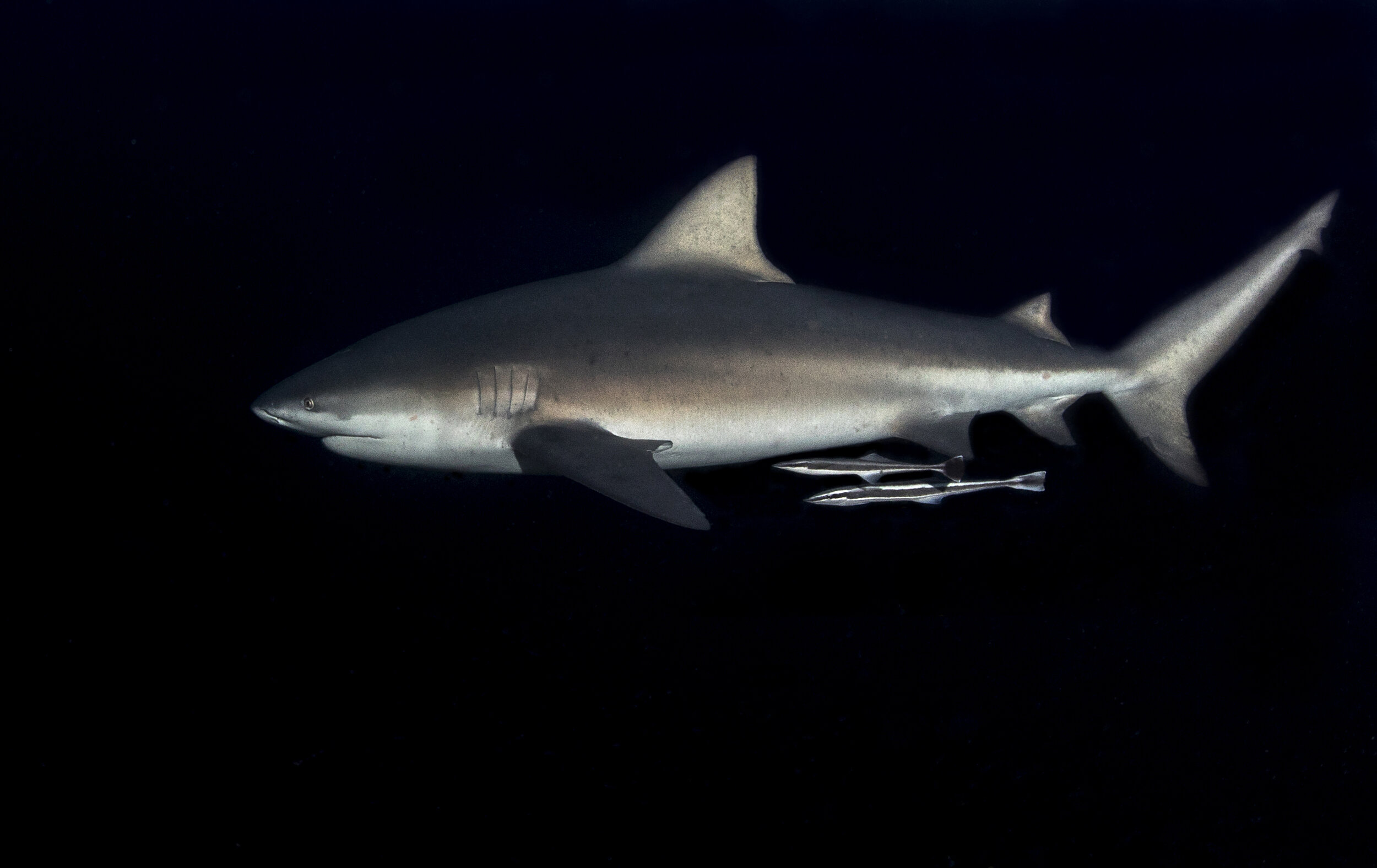 Bazaruto Archipelago and southern MozambiqueMozambique Bull Shark Research ProjectAcoustic and satellite tracking show that Mozambique's bull sharks include year-round residents of the Bazaruto Archipelago and migrants that travel thousands of kilometers across national borders.
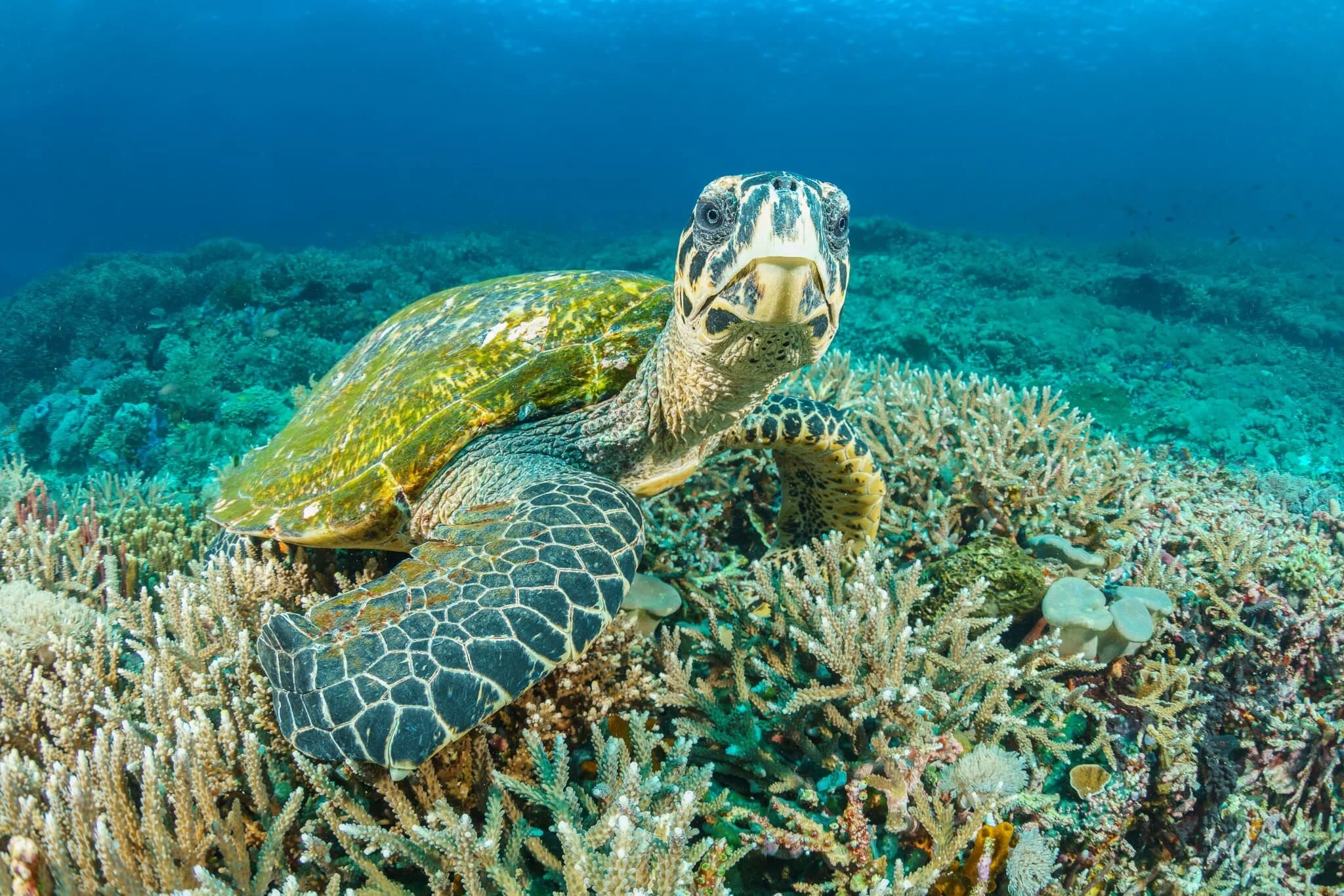 Tofo, Inhambane Province, MozambiqueMozambique Sea Turtle ProjectTurtle abundance, residency, and threats on the reefs off Tofo: a PhD study by Dr. Jessica Williams with MMF and James Cook University, completed in 2017.
What we work on
Fishing along this coast has increased sharply, much of it with non-selective gillnets, and has contributed to steep declines in manta and devil rays, whale sharks, sea turtles, and dugongs. Shark catches in Mozambique have risen by up to 220% in recent years.
A shared network of acoustic receivers (underwater listening stations) along 400 km (250 miles) of coast, from Závora to Bazaruto, tracks tagged sharks and rays, including across the border with South Africa. Combined with baited cameras, aerial surveys, and photo-identification, it shows where protection is needed, from Important Shark and Ray Areas to a community no-netting zone.
Our UNESCO-recognized education program teaches marine conservation, swimming, and water safety. Since 2012, 6,220 children have graduated from the curriculum, and our swim school has taught 1,902 people to swim.
Since 2015, we have helped fishing communities manage their own fishing grounds. Ninety Ocean Ambassadors work in seven communities, accredited community inspectors patrol alongside the Coastal Police, and new livelihoods support 33 fishing families.
Thank you to everyone who supports MMF Mozambique
Embassy of Ireland, Shark Conservation Fund, Milkywire WRLD Oceans Fund, Blue Action Fund, Aqua-Firma, Shark Foundation, Waterlust, Go2Africa, ElasmOcean, OCE Foundation, Ocean Wildlife Project, Ultralight Control Systems, Scuba Pro, MMF Canada, Bazaruto Archipelago National Park, African Parks, Santuário Bravio de Vilanculos, National Administration for Conservation Areas (ANAC), Pomene Special Reserve, Maritime Administration, Oceans Without Borders, Chingonguene Community Fishing Council, Závora Community Fisheries Council.