
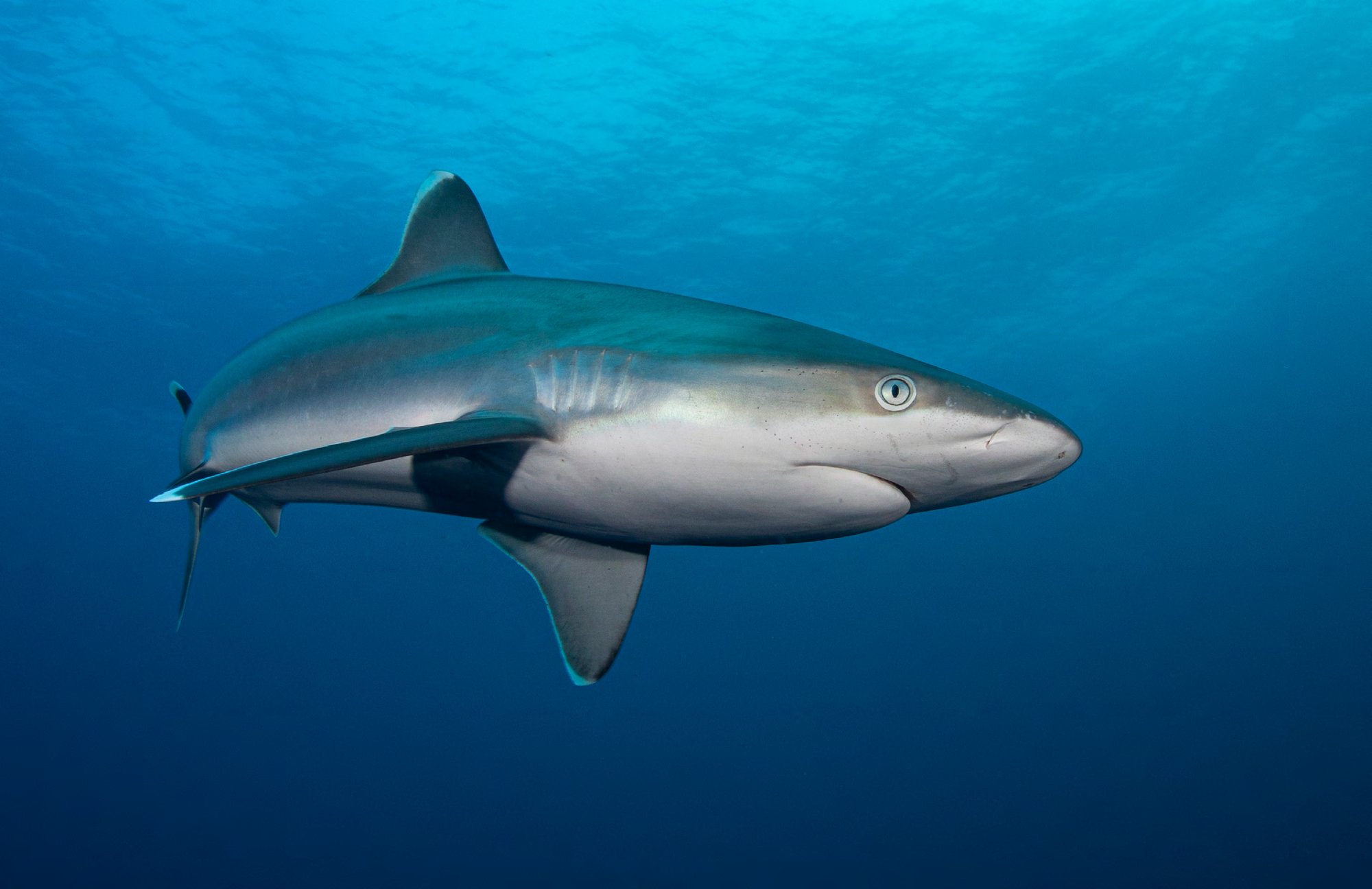
A reef shark on a Mozambican coral reef.
MMF collaborates on a global survey of reef sharks. Photography by and courtesy of Andrea Marshall, Anna Flam, and Global FinPrint.
A LANDMARK STUDY PUBLISHED IN NATURE BY GLOBAL FINPRINT has revealed that sharks are virtually absent on many of the world’s coral reefs, indicating they are too rare to fulfill their normal role in the ecosystem; they are “functionally extinct.” Of the 371 reefs surveyed in 58 countries, sharks were not observed on nearly 20%, indicating a widespread decline that has gone undocumented on this scale until now.
Essentially no sharks were detected on any of the reefs of six nations: the Dominican Republic, the French West Indies, Kenya, Vietnam, the Windward Dutch Antilles, and Qatar. Among these, a total of only three sharks were observed over more than 800 survey hours.
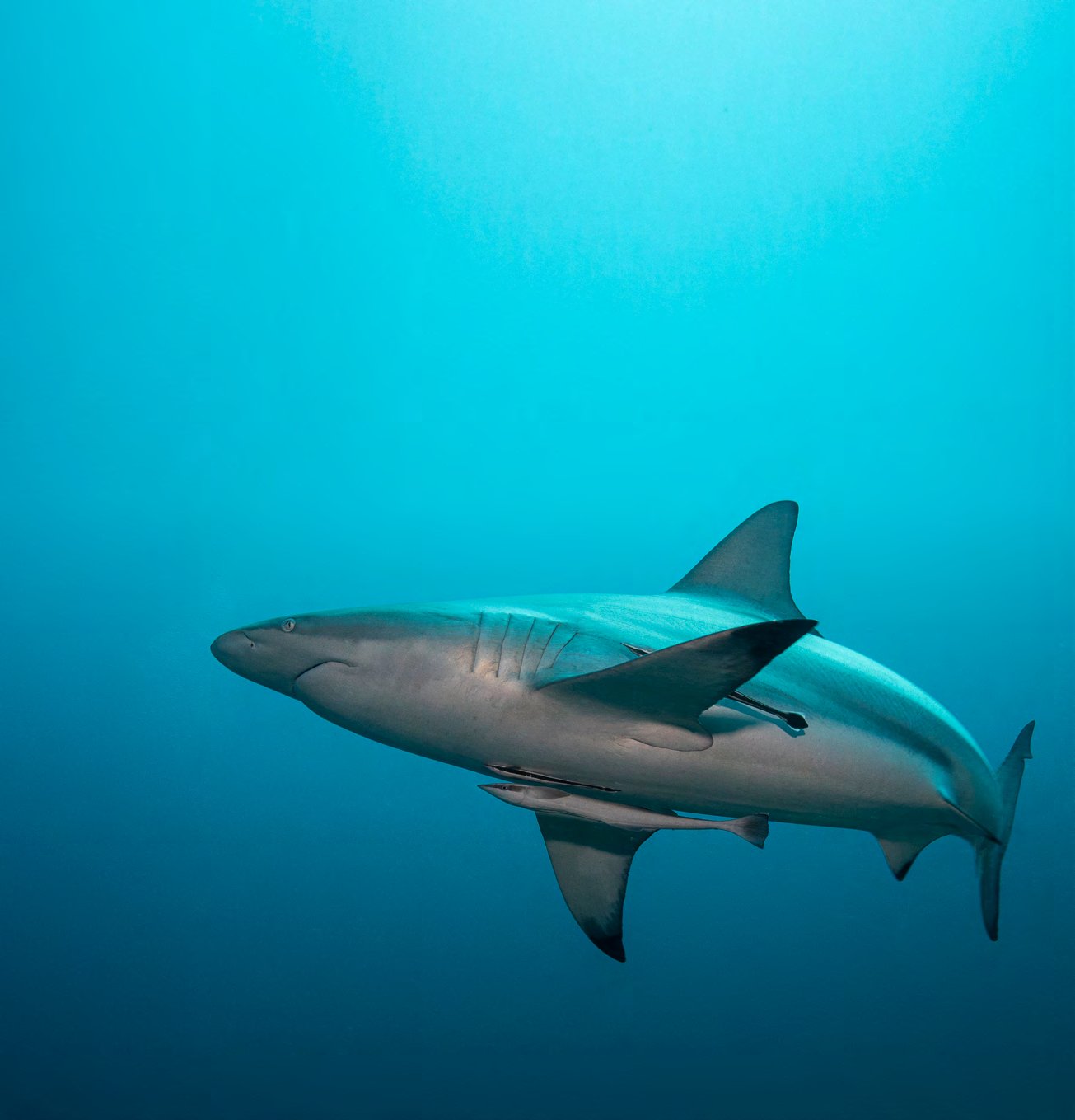
Baited remote underwater video stations recorded more than 15,000 hours of footage worldwide.
Work in Mozambique
The Marine Megafauna Foundation supported the Mozambique fieldwork, where they found that sharks were likely to be observed in around three-quarters of surveys. Alexandra Watts, an MMF / Manchester Metropolitan University scientist who co-authored the study, noted “While this result might sound positive, our surveys were conducted within, and close to the Bazaruto Archipelago National Park, established in 1971. Even here, reef sharks are far less common than we would expect to see in a healthy coral reef ecosystem. These field results were then related to known social and economic factors that influence shark declines, such as the proximity and density of the nearest human populations, along with government regulations and compliance. Including these elements, along with their capacity for change, provided a regional conservation potential for reef shark recovery.”
“It was disheartening to see Mozambique place in a middle-tier for global reef shark presence,” said Anna Flam, an MMF scientist who participated in the study. “However, seeing the significant gains possible for shark conservation with simple management practices, I cannot wait to redouble our conservation efforts with local communities. This study validates our local approach, and provides increased evidence for changes we have long pursued, such as reef closure areas and gill net bans.”
This first-ever benchmark for the status of reef sharks around the world, funded by the Paul G. Allen Family Foundation, revealed an alarming global loss of these iconic species that are important food resources, tourism attractions, and top predators on coral reefs. Their loss is due in large part to overfishing of sharks and their prey, with the single largest contributor being indiscriminate fishing practices, such as the use of longlines and gillnets.
“Although our study shows substantial negative human impacts on reef shark populations, it’s clear the central problem exists in the intersection between high human population densities, destructive fishing practices, and poor governance,” said Dr. Demian Chapman, Global FinPrint co-lead and Associate Professor in the Department of Biological Sciences and Institute of Environment at Florida International University. “We found that robust shark populations can exist alongside people when those people have the will, the means, and a plan to take conservation action.”
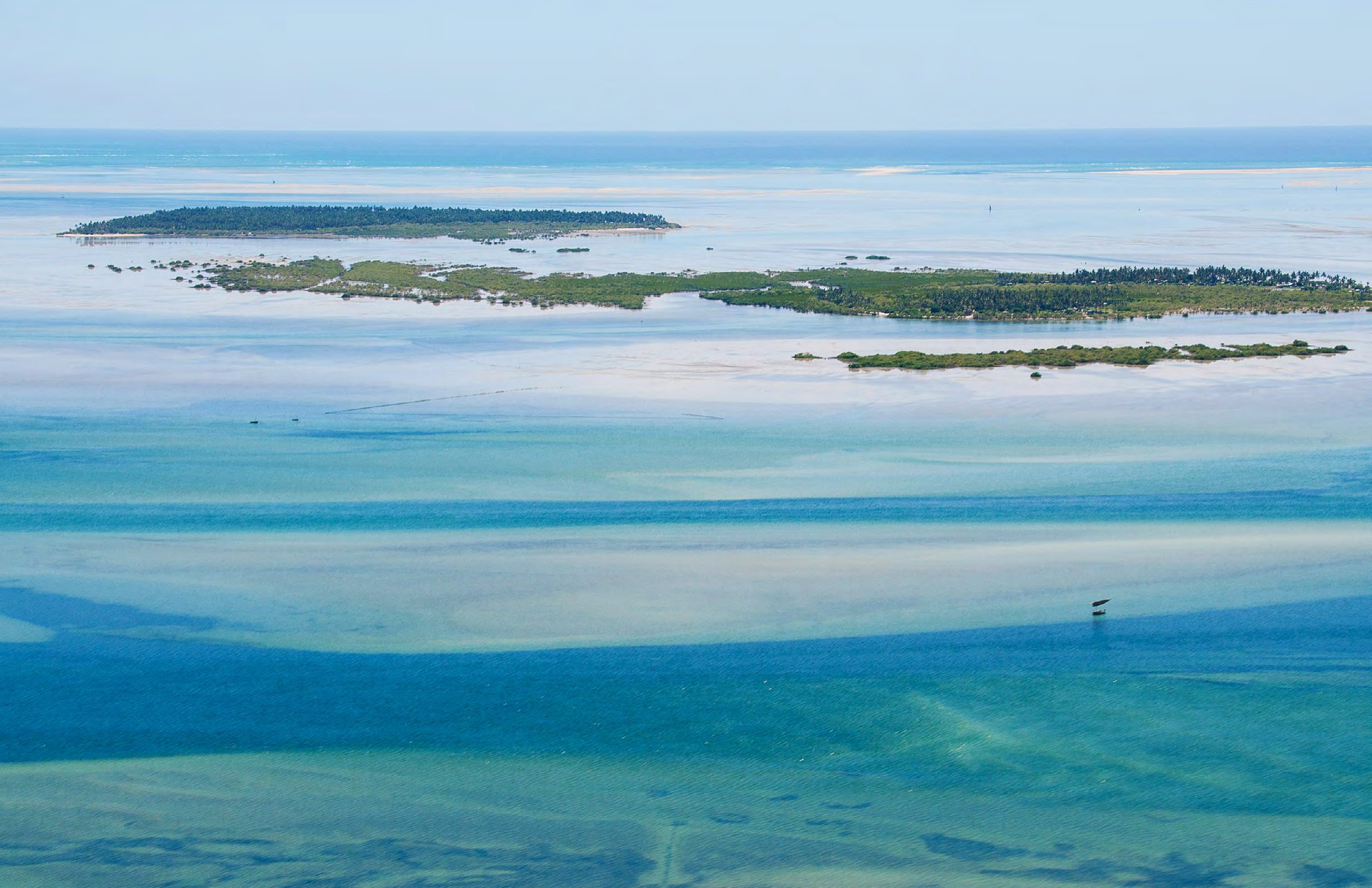
Even inside Bazaruto Archipelago National Park, reef sharks are less common than expected.
Global best practice
The study revealed several countries where shark conservation is working, and the specific actions that can work. The best-performing nations, compared to the average of their region, included Australia, the Bahamas, the Federated States of Micronesia, French Polynesia, the Maldives, and the United States. These nations reflect key attributes that were found to be associated with higher populations of sharks: being generally well-governed, and either banning all shark fishing or having strong, science-based management limiting how many sharks can be caught.
“These nations are seeing more sharks in their waters because they have demonstrated good governance on this issue,” said Dr. Aaron MacNeil, lead author of the Global FinPrint study and Associate Professor at Dalhousie University. “From restricting certain gear types and setting catch limits, to national-scale bans on catches and trade, we now have a clear picture of what can be done to limit catches of reef sharks throughout the tropics.”
Looking forward
Dr. Andrea Marshall, a Principal Scientist and co-founder at MMF, maintains there is hope for sharks in eastern Africa: “While many of the local shark and ray populations have been greatly reduced in southern Mozambique over the last two decades, healthy populations remain in some protected areas like the Bazaruto Archipelago National Park. It gives us hope that a network of well-managed MPAs along this coastline could safeguard the remaining populations of these important predators.”
The FinPrint team is wrestling with the fact that conservation action on sharks alone can only go so far. Researchers are now looking at whether recovery of shark populations requires management of the wider ecosystem to ensure there are enough reef fish to feed these predators.
“Now that the survey is complete, we are also investigating how the loss of sharks can destabilize reef ecosystems,” said Dr. Mike Heithaus, Global FinPrint co-lead and Dean of the College of Arts, Sciences & Education at Florida International University. “At a time when corals are struggling to survive in a changing climate, losing reef sharks could have dire long-term consequences for entire reef systems.”
Launched in the summer of 2015, Global FinPrint’s data were generated from baited remote underwater video stations (BRUVS) that consist of a video camera placed in front of a standard amount of bait – a “Chum Cam.” Coral reef ecosystems were surveyed with BRUVS in four key geographic regions: the Indo-Pacific, Pacific, the Western Atlantic, and the Western Indian Ocean.
Over the course of four years, the team captured and analyzed more than 15,000 hours of video from surveys of 371 reefs in 58 countries, states, and territories around the world. The work was conducted by hundreds of scientists, researchers, and conservationists organized by a network of collaborators from Florida International University, the Australian Institute of Marine Science, Curtin University, Dalhousie University, and James Cook University.
For more information and a new global interactive data-visualized map of the Global FinPrint survey results, visit https://globalfinprint.org.
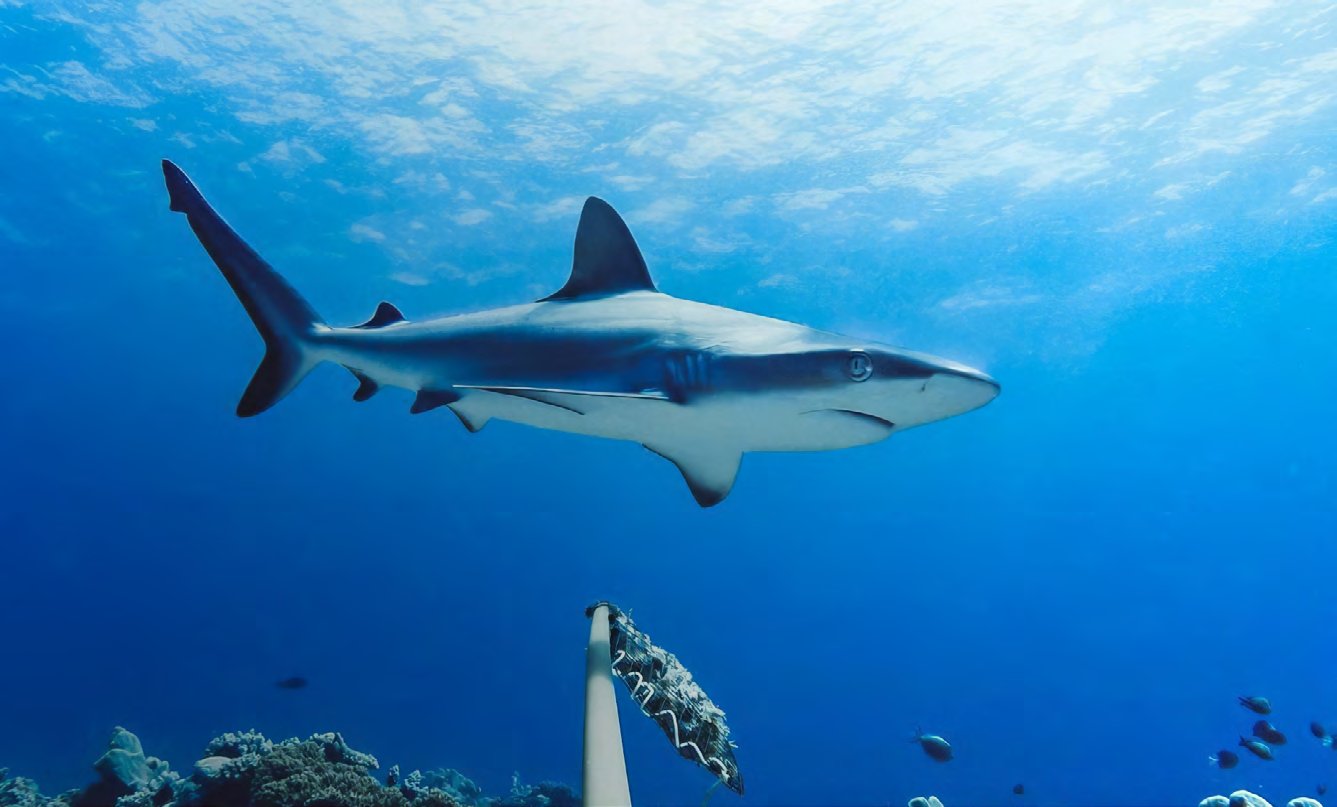
A network of well-managed MPAs could safeguard Mozambique’s remaining reef sharks.
This article was originally published in Ocean Giants, MMF’s magazine, Issue #01 (January 2021). Download the full issue as a PDF. Read more about this work on our Mozambique Elasmobranch Census page.