
Mozambique
Mozambique Elasmobranch Diversity Research Project
We are documenting the diversity, distribution, and abundance of sharks and rays along Mozambique's Inhambane coast, using diver surveys, baited cameras, and environmental DNA.
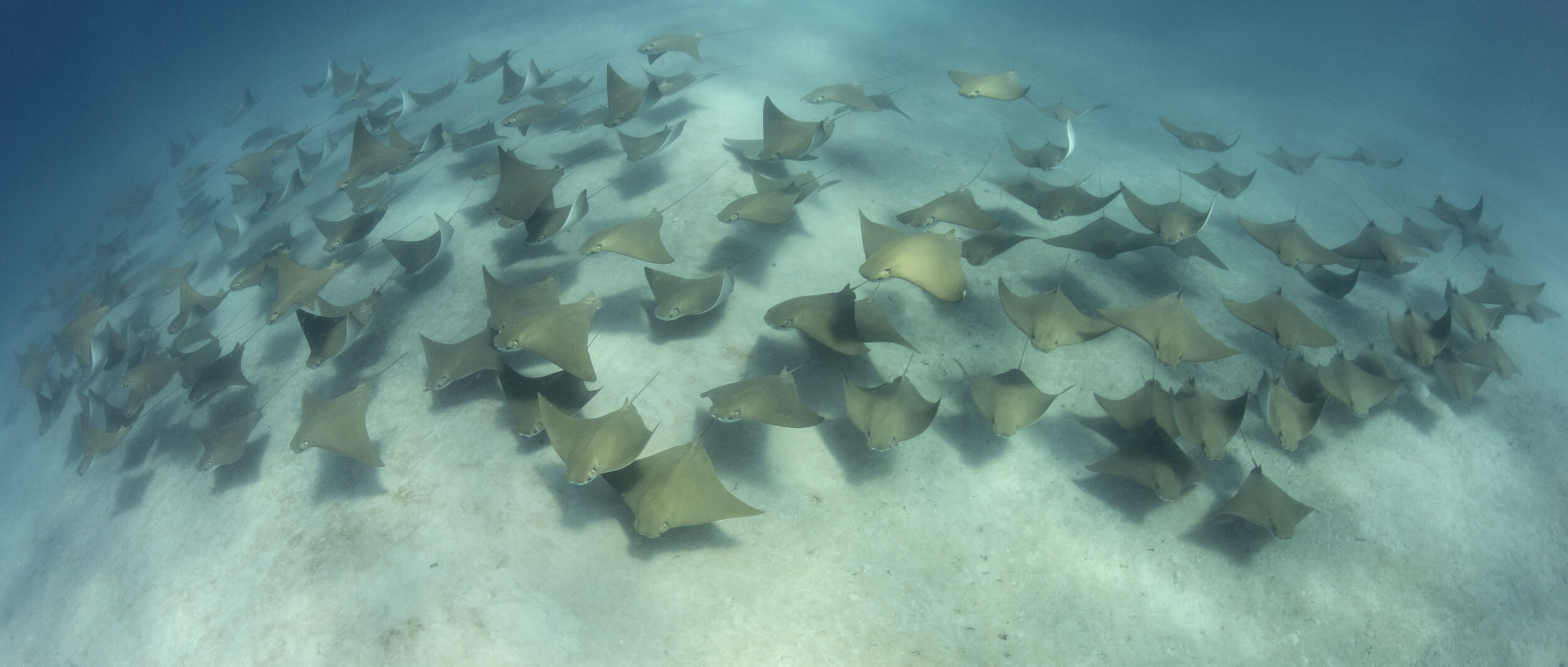
Overfishing has driven severe declines in sharks and rays on a global scale. Southern Mozambique is a hotspot for elasmobranchs (sharks and rays), yet current, detailed census information on their diversity, distribution, and abundance is lacking.
Effective management and protection require this baseline, so MMF scientists are combining research techniques to rapidly collect census data on shark and ray species throughout the Inhambane Province.
What we've done
- Maintained the longest-running and most diverse elasmobranch sightings catalog in Mozambique.
- Deployed remote (unbaited) camera traps to record video in the absence of divers, and collected seawater samples in the Bazaruto Seascape for environmental DNA (eDNA) analysis, alongside baited video and diver surveys.
- Conducted several hundred baited remote underwater video (BRUV) deployments in Mozambican coastal waters, including 158 in 2025 alone. Our earlier surveys contributed to the global shark census known as Global FinPrint, an assessment of the abundance and diversity of sharks on coral reefs worldwide whose findings were published in the journal Nature.
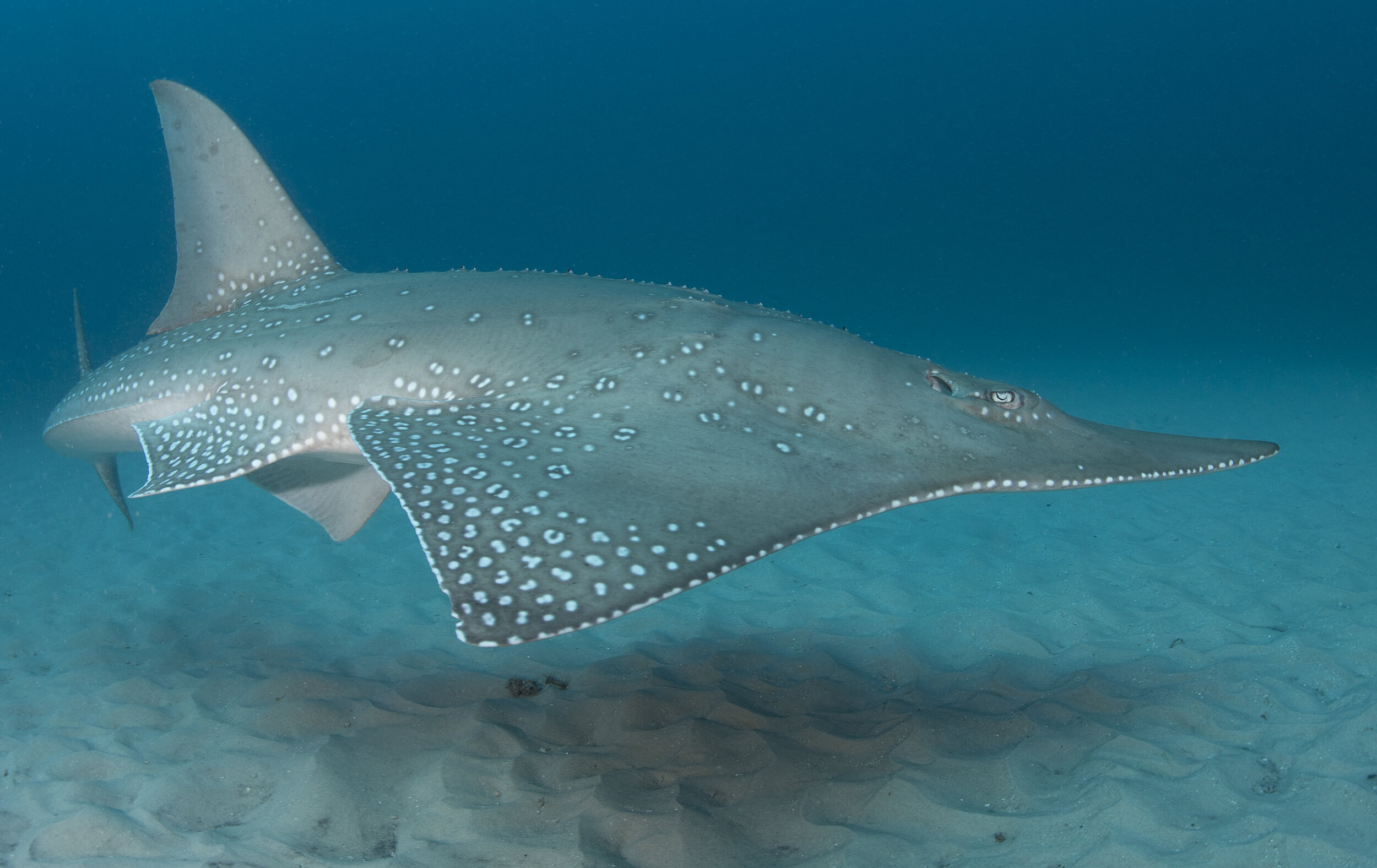
- Built a provincial elasmobranch species list that has reached 31 shark and ray species, compiled from more than 500 in-water surveys and BRUV drops across five regions of the Inhambane Province.
Help us count Mozambique's sharks and rays
Every camera drop and water sample adds to the baseline that protection depends on. Your gift keeps our survey team in the water on Mozambique's reefs.
Our work on elasmobranch diversity in Mozambique
A hotspot for sharks and rays
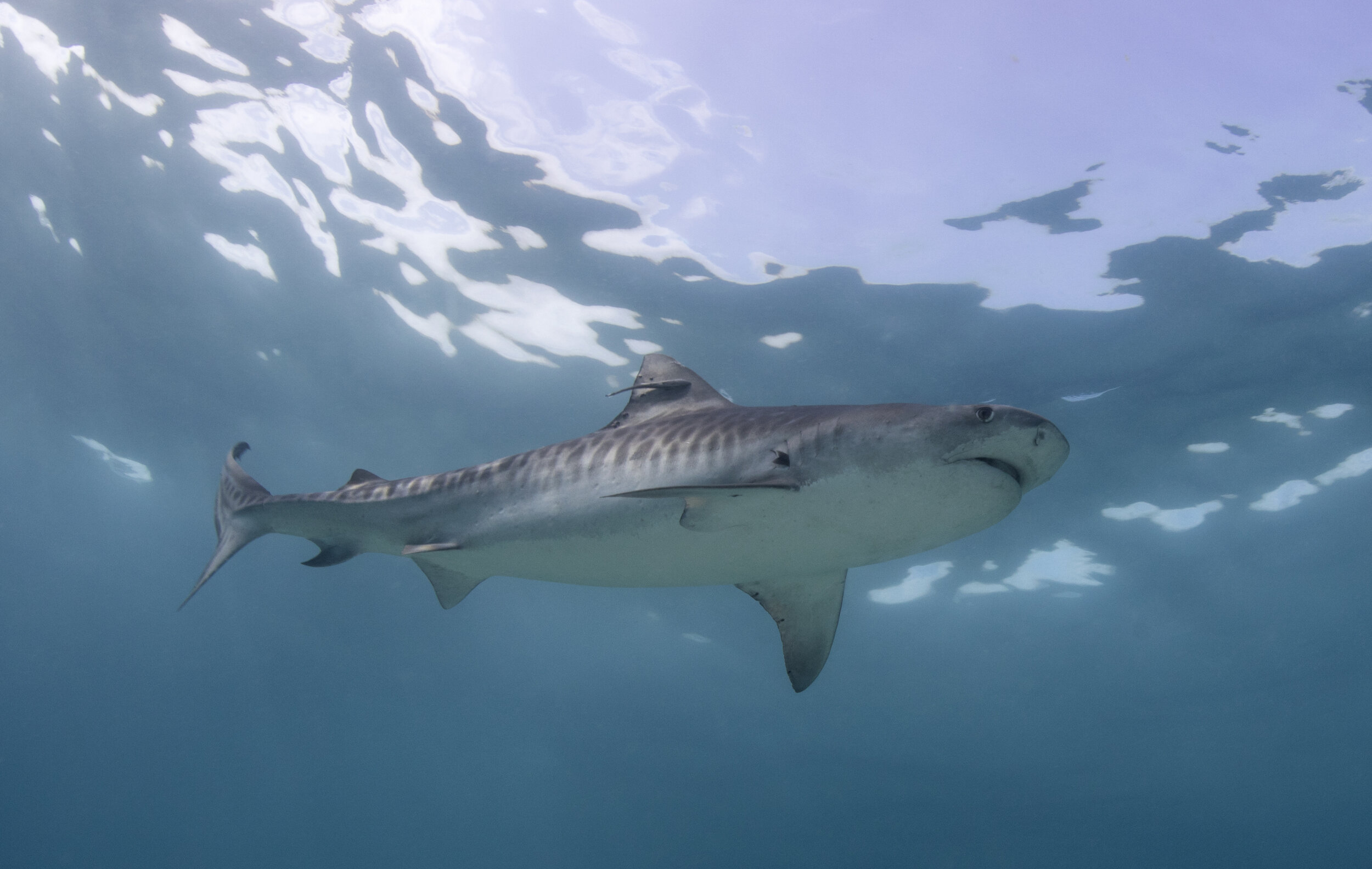
Globally, one third of all shark and ray species are considered threatened with extinction by overfishing. A worldwide study co-authored by MMF scientists surveyed 371 reefs across 58 countries to assess shark abundance and observed no sharks on almost 20% of them, indicating a widespread decline. We are now applying similar techniques to detailed surveys of the Mozambique coast.
Largely as a result of MMF’s long-running research programs in the region, the Inhambane Province is recognized as an area of outstanding shark and ray diversity, supporting numerous species of ecologically important elasmobranchs. MMF scientists have collected over a decade of elasmobranch sightings data during survey dives, and up to 20 years in some regions. These data have enabled estimates of abundance and trends over time, and have identified a number of key aggregation sites and important habitats for manta rays and whale sharks (Rhincodon typus). At the same time, our researchers were also collecting abundance data on other shark and ray species encountered during these survey dives.
Building the census
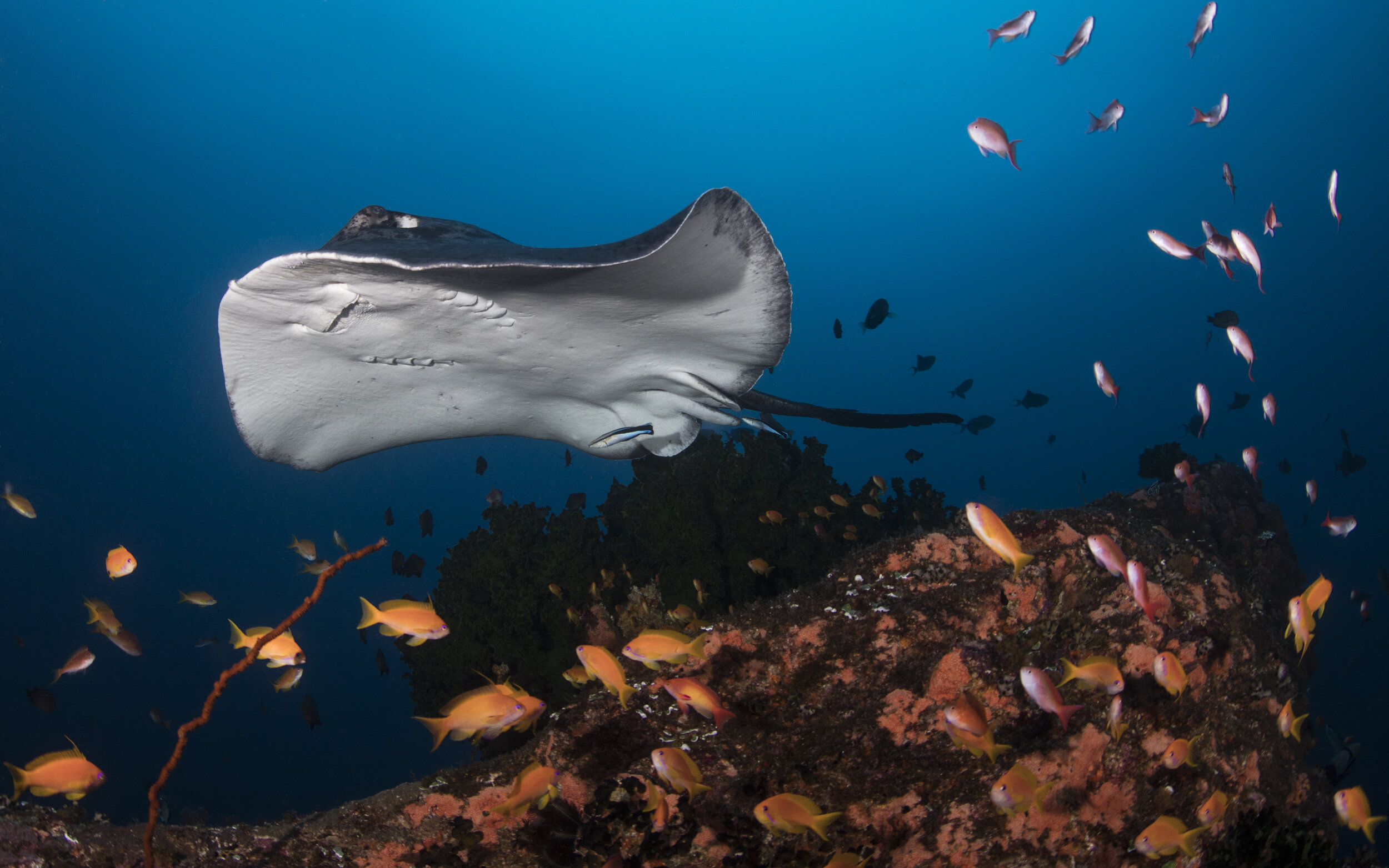
We are now collating and expanding this dataset to produce detailed census information on the distribution of species and their abundance in particular areas at particular times, especially for endangered and data-deficient species. Unfortunately, many of these species are still caught in artisanal and commercial fisheries throughout the province, particularly as bycatch in non-selective fishing methods such as gillnets. This fishing pressure is a primary threat to elasmobranch populations in southern Mozambique and to the overall health of regional marine ecosystems.
Rapid survey methods for rare species
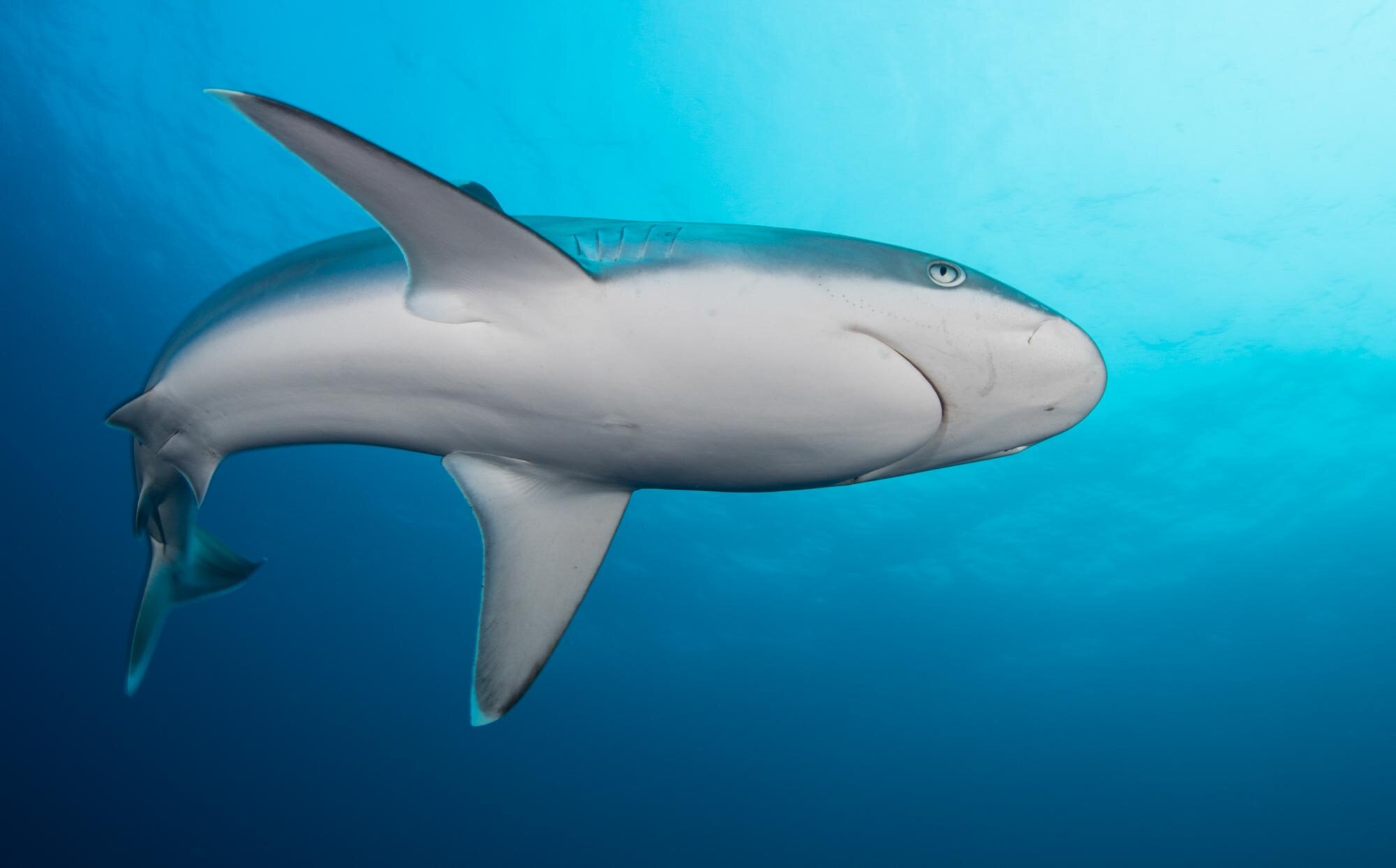
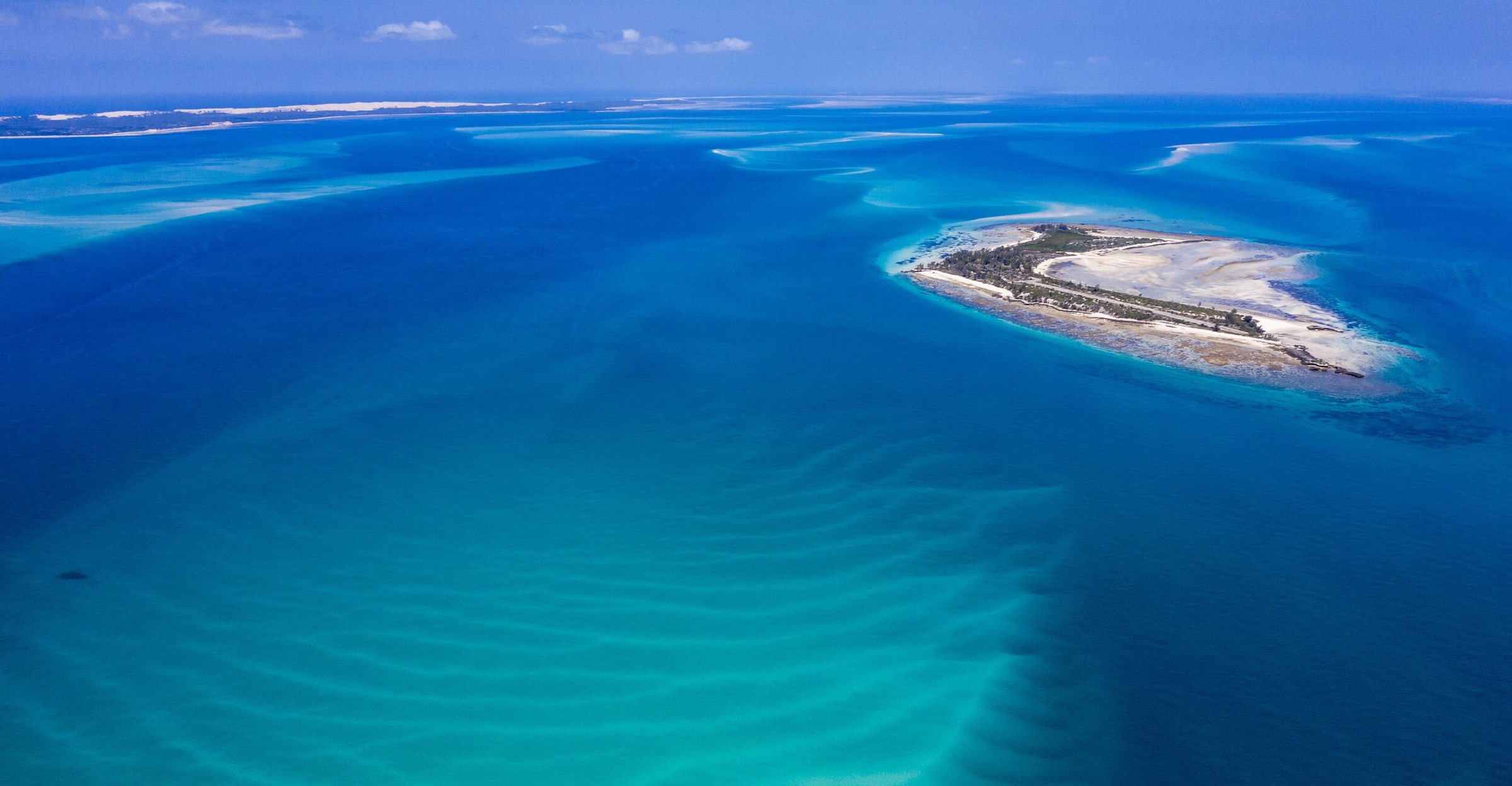
Effective management and protection require baseline data on species diversity and abundance, along with the identification of critical habitats and aggregation sites. For mobile, rare, or elusive species, however, this information can be difficult and time-consuming to collect through diver surveys alone. MMF scientists are therefore developing and integrating emerging research techniques, including BRUV systems, remote cameras, and eDNA, alongside in-water and aerial surveys, to rapidly collect census information on sharks and rays throughout the Inhambane Province. The Bazaruto Seascape is a particular focus.
Our research techniques
Alongside our long-term diver surveys, we are expanding our use of remote monitoring techniques on reefs in the Inhambane Province, combining methods to assess the abundance and diversity of elasmobranch species throughout the province.
- BRUV systems are unmanned drop cameras that use bait to attract predatory species, which can then be identified and counted during video analysis.
- Remote camera traps, deployed by divers on the seabed or reef and retrieved after about two hours of recording, allow species counts and observations of animal behavior in the absence of divers.
- Environmental DNA analysis, using tiny traces of DNA shed into the water column by marine organisms in waste products, skin cells, or mucus, can detect multiple species without direct observation.
Employing several complementary techniques also allows our researchers to compare them, in effect cross-checking our own data so that the information we obtain is as accurate as possible.
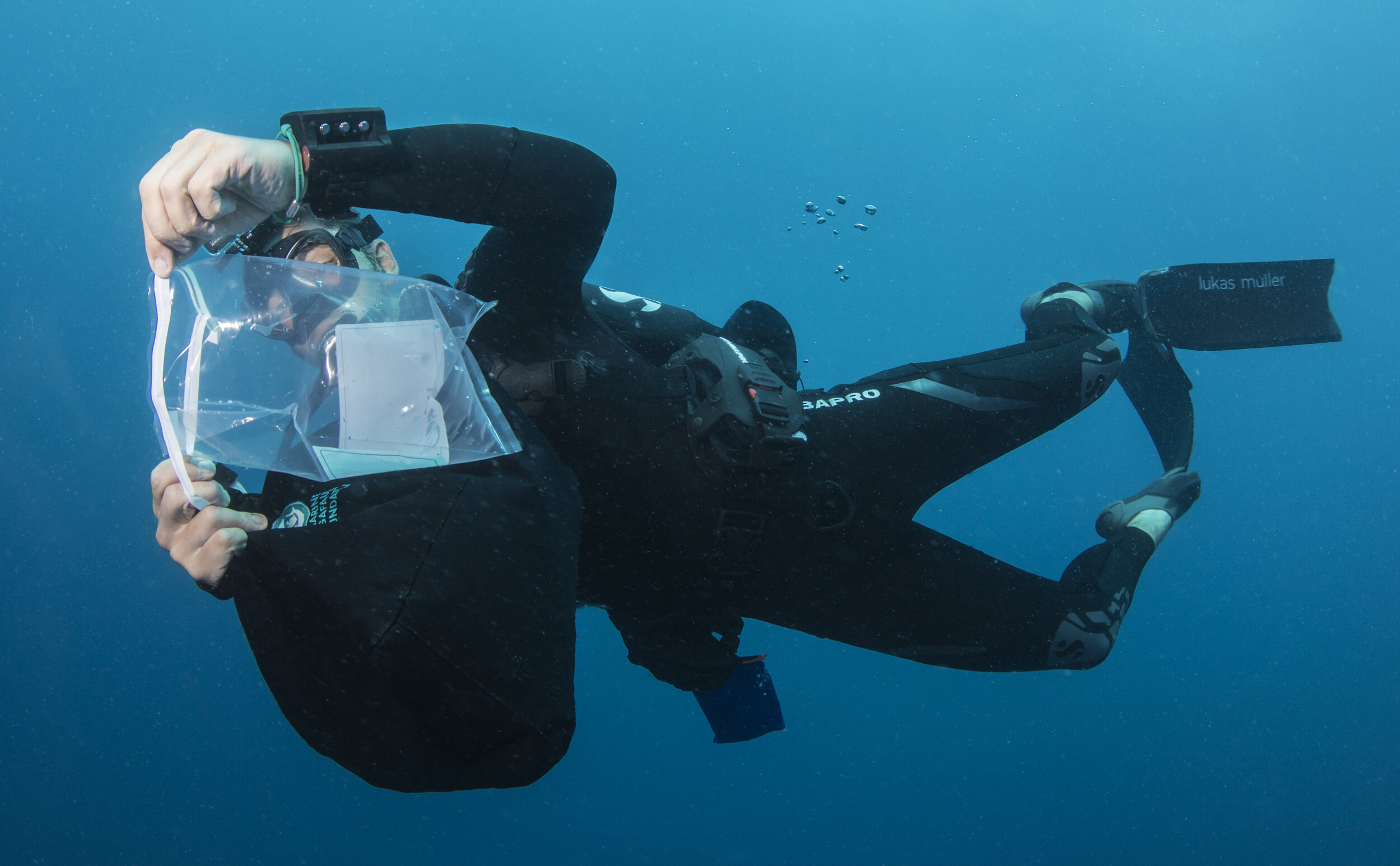
Baited camera results, 2025
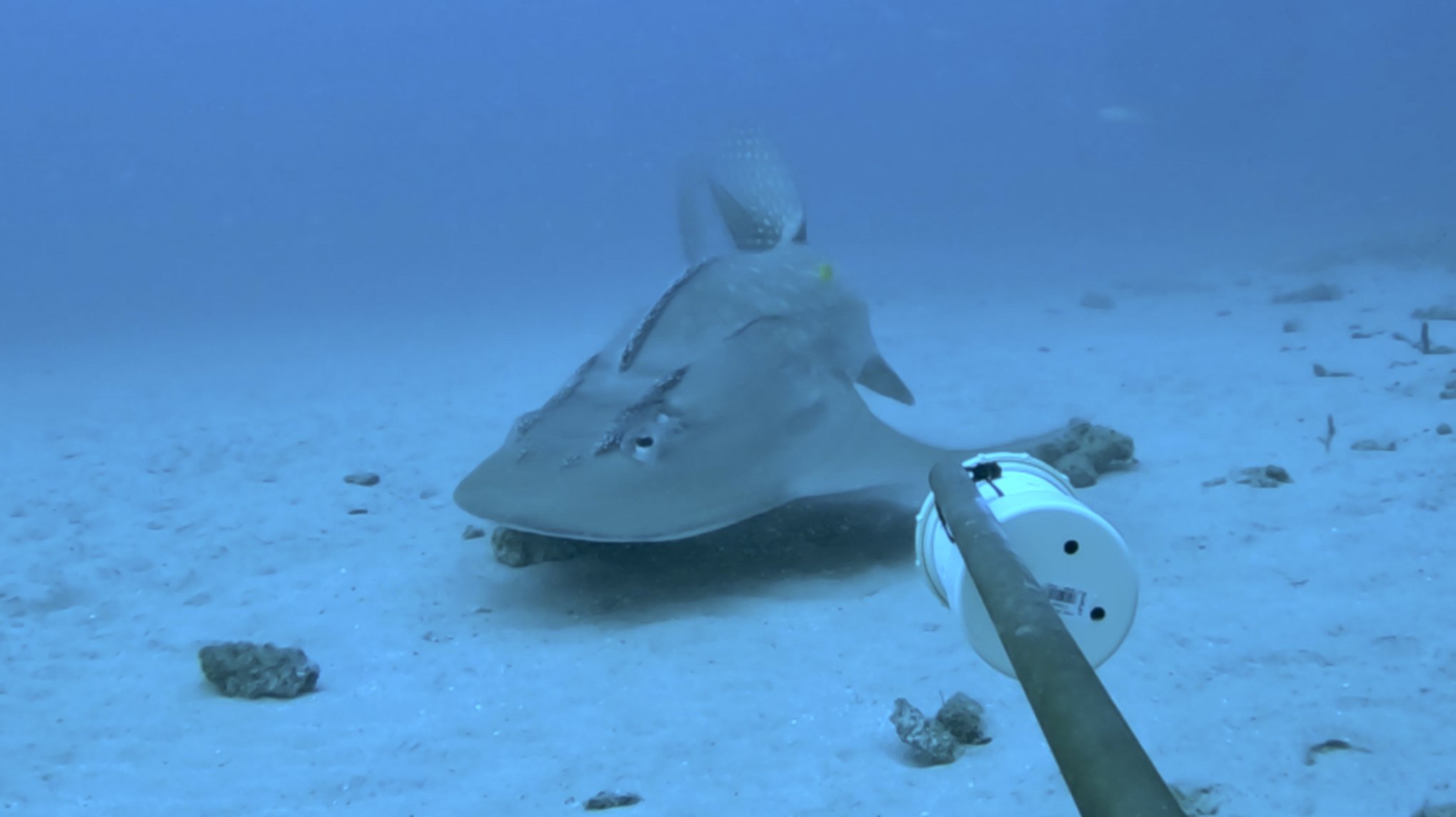
Across two rounds of fieldwork in August and November 2025, the team completed 158 BRUV deployments in the Bazaruto Seascape, 135 of which returned usable footage; the remainder were lost to strong currents, a routine hazard of working on exposed offshore reefs.
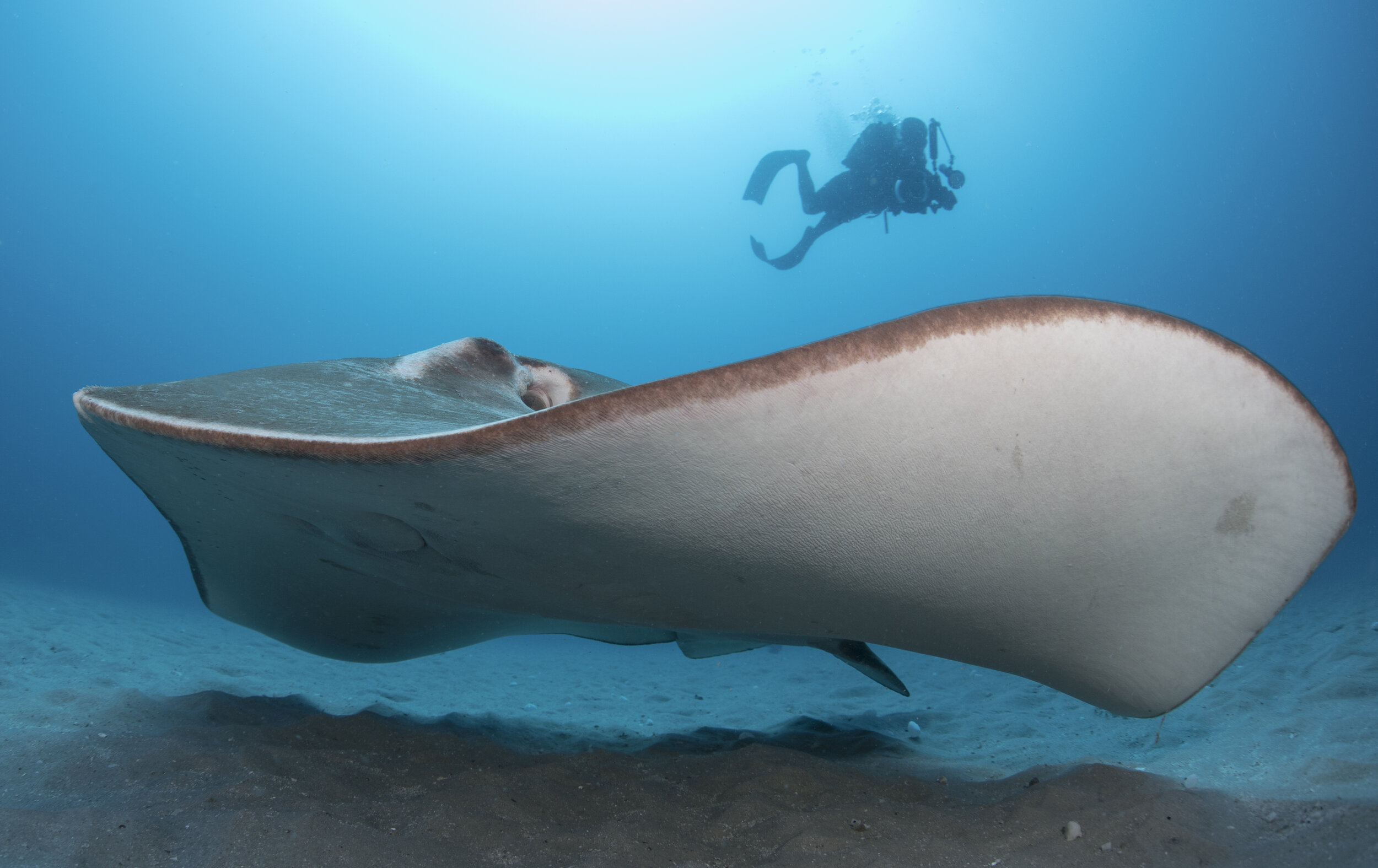
The first 70 videos processed recorded 11 species of shark and ray, every one of which is assessed as threatened on the IUCN Red List. On these reefs, therefore, the baseline itself is a community of species already under threat. Alongside the video, surface observations during the same fieldwork included aggregations of more than 40 whiprays, spotted eagle rays, bull sharks (Carcharhinus leucas), humpback and bottlenose dolphins, sea turtles, and whale sharks. Two of those whale sharks were already known to us from photo-identification at Tofo, hundreds of kilometers to the south.
MMF Project Team
 Dr. Stephanie Venables
 Simão Sande
 Nilza de Catarina
 Anna Flam
 Dr. Nakia Cullain
Collaborators and Partners




Recent research
- 2026Characterisation and comparative analysis of the complete mitochondrial genomes of two whiprays, Himantura leoparda and H. uarnak, occurring in the Southwest Indian Ocean
- 2024Directed conservation of the world’s reef sharks and rays
- 2023Widespread diversity deficits of coral reef sharks and rays
- 2022First records of the ornate eagle ray Aetomylaeus vespertilio from the Inhambane Province, Mozambique
- 2020Global status and conservation potential of reef sharks
 Bazaruto Seascape Marine Conservation
 Mozambique Acoustic Telemetry Network
 Mozambique Smalleye Stingray Research Project
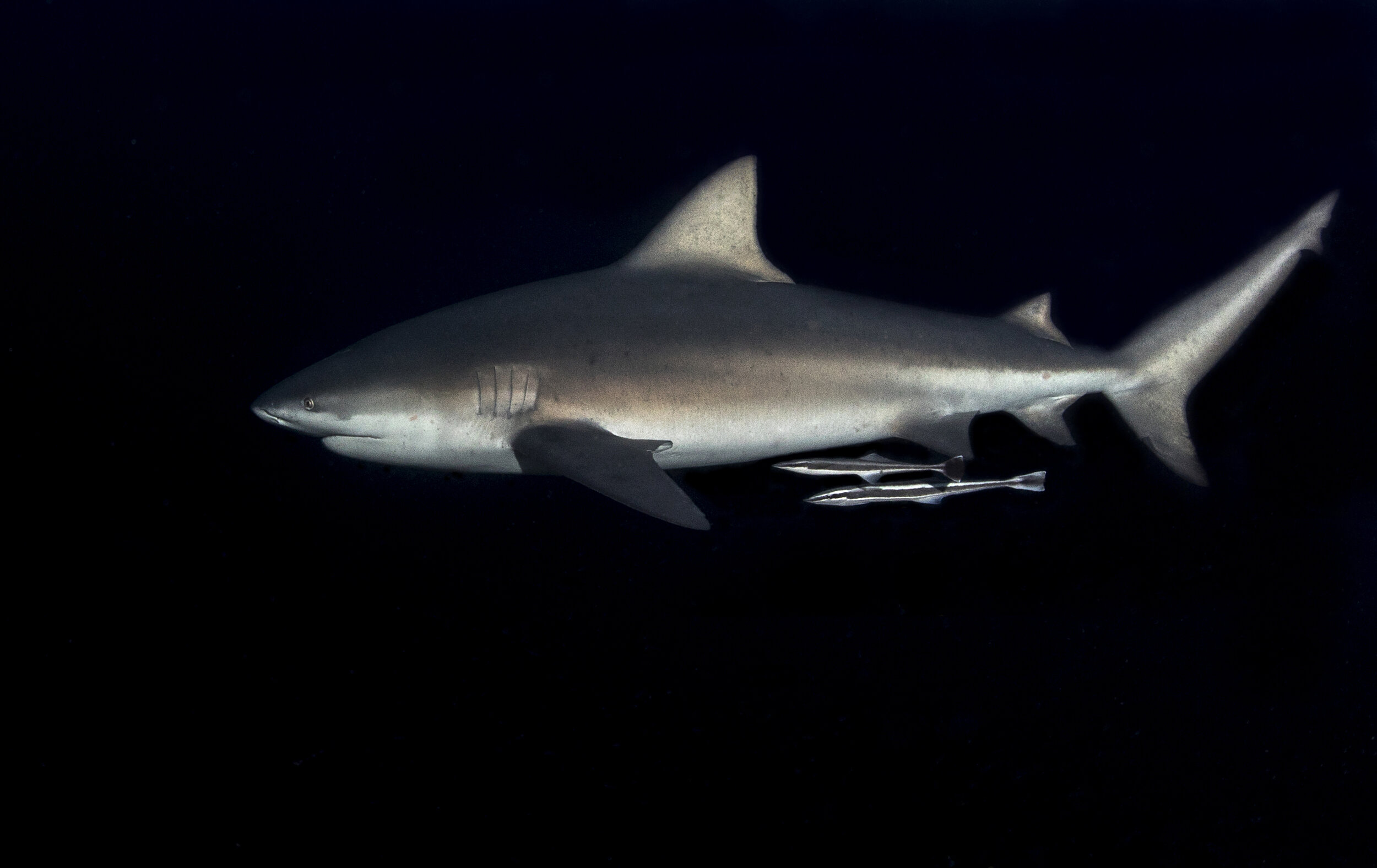 Mozambique Bull Shark Research Project