
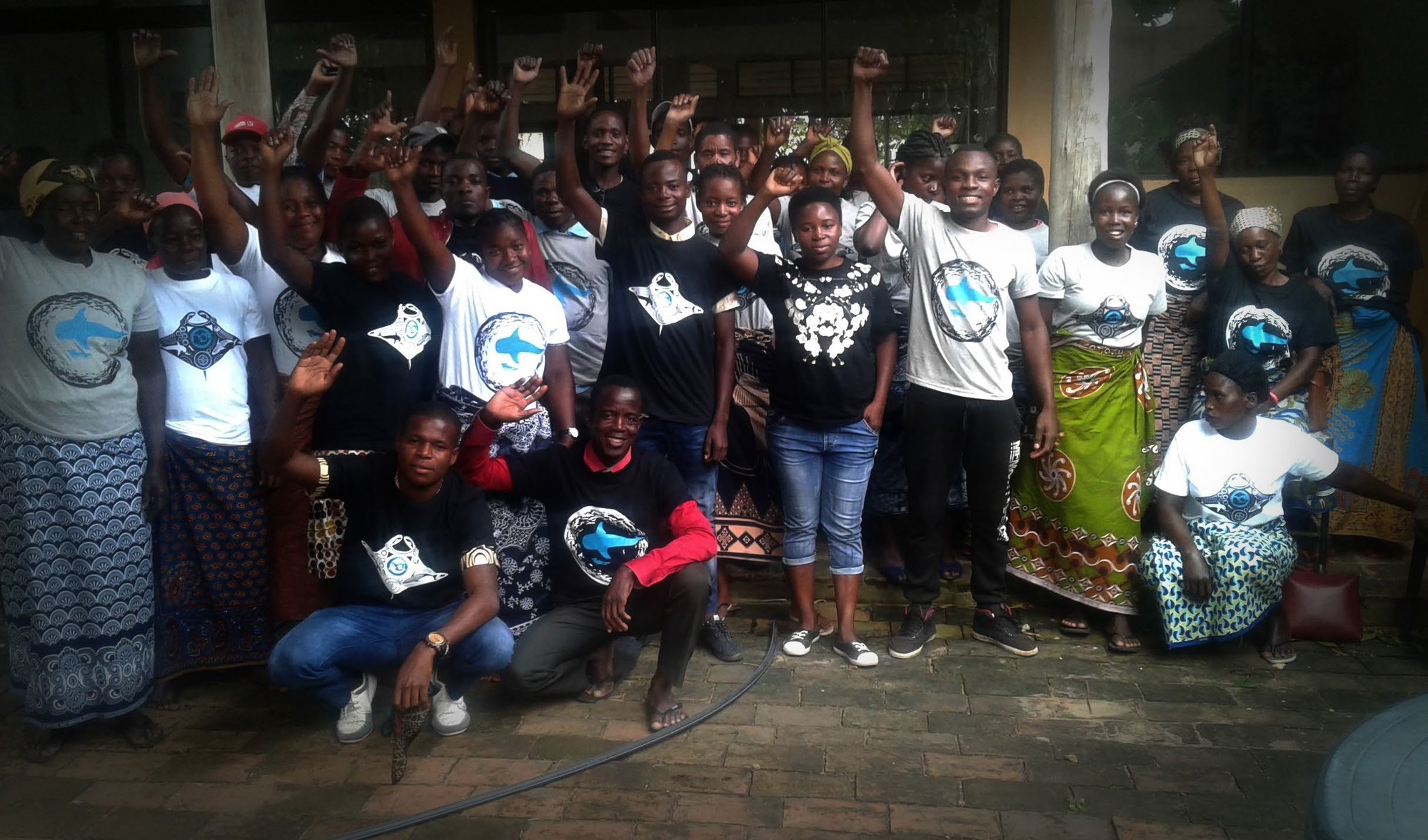
MMF’s Sustainable Seas Program works with fishing communities in Mozambique.
Working towards sustainable fisheries in Mozambique, by Genaye Domenico.
Healthy oceans and healthy people are inextricably linked. For the people of Mozambique, fishing is steeped in history, and provides the country with 40% of its dietary animal protein. Sadly, fishers have been reporting steep declines in the size and quantity of their catch, making traditional fishing methods and management strategies difficult to sustain.
The pressures of a growing population and over-exploitation by foreign fishing fleets have led to fishers switching to indiscriminate techniques to maintain catch rates. That, in turn, has led to more accidental catches of threatened species. As preferred fish have declined, some previously-ignored endangered species have also become increasingly attractive as a target for fishers. The results have been devastating.
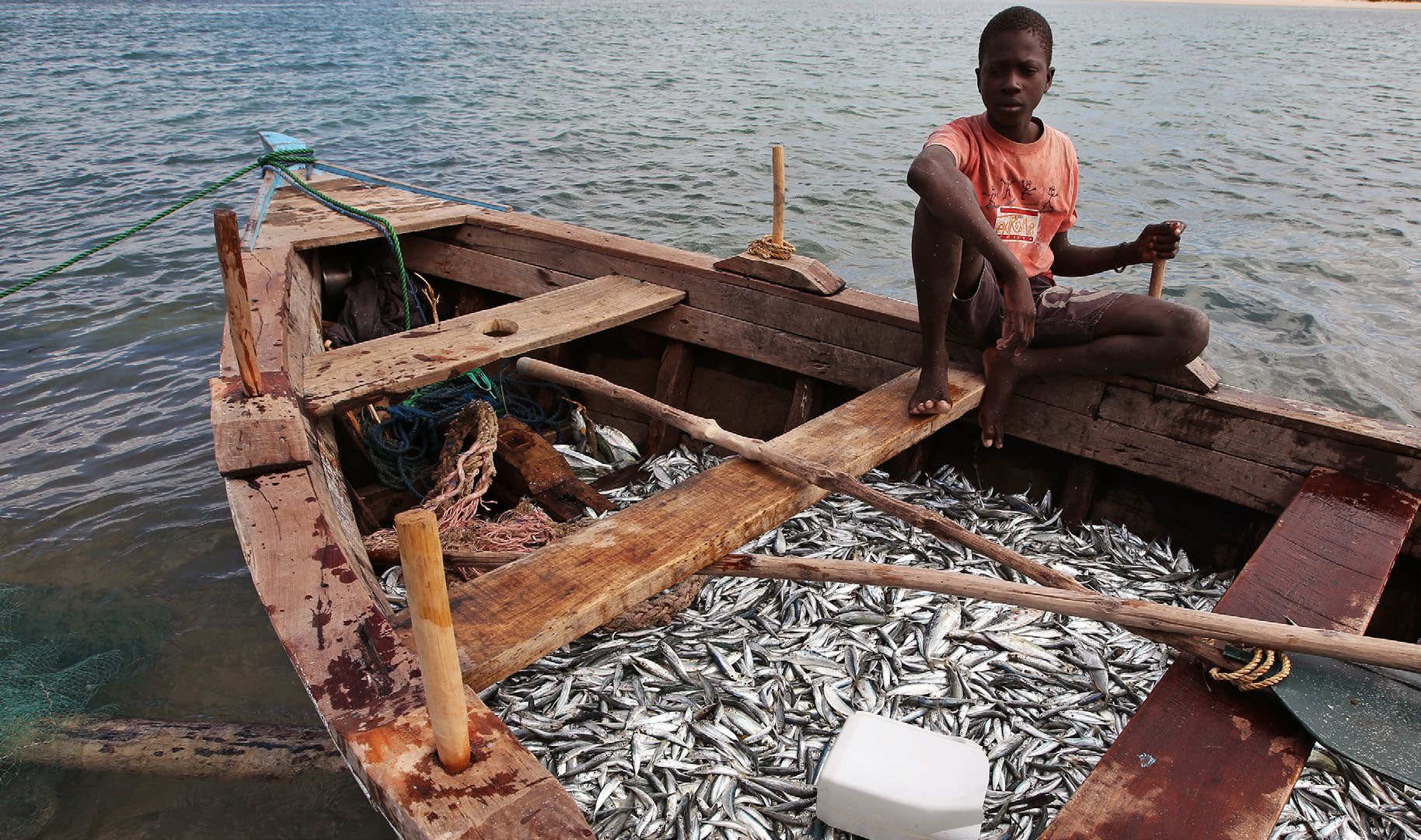
Artisanal fishing is central to life and food security on the Mozambican coast.
Marine megafauna declines
Since 2005, the MMF research team has documented a 98% decline in sightings of reef manta rays, and 79% in whale sharks. We have seen first-hand the impact that unsustainable fishing practices can have – not just on the rays and sharks that we spend much of our time on, but on bass, sea turtles, dugongs, and dolphins too.
Our focus now is on helping these species to recover. To achieve that, we need to solve the root issues that led to their declines in the first place. That means we need to help fishers transition back to sustainable methods that still ensure food security in their communities.
The goal of MMF’s Sustainable Seas Program is to ensure that people can benefit from a healthy ecosystem that supports livelihoods and food security, while threatened and vulnerable marine species are protected so their populations can rebuild.
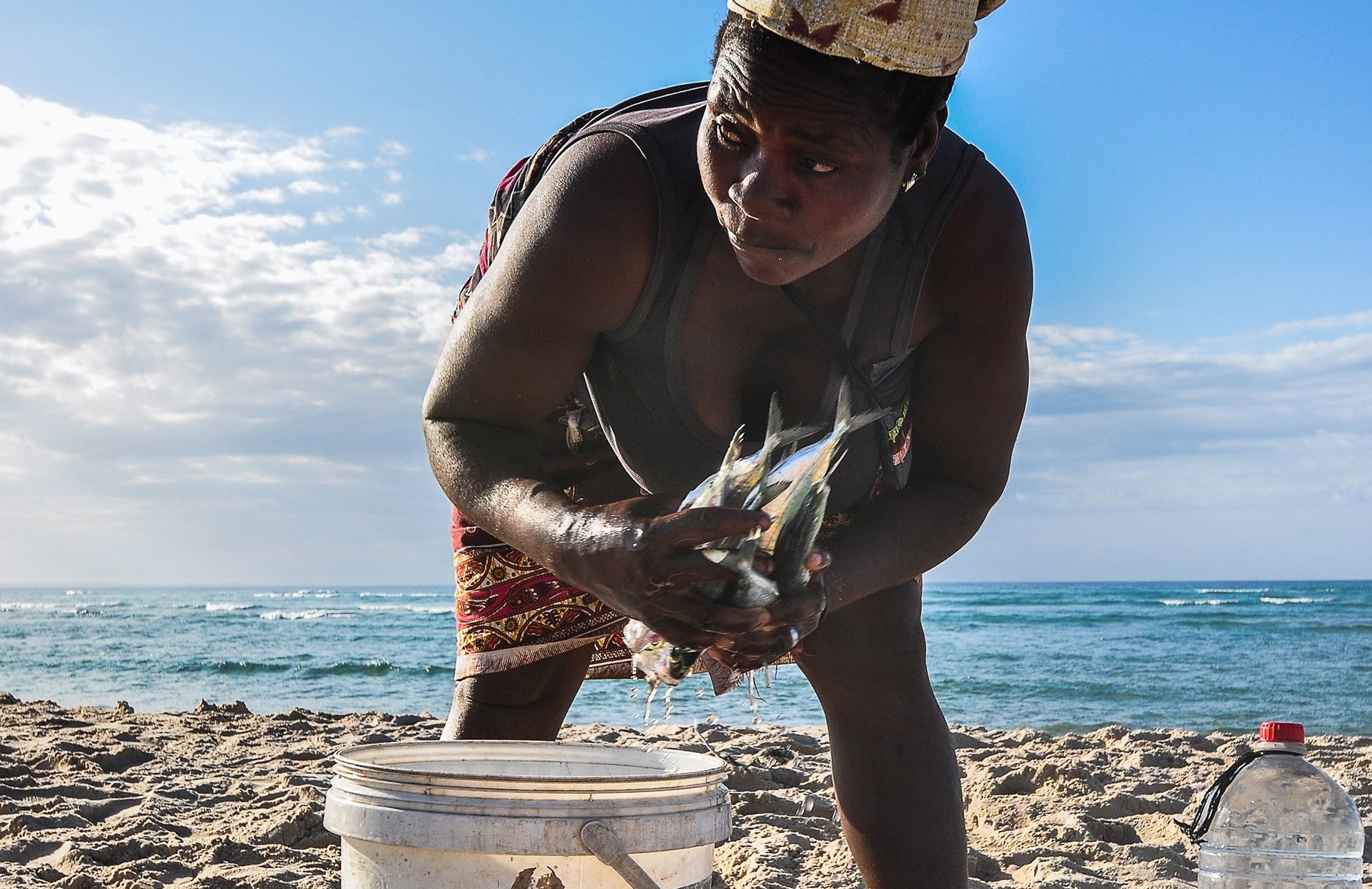
Reef manta ray sightings in southern Mozambique have declined by 98% since 2005.
The Sustainable Seas Program
Our flagship conservation project in Mozambique is the “Ocean Ambassadors” program. The MMF conservation team members work with community ambassadors to build their knowledge and technical capacity on sustainable marine resource management. The program started with 12 ambassadors in 2017, and we now have 38 people with whom we work together to continually develop a conservation curriculum that, at this stage, comprises 16 lessons encompassing topics on marine conservation, species protection, and ecology.
After we meet with the ambassadors, they in turn organize a monthly meeting to share and discuss their knowledge within their communities. Over 2,400 people have now attended these meetings. The ambassadors also work with MMF to develop and participate in ocean festivals, beach cleanups, and other environmental initiatives.
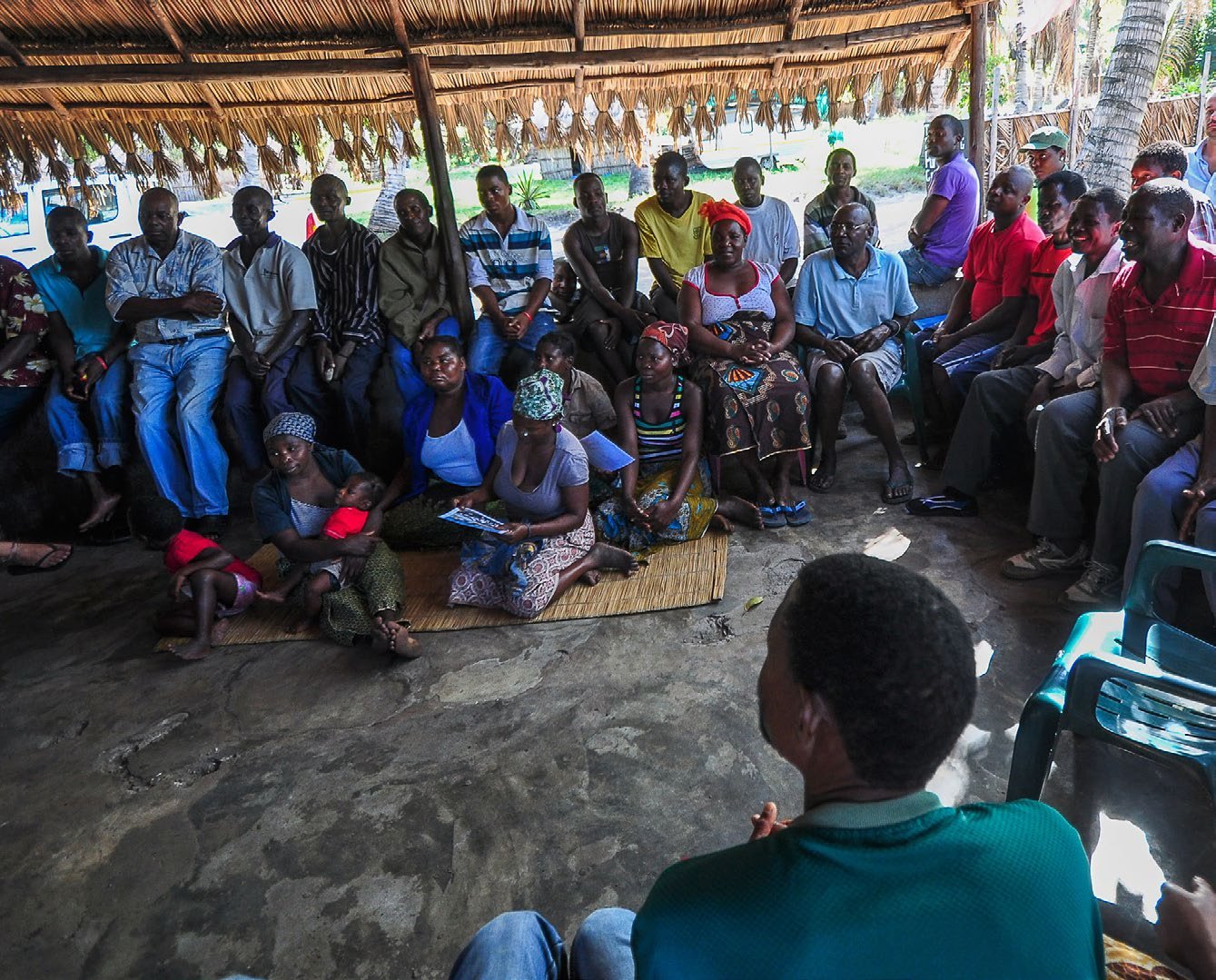
Community ambassadors share what they learn at monthly meetings in their own communities.
Empowering local management
We also work directly with the fishers themselves. Mozambican law enables the development of Community Fisheries Councils as local consultative bodies for the provincial and national governments. To help formalize their management authority, the MMF team is helping fishing communities with the process of legal registration, hosting exchange visits with other fishing communities to share their knowledge, facilitate planning for Locally Managed Marine Areas, and finding training and apprenticeship opportunities for fishers and their family members who wish to explore alternative or supplementary livelihood opportunities.
Empowering community leadership in conservation is the most effective way for us to ensure long-term improvements in fisheries management. By providing practical help to the fishers themselves, and partnering with their communities, we can mitigate the direct threat to key marine megafauna species and their most critical habitats, while supporting sustainable development in this amazing country.
This article was originally published in Ocean Giants, MMF’s magazine, Issue #06 (Winter 2022). Download the full issue as a PDF. Read more about this work on our Sustainable Seas project page.