
Mozambique · Global Rhino Ray Program · Since 2022
Inhassoro Wedgefish Project
Community rangers have recorded wedgefish and guitarfish landings on the unprotected Inhassoro coast, and their records helped two fishing communities propose areas closed to net fishing.
Wedgefish are among the most threatened sharks and rays on Earth. On the unprotected coast of Inhassoro, community rangers have recorded how often they are caught, and their records helped fishing communities decide where to stop netting.
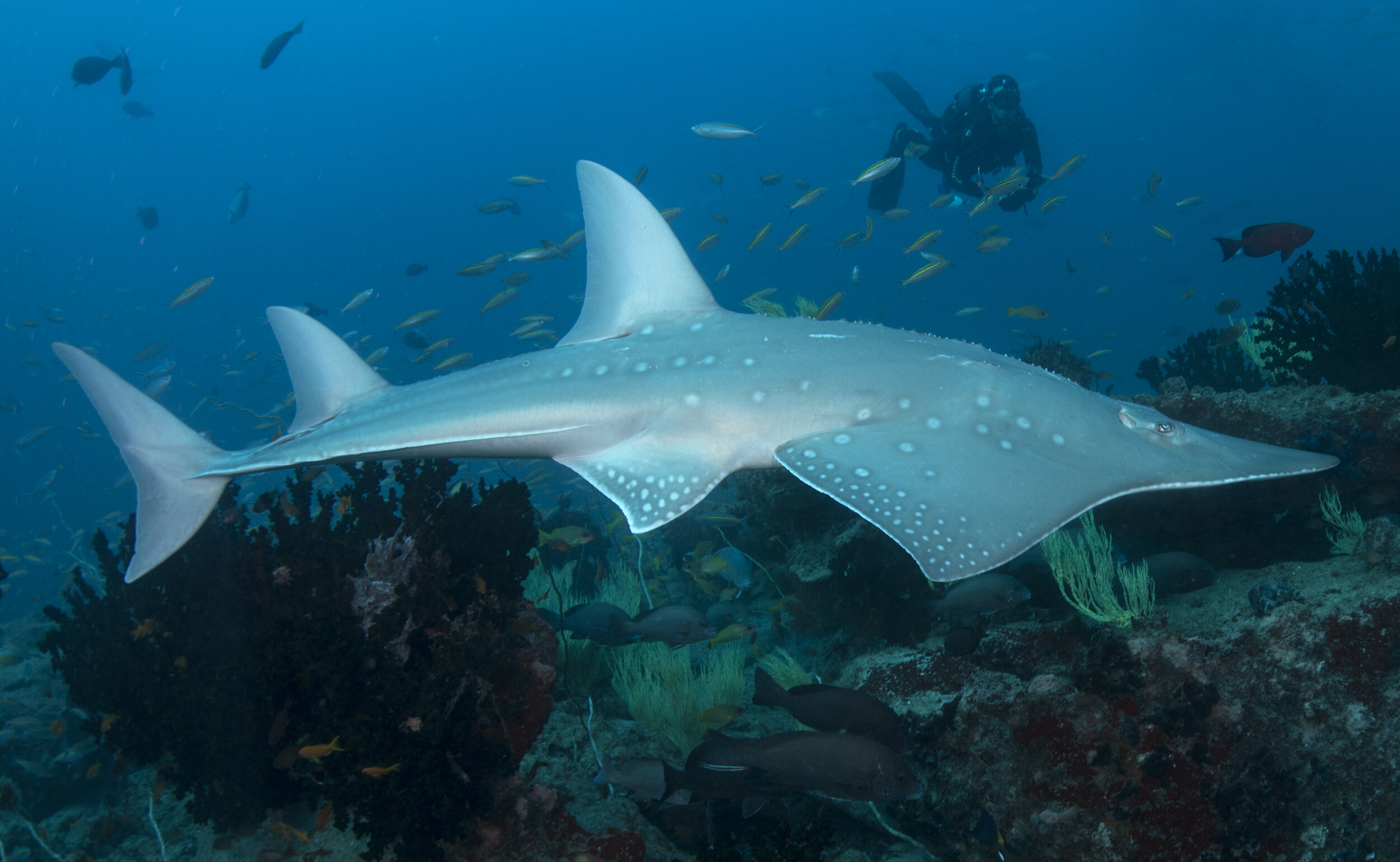
Wedgefish and guitarfish are large, shark-like rhino rays that live in shallow coastal water, where they overlap with coastal fisheries. Nine of the ten wedgefish species are assessed as Critically Endangered on the IUCN Red List, and their fins are among the most valuable in the global fin trade.
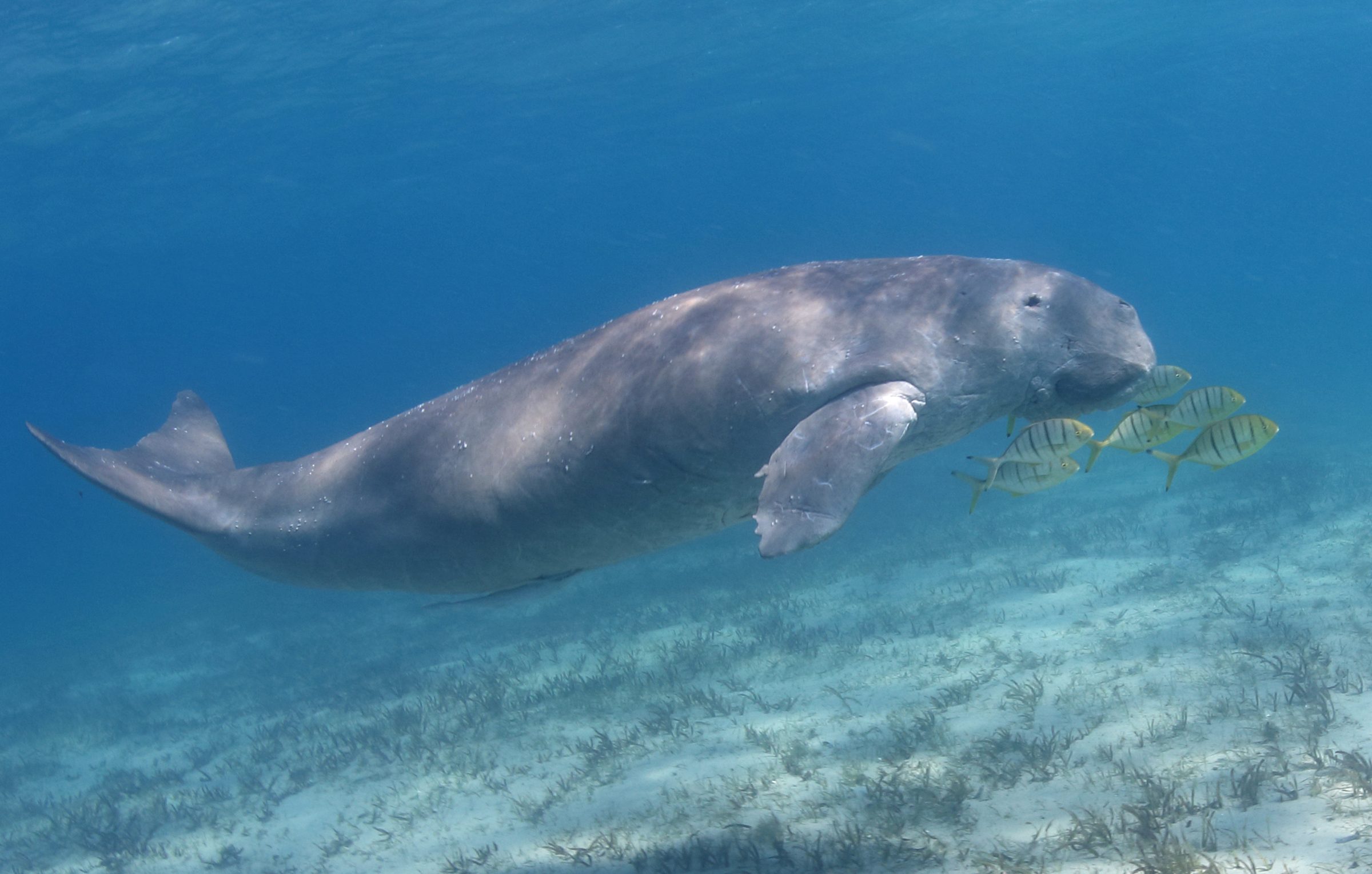
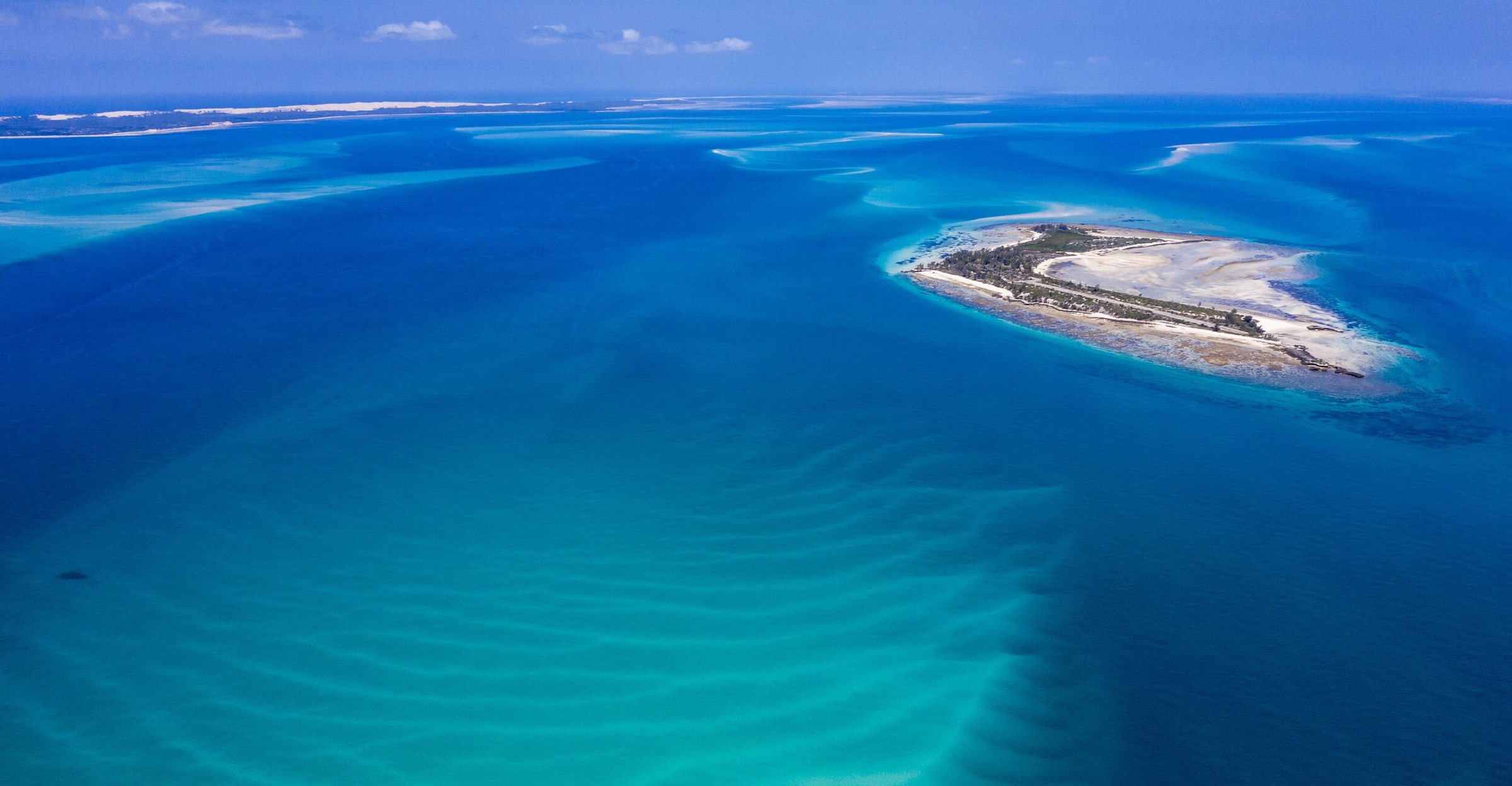
The Inhassoro coast is the mainland side of the Bazaruto Seascape, outside Bazaruto Archipelago National Park. Its seagrass flats are feeding grounds for dugongs and support wedgefish and sea turtles, but much of this habitat lies outside any protected area, in waters fished with drag nets and gill nets.
Wedgefish are hard to study here. Underwater survey cameras rarely recorded wedgefish or guitarfish, yet fishers regularly bring them ashore, so camera surveys alone miss much of what is happening on this coast. This project works with those fishers to record wedgefish and guitarfish landings (catches brought ashore), and to turn that record into protection.
Objectives
- Record wedgefish and guitarfish landings along the Inhassoro coast through a community-run monitoring system.
- Identify the fishing gear, places, and seasons that put wedgefish most at risk.
- Work with communities to identify priority areas for protection and agree on locally supported management, including no-net and no-take zones.
- Share the evidence with district and national authorities to strengthen protection for wedgefish in Mozambique.
What we've done
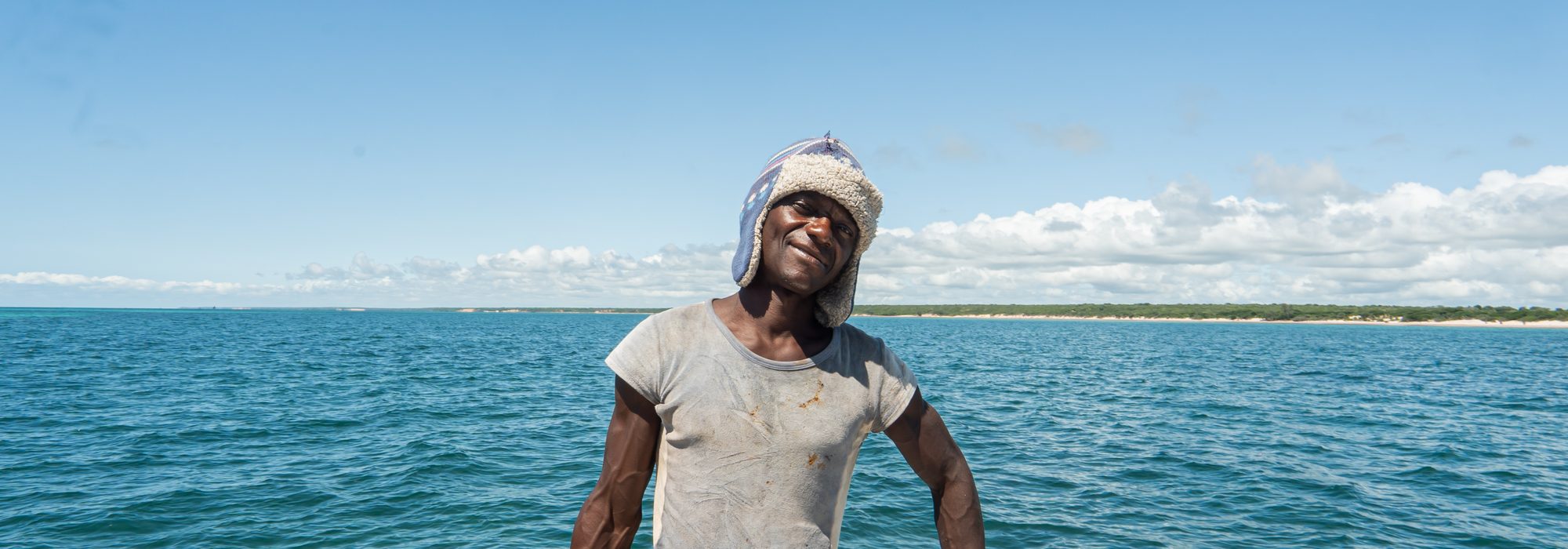
- Trained 26 community rangers from the local fishing councils across six priority wedgefish sites, covering about 43 kilometers (27 miles) of coastline.
- Set up a smartphone landings system: rangers record each wedgefish or guitarfish landing with the species, date, fishing gear, the animal’s condition, a GPS position, and a standard four-photo series, with a small payment for each verified record.
- Surveyed the coast with baited remote underwater video (BRUV), which showed that wedgefish are seldom seen on cameras even where fishers regularly land them.
- Gathered local ecological knowledge from 195 fishers on where wedgefish, dugongs, and seagrass are found, and what threatens them.
- Worked with the communities of Tsondzo and Mangarelane to propose a no-net zone at Tsondzo and a no-take zone at Mangarelane, now moving through formal government processes.
- Presented the findings and management recommendations to district government, fisheries and enforcement authorities, scientists, and community leaders at a multi-stakeholder policy workshop.
What's next
- Continue ranger landings records before and after the community marine areas are established, to help assess whether a no-net zone reduces wedgefish deaths.
- Match photos of landed wedgefish against MMF’s photo-identification catalog from the Bazaruto Seascape, and check landed animals for acoustic tags, to test whether wedgefish caught at Inhassoro also use the protected waters to the south.
- Publish the project’s results on the wildlife of this unprotected seagrass coast, including the wedgefish landings records.
Support wedgefish conservation at Inhassoro
Your gift supports community monitoring of wedgefish landings and helps fishing communities protect the places these Critically Endangered rays need.
Our work on wedgefish at Inhassoro
Fishers as the eyes on the water
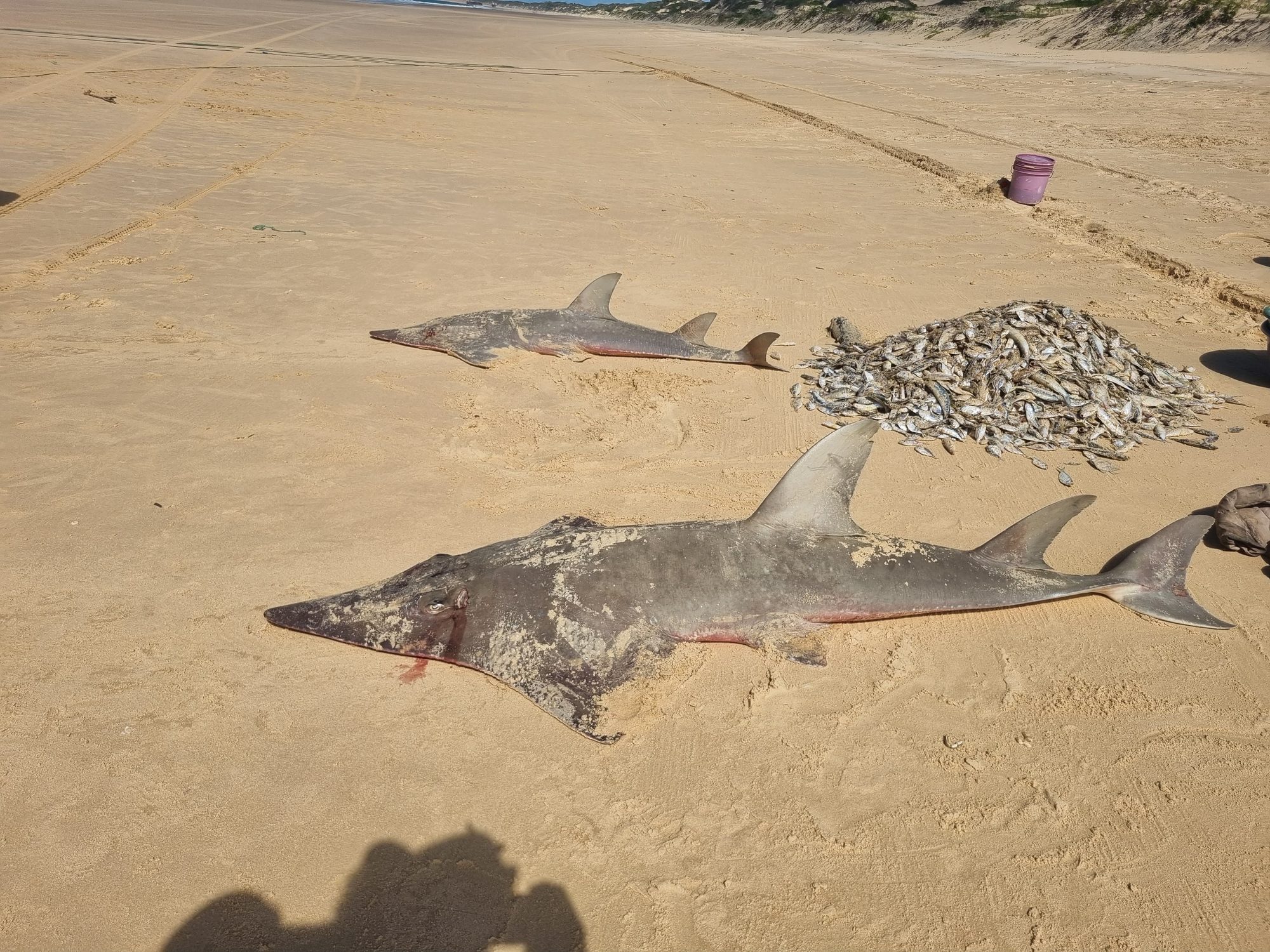
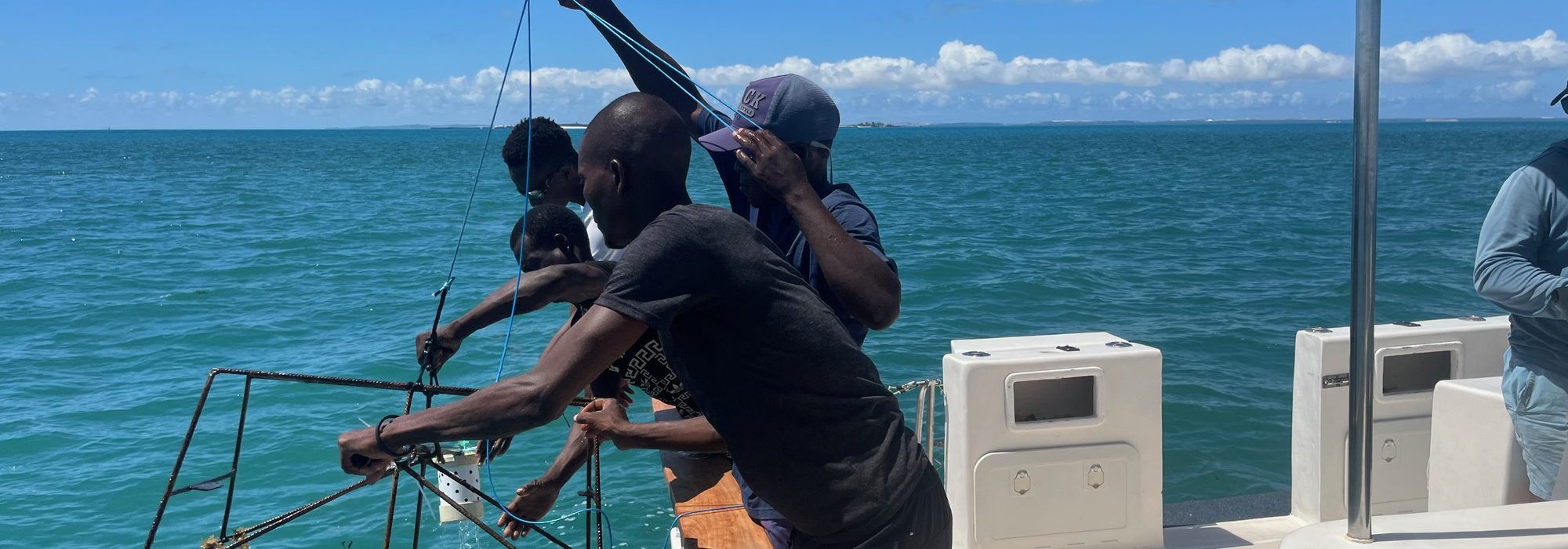
Survey cameras rarely catch a wedgefish here, yet fishers land them regularly. That gap is the reason the project is built around fishers. Twenty-six rangers drawn from the local community fishing councils use a smartphone app to log wedgefish and guitarfish landings, with photos and a GPS position, and receive a small payment for each verified record. The payment improved both the number and the quality of the records. Early records show wedgefish and guitarfish landed regularly along this coast, mostly in drag nets.
From evidence to community marine areas
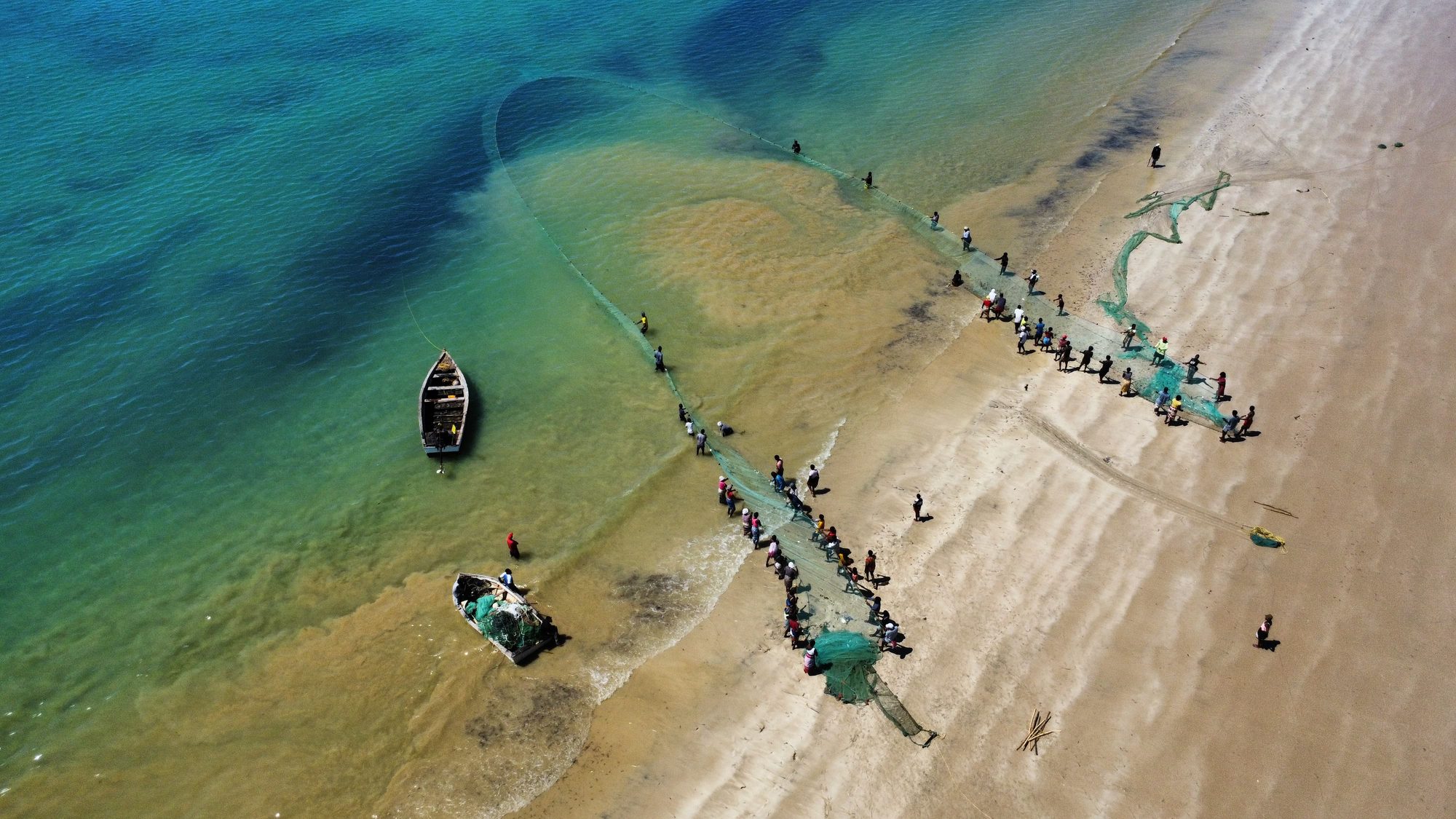
We combined the landings records, the fishers’ own knowledge, and MMF’s seagrass maps to identify priority areas. Working with MMF, the communities of Tsondzo and Mangarelane have agreed to set aside part of their fishing grounds: a no-net zone at Tsondzo and a no-take zone at Mangarelane. Both proposals are now moving through government processes. If they are put in place, continued ranger monitoring can help show whether they work.
One seascape, one population?
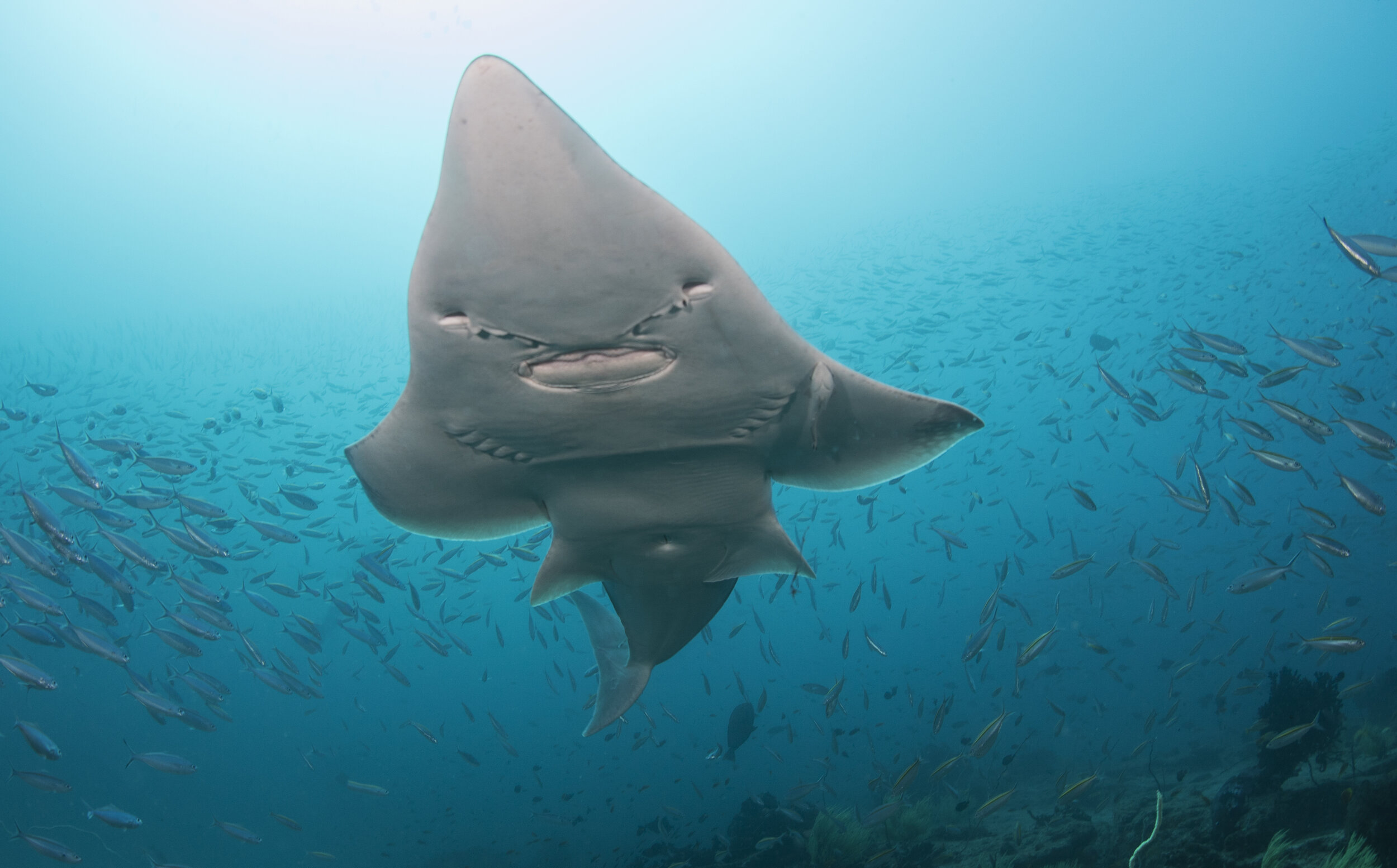
The Inhassoro coast is the unprotected neighbor of wedgefish that use protected waters. To the south, MMF’s Mozambique Rhino Rays Research Project tracks and photographs wedgefish in the Bazaruto Seascape, working with the Vilanculos Coastal Wildlife Sanctuary. The Inhassoro work complements it by documenting what happens beyond protected waters. A match between a landed animal and that project’s photo-identification catalog would show that wedgefish protected in one part of the seascape are caught in another.
MMF Project Team
 Olivia Patterson
Collaborators and Partners
 Mozambique Rhino Rays Research Project
 Dugong & Seagrass Conservation
 Bazaruto Seascape Marine Conservation