
Indonesia · Since 2012
Education and Outreach
Public talks, school visits with virtual reality, citizen science with dive centers, and hands-on training that build understanding and care for Indonesia's marine megafauna.
Protecting Indonesia’s manta rays and sea turtles depends on the people who share the water with them. Our outreach brings the research to students, divers, tour operators, and communities across the archipelago.
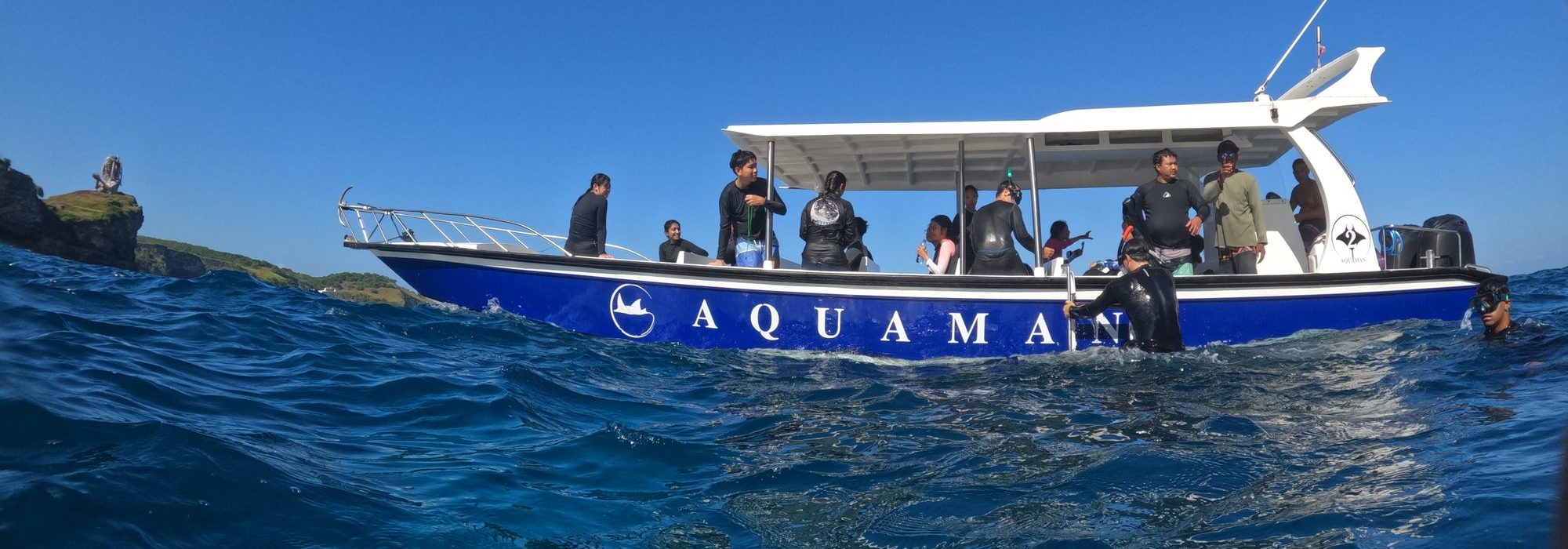
Since MMF’s work in Indonesia began in 2012, citizen science has been at its core: dive centers photographed manta rays at Nusa Penida and Komodo, and those photographs became the identification catalogs that underpin our research. That partnership has grown into a network of more than 40 partner dive centers across Bali, Komodo, West Nusa Tenggara, and the Derawan Islands, which collect data and share our findings with their guests.
Alongside it, our Indonesian team gives public talks on manta rays, sea turtles, ocean sunfish (mola), and sharks, visits schools with virtual reality headsets that let children “swim” with manta rays without leaving the classroom, trains divers and tour operators in codes of conduct, and hosts students and interns, building the next generation of Indonesian marine conservationists.
Objectives
- Share the biology of Indonesia’s marine megafauna, and the research and conservation behind protecting them, with the public.
- Bring marine science into schools, including to children who may never dive.
- Grow citizen science with dive centers and tour operators, so that everyday dives become research data.
- Promote codes of conduct that keep manta ray and turtle encounters sustainable.
- Train students, interns, and early-career Indonesian scientists.
What we've done
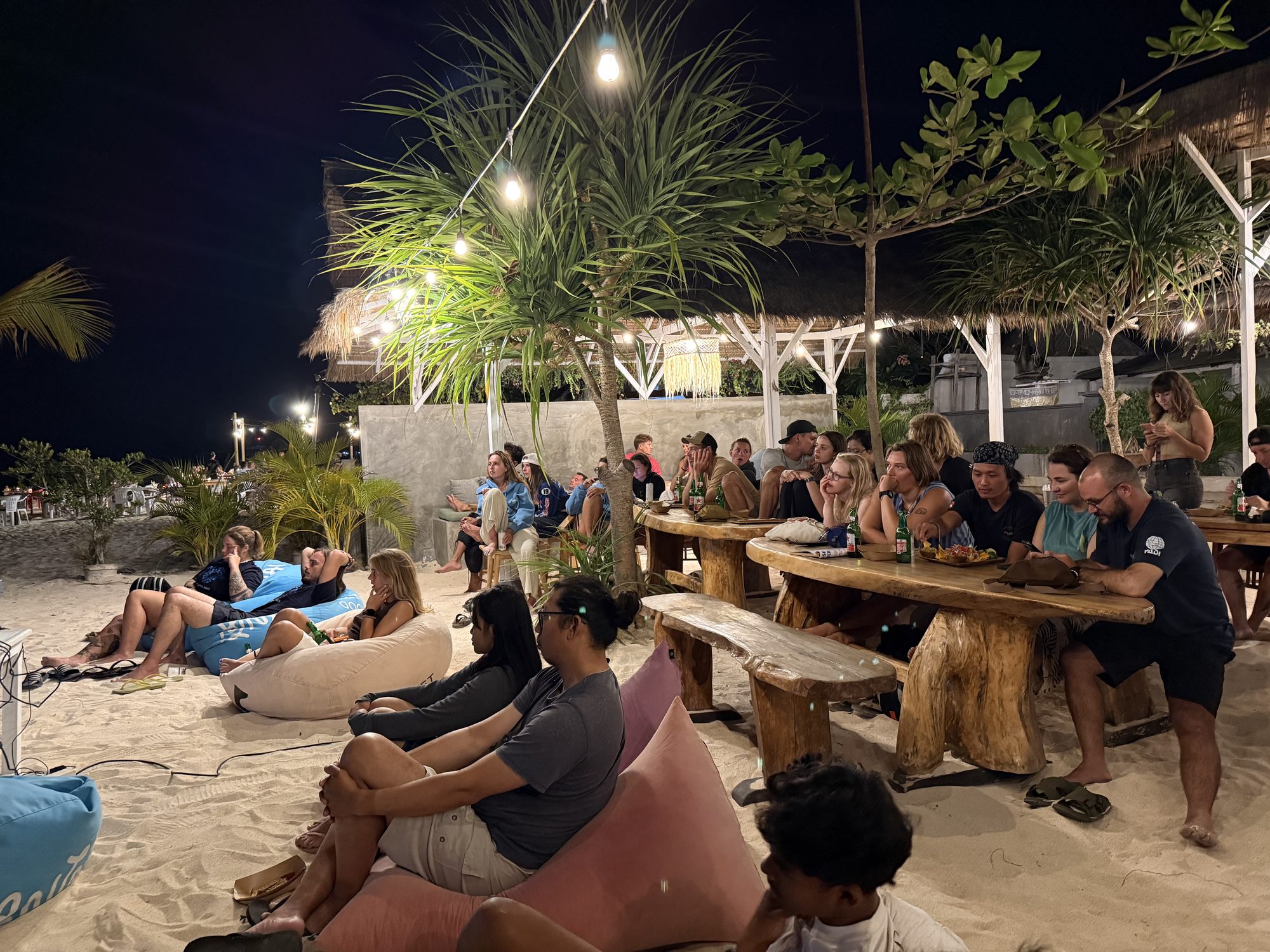
- Gave public talks across Nusa Lembongan, Nusa Penida, and Bali, including a “BIG Talk” on sharks, manta rays, sea turtles, and mola, and a revived Mola Talk series at dive centers and community venues.
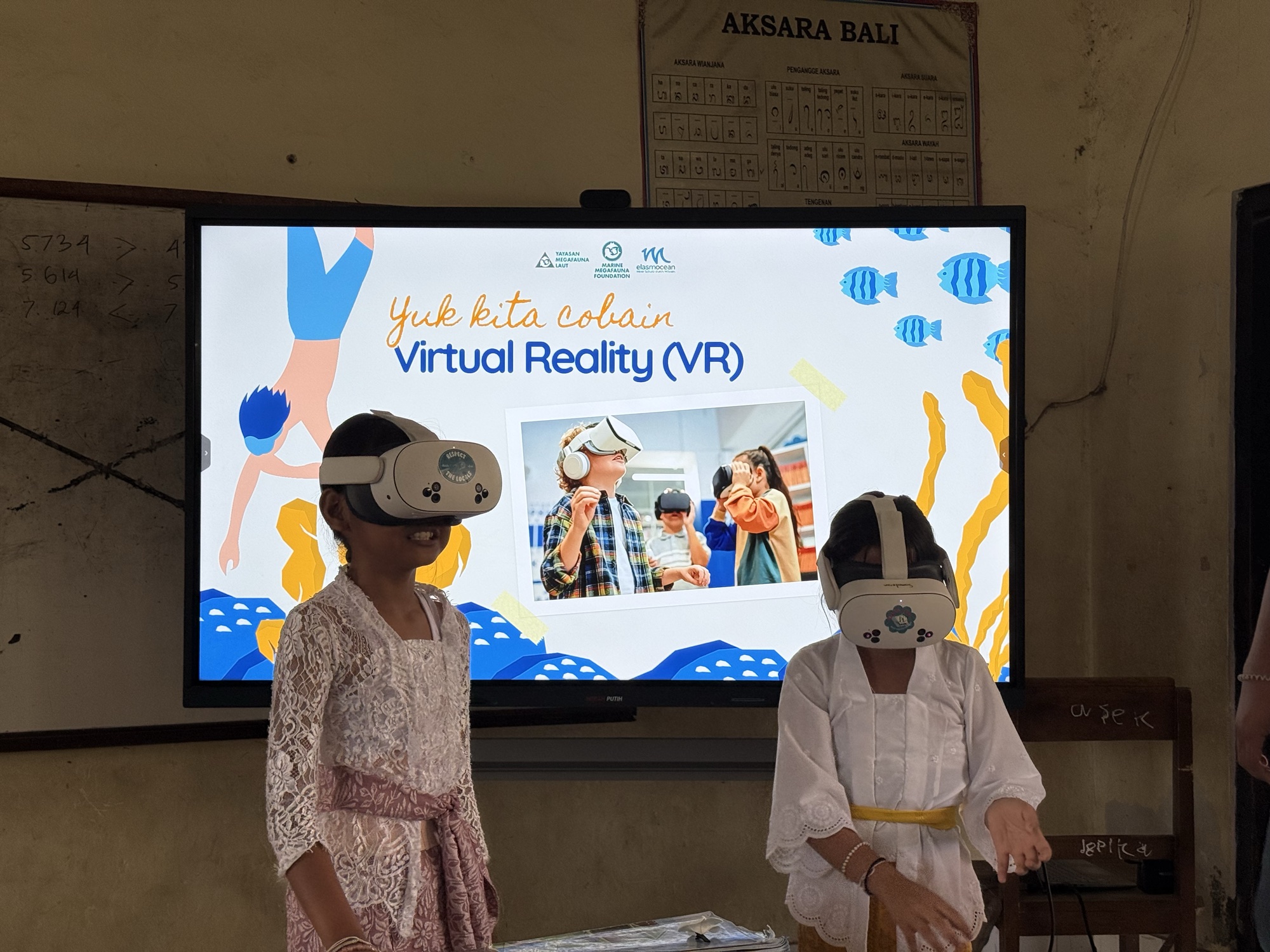
- Introduced virtual reality ocean experiences into classrooms in the Derawan Islands, Nusa Lembongan, and Nusa Penida.
- Visited schools from Nusa Lembongan to Labuan Bajo, including an ocean literacy class at Uluwatu School and a session with tourism students at SMKN 1 Labuan Bajo.
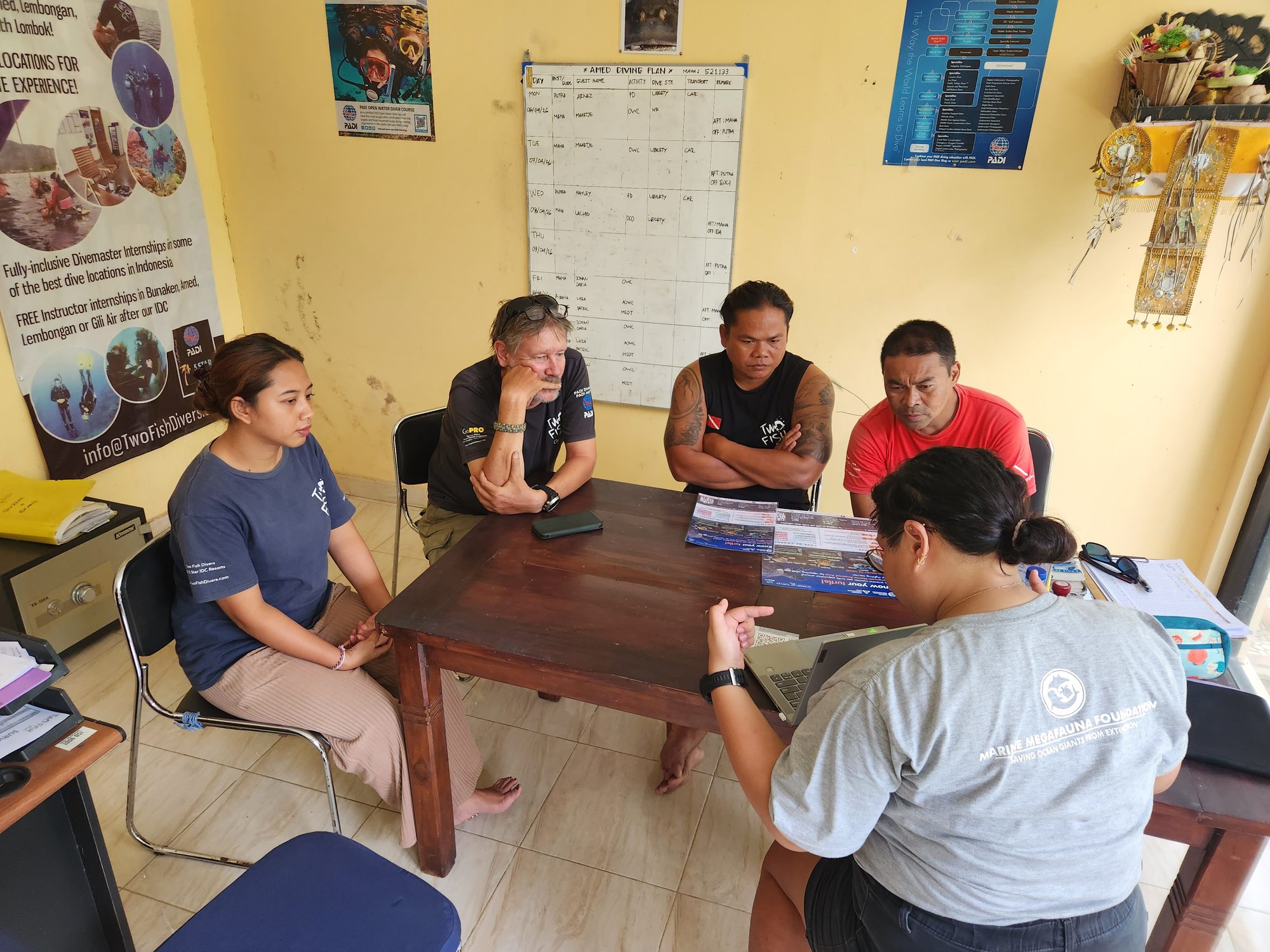
- Expanded our sea turtle citizen science to Karangasem in East Bali, where 14 dive centers and more than 100 people took part in workshops in 2026, contributing 30 turtle encounters and a baseline of 13 individual turtles.
- Ran a full-day Internet of Turtles photo-identification workshop with Gili Shark Conservation on Gili Air.
- Hosted students from the National University of Singapore for hands-on photo-identification workshops.
- Delivered pre-dive and pre-snorkel briefings on manta ray and turtle codes of conduct with partner dive centers.
What's next
- Continue school visits with virtual reality, in Bali and beyond.
- Host workshops with tourism operators in West Nusa Tenggara as the Lesser Sunda Seascape Tracking Network expands.
Support education and outreach in Indonesia
Your gift funds school visits, public talks, and the citizen science workshops that bring divers, students, and communities into marine megafauna conservation.
Our education and outreach work in Indonesia
Public talks
Our talks bring the research to the people who live and dive alongside Indonesia’s marine megafauna. In 2026 the team gave a “BIG Talk” at Scuba Center Asia on Nusa Lembongan, covering sharks, manta rays, sea turtles, and mola for around 50 guests, and a talk on what makes Nusa Penida extraordinary for another 50. After years away, the Mola Talk returned, with sessions at dive centers and community venues on Nusa Lembongan, Nusa Penida, and the Bali mainland. These talks also correct a common assumption among the divers who see the animals most: the ocean sunfish around Nusa Penida and Nusa Lembongan is not Mola mola, as many assume, but a distinct species, Mola alexandrini. In Komodo, the team gave talks in both English and Bahasa Indonesia in Labuan Bajo.
Schools and virtual reality
Our school visits use virtual reality headsets to let students dive alongside manta rays and turtles; for many of them, it is the first time they have seen these animals up close. The children have responded with drawings, stories, and origami ocean animals. In 2026 the team ran an ocean literacy class, “Mantas, Turtles & Us”, for Grades 1 to 7 at Uluwatu School, brought virtual reality dives to students at SDN 2 Lembongan with headsets from Elasmocean, and presented to high school tourism students at SMKN 1 Labuan Bajo, the next generation of Komodo’s tourism industry.
Citizen science with dive centers
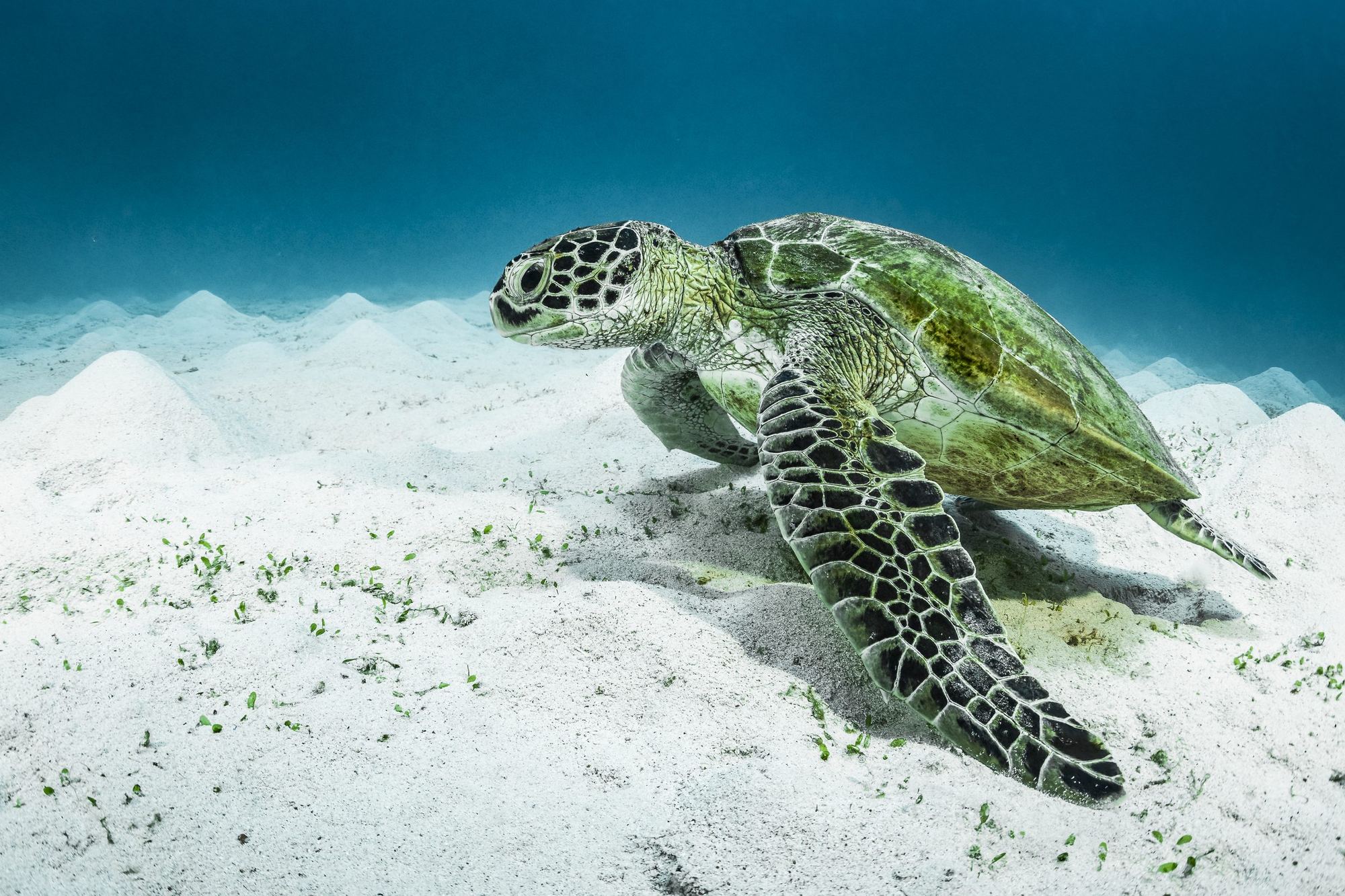
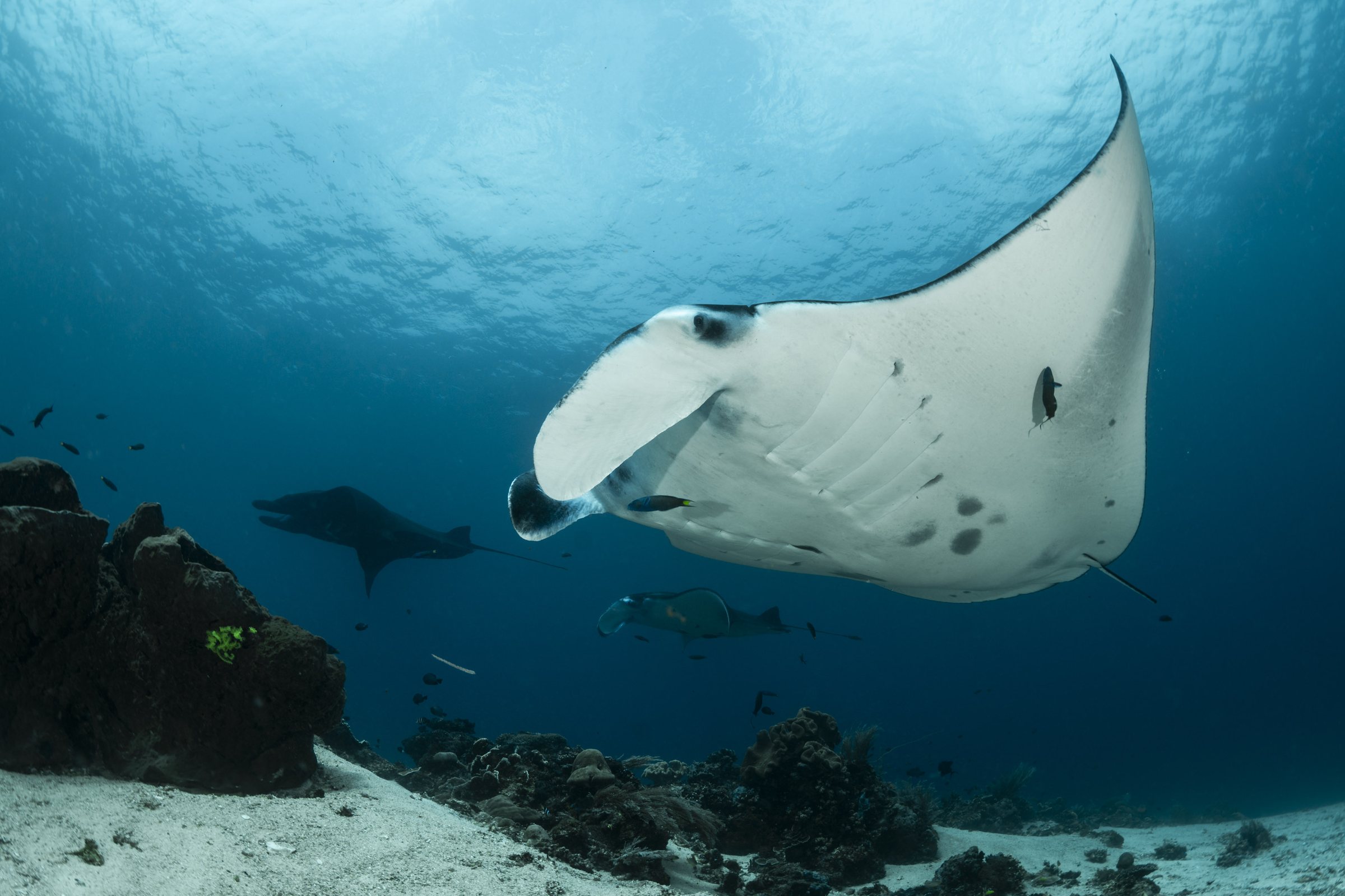
Divers’ photographs have been part of our identification catalogs since the program began. In 2026 we expanded our turtle work to Karangasem in East Bali, partnering with dive centers in Amed, Tulamben, and Padangbai to host workshops on turtle biology, responsible interactions, and how to submit photographs. Across 14 participating dive centers, the community contributed 30 turtle encounters, from which we identified 13 individual turtles, 10 hawksbills and 3 green turtles, as a baseline for the area. Reef manta ray photographs go to MantaMatcher.org and turtle photographs to the Internet of Turtles, a photo-identification database and citizen science platform.
Training the next generation
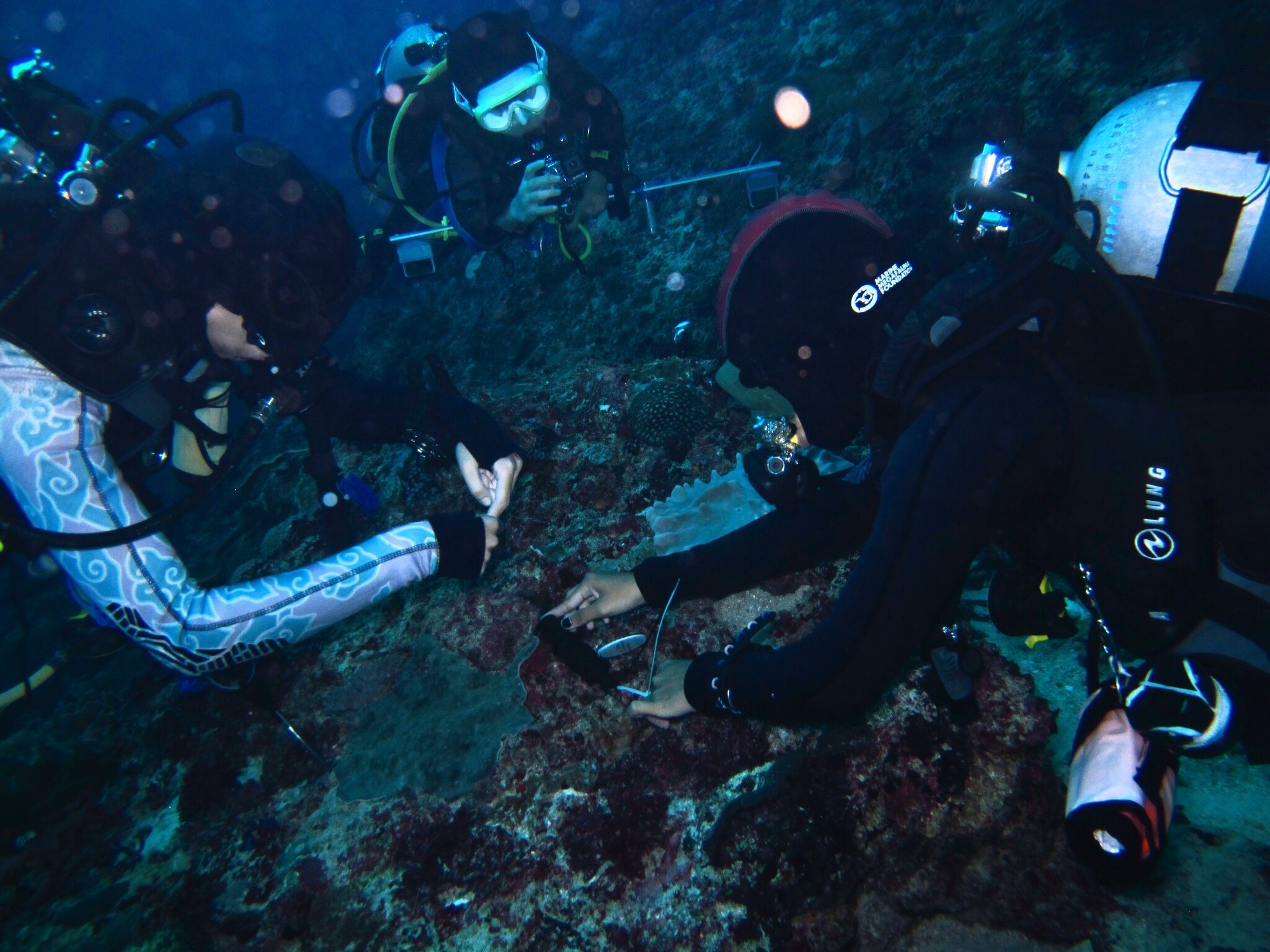
MMF’s Indonesia program trains Indonesian scientists to lead the work: Country Manager Janis Argeswara was MMF’s first Indonesian Research Assistant. Through our Research Fellowship Program, our research assistants are trained in field methods such as photo-identification and laser photogrammetry, and the team gives talks in both English and Bahasa Indonesia. Two of our research assistants moved on in 2025 to international master’s degrees in the UK and Australia. We also host volunteers, interns, and student groups, including students from the National University of Singapore, who practice taking identification photographs in the water and then match their own photos against our manta ray and turtle databases.
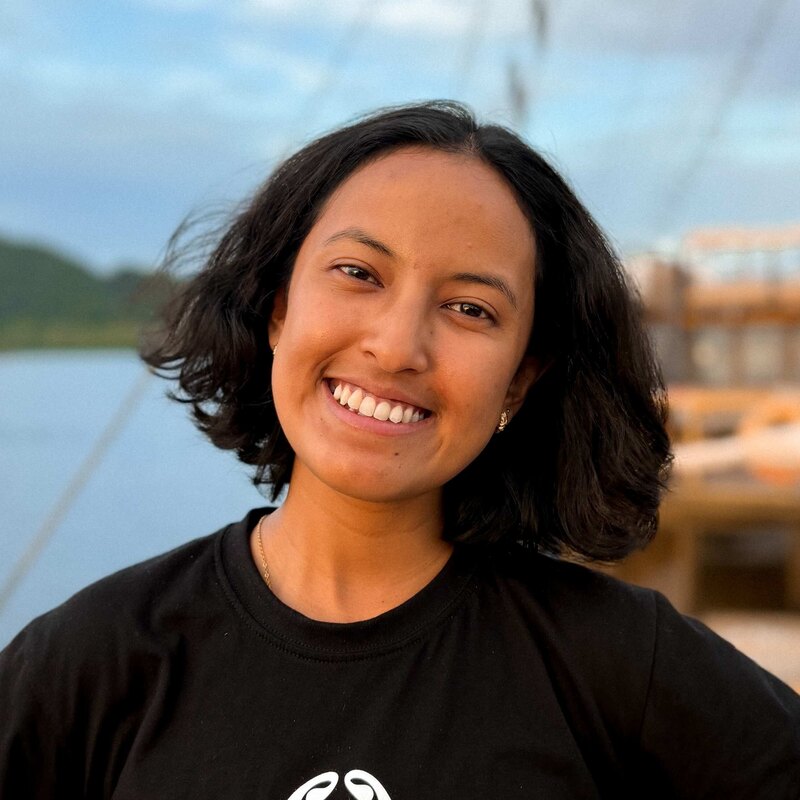 Janis Argeswara
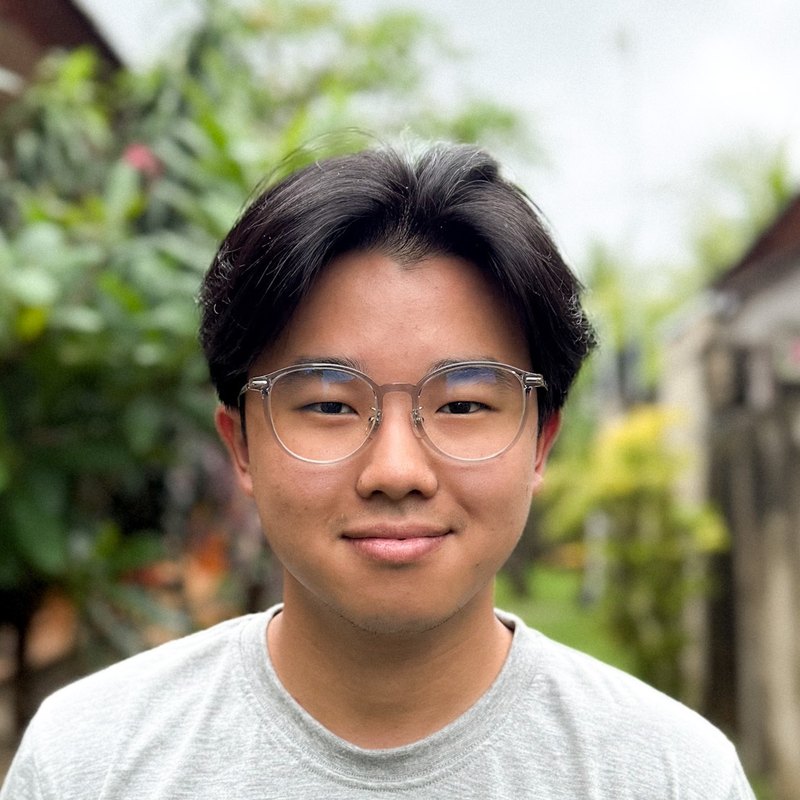 Calvin Muliawan
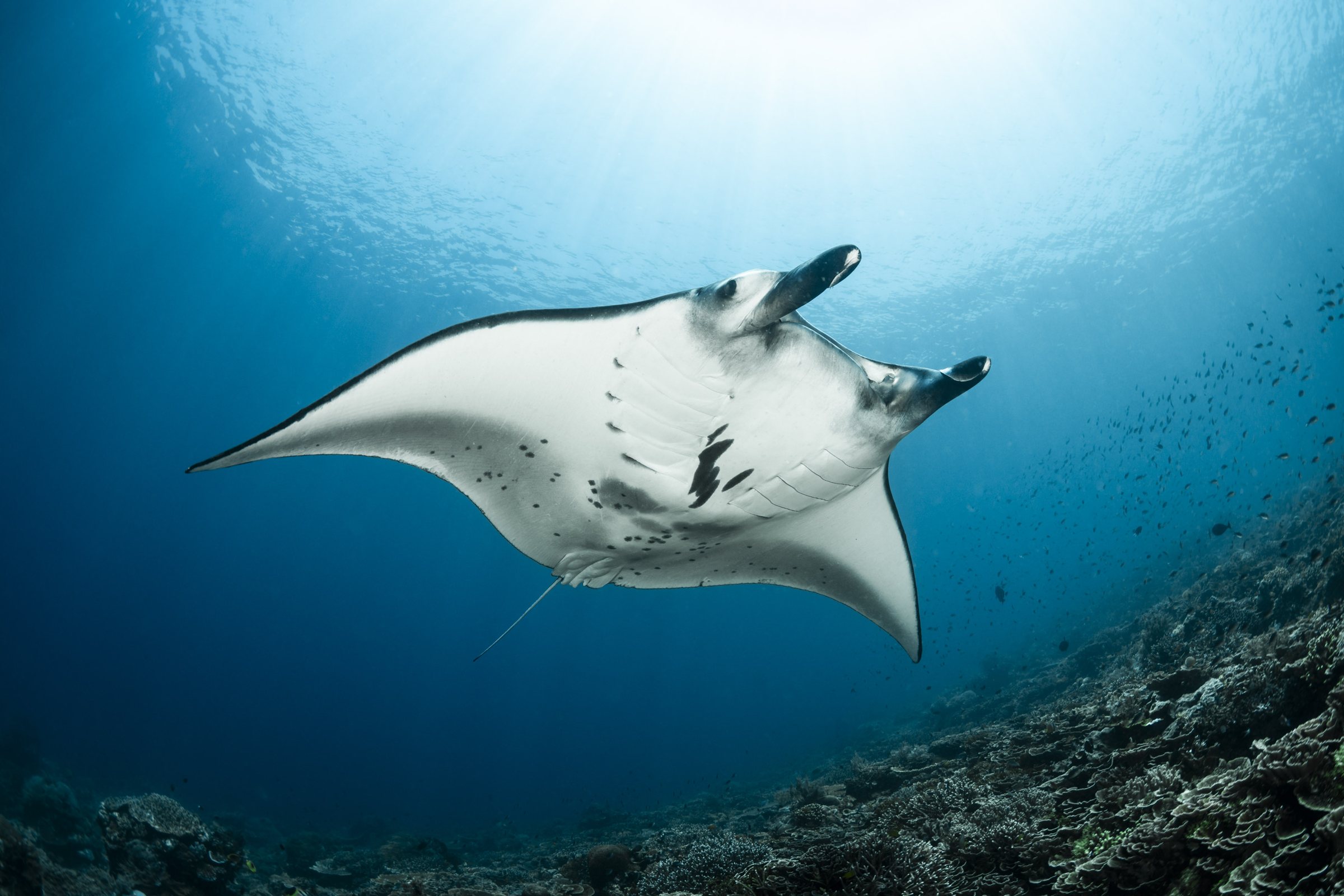 Indonesia Manta Ray Project
 Indonesia Sea Turtle Project
 The Lesser Sunda Seascape Tracking Network