
Indonesian Projects.
Indonesia Sea Turtle Project
What’s this project about?
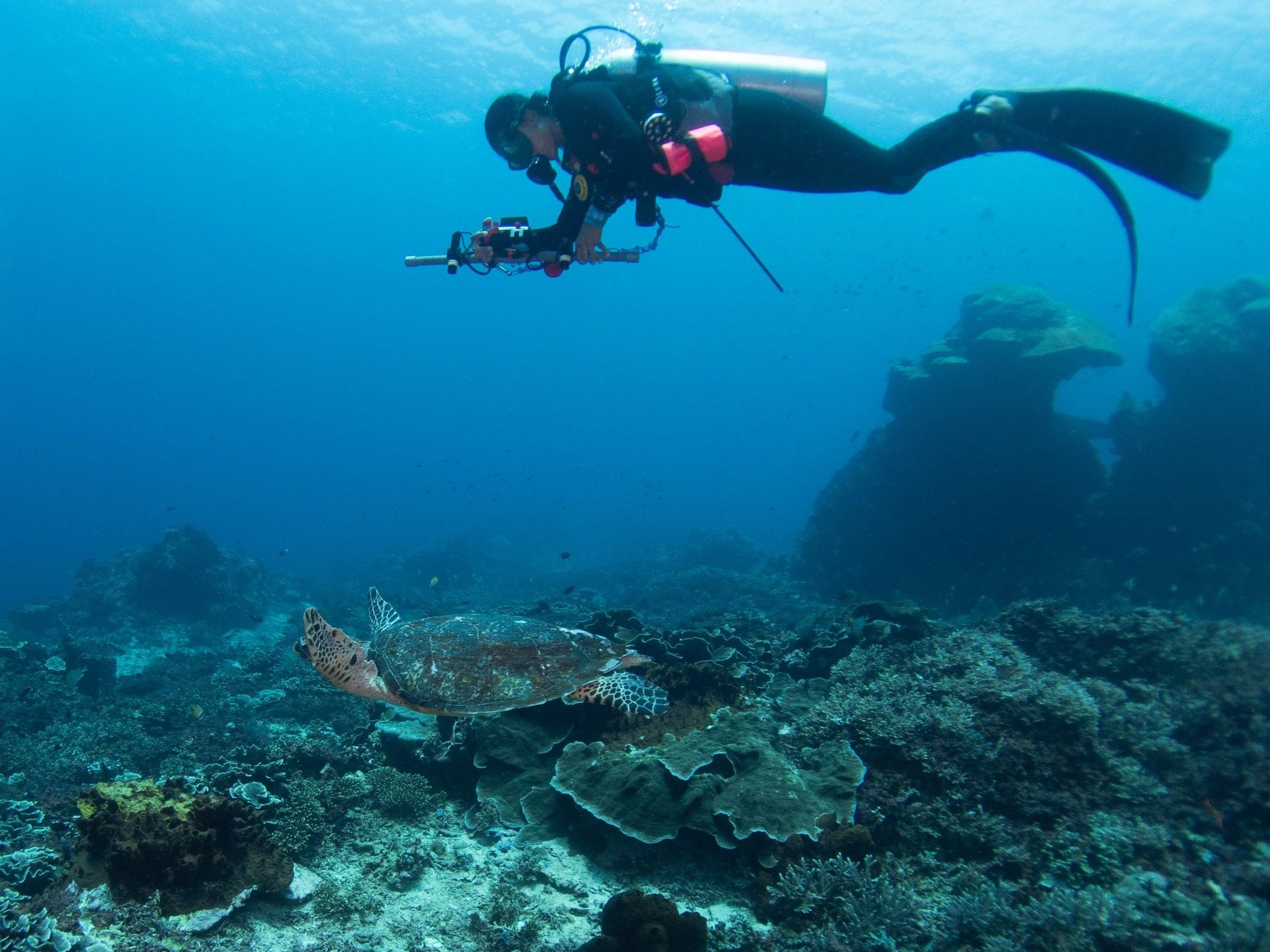
Marine turtles are threatened with extinction. In Indonesia, we regularly encounter both hawksbill and green turtles, and we are cataloging them one sighting at a time.
Turtles make long journeys from their nesting beaches, spending years at sea and visiting reefs and seagrass beds to forage before returning to the area where they were born to mate and nest. They face threats at every one of these life stages: egg poaching, entanglement at sea, plastic ingestion, boat strikes, and direct harvesting. Hawksbill turtles (Eretmochelys imbricata) are Critically Endangered, and green turtles (Chelonia mydas) are Endangered. Indonesia is home to six of the world’s seven sea turtle species and sits at the heart of the Coral Triangle, yet most Indonesian turtle research has happened on nesting beaches. Very little is known about the turtles living on the reefs in between.
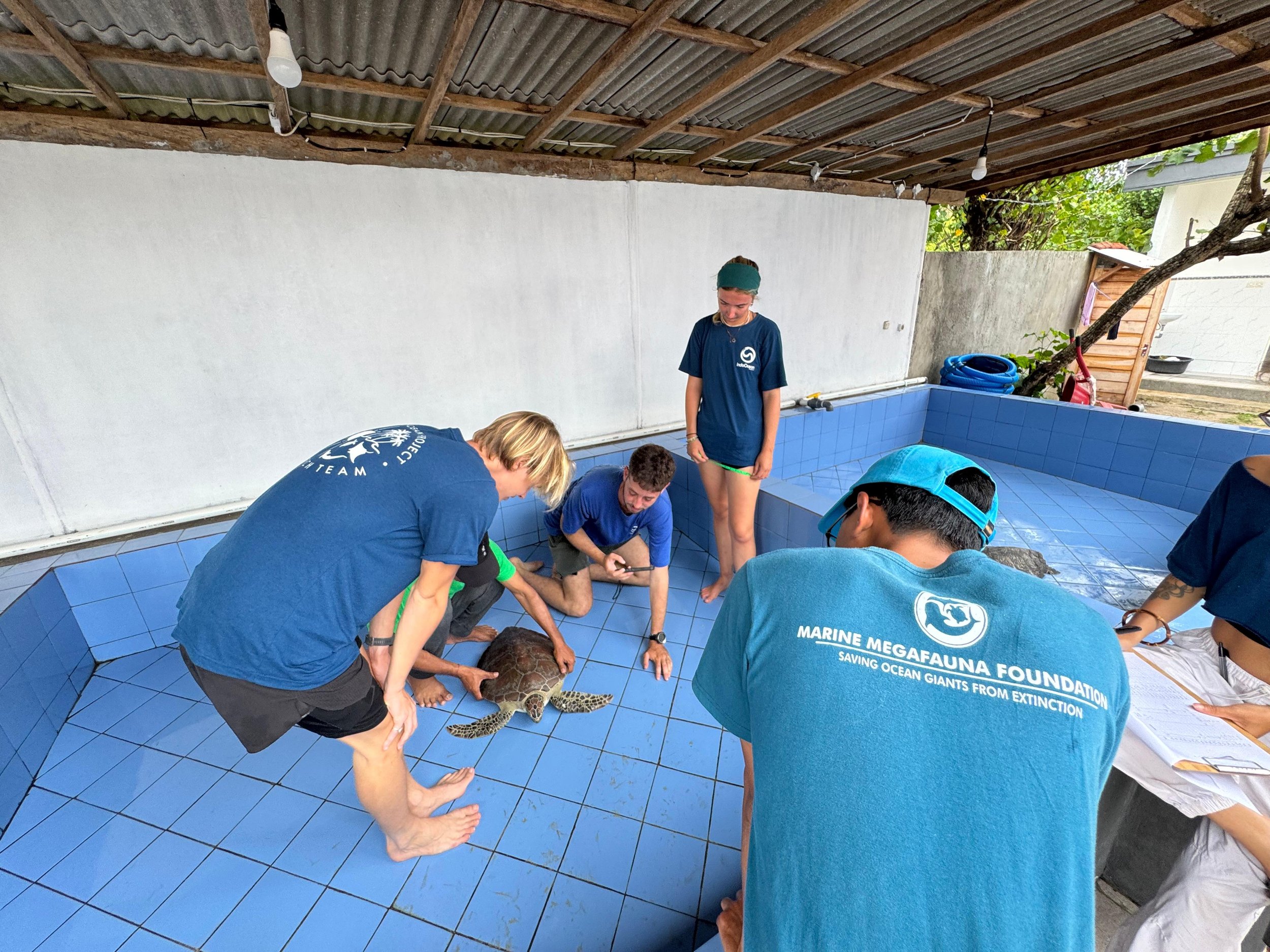
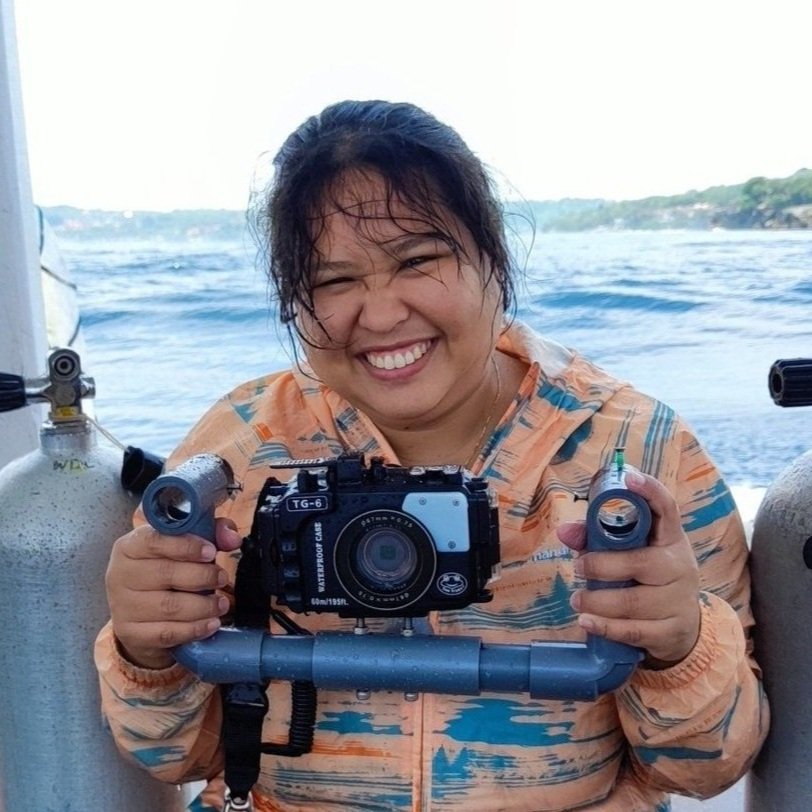
Our project fills that gap. Working with SCUBA divers, snorkelers, and underwater photographers, we identify individual turtles from the unique pattern of scales on their faces, so no handling or tagging is required. Every sighting is added to the global Internet of Turtles database, where computer-vision matching helps us recognize turtles we have met before.
Project leaders
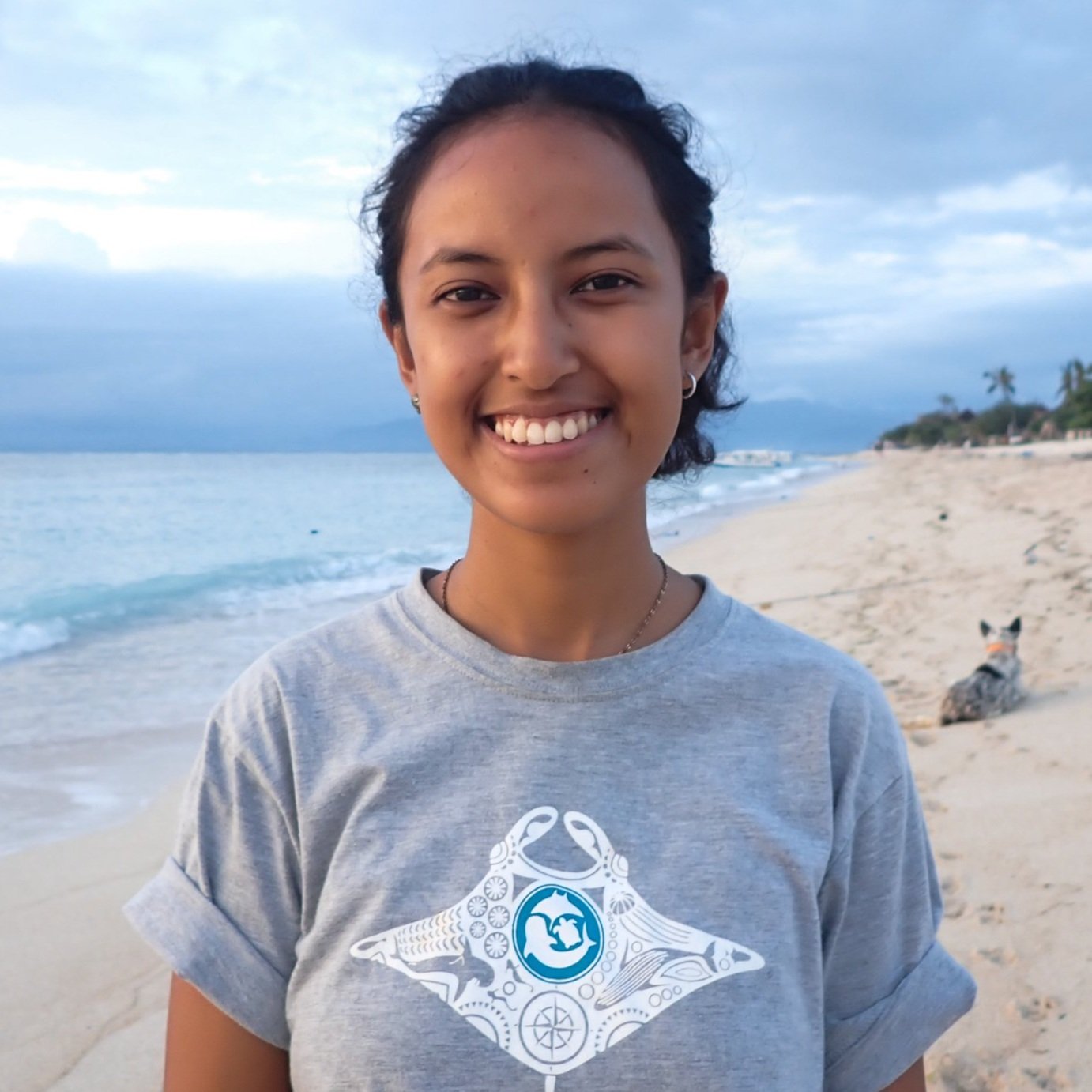
Janis Argeswara
Project Leader
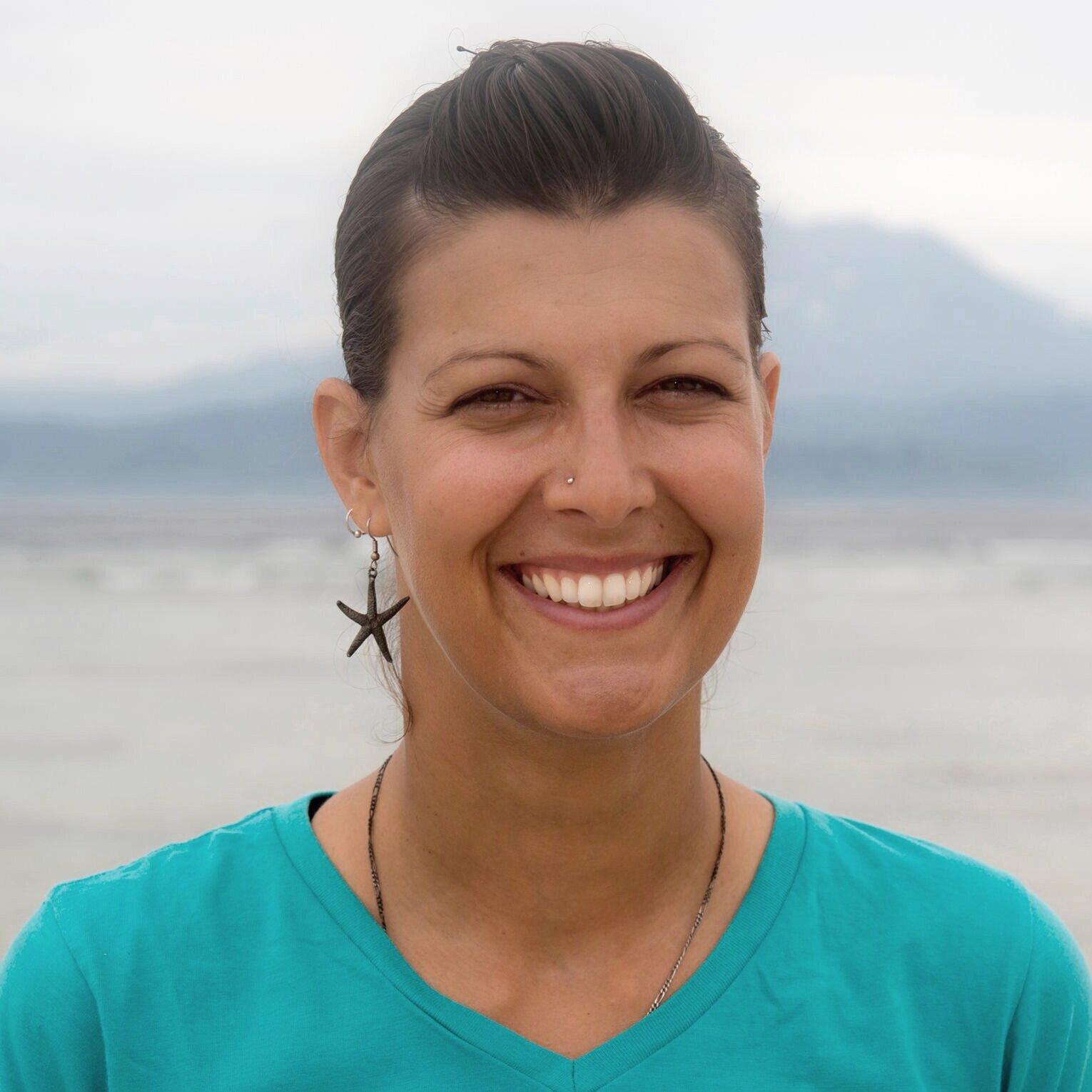
Janis Argeswara leads MMF’s Indonesia program and the Nusa Penida sea turtle research. She led the 2024 Conservation Leadership Programme grant that established dedicated turtle surveys at critical foraging habitats within the MPA, and is lead author of the forthcoming paper on hawksbill population demographics and habitat use at Nusa Penida.
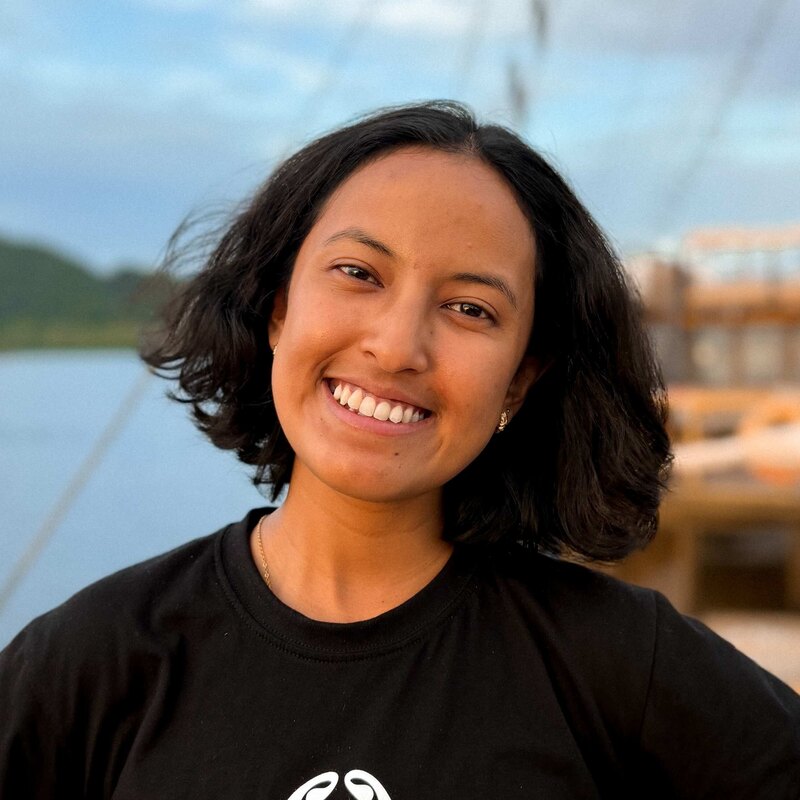
Aulia Zeintrinanda
Research Assistant
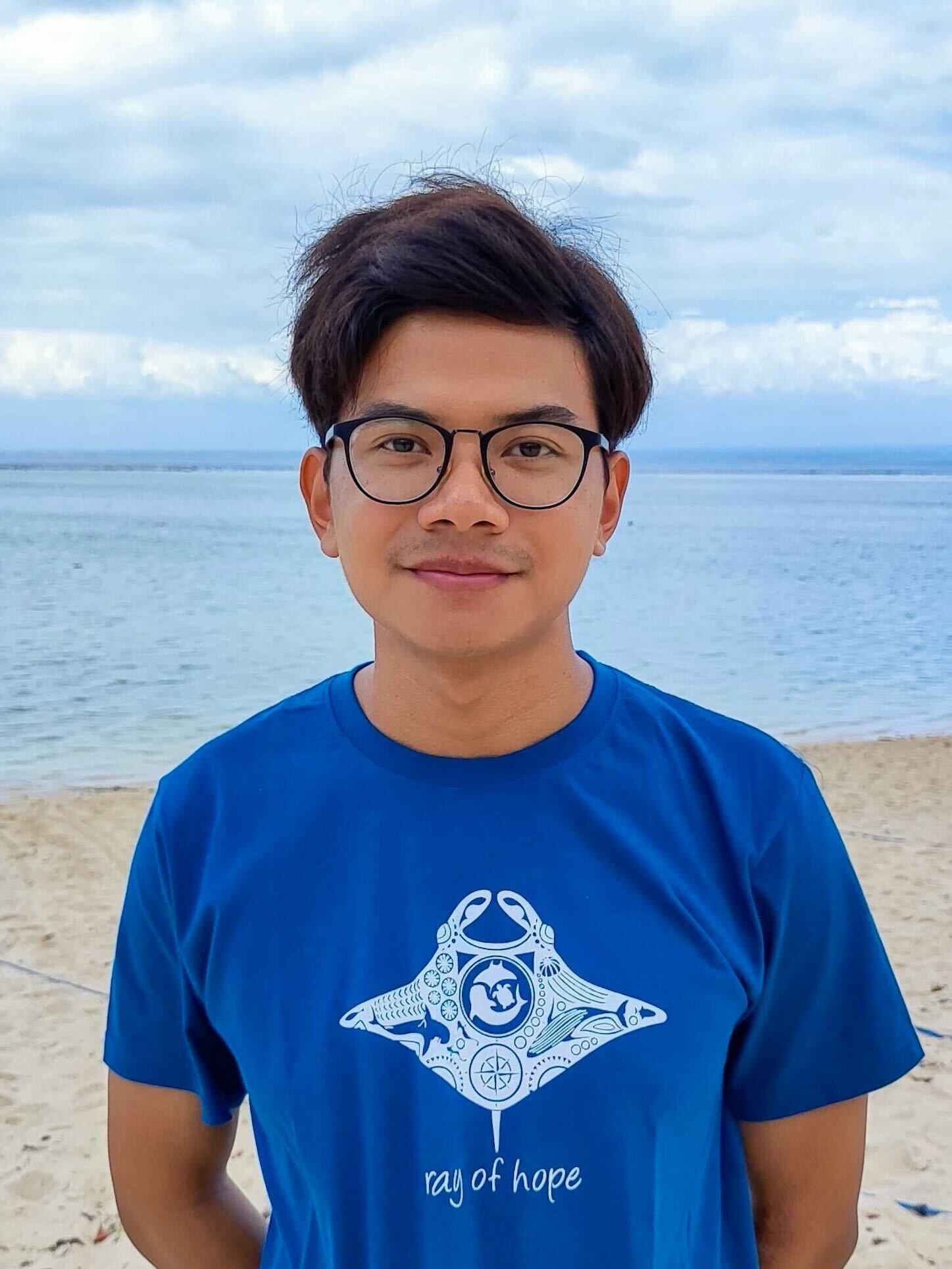
Aulia leads the 2025 Conservation Leadership Programme project “Finding Hawksbill: Engaging Citizen Science for Turtle Conservation in Bali, Indonesia”, which expanded the program to Karangasem Regency and formalised the citizen-science component.
MMF project team
With thanks to our supporters & partners
- Conservation Leadership ProgrammeFunder (2024, 2025)
Collaborators
Internet of Turtles (Wildbook)
Nusa Penida MPA management authority and partner dive centers in Nusa Penida, Nusa Lembongan, and Karangasem
Current Funders
Conservation Leadership Programme (2024 and 2025 awards)
This work is made possible by the organizations above and by MMF’s individual donors and grant-makers, who fund the fieldwork, analysis and conservation action behind it. Thank you.
Partner with MMF →Objectives.
Understand the turtle populations that live on Indonesia’s reefs, and give marine park managers the evidence they need to protect them.
- Assess the population size, seasonality, movements, and habitat use of hawksbill and green turtles in the Nusa Penida Marine Protected Area, using long-term, individual-based sighting records.
- Maintain a photo-identification catalog that combines our own surveys with citizen-science contributions, for sustained, non-invasive monitoring.
- Identify the environmental conditions that shape where and when turtles are found across the MPA.
- Extend the survey area to Karangasem Regency in East Bali to test how connected the turtle populations are beyond the MPA.
- Develop a repeatable method that can be rolled out to Komodo National Park and the Derawan Islands, where MMF already works on manta rays.
- Engage divers, snorkelers, and local communities in turtle photo-identification, building awareness and stewardship along the way.
Where we work.
Nusa Penida MPA, Bali is our longest-running site and the base for MMF’s Indonesian team. Turtle sightings have been recorded here since 2016, alongside our manta ray monitoring, with dedicated turtle surveys from 2022. The MPA sits in the Indonesian Throughflow, where warm Pacific water pushes into the Indian Ocean, and its shallow coral reefs draw large numbers of visiting divers, which makes it an ideal place for citizen science.
Karangasem Regency, East Bali was added in 2025 to look at hawksbill turtles outside the MPA and to build a citizen-science network with the dive community there.
Komodo National Park and the Derawan Islands MPA in East Kalimantan are the next steps. At Derawan, turtle monitoring already runs within our wider marine protected area program, alongside shark and ray surveys; the archipelago is famous for its nesting beaches and supports one of Indonesia’s largest turtle aggregations. At Komodo, turtle surveys will be integrated into our seasonal manta ray monitoring once the Nusa Penida method is fully established.
What we have learned so far.
Nusa Penida hosts one of the longest in-water studies of hawksbill turtles anywhere in Indonesia. Between 2016 and 2024, our team completed nearly 1,800 surveys at 21 sites and recorded more than 1,200 hawksbill encounters, identifying close to 300 individual turtles. In 2025 alone we identified over 200 sea turtles at Nusa Penida, and a further 255 in the Derawan Islands.
Most Nusa Penida hawksbills are remarkably faithful to a single stretch of reef: around 85% of identified turtles were only ever seen in one region of the MPA, and many have been resighted across several years, with the longest record spanning more than seven years. The north and east coasts of Nusa Penida hold the most turtles. Turtles were more likely to be encountered when currents were running and less likely in rough seas.
These findings are being written up for peer-reviewed publication and have already been shared with the MPA management authority. They show that the reefs of Nusa Penida are important developmental and foraging habitat for hawksbill turtles, and that individual turtles depend on specific sites for years at a time, which is exactly the kind of information managers need when deciding where to focus protection and how to manage tourism.
Get involved
How you can help.
If you dive or snorkel in Indonesia, photograph the left side of any turtle’s face (the right side and the shell are useful too), note the date and dive site, and upload it to the Internet of Turtles. Ask your dive center about our turtle briefings, or get in touch with the MMF Indonesia team to join a survey.
Fund this project
MMF’s research and conservation work is funded by grants, partnerships and individual donors. Gifts made through this form support MMF’s research and conservation work, including this project.
To discuss a larger gift, a grant, or a corporate partnership for this project, email [email protected]. Find out more about philanthropy and corporate partnerships with MMF.
MMF is a registered 501(c)(3) non-profit in the USA. Donations are tax-deductible to the extent allowed by law.