
Mozambique
Mozambique Sea Turtle Project
Turtle abundance, residency, and threats on the reefs off Tofo: a PhD study by Dr. Jessica Williams with MMF and James Cook University, completed in 2017.
Green turtles (Chelonia mydas) and loggerhead turtles (Caretta caretta) use the reefs off Tofo in southern Mozambique, but little was known about their abundance, their movements, or the threats they face.
Dr. Jessica Williams investigated these questions for her PhD with MMF and James Cook University in Australia, drawing on divers’ records, photographs, and a survey of turtle experts. Five species of sea turtle occur in Mozambique’s waters. Nesting beaches are much easier to monitor than feeding grounds at sea, yet turtles spend most of their juvenile and adult lives in those feeding grounds; this project therefore studied them at sea, on reefs 500 meters to 15 kilometers (0.3 to 9 miles) off Tofo.
What we've done
- Showed that recreational divers can monitor turtles reliably, and that a dive center’s routine logbook is the better record for monitoring trends.
- Identified 22 green turtles and 42 loggerheads on Tofo’s reefs from photographs of the scale patterns on their faces.
- Found that both species use the area year-round, as a feeding ground for some young green turtles and a transit area for other turtles.
- Ranked the threats to Mozambique’s sea turtles with experts from across the country: accidental capture in trawl fisheries ranked highest.
Support our work in Mozambique
This project is complete. Your gift supports our current research, education, and conservation work on Mozambique's coast.
What the project found
Divers as turtle monitors
The project first tested whether recreational divers could monitor turtles reliably. Dr. Williams compared two existing records from Tofo’s dive industry, covering 37 months between 2008 and 2011: one dive center’s logbook, and a turtle survey completed by divers from four other dive centers. Together they contained 317 turtle sightings, with loggerheads reported most often, followed by green turtles and hawksbill turtles (Eretmochelys imbricata). The dedicated survey captured more detail on turtle behavior; however, the routine logbook was better suited to monitoring trends, because it also recorded the dives on which no turtles were seen. The study recommended maintaining long-term dive records, training dive staff to identify turtle species, and using photographs to check those identifications.
Abundance and residency on Tofo’s reefs
Between 2011 and 2015, divers logged 1,403 dives on 15 reefs along 40 kilometers (25 miles) of coast near Tofo, recording turtles on about a quarter of them. Using photo-identification, based on the scale pattern unique to each turtle’s face, the team identified 22 individual green turtles and 42 individual loggerheads from divers’ photographs. Most identified turtles were seen only once, which suggests they either range widely or were passing through. In contrast, some young green turtles were photographed repeatedly, including one whose first and last sightings were 1,152 days (more than three years) apart. Sightings from boats suggested that turtles favor shallow coastal waters, which the researchers noted could increase their exposure to small-scale fishing.
Threat assessment
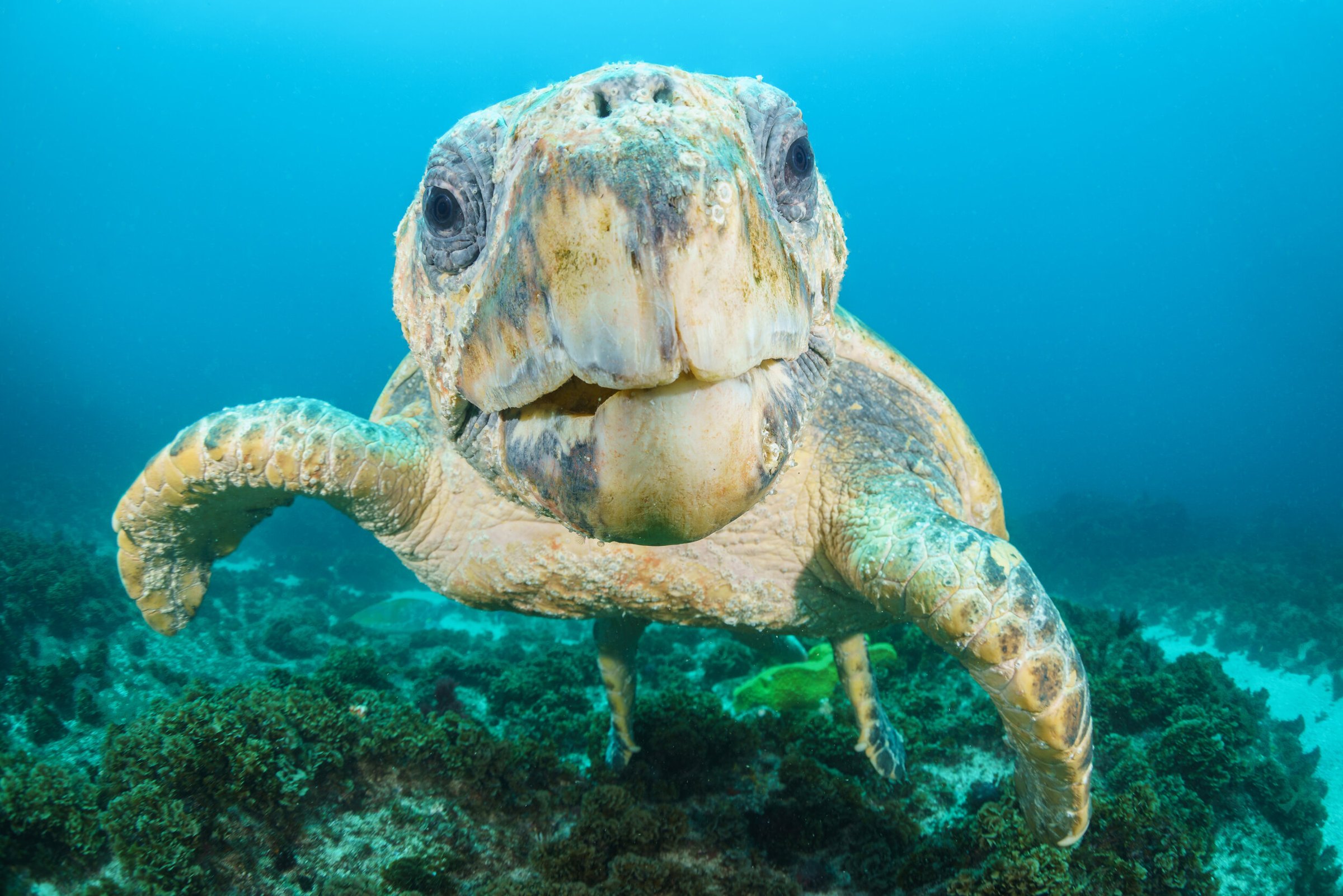
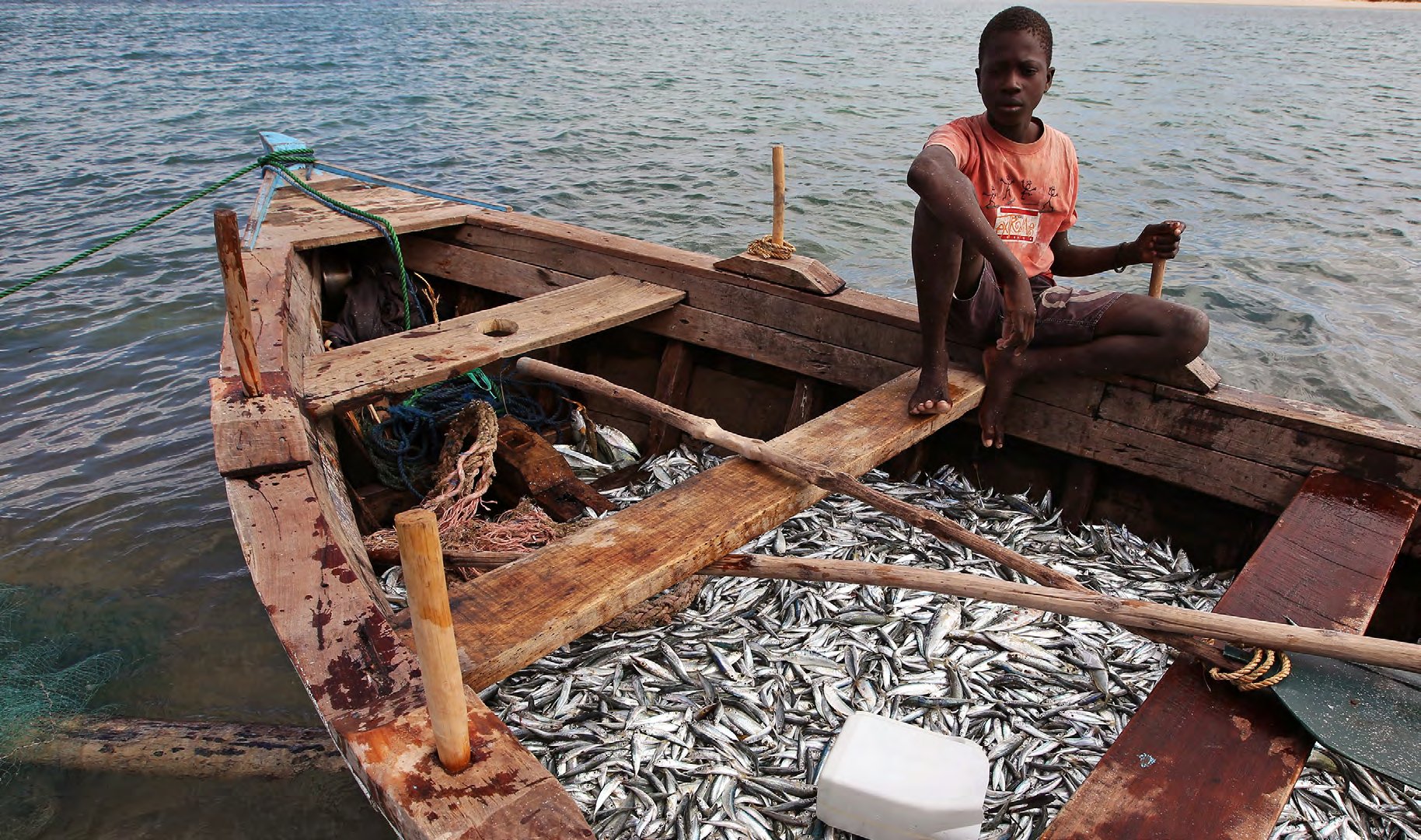
The team asked experts familiar with Mozambique’s sea turtles to compare 13 threats across the whole country, where data on turtles are scarce; ten completed the full ranking. They ranked accidental capture in trawl fisheries highest, followed by accidental capture in small-scale fisheries and the hunting of nesting turtles. The study highlighted a proven means of reducing accidental capture in trawl nets: turtle excluder devices, which allow turtles to escape and have reduced bycatch in other countries. The experts also recommended more training and resources for those who enforce turtle protection, community-led conservation, and the inclusion of sea turtles in the secondary school curriculum.
The project’s legacy
The photo catalog records 22 green turtles and 42 loggerheads from Tofo’s reefs, so future surveys could compare new photographs with these records to identify returning individuals. Dr. Williams carried out this work for her PhD at James Cook University, supervised by Dr. Mark Hamann (James Cook University) and Dr. Mariana Fuentes (Florida State University). All Out Africa’s marine research volunteers and Tofo’s dive centers collected much of the data, and Casa Barry Lodge provided in-kind support. MMF’s Dr. Simon Pierce co-authored the project’s papers and helped design the reef study and interpret its data.
MMF Project Team
 Dr. Simon Pierce
Collaborators and Partners



Recent research
- 2019Using expert opinion to identify and determine the relative impact of threats to sea turtles in Mozambique
- 2017Spatial distribution and residency of green and loggerhead sea turtles using coastal reef habitats in southern Mozambique
- 2016The tradition of take: sea turtle consumption in Dovela, Mozambique
- 2015Effectiveness of recreational divers for monitoring sea turtle populations
 Indonesia Sea Turtle Project
 Sea Turtle Rescue and Recovery