
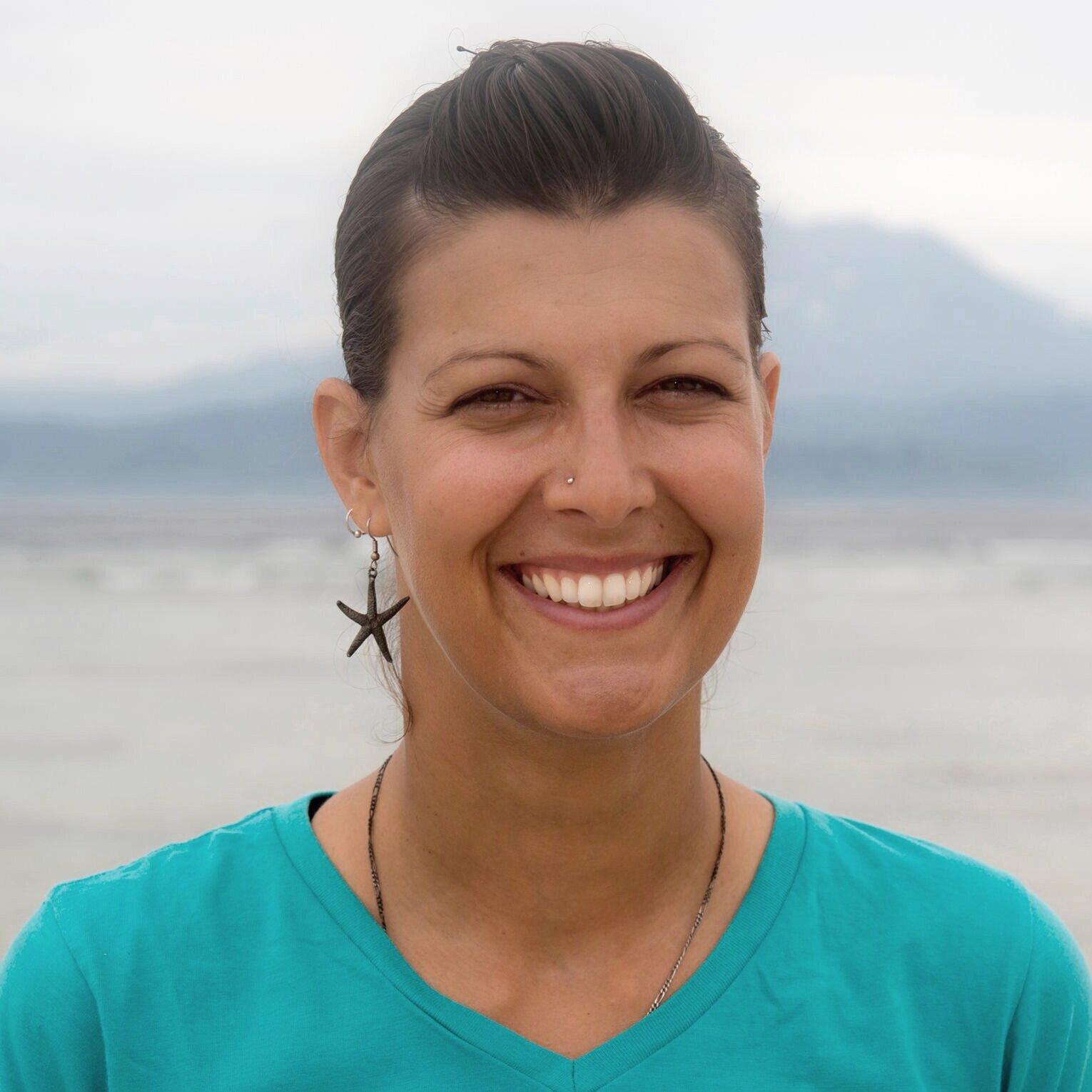
Dr. Elitza “Ellie” Germanov
Research Associate / Wildlife Conservation Society
ORCIDGoogle ScholarInstagramTwitterResearch GateLinkedIn
elitza[@]marinemegafauna.org
Research Interests
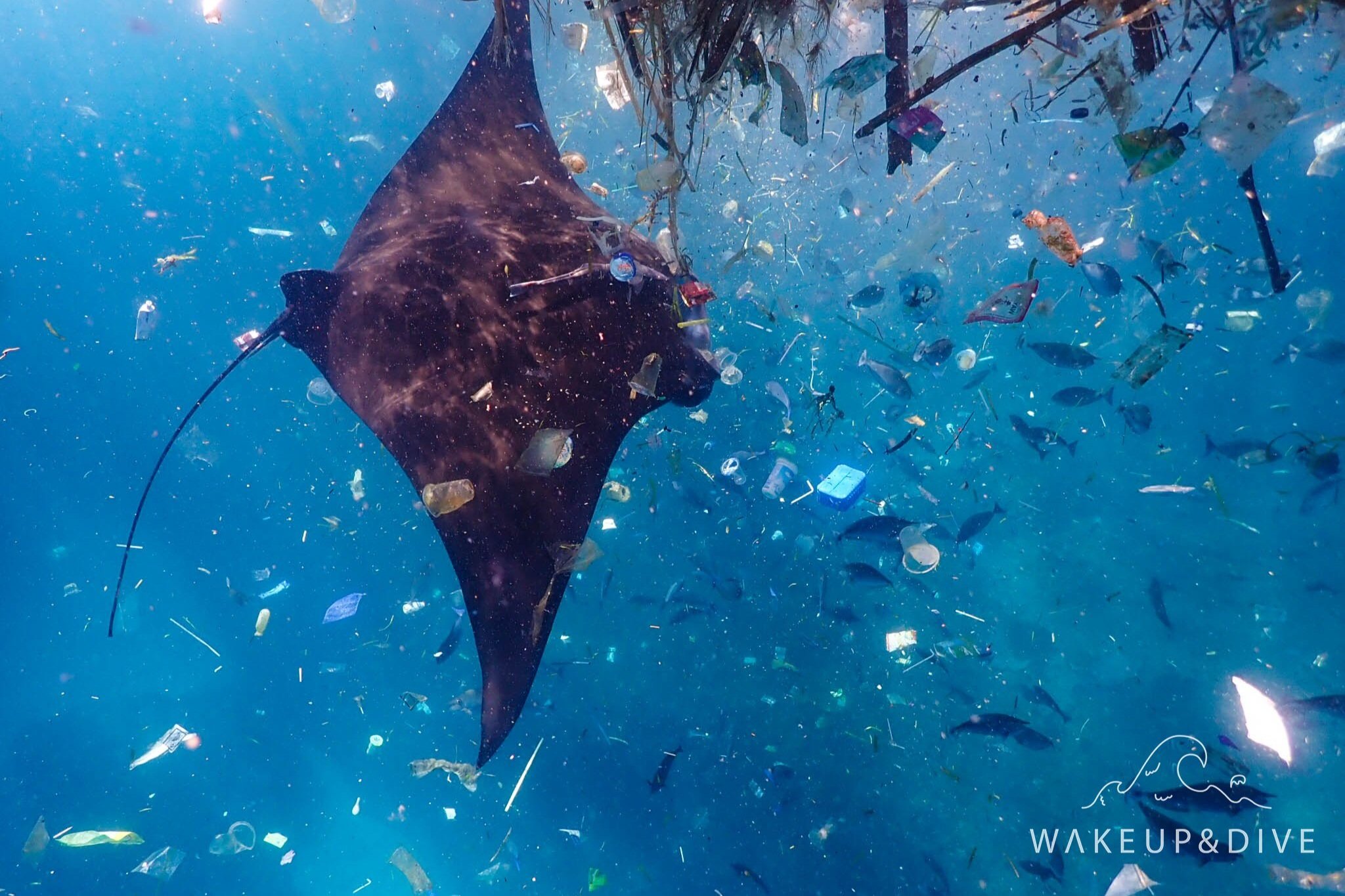
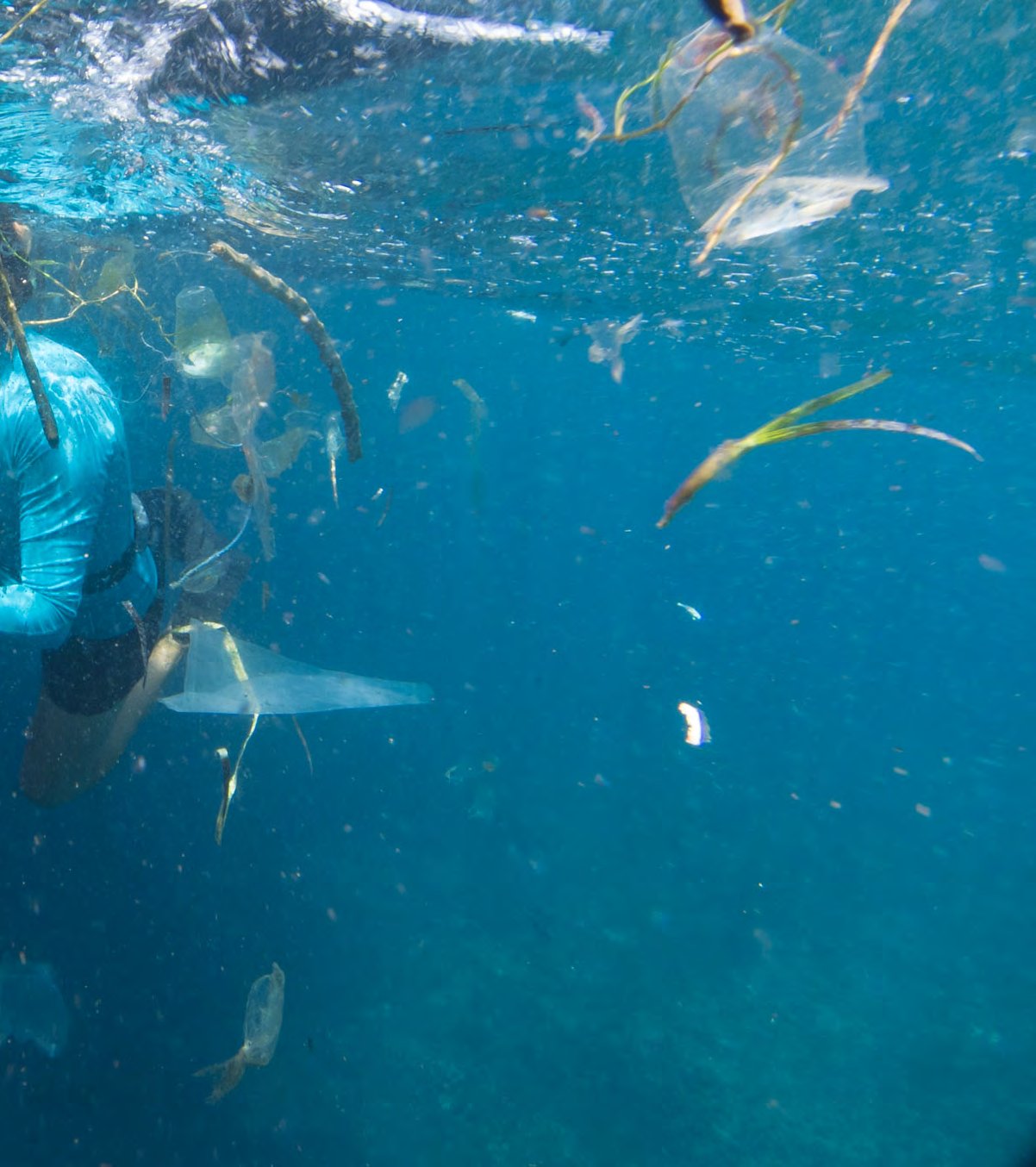
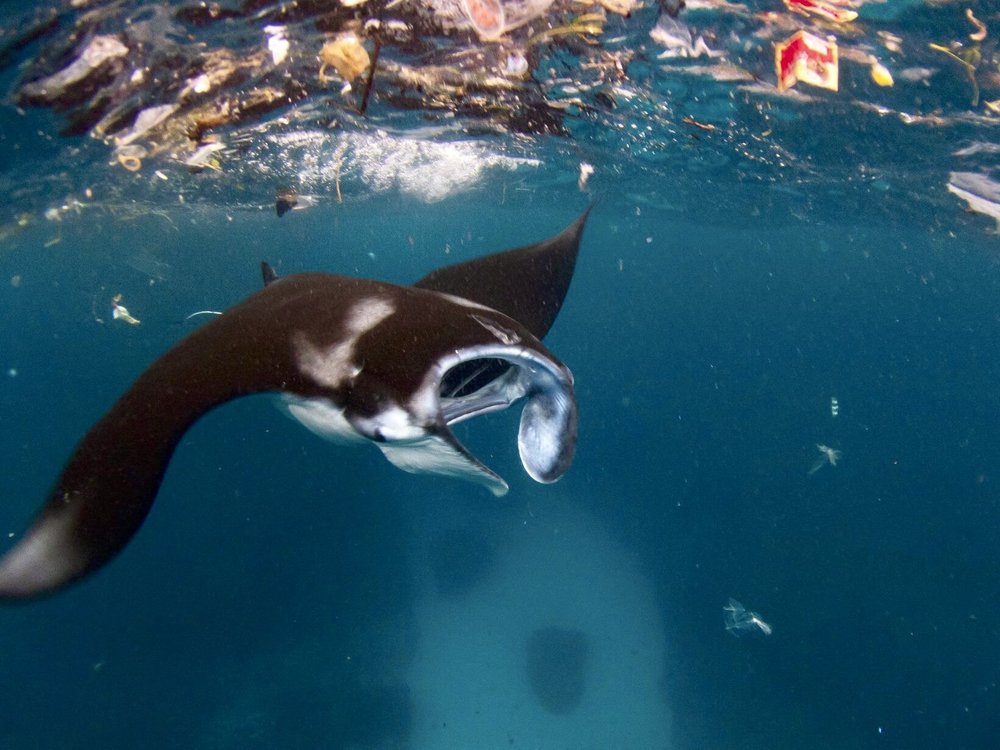
Ellie’s conservation biology work has focused on establishing baselines on understudied populations of threatened species in Indonesia, specifically manta rays, and evaluating persistent threats, focusing on plastic marine debris. Thus far, she has achieved this work through large-scale citizen science initiatives, collaborations with Indonesian higher learning institutions, and the private sector. Ellie is currently dedicated to building scientific capacity within Indonesia to continue and accelerate the necessary work on these topics within the Coral Triangle. Looking forward, Ellie is seeking to identify global biodiversity hotspots and critical habitats for threatened marine megafauna that would benefit from the flagship approach to conservation, leading to improved conservation policies.
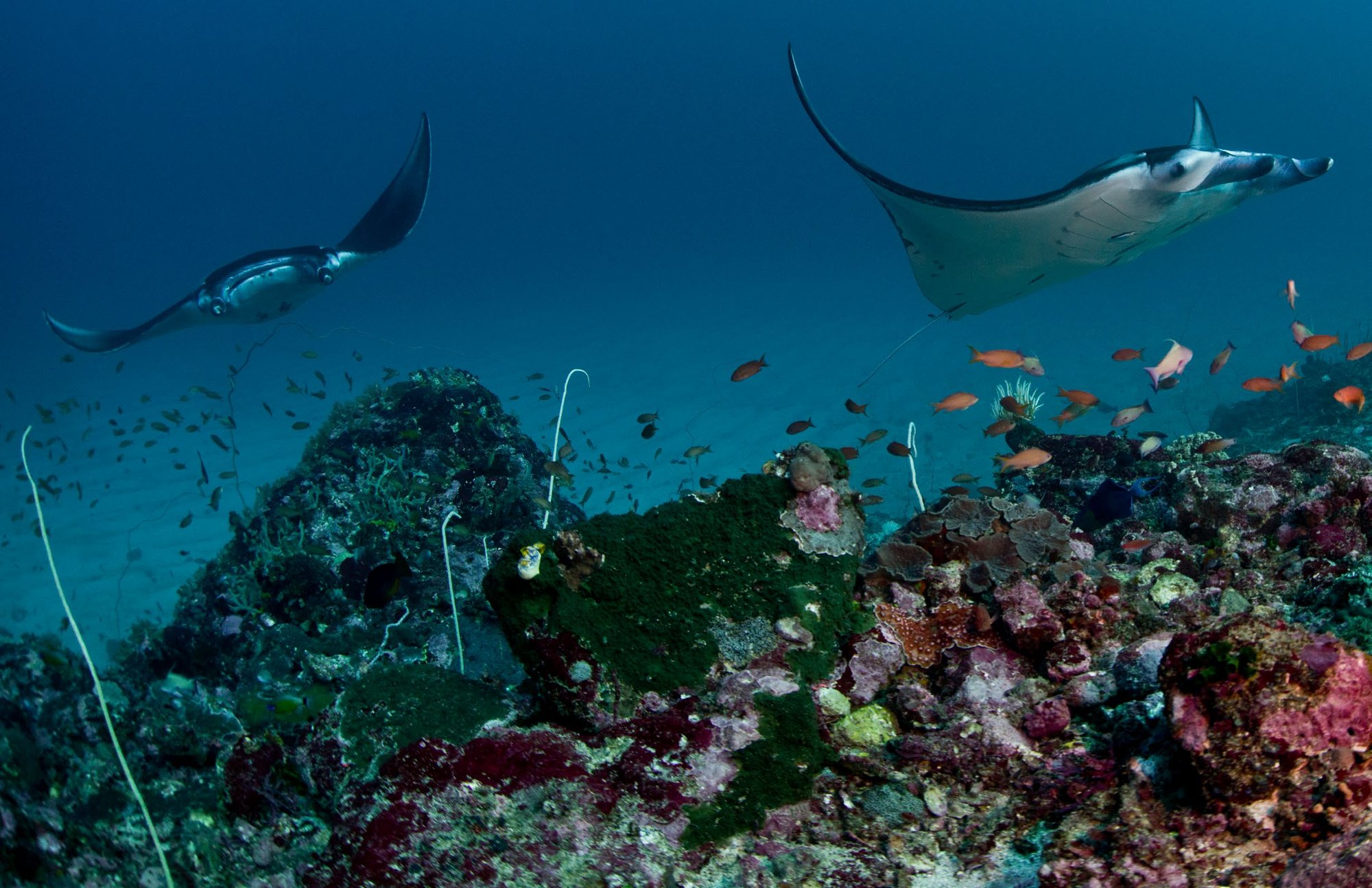
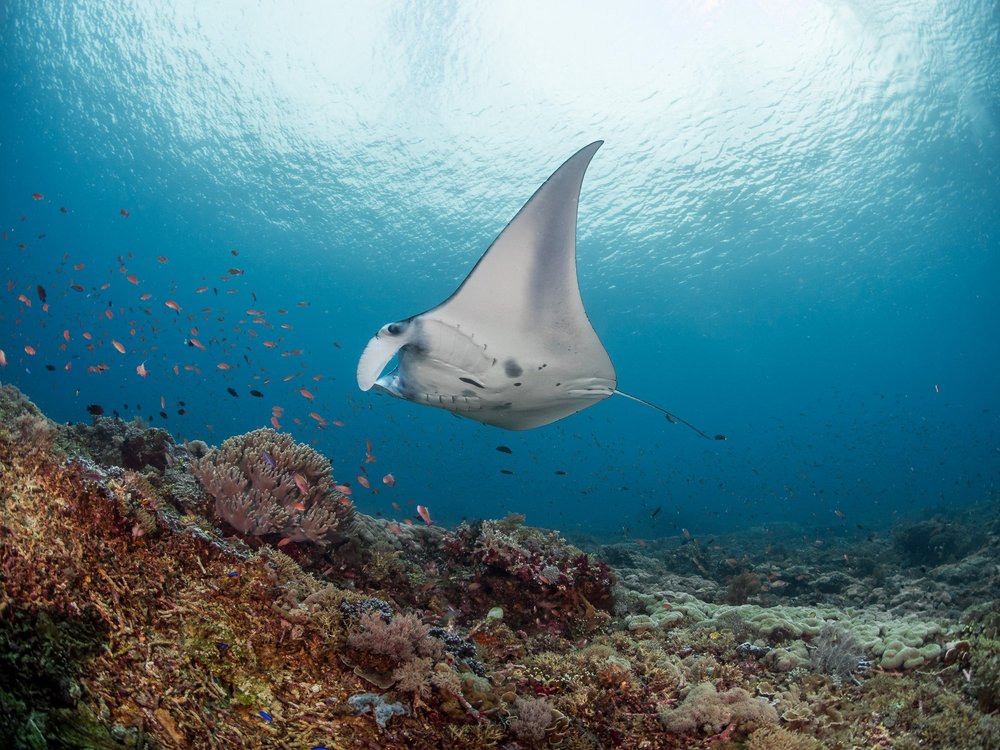
Ellie co-leads the Microplastics & Megafauna project and is part of the Indonesia Manta Ray Project and Indonesia Sea Turtle Project teams. Her recent papers include a 2022 study of the residency, movements, and demographics of reef manta rays in Komodo National Park and a 2023 regional review of interactions between marine megafauna and plastic pollution in Southeast Asia. She also co-authored an 11-year abundance analysis of the reef manta rays of Nusa Penida (2025), led by MMF’s Janis Argeswara, which estimated that their abundance more than doubled between 2012 and 2022.
Education
2020 Doctor of Philosophy (PhD), Environmental & Conservation Science
Murdoch University, Perth, Australia
Thesis title: From megafauna to microplastics: Understanding habitat use reveals potential threats to Indonesia’s manta rays
2006 Masters of Science (MSc), Microbiology & Immunology
Dalhousie University, Halifax, Canada
Thesis title: The Role of CXCR6 and CXCL16 in NKT Cell Localization and Protection from Tumor Metastasis
2004 Bachelor of Science (BSc) with 1st Class Honours, Microbiology & Immunology
Dalhousie University, Halifax, Canada
Thesis title: Selective induction of VEGF-D in human mast cells by double-stranded RNA
Biography
Originally from Bulgaria, Ellie spent her summers swimming in the Black Sea before immigrating to Newfoundland on Canada’s northeast coast at nine years old. While the ocean was an ever-present backdrop, Ellie’s fascination with science was initially broad. In her early scientific career, she was most interested in how living things work, from the cellular level to microbes, all the way to humans, and how we fight off disease. It was not until her gap year, taken after completing her Masters degree, when she learned to SCUBA dive, that her scientific curiosity turned to the marine environment and how to conserve it best.
Ellie became fascinated with the underwater world and its seemingly endless unknowns, especially striking to her when the human genome was already sequenced. Training for her Divemaster in Malaysia allowed Ellie precious underwater observation time where issues such as coral bleaching, marine debris, and unsustainable harvesting of sharks and rays were immediately evident. Ellie began volunteering her time for marine conservation projects and soon became involved with citizen science efforts to enumerate Indonesia’s manta rays - and encouraged others to do the same through her accredited manta conservation course. In an early conservation win, in 2014, her work helped to establish nationwide manta ray protection in Indonesia - a country that had previously ranked second in the world in Mobula species catches.
Knowing that much more can be done for the marine world, Ellie wanted to roll up her sleeves and to upgrade her science skills. In 2015, she received a full scholarship to study for her doctorate in marine science. Her research focused on manta ray populations in Indonesia’s marine protected areas and the impacts of plastic pollution. Graduating in 2020, Ellie is now a Research Associate with MMF and continues building knowledge and local scientific capacity to conserve Indonesia’s manta rays, whale sharks, turtles, and other iconic species, while raising awareness on the threats of plastic pollution.
Ellie still enjoys SCUBA diving and escorting people on marine expeditions to the far-flung reaches of Indonesia and beyond. In her spare time, Ellie enjoys learning languages and other water sports. Wine and chocolate are considered her weakness.
Current research
Team member
Past research
Leads
- Microplastics & MegafaunaIndonesiaProject leader
Media
Our work in Indonesia
News featuring Elitza
Recent research
- 2025Vulnerability of marine megafauna to global at-sea anthropogenic threats
- Estimating the abundance and population trends of reef manta rays (Mobula alfredi) in Nusa Penida, Bali, Indonesia
- 2023Interactions between marine megafauna and plastic pollution in Southeast Asia
- Plastic pollution and marine megafauna: Recent advances and future directions
- 2022Residency, movement patterns, behavior and demographics of reef manta rays in Komodo National Park
- 2021Microplastics in fecal samples of whale sharks (Rhincodon typus) and from surface water in the Philippines
- What's in the soup? Visual characterization and polymer analysis of microplastics from an Indonesian manta ray feeding ground
- 2019Microplastics on the menu: plastics pollute Indonesian manta ray and whale shark feeding grounds
- It’s not all black and white: investigating colour polymorphism in manta rays across Indo-Pacific populations
- Contrasting habitat use and population dynamics of reef manta rays within the Nusa Penida marine protected area, Indonesia