
Microplastics & Megafauna
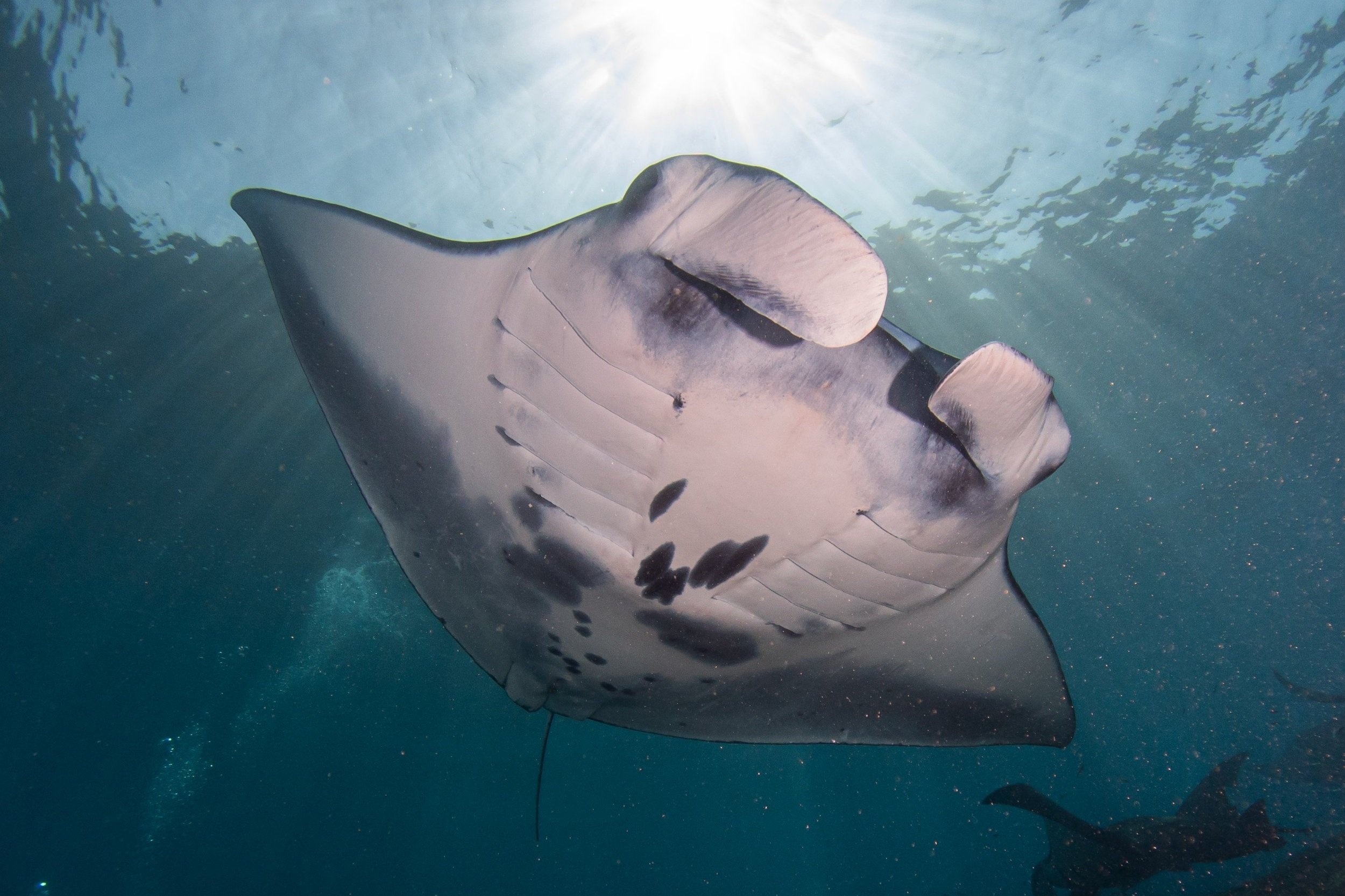
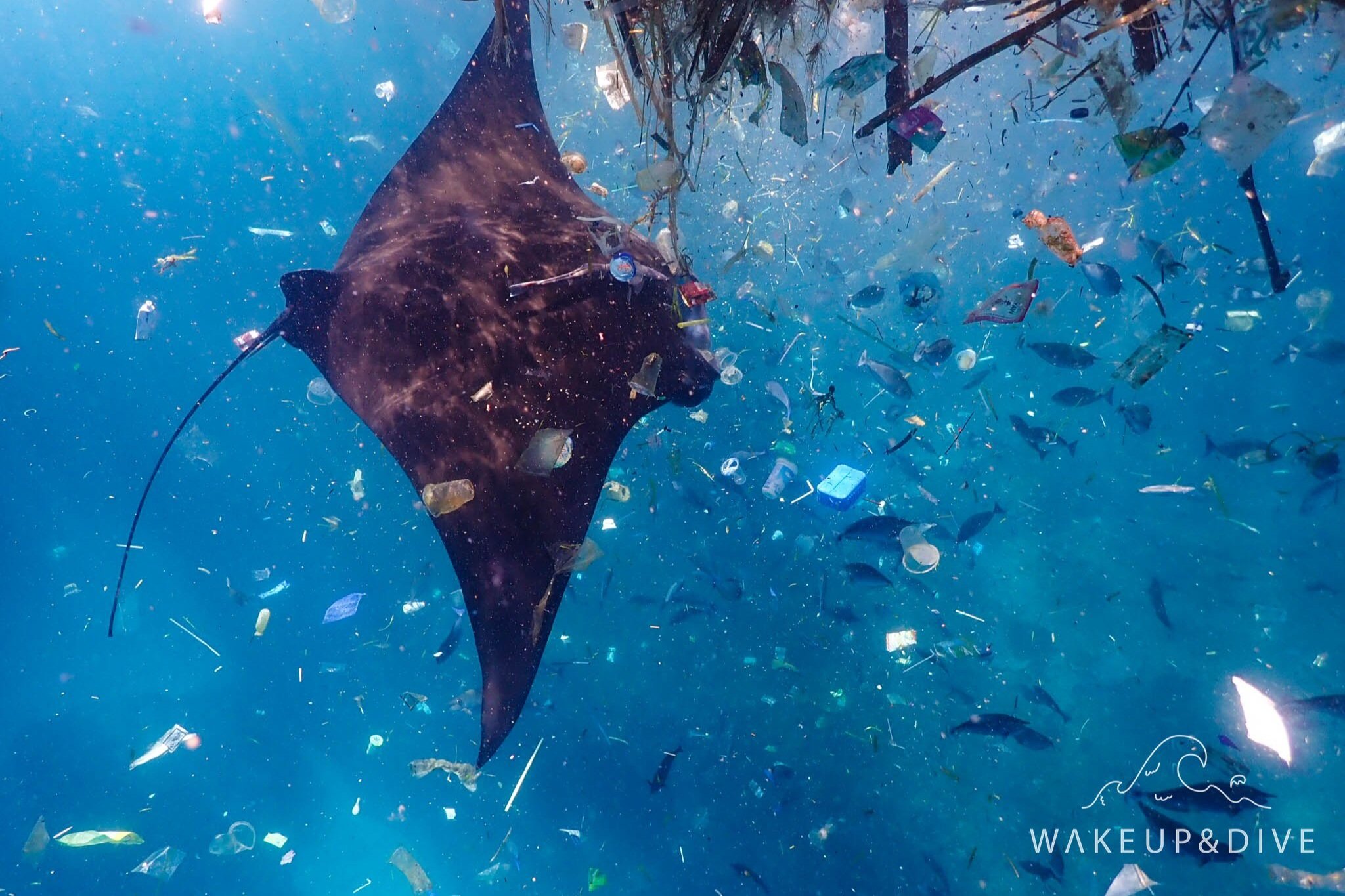
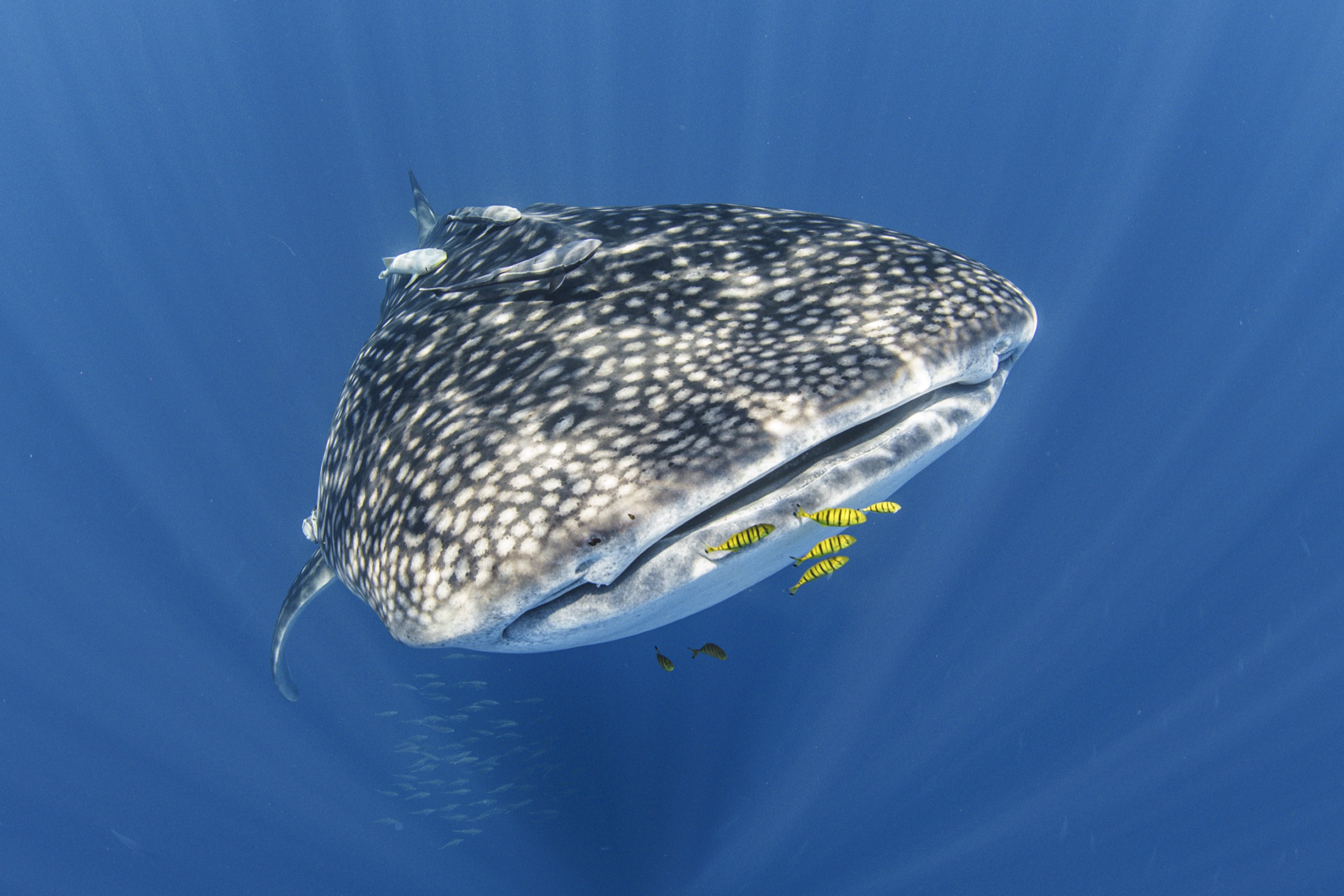
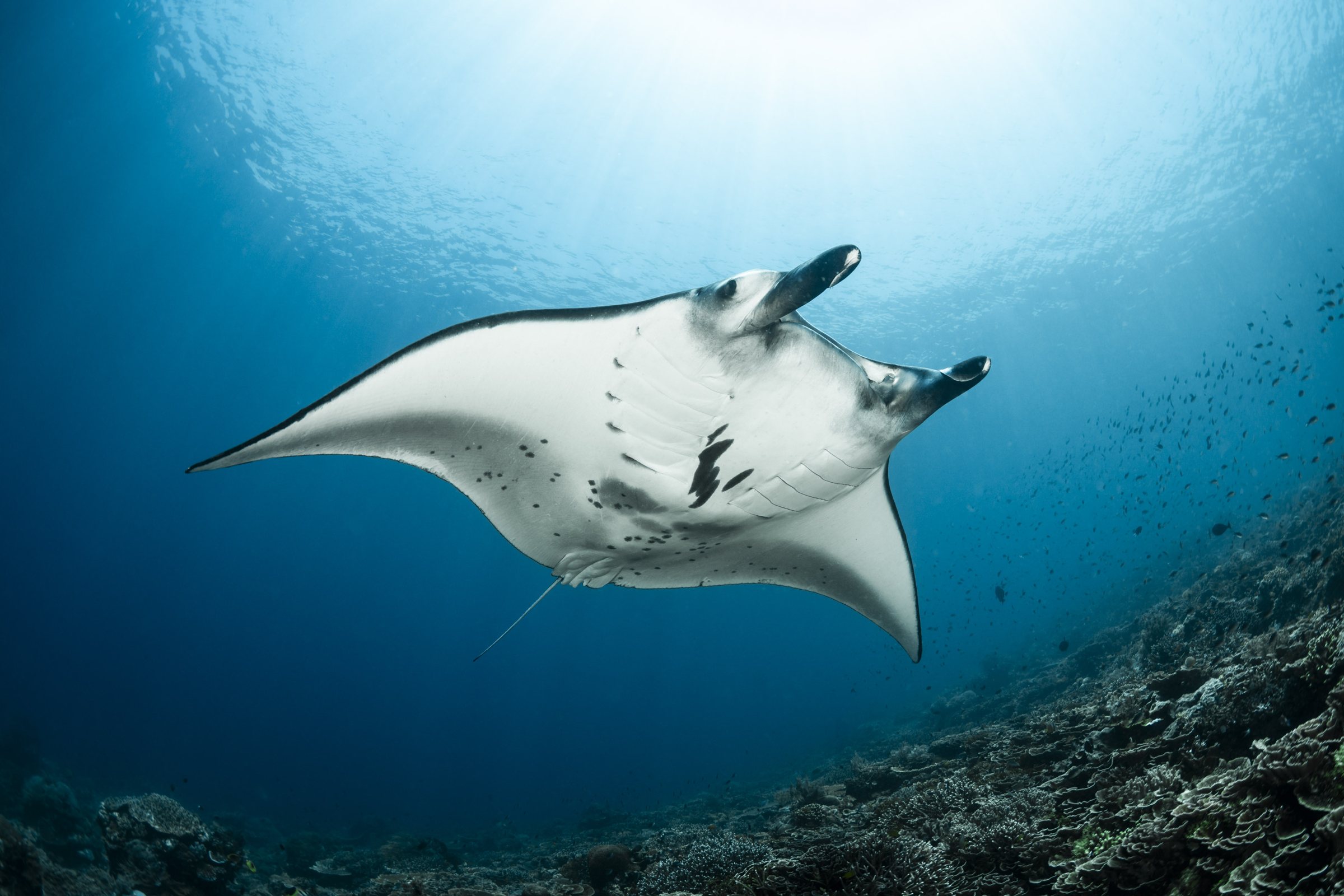
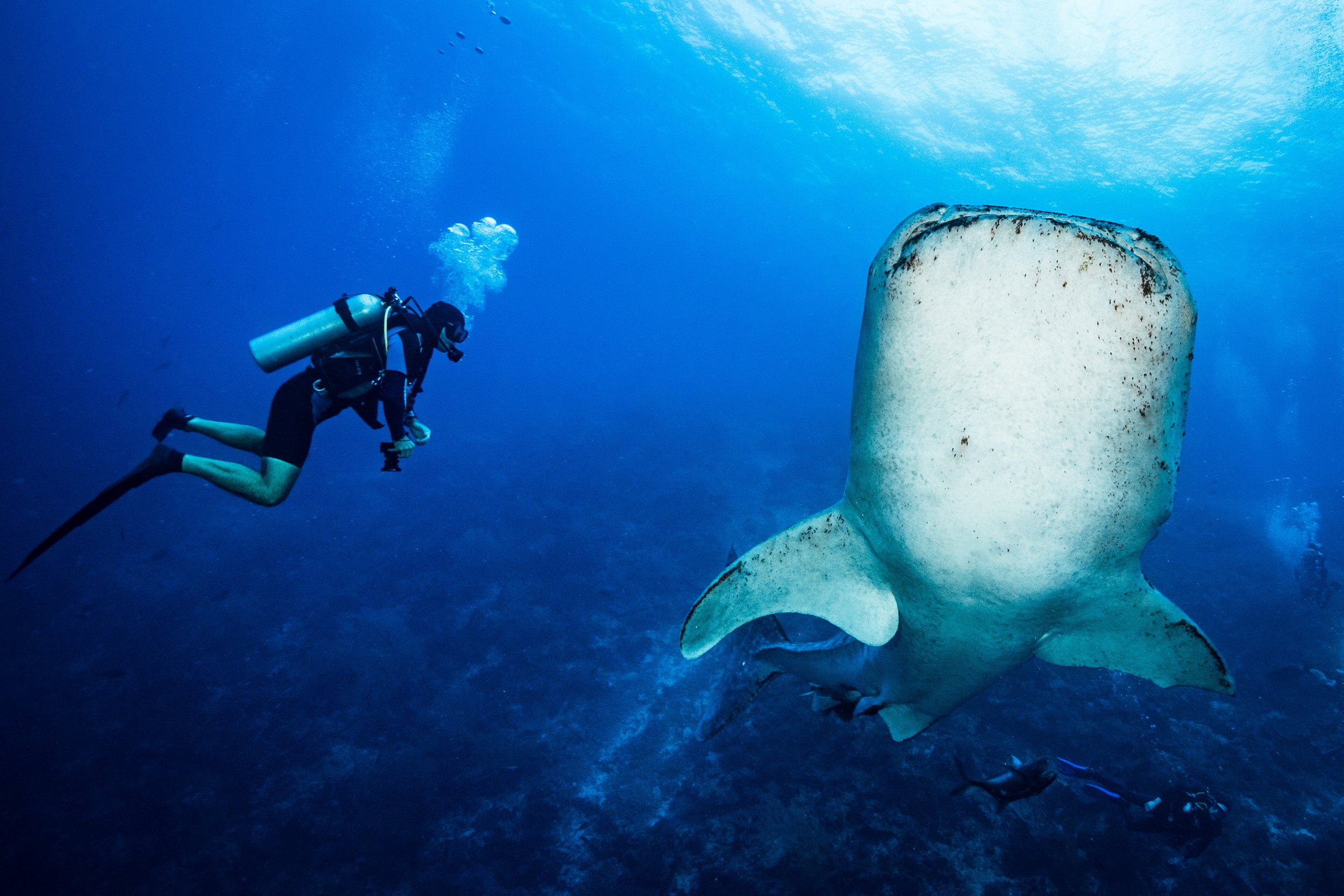
MMF studied the impacts of marine plastic pollution on manta rays and whale sharks to better understand the risk to these filter-feeders.
MMF studied the impacts of marine plastic pollution on manta rays and whale sharks to better understand the risk to these filter-feeders.
We have initially chosen to focus our research on Indonesia and the Philippines, two countries within the Coral Triangle, home to the planet’s richest biodiversity but is also one of the most polluted by plastic. We hope to leverage the iconic status and high blue economy value of manta rays and whale sharks for both of these countries to facilitate faster uptake in waste mitigation by governments and communities.
Objectives
Starting in 2016, we investigated the levels of marine debris including microplastics in waters where manta rays and whale sharks are feeding in several locations across Indonesia.
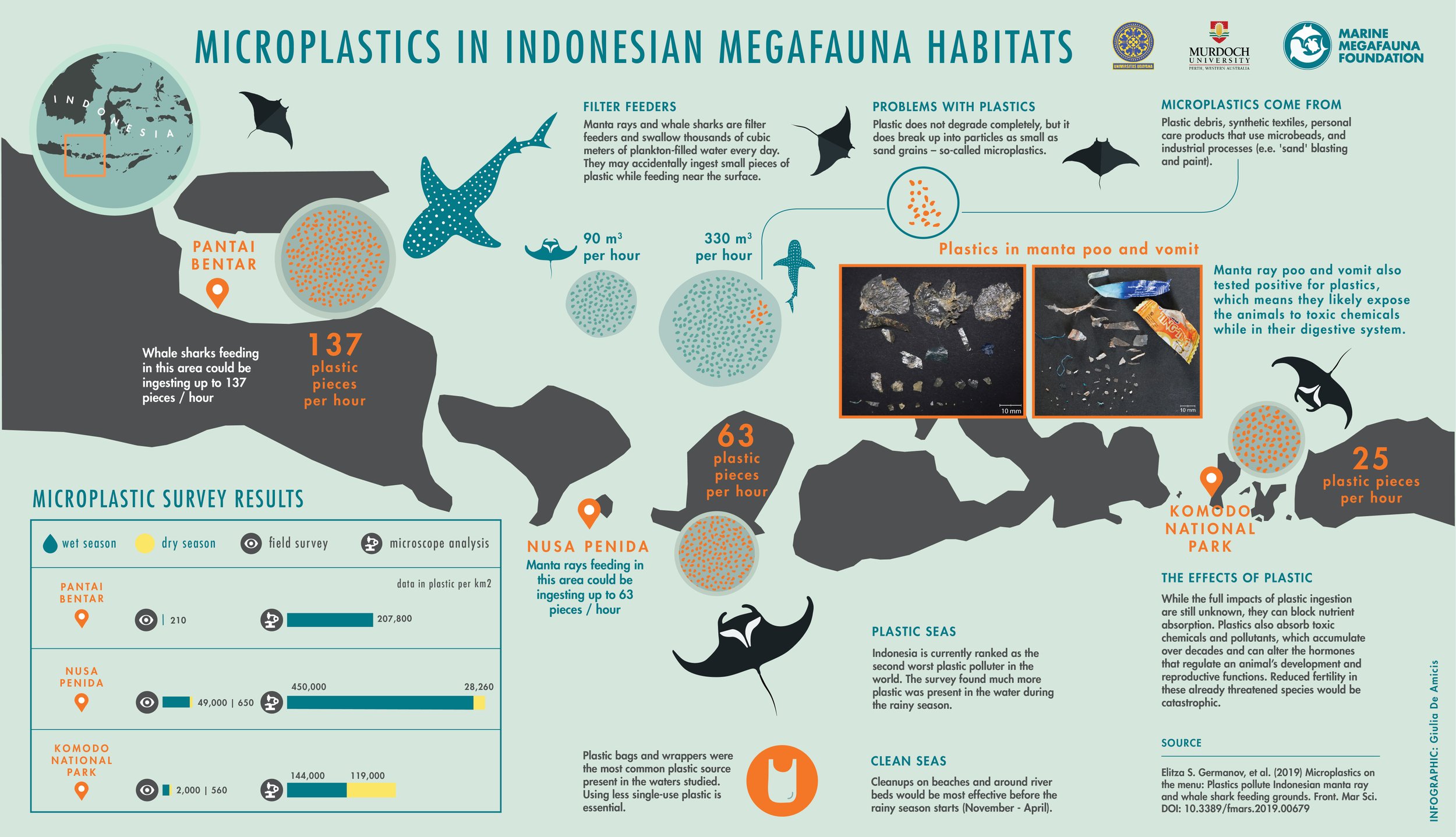
We estimated the abundance of microplastics in surface waters where manta rays and whale sharks feed. Our findings (opens in a new tab) suggest that manta rays could be ingesting around 60 pieces of plastic per hour of surface feeding at some of the sites studied. For whale sharks, it is more than double, at roughly 140 pieces per hour. Plastic was up to 44 times more abundant in the wet season than in the dry season, with the largest seasonal swing at Nusa Penida — so filter-feeders face a far higher risk of plastic ingestion at particular times of year. More than three-quarters of the plastic we found was smaller than 5 mm: fragments and films, not recognizable objects.
We confirmed that plastic ingestion by manta rays occurs by collecting samples of egested material — the first direct evidence that manta rays swallow plastic. We have since characterized what that plastic is: analysis of hundreds of pieces (opens in a new tab) collected from a critical manta ray feeding ground at Nusa Penida found that almost all of it was polyethylene and polypropylene, broken down from larger items rather than manufactured at that size. Those two polymers are among the less hazardous plastics in themselves, but the chemicals they carry — additives absorbed from the surrounding water, and the microbial films that grow on them — remain a concern. Our current work is assessing whether these plastic-associated chemicals are accumulating in manta ray tissues, and whether they are passed from mothers to their pups.
This project capitalized on the importance of healthy manta ray populations for the blue economy and ecotourism to nearby communities while raising awareness of the impacts of microplastics. We have surveyed local community stakeholders to establish a baseline on their current waste management attitudes and habits, provided outreach session about our findings so far, and followed up our surveys to understand changes in attitudes and perceptions of waste management. These insights will be used to inform local governments, organizations, and stakeholders in an effort to improve local waste management policies.
Support our microplastics research
This study is complete. Gifts made here support our current research and education work in Indonesia.
You can also donate stock or cryptocurrency, recommend a grant from your donor-advised fund, or leave a gift in your will.
Our work on microplastics in Indonesia
Infographics.

Adopt a whale shark
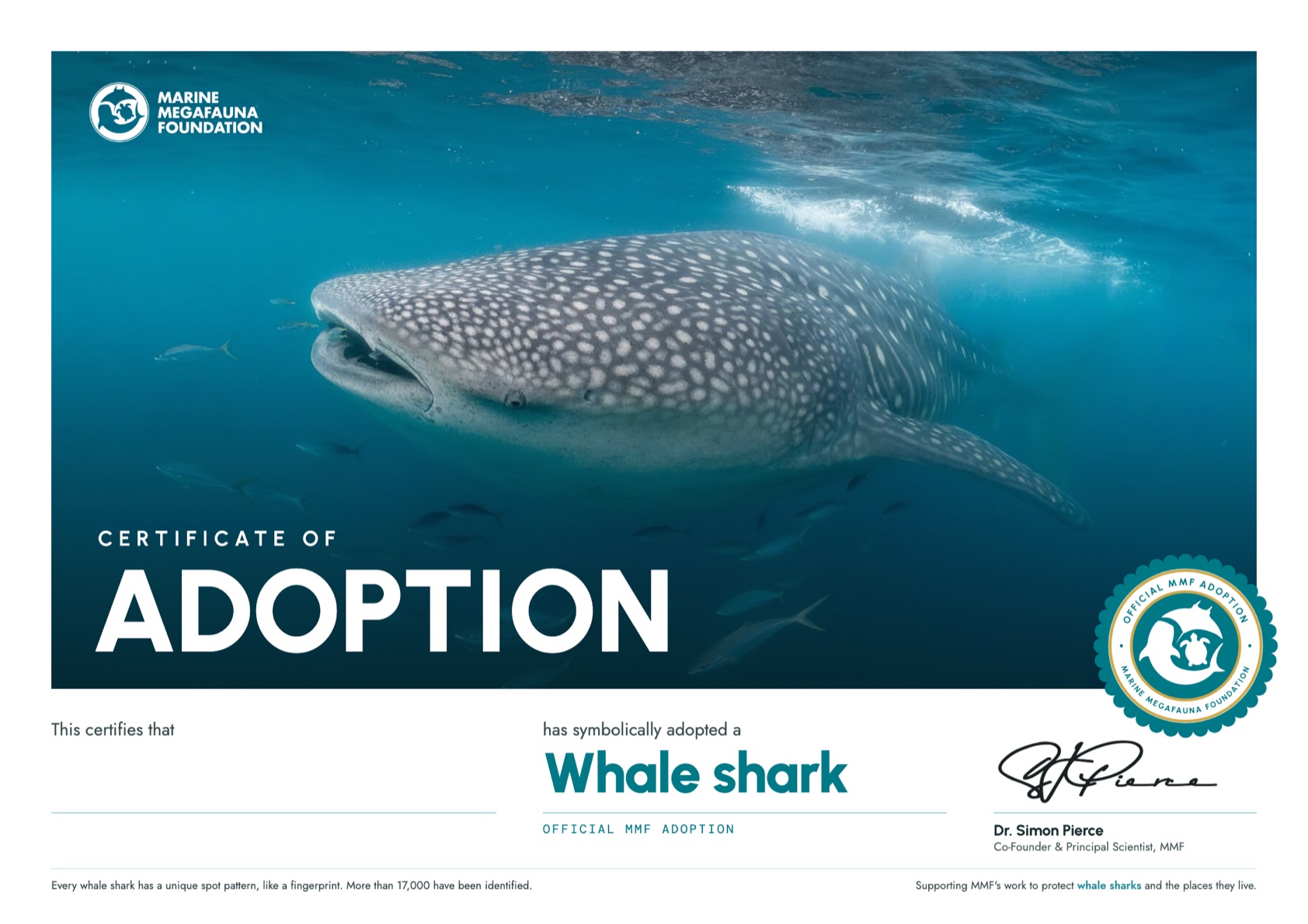
The world's biggest fish is Endangered. MMF leads or contributes to whale shark research from Mozambique to Oman.
MMF Project Team
 Dr. Elitza Germanov
 Janis Argeswara
Supporters & Partners







Research papers
- 2025A global assessment of microplastic abundance and characteristics on marine turtle nesting beaches
- 2023Interactions between marine megafauna and plastic pollution in Southeast Asia
- Plastic pollution and marine megafauna: Recent advances and future directions
- 2021Microplastics in fecal samples of whale sharks (Rhincodon typus) and from surface water in the Philippines
- What's in the soup? Visual characterization and polymer analysis of microplastics from an Indonesian manta ray feeding ground
- 2019Microplastics on the menu: plastics pollute Indonesian manta ray and whale shark feeding grounds
- 2018Microplastics: No small problem for filter-feeding megafauna
Travel with our scientists
Every MMF expedition is hosted by a working marine scientist, who shares the latest research and conservation discoveries about the animals you'll see.
 Indonesia Manta Ray Project
 Philippines Whale Shark Project
 Indonesia Sea Turtle Project