Where we work
Kenya
Off Kenya's coast, marlin tagged by sport-fishing crews showed how far these ocean predators range across the western Indian Ocean; whale sharks are our next focus.
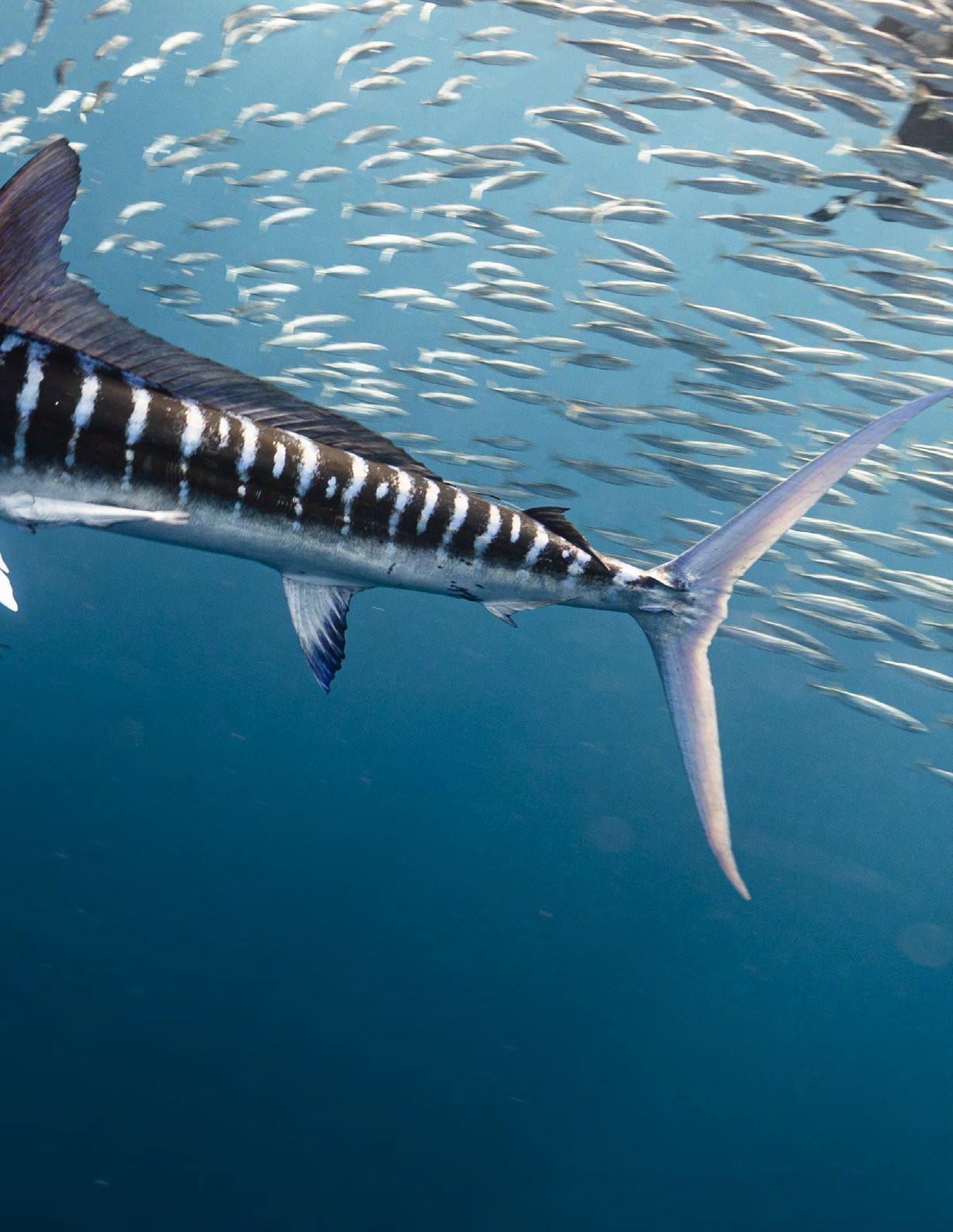
Kenyan sport fishers approached MMF because they knew too little about the marlin they caught and released, and they funded satellite tags to close that gap. Between 2015 and 2019, crews fishing off Watamu, Shimoni, and Mombasa tagged 98 black marlin (Istiompax indica) and striped marlin (Kajikia audax), producing the first satellite tracks of either species in the Indian Ocean. The tracks showed marlin ranging over thousands of kilometers: striped marlin traveled east to near the Maldives, while black marlin dispersed north to Somalia and Oman and south into the Mozambique Channel. The results were published in three papers, on striped marlin (2020), black marlin (2021), and the depths both species use (2022). Read more about our completed Kenya Marlin Project, led by Dr. Chris Rohner.
We are now beginning whale shark work in Kenya. Senior Scientist Dr. Clare Prebble leads it for MMF, working with Kenyan partners that include the Kenya Wildlife Service and the Wildlife Research and Training Institute. The work combines training, photo-identification monitoring with dive operators at Diani and Lamu, and building the case for legal protection. Our team plans to visit the Kenyan coast in early 2027. (Top photo: Henley Spiers.)
Completed projects
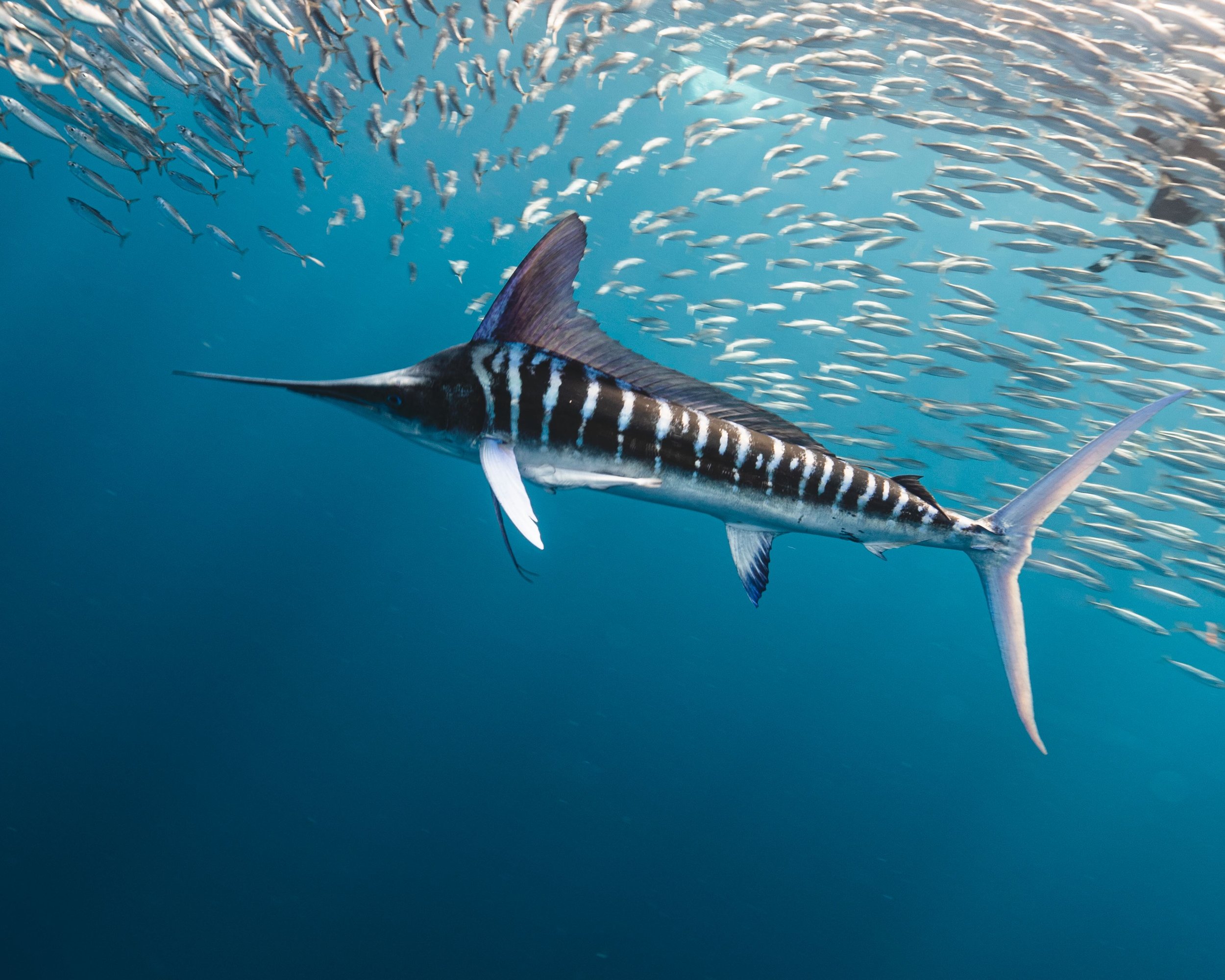 Watamu and Shimoni, KenyaKenya Marlin ProjectSport-fishing crews in Kenya fitted 98 satellite tags to black and striped marlin, and the tracks showed fish ranging thousands of kilometers across the western Indian Ocean.
What we work on
Black marlin tagged off Kenya moved between the heavily fished commercial grounds off northern Somalia and Oman and the artisanal and recreational fisheries of East Africa, which suggests a single shared stock in the western Indian Ocean. Our tracking results point to how the region's marlin could be better managed.
Whale sharks are not legally protected in Kenya. With Kenyan partners, we are training researchers, establishing photo-identification monitoring with dive operators, and building the evidence for protection.