
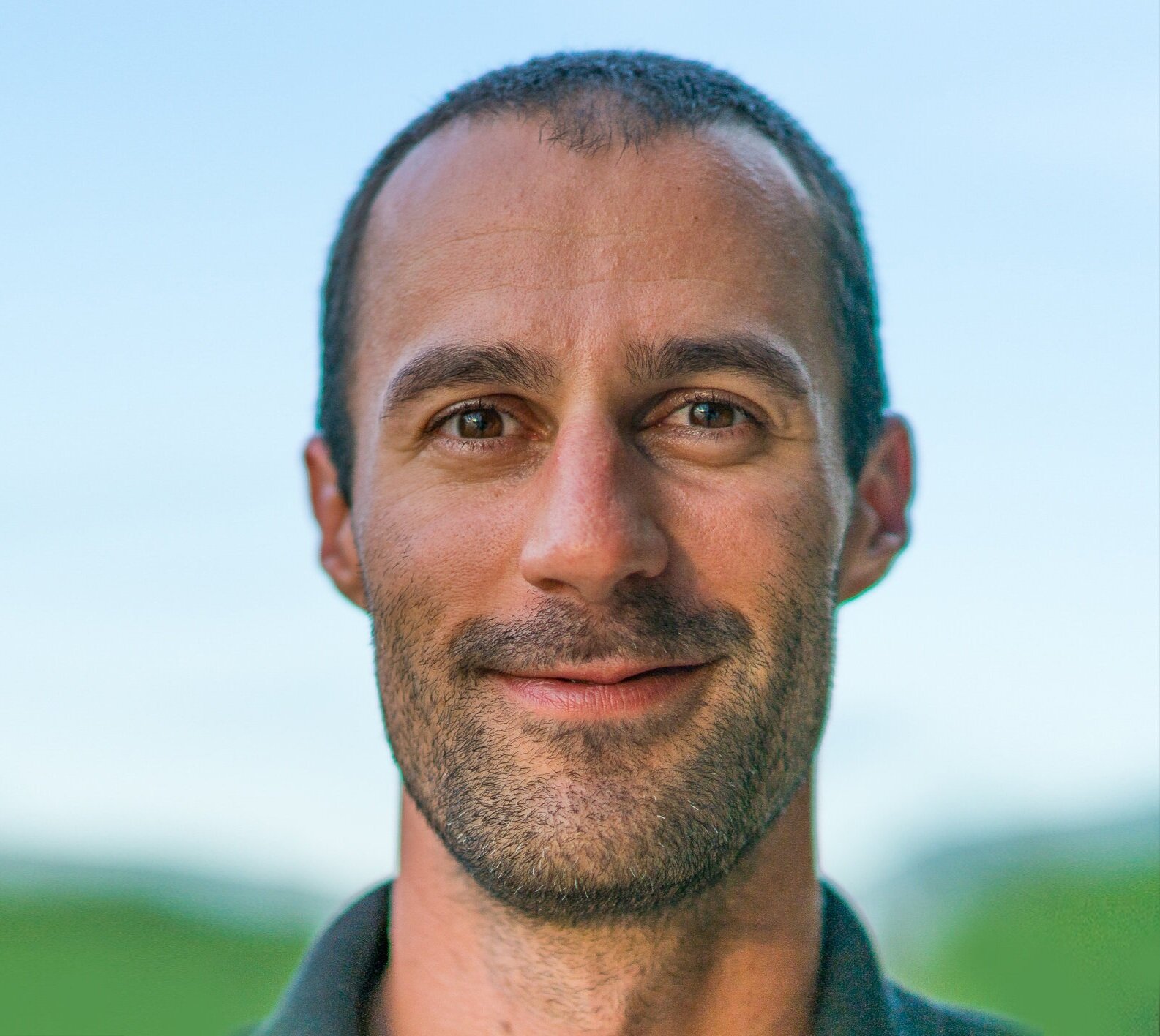
Research Interests
Dr. Chris Rohner is a renowned marine biologist who completed his PhD on whale sharks in 2012, becoming the first to conduct doctoral research on the species in Africa. As an international expert in satellite tracking, population modeling, and shark ecology, Chris is an integral part of the Global Whale Shark Program.
With a primary research goal of gathering ecological information on threatened species to aid their conservation, Chris has explored various scientific topics. His main research themes involve movement ecology and feeding ecology of marine megafauna. To address these topics, Chris employs methods such as telemetry using satellite, acoustic, and behavioral tags, tissue sample biochemistry, oceanography, and plankton microscopy. His work spans projects focusing on whale sharks, manta and mobula rays, billfishes, and turtles.
Chris leads MMF’s work in Tanzania on whale sharks and, since 2024, on blacktip reef sharks. He led the completed Kenya Marlin, Galápagos Yellowfin Tuna, and Mayotte Manta Ray projects, and is part of the whale shark teams in Mozambique, Madagascar, Oman, Qatar, and the Galápagos. He also works with the IUCN Shark Specialist Group on Important Shark and Ray Areas, the habitats critical to the survival of sharks and rays, and co-authored the 2026 regional compendium for the North American Caribbean and Atlantic. His recent papers include the first study of the reef manta rays of Mayotte (2025), which he led; a stable-isotope study of the feeding ecology of Mafia Island’s whale sharks (2025); a 2026 acoustic-telemetry study of reef manta rays crossing between Mozambique and South Africa; and a 2026 synthesis of migratory connectivity for Australian sharks and rays listed under the Convention on Migratory Species.
A true fieldwork enthusiast, Chris enjoys collecting data and immersing himself in hands-on research. He also relishes analyzing data and spends much of his time back at the computer, crunching numbers to advance the understanding and conservation of these incredible marine species.
Education
2013 Doctor of Philosophy (PhD)
The University of Queensland, Australia
Thesis: A global whale shark hotspot in southern Mozambique: population structure, feeding ecology, movements and environmental drivers.
2007 Honours (1st Class, University Medal)
The University of Queensland, Australia
2006 Bachelor of Marine Studies
The University of Queensland, Australia
Biography
When Chris first put his head underwater in the Red Sea on a family snorkeling trip in the 1990s he knew he was going to become a marine biologist. He wanted to work where others go on holidays, and do something useful for the natural world in the process. It has worked out nicely so far; since those early days on the coral reefs of Egypt he has conducted field research around the world from the Galapagos Islands to the Great Barrier Reef and from Mexico to the Philippines. Chris started his PhD research with MMF in Mozambique in 2009 and continues to work with MMF, now as a principal scientist.
Snorkeling and diving in some of the most amazing places on earth as part of the job also lends itself to visually documenting the underwater world and Chris has particularly dabbled into videography. He also likes swinging in the hammock and playing ukulele. He lives with his family in Australia where he has an ever-growing flock of chickens and ducks and cultivates subtropical fruit trees.
Current research
Leads
- Galapagos Silky Shark ProjectProject leader
- Tanzania Blacktip Reef Shark ProjectProject leader
- Tanzania Whale Shark ProjectProject leader
Team member
Past research
Leads
- Galápagos Yellowfin Tuna ProjectProject leader
- Kenya Marlin ProjectProject leader
- Mayotte Manta Ray ProjectProject leader
- Philippines Manta and Devil RaysProject leader
Team member
- Coral Sea Whale Shark ProjectAustraliaTeam
- Mozambique Bull Shark Research ProjectTeam
- Philippines Whale Shark ProjectTeam
- Tubbataha Shark MonitoringPhilippinesTeam
- UAE Sea Turtle Rescue and RecoveryTeam
Media
Critical shark and ray habitats in Western Indian Ocean largely unprotected: Study | Mongabay
Sharks often swim across national borders. Our conservation efforts must travel with them | The Conversation
Migratory sharks swim into danger when they leave Australian waters | Earth.com
Mapping shark migration will be key to their survival, says study | Oceanographic
MBA-led study advances whale shark tagging techniques to support global conservation | Marine Biological Association
Asia’s shark and ray hotspots remain poorly protected, study finds | Mongabay
In Senegal, artisanal fishing kills a surprising number of sharks and rays: study | Mongabay
Lockdowns are no problem for whale sharks in Tanzania | Phys Org
Why the World’s Biggest Sharks Love Mafia Island | National Geographic
Global Whale Shark Program
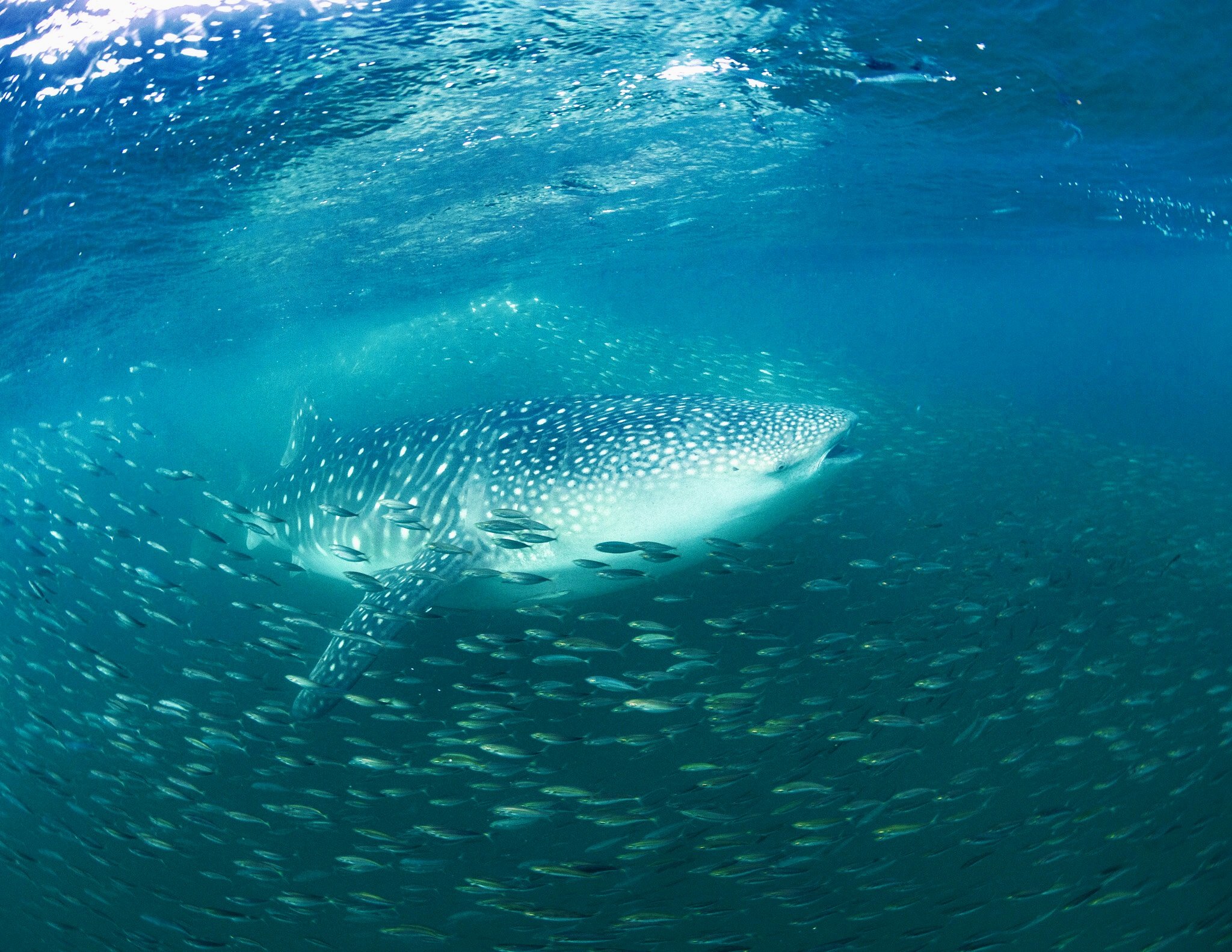
News featuring Chris
BryantTurffs.jpg)
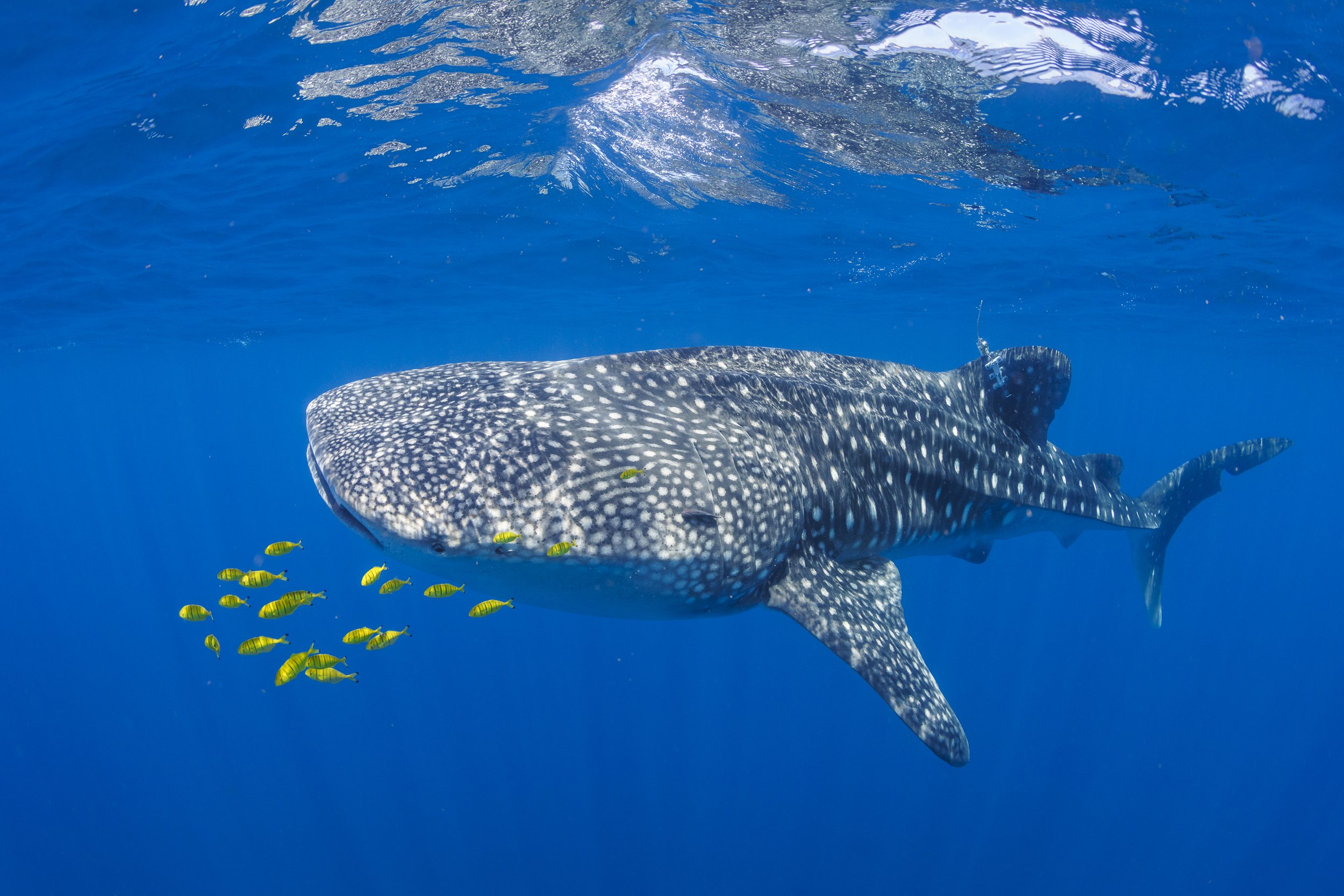
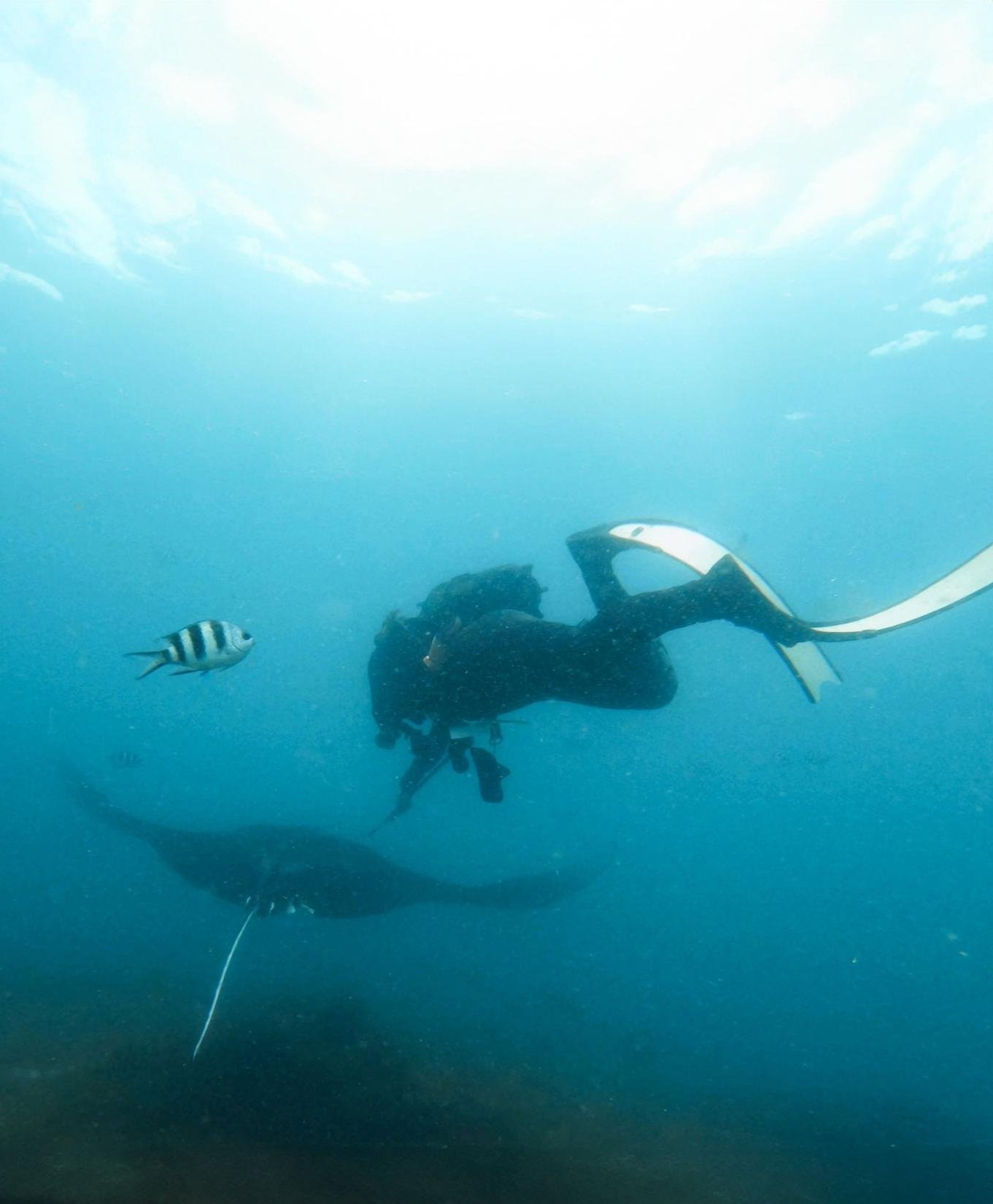
Recent research
- 2026North American and Caribbean Atlantic: A regional compendium of Important Shark and Ray Areas
- Integrating migratory connectivity data into the conservation of Australian sharks and rays
- Acoustic telemetry reveals cross-border movements and conservation opportunities for reef manta rays Mobula alfredi in southern Africa
- Prioritizing shark, ray, and chimaera conservation in rapidly changing polar waters
- North American Pacific: A regional compendium of Important Shark and Ray Areas
- Critical habitats for sharks and rays in Asia remain largely unprotected
- Habitat use, residency, and connectivity of bull sharks (Carcharhinus leucas) in the Bazaruto Seascape, Mozambique
- Methods for tagging whale sharks: insights into performance and best practices with a focus on clamp attachments
- The unseen crisis of sharks and rays in Senegal
- Australia and Southeast Indian Ocean: A regional compendium of Important Shark and Ray Areas