
Mozambique Projects.
Black Marlin
-
Explore Mozambique’s Projects
What’s this project about?
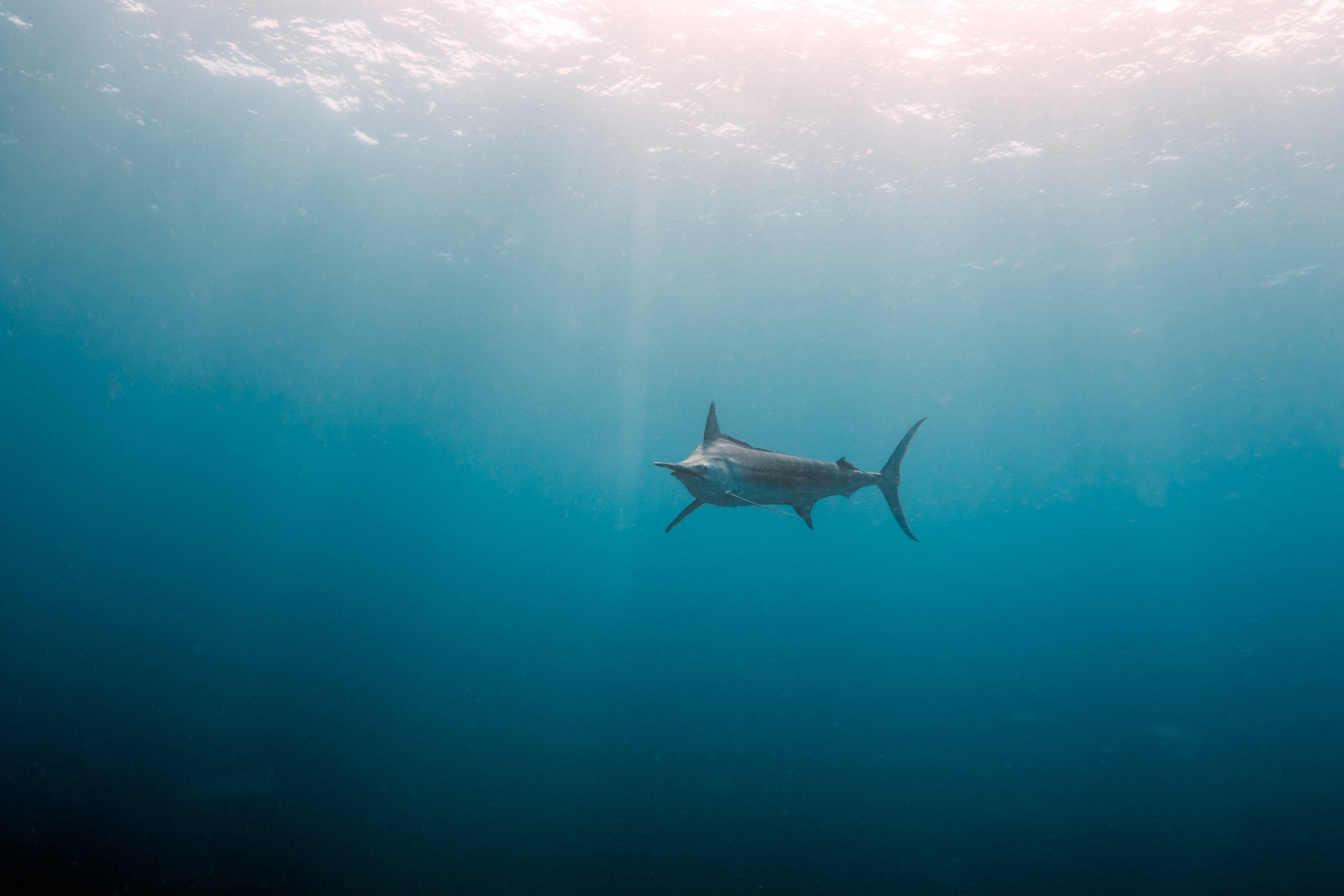
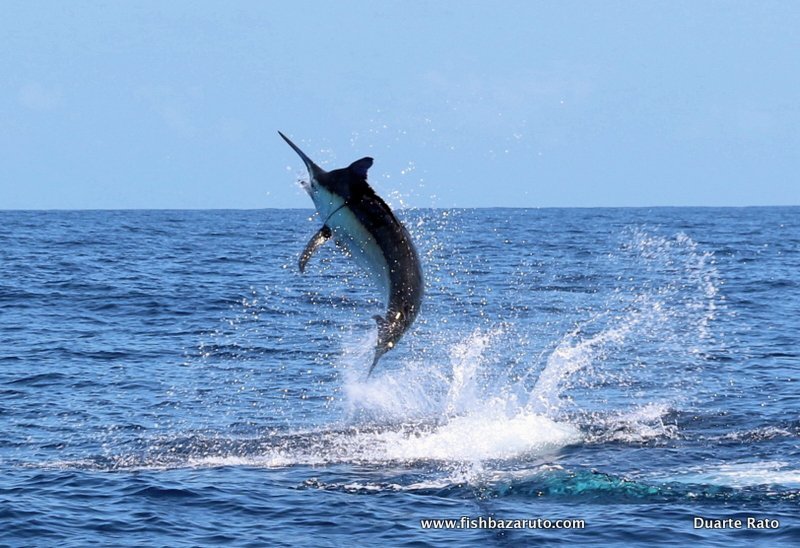
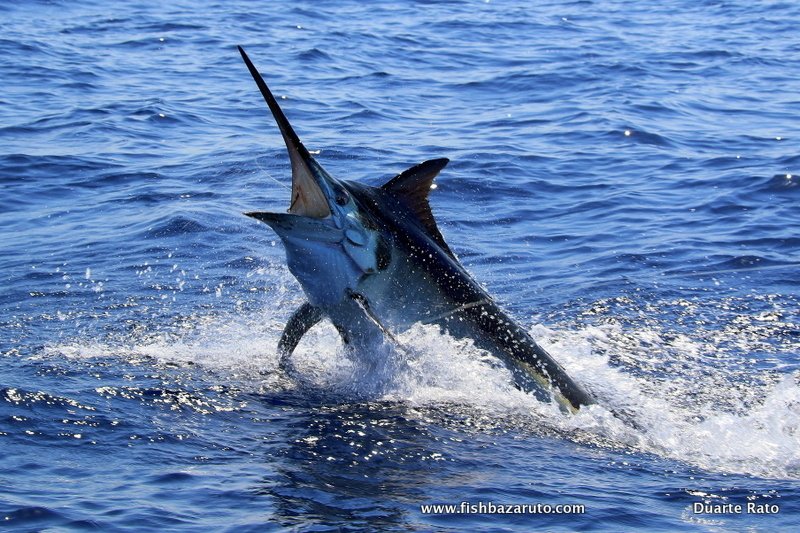
Black marlin (Istiompax indica) are highly migratory apex predators and one of the world’s largest teleost fishes. Fisheries pressure in the Indian Ocean is increasing, but management initiatives are limited.
A lack of information on connectivity and population structure hampers progress. Mozambique’s coastline hosts a globally important critical habitat for these impressive fish.
Our research combines satellite tagging, genetics, and fisher collaboration to fill the gaps in what is known about black marlin movements and population structure in the region — and to establish what makes the Bazaruto Seascape so important to this species.
Key successes to date
-
We have completed four field seasons in the Bazaruto Seascape since launching the project in October 2022.
-
Twelve black marlin have been satellite-tracked, producing more than 25,000 km of combined tracks.
-
We are building a genetic library for the species in Mozambique from tissue samples collected alongside the tagging work.
Project leaders
Dr Clare Prebble
Project Leader, Senior Scientist
Clare started working with MMF in 2011. Her research focuses on using biochemical techniques and demographic data to find out about the dietary and movement ecology of megafauna species and understand their conservation needs.

Dr Chris Rohner
Principal Scientist
Chris is a principal scientist at MMF and an international expert in satellite tracking and population modeling, having worked on projects for over a decade. Chris was the lead scientist on the Kenya marlin project.
MMF project team


With thanks to our supporters & partners
-
Duarte Amador Moreira Rato – Fish Bazaruto. Expert gamefish fisherman
-
Morgan O’Kennedy – Big Blue Vilankulo. Expert gamefish fisherman
-
Roy Bealey – Pelagic Fisheries Consulting Ltd, Chairperson for the IGFA
-
Dr Samuel Mackey Williams – Dept. Agriculture Australia. Billfish Expert.
Support this project.
Help fund this project by sponsoring satellite tags at $5,000 each, with a goal of 10 tags in total. Smaller amounts are hugely appreciated and help to fund essential project expenses like boat hire, fuel, and scientific analysis.
Here, you can donate and receive an instant receipt.
The form accepts donations via credit card, PayPal, or direct bank transfer, in multiple currencies.
NOTE: Bank transfer is typically the best for larger amounts, as transaction fees are capped and not a % of the amount being donated.
If you prefer to process your donation via direct bank transfer, please contact Clare who can provide account details.
Questions?
Contact Project Leader, Dr Clare Prebble:
WhatsApp: +258 841 178 789
Email: clare[@]marinemegafauna.org
This work is made possible by the organizations above and by MMF’s individual donors and grant-makers, who fund the fieldwork, analysis and conservation action behind it. Thank you.
Partner with MMF →Project Overview.
Black marlin are one of the largest teleost fishes, with females weighing over 700 kg (1,500 lb). They are highly mobile apex predators, and an important part of the structure and functioning of healthy marine systems. However, the movement ecology of black marlin in the Indian Ocean is poorly understood and few management measures of any kind have been implemented as a result.
Food and Fishing
Black marlin contribute to livelihoods and food security through artisanal fisheries, and their large size and ‘fighting qualities’ also make them one of the most prized trophy targets for recreational fishers. Recreational sport-fisheries in Mozambique are primarily catch-and-release, and make significant contributions to the tourism industry. They are also an important source of valuable billfish behavioral data. Increased billfish landings in the commercial sector over the last decade have raised concerns, and deep freeze long-liners off the coast of Mozambique have been highlighted as a developing fishing industry to watch. Additional knowledge about how black marlin use and move around the Mozambican coastline are sorely needed to ensure a sustainable future for the species, and all those that depend on them.
Black marlin in Mozambique
The Bazaruto Seascape region sees large, potentially gravid, female black marlin, visiting almost exclusively from October – December: a high seasonal density that are frequently caught by experienced fishers. Sport fishers travel internationally to this global hotspot to fish for these large record-breaking marlin in season. Resident experienced billfish fishers, as well as global experts, believe this area could be a spawning ground for this species. If confirmed, this would be the first identified spawning ground for black marlin in the whole of the WIO. As such, this region presents a unique opportunity to study this iconic, data-deficient species in what is likely to be a highly sensitive and important habitat to the wider black marlin population.
MMF research
Previous billfish satellite tagging work by MMF in Kenya, and large-scale genetics projects suggest that there is a highly interconnected population of black marlin in the WIO. However, what is still unclear is how the marlin use the coastline in Mozambique and how best to protect them while they are here.
What the tracks are telling us
Across twelve tagged fish and more than 25,000 km of combined tracks, a consistent picture has emerged. Many individuals begin by heading north along the Mozambican coast for a few weeks before turning south and running down the south-east African shelf. Individual home ranges are vast — the widest-ranging fish used nearly 3.9 million km² of ocean — which is a large part of why area-based protection alone cannot safeguard the species.
Tagged marlin favored warm surface waters of around 26 °C but tolerated a range from 9.5 to 32.7 °C, and while they spent most of their time within about 20 m of the surface they hunted well down the water column, with one fish reaching almost 400 m. Together with MMF’s earlier tracking work off Kenya, these tracks support the view that black marlin in the western Indian Ocean form a single, highly mobile population whose conservation will require coordinated management across many nations. A peer-reviewed paper on black marlin movement ecology in the Mozambique Channel is in preparation. With three satellite tags ready to deploy, the 2026 field season will focus on longer tracks of four to six months during the October–December peak.
Objectives.
Our researchers are collaborating with the regions’ most skilled billfish fishers as well as world experts on each aspect of this project to ensure we have the necessary data to inform robust management plans.
Satellite Tagging Black Marlin & NextGen Sequencing
We aim to conduct an integrated study which will include deploying satellite tags to track their movements, using NextGen sequencing techniques to investigate the fine-scale genetic structure of the population, and a multi-method approach to investigate marlin spawning behavior in the region.
WILDLIFE Computers Satellite tag technology
-
Tags can be programmed to track movements for up to two years in the open ocean.
-
Tags are mini-computers, built to withstand pressure up to 2 km deep.
-
Tag records data every 3-5 seconds:
-
Light-level (used to calculate location)
-
Temperature
-
Depth (pressure)
-
-
Data is then summarized and stored in the tag until it releases.
-
We program the tags to release after a set period, float to the surface, and upload data summaries to Argos satellites that are then sent to researchers. If we are lucky enough to recover the tag, we can download even more detailed datasets.
-
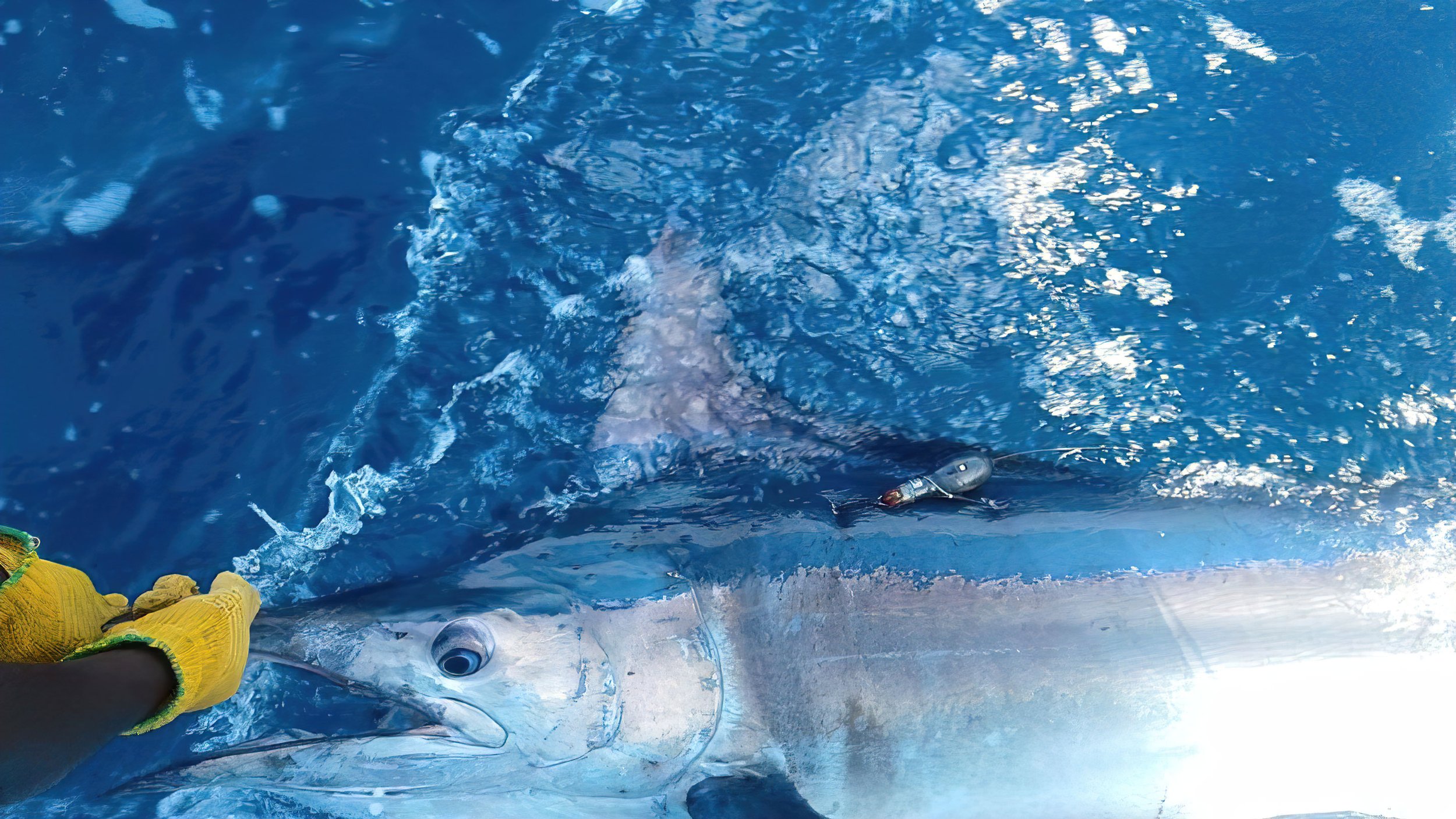
Tagging a fast, powerful, highly mobile predator at sea is difficult, and not every tag reports back. Season-by-season refinements to rigging and tag placement have steadily improved how long our tags stay attached, and the program now routinely achieves tracks of several months.
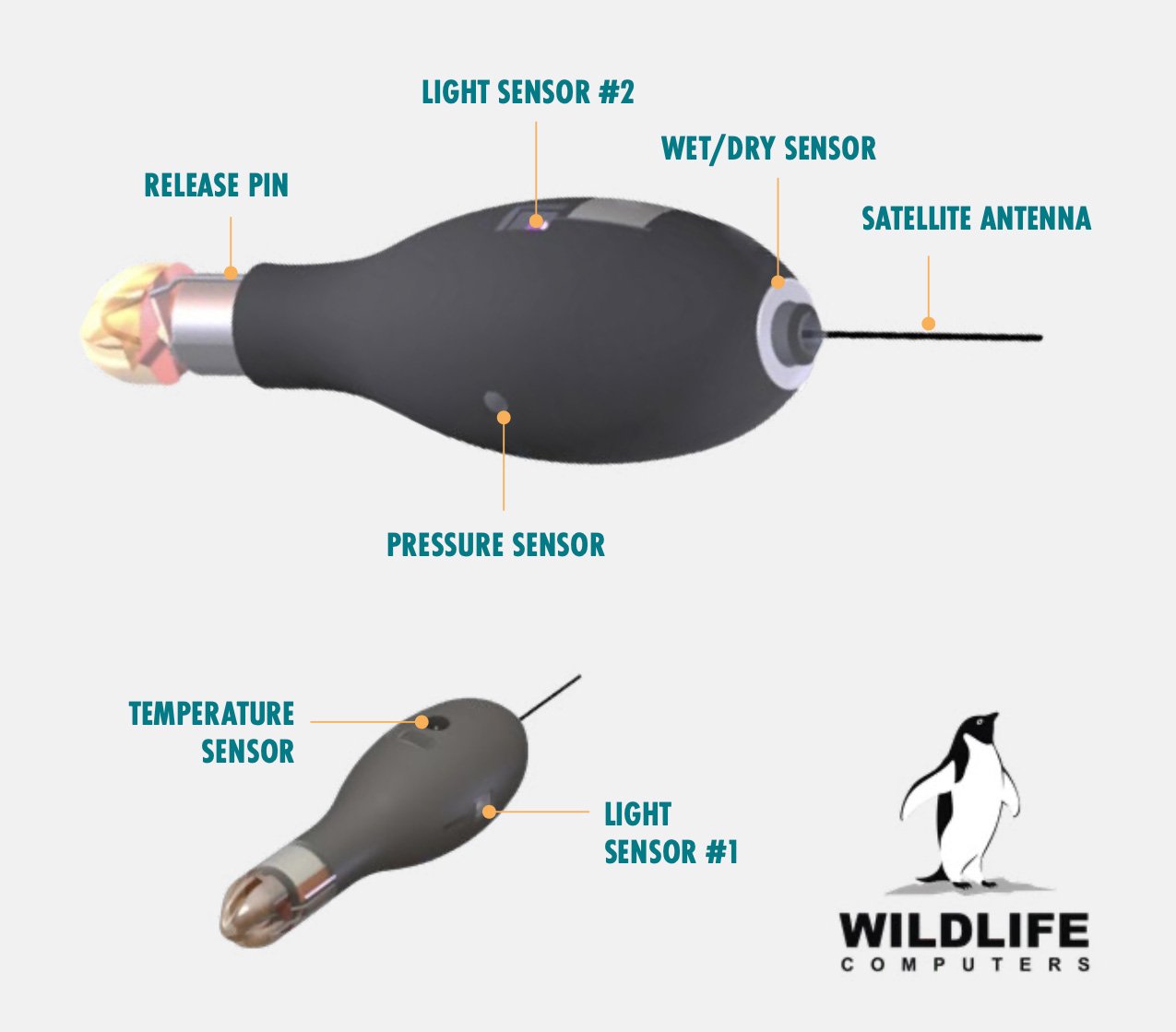
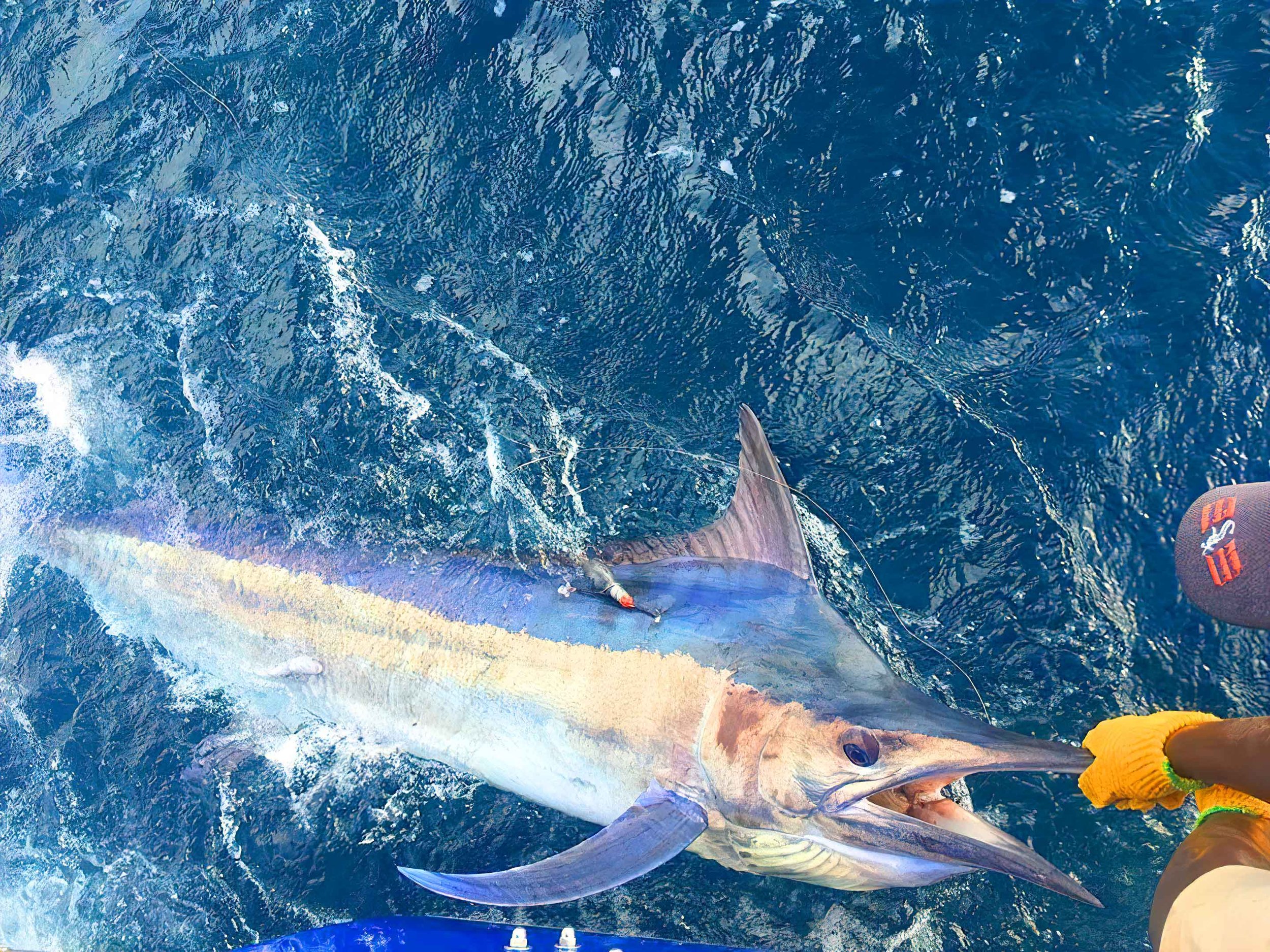
Satellite tag technology, shown attached, below.
Get involved
Fund this project
MMF’s research and conservation work is funded by grants, partnerships and individual donors. Gifts made through this form support MMF’s research and conservation work, including this project.
To discuss a larger gift, a grant, or a corporate partnership for this project, email [email protected]. Find out more about philanthropy and corporate partnerships with MMF.
MMF is a registered 501(c)(3) non-profit in the USA. Donations are tax-deductible to the extent allowed by law.