Mozambique Research Fellowship Program
A year-long traineeship in shark and ray research for early-career Mozambican marine scientists, from learning to swim and dive to fieldwork, data analysis, and scientific writing.
Postgraduate training in marine science is hard to come by in Mozambique, where funding and institutional support are limited. Since 2017, our Research Fellowship Program has given early-career Mozambican scientists a paid, year-long traineeship in shark and ray research at our research headquarters in Tofo.
The program began in April 2017 as the MEGA Fellowship (Marine Ecology Grant for Advancement of Researchers). Because diving is central to our research, swimming and scuba training come first, and fellows finish the year as certified divers. They then work alongside our scientists on reef surveys with baited remote underwater video (BRUVs), on photo-identification of manta rays, whale sharks, and leopard sharks, and on the acoustic receivers that detect tagged sharks and rays along the coast. They also teach in our education programs and represent MMF at community and national events. Since 2024, we have taken two fellows each year, and the program is now run from Tofo by one of its own former fellows.
Objectives
- Give early-career Mozambican marine scientists a year of paid, hands-on training in shark and ray research, from swimming and scuba diving to field methods and data analysis.
- Build national research capacity in a field where Mozambique has limited funding and institutional support for postgraduate training.
- Connect the fellows’ science with the communities where conservation happens, through teaching and outreach.
- Open a path into a career in marine science, including positions on MMF’s own research team.
What we've done
- Trained seven Mozambican marine scientists in the program’s first seven years, all of whom have since found employment.
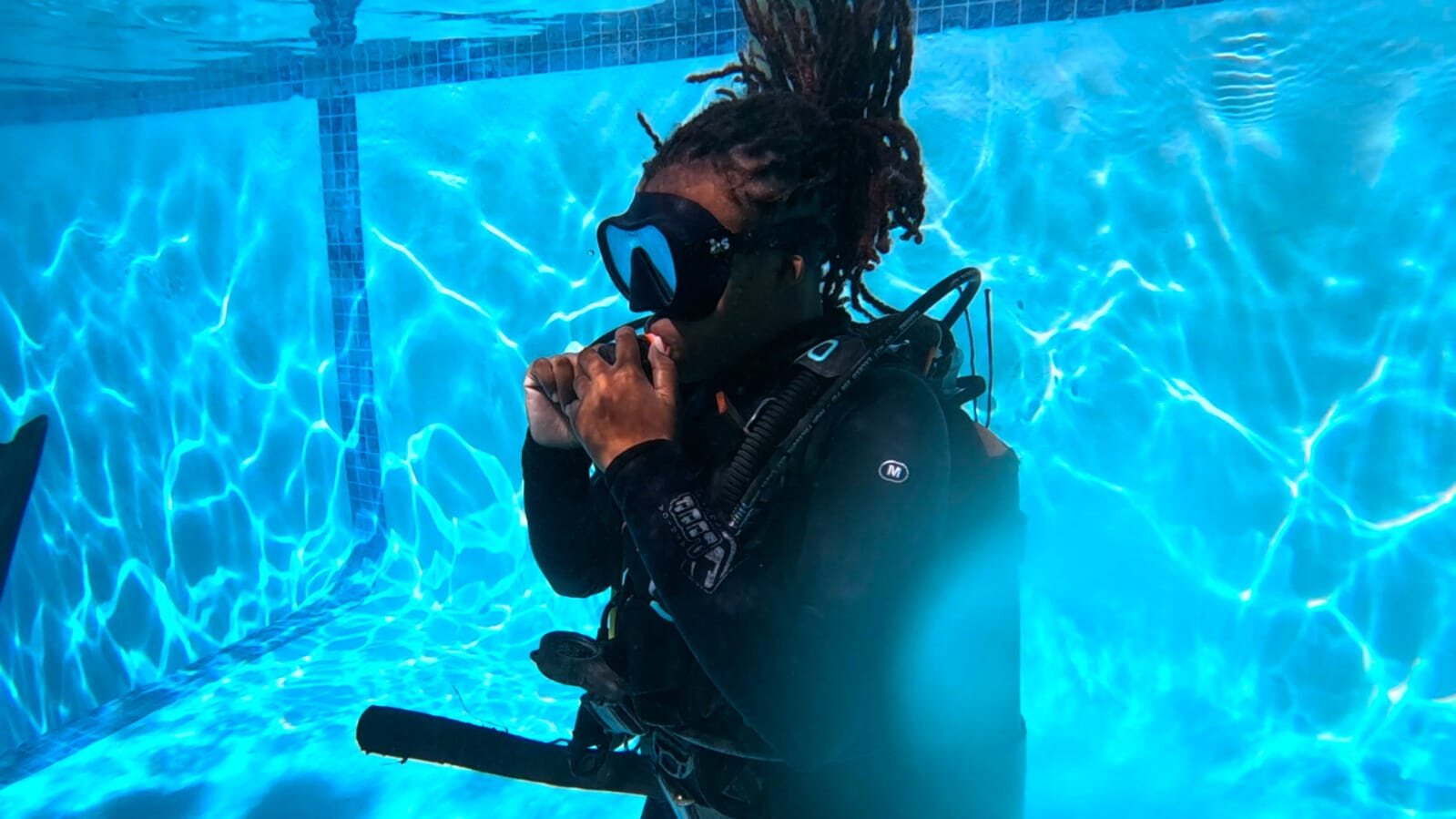
- Trained fellows, some with no formal swimming training, to scuba certification within their year.
- Taught fellows the core methods of our research, from BRUVs and photo-identification to acoustic telemetry, data analysis, and conservation mapping.
- Involved fellows in our long-term research on reef fish, manta rays, leopard sharks, and whale sharks, from fieldwork through to scientific papers.
- Seen former fellows go on to further study, including a master’s degree in the United Kingdom.
- Expanded the program to two fellows each year from 2024.
What's next
- Support the 2026 fellows, Yathima Oraibo Abdul and Emmyllen Burine, through advanced dive training and further field research, including our whale shark work.
- Publish the reef fish manuscripts that fellows have co-authored from our five-year BRUV monitoring dataset.
- Extend shark and ray monitoring with BRUVs, carried out by the fellows and the research team, to the Massinga–Morrungulo coast and the Vilankulo–San Sebastian region.
Support the Research Fellowship Program
Your gift supports paid training for early-career Mozambican scientists, from swimming and diving to fieldwork, data analysis, and scientific writing.
You can also donate stock or cryptocurrency, recommend a grant from your donor-advised fund, or leave a gift in your will.


Adopt a whale shark
The world's biggest fish is Endangered. MMF leads or contributes to whale shark research from Mozambique to Oman.
Inside the fellowship
From the pool to the open ocean
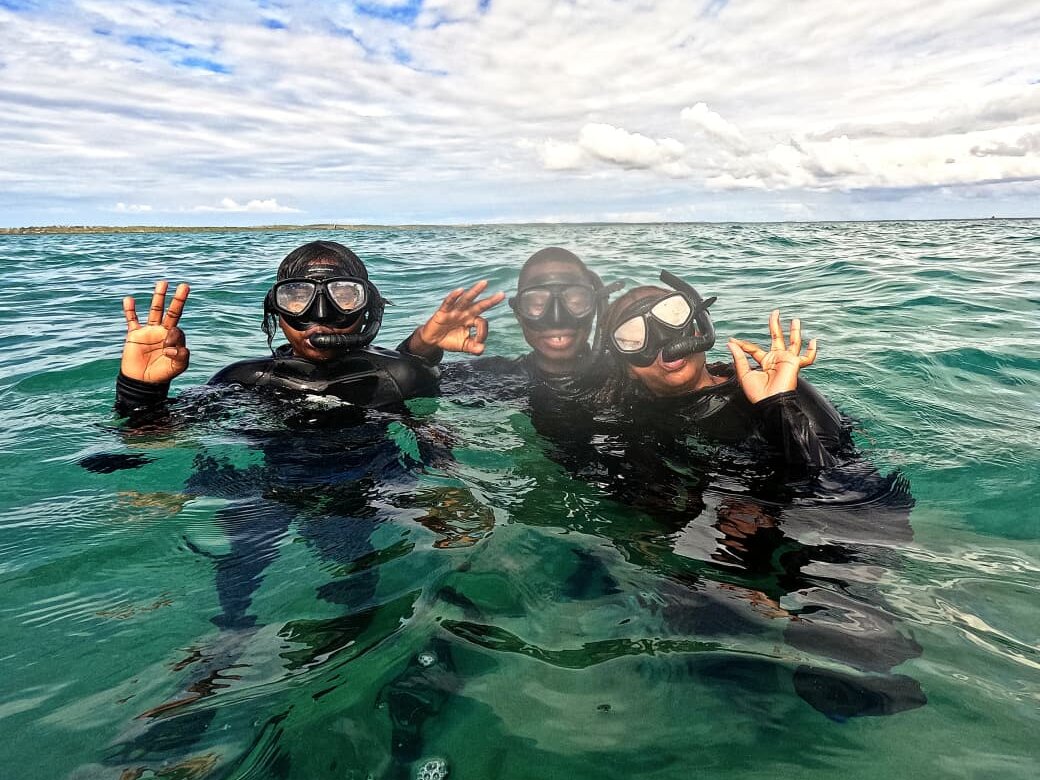
Diving is central to our research in Mozambique, so the fellowship starts in the water. Many fellows arrive with little or no formal swimming training, so they begin in our water safety and swimming program, then complete their Open Water course and log their first research dives over the following months. Nilza de Catarina, who now runs the program, learned to swim and dive during her own fellowship year.
Once certified, the fellows put those skills to work in the field, from coastal snorkeling surveys, where they practice underwater observation and record data within a fixed survey strip, to dives alongside our research team. Tofo dive center Peri-Peri Divers has supported the fellowship for nine years, helping to build underwater research capacity in Mozambique.
Research skills
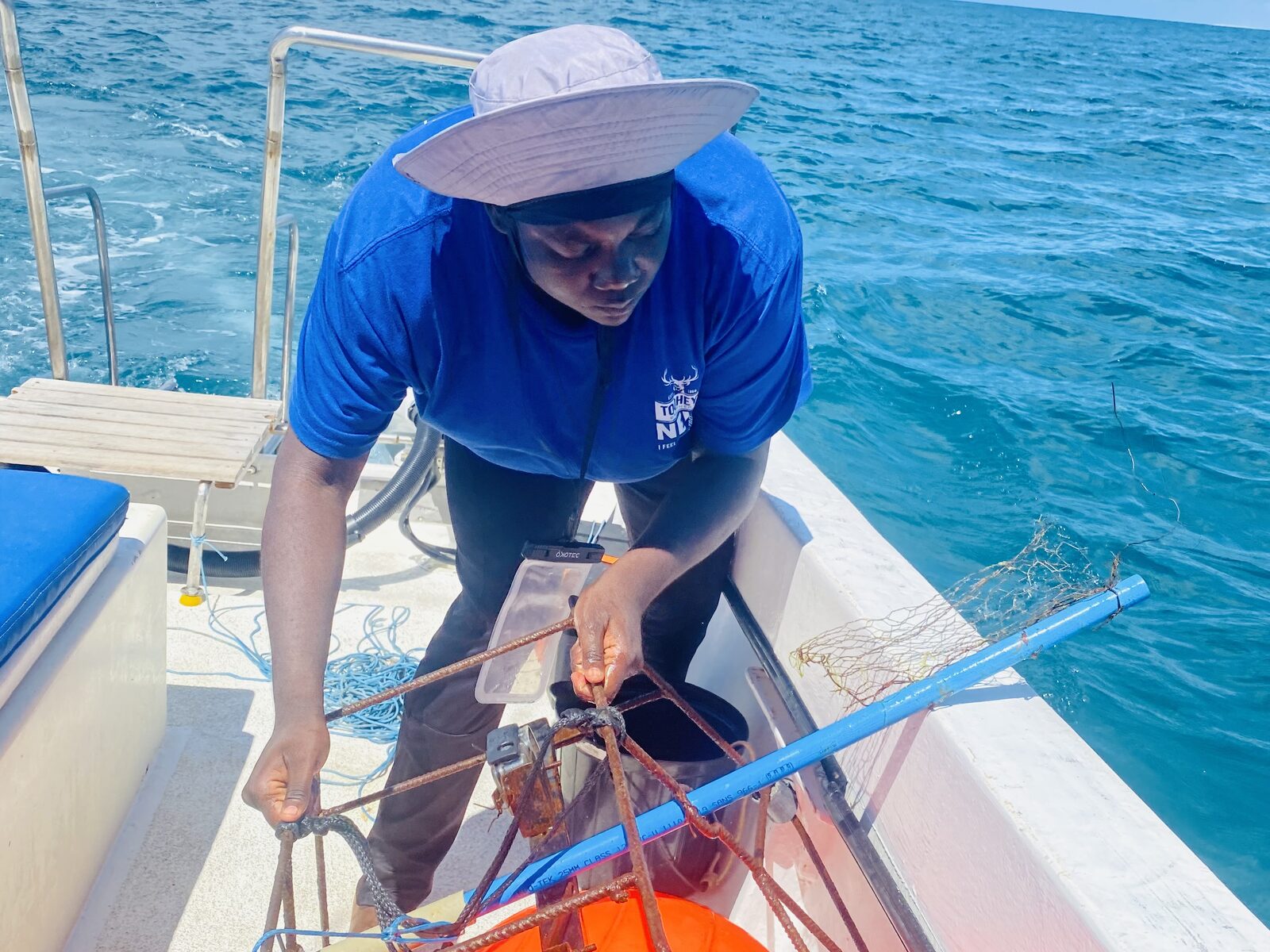
The fellows are trained in the methods our scientists use every day. With BRUVs, they deploy the camera rigs and then identify the fish, sharks, and rays recorded on the footage. In our long-term photo-identification databases, they match individual manta rays, leopard sharks, whale sharks, and potato groupers, using matching software such as MantaMatcher (opens in a new tab) and Sharkbook.ai (opens in a new tab). They also learn to service the acoustic receivers that detect tagged sharks and rays along the coast, and take courses in data analysis and geographic information systems (GIS).
Fellows pursue their own research as well. Fellows have published scientific work of their own, and recent fellows have co-authored manuscripts from our five-year reef fish monitoring dataset.
Whale shark research
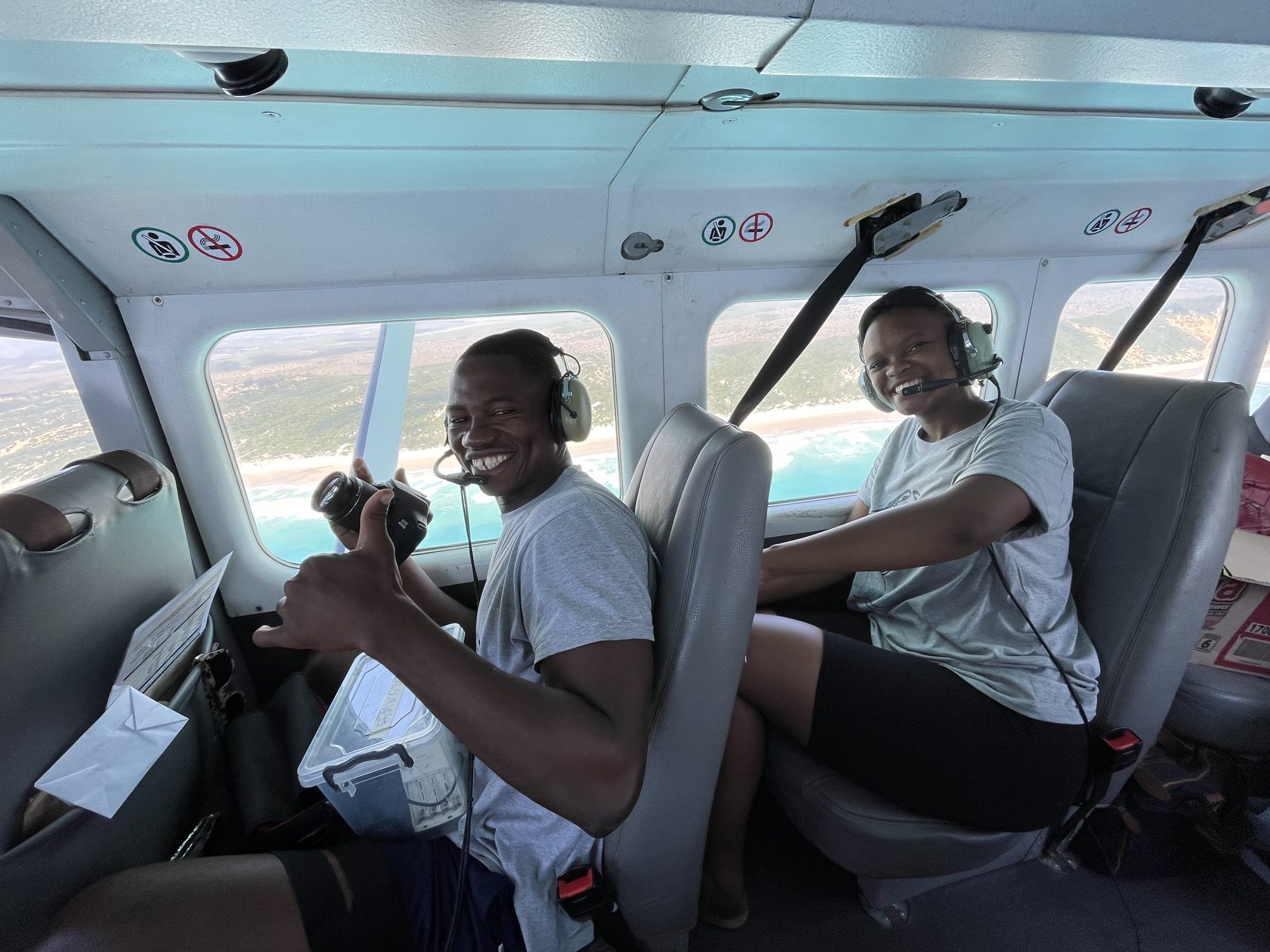
Fellows also take part in our whale shark conservation work along the Inhambane coast. They join our aerial surveys as observers, recording whale sharks, gillnets, and other fishing activity from the air. This year, one of the 2026 fellows, Emmyllen Burine, has also begun learning to fly the drone we use for coastal surveys, introduced our whale shark project at a community fisheries council meeting, and carried out fisher interviews in Xitswa, the language spoken locally.
Science in the community
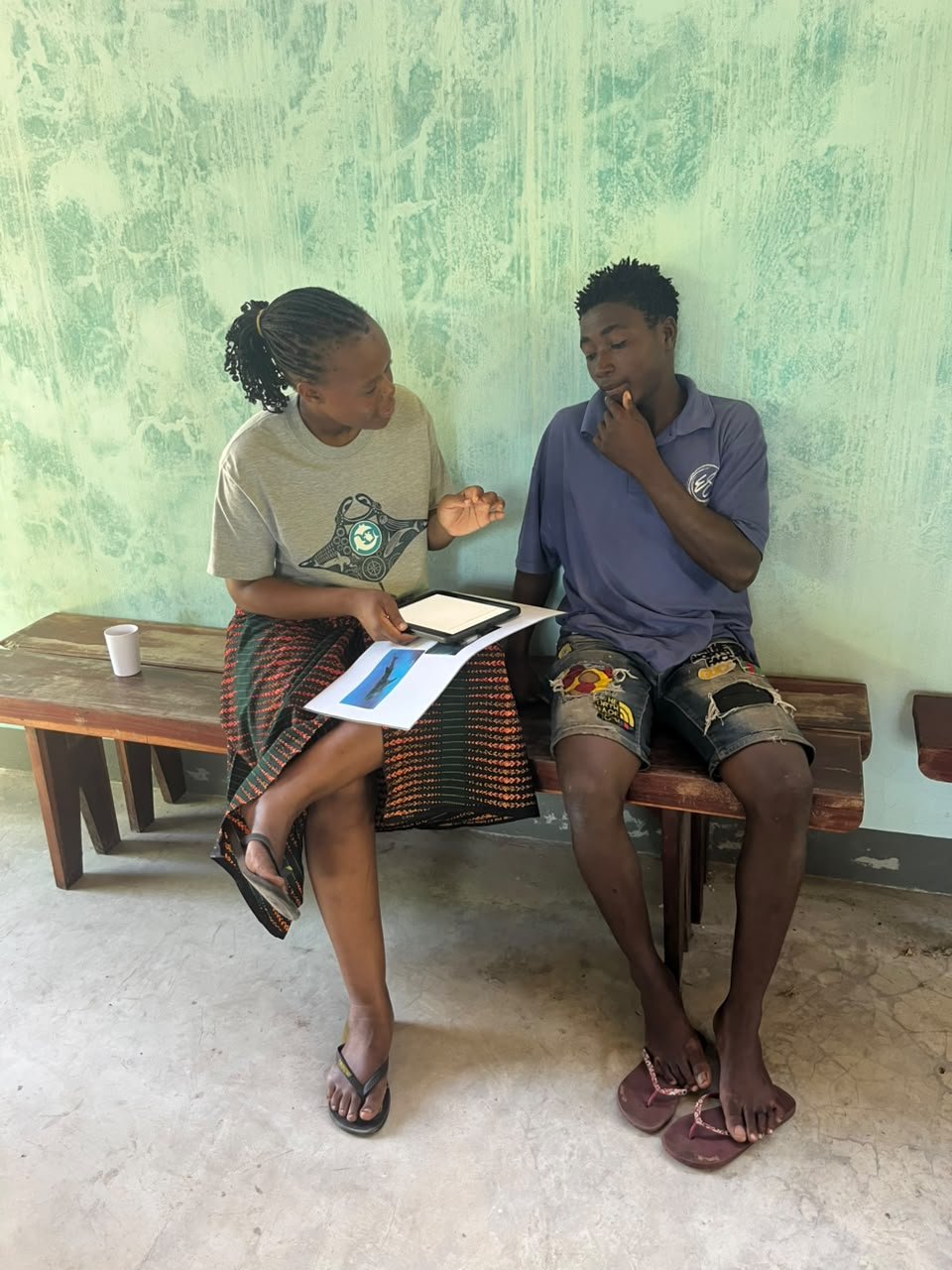
We want young Mozambican scientists to connect their research with the communities where conservation happens. Fellows help write and teach lessons for our Ocean Guardians program in schools and for its Coral Reef Club, on topics from marine pollution to whale shark conservation and the species protected under Mozambique’s fisheries regulations, and join the community presentations of the Ocean Ambassadors in our Sustainable Seas program. They also represent MMF at community events such as the Dugong Festival in Inhassoro and World Oceans Day, and have written a simplified fish identification guide for the coastal police.
Careers after the fellowship
The fellowship is designed as the first step in a career in marine science. All seven scientists trained in the program’s first seven years found employment, and two of our current staff began as fellows. Simão Sande is now our Reef Monitoring Program Manager, and Nilza de Catarina, a fellow in 2018, is our Research Manager in Mozambique and was a Mandela Washington Fellow in the United States in 2024. Another former fellow went on to a master’s degree in the United Kingdom.
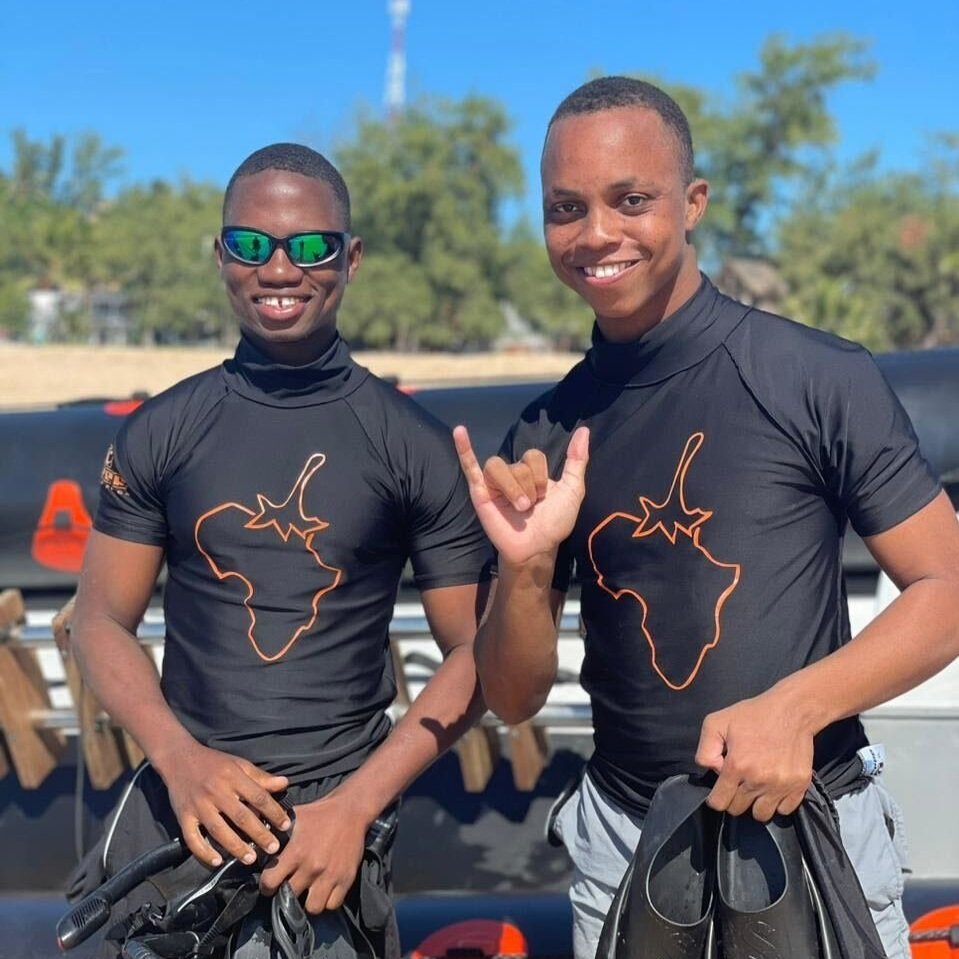
MMF Project Team
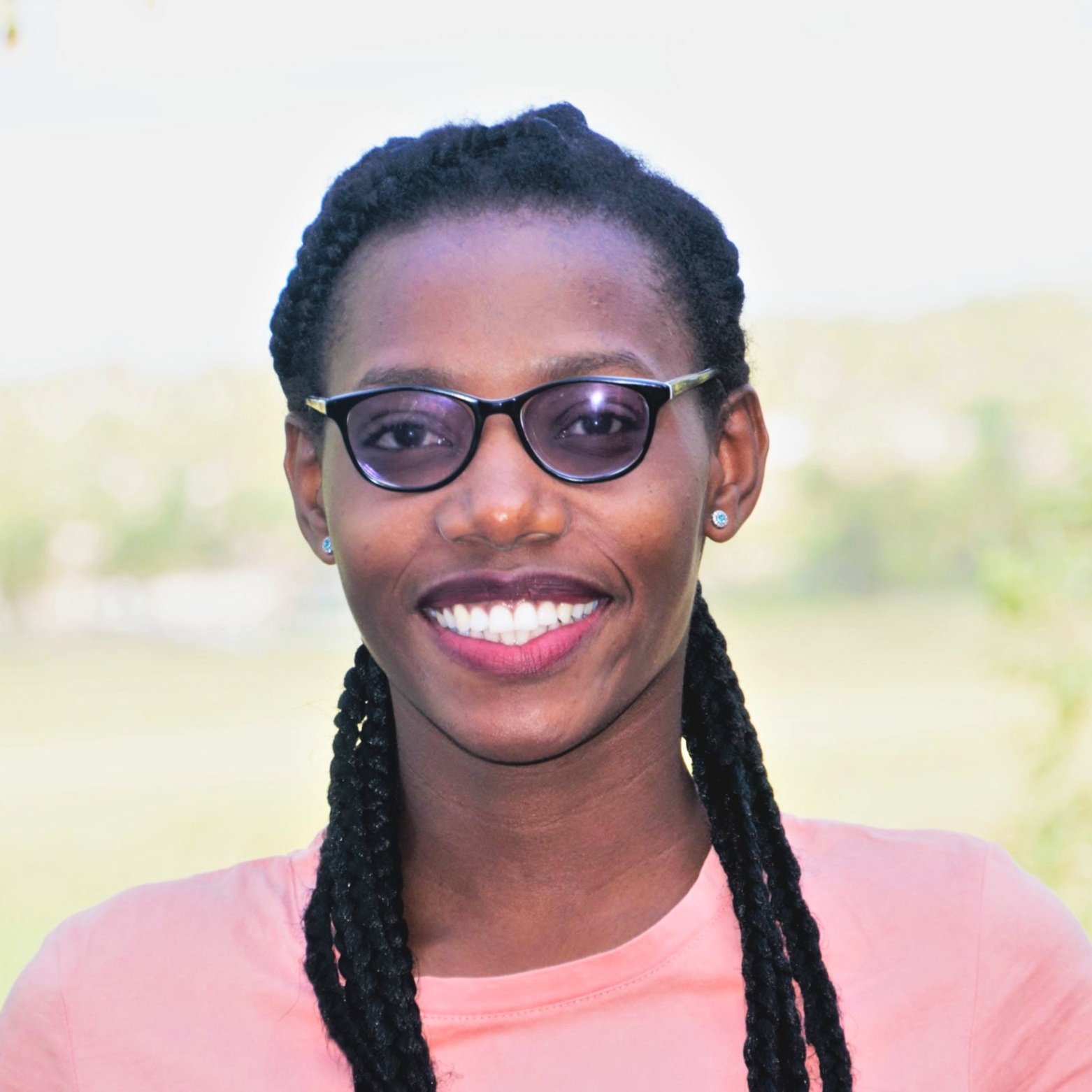 Nilza de Catarina
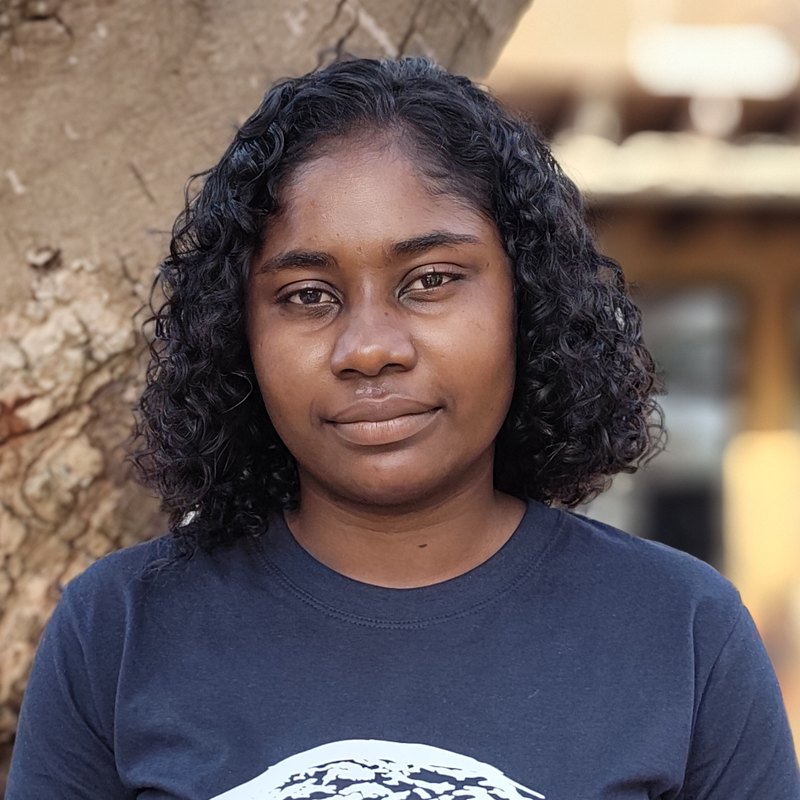 Yathima Oraibo Abdul
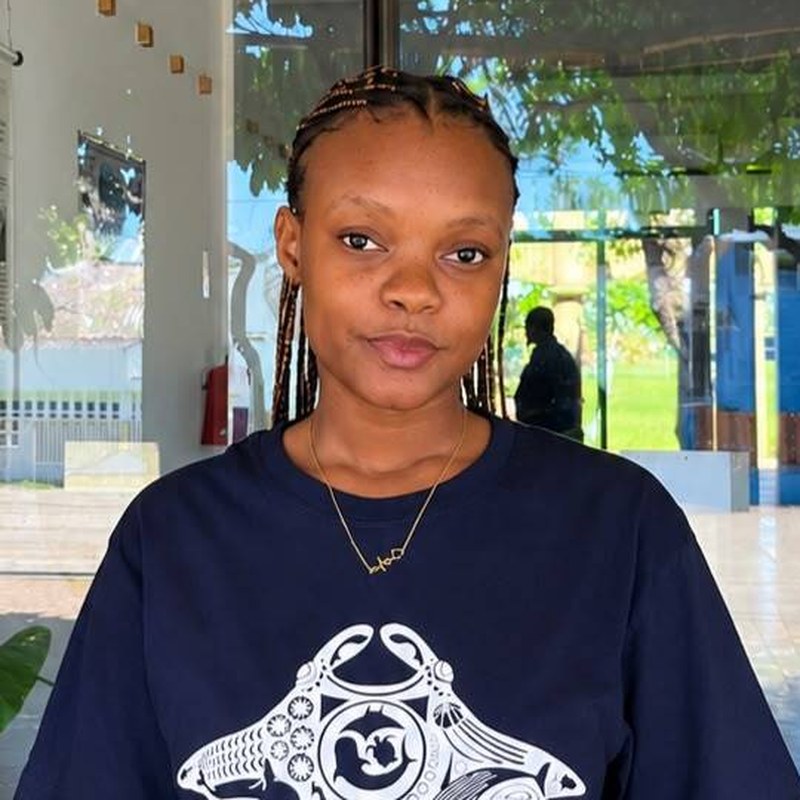 Emmyllen Burine
Supporters & Partners


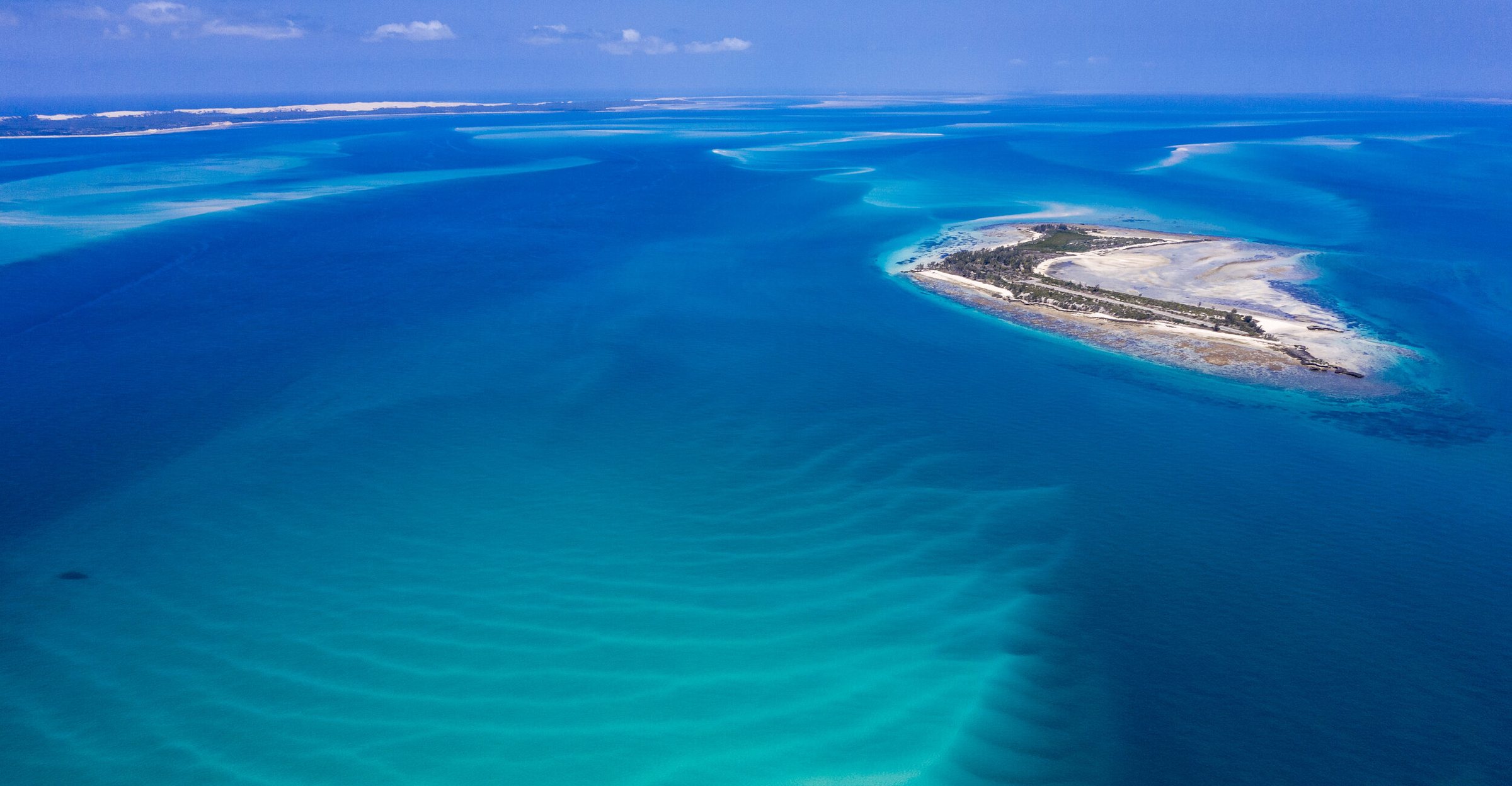 Bazaruto Seascape Marine Research
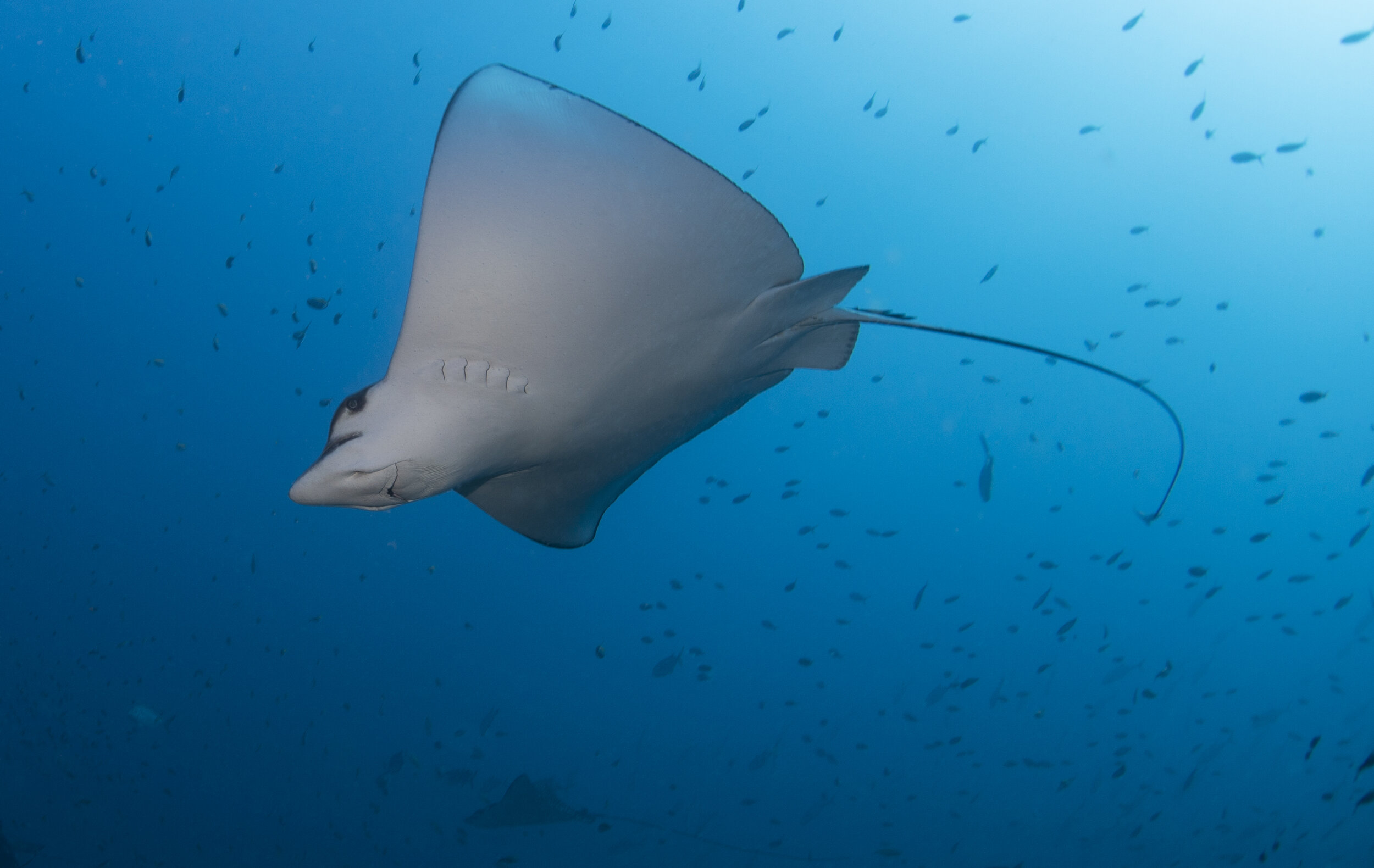 Mozambique Elasmobranch Diversity Research Project
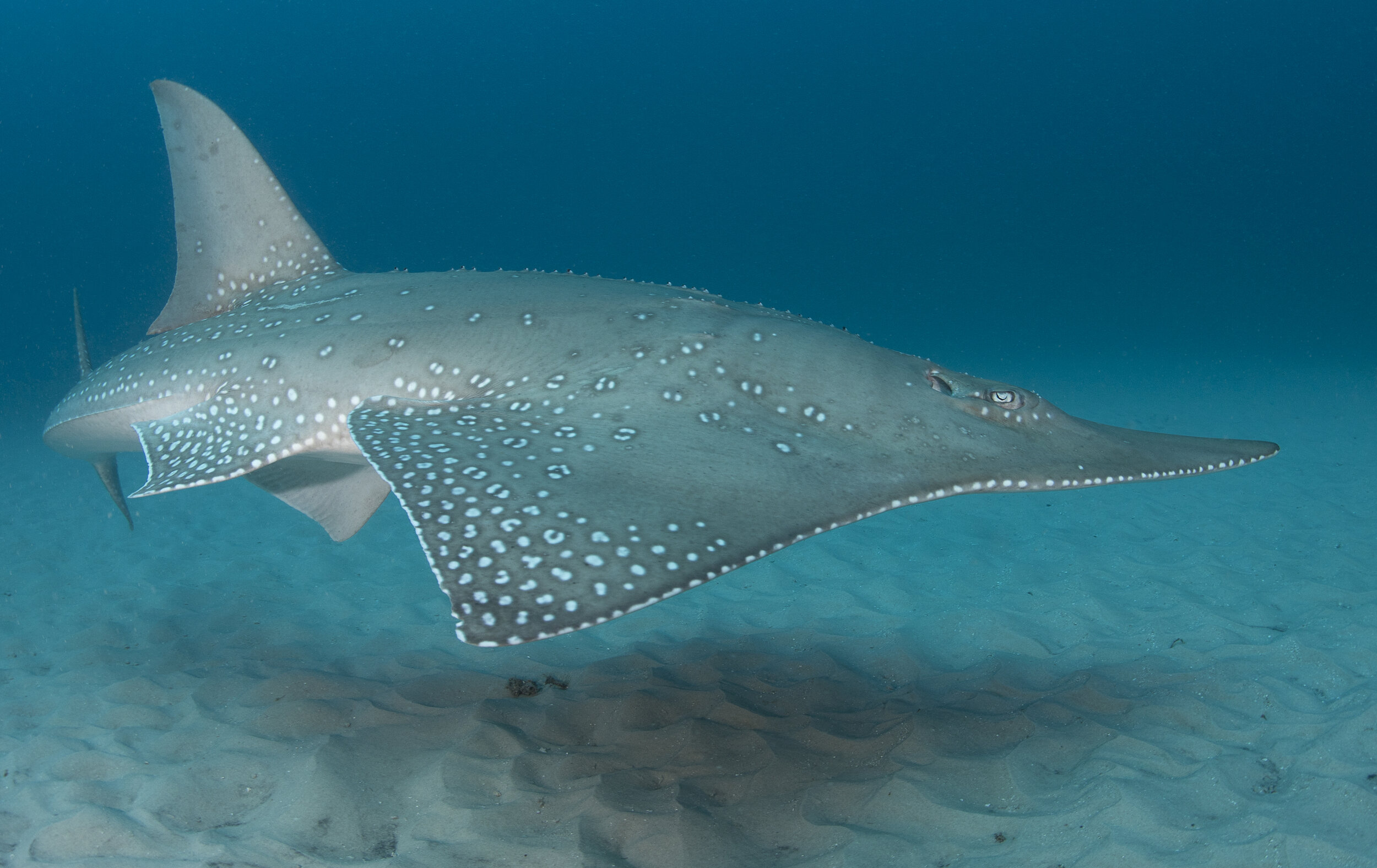 Inhassoro Wedgefish Project
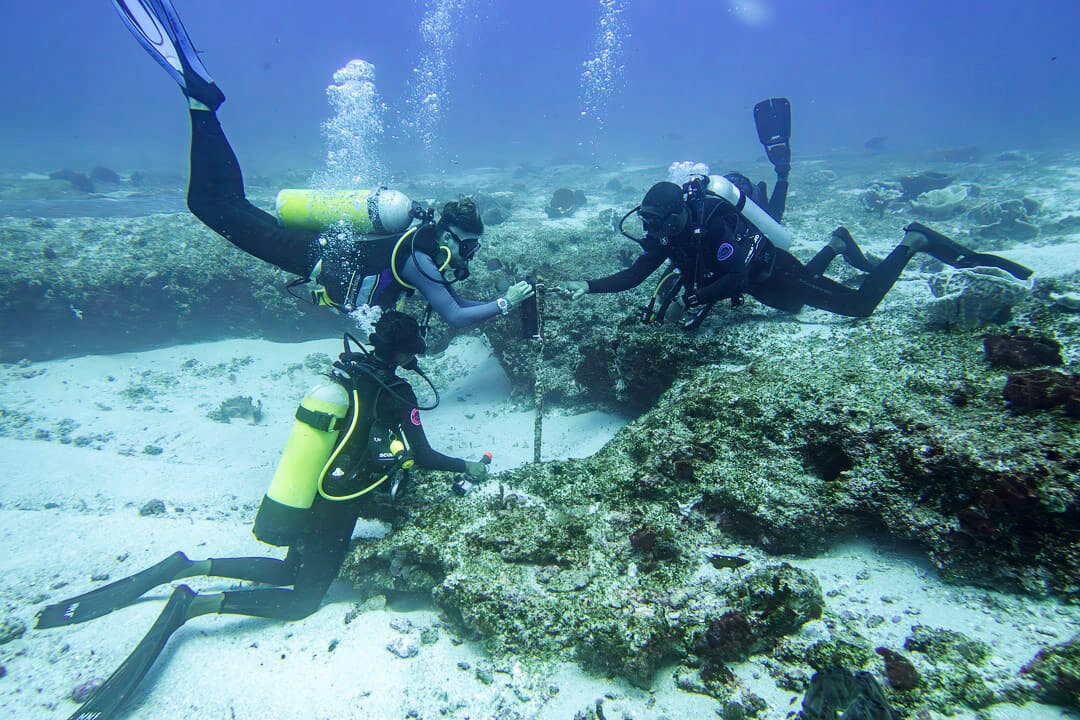 Mozambique Acoustic Telemetry Network