
Mozambique · Since 2010
Mozambique Acoustic Telemetry Network
Underwater listening stations along 400 kilometers of Mozambique's coast follow tagged sharks and rays as they move, and show which places matter most for their protection.
Many of the sharks and rays we study travel far beyond a single reef. MMF’s acoustic tracking work on Mozambique’s Inhambane coast began in 2010, and the network of underwater listening stations has grown since.
The receivers stretch from Závora in the south to the northern end of Bazaruto Island, and are most concentrated in and around the Bazaruto Archipelago National Park and the neighboring Santuário Bravio de Vilanculos. The network is shared by MMF, South Africa’s Oceanographic Research Institute, and Oceans Without Borders, and we share tracking data with South Africa’s Acoustic Tracking Array Platform, so an animal tagged in one country can be detected in the other.
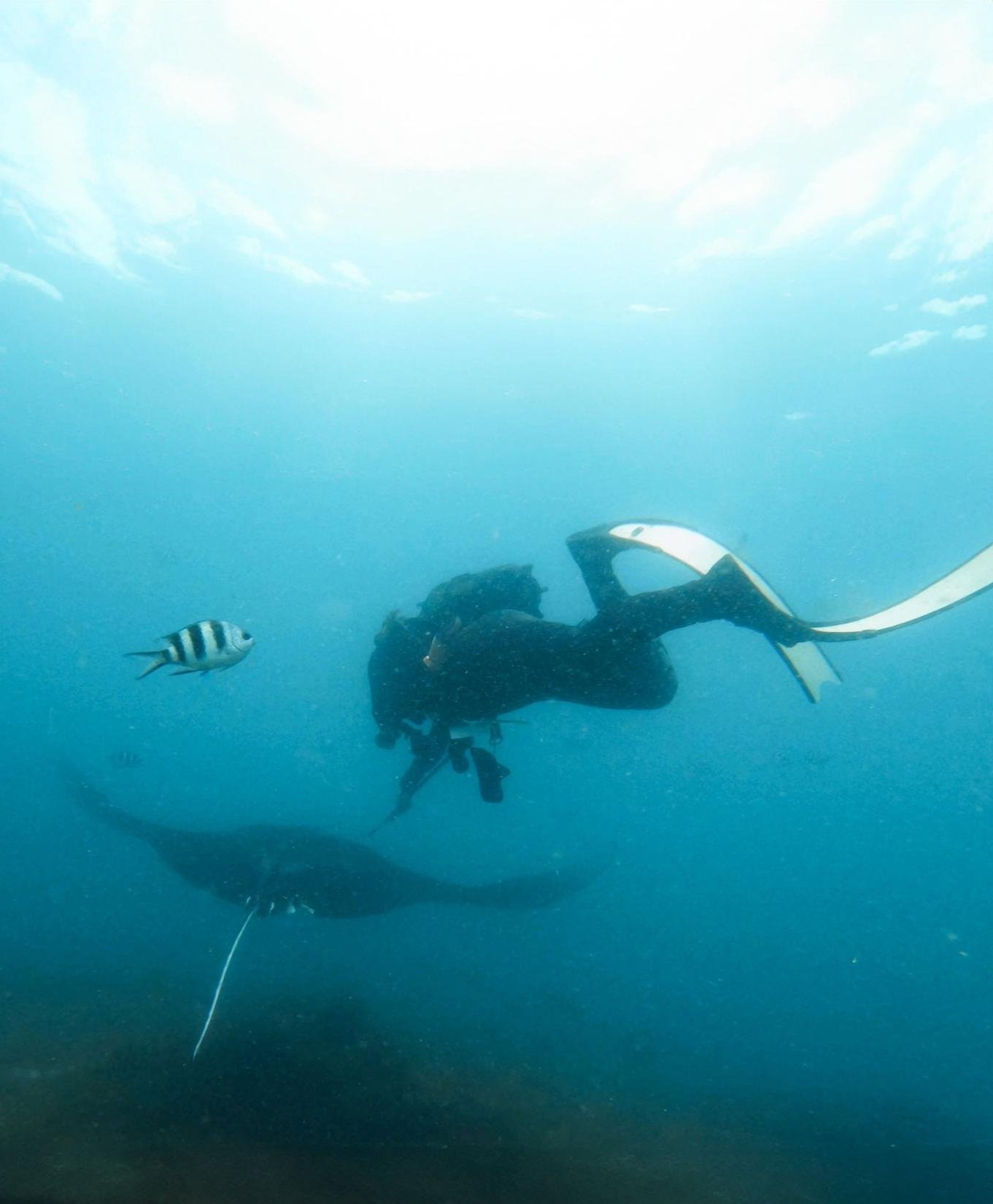
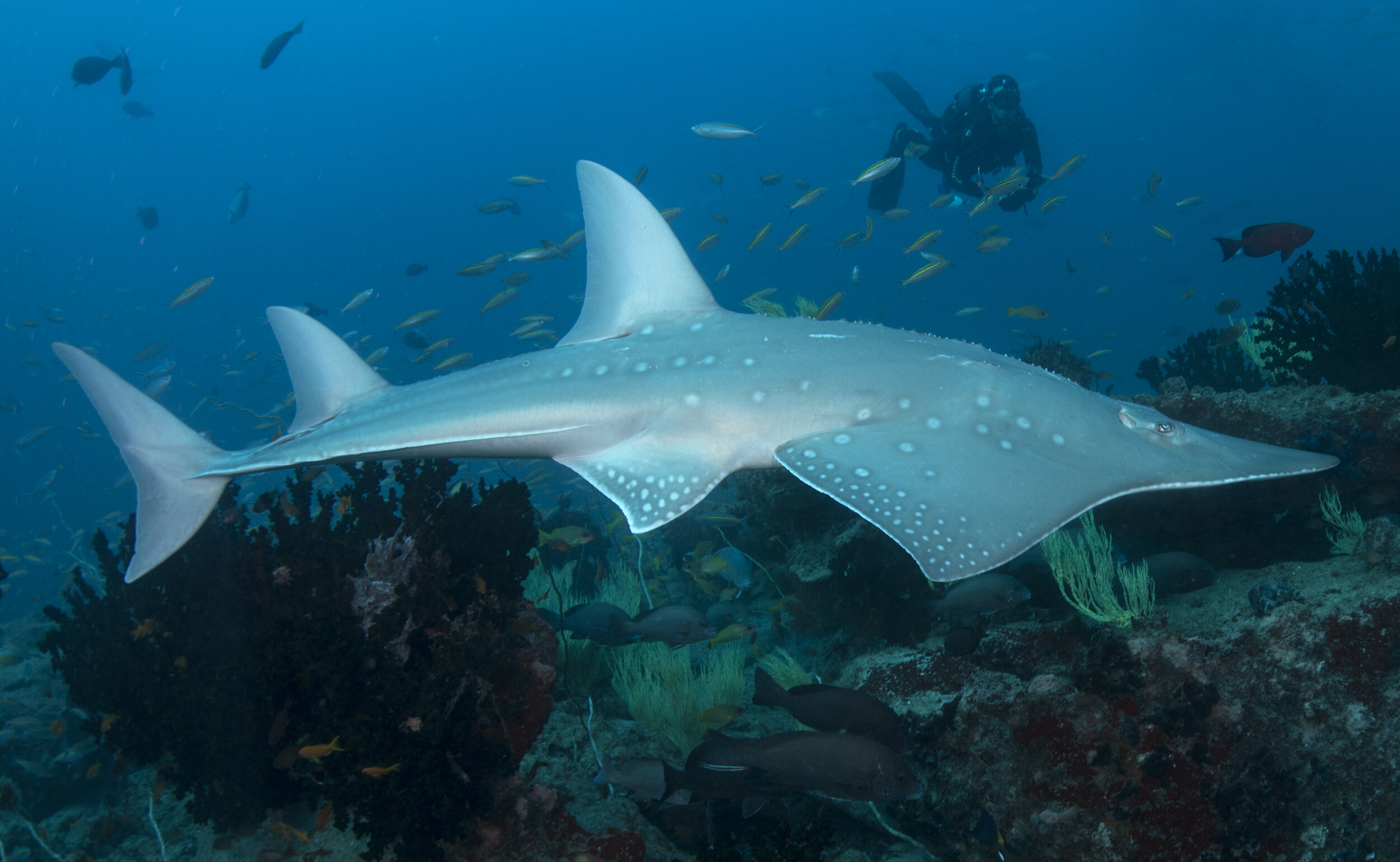
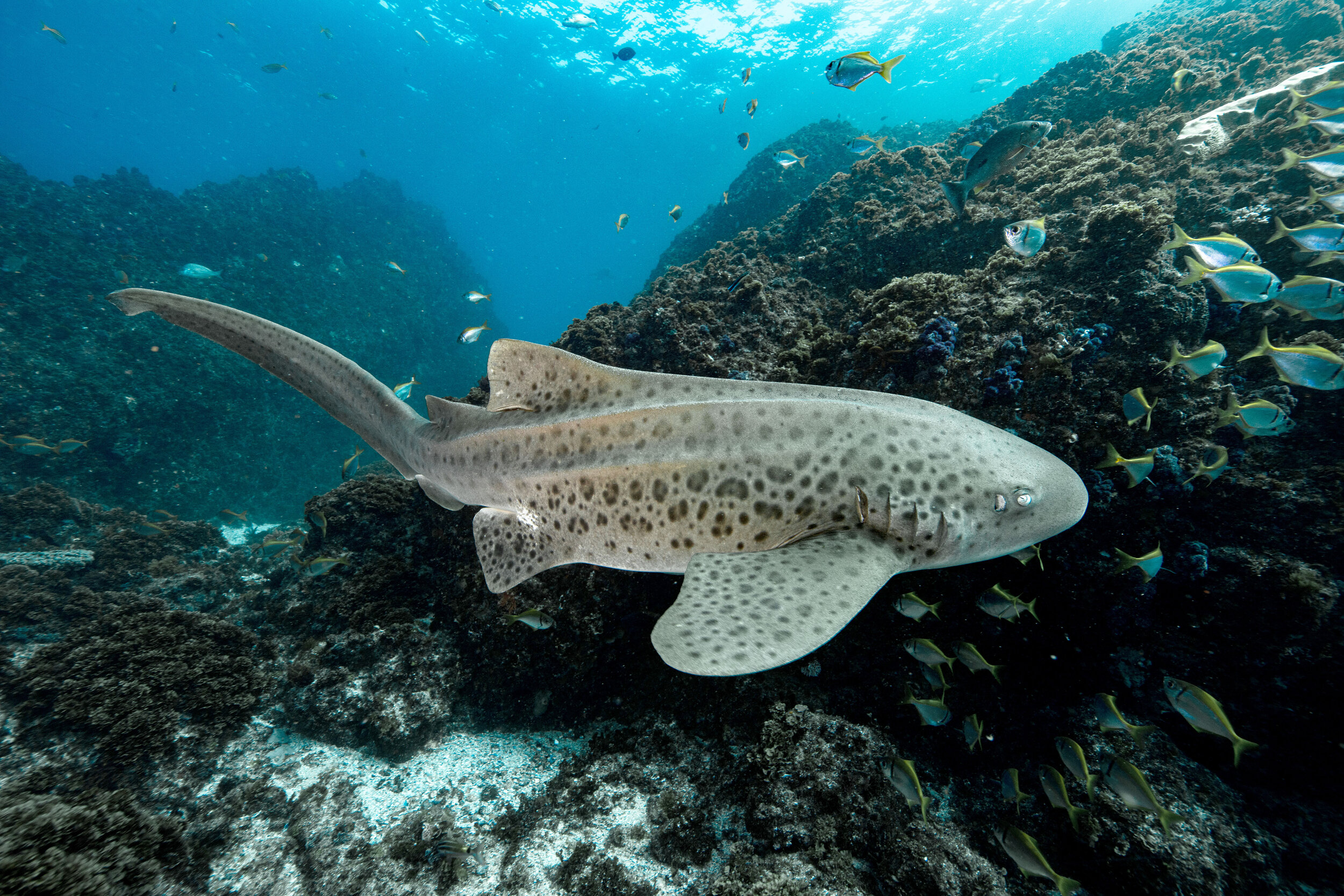
Reef manta rays, bull sharks, bottlenose wedgefish, bowmouth guitarfish, smalleye stingrays, and leopard sharks all carry acoustic tags that the network can hear, as do tiger, blacktip, and gray reef sharks tagged by our partners.
What we've done
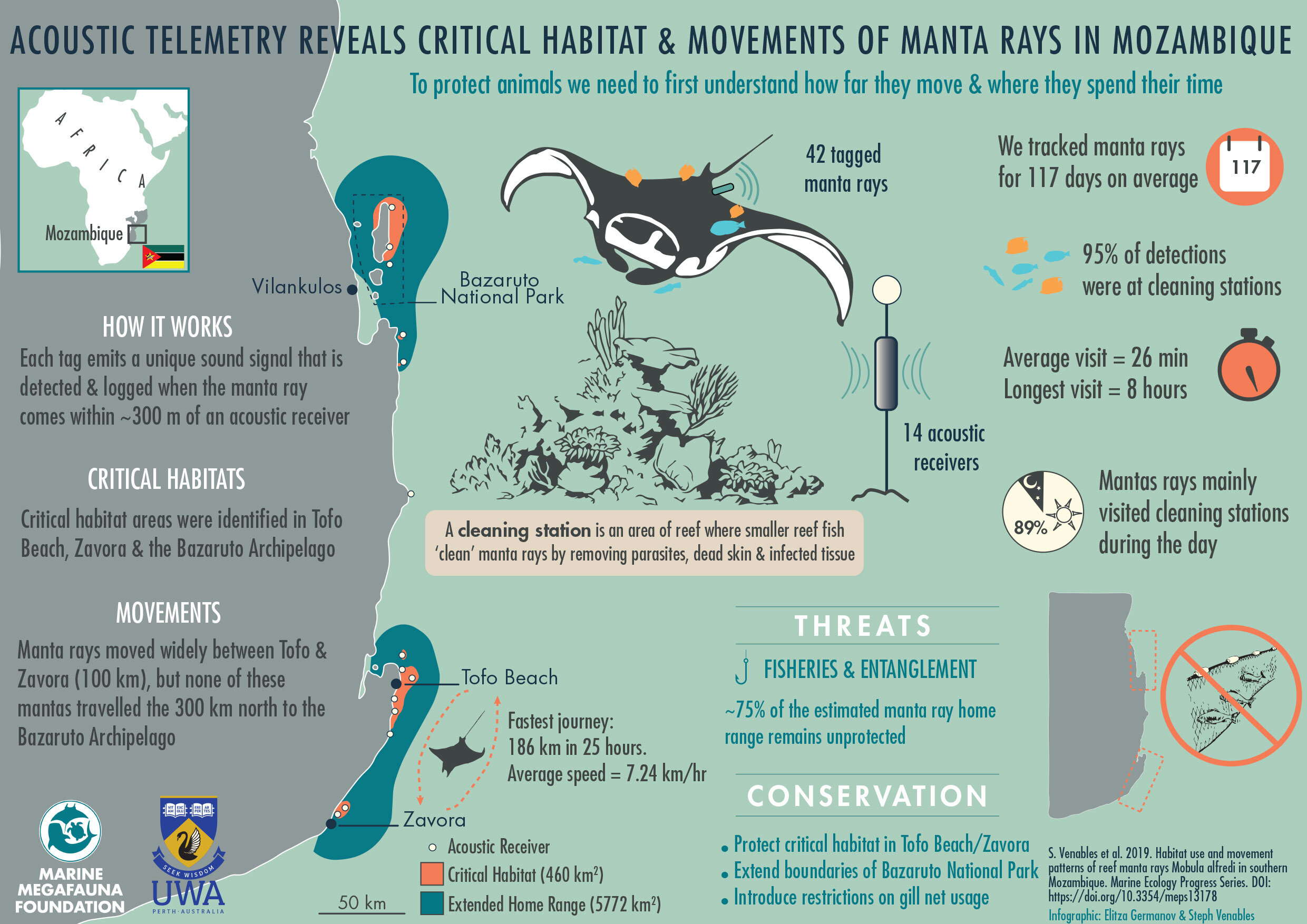
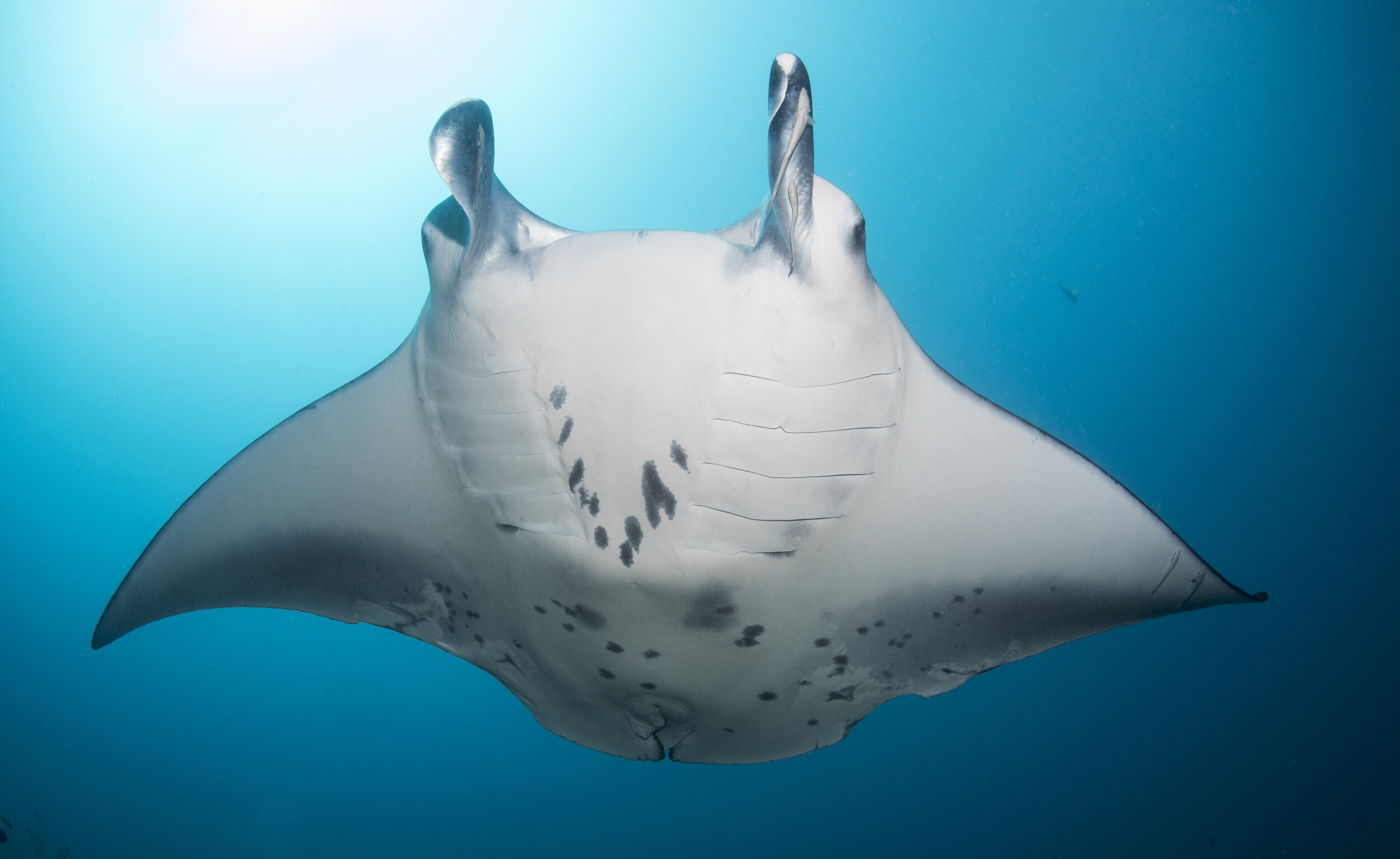
- Tracked 42 acoustic tags on reef manta rays between 2010 and 2014: they visit cleaning stations mainly by day, a quarter moved between Tofo and Závora, and the national park covered only about a quarter of their estimated range.
- Followed 48 reef manta rays tagged between 2022 and 2024, in a study led by MMF’s Dr. Nakia Cullain: about 30% crossed into South Africa, and Závora proved the key corridor along the coast.
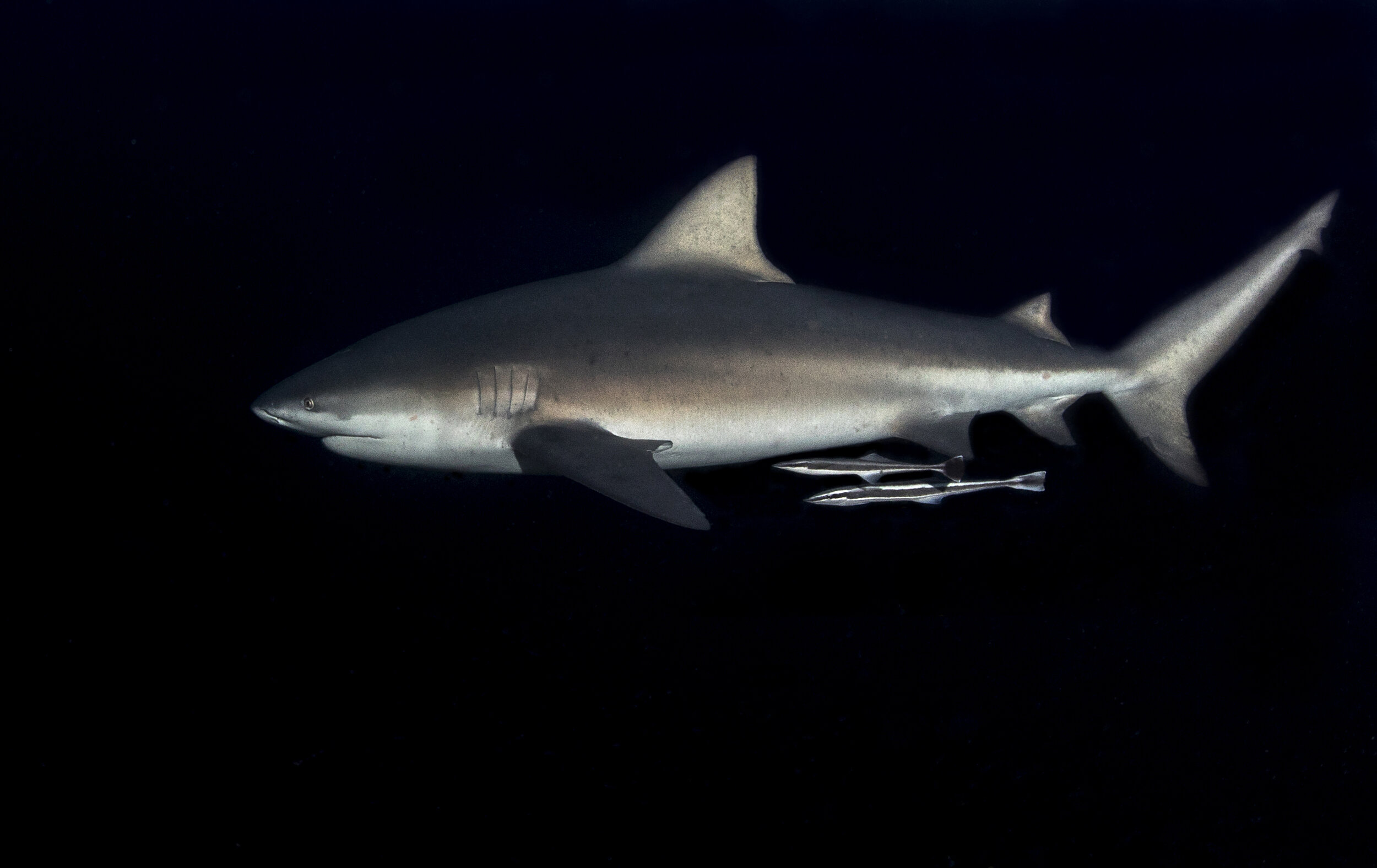
- Contributed to a study led by ORI’s Dr. Ryan Daly showing that most tracked bull, blacktip, and tiger sharks move back and forth between South Africa and Mozambique.
- Showed, in a study led by MMF’s Dr. Stephanie Venables, that adult bull sharks use the Bazaruto Seascape year-round, with about 82% of their core habitat inside protected areas.
What's next
- Publish the tracking results for bottlenose wedgefish, bowmouth guitarfish, smalleye stingrays, and leopard sharks; they will be added here once they are out.
- Contribute bowmouth guitarfish data to Shark Ray 360, a collaborative study involving Shedd Aquarium and Georgia Aquarium.
- Replace aging receivers and keep up the yearly battery changes and data downloads.
Keep the receivers listening
Some receivers are more than ten years old and starting to fail. Your gift helps replace them and keeps the tracking studies running.
How the network works
Projects that use the network
The receivers serve several of our species and site projects in Mozambique, each with its own page:
- Mozambique manta and devil rays
- African manta rays, shared with South Africa
- Rhino rays: bottlenose wedgefish and bowmouth guitarfish
- Smalleye stingrays
- Leopard sharks
- Bull sharks (completed)
- Bazaruto Seascape marine conservation
- Závora marine conservation
How acoustic tracking works
Each acoustic tag sends out an underwater sound signal that identifies the animal carrying it. Receivers anchored on the seabed log the signal, with the date and time, when a tagged animal swims within range, usually a few hundred meters depending on conditions. When we retrieve a receiver and download its data, we can see which tagged animals visited that site and estimate how long they stayed nearby. The receivers record visits to monitored sites; they do not follow animals continuously.
Manta rays across borders
In the first study, MMF’s Dr. Stephanie Venables and colleagues found that reef manta rays rely on a few cleaning-station reefs, mostly outside protected areas, and recommended new protection at Tofo and Závora. A decade later, a team led by MMF’s Dr. Nakia Cullain followed manta rays tagged at Závora and in South Africa’s iSimangaliso Wetland Park. Of the 46 rays with enough data, 14 crossed the border; the longest recorded one-way trip was about 950 kilometers (590 miles), and one ray made a round trip of about 1,100 kilometers (680 miles) in just over a month. Of the rays detected in Mozambique, 90% were recorded outside marine protected areas.
Sharks on the move
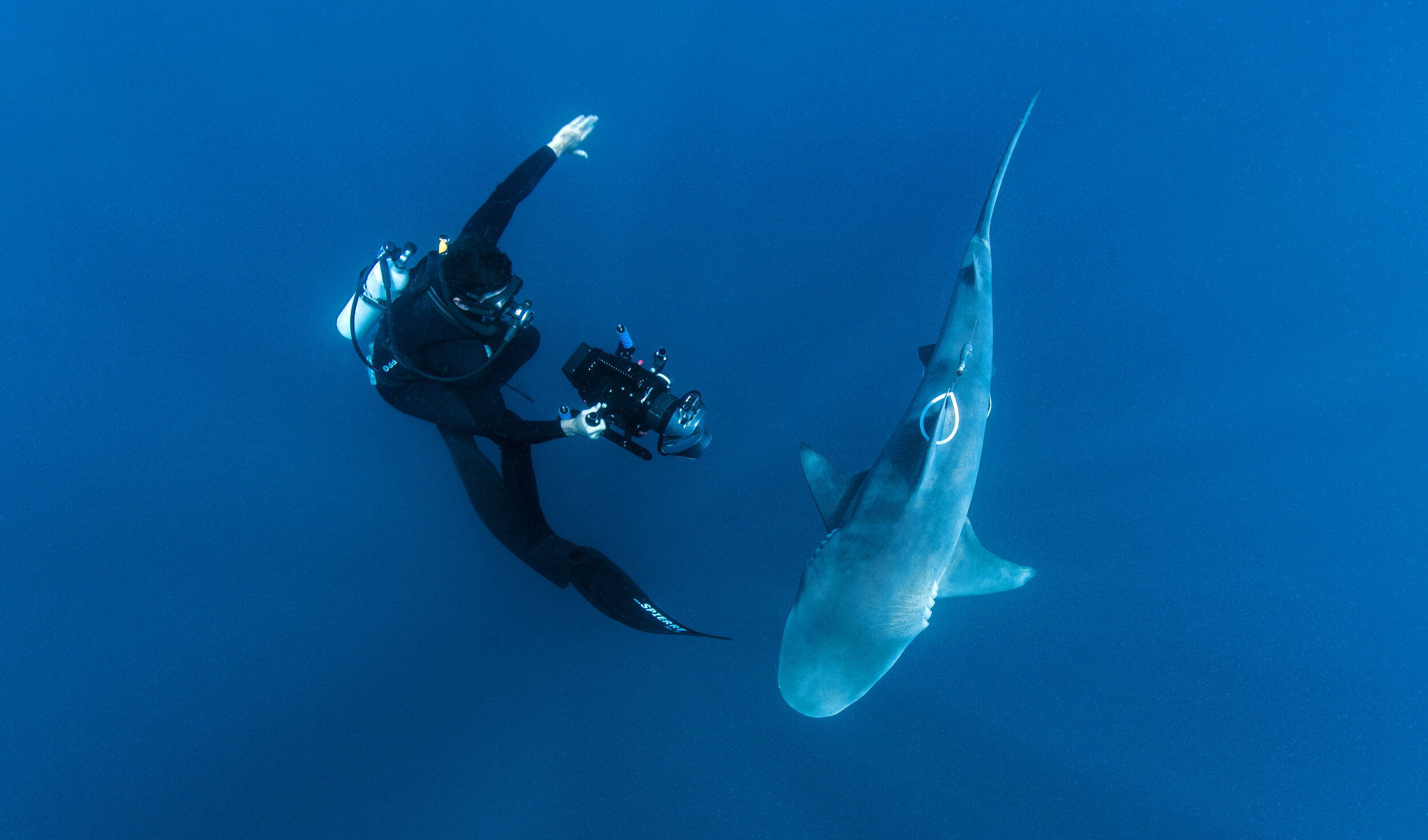
A study led by Dr. Ryan Daly of ORI, with MMF’s Dr. Stephanie Venables, tracked bull, blacktip, tiger, and gray reef sharks between 2018 and 2021. Of the 74 sharks with enough data, 63% of the bull sharks, 87% of the blacktips, and 94% of the tiger sharks crossed between South Africa and Mozambique, some migrating between 980 and 2,256 kilometers (610 and 1,400 miles). At Bazaruto, one female bull shark crossed the Mozambique Channel to Madagascar and back, a round trip of at least 1,730 kilometers (1,070 miles). Another bull shark detected at Bazaruto later rounded southern Africa and was caught off Nigeria, more than 7,290 kilometers (4,530 miles) away, the longest journey recorded for the species. (Photo: Uli Kunz.)
Keeping the receivers listening
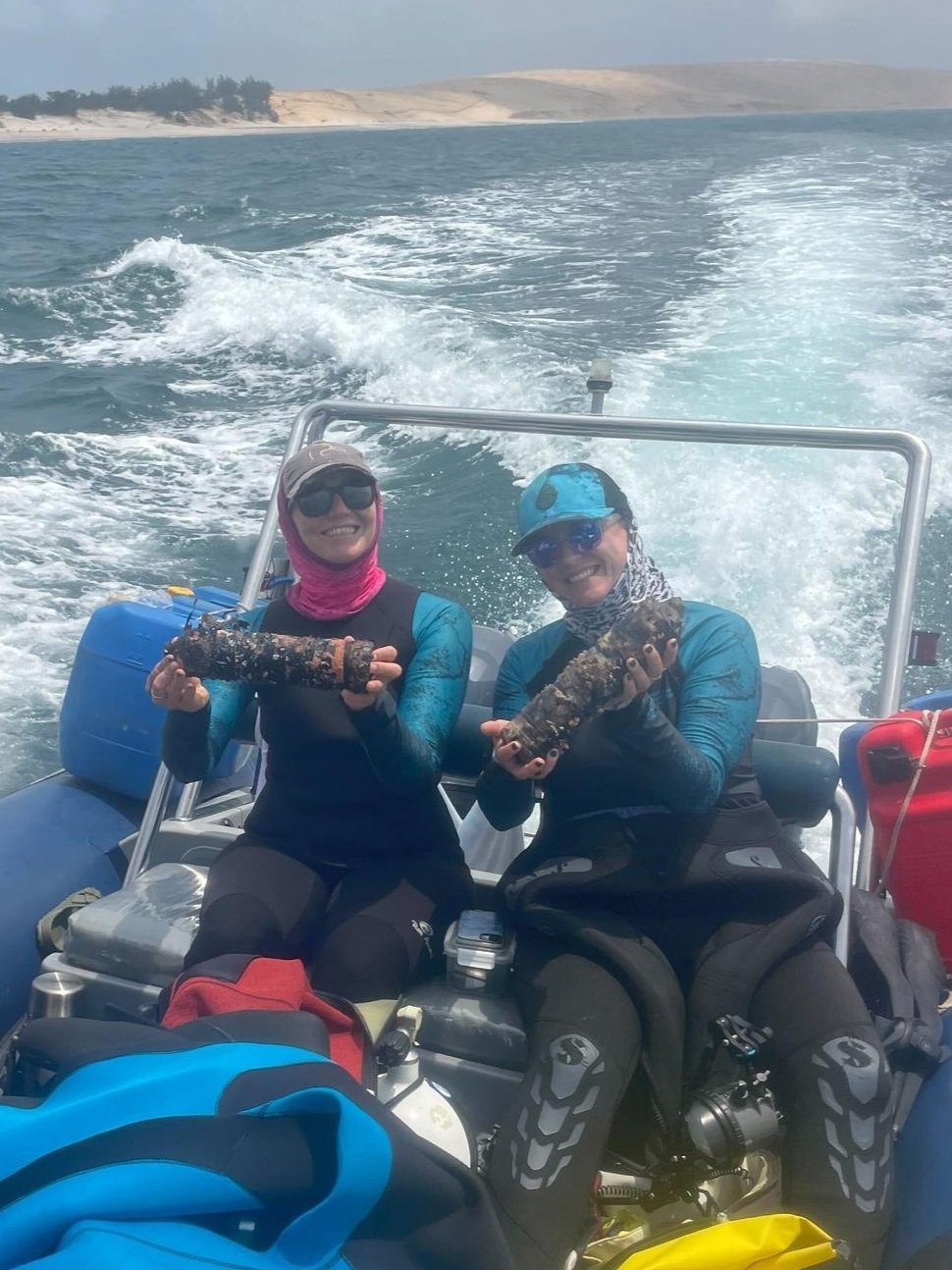
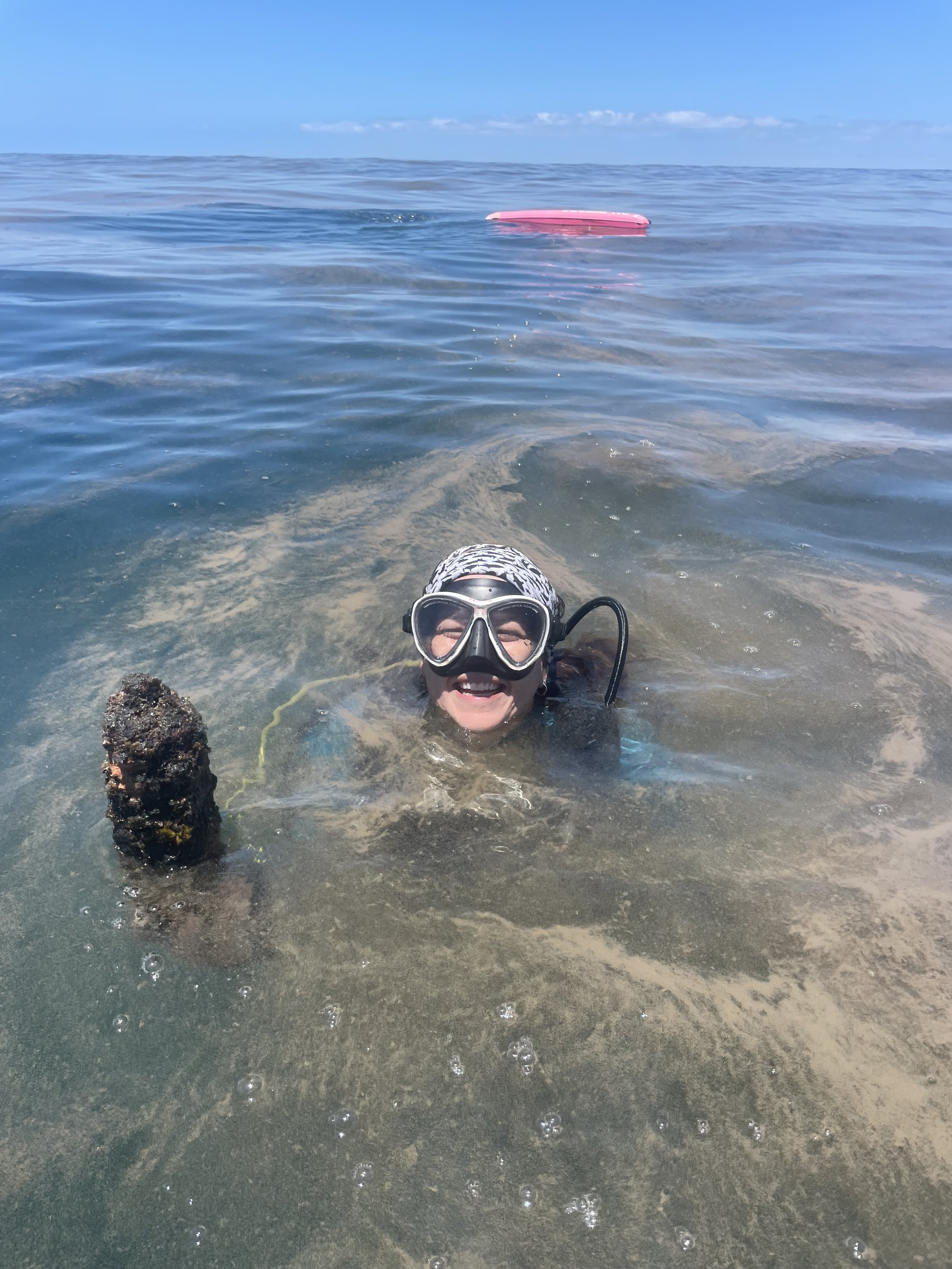
The team changes each receiver’s battery and downloads its data about once a year, often on dives of 18 to 35 meters (60 to 115 feet). Marine growth builds up on the equipment, and storms and floods have damaged some receivers. Some are more than ten years old and starting to fail, so replacing them is a priority. MMF’s Dr. Nakia Cullain and Dr. Clare Prebble jointly lead this project: Nakia oversees the network and its tracking data, and Clare manages receiver maintenance in Bazaruto Archipelago National Park and at San Sebastián.
MMF Project Team
 Dr. Nakia Cullain
 Dr. Clare Prebble
 Dr. Stephanie Venables
 Nilza de Catarina
 Dr. Chris Rohner
Collaborators and Partners






Recent research
- 2026Acoustic telemetry reveals cross-border movements and conservation opportunities for reef manta rays Mobula alfredi in southern Africa
- Habitat use, residency, and connectivity of bull sharks (Carcharhinus leucas) in the Bazaruto Seascape, Mozambique
- 2025Breaking barriers: Transoceanic movement by a bull shark
- 2023Persistent transboundary movements of threatened sharks highlight the importance of cooperative management for effective conservation
- 2020Habitat use and movement patterns of reef manta rays Mobula alfredi in southern Mozambique
 Mozambique Manta & Devil Ray Research Project
 Mozambique Bull Shark Research Project
 Mozambique Rhino Rays Research Project
 Mozambique Leopard Shark Research Project