Where we work · Since 2012
Tanzania
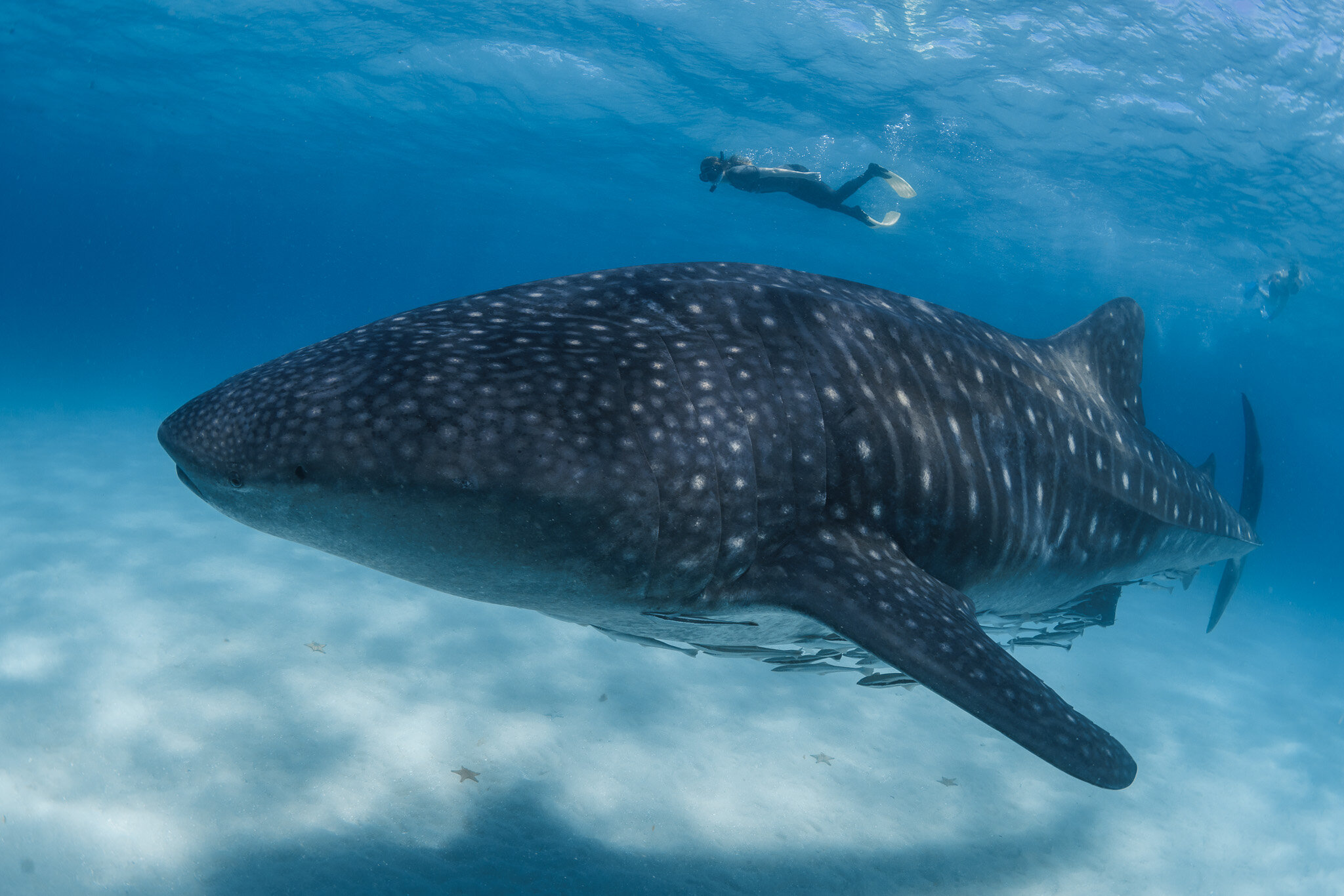
Off Mafia Island, the same whale sharks return to feed year after year, and we have monitored them since 2012 to understand and protect them.
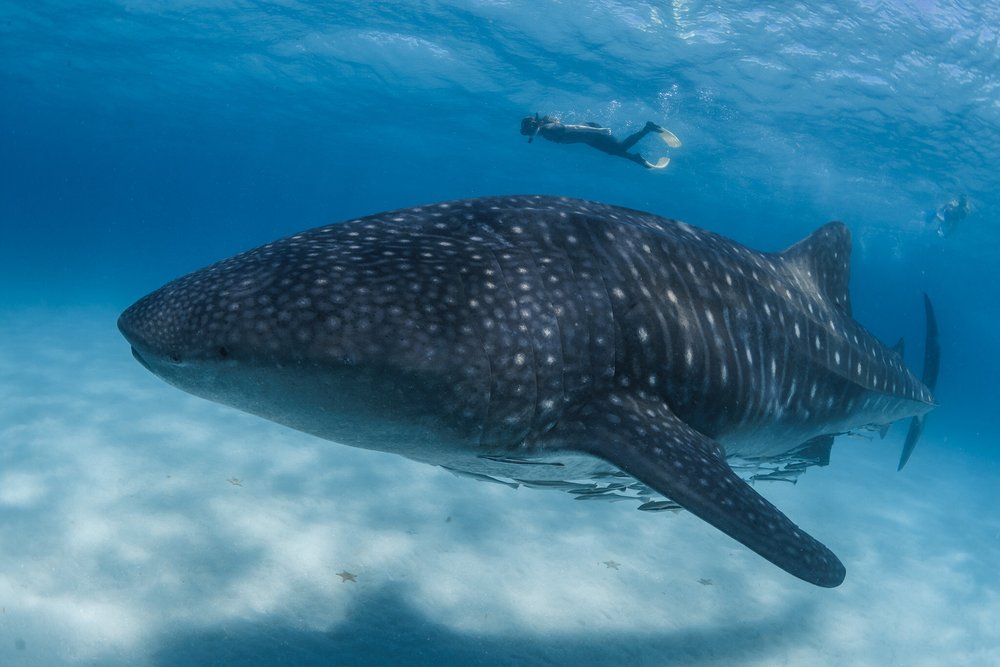
We have studied the whale sharks (Rhincodon typus) of Mafia Island, off the Rufiji River Delta in southern Tanzania, since 2012. The sharks here show unusually strong fidelity to a small stretch of coast, and more than a decade of surveys has identified 268 individuals and shown the population to be stable, a rare finding for this Endangered species. Read more about our Tanzania Whale Shark Project.
We began the work with WWF Tanzania, the Tanzania Fisheries Research Institute (TAFIRI), and King Abdullah University of Science and Technology (KAUST), working closely with local ecotourism operators and the Mafia District Council. Our research helped secure legal protection for whale sharks in Tanzania and establish Mafia Island as an IUCN Important Shark and Ray Area.
In December 2024 we added a second project with Thanda Island, monitoring young blacktip reef sharks (Carcharhinus melanopterus) in the Shungimbili Island Marine Reserve to test whether it functions as a nursery. Read more about our Tanzania Blacktip Reef Shark Project.
Our projects in Tanzania
Tanzania Blacktip Reef Shark Project
Testing whether a no-take reserve off Mafia Island, Tanzania, is a nursery for young blacktip reef sharks.
Led by Dr. Chris RohnerAbout the project →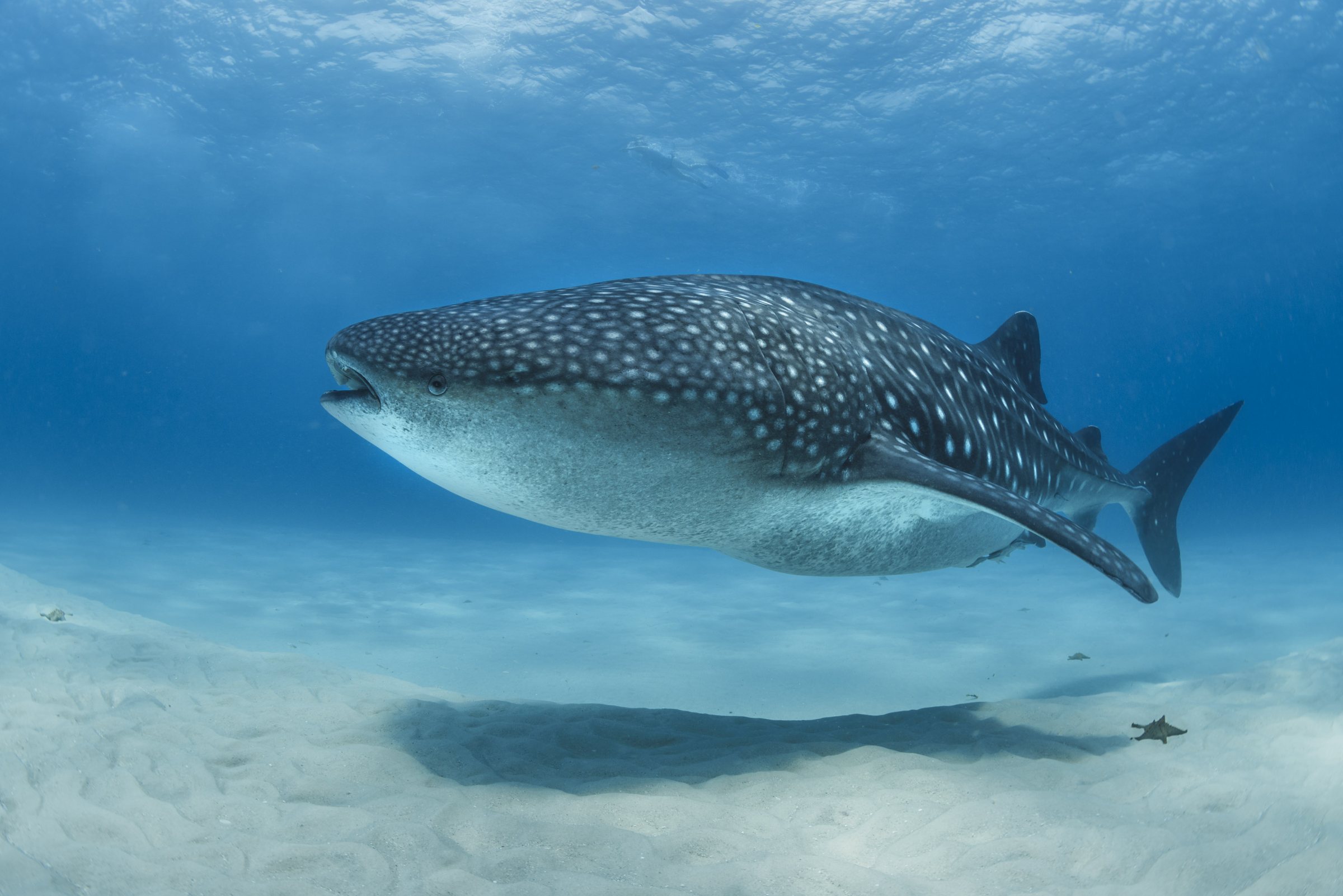
Tanzania Whale Shark Project
The whale sharks off Mafia Island return to the same small stretch of coast year after year, and we have monitored them since 2012 to understand and protect them.
268 individual whale sharks identified at Mafia IslandLed by Dr. Chris RohnerAbout the project →What we work on
Whale shark tours bring millions of dollars a year to Mafia Island; however, crowding is increasing. We support the local tour operator network in upholding the code of conduct and keeping tours safe for the sharks.
A valuable fishery operates in the same waters where the whale sharks feed. We monitor scars and injuries from boat strikes and nets, and work with local stakeholders to reduce the impacts of fishing and tourist boats.
More than a decade of surveys, acoustic and satellite tagging, and photo-identification shows a small, stable population that is connected to whale sharks in the Seychelles and Mozambique.
Blacktip reef sharks are listed as Vulnerable and their global population is decreasing. We are testing whether a no-take reserve off Mafia Island functions as a nursery for their young.