Mafia Island · Whale Sharks
MMF’s Decades-Long Research Pivotal in Establishing New IUCN Important Shark and Ray Areas
The Marine Megafauna Foundation (MMF) takes immense pride in its significant contribution to the designation of new Important Shark and Ray Areas (ISRAs) by the International Union for Conservation of Nature (IUCN) (opens in a new tab).
MMF’s dedicated research across Mozambique, Tanzania, Madagascar, Qatar, Oman, and Mayotte has been instrumental in identifying these key habitats in the Western Indian Ocean. Recognized as crucial for showcasing biodiversity hotspots for various shark, ray, and chimaera species, these ISRAs are pivotal tools in guiding the development and implementation of area-based conservation strategies – including Marine Protected Areas (MPAs) – marking a major step forward in marine conservation research.
MMF’s Research Creating Conservation Tools
MMF’s research has been instrumental in the designation of four ISRAs along the Mozambican coastline: namely the Greater Bazaruto area, Pomene, Southern Inhambane Province (Tofo and Závora), and a substantial southern Mozambique movement corridor.
Dr. Andrea Marshall, co-founder of MMF, shares her enthusiasm: “We are incredibly proud of how our long-term sightings, aerial surveys, and tagging datasets have contributed to this important recognition. It underscores the critical role of rigorous scientific research in effective conservation.”
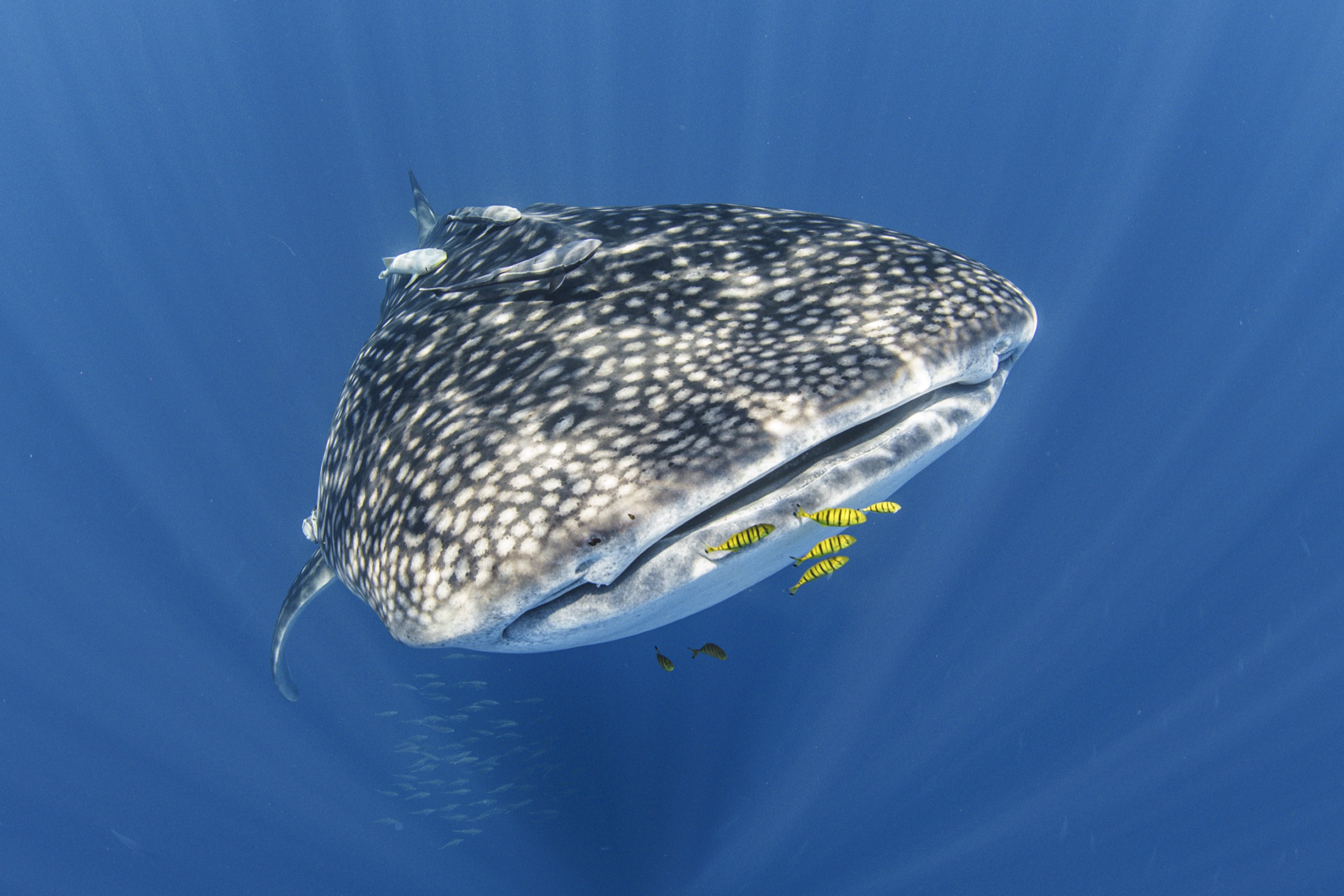
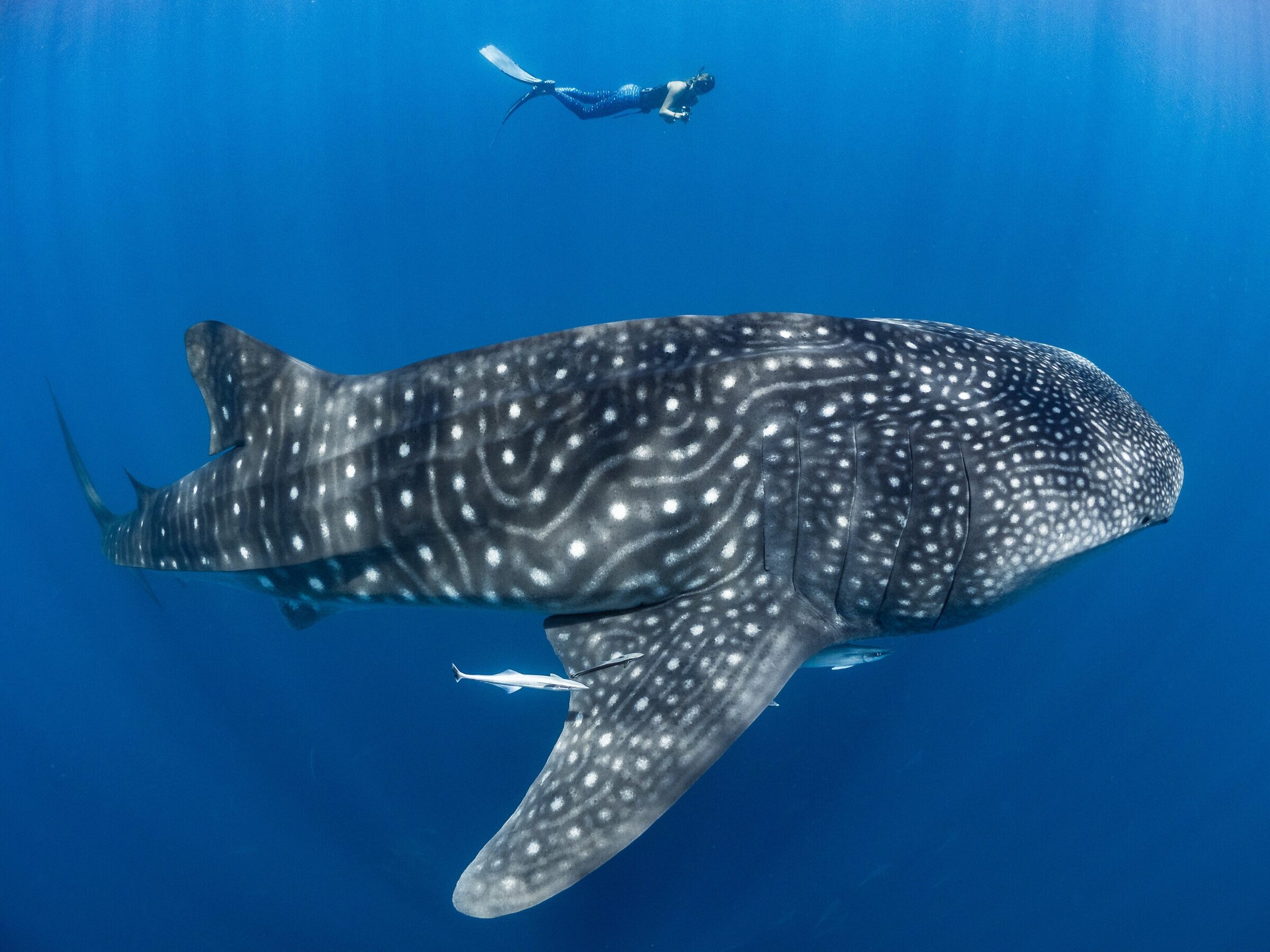
In Tanzania, MMF’s decade-long whale shark research led to the designation of the Kilindoni Bay ISRA at Mafia Island, centered on a significant whale shark feeding area. Dr. Chris Rohner, MMF Principal Scientist, comments, “It’s fantastic to highlight the importance of Mafia Island as a home for endangered whale sharks – some of the individual sharks have lived in the Bay for more than a decade – as well as the other shark and ray species that share this habitat.”
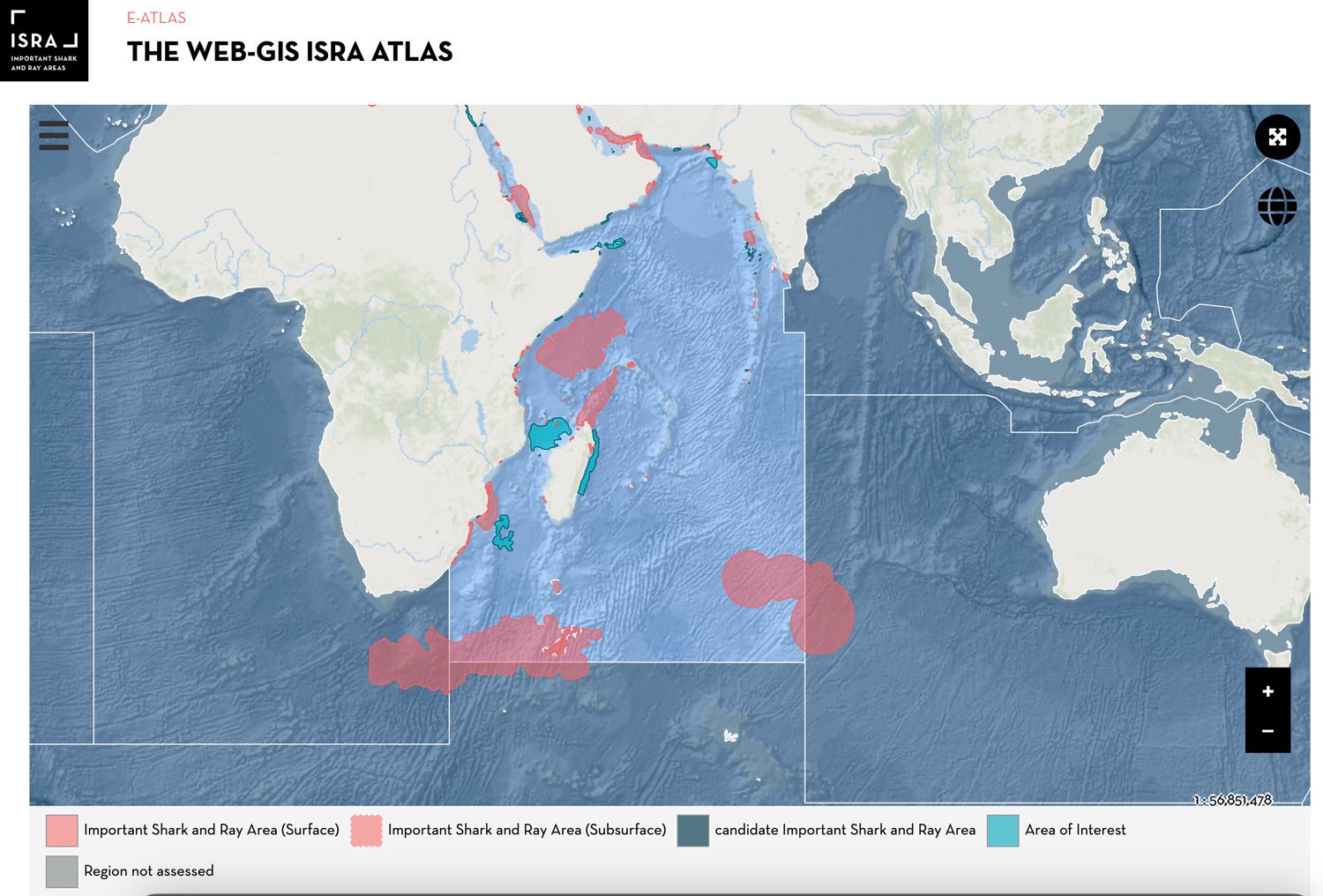
IUCN’s Marine e-Atlas shows the newly designated Important Shark and Ray Areas (ISRA) in red.
The Significance of ISRA Designations for Marine Conservation
The establishment of Important Shark and Ray Areas (opens in a new tab) (ISRAs) in the Western Indian Ocean is a vital precursor to dedicated conservation efforts. ISRAs are selected based on comprehensive scientific data, emphasizing sites that have a particularly high biodiversity of sharks, rays, and chimaeras, as well as areas that are vital for breeding, feeding, or other aspects of their life history.
This process of designation recognizes the ecological significance of these areas and paves the way for enhanced conservation measures. The ISRA e-Atlas (opens in a new tab), as a dynamic and accessible tool, empowers governments, conservationists, and communities to make informed decisions, fostering the protection of endangered marine species and their core habitats.
Collaboration for Conservation
MMF worked with the Madagascar Whale Shark Project (opens in a new tab), who led the charge for an ISRA in the waters around Nosy Be in northwest Madagascar, a major feeding area for whale sharks and mobulid rays, and we worked alongside Parc Naturel Marin Mayotte (opens in a new tab) to designate areas around the Mayotte lagoon in the northern Mozambique Channel, a key habitat for reef manta rays. MMF also contributed to ISRAs focused on major whale shark feeding areas and movement corridors in Qatar and Oman led by Sundive Byron Bay (Sundive Research (opens in a new tab)) and the Qatar Whale Shark Project.
The compilation and analysis of many years of data from these sites was a massive team effort, with additional contributions from All Out Africa Marine Projects, Wildlife Conservation Society Moçambique (opens in a new tab), SAAMBR (opens in a new tab), Oceans Without Borders (opens in a new tab), Mission Blue, KAUST (opens in a new tab) (Reef Ecology Lab), Alison Kock at SANParks, and the Tanzania Fisheries Research Institute (TAFIRI) (opens in a new tab); the entire process was guided by the ISRA team.
MMF co-founder Dr Simon Pierce added, “The ISRA initiative has been a fantastic way to pull together and summarize these large collaborative datasets to showcase sharks and ray hotspots and, in doing so, to illustrate how important the Western Indian Ocean is to the global conservation of this group. We are looking forward to working with national governments to ensure that these critical habitats are well-managed for the benefit of both wildlife and people.”
About The Marine Megafauna Foundation
The Marine Megafauna Foundation (MMF) is a non-profit conservation organization based in Palm Beach, Florida. MMF’s story began with manta ray research in Mozambique in 2003, and its US 501(c)(3) organization was incorporated in 2012. MMF is dedicated to the research and protection of threatened marine megafauna, focusing on large marine species like sharks, rays, and sea turtles, often referred to as ‘megafauna’. Their mission is to ensure these majestic creatures thrive in harmony with humans. With a global reach, MMF works to understand these species’ intricacies and the threats they face. Discover more at www.marinemegafauna.org
About ISRA (Important Shark and Ray Areas):
ISRA, an initiative by the International Union for Conservation of Nature (IUCN), plays a critical role in the conservation of shark and ray species worldwide. These designated areas are identified based on their ecological significance as key habitats for sharks and rays, often marking breeding grounds, feeding areas, or migration routes. The ISRA program aims to highlight these essential zones to guide global and local conservation efforts, including the implementation of Marine Protected Areas (MPAs). By focusing on these vital regions, ISRA seeks to ensure the long-term survival and health of these crucial marine species, contributing significantly to the broader goal of maintaining marine biodiversity and ecosystem balance.










Adopt a whale shark
The world's biggest fish is Endangered. MMF leads or contributes to whale shark research from Mozambique to Oman.
Get news like this in your inbox
Field news, new science, and ways to help, a couple of times a month.
Support work like this
Gifts from supporters fund MMF's research, education, and conservation work to protect the ocean's giants.
Related projects
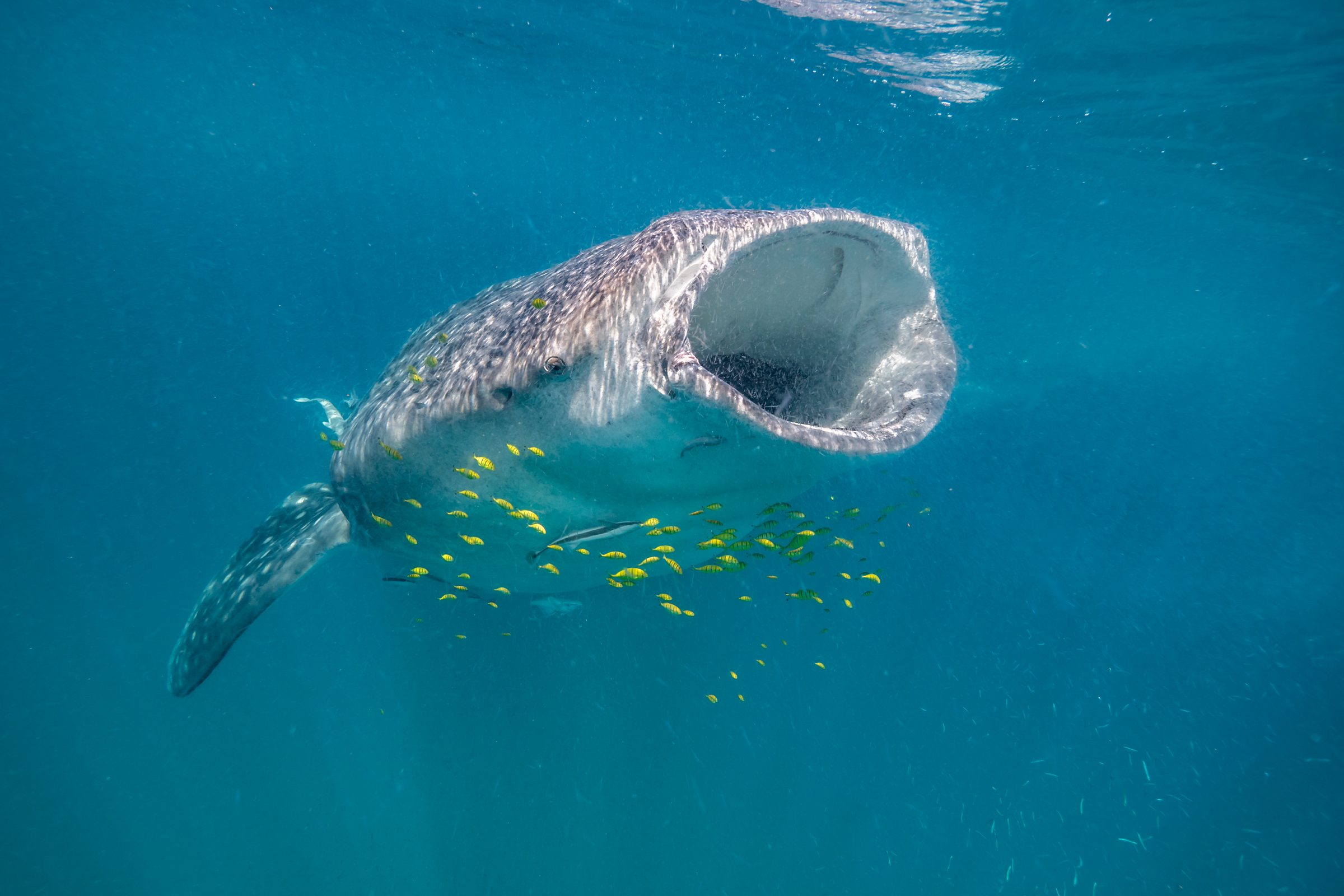 TanzaniaTanzania Whale Shark ProjectThe whale sharks off Mafia Island return to the same small stretch of coast year after year, and we have monitored them since 2012 to understand and protect them.
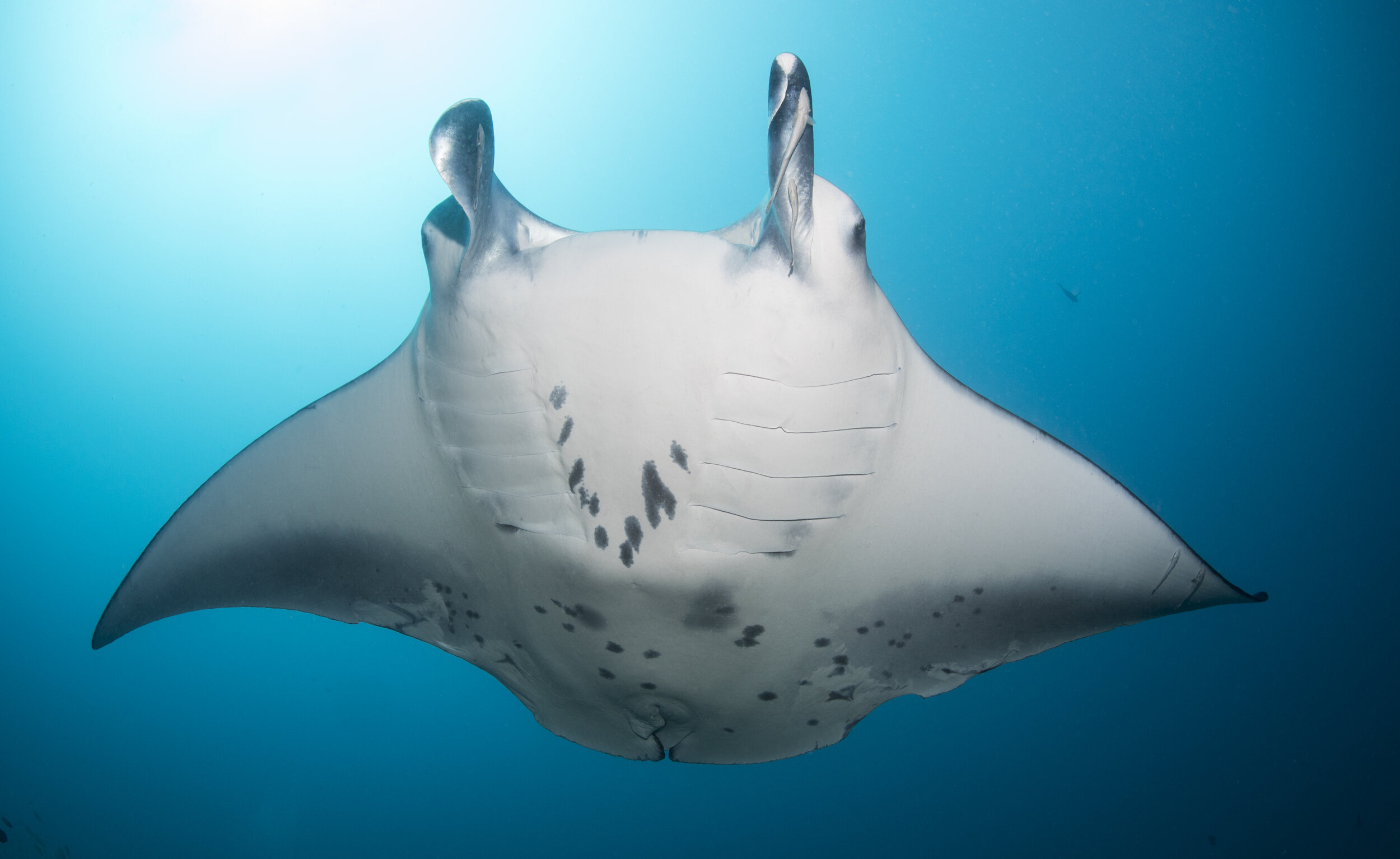 Mozambique, South AfricaMozambique Manta & Devil Ray Research ProjectSouthern Mozambique has Africa's largest known populations of reef and giant manta rays, and we are working to reverse their steep decline.
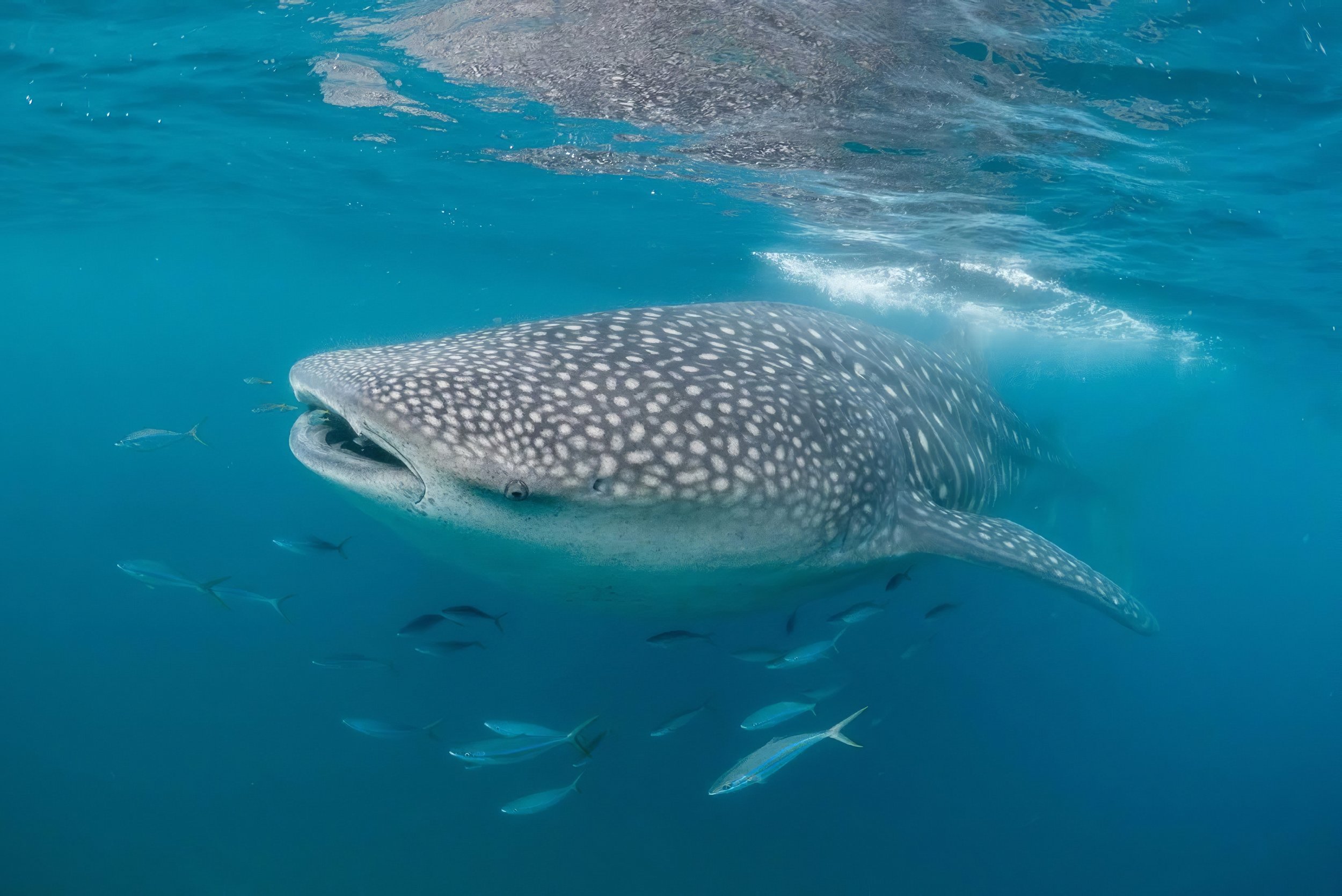 MozambiqueMozambique Whale Shark ProjectSouthern Mozambique is one of the world's most important whale shark feeding areas, and we have studied the sharks here since 2005 to understand and protect them.
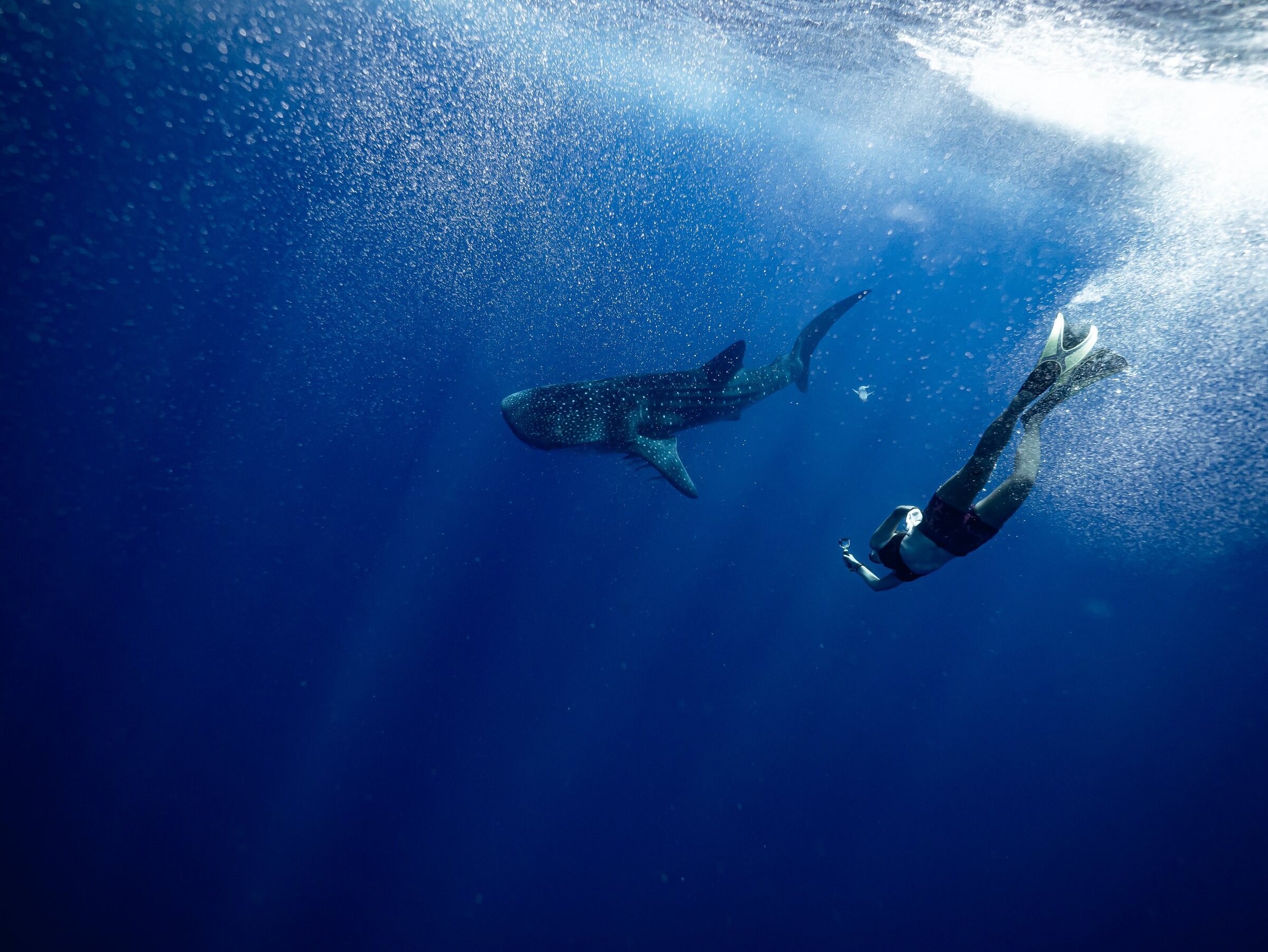 MadagascarMadagascar Whale Shark ProjectYoung whale sharks aggregate off Nosy Be from about September to December, and the Madagascar Whale Shark Project has studied and protected them since 2016.