
Where we work
Philippines
With our partners at LAMAVE, we tracked young whale sharks, studied manta and devil rays, and surveyed the reef sharks of Tubbataha.
MMF worked with LAMAVE (Large Marine Vertebrates Research Institute Philippines) from 2014, starting with whale sharks (Rhincodon typus). Satellite tags on 17 young whale sharks showed that they remained in Philippine waters but spent most of their time far offshore, over water more than 200 m (660 ft) deep. Read more about our completed whale shark tracking study.
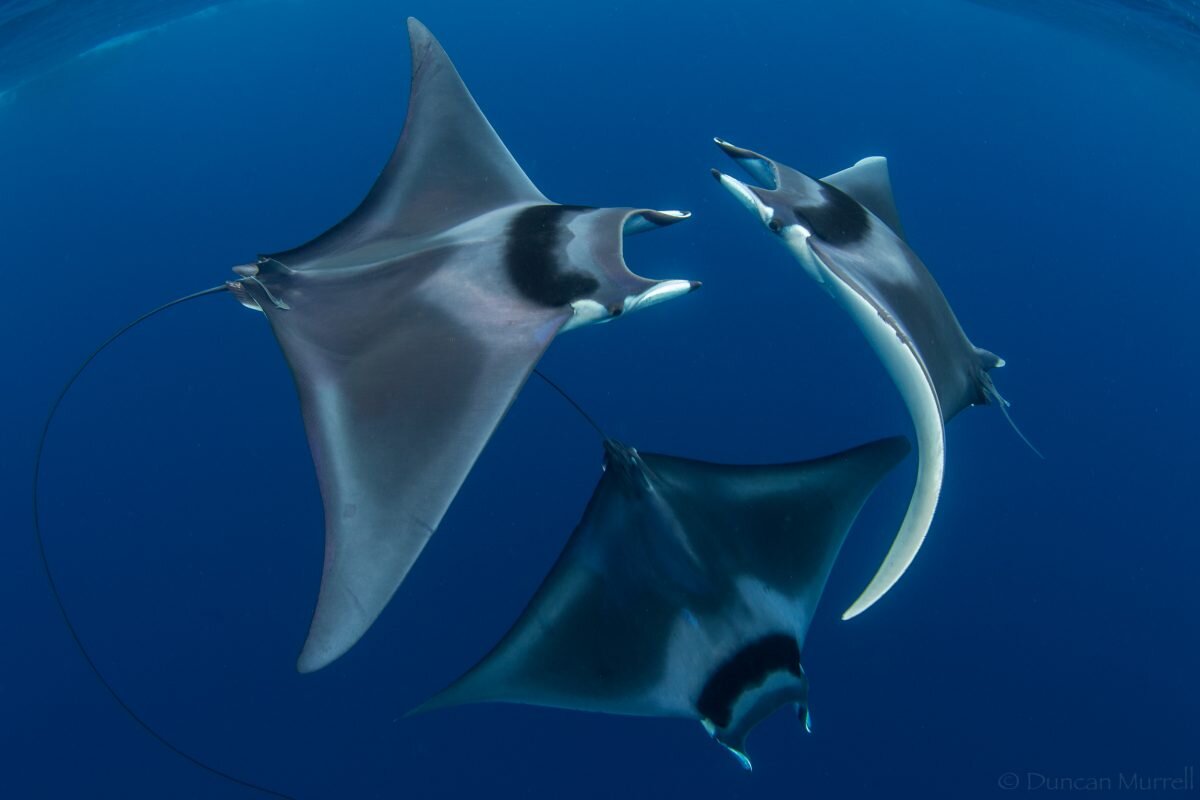
In the Bohol Sea, we studied four species of manta and devil rays landed at Jagna, on Bohol. They fed almost entirely on krill and reproduce so slowly that no level of fishing appeared sustainable, and the targeted fishery was banned in 2017. Far offshore in the Sulu Sea, we helped conduct the first comprehensive survey of the sharks and rays of Tubbataha Reefs Natural Park, closed to fishing since 1988, and found about seven per hectare (about three per acre), three times the density of reef sharks in the Great Barrier Reef’s no-take zones.
Completed projects
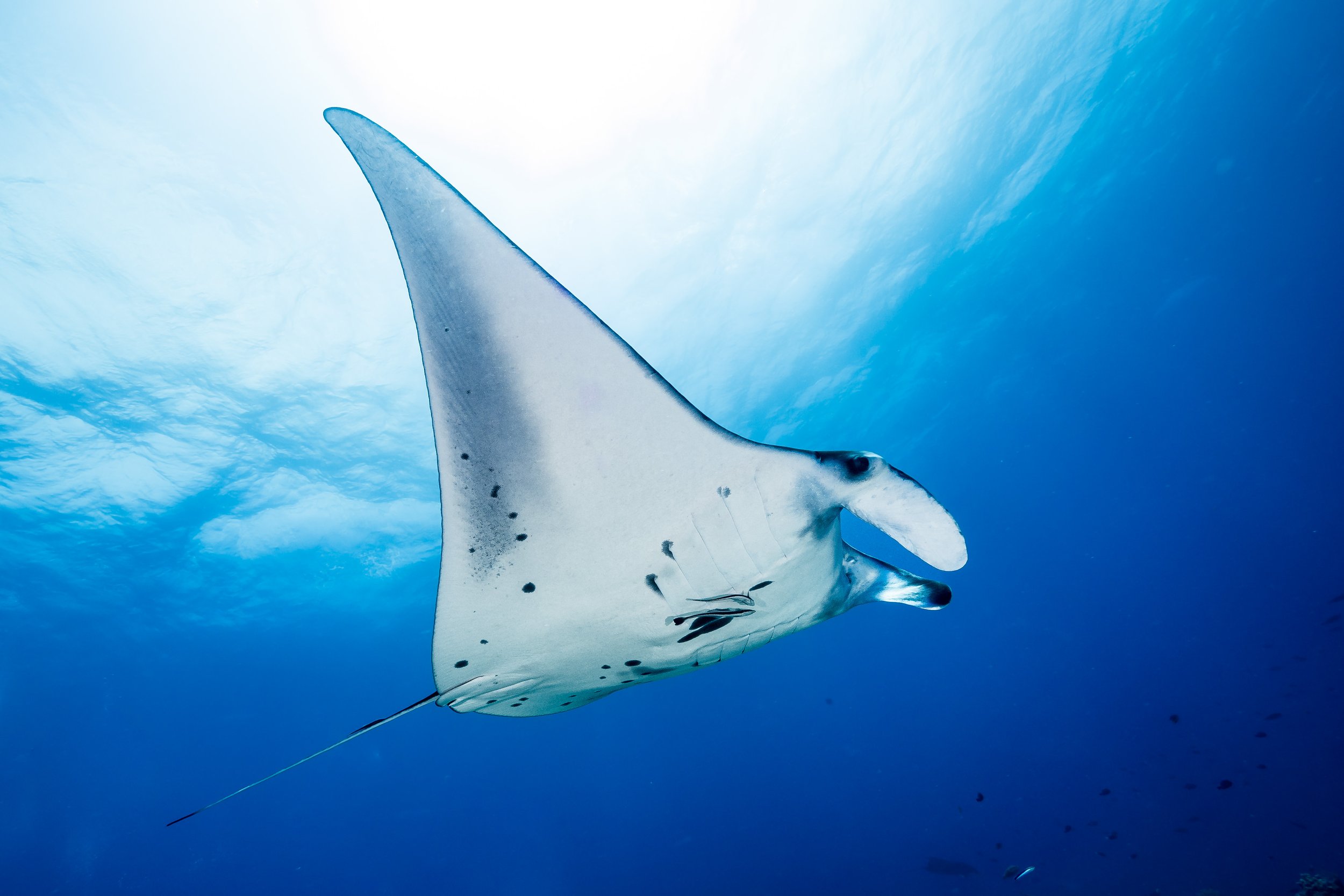 Bohol Sea, PhilippinesPhilippines Manta and Devil RaysFour species of manta and devil rays landed together in the Bohol Sea fed almost entirely on krill, and reproduce so slowly that no level of fishing appeared sustainable.
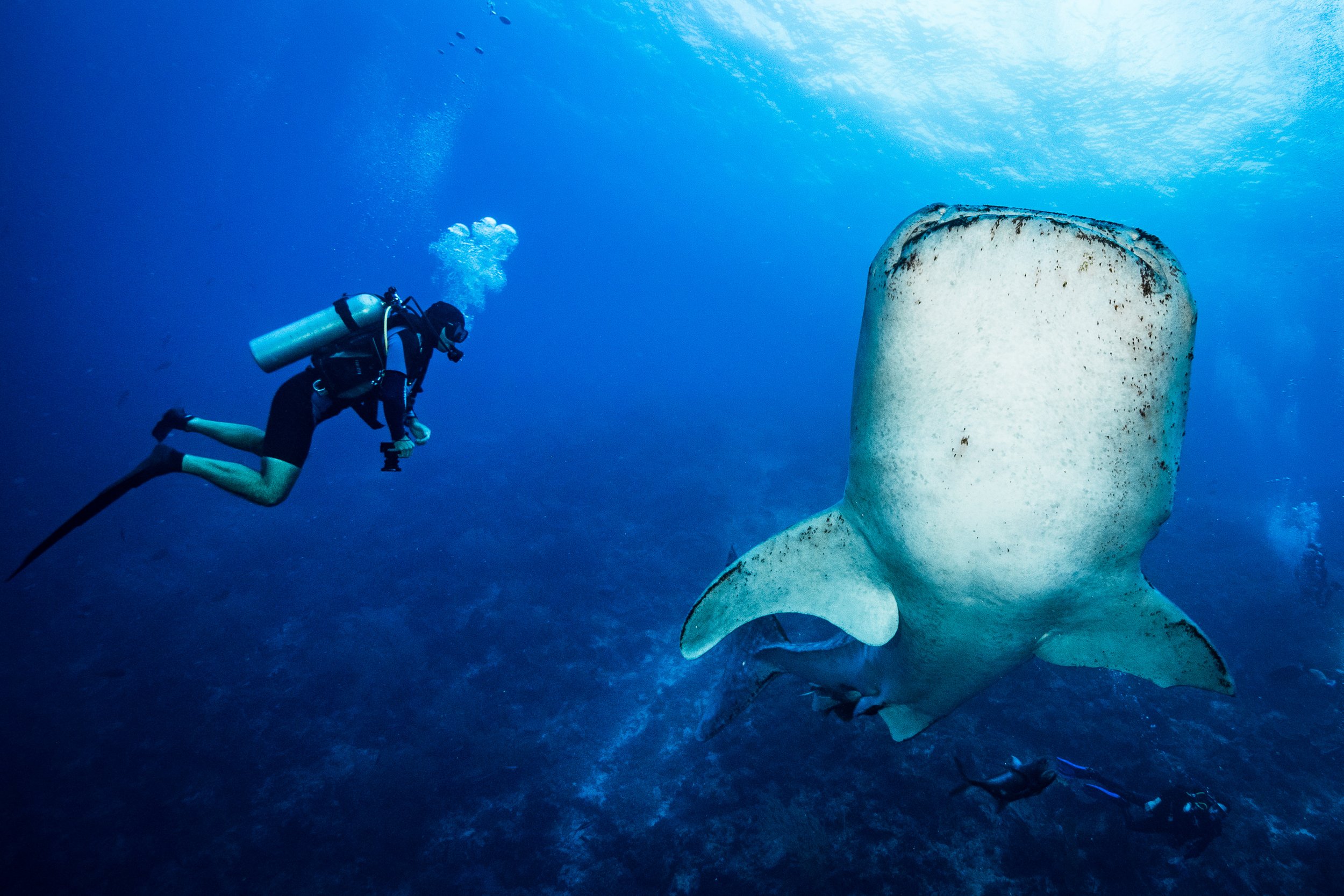 Sulu and Bohol Seas, PhilippinesPhilippines Whale Shark ProjectSatellite tags on 17 young whale sharks showed that they remained in Philippine waters yet spent most of their time far offshore, over deep water.
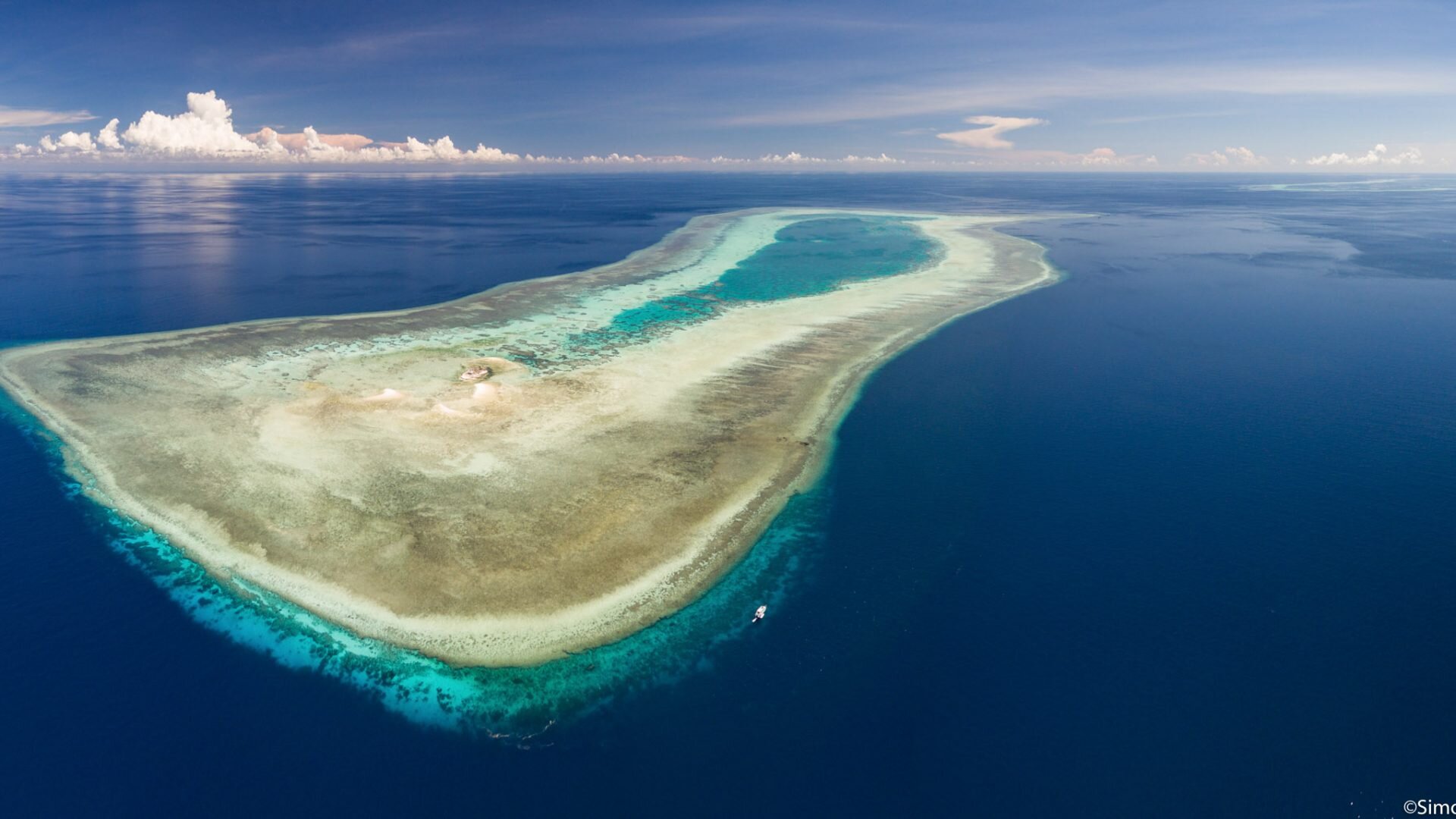 Tubbataha Reefs Natural Park, Sulu Sea, PhilippinesTubbataha Shark MonitoringDiver surveys and baited cameras recorded about seven sharks and rays per hectare (about three per acre) at Tubbataha, three times the density of reef sharks in the Great Barrier Reef's no-take zones.
What we work on
Manta and devil rays reproduce so slowly that their populations would take 15.8 to 86.6 years to double, yet they are still caught as bycatch after the 2017 ban on targeted fishing. The research recommends protecting the cleaning stations they visit, reducing bycatch, and developing a national recovery plan.
Tubbataha's sharks thrive because the park is large, strictly enforced, isolated, and long established. The survey recommends that new large no-take areas adopt management like Tubbataha's, and use its sharks as a baseline for measuring recovery elsewhere.
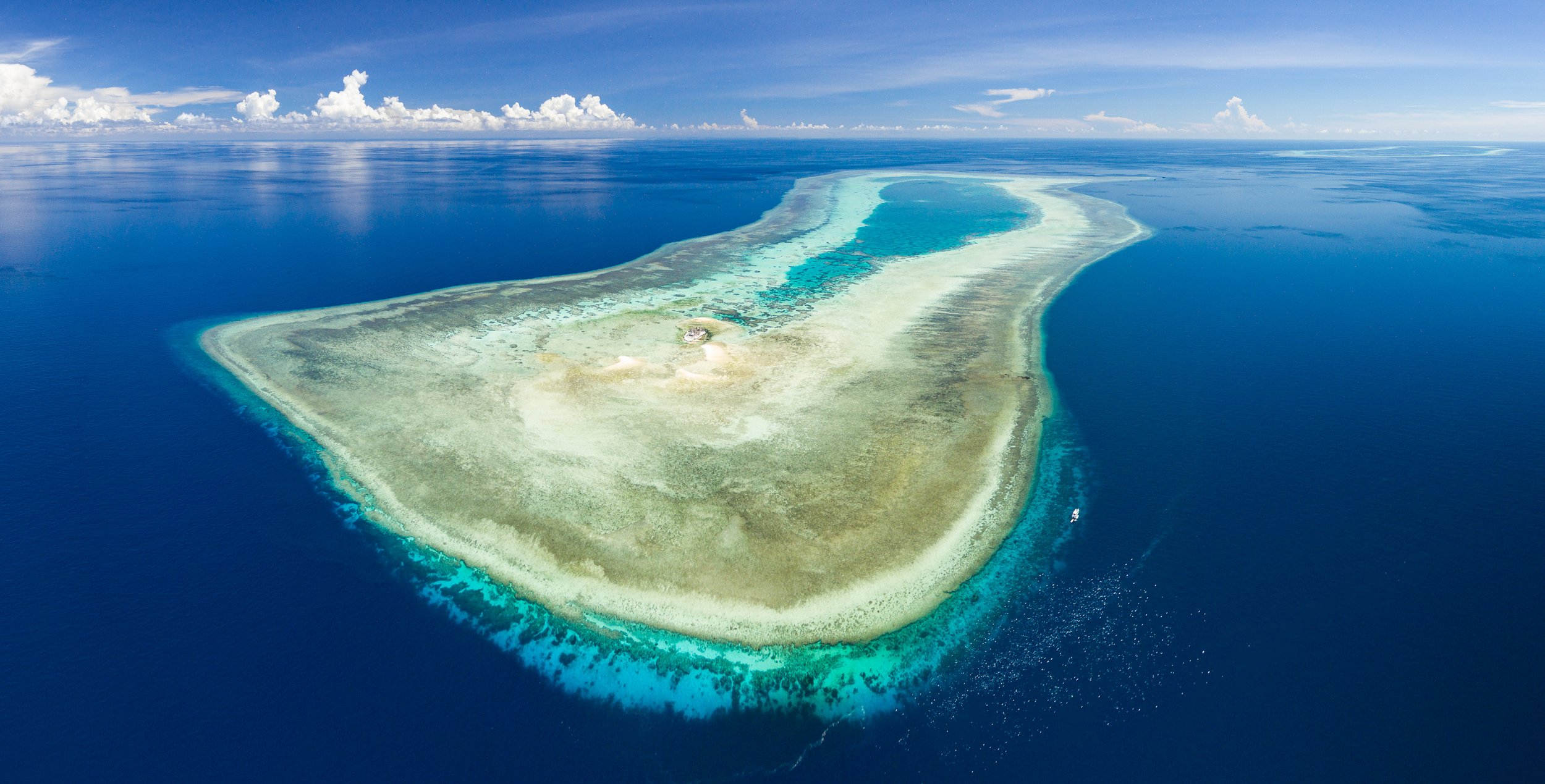
Thank you to everyone who supports our work in the Philippines
LAMAVE (Large Marine Vertebrates Research Institute Philippines), Tubbataha Management Office, Tubbataha Protected Area Management Board, Department of Environment and Natural Resources, Bureau of Fisheries and Aquatic Resources, Palawan Council for Sustainable Development, Local Government Unit of Jagna, Bohol, Bohol Environment Management Office, WWF-Philippines.