
Mozambique Projects.
Smalleye Stingrays
-
Explore Mozambique’s Projects
What’s this project about?
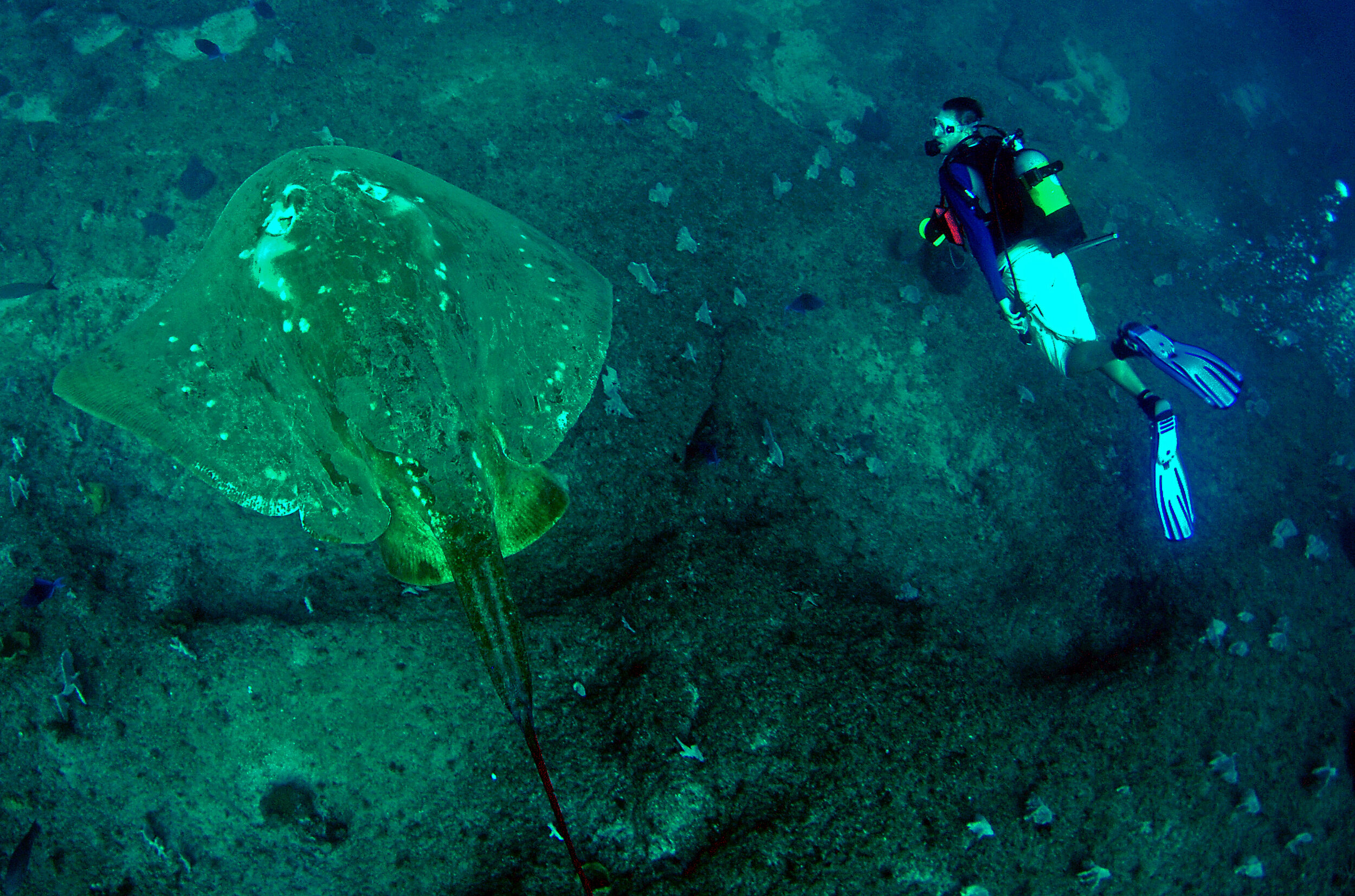
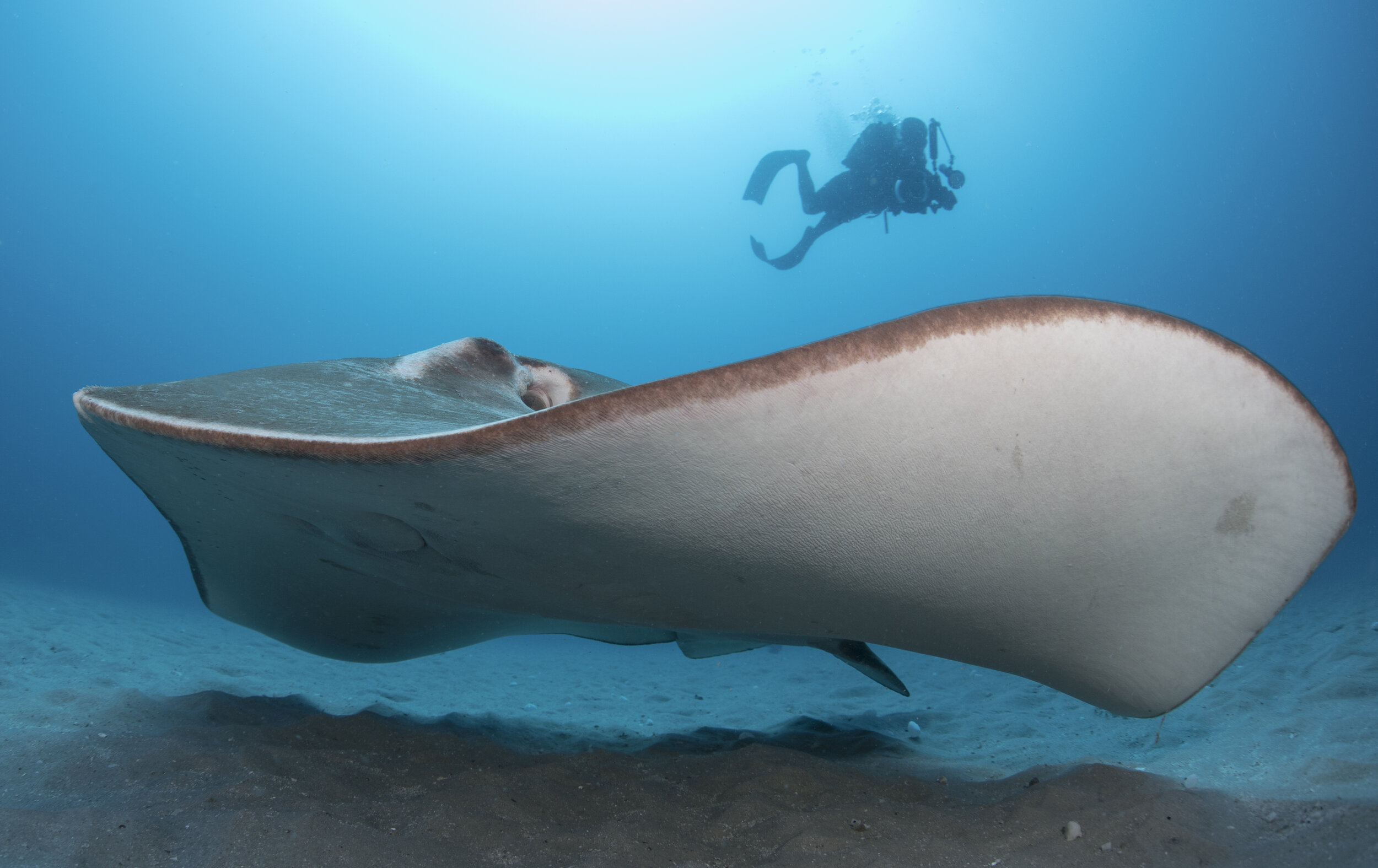
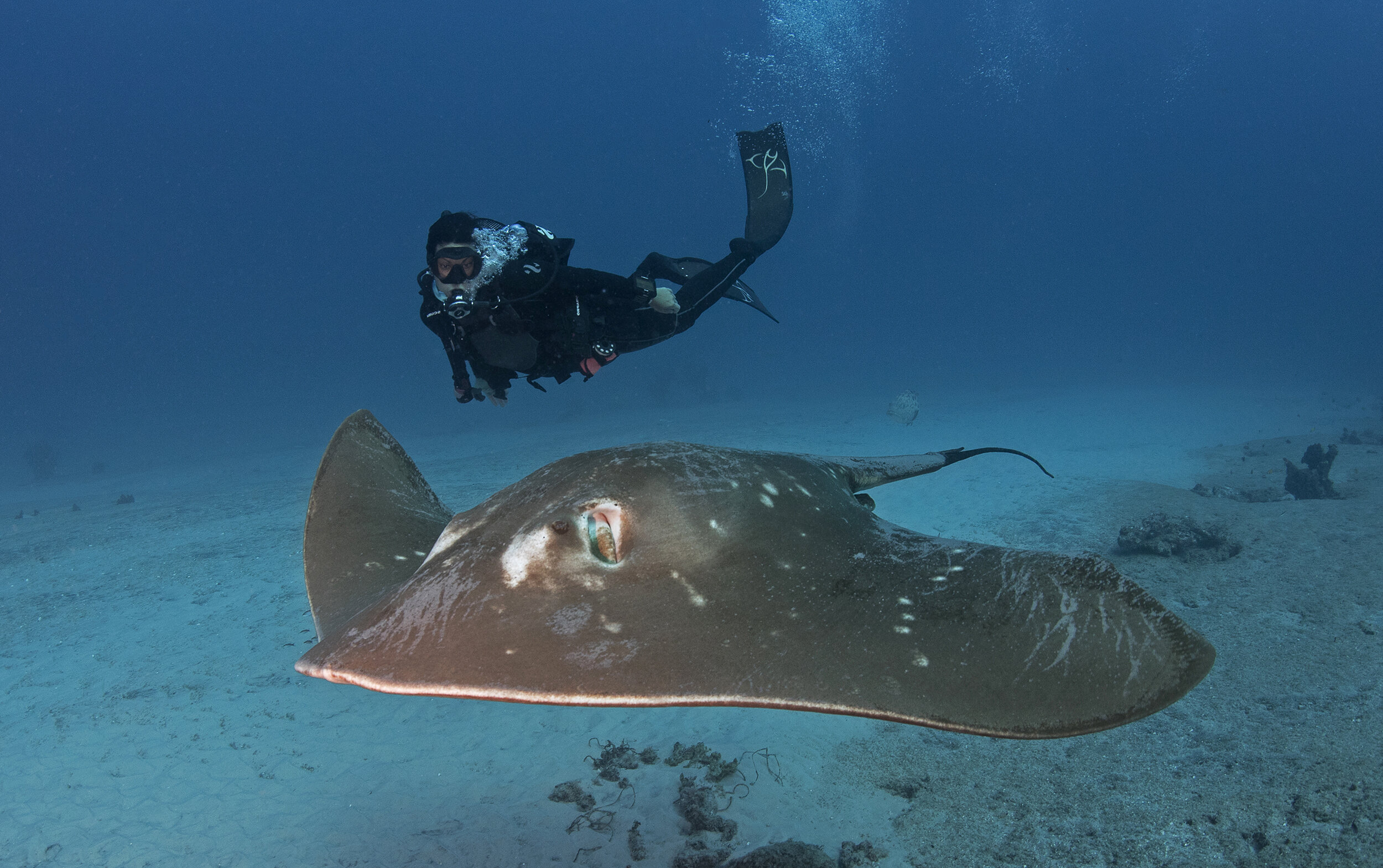
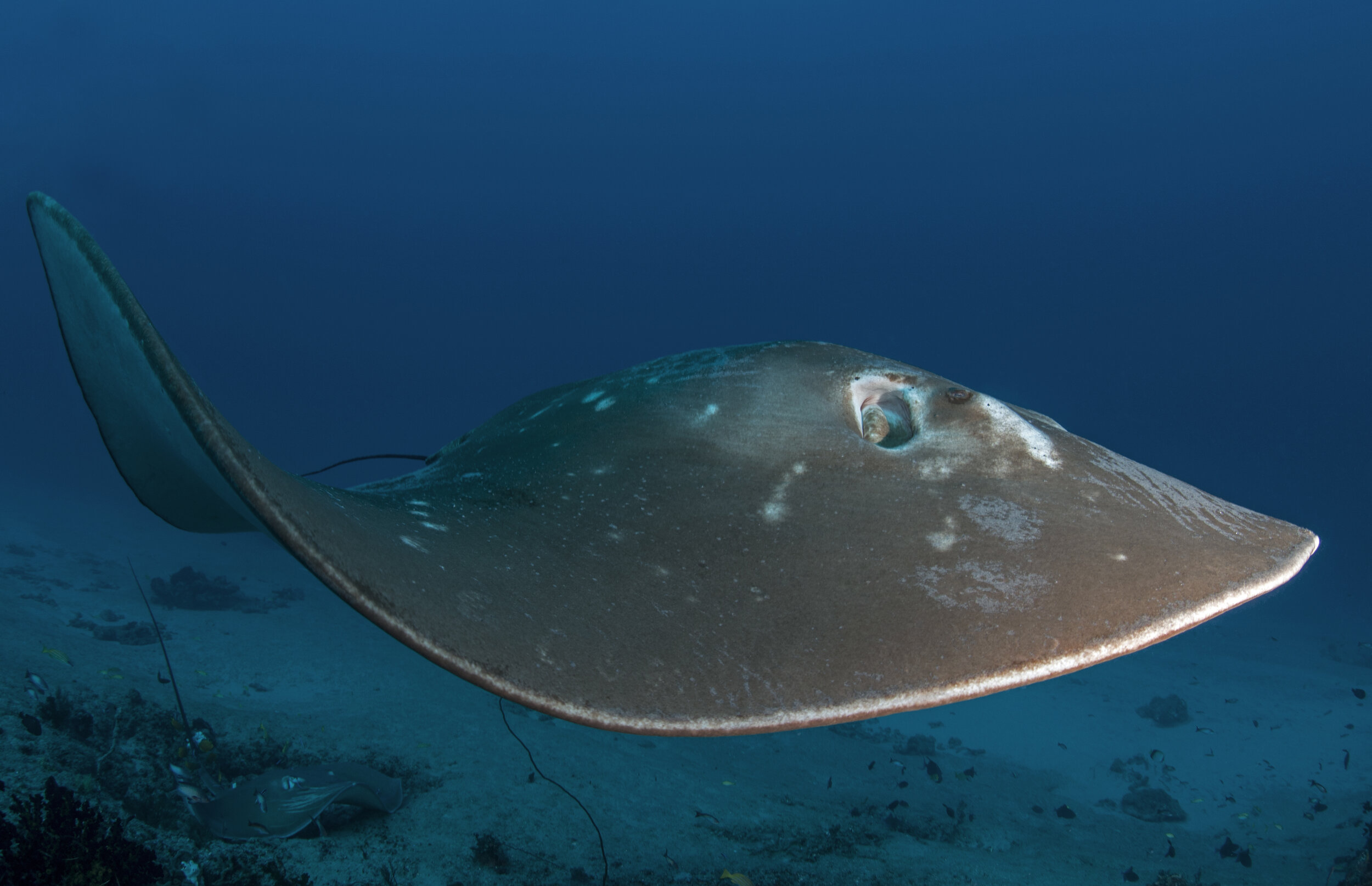
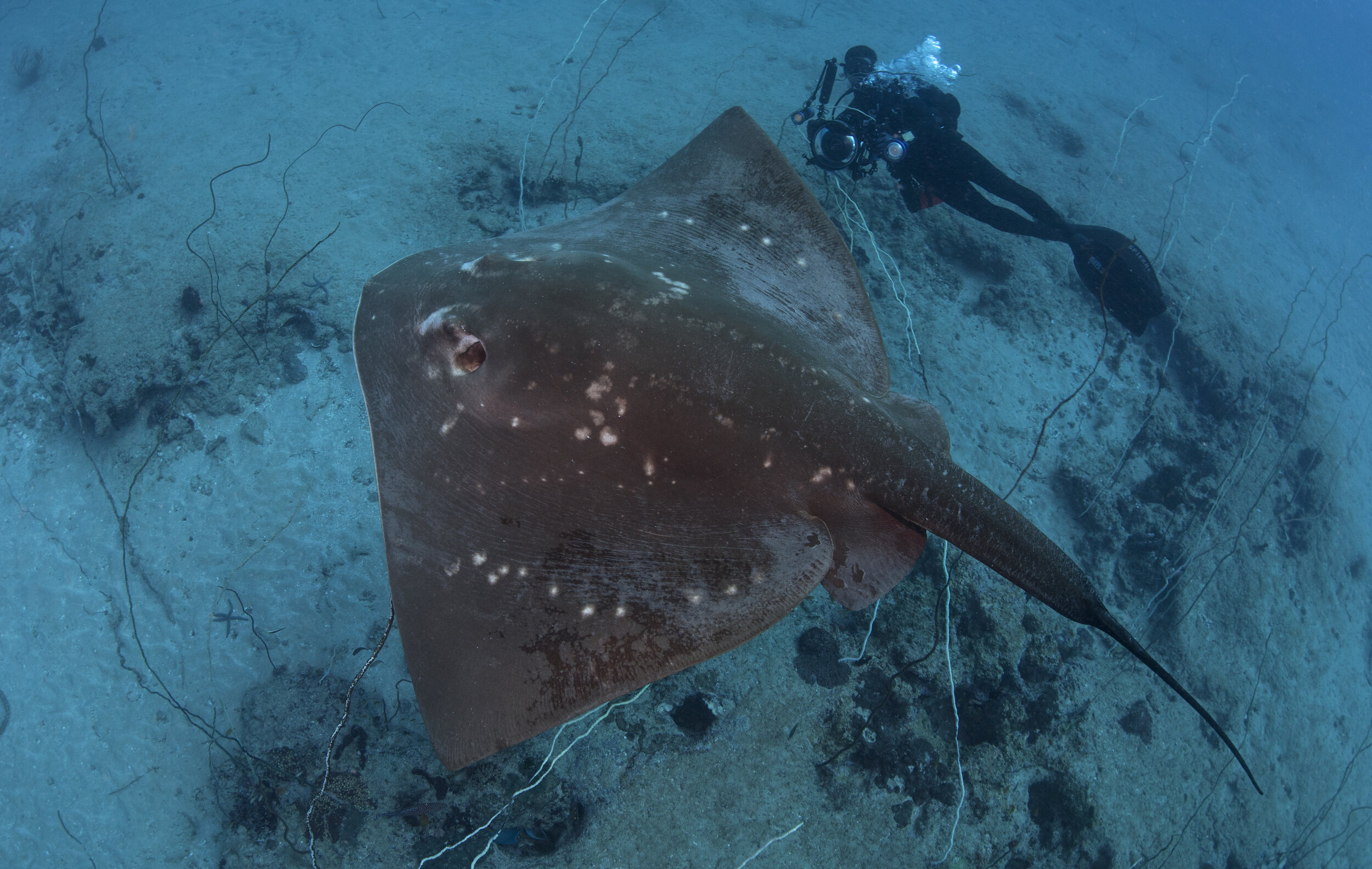
In Mozambique we have an extraordinary opportunity to study the rare and enigmatic smalleye stingray. Despite being the largest of the marine stingrays, the species has eluded research efforts to date, leaving it data deficient and vulnerable to exploitation.
This project aims to understand the distribution, movement, and habitat use of smalleye stingrays in the Inhambane Province to determine their population status and conservation needs.
Key successes to date
-
MMF scientists reported the first record of the smalleye stingray in Africa - a range extension of 5000 km from its closest known location in the Western Indian Ocean.
-
Through sustained monitoring efforts our team has now identified almost 100 individual rays in southern Mozambique - the largest and most comprehensive database of its kind in the world.
-
MMF scientists co-authored the current IUCN Red List Assessment for this species.
-
We have identified over a dozen sites – including throughout the Bazaruto Seascape – with regular sightings of smalleyes in southern Mozambique over the last decade, with our preliminary data showing that these semi-pelagic rays show fidelity to certain reefs.
-
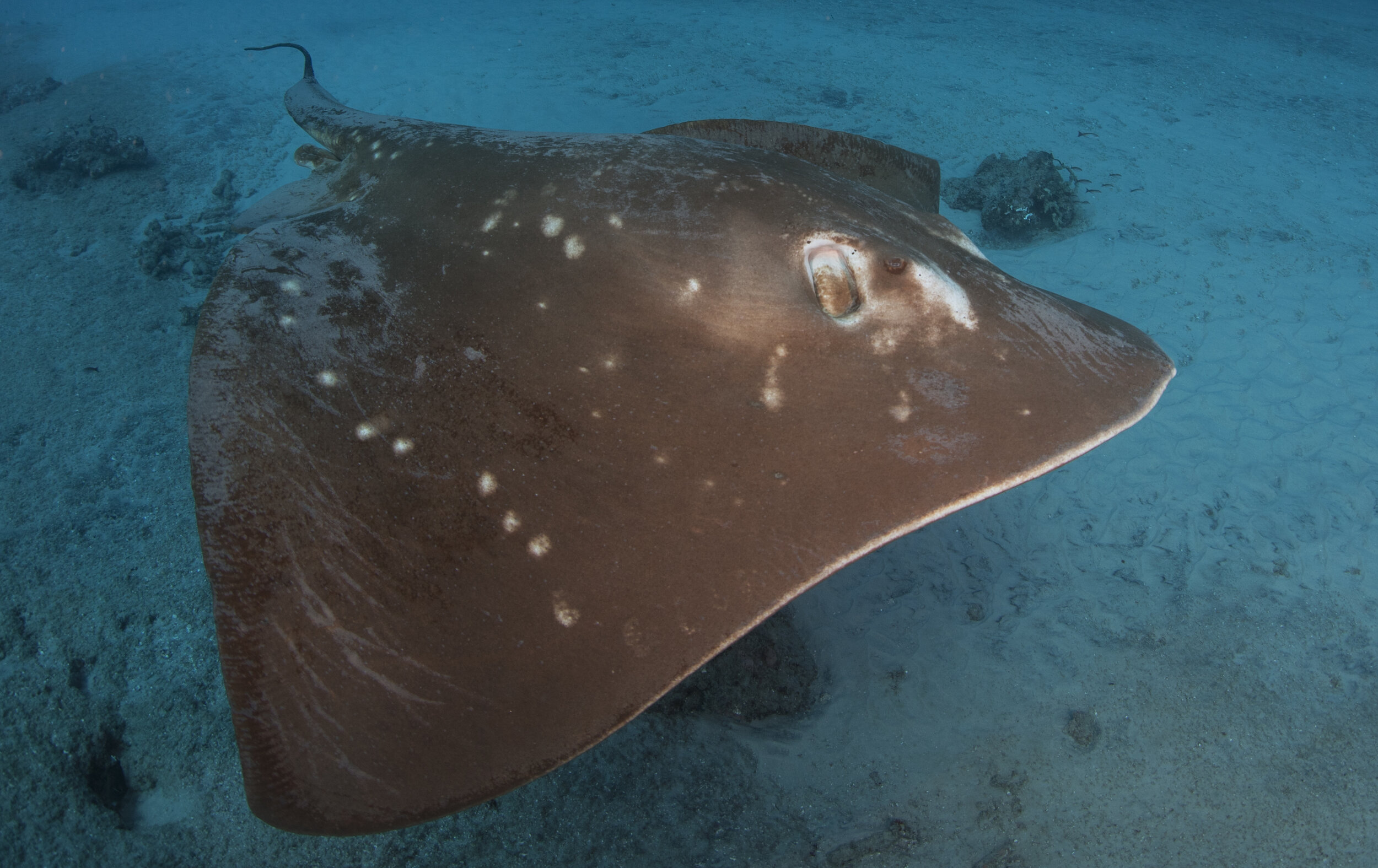
MMF scientists published the first study examining the longevity of dorsal spot patterning and the feasibility of using photo-identification techniques for long-term monitoring of smalleye stingrays.
-
We are now tracking smalleye stingrays with acoustic tags, and have shown year-round residency inside the Bazaruto Archipelago National Park — the first movement data of its kind for the species.
Project leaders

Dr Stephanie Venables
Senior Scientist
Stephanie has been working with MMF since 2014. Her research involves applying different research techniques as conservation tools, using methods such as telemetry (tagging), population genetics, and demographic modeling to better understand species and the way they interact with their environment.
See Stephanie’s full bio here.
Publications
Atlantine Boggio-Pasqua, Anna Flam, Andrea Marshall (2019) Spotting the ‘small eyes’: using photo-ID methodology to study a wild population of smalleye stingray (Megatrygon microps) in southern Mozambique. Peer J https://peerj.com/articles/7110/
Jen Keeping, Katie Reeve-Arnold, N Burns, Nilza Catarina, D Bailey, D McNeill (2019) Computer-aided photo-identification of a rare stingray, Megatrygon microps. Journal of Fish Biology https://doi.org/10.1111/jfb.14242
Simon Pierce, Will White & Andrea Marshall (2008) New record of the smalleye stingray, Dasyatis microps (Myliobatiformes: Dasyatidae), from the western Indian Ocean. Zootaxa 1734: 65-68.
Media
The ocean’s largest, rarest stingray revealed in new video | National Geographic
Long Distance Stingray Migration Revealed| Dive Magazine UK
Brief encounters with the smalleye stingray | Oceanographic Magazine
Recreational divers help researchers track movements of rare stingray | Monga Bay
Press Release
Previous — Mozambique Marlin Research ProjectNext — Mozambique Bull Shark Research Project
MMF project team
 Dr. Nakia CullainProject leader
 Dr. Stephanie VenablesMMF Mozambique
 Dr. Clare PrebbleSenior Scientist
- Nilza de CatarinaResearch Manager – Mozambique
With thanks to our supporters & partners
You?Interested in supporting this project? We'd love to hear from you.This work is made possible by MMF’s supporters — individual donors, grant-makers and partner organizations who fund the fieldwork, analysis and conservation action behind it. Thank you.
Partner with MMF →Project Overview.
In 2008 MMF researchers made a landmark discovery: a large population of the gigantic and elusive smalleye stingray, Megatrygon microps, living off the coast of Mozambique. The discovery represented a range extension for the species of over 5000 km, and some of the first live sightings of the species. Elsewhere, sightings of this enormous stingray are infrequent, suggesting it remains rare and patchily distributed.
A Mysterious Giant
Despite being the largest known marine stingray, little is known about the biology or ecology of smalleye stingrays. The species is currently listed as ‘Data Deficient” on the IUCN’s Red List of Threatened Species. Regular sightings on inshore reefs in southern Mozambique confirm that this area is not only a critical habitat for the species but is also the best area to study them.
Conservation Needs for Smalleye Stingrays
A marked increase in the use of indiscriminate fishing practices such as gill-netting, long-lining, and seine netting along the Mozambican coast represents a clear threat to smalleye stingrays. The large size of this species, and their curiosity towards people, make them easy targets. To exacerbate the problem, large stingrays typically take years to reach adulthood and have small litters, making them particularly susceptible to overexploitation. Considerable research on this species is needed to address the lack of biological data and these conservation concerns.
Objectives.
Now that we have determined that the natural spot patterning on these stingrays is stable enough to use in long-term individual identification studies we are beginning to estimate the abundance and movements of these rays along the southern Mozambican coast.
Acoustic telemetry is now allowing us to study the movements of this large and unusually mobile ray for the first time. Rays fitted with acoustic tags are detected automatically whenever they pass one of our receivers, building a picture of their home ranges, habitat use, daily movement patterns, depth preferences, and general behavior that no amount of diving could assemble on its own. The collection of small tissue samples from individual rays allows us to examine their ecological role in the area.
We will also be monitoring artisanal fisheries to quantify catches of this species along the coast and to identify ‘hotspot’ areas for further investigation.
First tracking results
The first years of acoustic tracking have produced two findings that were impossible to establish from sightings alone. Tagged smalleye stingrays have shown year-round residency inside the Bazaruto Archipelago National Park, appearing consistently across the receiver network rather than passing through — evidence that the park’s reefs are sustained habitat for the species, not an occasional stop. And their movement is strongly crepuscular, peaking at dawn and dusk, which is consistent with a foraging strategy tied to low light.
That matters for conservation. A species that is resident inside a protected area benefits directly from that protection, and a species that concentrates its activity into predictable windows can be monitored, and protected, far more efficiently. Further rays were tagged at Tofo in August 2026, and analysis of the growing acoustic dataset is underway.
Get involved
Support this project.
Donations to our Mozambique program fund the fieldwork, community work, and government engagement described on this page.
Fund this project
MMF’s research and conservation work is funded by grants, partnerships and individual donors. Gifts made through this form are directed to Smalleye Stingrays, and we report back on what your support achieved.
To discuss a larger gift, a grant, or a corporate partnership for this project, email [email protected]. Find out more about philanthropy and corporate partnerships with MMF.
MMF is a registered 501(c)(3) non-profit in the USA. Donations are tax-deductible to the extent allowed by law.