
Where we work
Australia
Along Australia's east coast, we work with research partners on threatened sharks, from grey nurse and leopard sharks to the young whale sharks of the Coral Sea.
Along Australia’s east coast, MMF and its research partners use photo-identification of individual sharks to estimate their abundance and document their movements. Together we have now identified more than 2,000 critically endangered grey nurse sharks (Carcharias taurus) along the eastern coast, and we helped discover the first known whale shark aggregation in the Coral Sea.
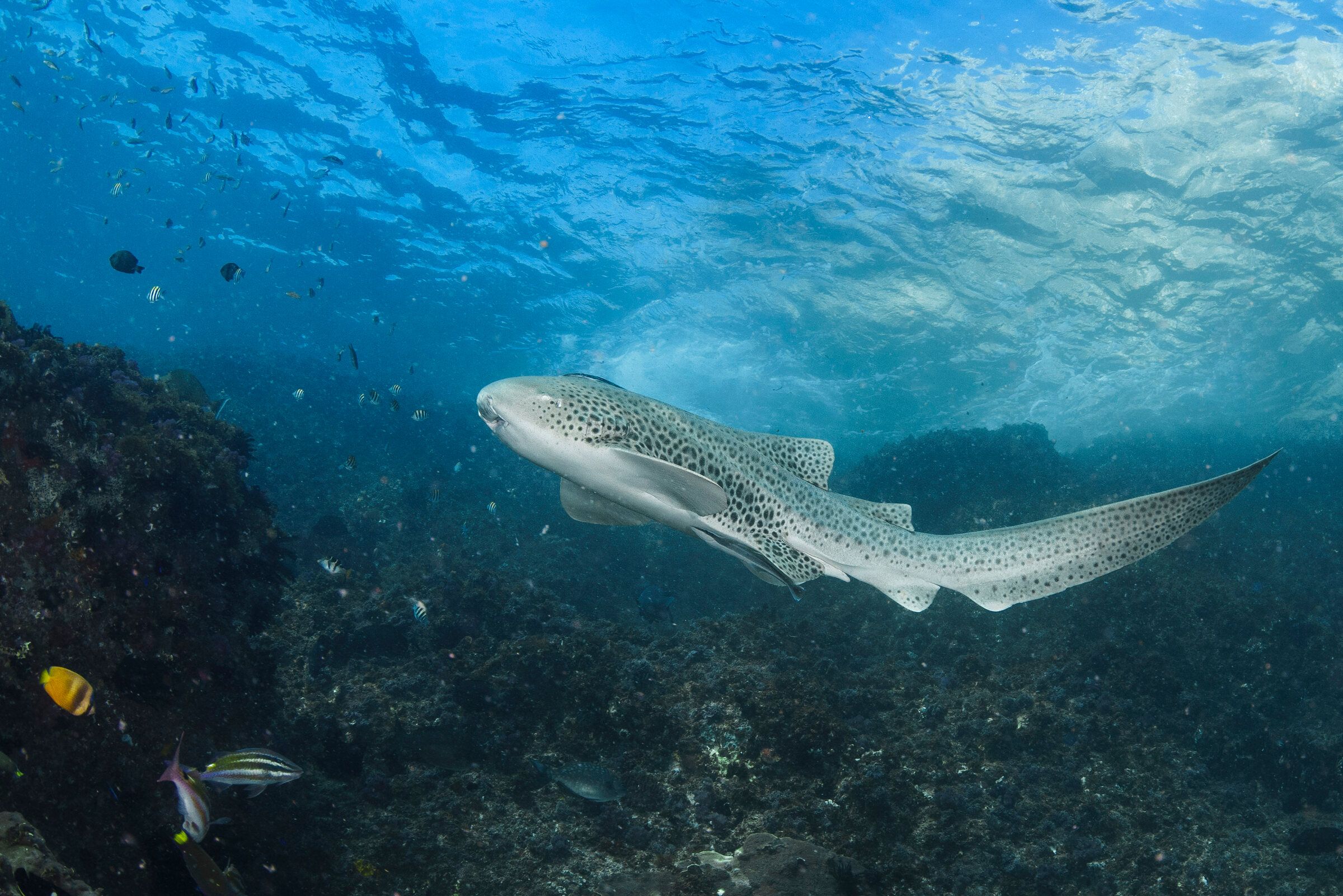
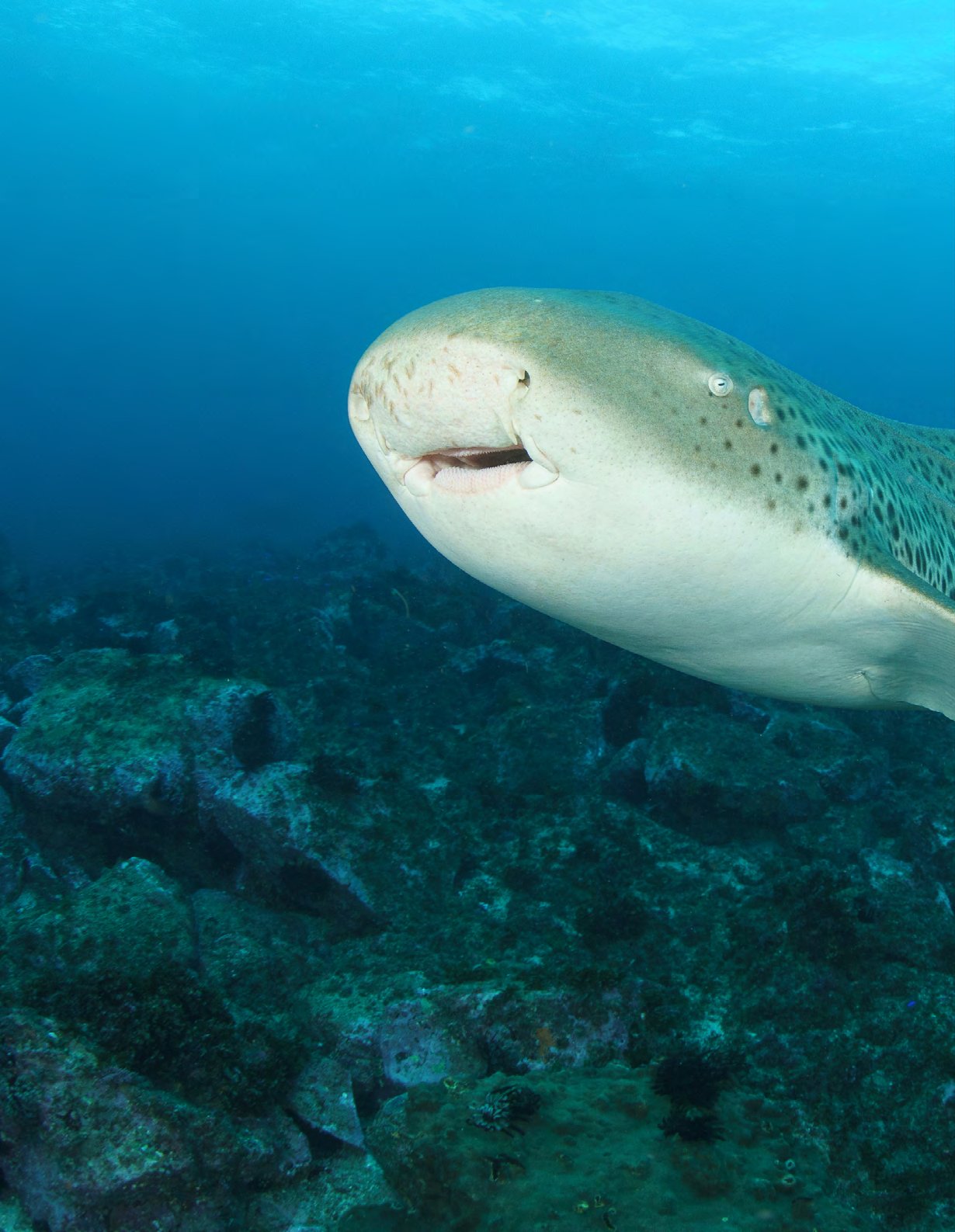
Our Grey Nurse Shark Project, led by Dr. Simon Pierce with the University of the Sunshine Coast and Spot A Shark, conducts photo-identification surveys at Wolf Rock in southeast Queensland, the only known gestation site for the species in eastern Australia. Off Byron Bay, our Leopard Shark Project, run by Dr. David Robinson through Sundive Research, had identified 489 endangered leopard sharks (Stegostoma tigrinum) by January 2025, at one of the largest known aggregations of the species.
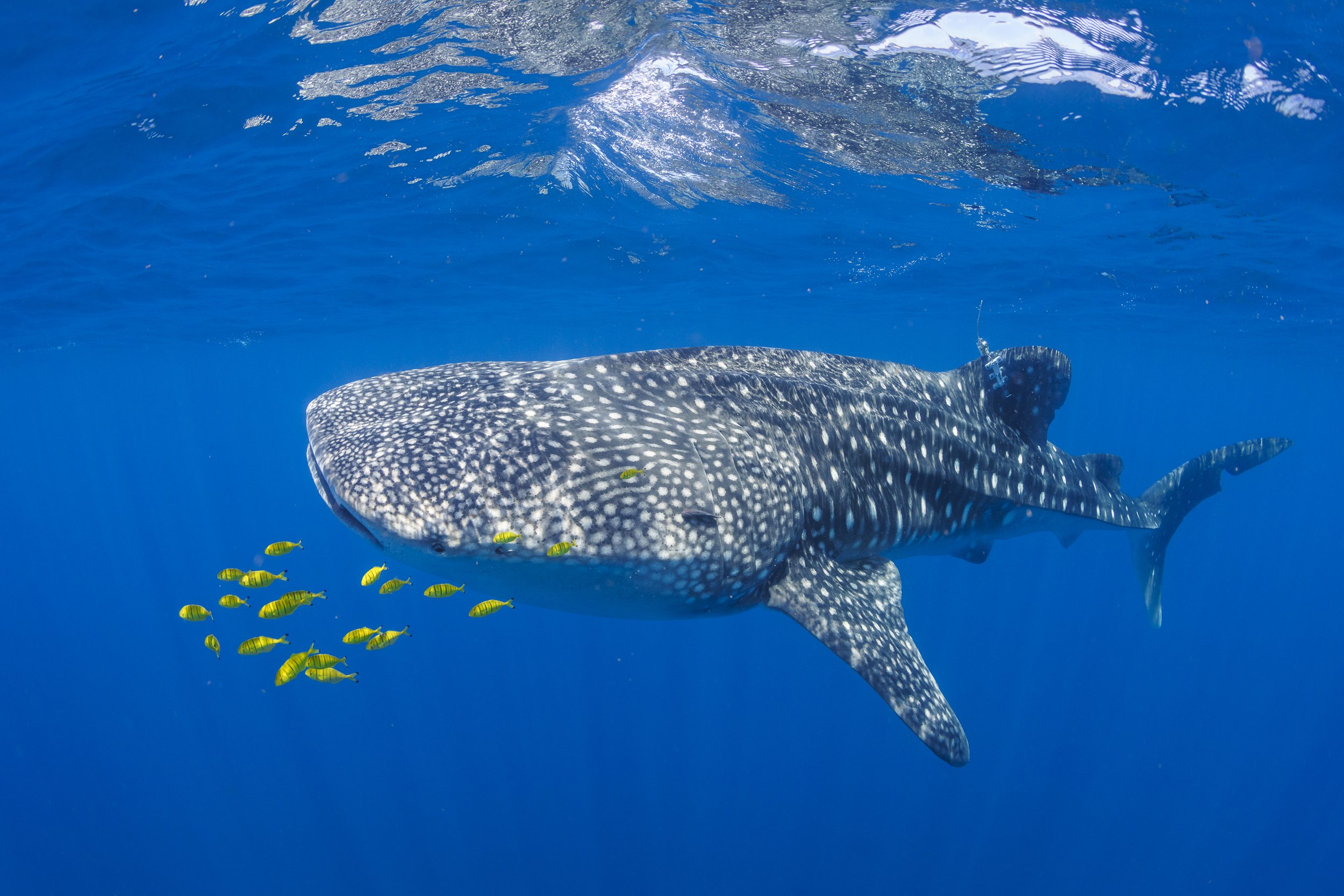
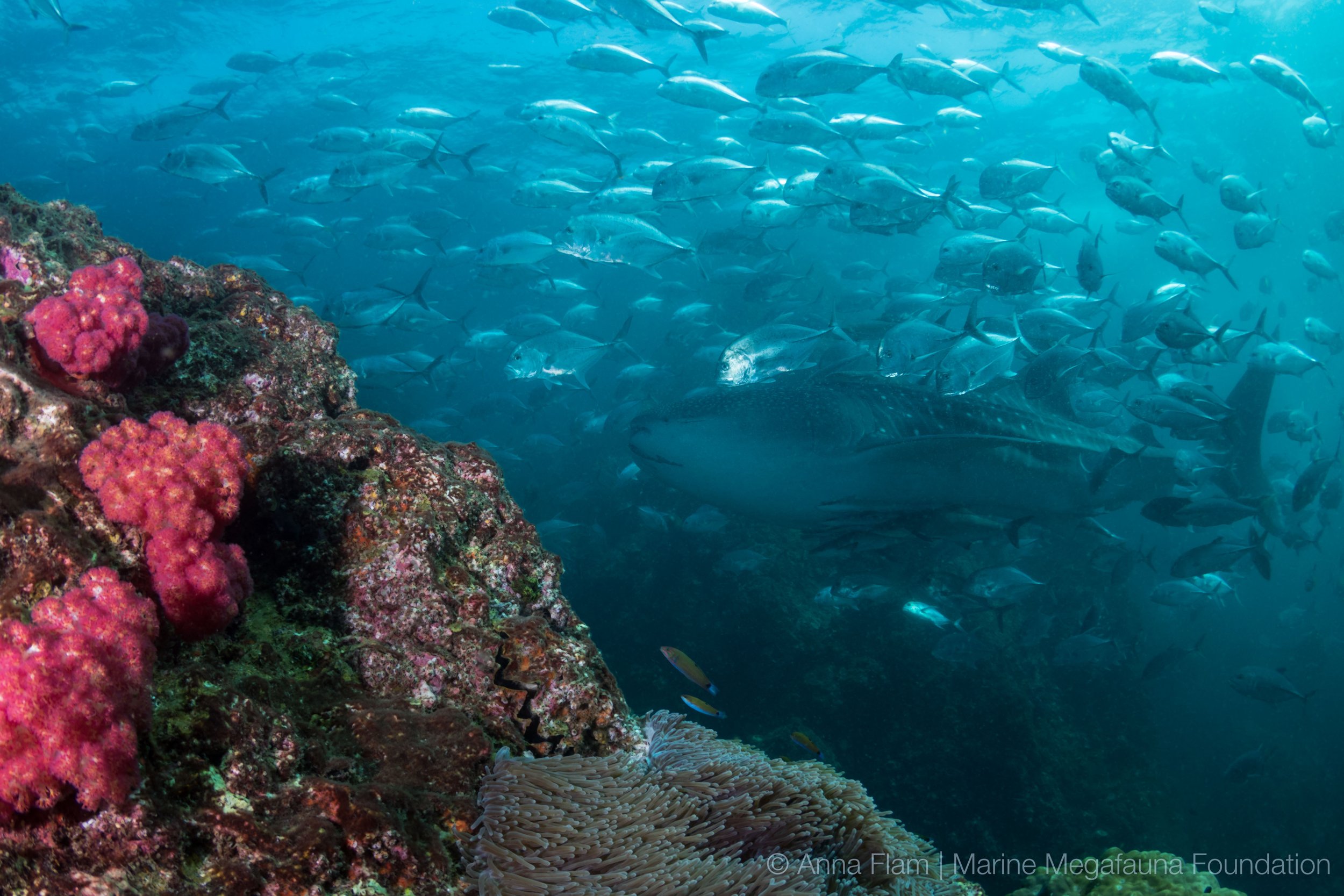
On the far northern Great Barrier Reef, the Coral Sea Whale Shark Project, led by the Biopixel Oceans Foundation with James Cook University and MMF, studies the young whale sharks (Rhincodon typus) that aggregate at Wreck Bay each November and December. Satellite tags deployed there recorded the deepest whale shark dive yet known, to at least 1,978 m (6,490 ft).
Our projects in Australia
Australia Leopard Shark Project
Each summer, hundreds of endangered leopard sharks aggregate at Julian Rocks off Byron Bay, and since 2019 the project has identified individual sharks from their spot patterns.
489 leopard sharks identified off Byron Bay by January 2025Led by Dr. David RobinsonAbout the project →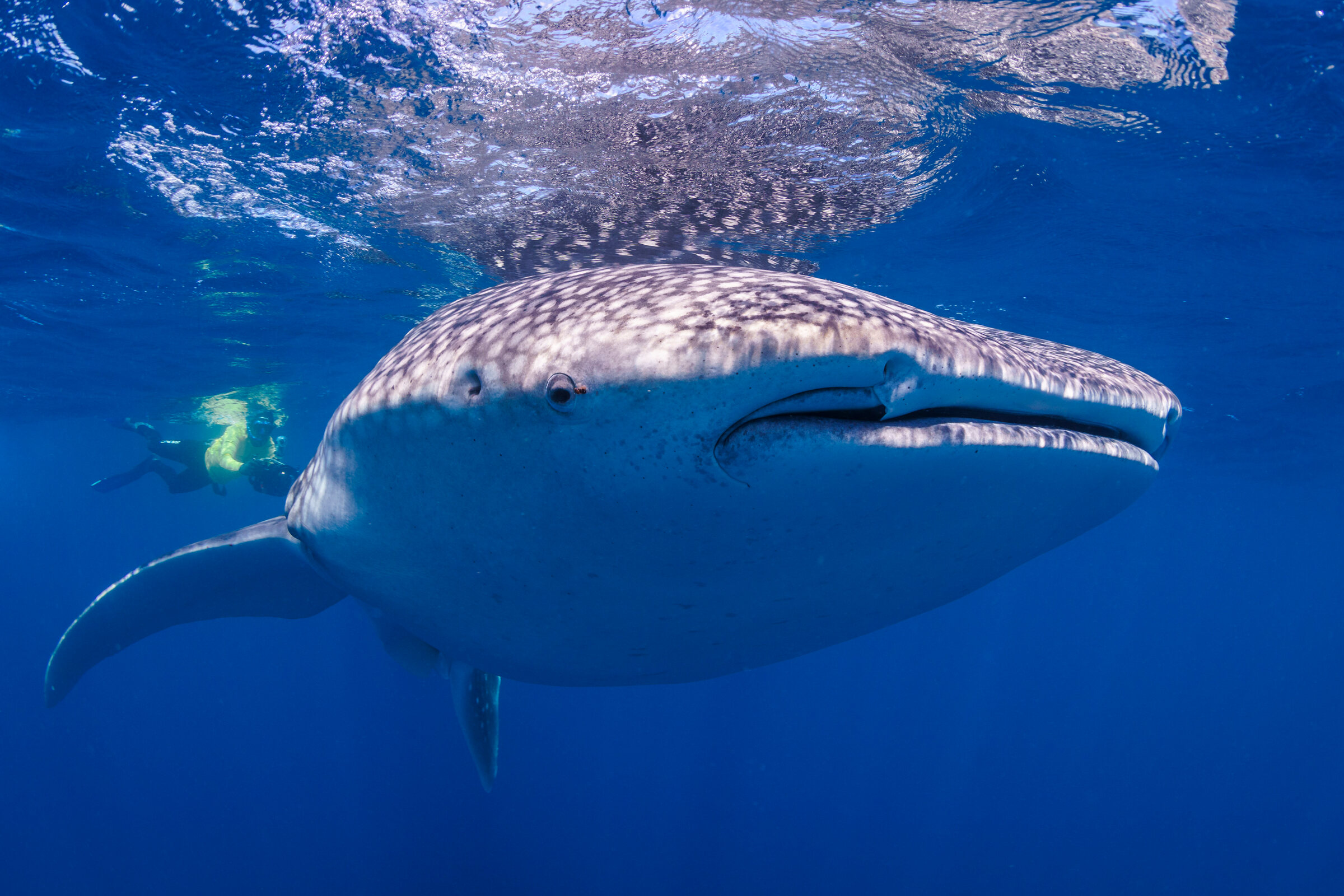
Coral Sea Whale Shark Project
Young whale sharks aggregate at Wreck Bay each November and December before dispersing across the Coral Sea and beyond.
59 whale sharks identified at Wreck Bay, 2019–2024Led by Dr. Simon PierceAbout the project →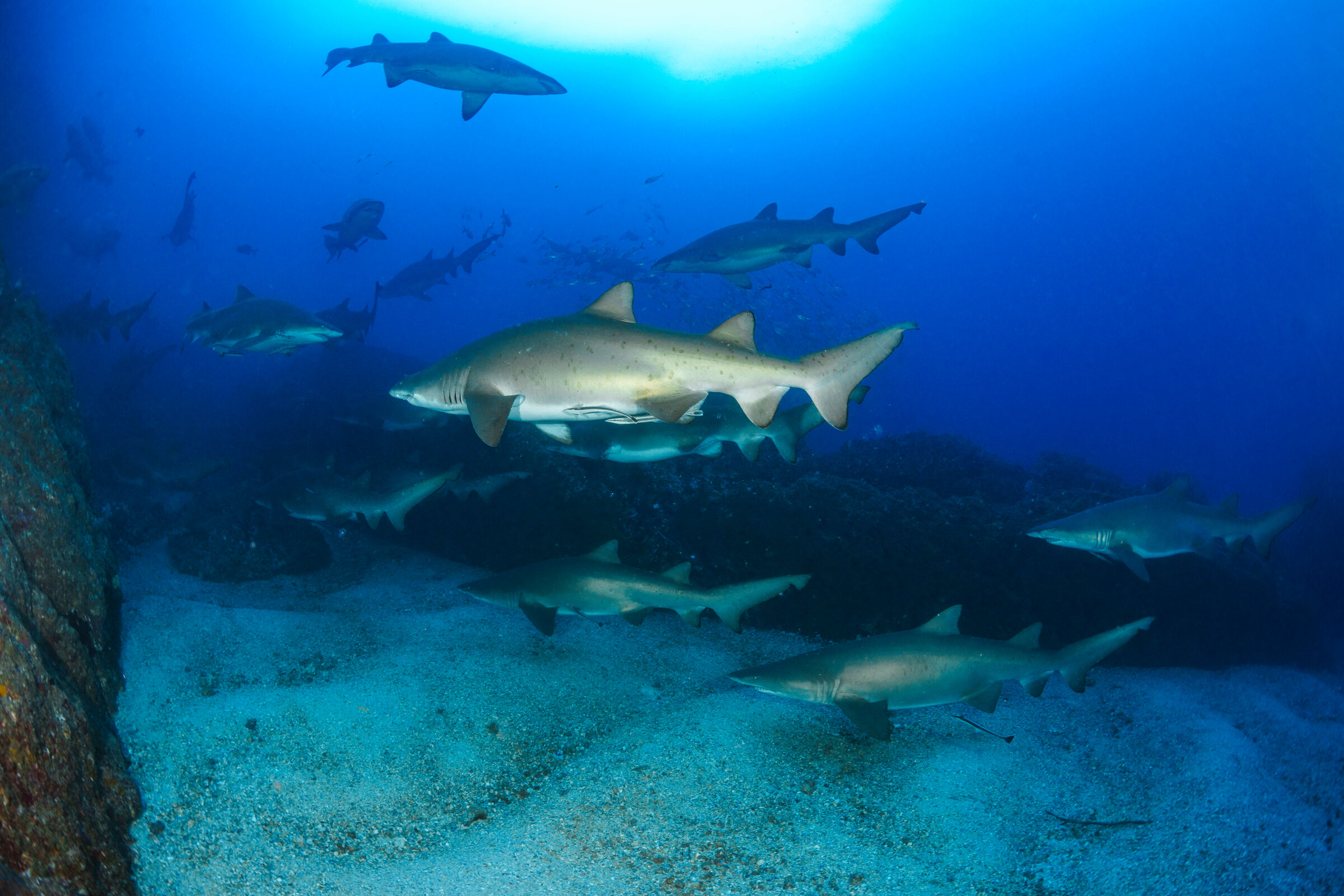
Grey Nurse Shark Project
Grey nurse sharks are Critically Endangered. With our partners, we use photo-identification to monitor individual sharks, from surveys at Wolf Rock to a catalog of more than 2,000 sharks along Australia's east coast.
Led by Dr. Simon PierceAbout the project →What we work on
Photo-identification, based on each shark's natural markings, allows us to monitor the same individuals for years without capturing them. One grey nurse shark surveyed at Wolf Rock, for instance, had first been recorded 20 years earlier.
Divers and snorkelers along the coast submit their photographs through partners such as Sundive Research and Spot A Shark, and every shark is matched on Sharkbook, the global photo-identification database.
Leopard sharks depart Byron Bay after the summer, while young whale sharks disperse from Wreck Bay across the Coral Sea and beyond. Following these movements shows which places each species depends on, and gives managers a first picture of important habitat.
Thank you to everyone who supports our work in Australia
Waterlust, Aqua-Firma, Shark Foundation, Sundive Research, University of the Sunshine Coast, Spot A Shark, James Cook University, Biopixel Oceans Foundation, Queensland Department of Science and Innovation, Cape Byron Marine Park (NSW Department of Primary Industries).