



Why adopt a dolphin?
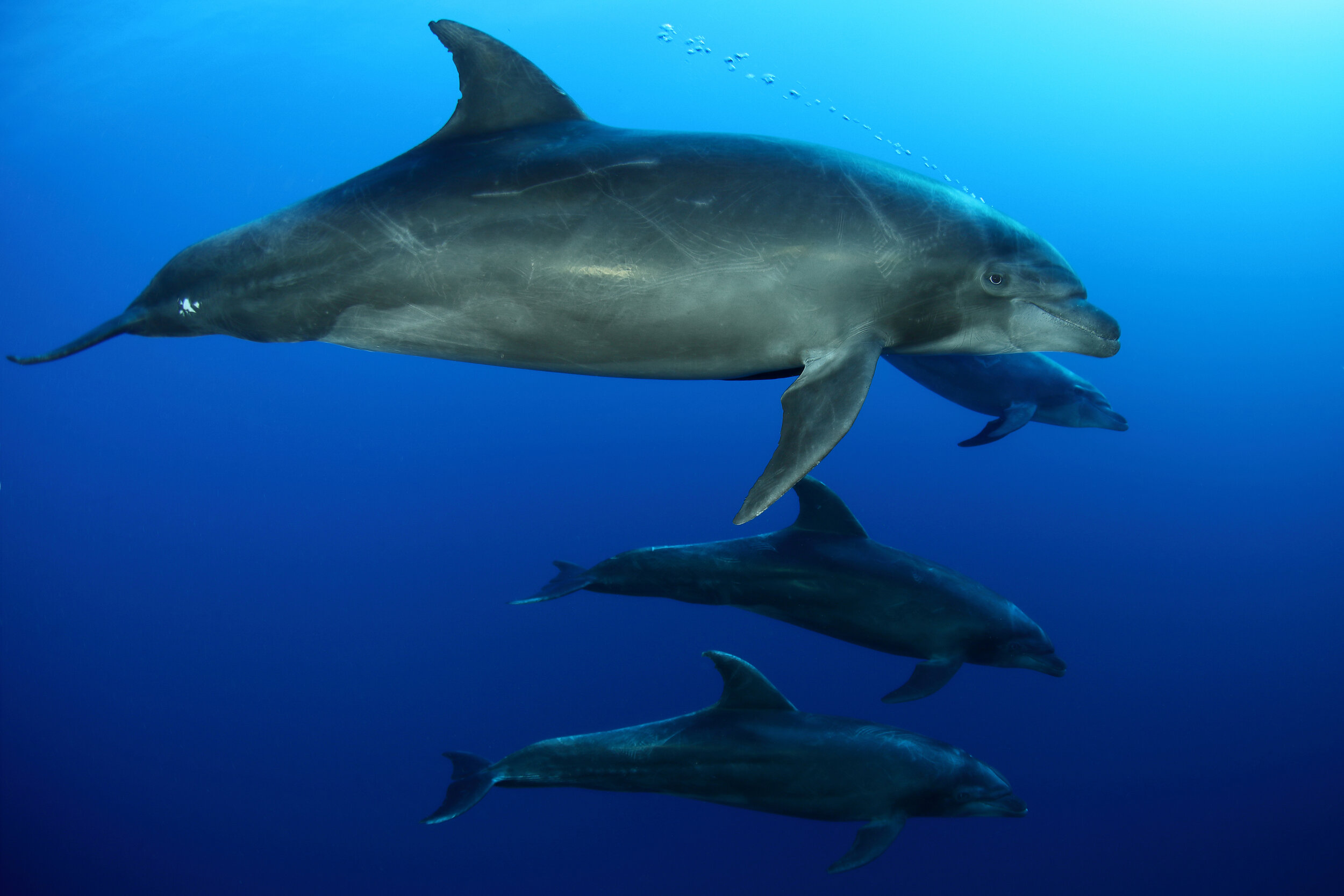
The open ocean off Mozambique's Bazaruto Seascape teems with superpods of dolphins. When you adopt a dolphin through the Marine Megafauna Foundation (MMF), you support the team protecting these waters, and the families who fish them.
Bazaruto Archipelago National Park, created in 1971 as one of Mozambique's first marine protected areas, is mandated to protect species of high conservation value, dolphins among them. The park is home to several species of marine mammals, including humpback dolphins.
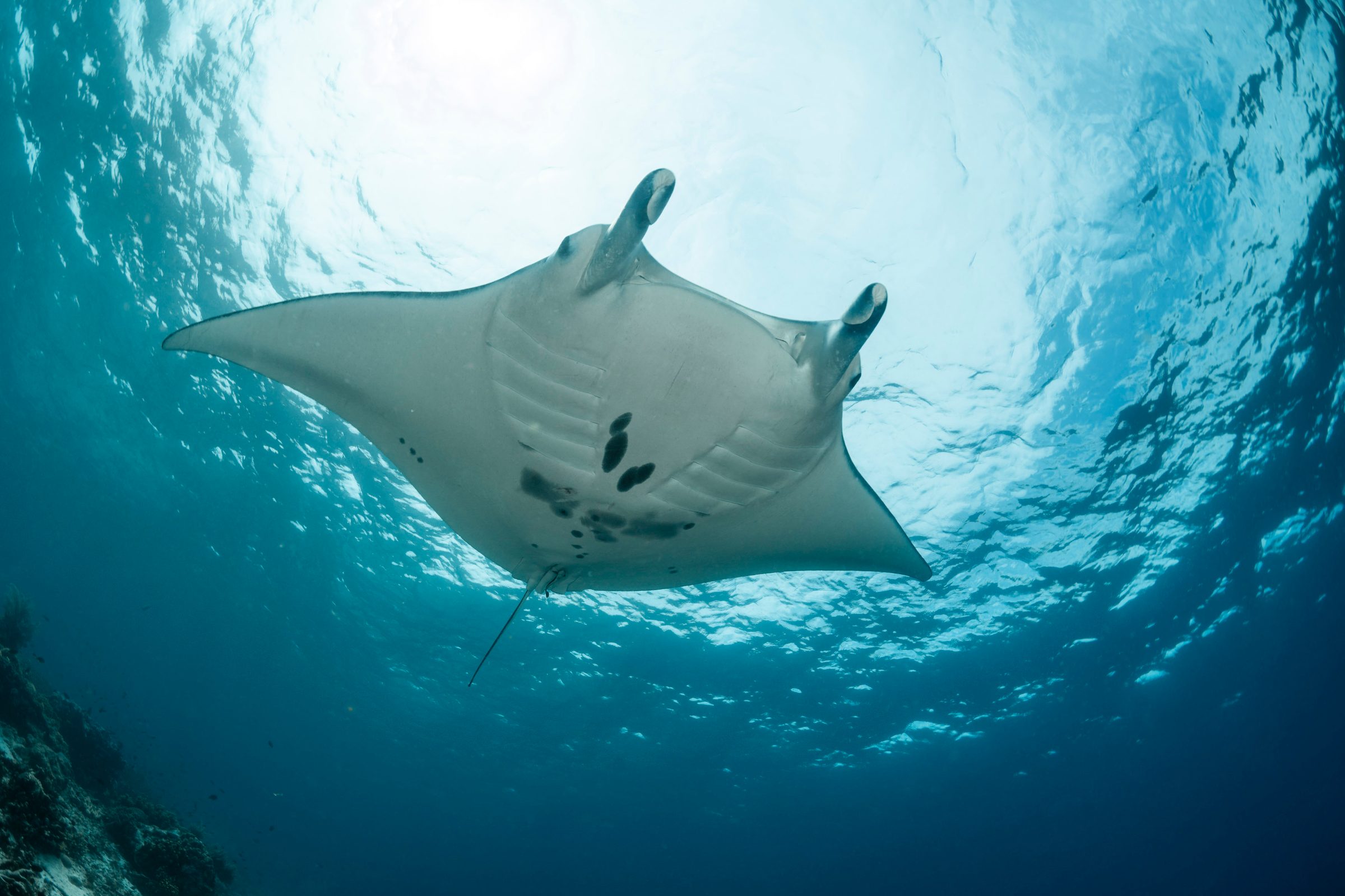
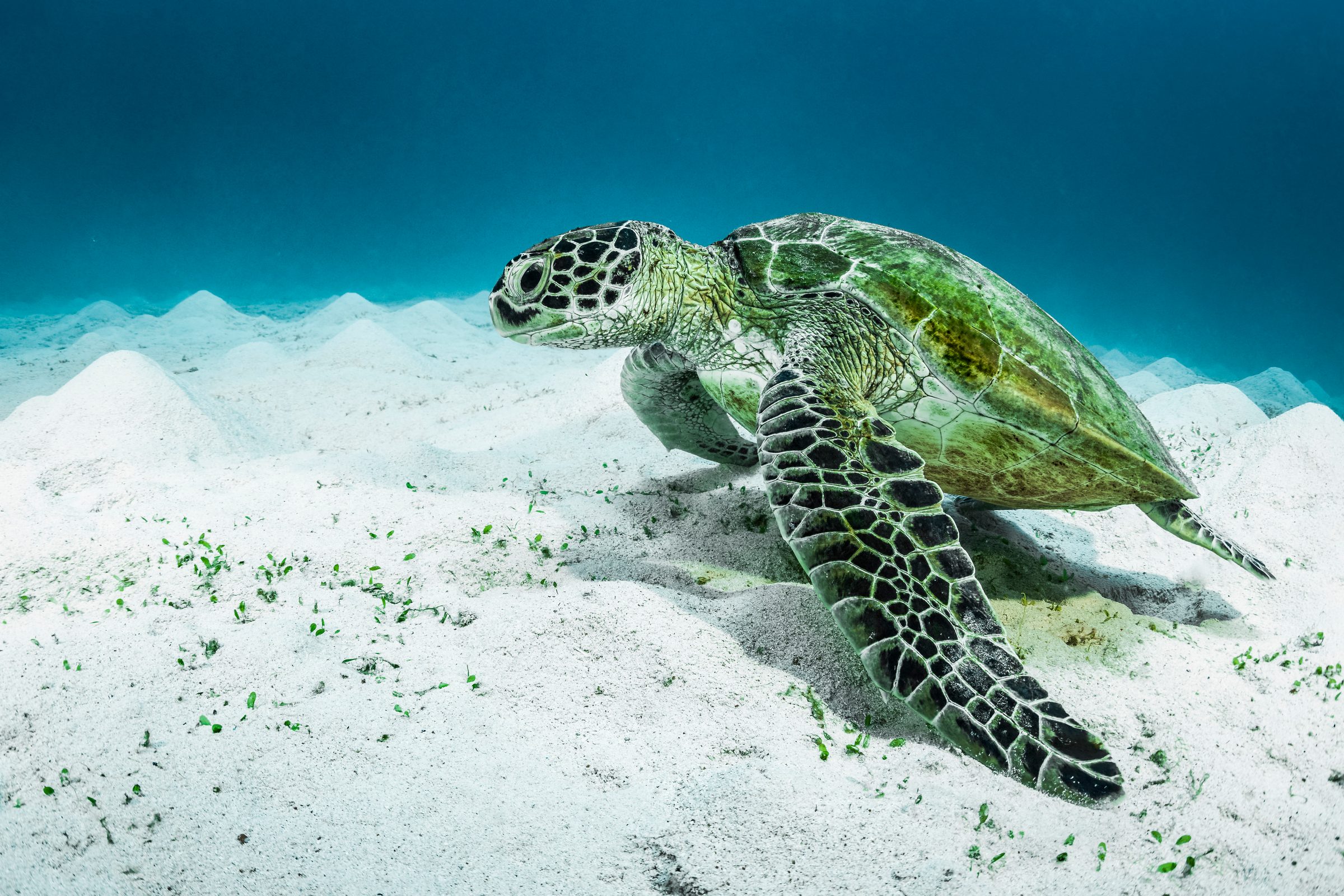
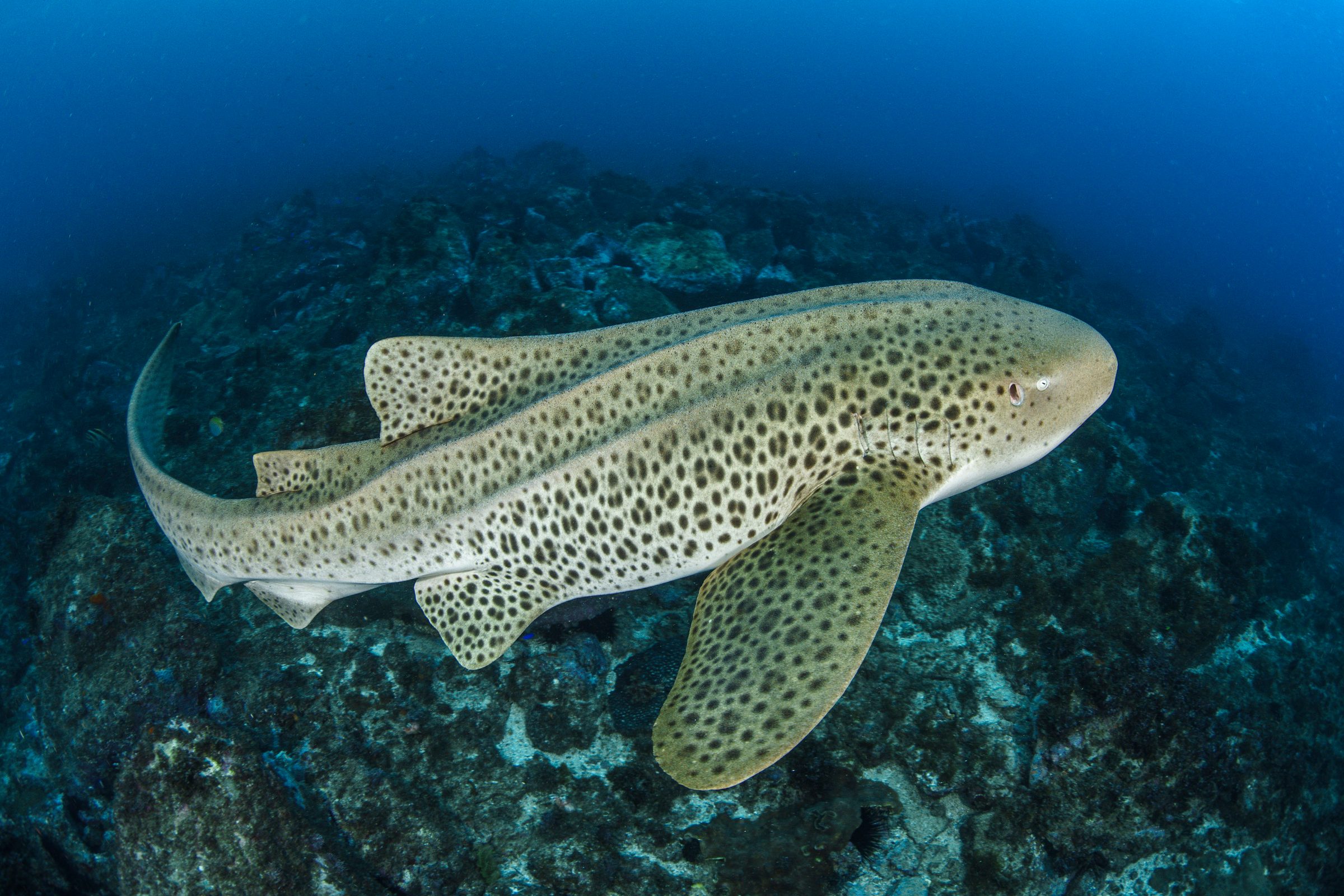
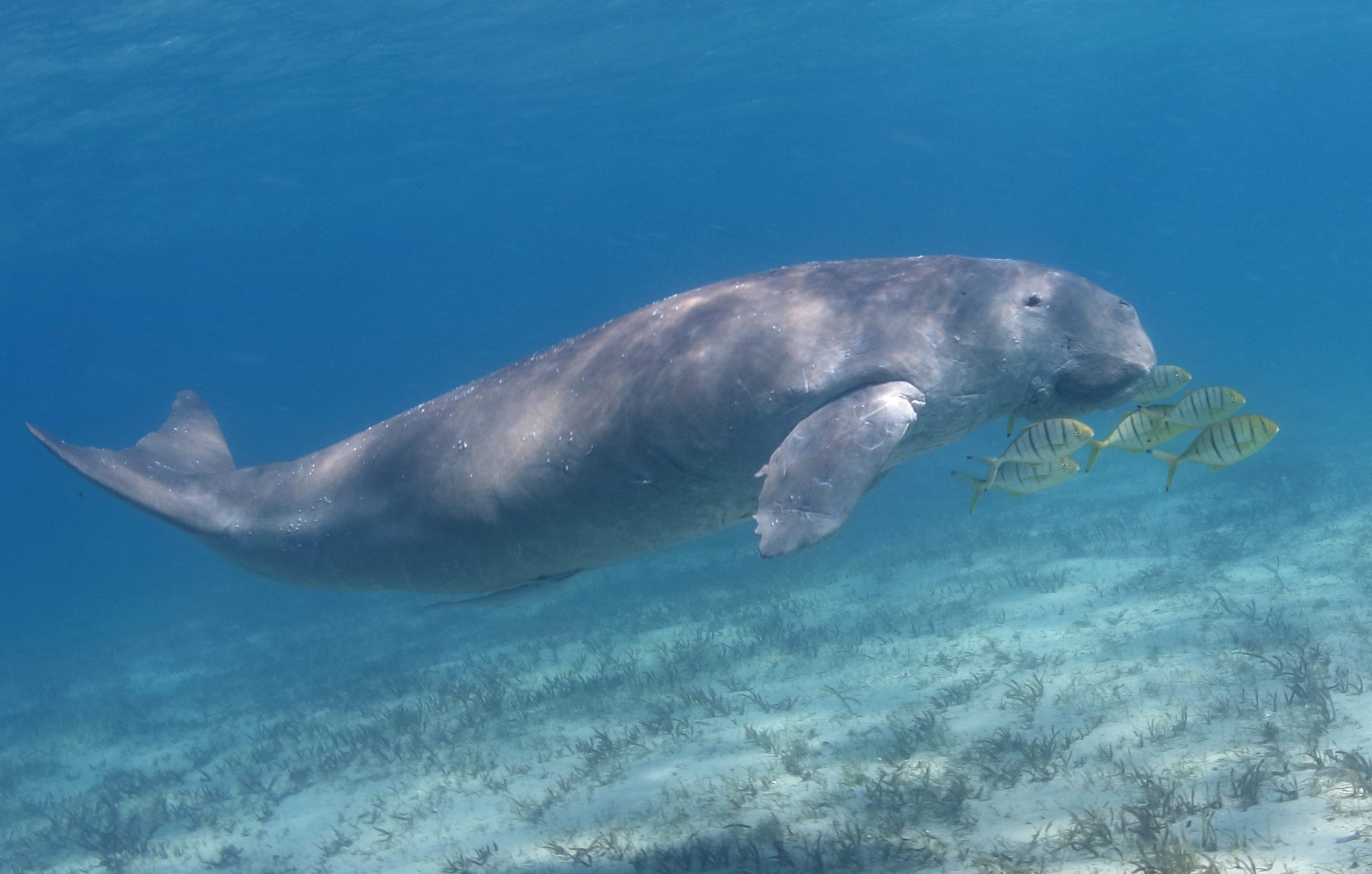
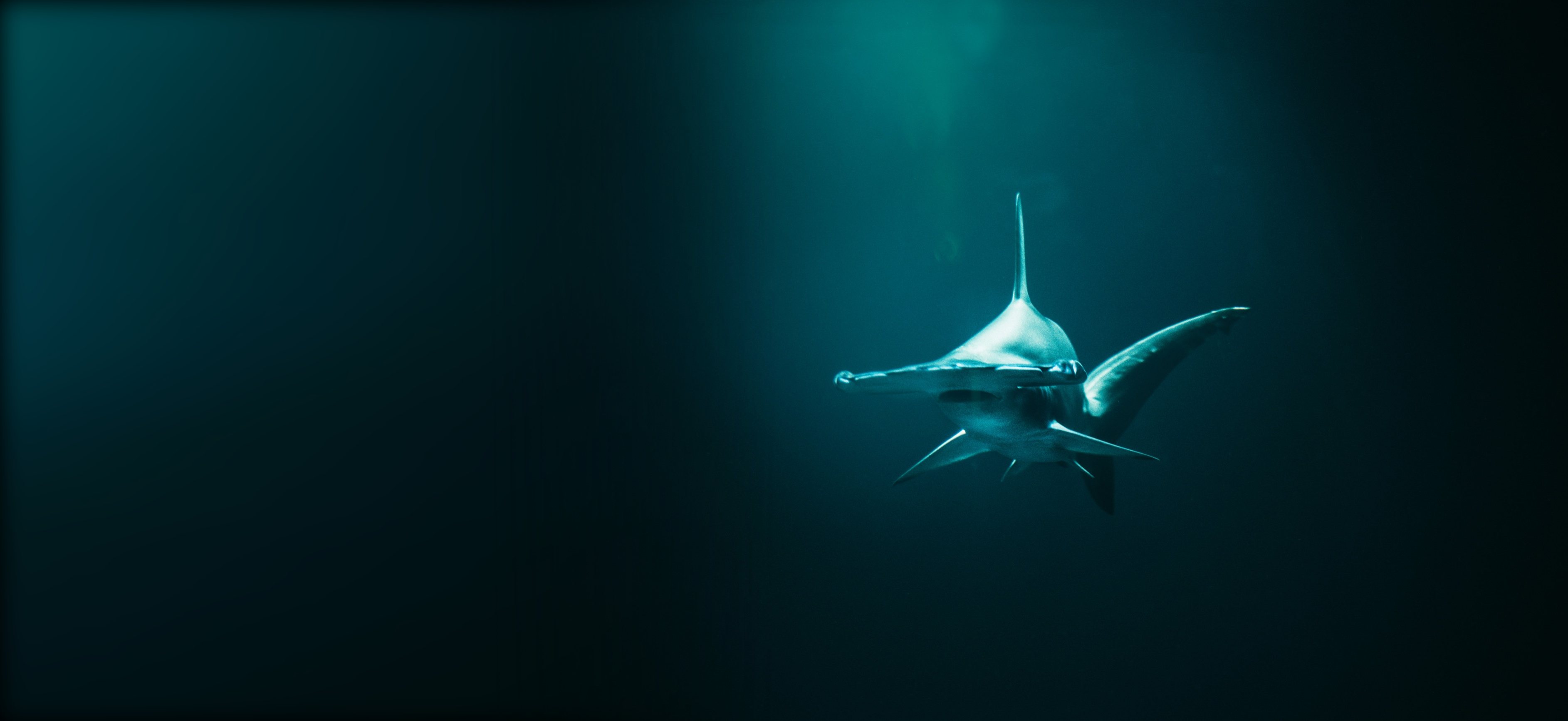
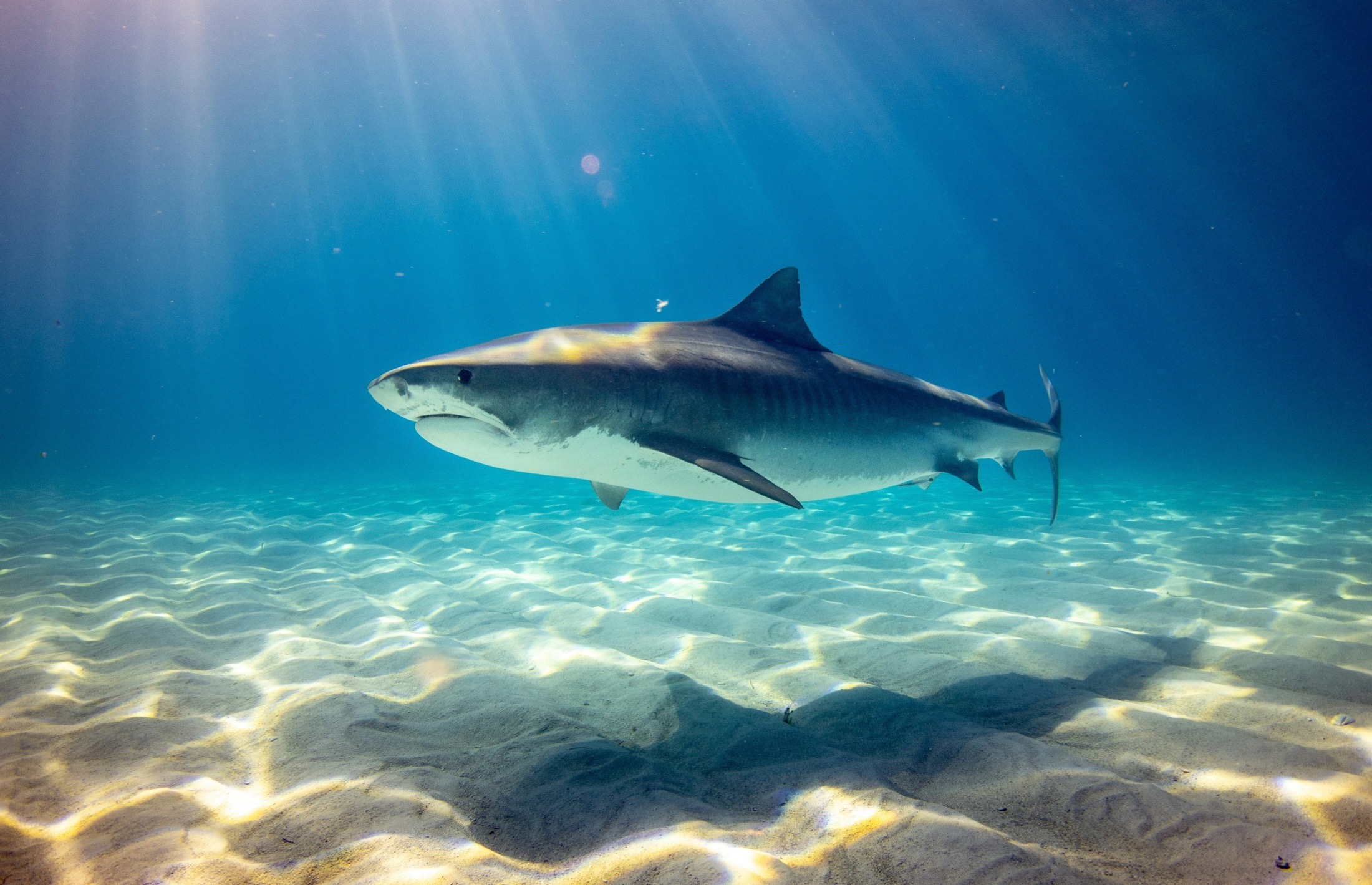
These dolphins share their sea with heavy fishing. Fishing along Mozambique's Inhambane coast has increased sharply, much of it with non-selective gillnets, and MMF's team has seen first-hand the impact of unsustainable fishing on sharks and rays, sea turtles, dugongs, and dolphins.
About dolphins
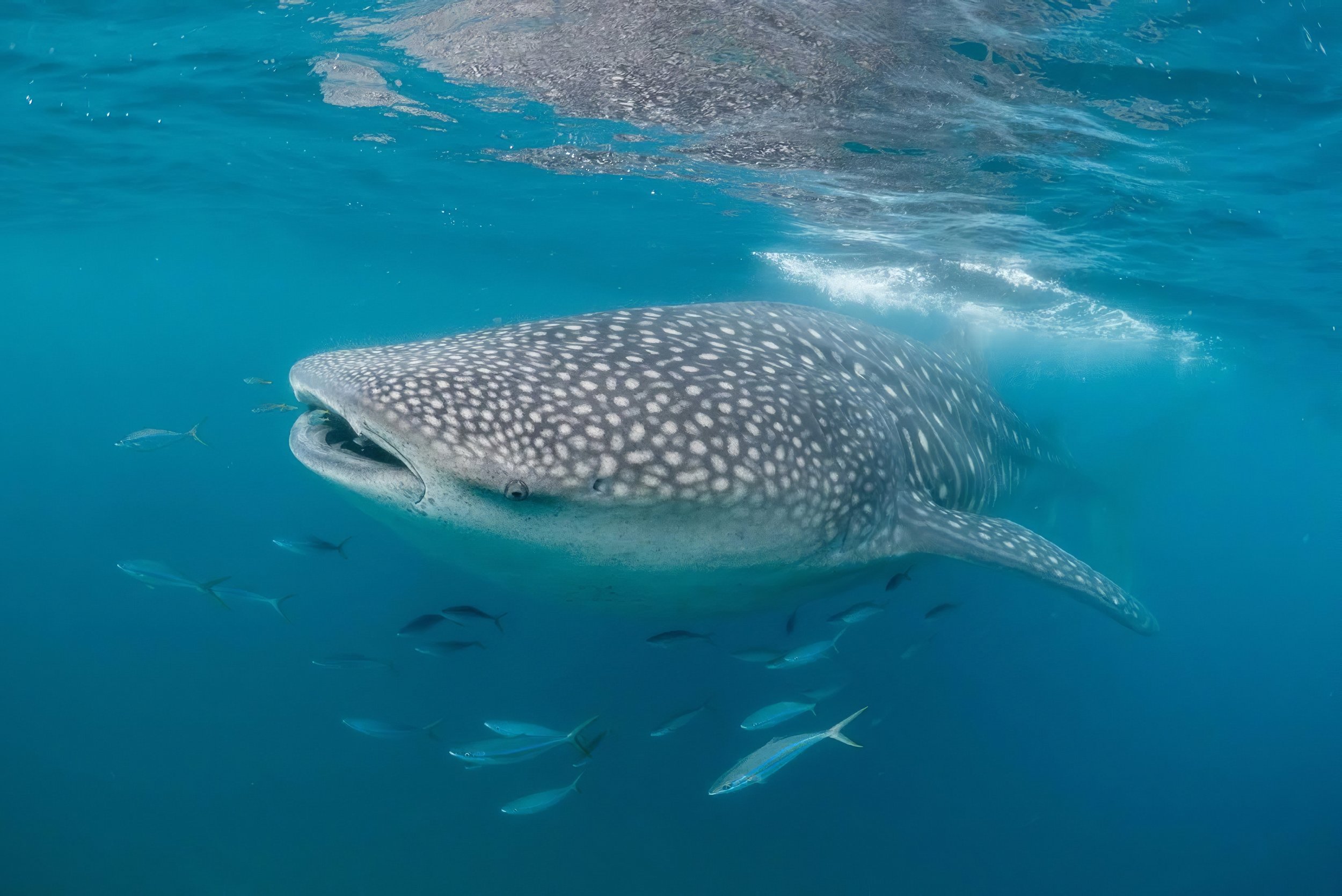
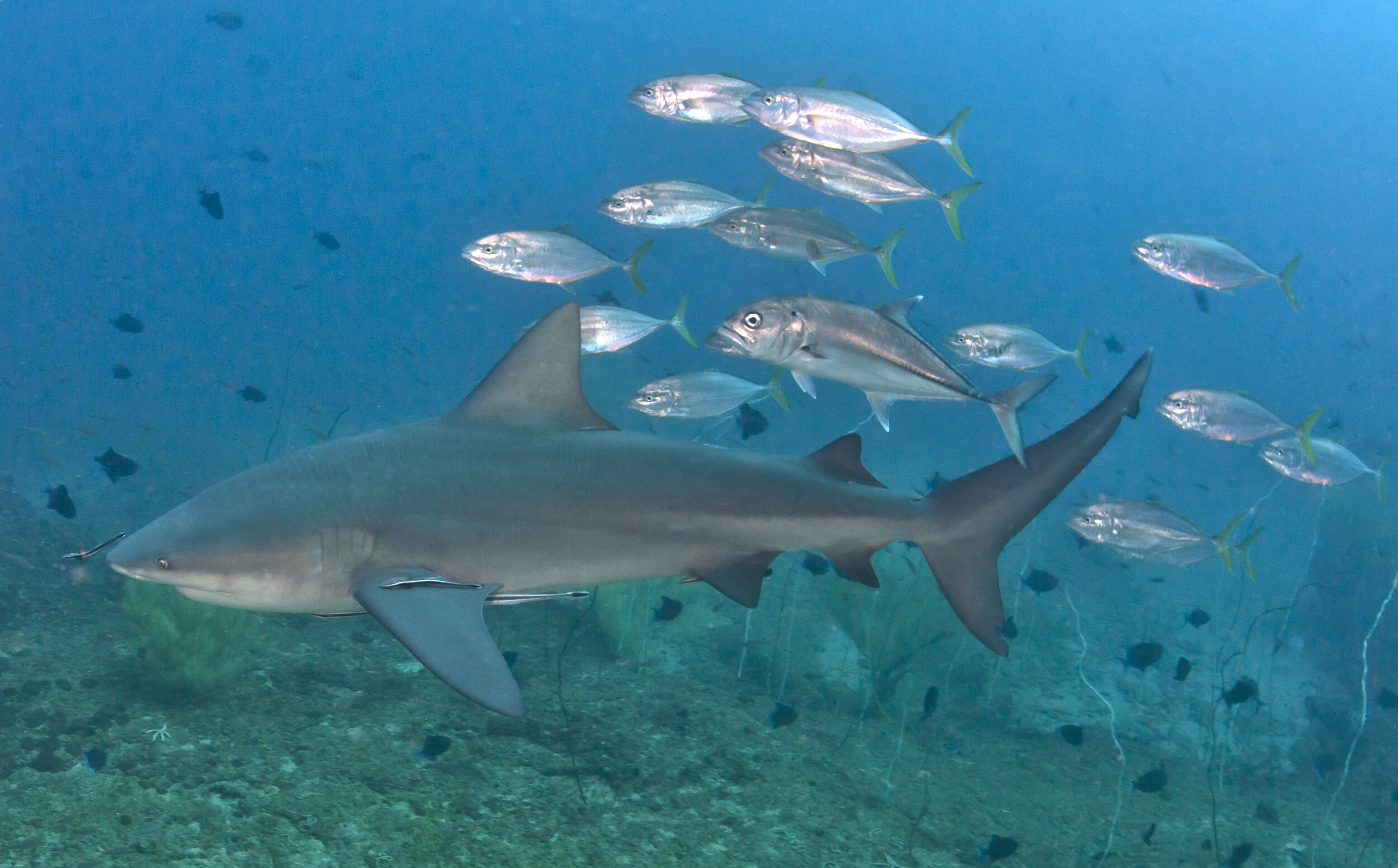
MMF does not run a dedicated dolphin research project, but dolphins appear regularly in our fieldwork. During baited camera surveys in the Bazaruto Seascape in 2025, surface observations included humpback and bottlenose dolphins, alongside whiprays, bull sharks, sea turtles, and whale sharks.
Dolphins turn up in MMF's work elsewhere too. In Florida, our surveys have spotted multiple dolphin pods from the air and regularly encounter spotted dolphins. In 2023, MMF's Jessica Pate co-authored a paper in which drones assisted the first report of a mixed-species group of common bottlenose and Atlantic spotted dolphins along the southeast Florida coast.
How your dolphin adoption helps
MMF does not run a dolphin project. Your dolphin adoption supports MMF's work as a whole, including our Migratory Species Program and our work in the Bazaruto Seascape in Mozambique, where MMF scientists have worked since 2013 and Dr. Clare Prebble leads the program today. Dolphins are among the animals our team has seen affected by unsustainable fishing on this coast, so our work with fishers to reduce netting in critical habitat can benefit them as well as the threatened sharks, rays, sea turtles, and dugongs we study.
In the Bazaruto Seascape, that work includes:
- Marine protected areas. MMF works with the managers and rangers of Bazaruto Archipelago National Park and The Sanctuary (Santuário Bravio de Vilanculos), giving scientific advice that informs their conservation strategies. In 2023, MMF data helped secure two IUCN Important Shark and Ray Areas covering both.
- Monitoring. Acoustic receivers along roughly 400 km (250 miles) of coast, from Závora to Bazaruto Island, follow tagged sharks and rays. In 2025 the team completed 158 baited camera deployments in the seascape, the fieldwork that logged humpback and bottlenose dolphins.
- Working with fishers. With The Sanctuary and the local community fishing council, MMF is working to establish a protected no-netting area, supported by patrol boats, trained rangers, and a ranger camp. Rangers and council members trained in catch monitoring now run a program recording what local fishers land, and since late 2025 local fishers have been training in selective handline fishing as an alternative to netting.
- Community leaders and education. Through Sustainable Seas, 90 Ocean Ambassadors work in seven fishing communities. Ocean Guardians, our UNESCO-recognized program, has graduated 6,220 children since 2012.
Ready to help? A dolphin adoption is $39, with a personalized certificate to download straight after checkout.
Adopt a dolphin · $39