

Jessica Pate
US Country Manager & Senior Scientist
ORCIDGoogle ScholarInstagramLinkedInResearch Gate
jessica.pate[@]marinemegafauna.org
Research Interests
Jessica’s research interests focus primarily on the biology, ecology, and behavior of imperiled marine species to inform management decisions. While she began her career collecting data on sea turtle populations, she now researches a never-before studied population of manta rays in south Florida. Jessica is interested in understanding the environmental drivers of spatial and temporal distribution, life history traits, and anthropogenic impacts on Florida’s manta rays. She utilizes a range of methodologies including underwater photography, aerial surveys, satellite and acoustic telemetry, genetics, and sociological surveys to answer her research questions. A key component of her research is involving local stakeholders in data collection and conservation, as well as raising awareness of marine conservation issues to the general public.
Since founding the Florida Manta Project in 2016, Jessica has documented a potential nursery for young manta rays along the Palm Beach County coast (opens in a new tab) (2020), and in 2025 she co-authored the study that formally described the Atlantic manta ray (Mobula yarae) as a new species (opens in a new tab). She was also lead author of a 2025 study of the distribution of three devil ray species across the western Atlantic and Caribbean (opens in a new tab). In 2026 she co-authored a study documenting remoras entering manta rays’ cloacas (opens in a new tab), the shared opening of their digestive, urinary, and reproductive tracts, and joined a team led by Dr. Madalena Cabral that reported the first ultrasound confirmation of pregnancy in free-swimming oceanic manta rays (opens in a new tab) (Mobula birostris). As US Country Manager, she also leads the Atlantic Guitarfish and Atlantic Mobula Rays projects and is part of the Hawaii Oceanic Manta Project team.
Education
2014 Master of Science, Biology
Florida Atlantic University, Boca Raton, Florida, USA
Thesis title: A comparison of body proportions in juvenile sea turtles: How shape may optimize survival in a vulnerable life stage
2007 Bachelor of Science, Environmental Science
University of North Carolina, Chapel Hill, NC, USA
Biography
Originally from eastern North Carolina, Jessica has always had a love of animals and the outdoors. While at UNC-Chapel Hill she majored in Environmental Science, and studied abroad in Mexico and Kenya. These experiences stoked her desire to travel, conduct field work, and conserve the natural world. She has lived and worked around the world as a biologist, including studying sea turtles in Costa Rica and Ghana, diving in Honduras, and even as a professor of marine biology on a sailboat while crossing the Atlantic Ocean.
In 2016, she started the Florida Manta Project (FMP) with MMF. She first saw manta rays in Florida while working on sea turtle nesting beaches, and was surprised to learn that manta rays there were unstudied. Since the inception of FMP, she has described south Florida as a potential nursery habitat for young manta rays and documented a high frequency of anthropogenic impacts (fishing gear entanglement, vessel strikes) on these mantas.
Jessica enjoys scuba diving, underwater photography, bird watching, hiking, reading, and running. Though manta rays are her favorite animal, she also loves looking for tiny nudibranchs and blennies while diving!
MMF work
Leads
- Atlantic GuitarfishUSAProject leader
- Atlantic Mobula RaysUSAProject leader
- Florida Manta ProjectUSAProject leader
- Revillagigedo Manta Ray ResearchMexicoProject leader
Team member
Media
 Daily Geek ShowDes poissons surpris en plein auto-stop cloacal sur des raies manta (opens in a new tab)
- ZME ScienceSuckerfish Slip Through Manta Ray Buttholes and Scientists Aren’t Sure How Bad That Is (opens in a new tab)
 University of Miami NewsThe ocean’s weirdest pit stops: Scientists discover remoras hiding inside manta rays (opens in a new tab)
 The Cool DownNew study reveals fish are ‘hitchhiking’ in manta ray ‘buttholes’ (opens in a new tab)
 A-Z AnimalsNew Footage Shows Remoras Invading Manta Rays (opens in a new tab)
 VICEMeet the Fish That Are Ramming Themselves Up Manta Ray Butts (opens in a new tab)
 ScienceAlertScientists Caught Suckerfish Diving Into Manta Rays’ Rear Ends (opens in a new tab)
 Smithsonian MagazineThis Fish Hitches Rides in Manta Rays’ ‘Buttholes,’ According to New Research (opens in a new tab)
 SciencepostLe bunker de l’horreur ? Pourquoi certains poissons choisissent le cloaque des raies comme résidence mobile (opens in a new tab)
 Spektrum der WissenschaftSaugfische verstecken sich im After von Mantarochen (opens in a new tab)
- SciLogs (Meertext)Schiffshalter im Manta-Mors (opens in a new tab)
 CBC RadioSuckerfish are diving headfirst into unsuspecting manta rays’ rear-ends (opens in a new tab)
 ForbesRemoras Are Diving Into Manta Ray ‘Buttholes.’ Really. (opens in a new tab)
 Live Science‘A combination of amazement and horror’: Hitchhiker fish hide in manta ray buttholes (opens in a new tab)
 DefectorWhat Are You Doing In There, Fish? (opens in a new tab)
 Science X (Phys.org)Are remoras the ocean’s weirdest hitchhikers? These suckerfish invade manta rays in the most intimate of places (opens in a new tab)
 New York TimesA Fish That Hitches Rides Where the Sun Doesn’t Shine (opens in a new tab)
 Scientific AmericanSucker fish are hiding in manta rays’ ‘butthole,’ new study reveals (opens in a new tab)
 National Park Service (Park Science)New Research Finds Microplastics on Sea Turtle Beaches (opens in a new tab)
- Real Science — Jessica is interviewed in this documentary, watched more than 3 million times.The Insane Biology of: The Giant Manta Ray (opens in a new tab)
- ChangingSeasTVRecreational Shark Fishing: Collaborating for Conservation (opens in a new tab)
 National GeographicBig manta rays found ‘right under our nose’ off Florida beaches (opens in a new tab)
 Palm Beach PostAmazing discovery in Palm Beach County: Giant manta ray babies and a study that could save a threatened species (opens in a new tab)
- So You Want to be a Marine Biologist PodcastManta Ray Research And Don’t Eat The Goat! With Jessica Pate (opens in a new tab)
 GOOD MagazineThis Woman-Led Conservation Team Is Protecting Giant Gentle Manta Rays (opens in a new tab)
Our work in the USA
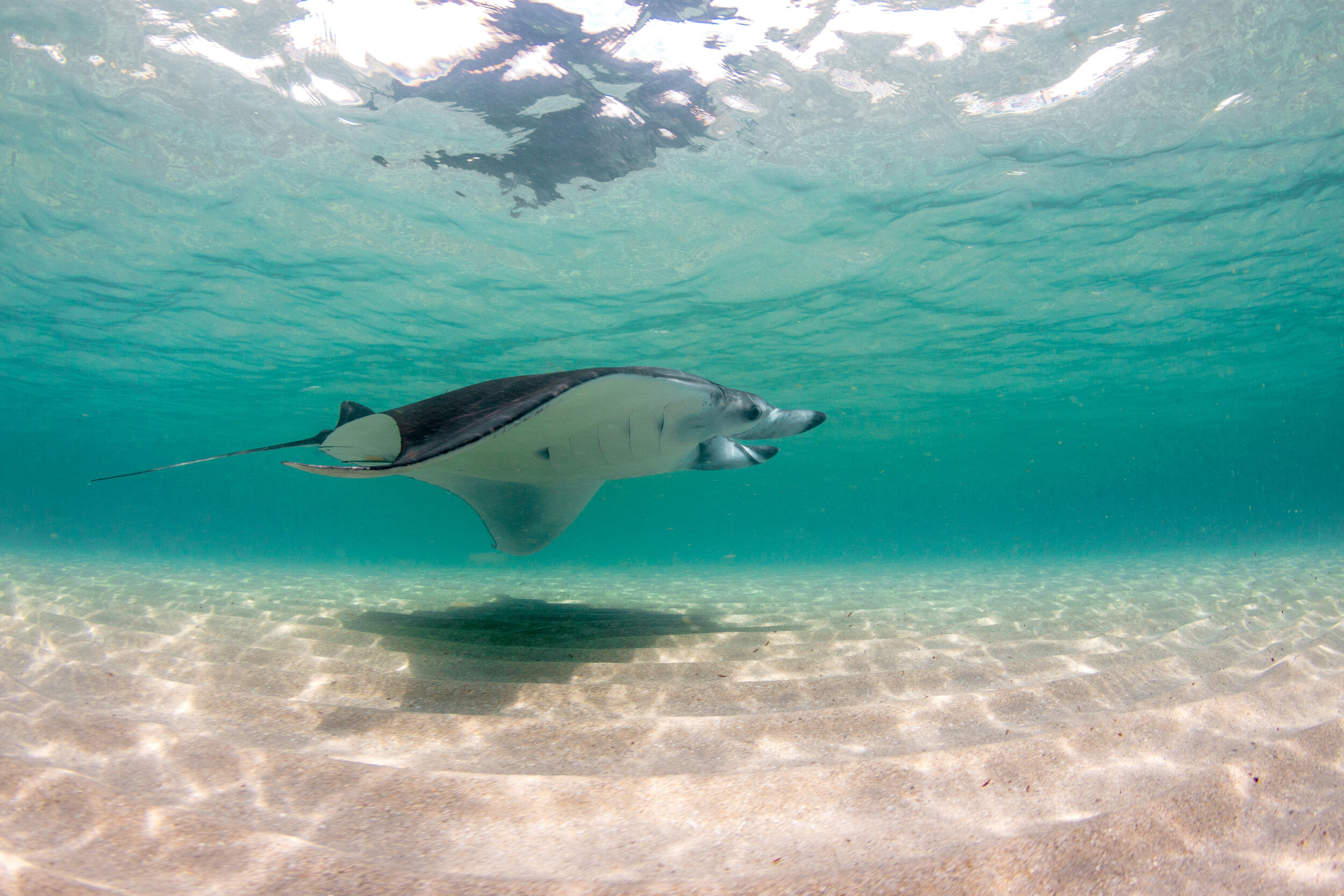
News featuring Jessica
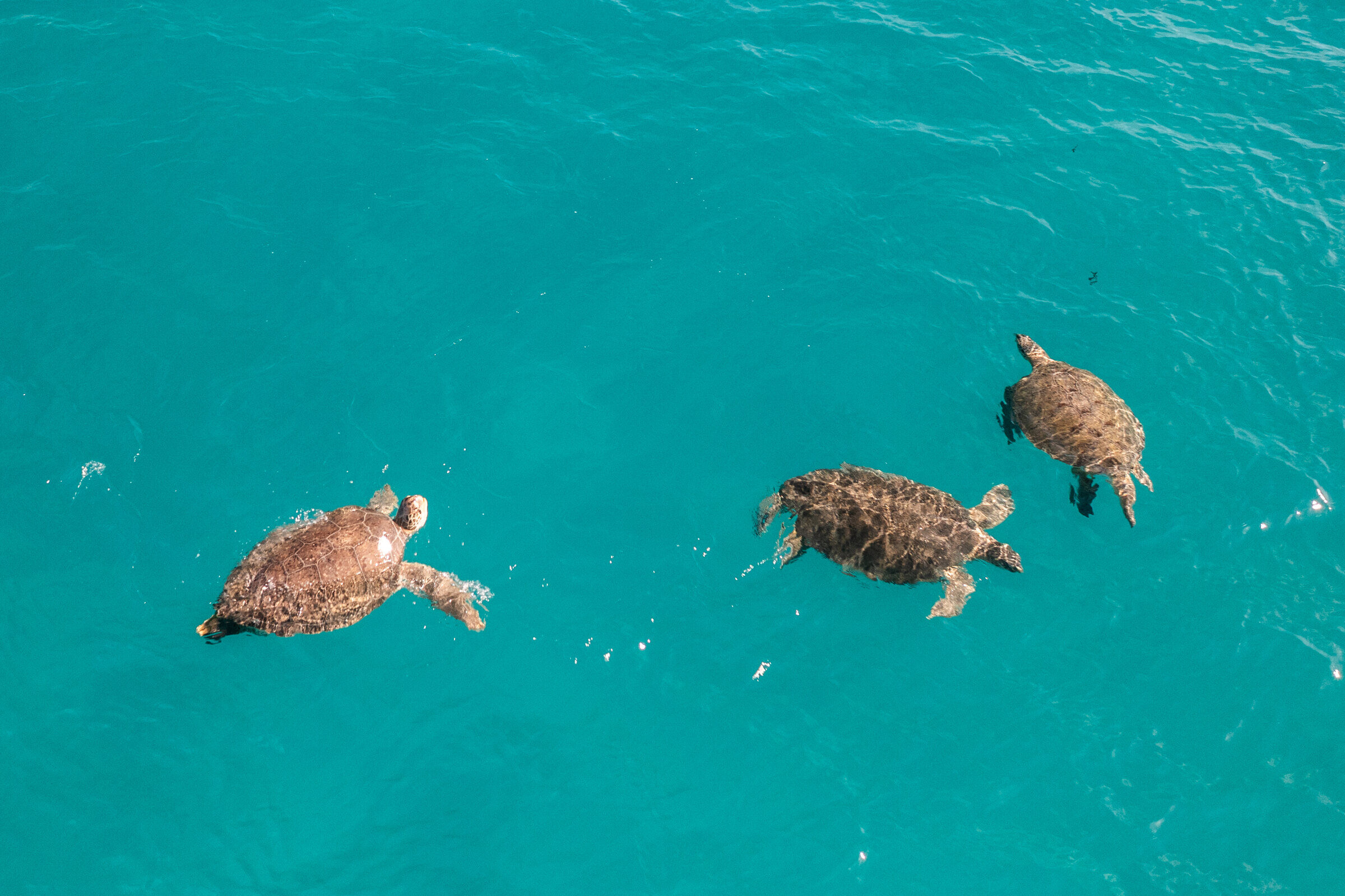
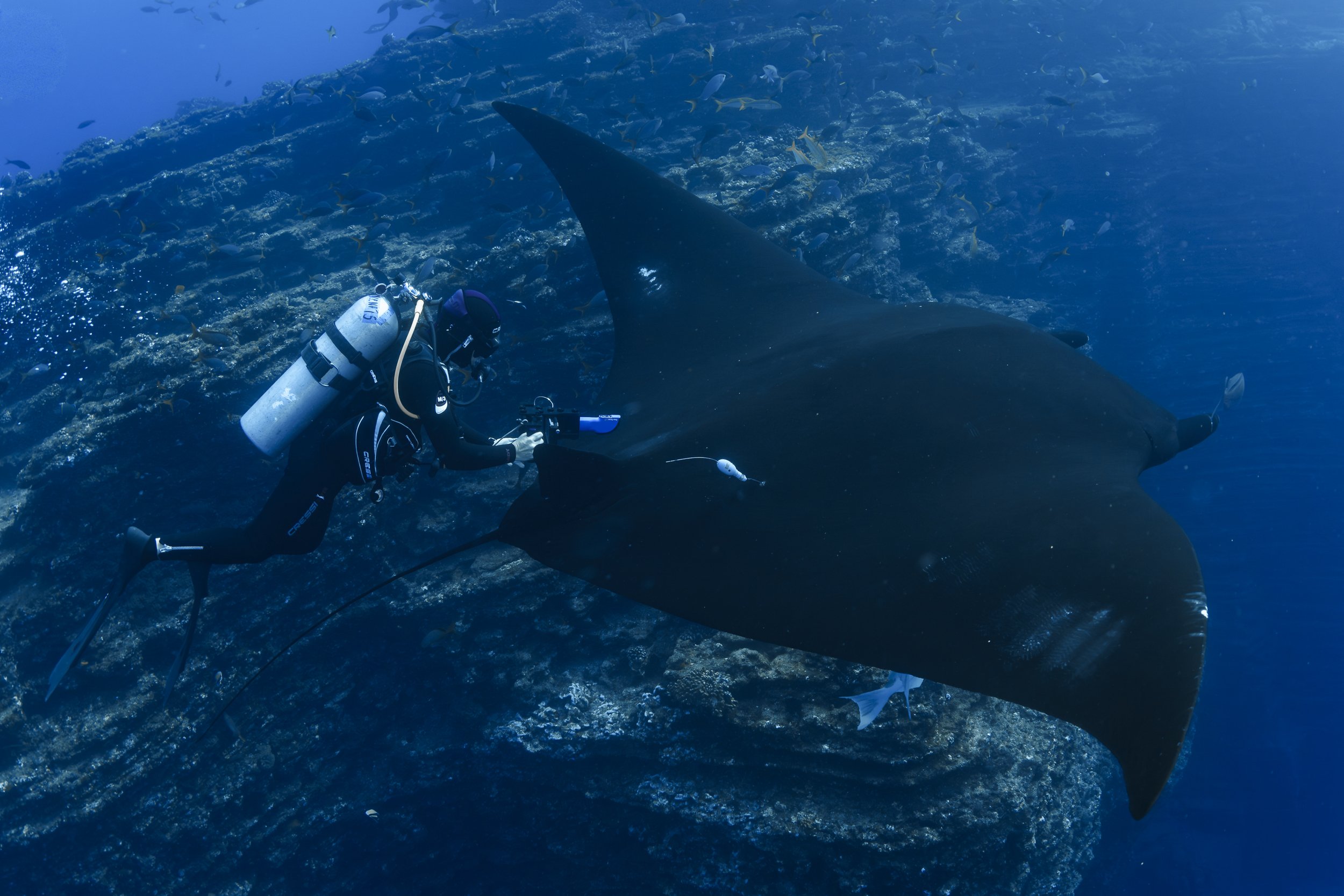
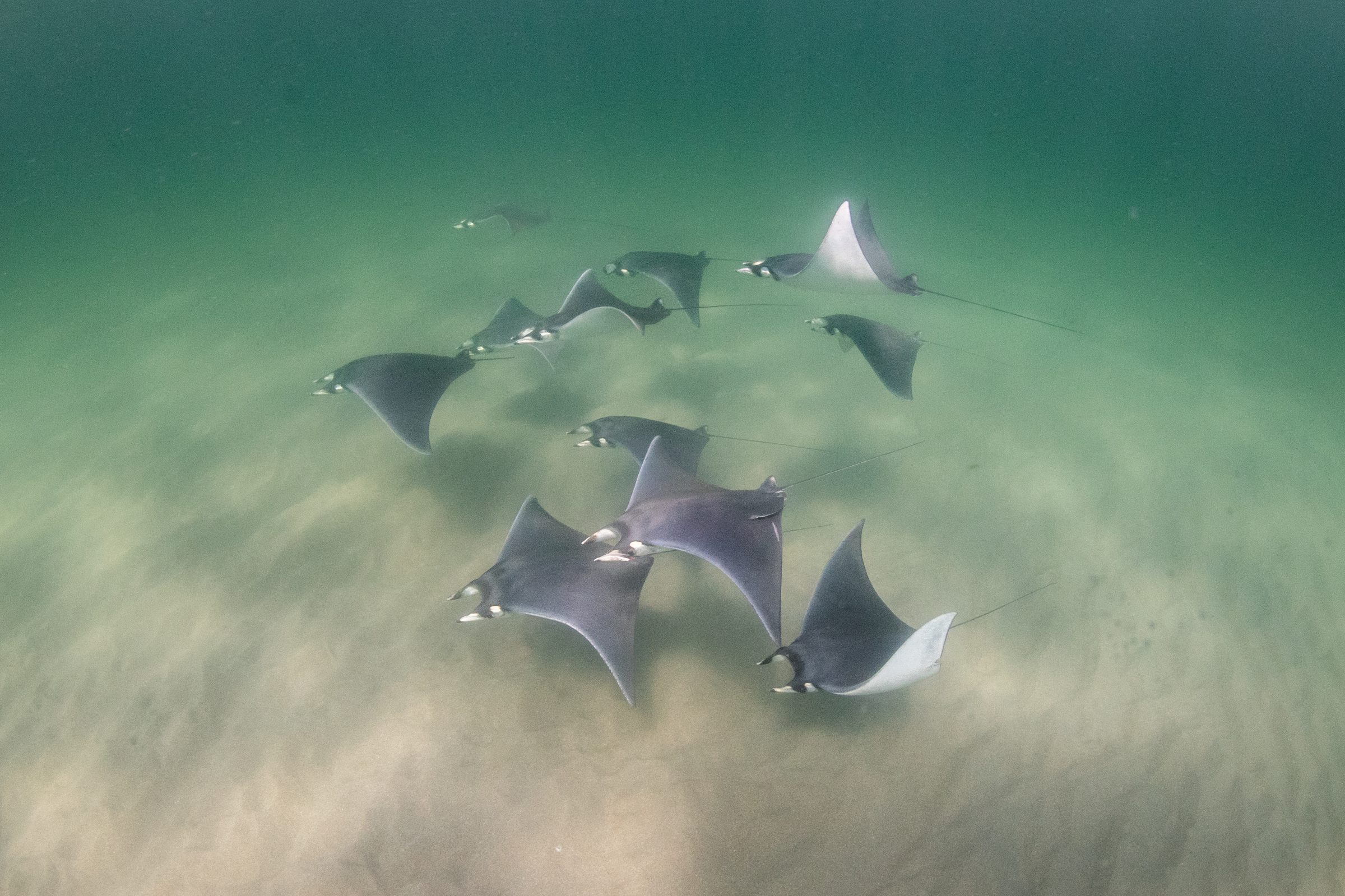
Recent research
- 2026When marine turtles and vessels overlap: Mapping encounter risk along Florida's Atlantic coast
- Underwater ultrasonography confirms pregnancy and identifies developmental stages in free-swimming oceanic manta rays (Mobula birostris)
- Closing the gaps: Integrating biological, ecological and taxonomic data to support the identification and conservation of the Atlantic pygmy devil ray (Mobula hypostoma)
- Hiding in plain sight: evidence of Echeneidae cloacal and gill diving behavior in manta ray hosts
- 2025Distribution of three mobulid ray species (Mobula tarapacana, Mobula mobular, and Mobula thurstoni) in the western Atlantic and Caribbean
- Stability and spatial variance of Mobula yarae-associated fish aggregates in south Florida
- Using drone footage to analyze the effect of diver presence on juvenile manta ray behavior
- An integrative taxonomy investigation unravels a cryptic species of Mobula Rafinesque, 1810 (Mobulidae, Myliobatiformes), from the Atlantic Ocean
- A global assessment of microplastic abundance and characteristics on marine turtle nesting beaches
- 2024Evidence of reproductive and feeding habitat for manta rays off Florida’s Atlantic coast