Research · Marine Biology
First Study of Zebra Sharks in Africa Reveals New Hotspot in Need of Protection
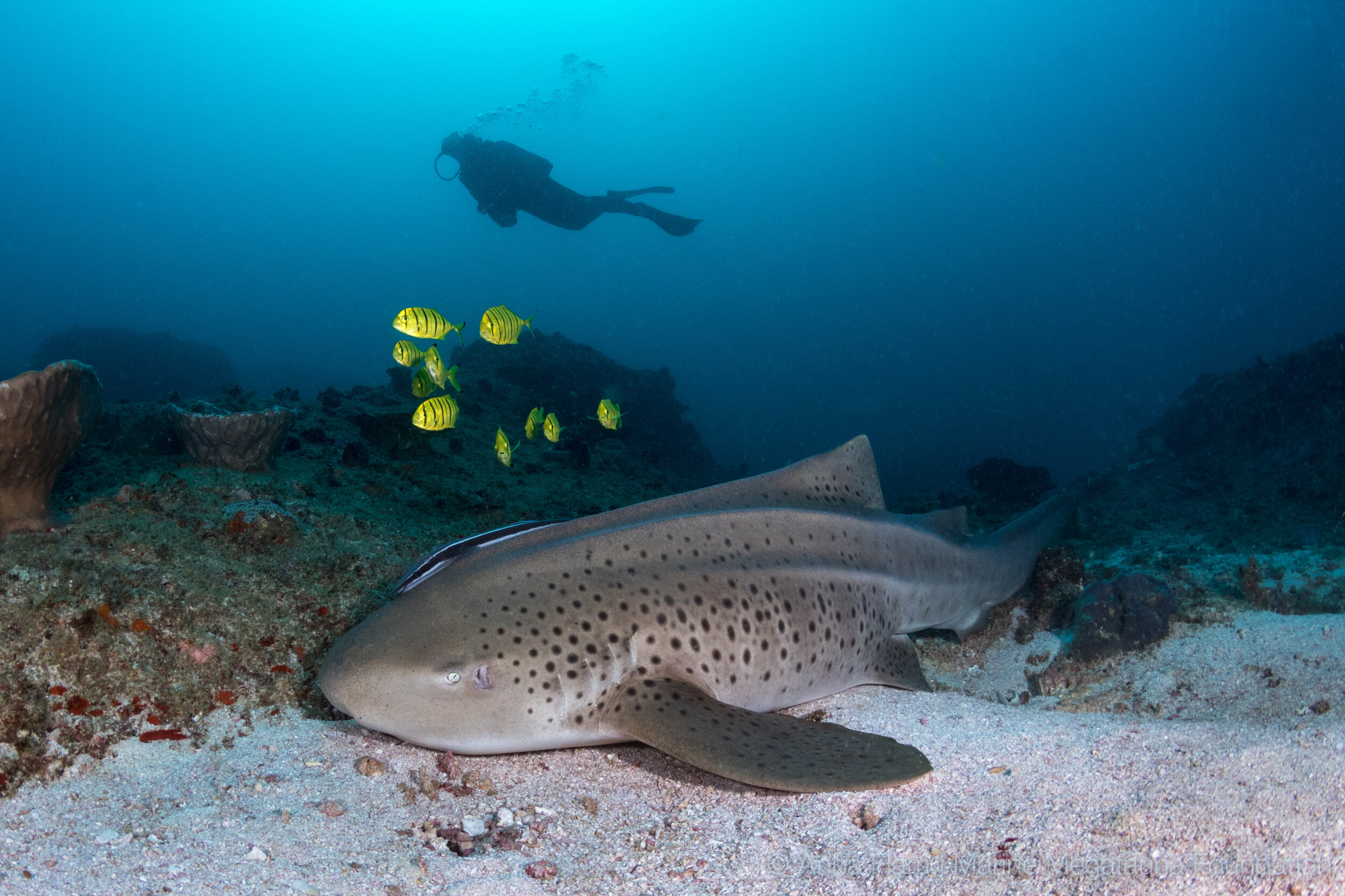
A new study (opens in a new tab) by Marine Megafauna Foundation (MMF), in collaboration with Swansea University and All Out Africa, is the first to describe a population of endangered zebra sharks (also commonly called leopard sharks) in Africa. The study reveals a key global hotspot and potential breeding area. Based on these findings, scientists recommend species-level protection and expansion of marine protected areas, to safeguard this charismatic species.
The study used structured underwater surveys and identification photos submitted by scuba diver “citizen scientists” to track individual sharks. Additionally, interviews with 100 local fishermen were used to identify potential zebra shark habitats, who are unfortunately most likely to encounter the animals as bycatch in gillnets. Information from underwater surveys created similar distribution maps and habitat modeling also identified new possible hotspot locations that merit future underwater surveys.
Lead author, Saoirse Pottie explains, “this study adds credibility to using a multi-faceted approach to collect baseline data for marine species. When used in combination, fishers’ observations and dive surveys can complement each other. Fisher surveys can collect sightings information at a wider spatial scale than underwater surveys, yet dive surveys are capable of providing more in-depth information on the movement and behavior of individuals.”
The authors hope to inspire other researchers working in data-deficient locations. “This approach could be applied in other regions to highlight areas of interest, prioritize research activities, and inform conservation actions. The inclusion of local knowledge also provides an opportunity to enrich our understanding of social-ecological systems, engage local communities, and make environmental decisions that are more inclusive,” continues Pottie.
Photos taken by scientists and recreational scuba divers between 2010 and 2018 identified 90 individual sharks of both sexes. 38% of sharks were seen in multiple years, indicating an affinity for the area. Over 62% of the sharks were mature. The high frequency of both male and female adult sharks in a small area indicates a breeding area, which is a prime habitat for protection.
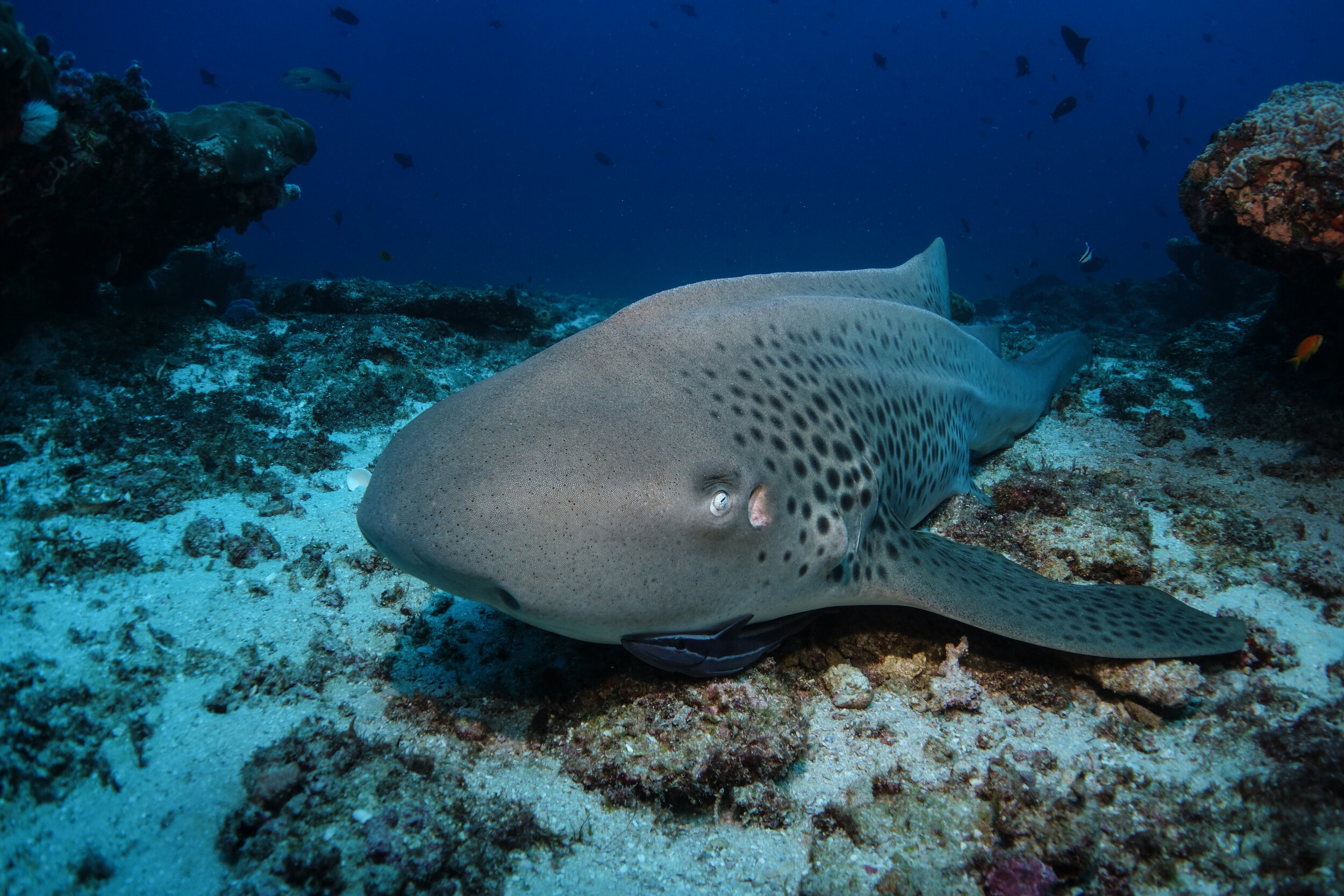
While zebra sharks are listed as endangered by the IUCN Red List of Threatened Species (opens in a new tab), they lack formal protection in Mozambique, and the majority of the suitable zebra shark habitat identified in this study remains unprotected. According to co-author Anna Flam, an MMF scientist, “this is one of the world’s largest identified populations of zebra sharks and we should protect them, otherwise, we could see them disappear, as has happened in parts of Southeast Asia.”
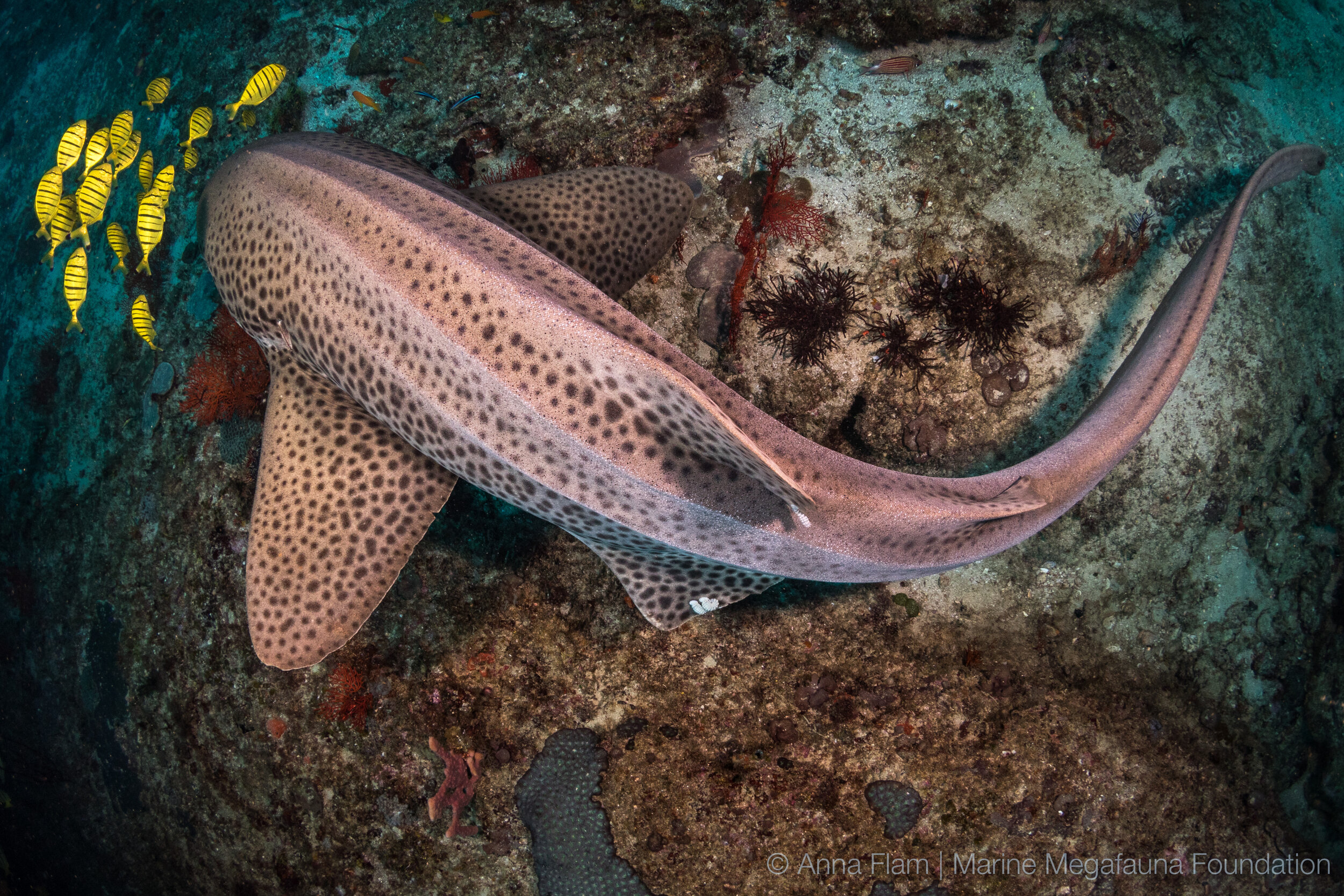
Recreational scuba divers also assisted in data collection. Zebra sharks have unique spot patterns that can be used to identify individuals and track them over time. Identification photos contributed by scuba divers allowed researchers to increase the scope of data capture. Over the course of this study, the researchers helped create the Wildbook for Leopard Sharks (opens in a new tab), a global online database that allows scuba divers to submit their photos to support research around the world.
Click here (opens in a new tab) to read the full study published in the journal Ocean and Coastal Management.
Notes to Editors
For questions about this press release, please contact:
Anna Flam, Marine Megafauna Foundation
Email: [email protected]
The Marine Megafauna Foundation (MMF) grew from manta ray research that began in Mozambique in 2003. Its US 501(c)(3) organization was incorporated in 2012 to research, protect, and conserve populations of threatened marine megafauna around the world. MMF’s headquarters are located in Tofo, Mozambique, where they operate as Associação Megafauna Marinha (AMM). ‘Megafauna’ are large marine species such as sharks, rays, and sea turtles. For further details, please see www.marinemegafauna.org or follow us on Instagram (opens in a new tab), Facebook (opens in a new tab), Twitter (opens in a new tab), and LinkedIn (opens in a new tab).
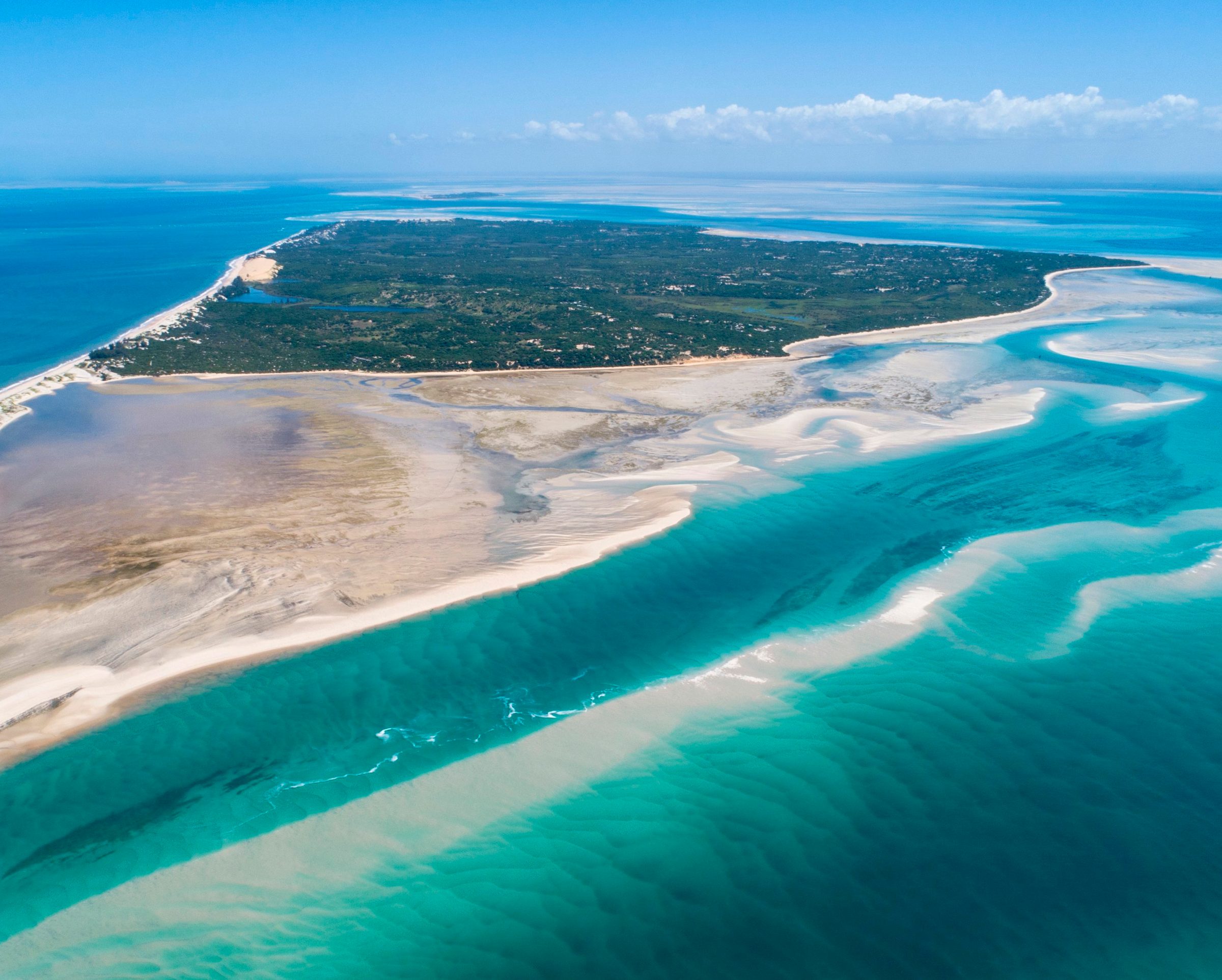
Monthly Update for October 2026
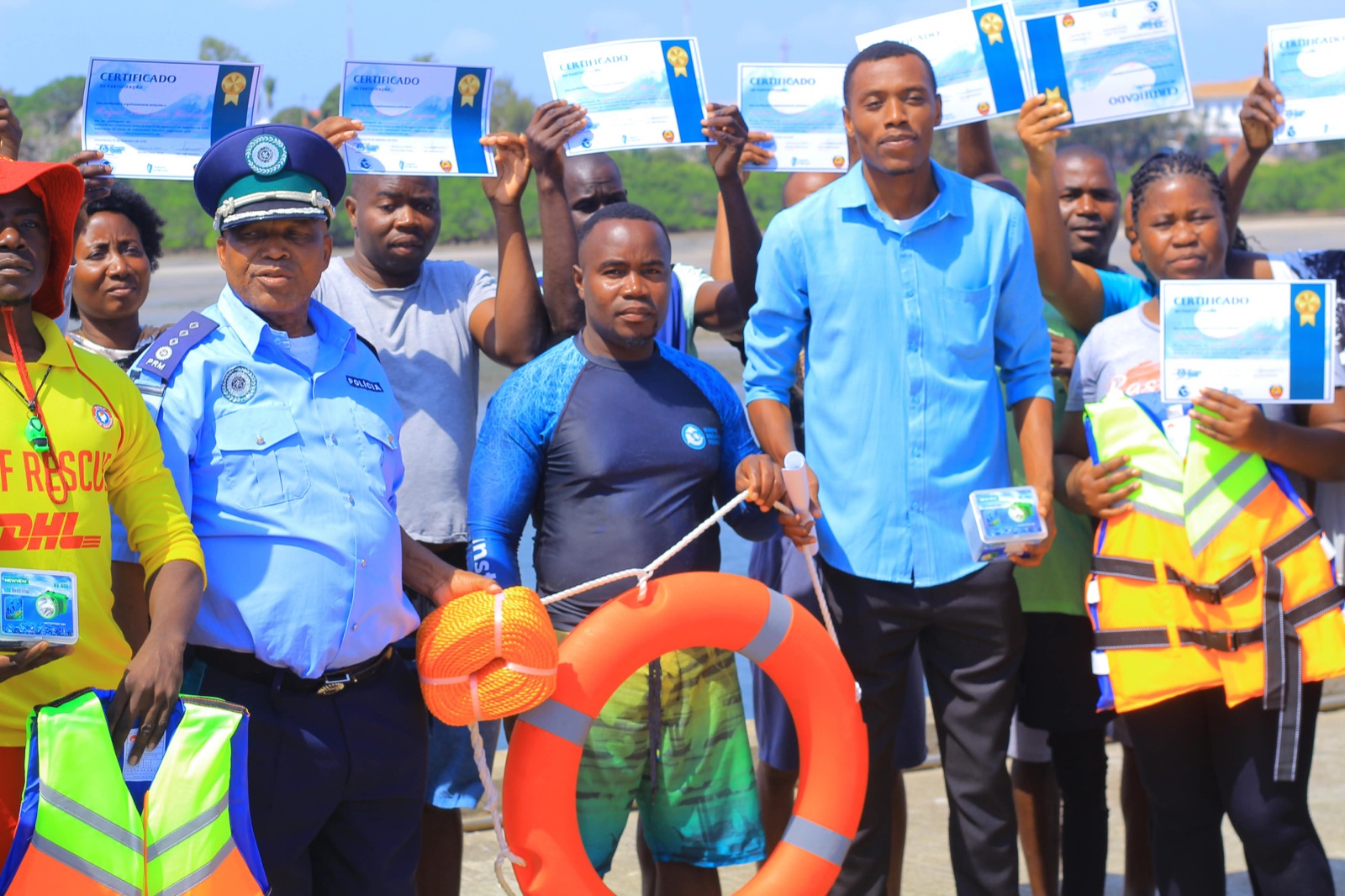
Water Safety and Rescue Training for Mozambique's Coastal Police
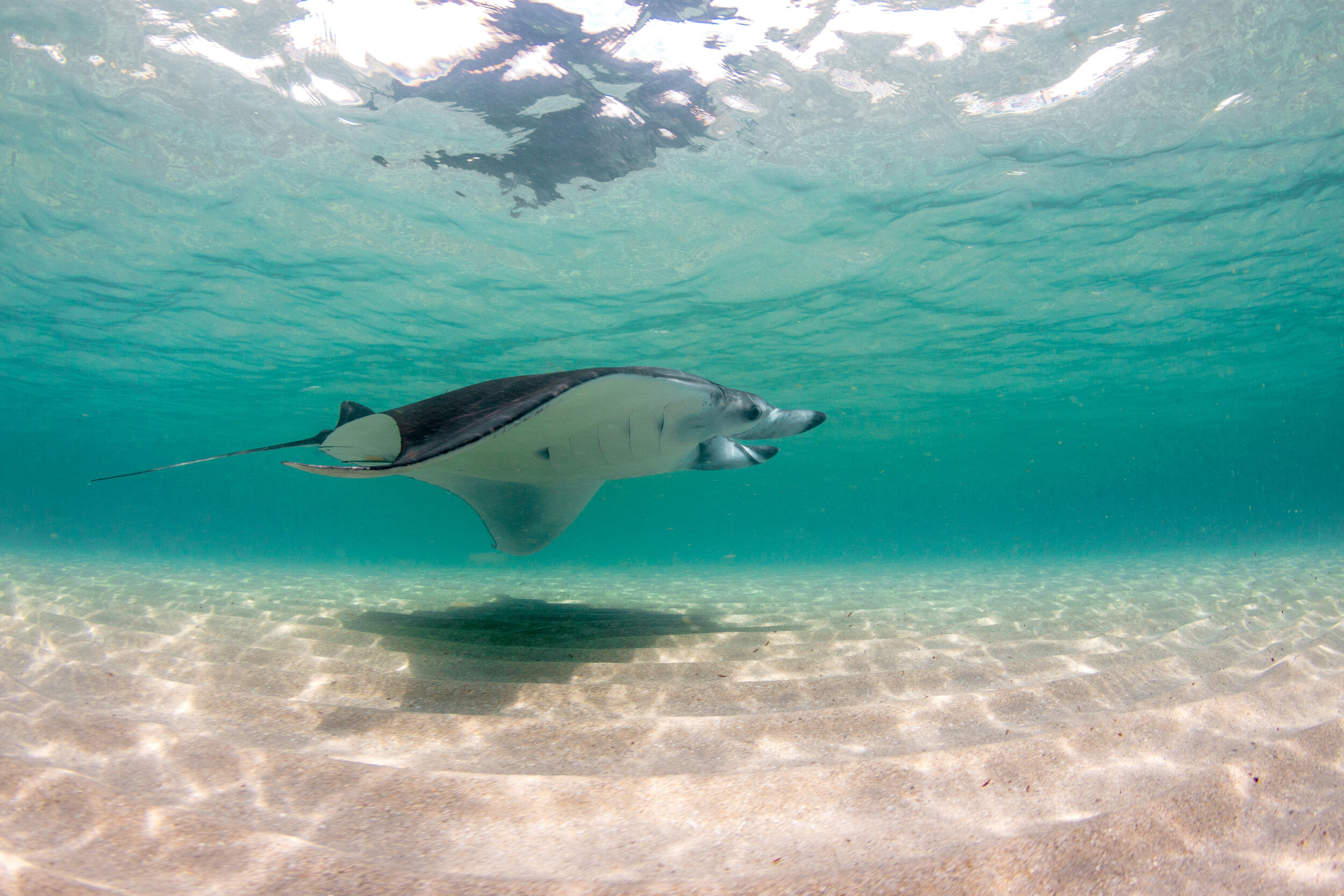
259 Key Shark and Ray Habitats Mapped Across North America
Ocean Guardians Opens a Sixth Site in Vilankulo
Saving the Western Indian Ocean's last viable population of dugongs
Indian Ocean Tuna Fleets Urged to Release Whale Sharks
Where Polar Sharks and Rays Need Better Protection
Little of Asia's Key Shark and Ray Habitat Is Protected
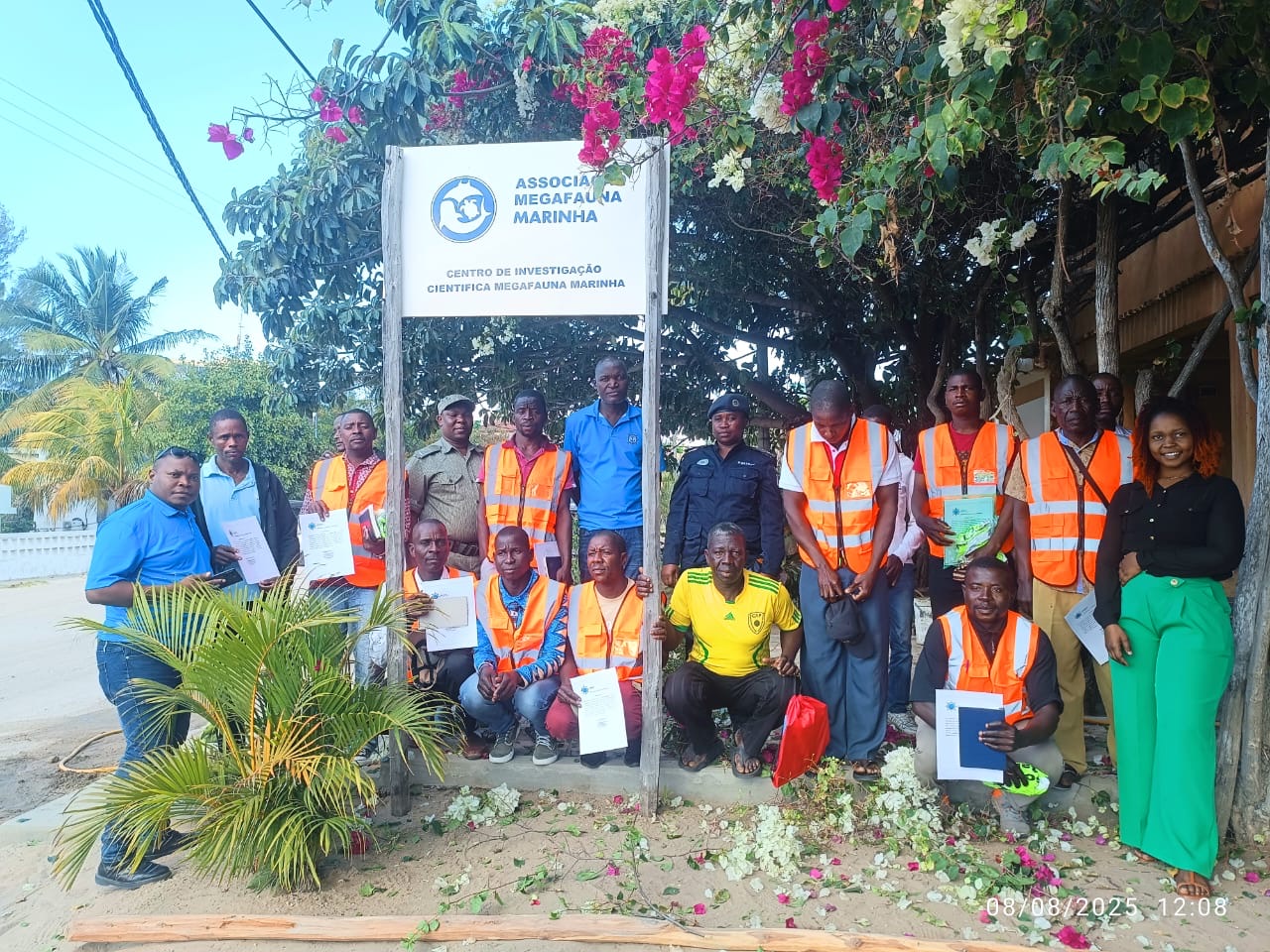
Community Fisheries Inspectors Accredited in Mozambique
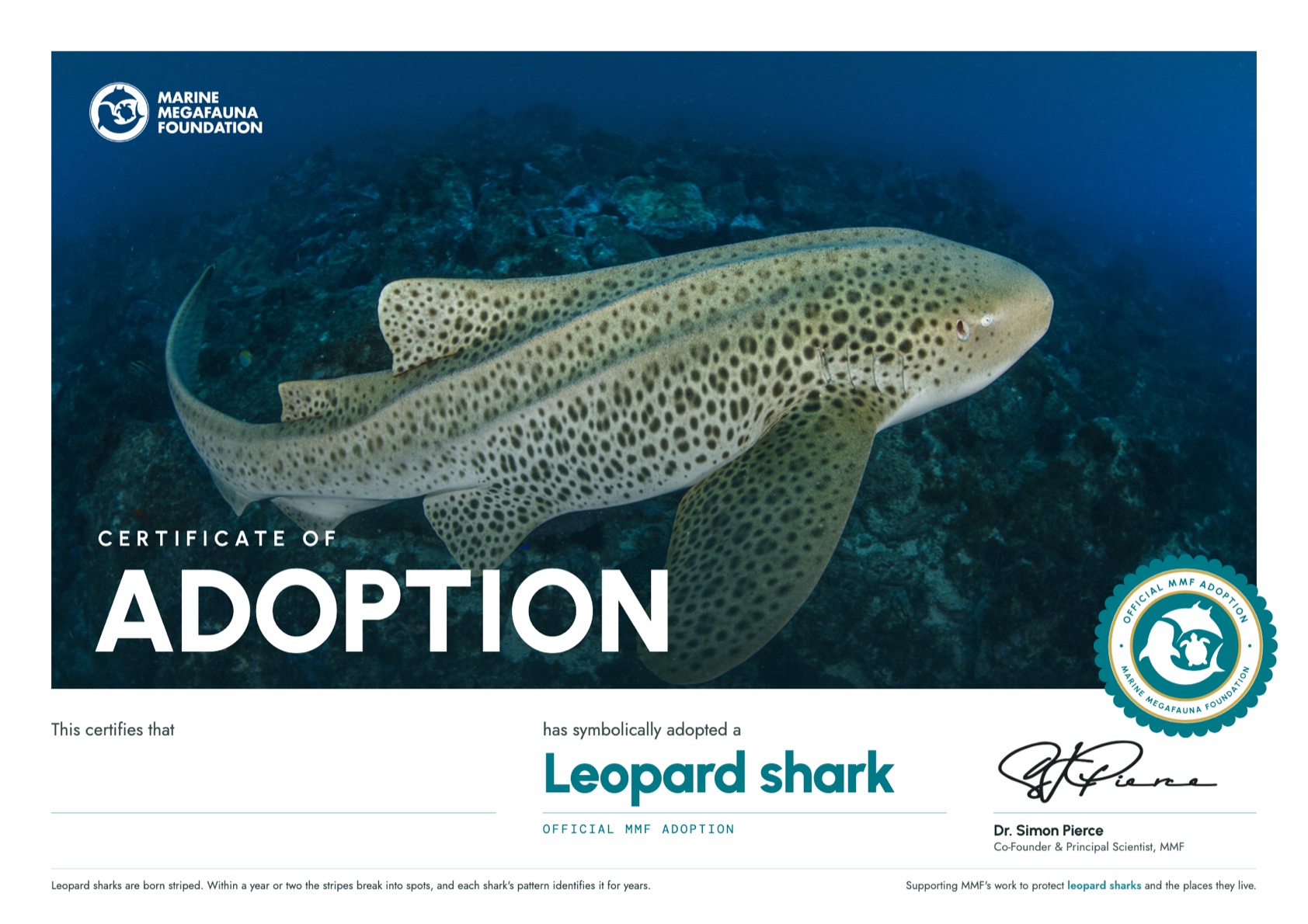

Adopt a leopard shark
An Endangered reef shark, harmless to people, studied at Byron Bay, Australia, and in southern Mozambique.
Get news like this in your inbox
Field news, new science, and ways to help, a couple of times a month.
Support research like this
Gifts from supporters fund MMF's research on the ocean's giants, from new studies like this one to the fieldwork behind them.