
Research · Conservation
Monthly Update for October 2026
It’s been a busy few weeks across MMF’s programs. In Mozambique, Emildo Patricio Vilanculo and his team welcomed 2,074 people to explore Inhambane’s ocean in virtual reality at FACIM, the country’s largest trade fair. A new short film, conceived by MMF co-founder Dr. Andrea Marshall and filmed with her, before her stroke in early 2024, makes the case for protecting the Inhambane coast. In Indonesia, Janis Argeswara has deployed the first receivers of a planned manta tracking network stretching from Bali to Komodo. In Florida, Jessica Pate and her Florida Manta Project team contributed to four new Important Shark and Ray Areas for Atlantic manta rays. All this and more below!
Mozambique
 (opens in a new tab)
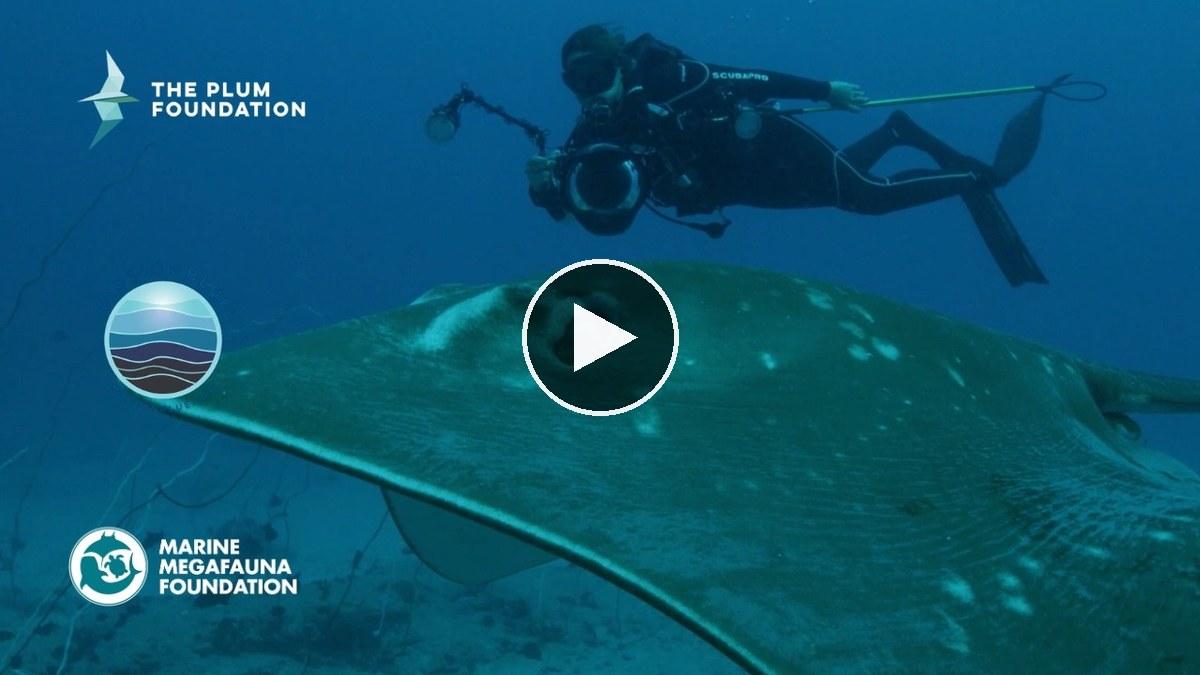
A film on Mozambique’s Marine Serengeti
A short film conceived by MMF co-founder Dr. Andrea Marshall is now online, telling the story of twenty years of MMF research along Mozambique’s Inhambane coast, and the case for its protection. The Inhambane Seascape brings in most of the country’s ecotourism income, is home to large populations of multiple globally endangered species, yet the coastal habitat remains largely unprotected from destructive commercial development. Made with support from Mission Blue and the Plum Foundation, and featuring Dr. Sylvia Earle, the film was made by Janneman Conradie and PJ Kotze. It is also available in Portuguese.
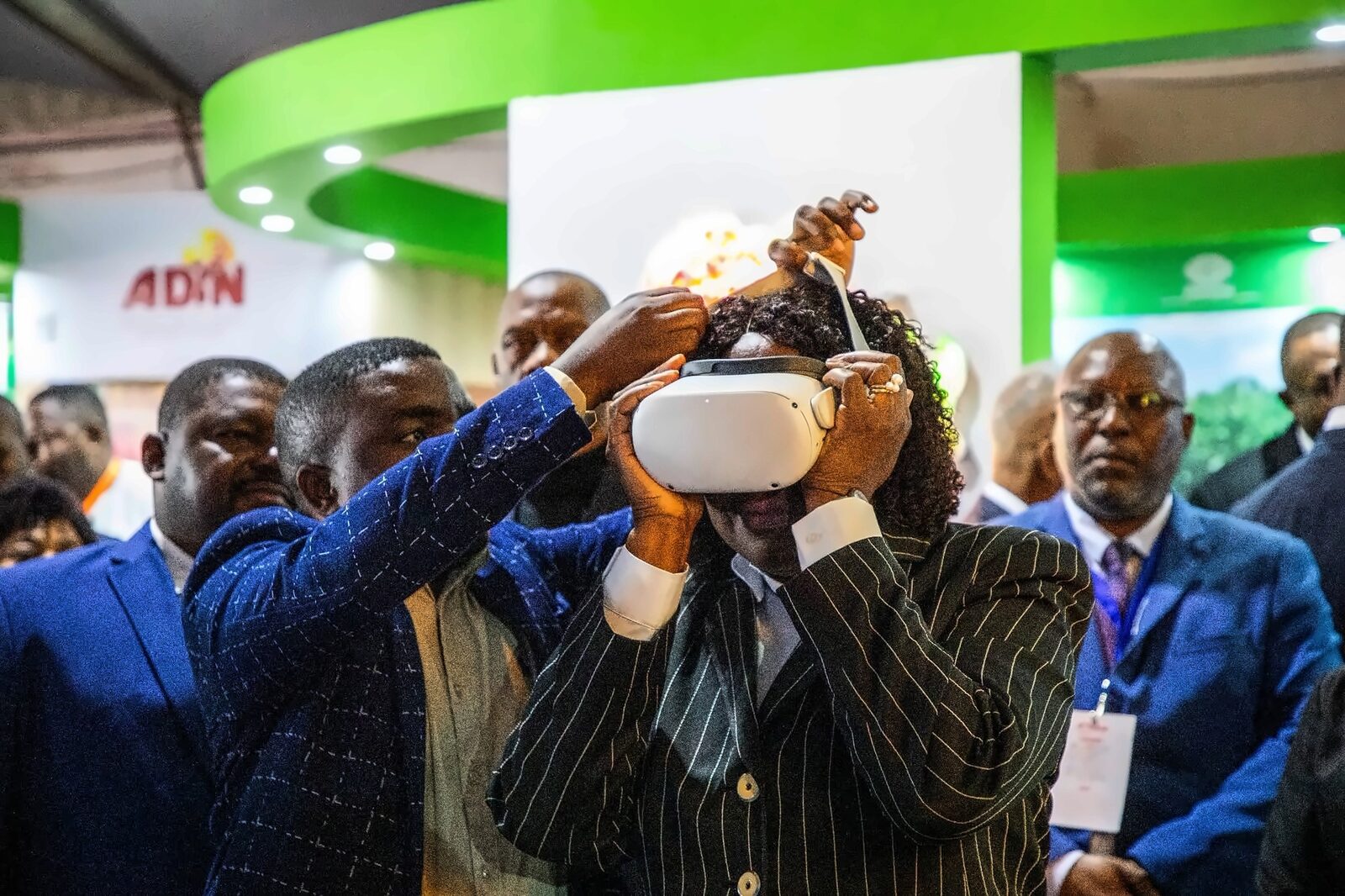
2,074 visitors at FACIM
MMF joined the Inhambane Province delegation at FACIM, Mozambique’s largest annual trade fair, from August 31 to September 6. Over seven days, 2,074 people tried our immersive virtual reality film of Inhambane’s ocean wildlife, including Mozambican President Daniel Chapo, former Presidents Joaquim Chissano and Filipe Nyusi, and Prime Minister Benvinda Levi. The stand, run by MMF Country Manager Emildo Patricio Vilanculo, also helped Inhambane earn the title of the second most innovative province at the fair. Thank you to ElasmOcean for donating the virtual reality equipment we used to connect with the country’s leaders and interested members of the public.
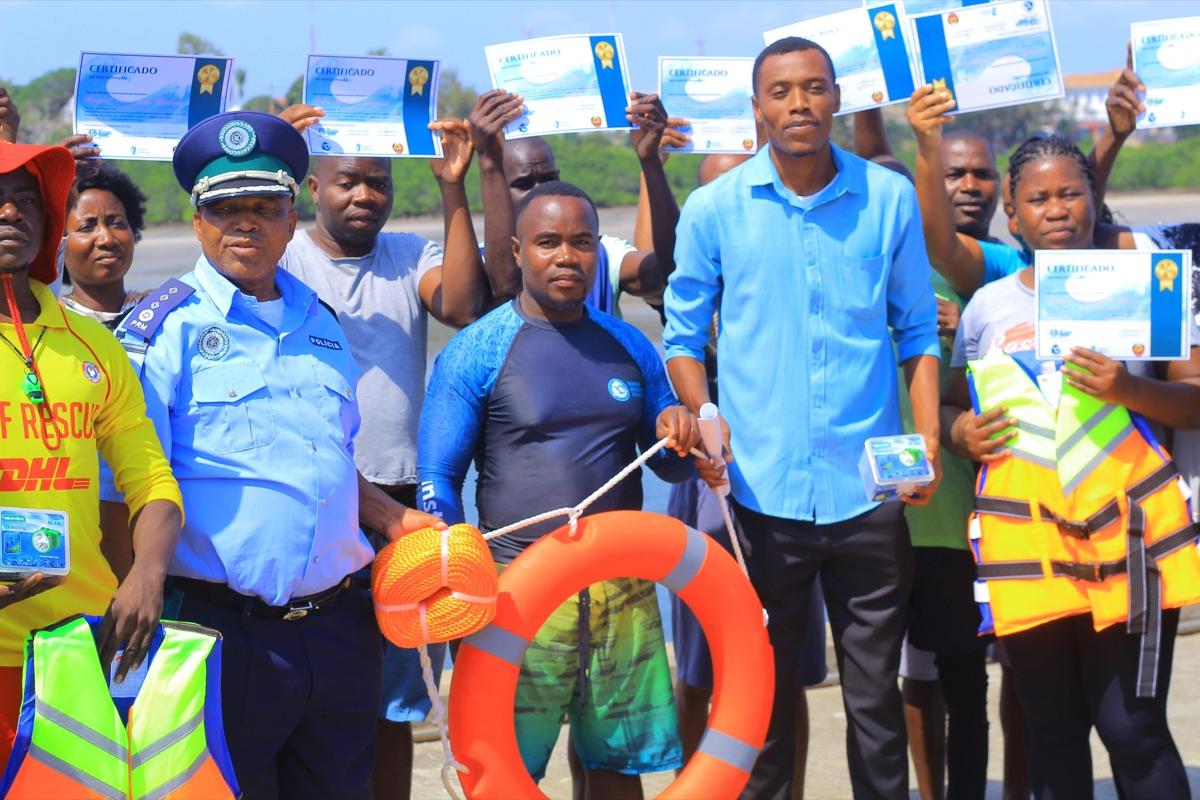
Rescue training for the Coastal Police
In September, Conservation Department Manager Martinho Saide Pedro led a Water Safety and Rescue Training course in Inhambane, Mozambique, for the Coastal Police and the community fisheries councils, training ten coastal police inspectors and six council members. MMF also donated rescue equipment to the Tofo Coastal Police unit, from life jackets and buoyancy aids to waterproof flashlights and ropes, so the people who respond to emergencies on the water are well equipped for their vital service. Thank you to the Embassy of Ireland for supporting all of this work.
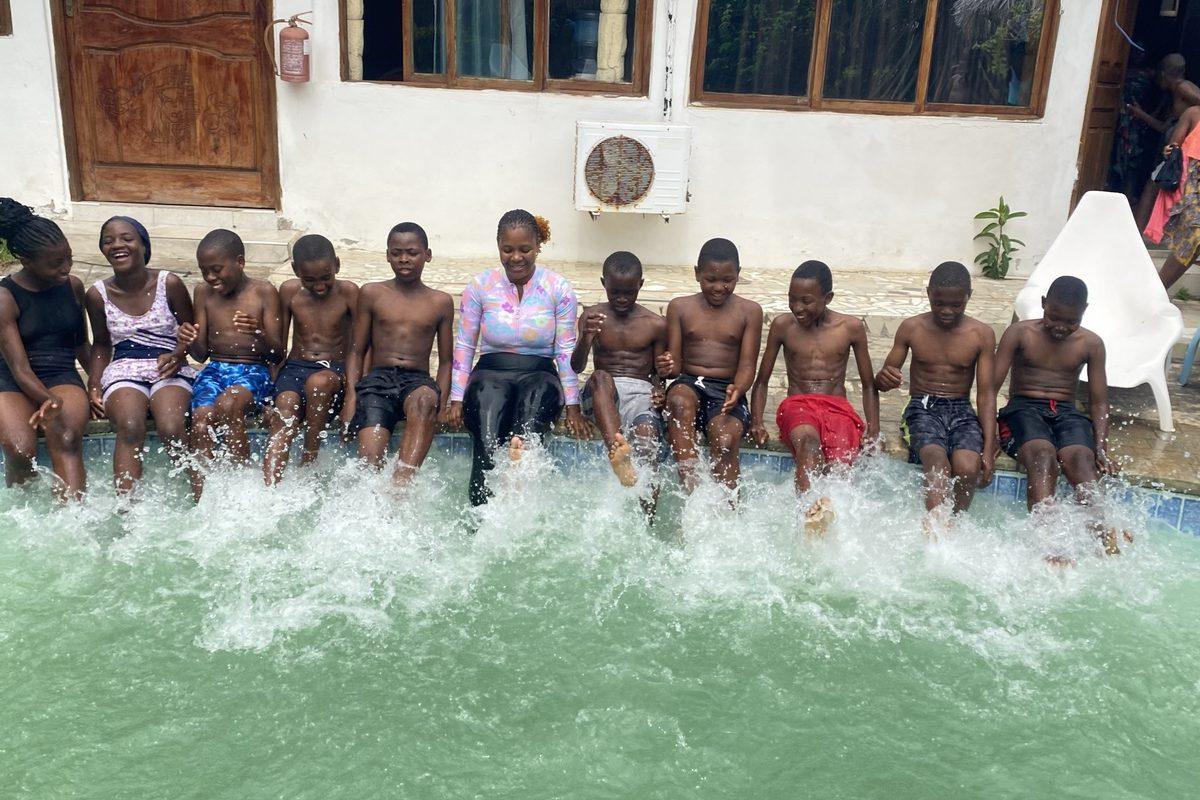
95 new swimmers in Vilankulo
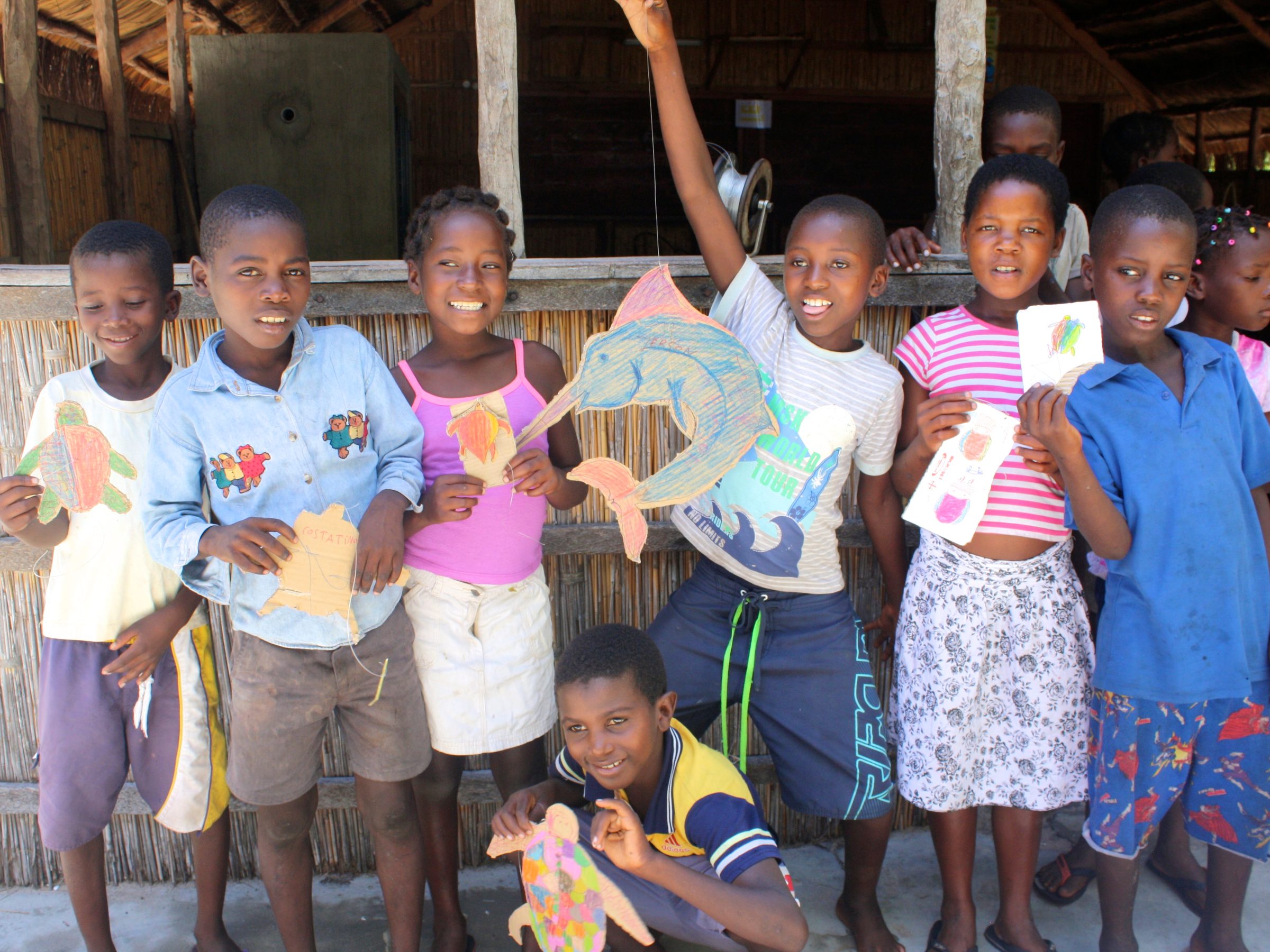
Our new Ocean Guardians site in Vilankulo, led by Simone Cumbe, is off to a flying start: 95 children are now learning to swim, split between morning and afternoon sessions so that we can work with more children. Thank you to Go2Africa for supporting this project.
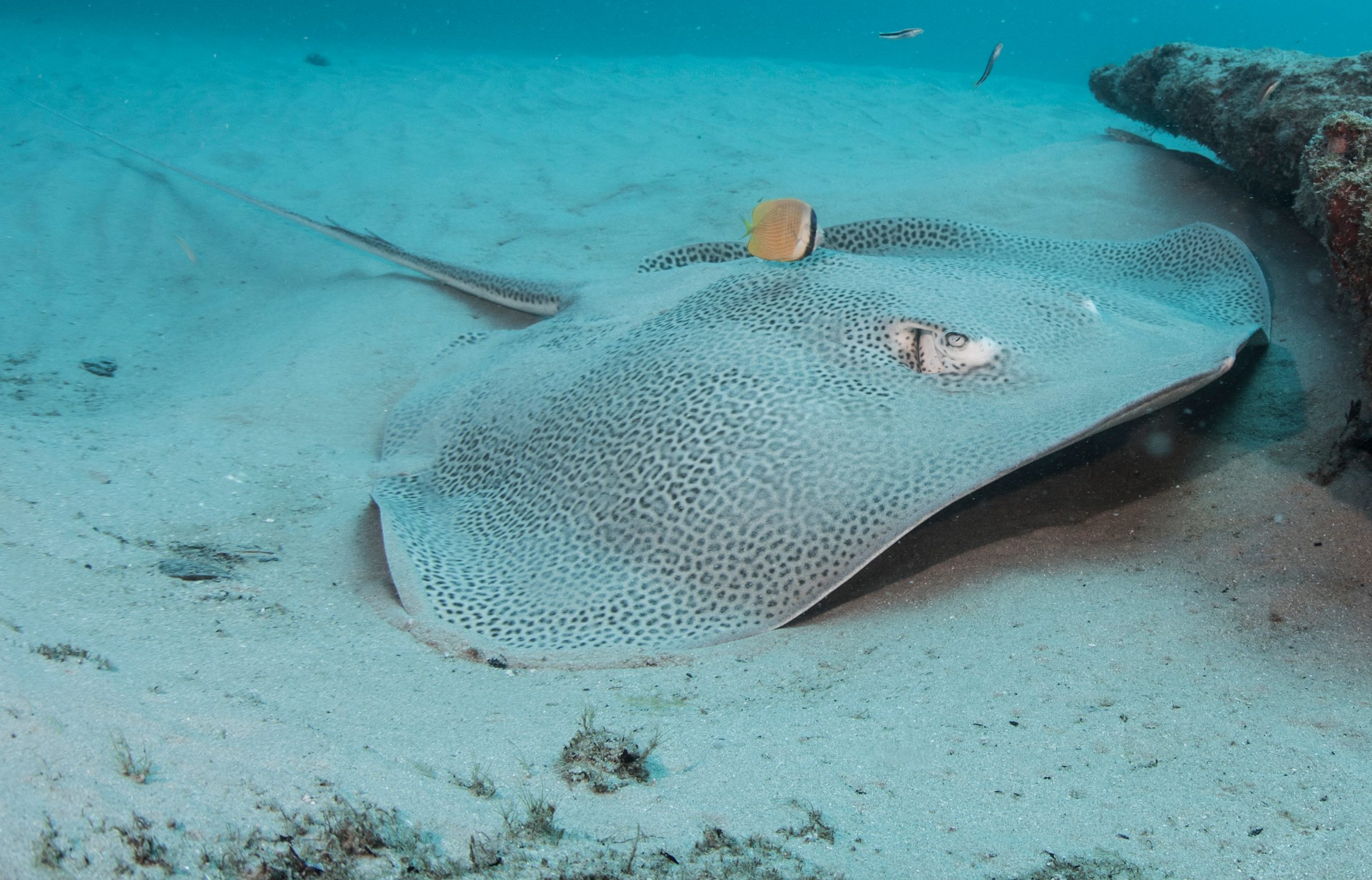
Two whipray species meet in Mozambique
Large spotted whiprays are beautiful, and notoriously hard to identify to species level. A new genetic study in Marine Biodiversity, led by Karla Redelinghuys of Stellenbosch University, with MMF’s Dr. Stephanie Venables and Dr. Andrea Marshall as co-authors, confirms that at least two species live in the Western Indian Ocean, and that both occur side by side in Mozambique. Their variable spot patterns can’t reliably separate them, so neither divers nor fishers can confidently identify them by eye. With most whiprays listed as globally endangered, the authors recommend managing both species together for now.
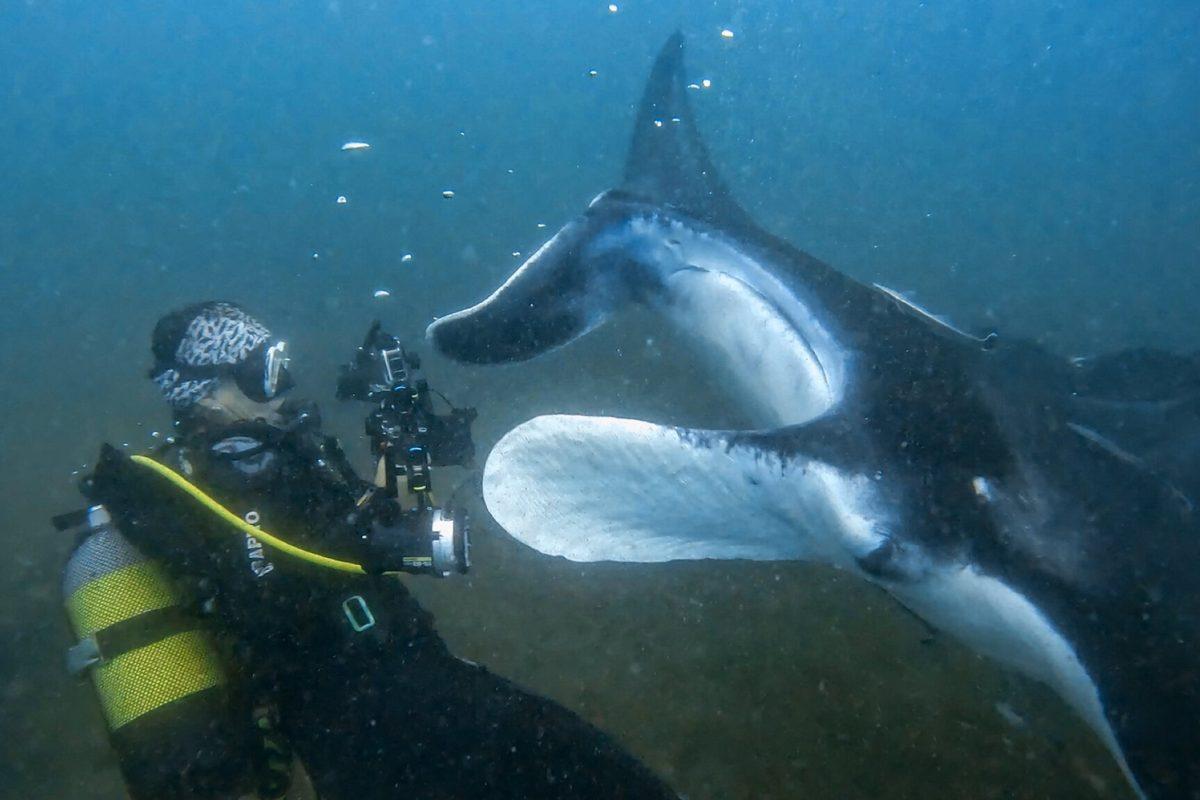
Africa’s manta rays
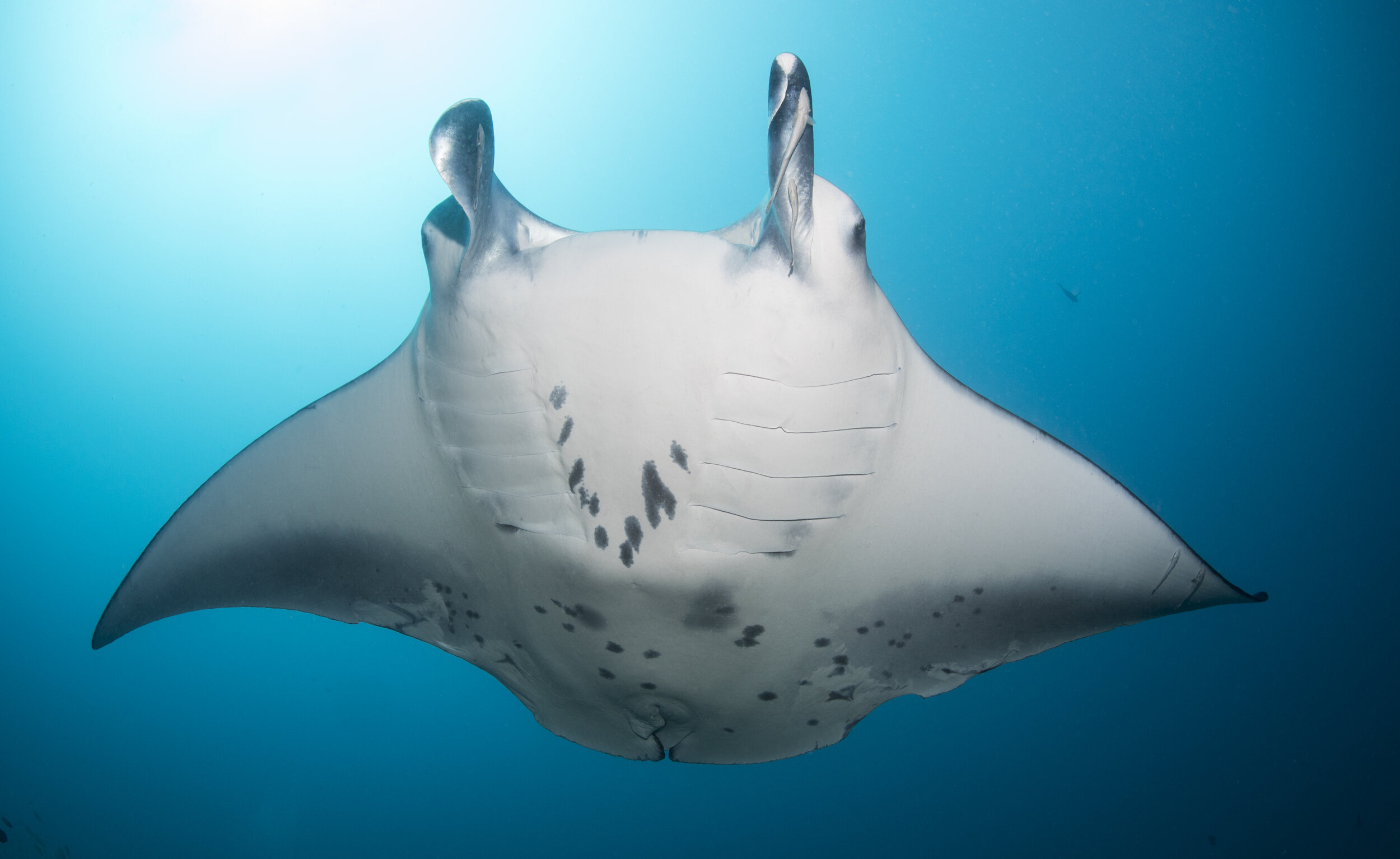
Southern Mozambique is where MMF co-founder Dr. Andrea Marshall began her manta ray research in 2003, and her former PhD student, now Dr. Nakia Cullain, is carrying it forward from her research station in Závora. She’s following reef manta rays across the border into South Africa, studying their reproduction using in-water ultrasound with Ed Bevan, and developing a full education and conservation program for the area.
Your donation can help!
- $50 funds a day of swimming lessons for children in Závora.
- $100 funds a school visit from our education team.
- $500 buys an acoustic tag to track a manta ray’s movement along the coast.
- $5,000 buys a satellite tag to follow an oceanic manta ray offshore.
Get news like this in your inbox
Field news, new science, and ways to help, a couple of times a month.
Florida and the Americas
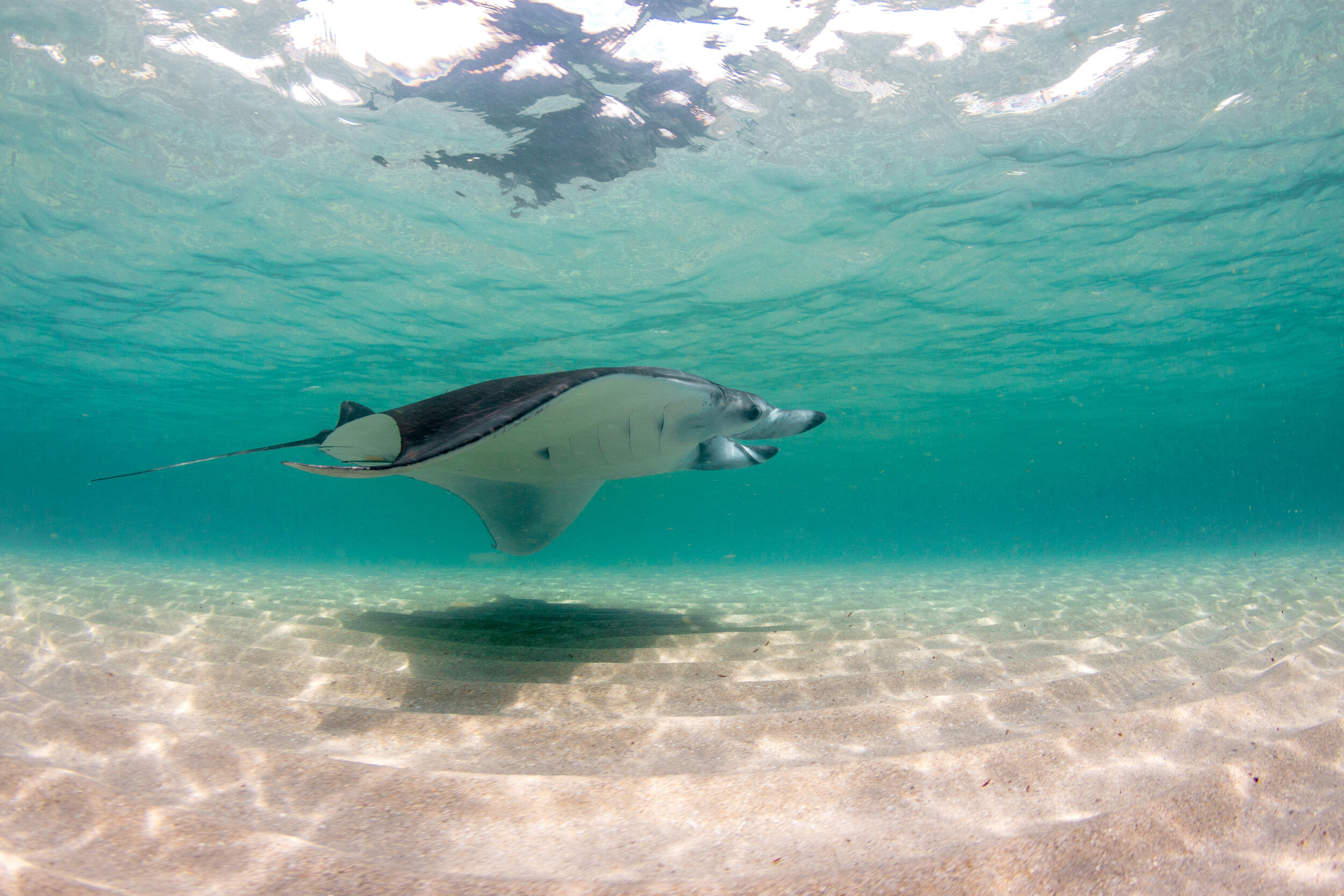
Four new ISRAs for Atlantic mantas
The IUCN Shark Specialist Group’s new map of Important Shark and Ray Areas for North America and the Caribbean includes four areas vital to the Atlantic manta ray, a species formally named only last year. US Country Manager Jessica Pate and researcher Bryant Turffs contributed to the four sites, including likely manta nursery areas. It’s great to see one of the world’s ‘newest’ species already receiving high-level attention.
World Manta Day in West Palm Beach
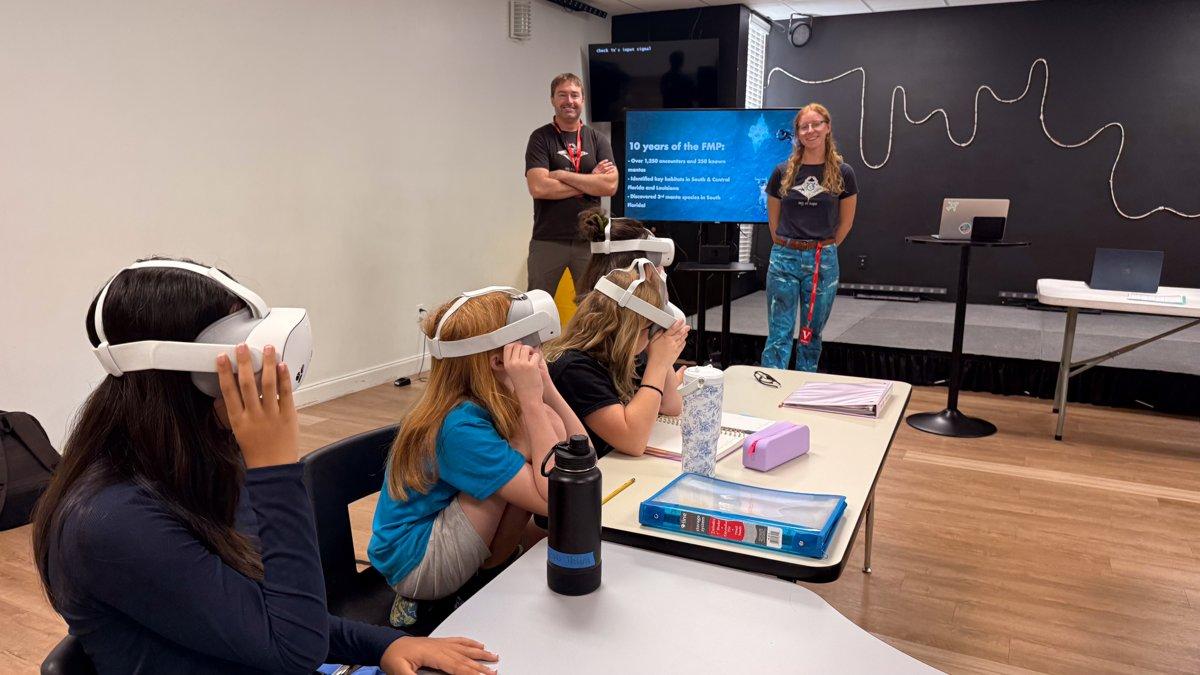
The Florida Manta Project team celebrated World Manta Day with the Mandel Library of West Palm Beach, where our new virtual reality short film premiered, visitors attended talks on Florida’s manta rays, and children joined an arts and crafts workshop. Research Assistant and Education Coordinator Margo Moyer of MMF’s Florida Manta Project also spoke at the Kyalami Scuba Club, in the third talk of its Kyalami Conservation Series, showing local divers how they can help protect mantas.
Indonesia
 (opens in a new tab)
Tracking mantas from Bali to Komodo
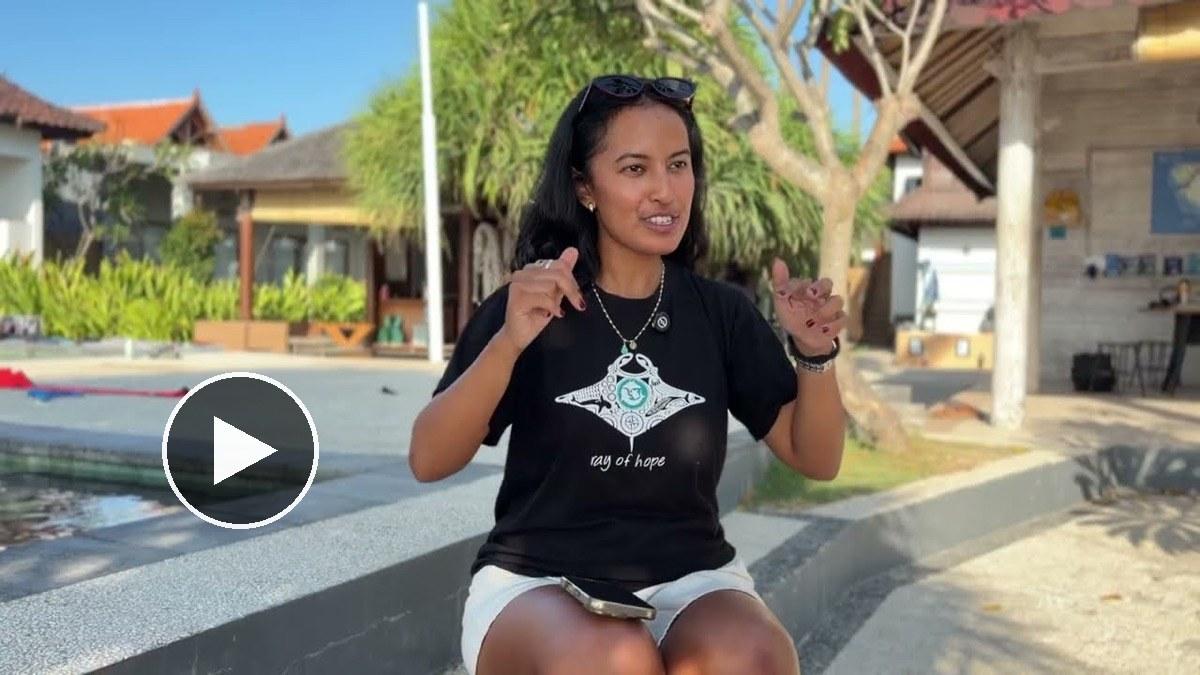
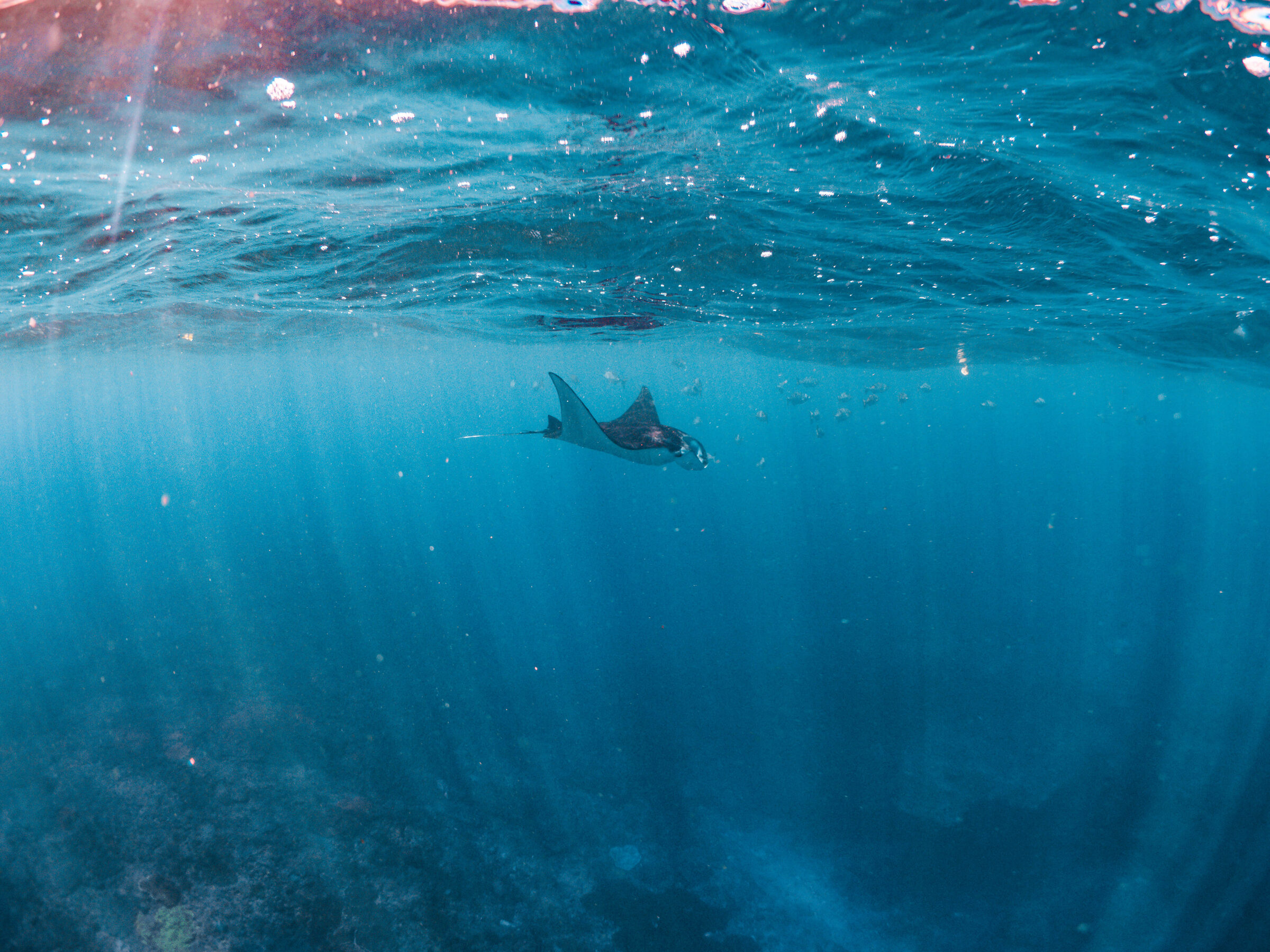
In September, Country Manager Janis Argeswara’s team deployed the first receivers of the Lesser Sunda Seascape Tracking Network, the first step toward the development of an acoustic telemetry network stretching from Bali to Komodo. Janis explains how it works in her new short film, linked below. Her team have already photo-identified more than 900 individual reef mantas at Nusa Penida and 1,300 at Komodo, showing how important this region is for the species. Thank you to the US–Indonesia Tropical Forest and Coral Reef Conservation Act program, Mantahari Oceancare, Blue Corner Dive & Conservation, Aquaman Snorkeling, and the Ocean Tracking Network, which loaned Janis 10 receivers.
Dive with MMF scientists in 2028
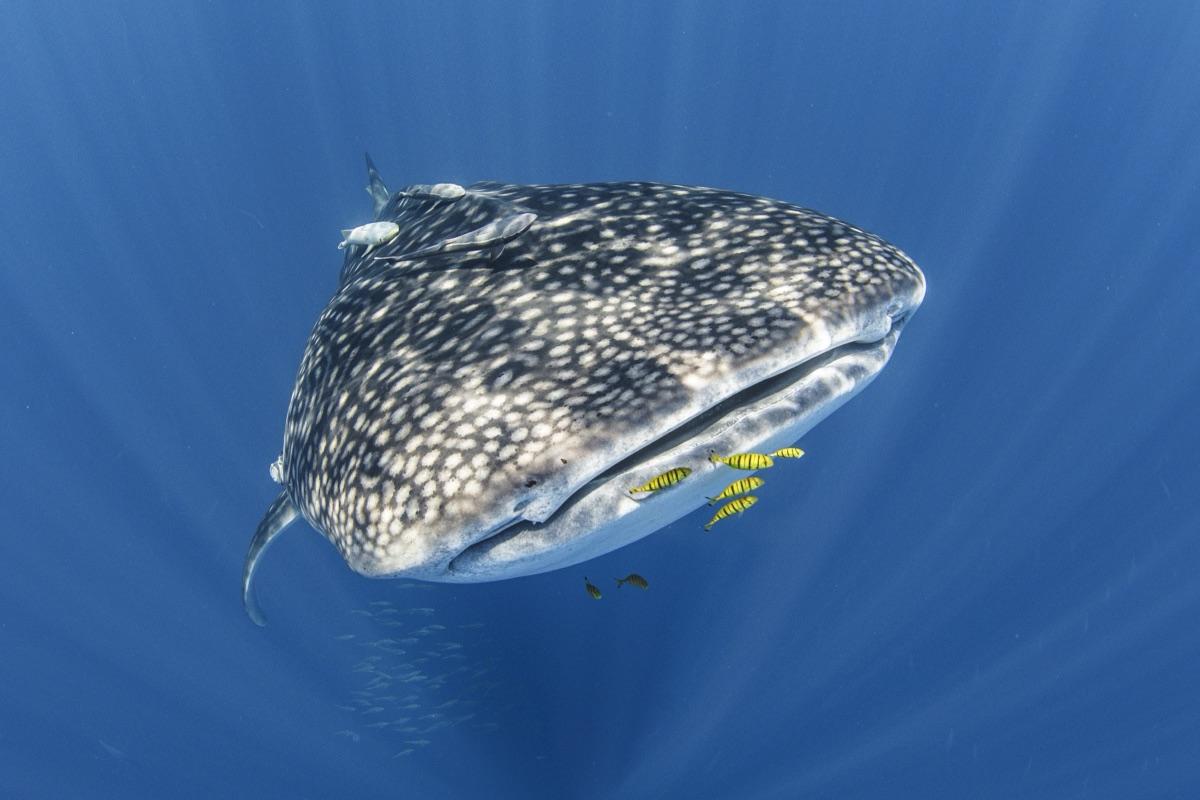
Our 2028 expeditions to Indonesia are now open for booking. Each trip is hosted by an MMF scientist, with evening presentations on the animals, our research, and how we protect them. All expedition profits support our research, education, and conservation work. Cenderawasih Bay is also a great trip for snorkelers!
- Raja Ampat: 20–31 March and 2–13 April
- Whale sharks in Cenderawasih Bay: 8–18 August and 20 August – 1 September
Around the World
Toward a whale shark retention ban
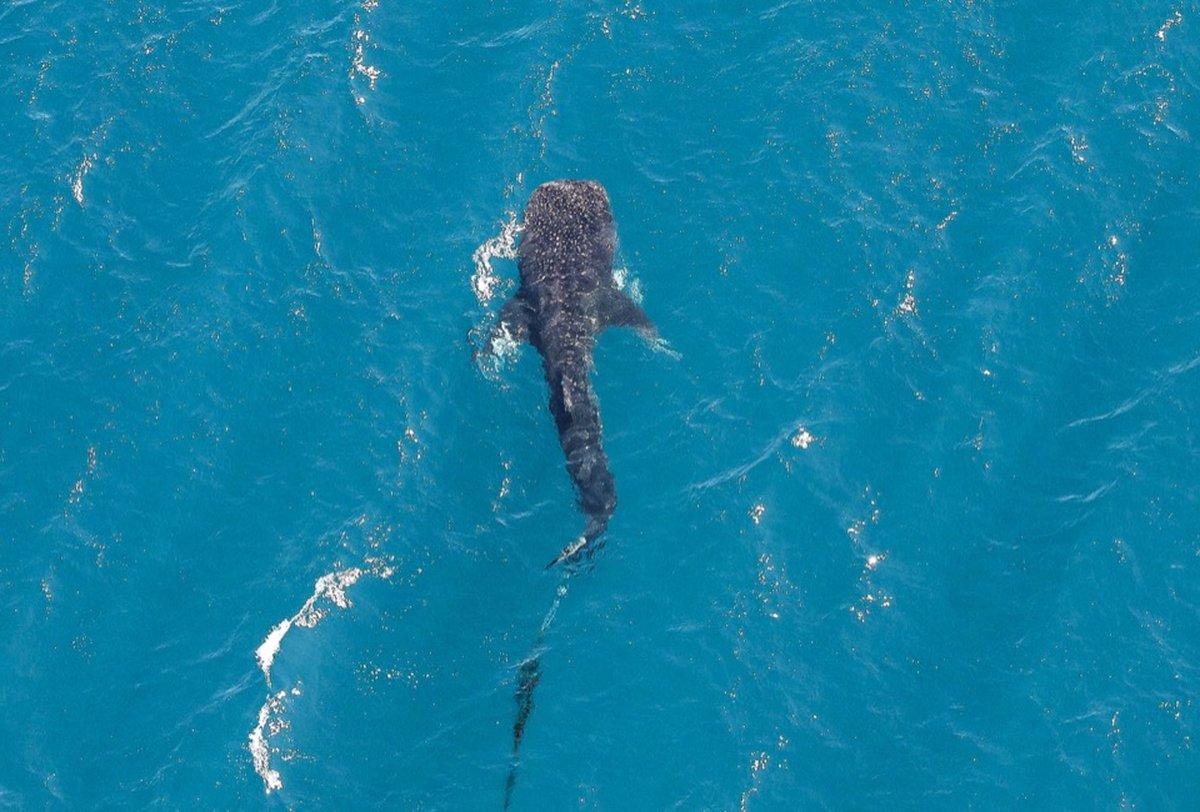
Whale sharks are still caught accidentally in Indian Ocean tuna fisheries. In 2025 the Indian Ocean Tuna Commission provisionally agreed to ban vessels from keeping them, but only if its Scientific Committee recommends it. MMF Executive Director Dr. Simon Pierce co-authored the scientific case for the ban, in a paper led by Dr. James Bell of Cefas, the UK government’s fisheries science agency, which went to the Commission’s bycatch working party in September. Early indications suggest it has been accepted for the next stage, and the Scientific Committee meets from November 30. Better release practices matter too. On an aerial survey for whale sharks off Mozambique, Olivia Patterson photographed this whale shark with a rope tied around its tail. Crews in the offshore tuna purse-seine fisheries use tail ropes to haul sharks out of their nets, and the ropes often don’t loosen once they’re cut, so they stay on the sharks. Whale sharks really do need better protection from these fisheries.
Sharks without borders
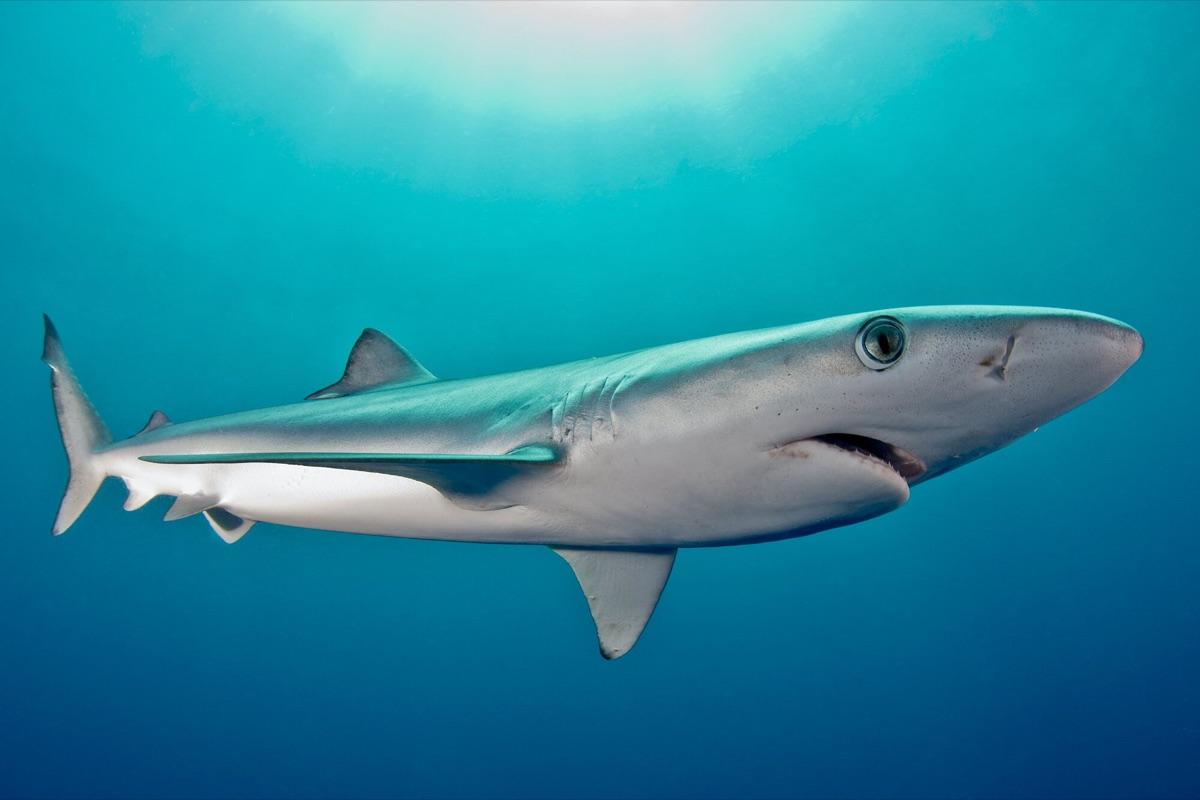
Sharks don’t stop at national borders, so protecting them requires countries to work together. A new study in Conservation Biology, led by Diego Bezerra at the University of Queensland with MMF’s Dr. Chris Rohner and Dr. Simon Pierce as co-authors, pulled together more than 30 years of tracking research on migratory sharks and rays in Australian waters. It found 140 sharks from five species moving between Australia and seven other countries and territories, including whale sharks traveling from Ningaloo Reef through the Timor Sea to Indonesia. For 18 of the 29 species reviewed, including all five devil rays, there’s no published movement data from Australian waters, so the authors are calling for more tagging and closer data sharing with neighboring countries.
Support work like this
Gifts from supporters fund MMF's research, education, and conservation work to protect the ocean's giants.
Related projects
 MozambiqueMozambique Ocean Guardians Education ProgramMarine conservation lessons, swimming, and water safety for children and young people on Mozambique's Inhambane coast, taught by local instructors since 2012.
 Mozambique, South AfricaMozambique Manta & Devil Ray Research ProjectSouthern Mozambique has Africa's largest known populations of reef and giant manta rays, and we are working to reverse their steep decline.
 IndonesiaThe Lesser Sunda Seascape Tracking NetworkThe first step toward an acoustic telemetry network stretching from Bali to Komodo National Park, built to show how reef manta rays move between Indonesia's aggregation sites.USAFlorida Manta ProjectWe have studied Florida's manta rays since 2016, from a rare urban nursery for young rays in south Florida to a spring aggregation of adults off central Florida.