
USA · Global Manta Ray Program · Since 2016
The Florida Manta Project
We have studied Florida's manta rays since 2016, from a rare urban nursery for young rays in Palm Beach County to a spring aggregation of adults off central Florida.
The Florida Manta Project is the first dedicated study of Florida’s manta rays. Florida is home to both a rare manta ray nursery habitat and a large seasonal aggregation of adult manta rays.
Jessica Pate founded the Florida Manta Project in 2016. Our research aims to fill gaps in knowledge of the biology and ecology of Florida’s manta rays and to increase awareness of manta ray conservation.
Objectives
- Fill knowledge gaps in manta ray life history.
- Identify critical habitats for manta rays.
- Provide data to government agencies.
- Promote manta ray conservation and awareness.
What we've done
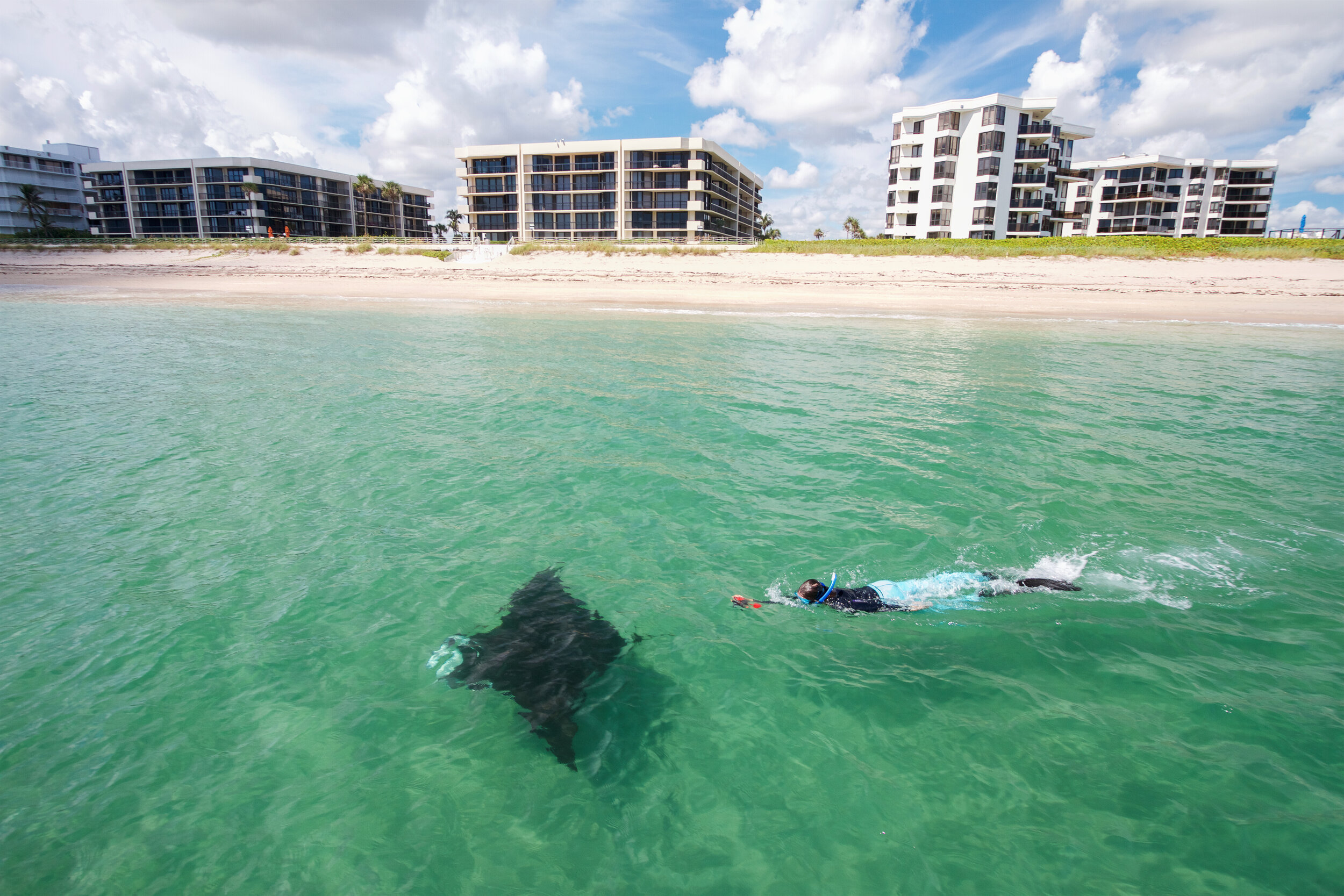
- Published the first study of Florida’s manta rays, describing a potential nursery habitat along a highly developed coastline.
- Conducted and published the first study of recreational angler attitudes toward, and knowledge of, manta rays in Florida.
- Collected the specimen that became type material for the Atlantic manta ray (Mobula yarae), formally described as a distinct species in 2025. The specimen is held in the Smithsonian Institution’s collection.
- Designed 14 science lesson plans for elementary and middle school students (grades 3–8) that are freely available to educators.
Support the Florida Manta Project
Your support sustains our small team's research and conservation work on Florida's manta rays. MMF is a registered 501(c)(3) tax-deductible non-profit conservation organization in the USA.
Our work on manta rays in Florida
A new species of manta ray
In 2025 the manta rays we study in Florida were formally described as a distinct species: the Atlantic manta ray (Mobula yarae). The description drew on years of collaborative research, including ecological data from the Florida Manta Project and the type specimen collected by our team, now held at the Smithsonian Institution. (Photo: Bethany Augliere.)
That makes this one of very few programs anywhere studying a newly named elasmobranch (a shark or ray). Almost nothing is published on the species: its critical habitats, population structure, size at maturity, gestation period, and size at birth are all unknown or poorly characterized. M. yarae is currently known from the western Atlantic and Caribbean, with potential nursery habitat described in southeastern Florida, the Gulf of Mexico, and Brazil, and it has been recorded foraging at the mouths of major rivers and mating off the Florida coast.
A closely related question remains open. The giant manta ray (Mobula birostris) was listed as Threatened under the US Endangered Species Act in 2018, but M. yarae was not recognized as a separate species at that time. Establishing whether the two species overlap in Florida waters, and whether they interbreed, has direct implications for how these animals are protected in law. We are addressing it through genetic work with international collaborators.
An urban manta ray nursery
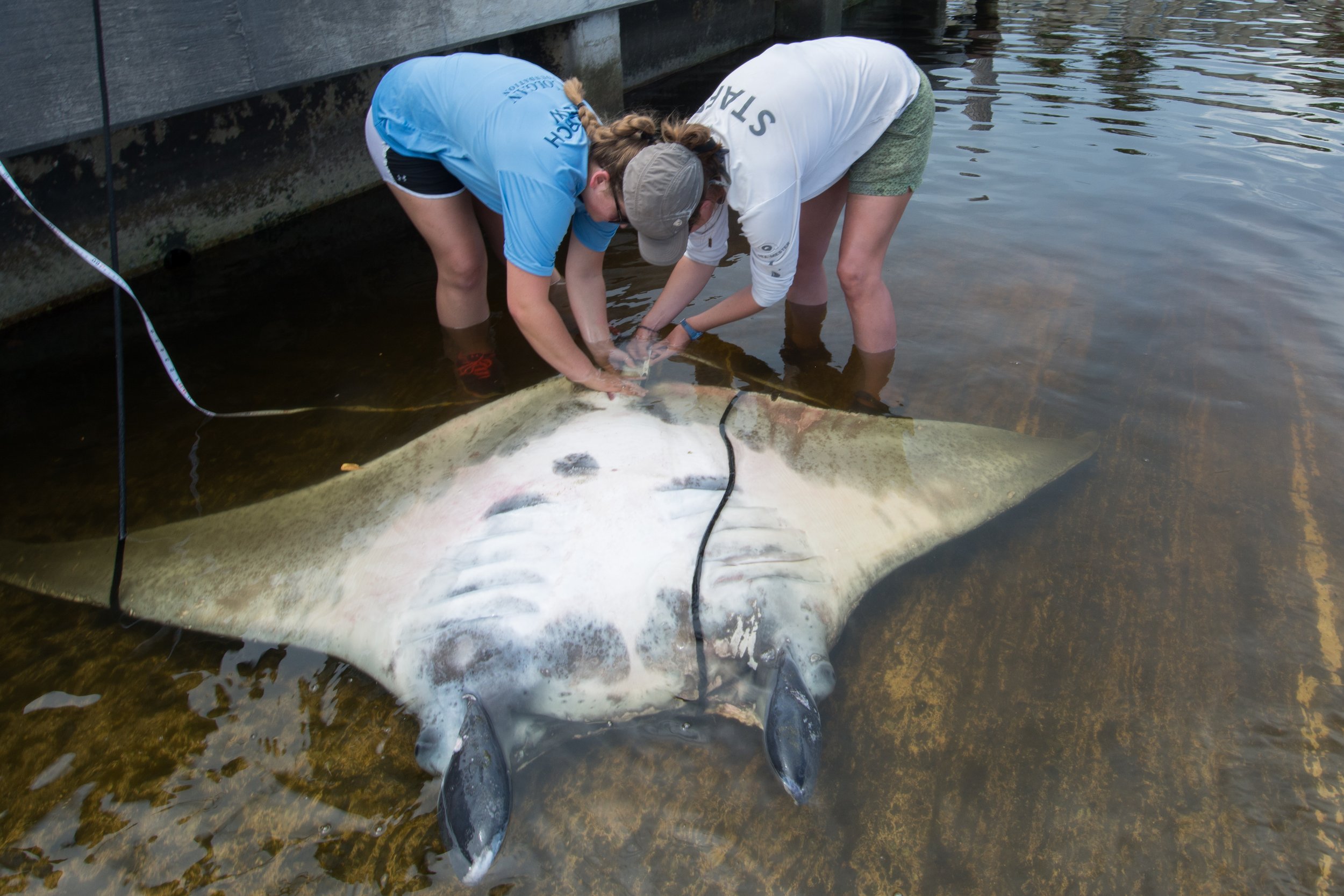
The Florida Manta Project has studied manta rays in south Florida since 2016. We use a wide range of research techniques: in-water photography and photo-identification, drones, aerial surveys, satellite and acoustic telemetry, direct measurement of individual animals, and zooplankton sampling to investigate the rays’ diet. The rays we encounter in south Florida are almost exclusively juvenile Atlantic manta rays, and they regularly return to the same sites, indicating that this stretch of coast is a rare manta ray nursery habitat.
Our first published study of this population, covering 2016–2019, identified 59 individual manta rays between Jupiter Inlet and Boynton Beach Inlet in Palm Beach County. Every male was sexually immature, as were 96% of females, and 25 individuals were re-sighted, eight of them across multiple years. The rays occurred in strikingly shallow water, at an average depth of 2.7 m (8.9 ft), mostly over sandy bottom. That combination of juveniles, repeat sightings, and multi-year site fidelity is what defines the area as nursery habitat.
In 2018, the giant manta ray was listed as Threatened under the US Endangered Species Act, yet there are still insufficient data to determine critical habitat for manta rays. We contribute data to NOAA to support its work under Section 7 of the ESA: determining which projects may affect manta rays, and how to mitigate those effects.
Fishing line and boat strikes
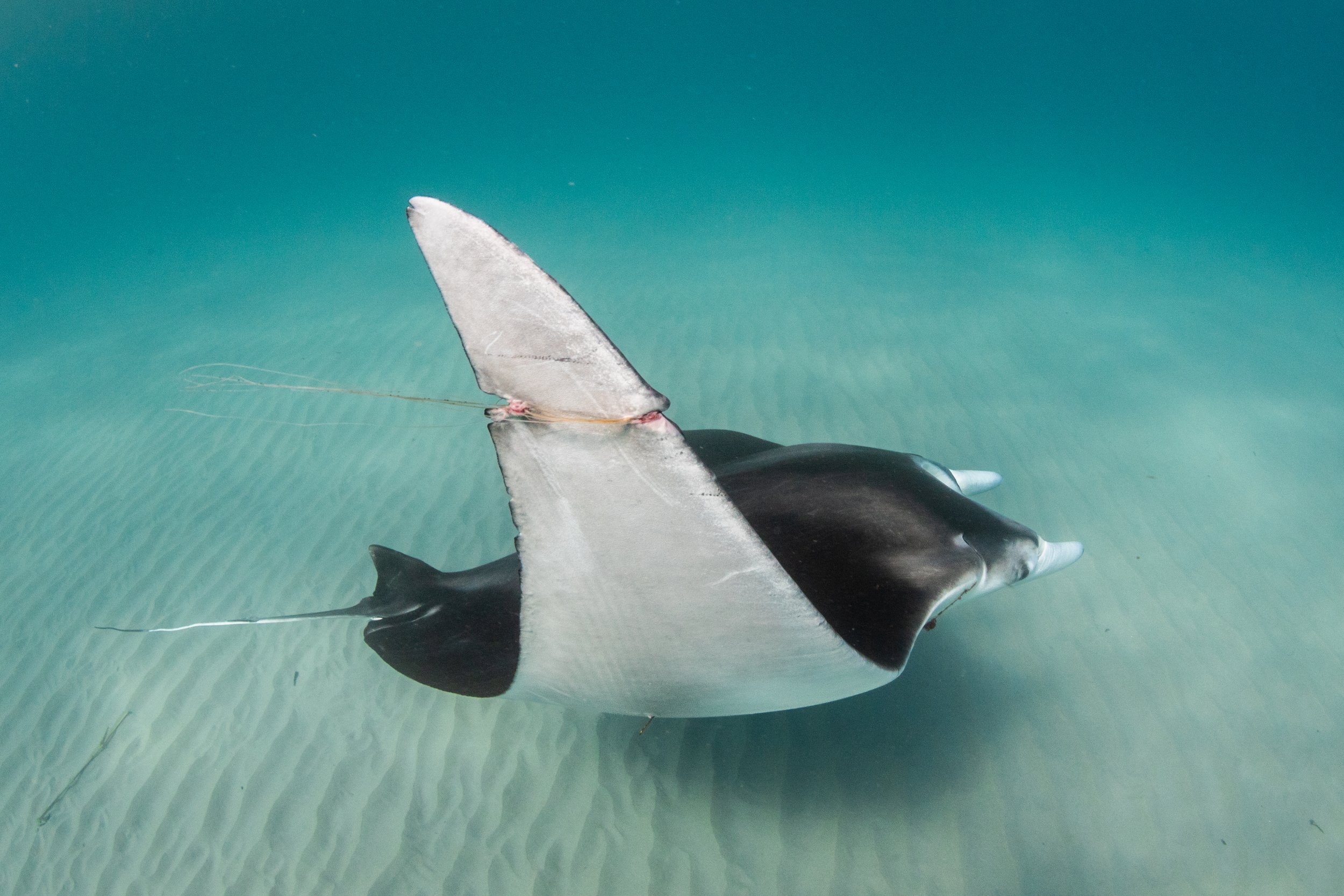
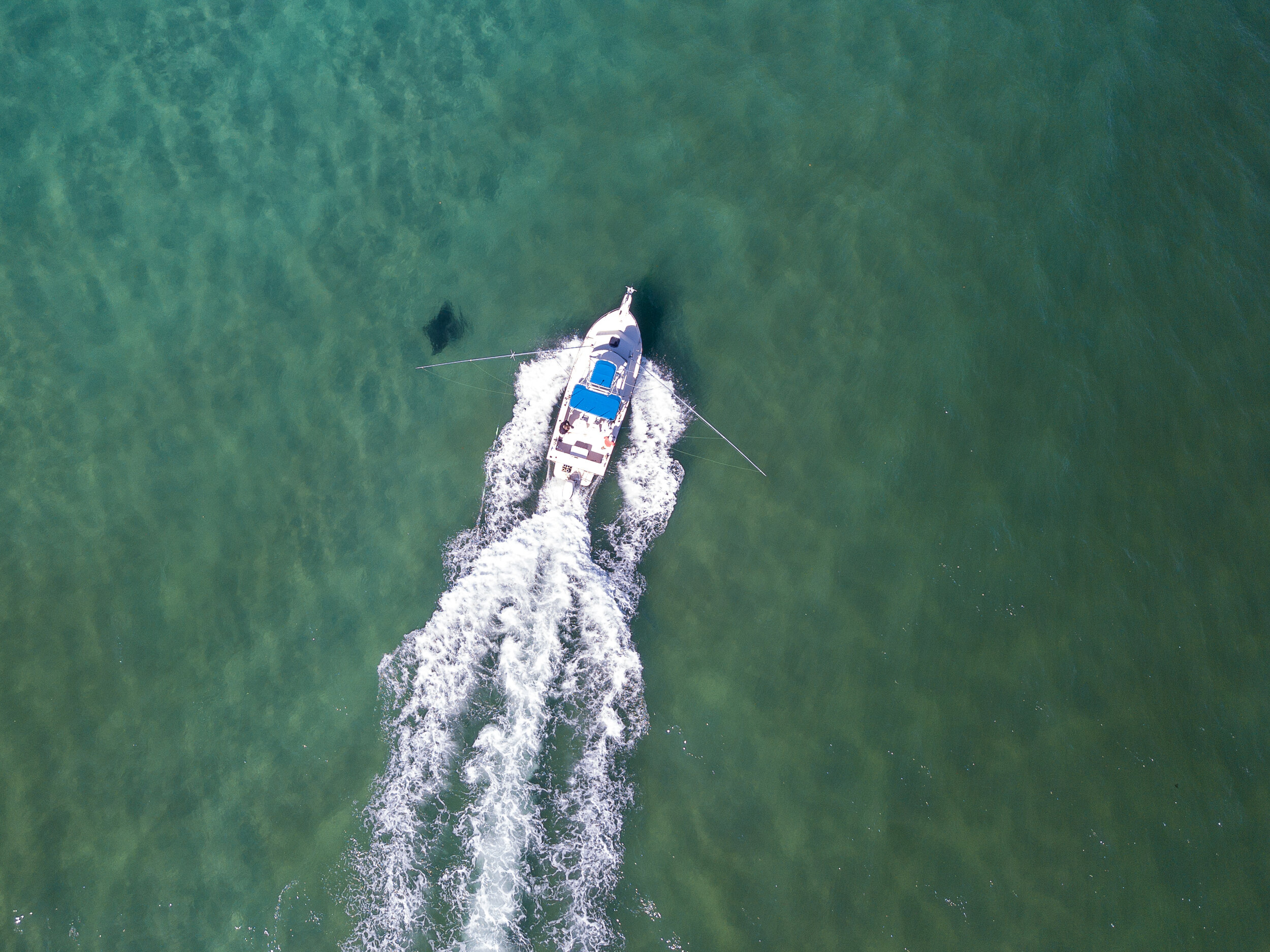
Manta rays in south Florida live close to large urban centers, and they are frequently seen entangled in fishing line or bearing injuries from boat propellers. Our first study quantified the cost of living alongside a developed coastline: 27% of individuals carried fishing-line entanglement injuries, alongside vessel-strike wounds, although wounds healed remarkably quickly.
Surveys of recreational shore-based anglers indicate that most of these entanglements are accidental. We have created videos on fishing near manta rays and boating near manta rays, and posted outreach signs that educate anglers on how to avoid hooking manta rays.
Responses to divers
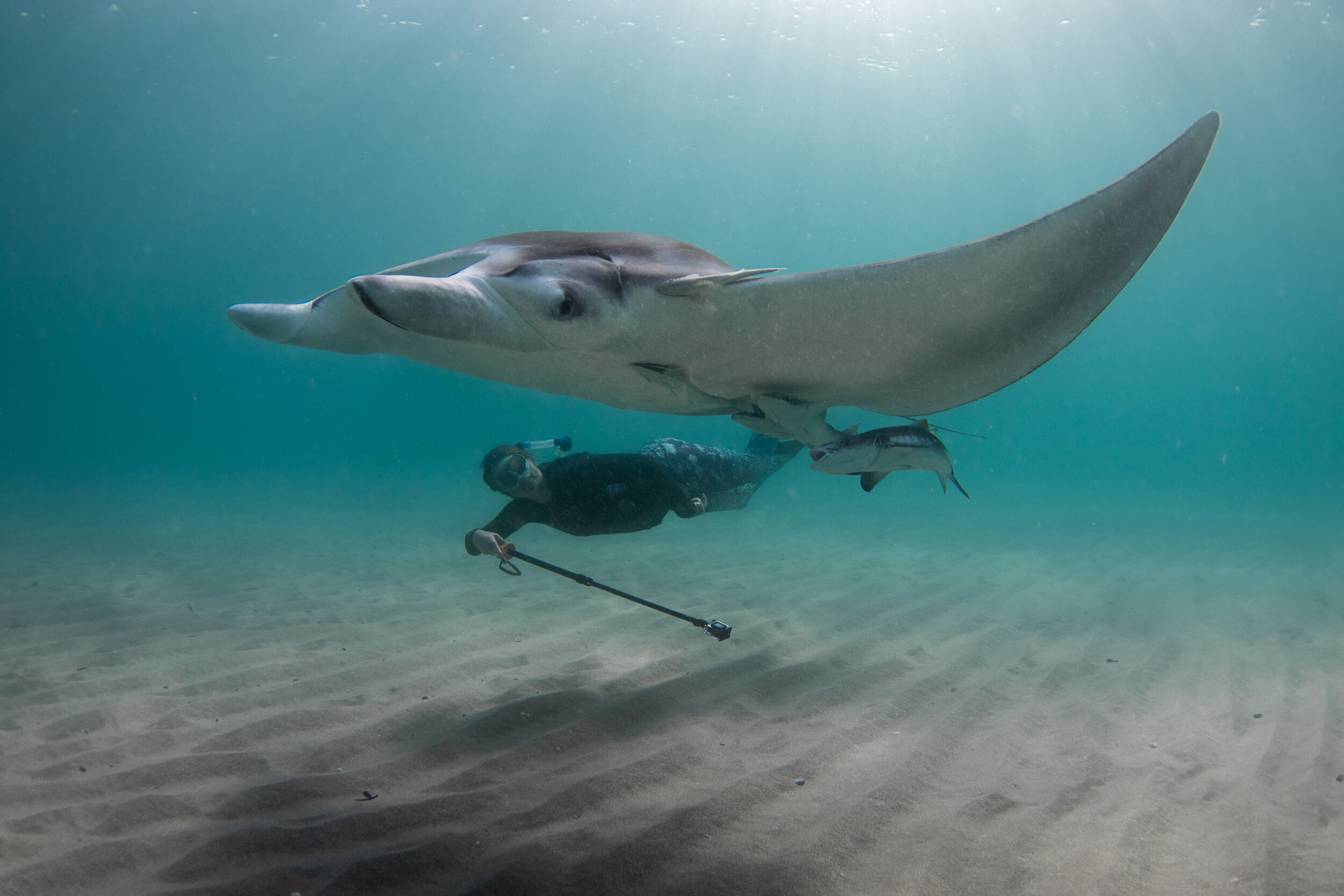
More recent work has examined the rays’ behavior around people. A 2025 study using drone footage of 27 identified individuals found that manta rays spent 37% of their time in avoidance behavior when divers were present, and none at all when divers were absent, with wide variation between individuals. The authors concluded that this small juvenile population is not suitable for tourism development, and the finding directly shapes how we and our partners work around these animals.
A seasonal aggregation in central Florida
Each spring, a seasonal aggregation of adult manta rays visits the Atlantic coast of central Florida. Although scientists have largely overlooked this aggregation, anglers have long been aware of these manta rays and use them to locate cobia.
We began studying this aggregation in 2021. Aerial surveys map where and when the rays occur and the environmental conditions that draw them there, while boat and drone work allows us to identify individuals, document behavior, and quantify human impacts. Satellite tags deployed on adults during recent spring seasons are now tracking their movements away from the coast, and genetic samples will show how the adults in central Florida relate to the juveniles farther south, and how both connect to manta rays in the Gulf of Mexico and the wider Caribbean.
We will also be working with professional cobia angling guides to establish best practices for cobia fishing around manta rays and mitigate the effects of the fishery.
BryantTurffs.jpg)
Advocacy
Boat strikes and fisheries bycatch are the two threats we document most often, and both sit outside the reach of current protections: the Endangered Species Act listing of the giant manta ray carries exemptions, and there is no regulation of bycatch take.
Our team attends Florida Fish and Wildlife Conservation Commission meetings and has presented directly to commissioners on human impacts on Atlantic manta rays. The approach is deliberate: to be present consistently and to set out the problems clearly, rather than to push a single regulatory fix before its legal implications are understood.
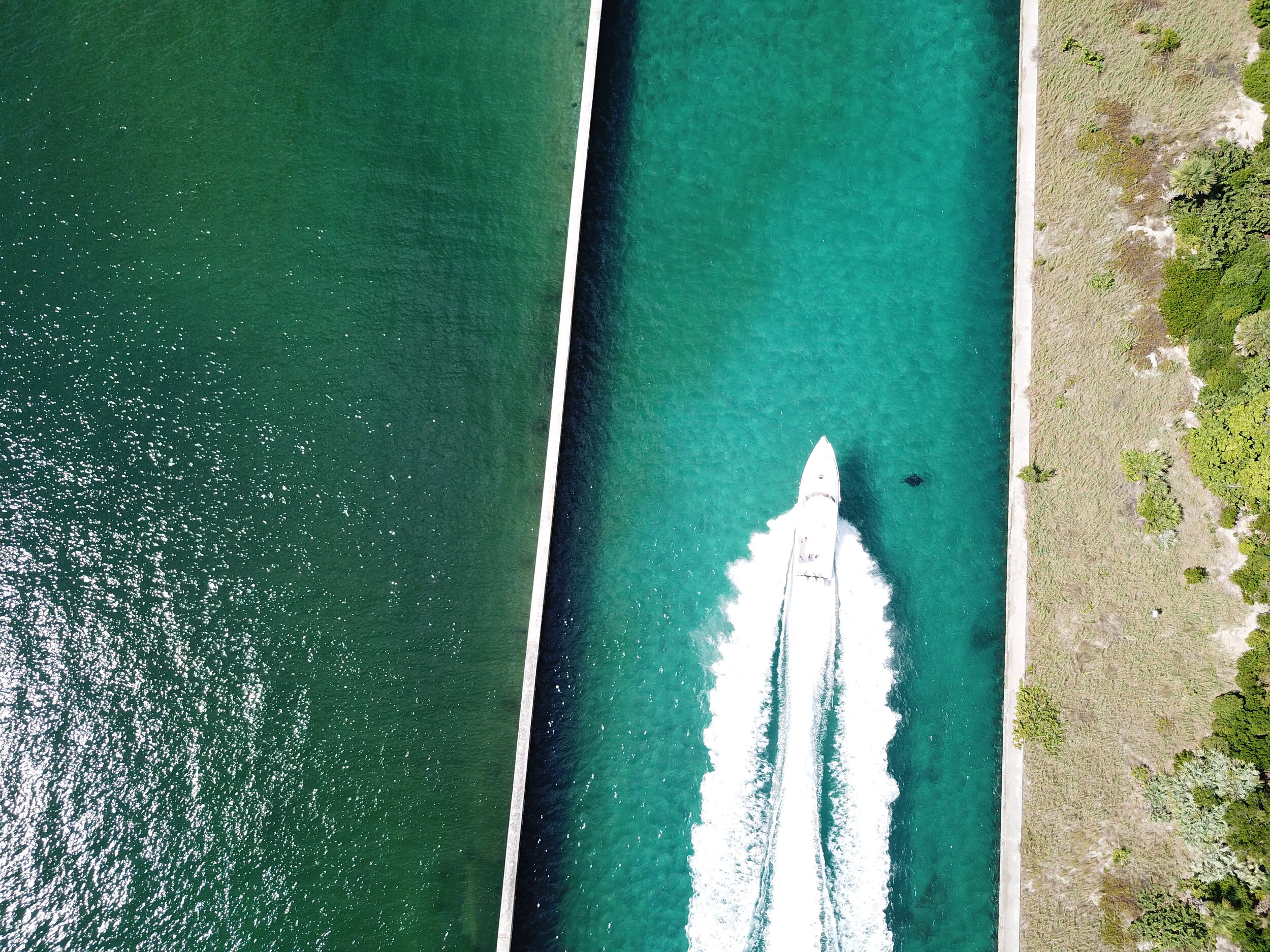
We are also working with the International SeaKeepers Society on a boat-strike awareness campaign, built around a short film and a public pledge in support of manta ray conservation, aimed at boaters sharing the water with these animals.
Education
We have created lesson plans for elementary and middle school students (grades 3–8). These lesson plans are designed to be fun and engaging and meet Florida state standards in science, language arts, and math, as well as Next Generation Science Standards. Teachers who complete an evaluation of the lesson plans will receive a personalized manta ray adoption certificate for their classroom.
We work deliberately with schools that have the fewest resources: 88% of the students we teach are at Title 1 schools. Every student we visit is given a copy of A Manta Ray’s Journey, a children’s book written by Jessica Pate and based on a real Florida manta who lost a fin tip to a boat strike, a small counter to the “book deserts” many of these children grow up in. Across 2025, our US school visits, public talks, coastal festivals, and creative outreach reached more than 3,000 people.
Twice a month we visit schools (either virtually or in person) to present on manta rays and marine conservation, and we also attend local festivals and present to local groups and clubs. Email [email protected] if you would like us to come to your school. Our lessons are currently being translated into Spanish and Portuguese; if you are interested in translating them into your language, please contact us at the same address.
Check out our lesson plans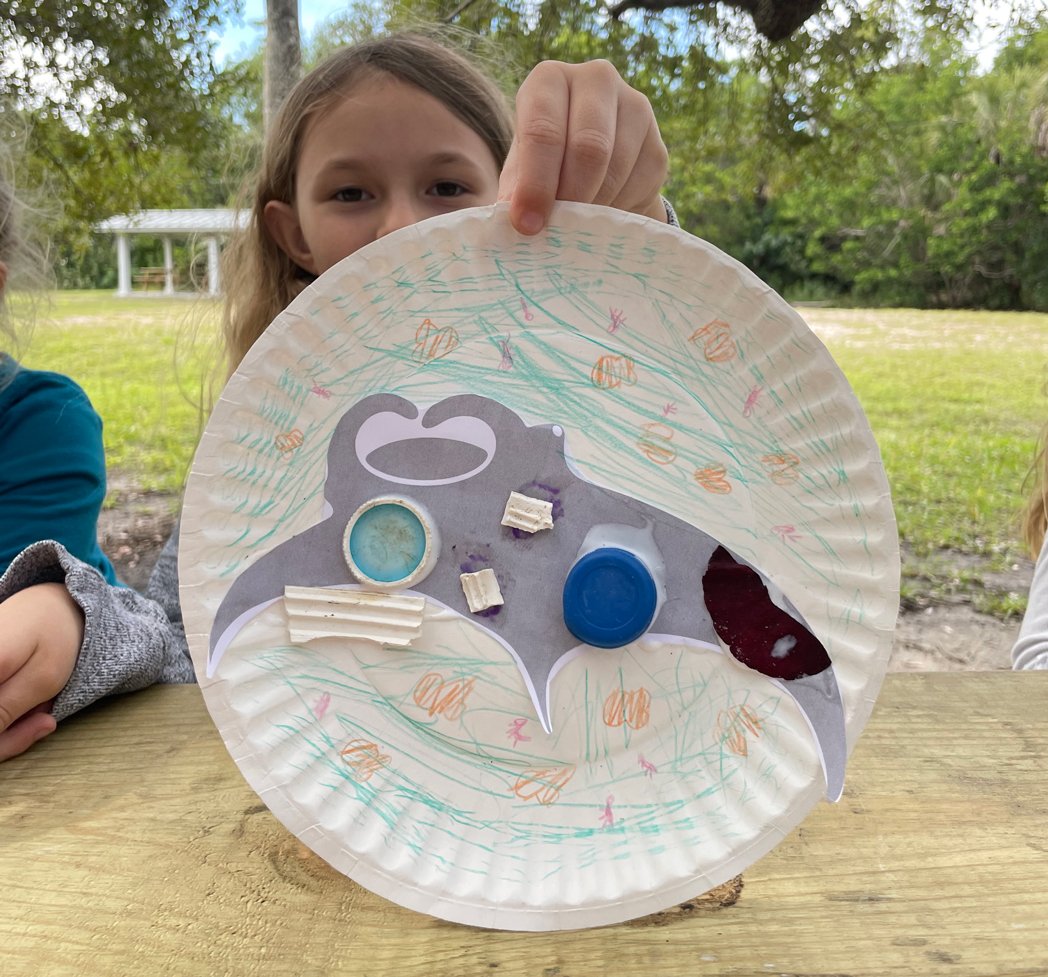
Volunteering
The Florida Manta Project has an established volunteer program that is integral to our research effort. Volunteer positions are in high demand, however, and while we would like to accommodate everyone with an interest, our small team cannot host everyone who inquires.
Research surveys are conducted in Palm Beach County, Florida. If you are interested in volunteering, you must live locally and have some weekday availability. Ideally, our volunteers will have strong skills in one or more of the following areas: boat operations, drone operations, free diving, and/or scientific data collection.
If you meet our requirements and are interested in volunteering, send an email describing your availability and experience, with an attached CV, to Jessica Pate ([email protected]). The Florida Manta Project does not have an internship program.
Reporting manta ray sightings in Florida
So little is known about Florida’s manta rays that every sighting report gives us valuable information on where and when they occur. If you see a manta ray, please take a photo and send us your sighting at [email protected].
Florida manta adoption
Adopt a Florida manta for $50, or adopt and name one for $200, to support new research on manta rays.
Adopt a Florida mantaAdopt and name a Florida manta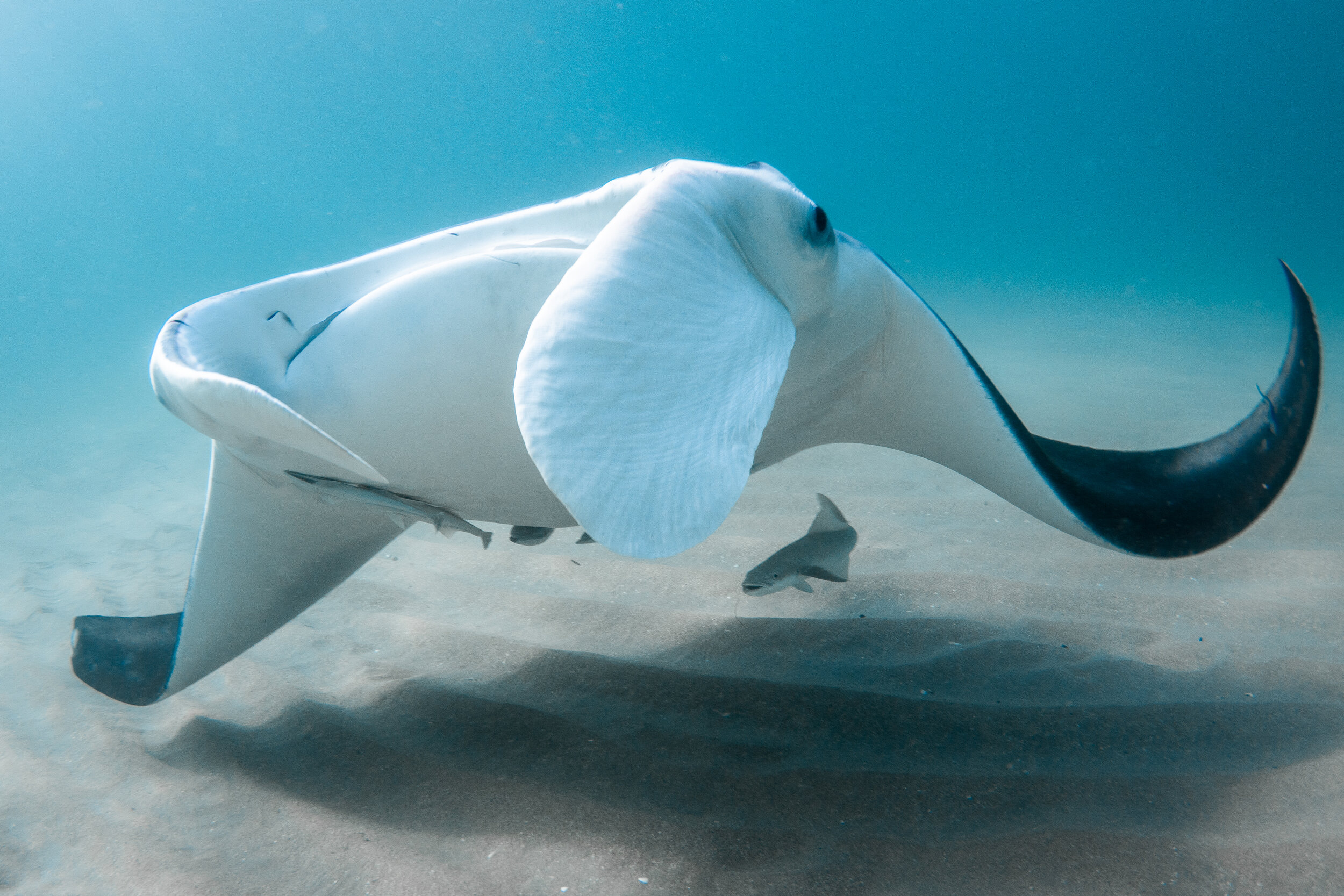
MMF Project Team
 Jessica Pate
 Margo Moyer
Collaborators and Partners



Recent research
- 2026Hiding in plain sight: evidence of Echeneidae cloacal and gill diving behavior in manta ray hosts
- 2025Stability and spatial variance of Mobula yarae-associated fish aggregates in south Florida
- Using drone footage to analyze the effect of diver presence on juvenile manta ray behavior
- An integrative taxonomy investigation unravels a cryptic species of Mobula Rafinesque, 1810 (Mobulidae, Myliobatiformes), from the Atlantic Ocean
- 2024Evidence of reproductive and feeding habitat for manta rays off Florida’s Atlantic coast
- Perceptions regarding the recreational cobia fishery in relation to manta ray conservation
- 2022Using Drones to Assess Volitional Swimming Kinematics of Manta Ray Behaviors in the Wild
- 2020Surveys of recreational anglers reveal knowledge gaps and positive attitudes towards manta ray conservation in Florida
In the news
Coverage of this work.
 Atlantic Mobula Rays
 Atlantic Guitarfish
 Hawaii Oceanic Manta Project