
USA · Global Manta Ray Program
Atlantic Mobula Rays
Mapping the distribution of the western Atlantic's rarely encountered manta and devil rays, to establish the baseline their conservation requires.
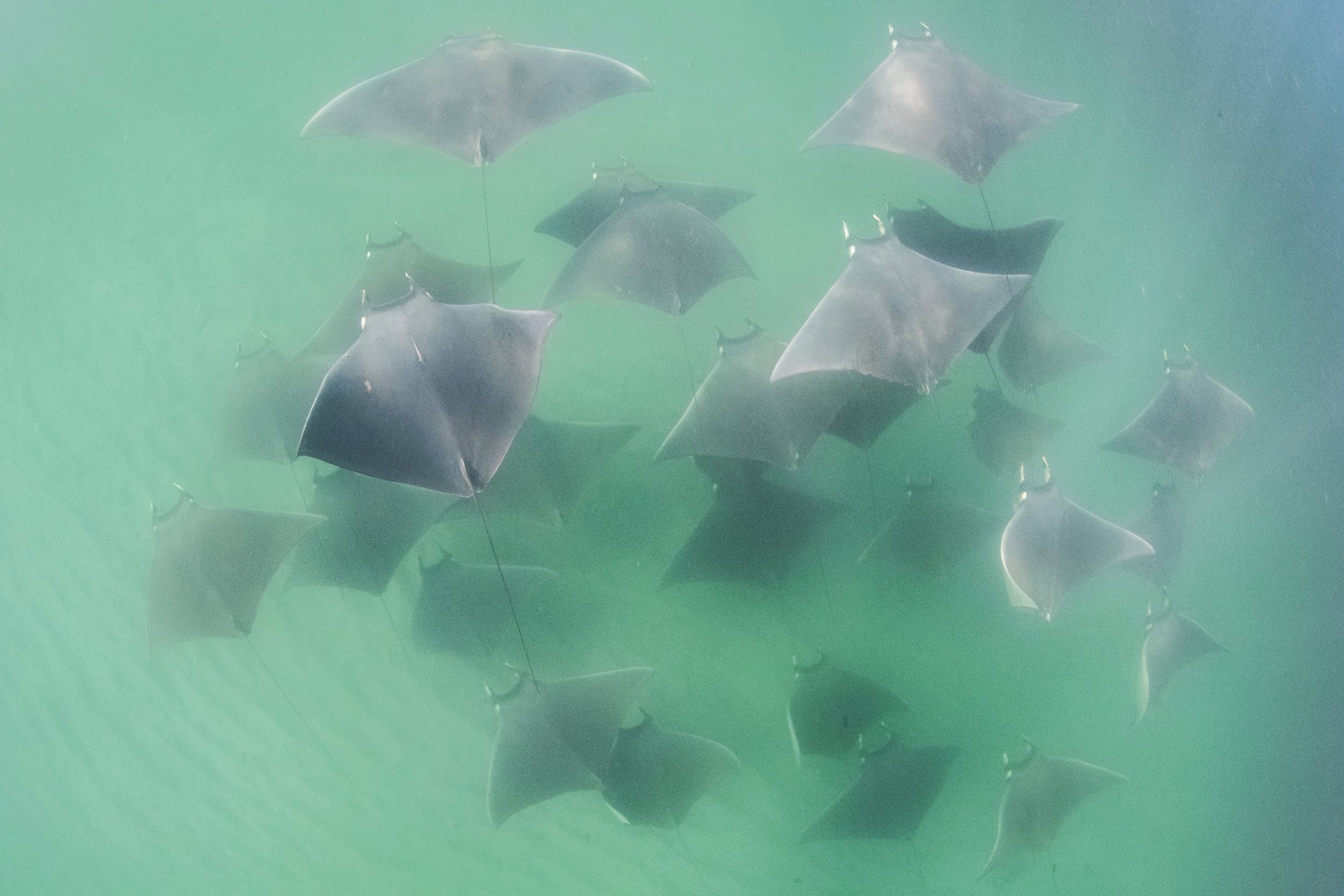
Several manta and devil ray species occur in the western Atlantic, yet some are encountered so rarely that even their ranges are still being mapped.
We combine research surveys with public sightings to document where these rays occur and to establish a baseline for their conservation. Alongside the Atlantic manta ray (Mobula yarae), four devil rays are recorded in the northwestern Atlantic: the sicklefin devil ray (M. tarapacana), Atlantic pygmy devil ray (M. hypostoma), spinetail devil ray (M. mobular), and bentfin devil ray (M. thurstoni). Their life histories, ecology, and distributions, however, remain poorly known.
Jessica Pate leads MMF’s US research program and coordinates the Florida team’s work on Atlantic mobula rays.
What we've done
- Extended the known range of the sicklefin devil ray through a 2023 study that compiled 180 sightings representing 361 individuals across the US east coast and Gulf of Mexico.
- Added a 2025 distribution study covering three mobulid species in the western Atlantic.
- Contributed to a comprehensive account of the Endangered Atlantic pygmy devil ray in a 2026 study that drew on more than 300 rays and confirmed the species in 10 more Caribbean countries and territories.
- Contributed to the formal description of the Atlantic manta ray, Mobula yarae, in 2025, including ecological data from Florida and a specimen collected by the Florida Manta Project that now serves as type material at the Smithsonian Institution.
Support the Florida Manta Project
This research builds on the Florida Manta Project's long-term field program and regional collaborations, and your gift supports this research.
Our work on mobula rays in the western Atlantic
Distribution of rarely encountered rays
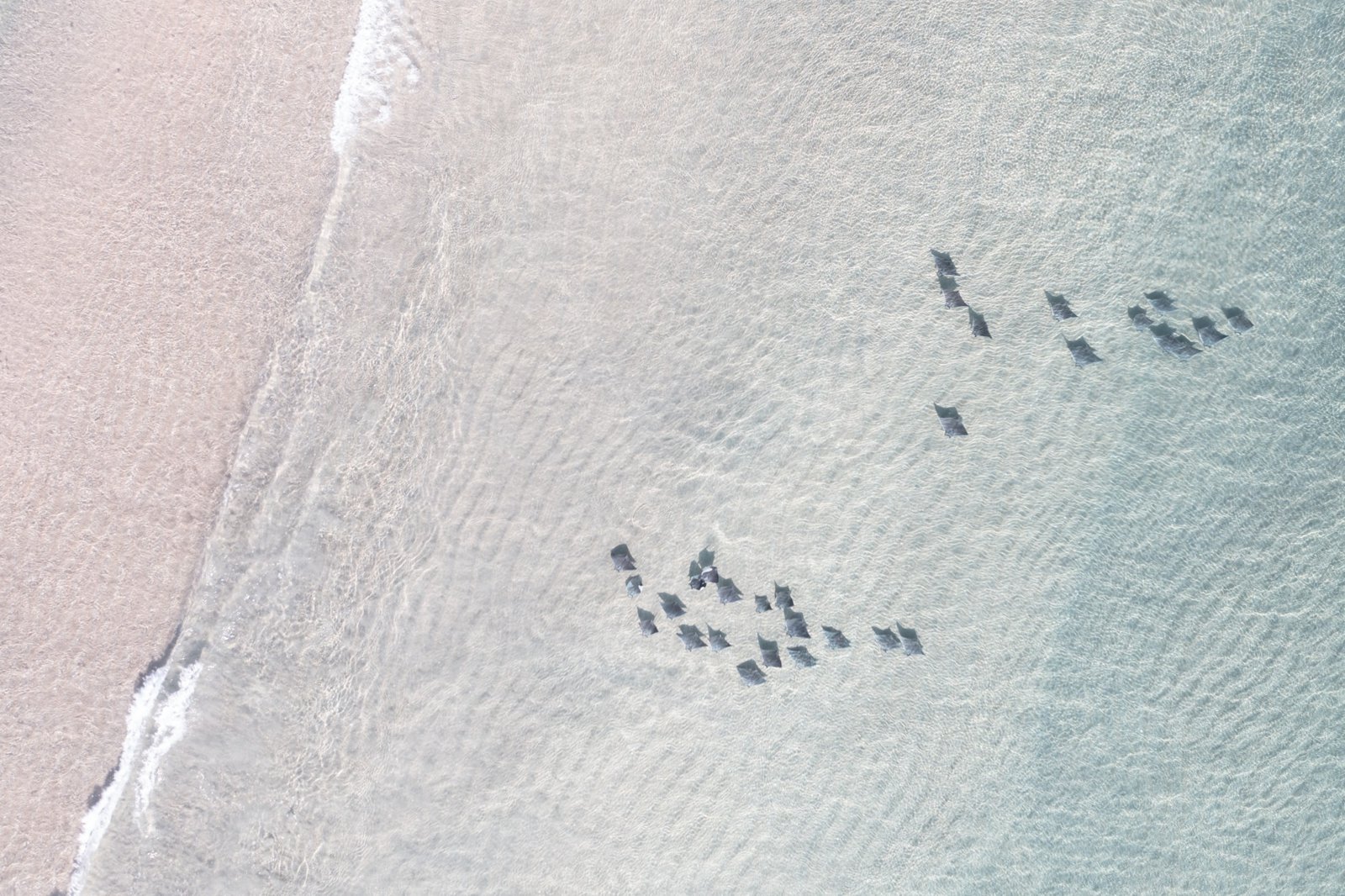
Devil rays range widely and are encountered unpredictably, so no single survey program can capture their full distribution. The team therefore combines aerial surveys, incidental records, and photographs from community scientists to refine our understanding of where and when each species occurs. (Photo: Tiffany Baron.)

A wider range for the sicklefin devil ray
This approach redrew the known distribution of the sicklefin devil ray. A 2023 study compiled records collected between 1996 and 2022, extending the known northern range to 29°N in the Gulf of Mexico and 40°N in the Atlantic. It also revealed a seasonal pattern off the northeastern United States, where the species was recorded during summer.

Atlantic pygmy devil ray taxonomy and distribution
The Atlantic pygmy devil ray (Mobula hypostoma) is listed as Endangered on the IUCN Red List, yet confusion over its identification has hindered its conservation. A 2026 study led by Atlantine Boggio-Pasqua of Aix-Marseille University and co-authored by MMF’s Jessica Pate consolidated the species’ taxonomy, biology, and sighting records in a single account (Boggio-Pasqua et al. 2026).
The authors designated a neotype, a new reference specimen that anchors the species’ identification, and supported treating the eastern Atlantic M. rochebrunei as the same species. Field and aquarium data from more than 300 rays show that it relies heavily on shallow coastal and estuarine waters, where it schools, feeds, and mates. That reliance, however, also exposes it to bycatch in coastal fisheries.
Verified sightings extended the known range north to Virginia and Delaware and added 10 Caribbean countries and territories where the species had not been reported before. Jessica confirmed its presence in Flower Garden Banks National Marine Sanctuary, Texas, in July 2023. The Florida Manta Project also encounters Atlantic pygmy devil rays and works with Mote Marine Laboratory on the species.
A newly named Atlantic manta ray
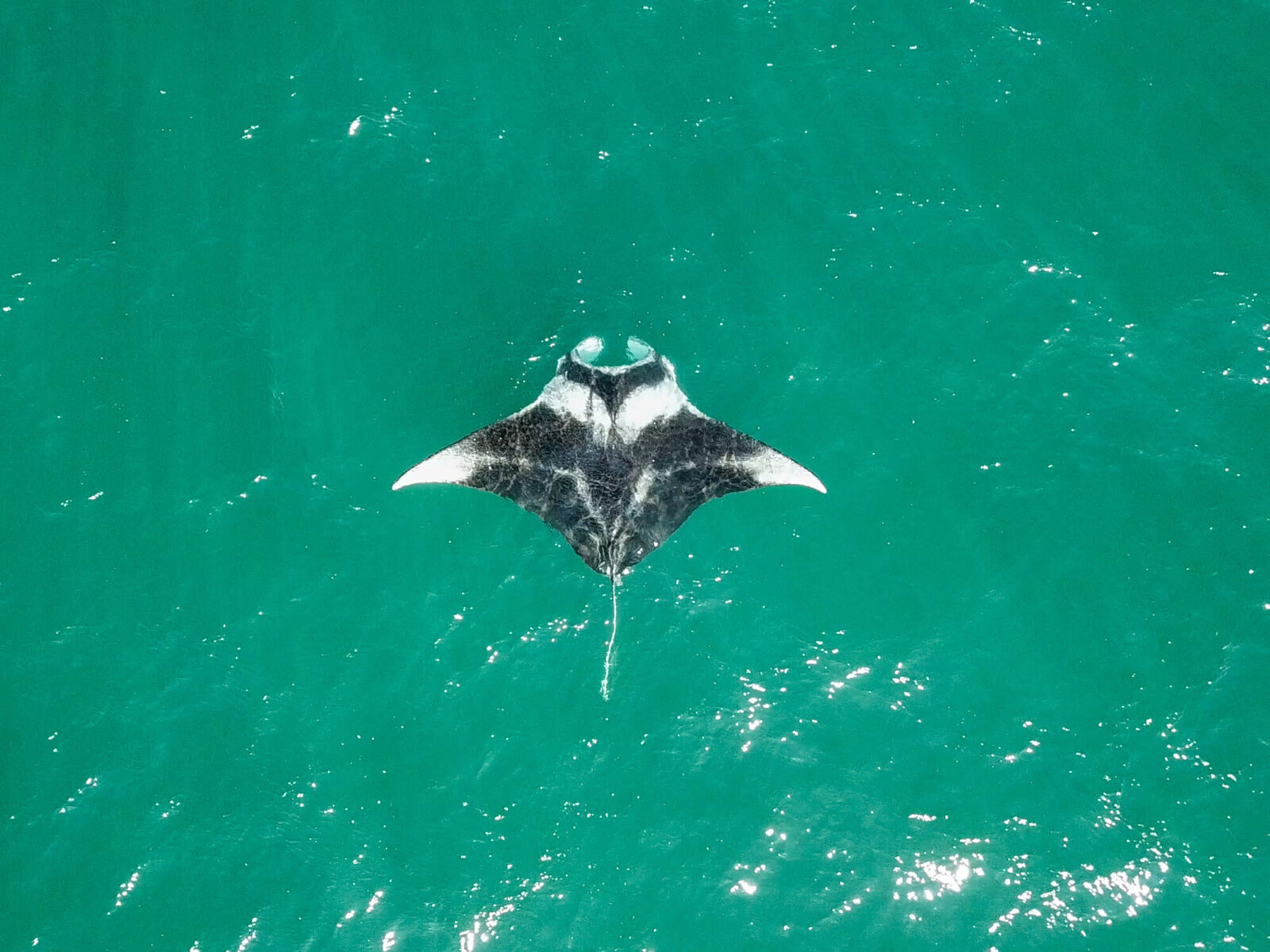
In 2025, scientists formally described the Atlantic manta ray (Mobula yarae) as a distinct species endemic to the western Atlantic and Caribbean. The description resolved a long-standing scientific question and created a clearer basis for regional research and management. A specimen collected by the Florida Manta Project serves as type material for the species and is deposited at the Smithsonian Institution.
The species’ population trend has not been assessed, and basic questions about critical habitat, movements, population structure, and life history remain open. Documented threats in the region include vessel strikes, fishing-gear entanglement, and commercial-fishery bycatch.
The value of distribution records
For rarely encountered species, a verified photograph can establish that a ray occurs in a place or season not represented in formal surveys. Combined carefully, many such records can reveal range limits and seasonal patterns, providing a foundation for future research and conservation assessment.
Reporting devil ray sightings
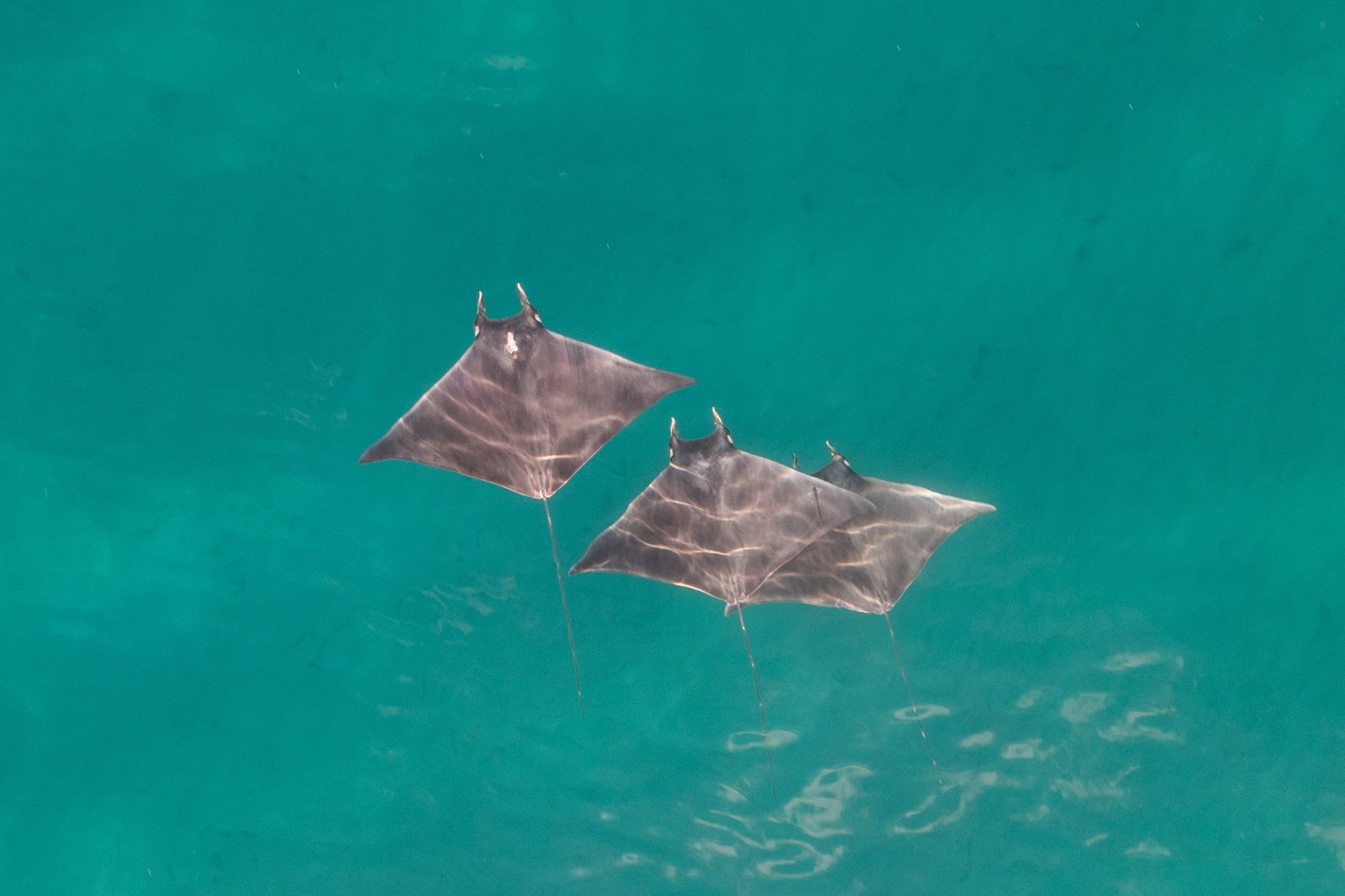
Photographs are especially valuable for species that are widely distributed and rarely encountered. If you encounter devil rays, please send your photographs to [email protected].
MMF Project Team
 Jessica Pate
Collaborators and Partners
Recent research
- 2026Closing the gaps: Integrating biological, ecological and taxonomic data to support the identification and conservation of the Atlantic pygmy devil ray (Mobula hypostoma)
- 2025Distribution of three mobulid ray species (Mobula tarapacana, Mobula mobular, and Mobula thurstoni) in the western Atlantic and Caribbean
- An integrative taxonomy investigation unravels a cryptic species of Mobula Rafinesque, 1810 (Mobulidae, Myliobatiformes), from the Atlantic Ocean
- 2023Multiple datasets confirm range extension of the sicklefin devil ray Mobula tarapacana in the western North Atlantic Ocean off the eastern USA
- 2022The distribution of manta rays in the western North Atlantic Ocean off the eastern United States
BryantTurffs.jpg) The Florida Manta Project
The Florida Manta Project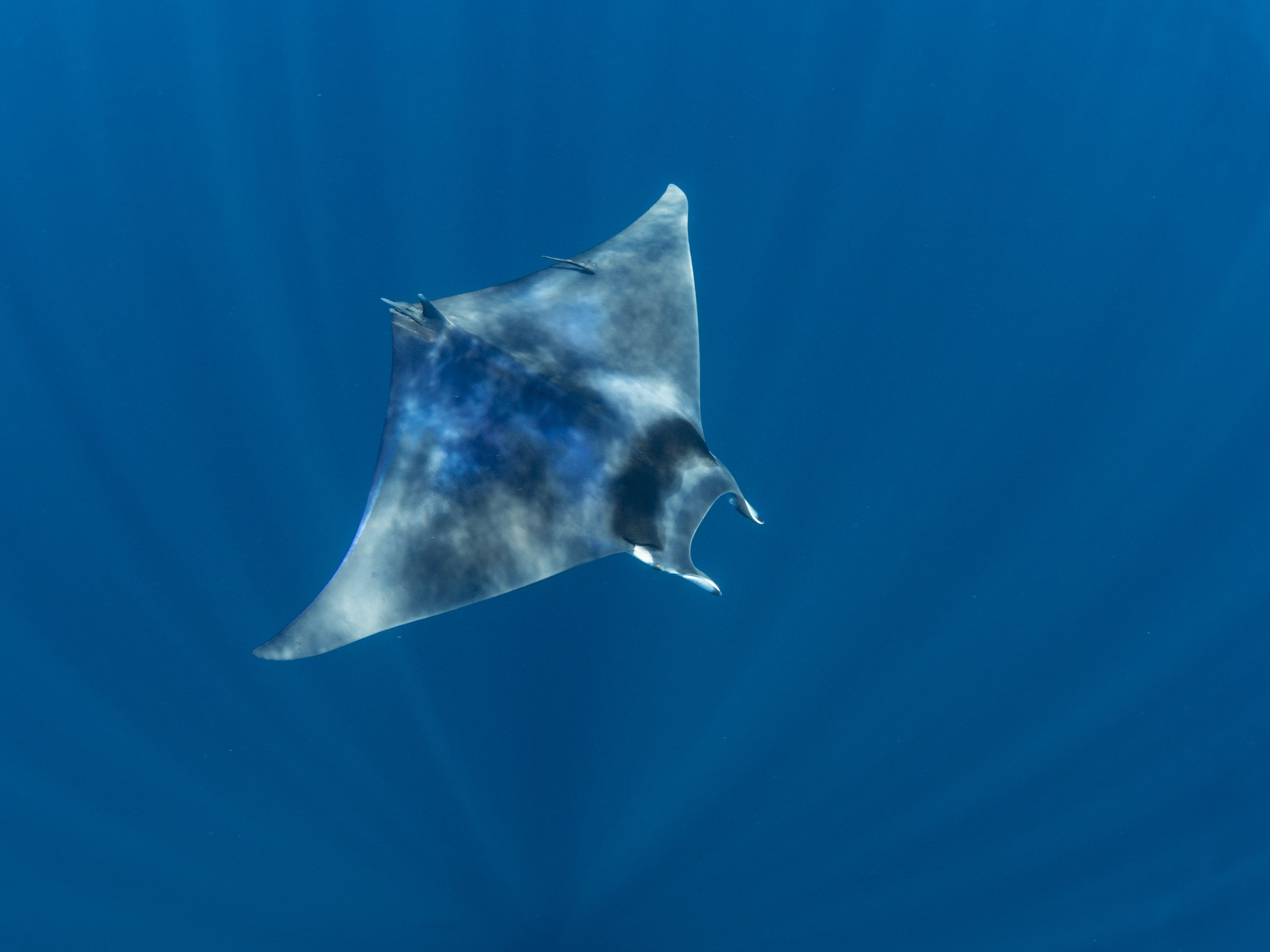 Madagascar Manta and Devil Rays
 Philippines Manta and Devil Rays
 Hawaii Oceanic Manta Project