
USA · Global Manta Ray Program
Hawaii Oceanic Manta Project
Oceanic manta rays occur in Hawaiian waters, yet almost nothing is known about them, so we are compiling sightings from researchers and divers to build the first scientific picture of the species around the islands.
Oceanic manta rays occur in Hawaiian waters, yet almost nothing is known about them. We are working with local researchers and the diving community to address that gap.
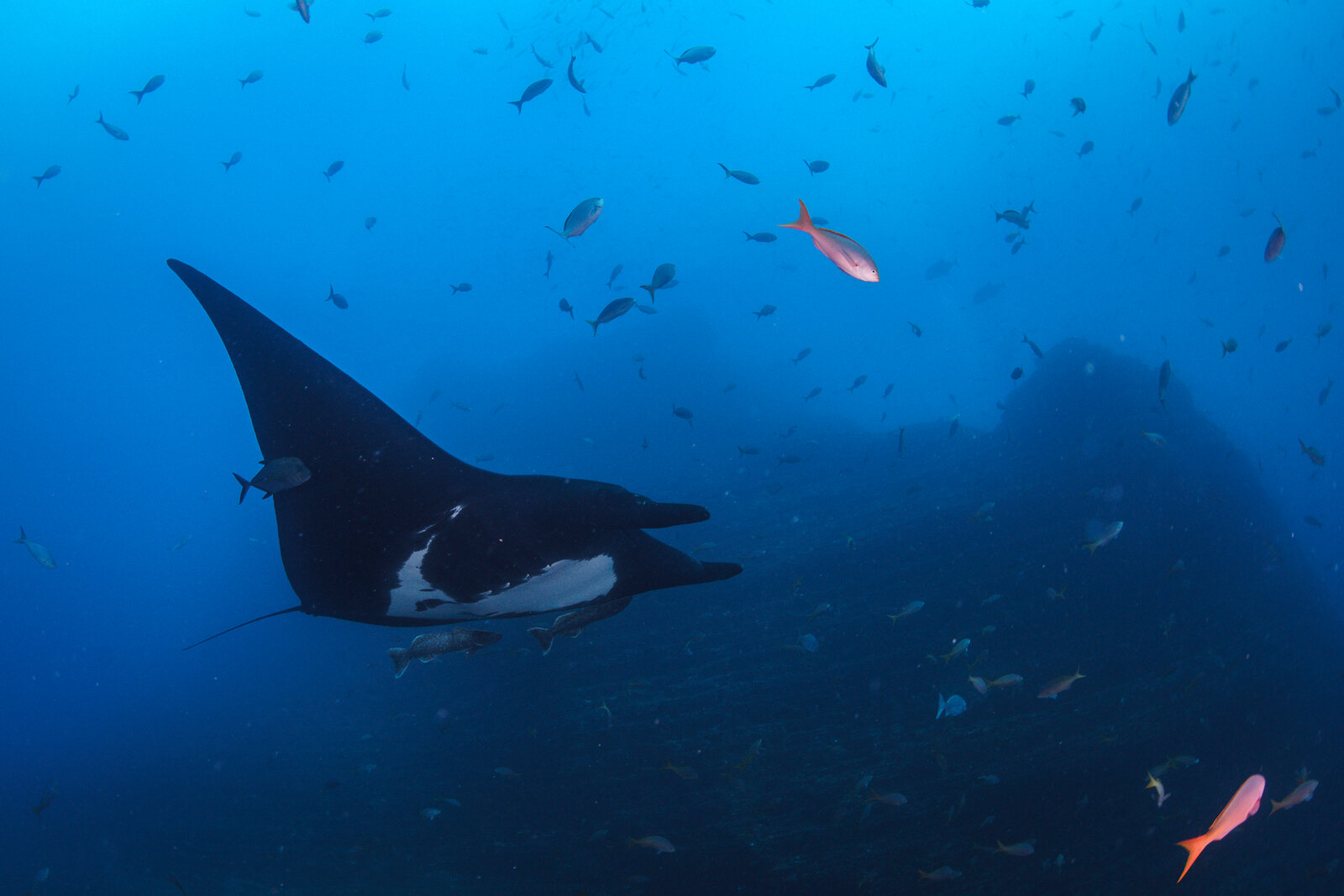
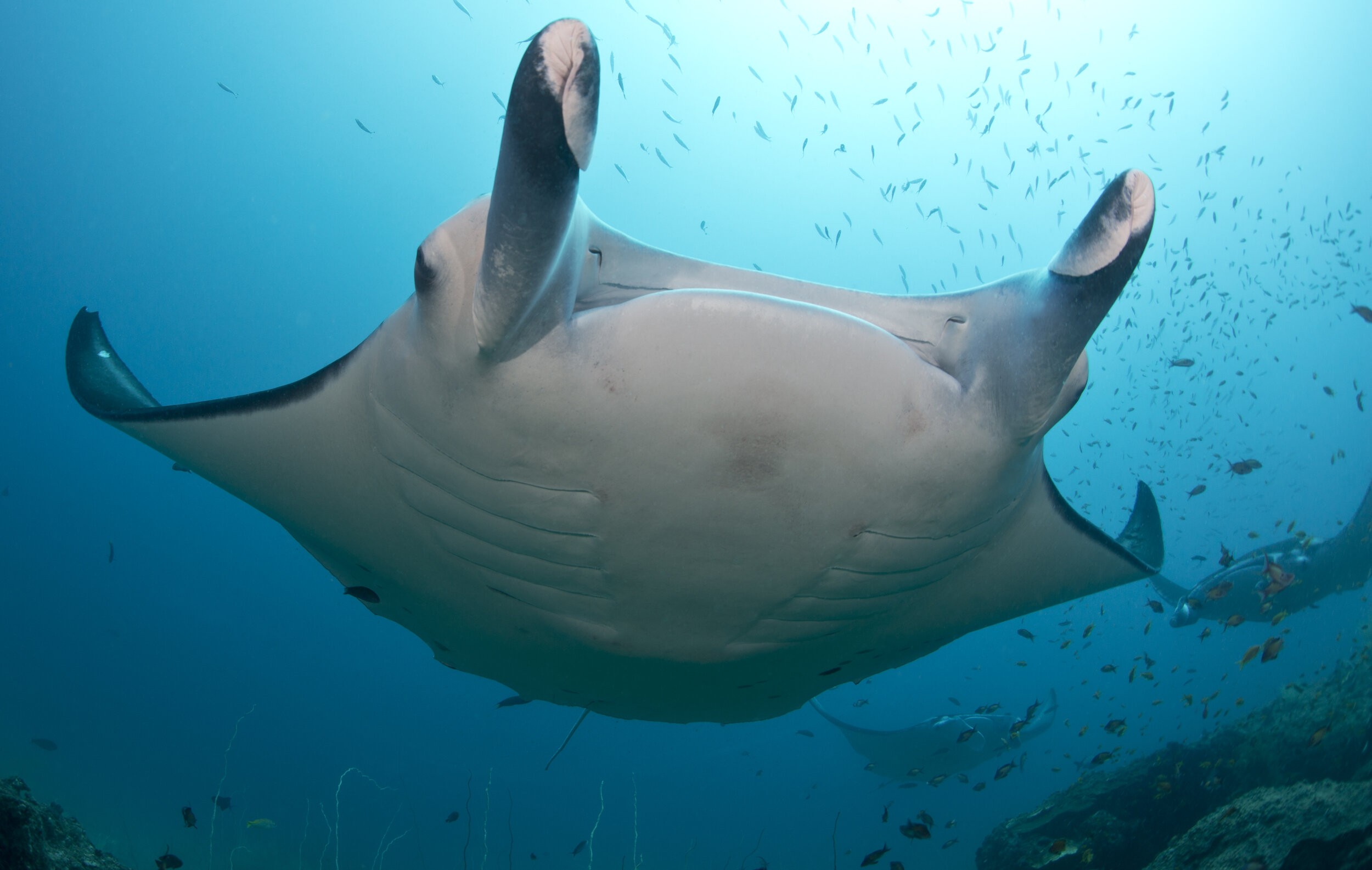
Hawaii’s reef manta rays (Mobula alfredi) are among the best-studied and most-visited mantas in the world, thanks to the famous night dives off Kona. In contrast, their larger relative, the oceanic manta ray (Mobula birostris), is encountered sporadically around the islands, often far from shore. No dedicated research program has ever followed oceanic mantas, and their movements, their abundance, and the areas most important to them all remain open questions.
The oceanic manta ray is listed as Endangered on the IUCN Red List and is protected in US waters under the Endangered Species Act. Without baseline information on where the species occurs, however, there is no way to assess the status of the Hawaiian population, or to make the case for protecting the places it depends on.
This project compiles existing sightings from researchers, dive operators, photographers, and fishers across the islands to build the first scientific picture of oceanic manta rays in Hawaii.
The project is part of MMF’s Americas program, which runs the first dedicated study of manta rays in Florida and is expanding across the Gulf of Mexico, the Atlantic seaboard, and the Pacific. Jessica Pate leads the Americas program from Florida, where she founded the Florida Manta Project, and works with the Hawaii sightings working group on the resulting publication.
Objectives
Establish a baseline for oceanic manta rays in Hawaiian waters, and use it to direct future research and conservation toward priority areas.
- Compile existing sightings from researchers and citizen scientists into a single dataset, and publish the first study of when and where oceanic manta rays occur around the Hawaiian Islands.
- Once sufficient sightings have been compiled, use species distribution modeling to identify likely aggregation areas that would justify dedicated fieldwork.
- Build respectful, long-term relationships with Hawaii-based researchers, tourism operators, and management agencies, so that any future work is led with, not imposed on, the local community.
- Lay the groundwork for a longer-term research program on oceanic manta rays in the central Pacific.
Support the Hawaii Oceanic Manta Project
Your gift helps us compile oceanic manta ray sightings from across the Hawaiian Islands and establish the baseline this endangered species needs.
Our work on oceanic manta rays in Hawaii
A shared photo-identification dataset
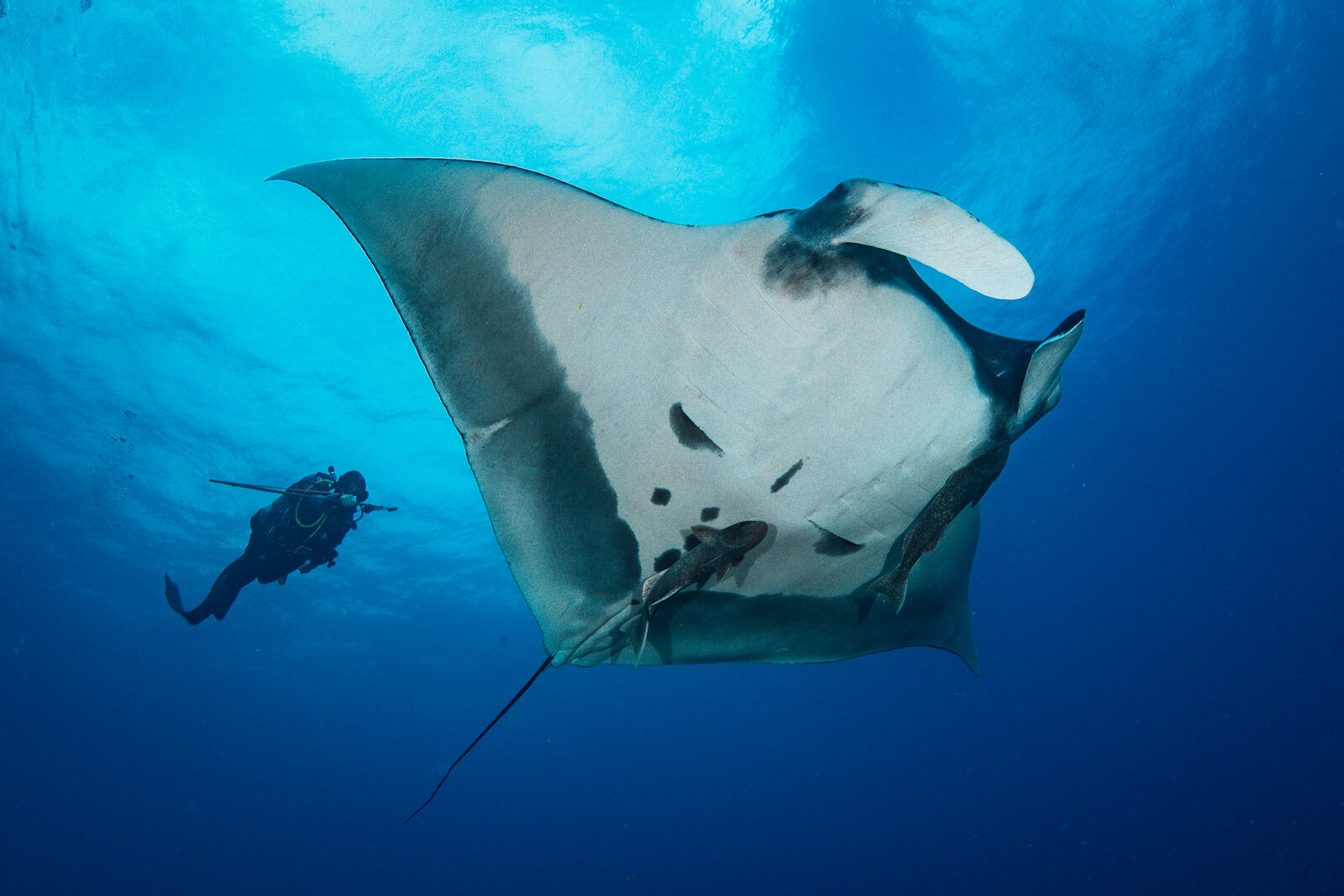
The first phase is collaborative and desk-based. Photo-identification, based on the spot pattern on each ray’s underside, makes every good photograph a data point, whether taken by a scientist or a snorkeler. We are collating these records under a shared data agreement, with the researchers who collected them as co-authors on the resulting publication.
Mark Hackney, a Hawaii-based manta ray researcher, initiated this collaboration with his own sighting records of oceanic mantas, and leads the project.
Courtship and feeding
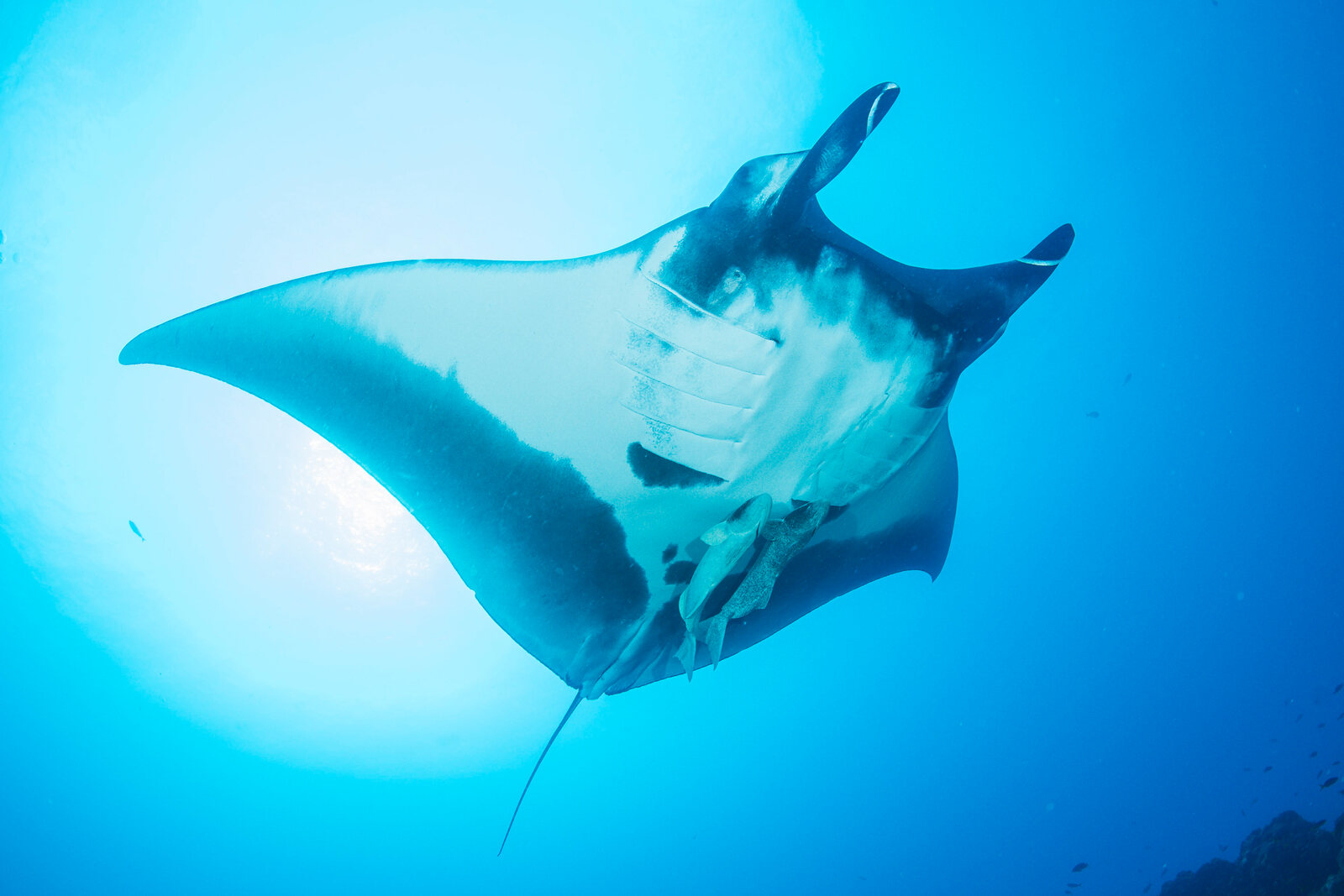
Courtship behavior has been recorded in Hawaiian oceanic mantas; surface feeding, however, has not, which suggests the rays may be feeding at depth. Determining whether they feed at depth would clarify how they use Hawaiian waters.
Contributing a sighting
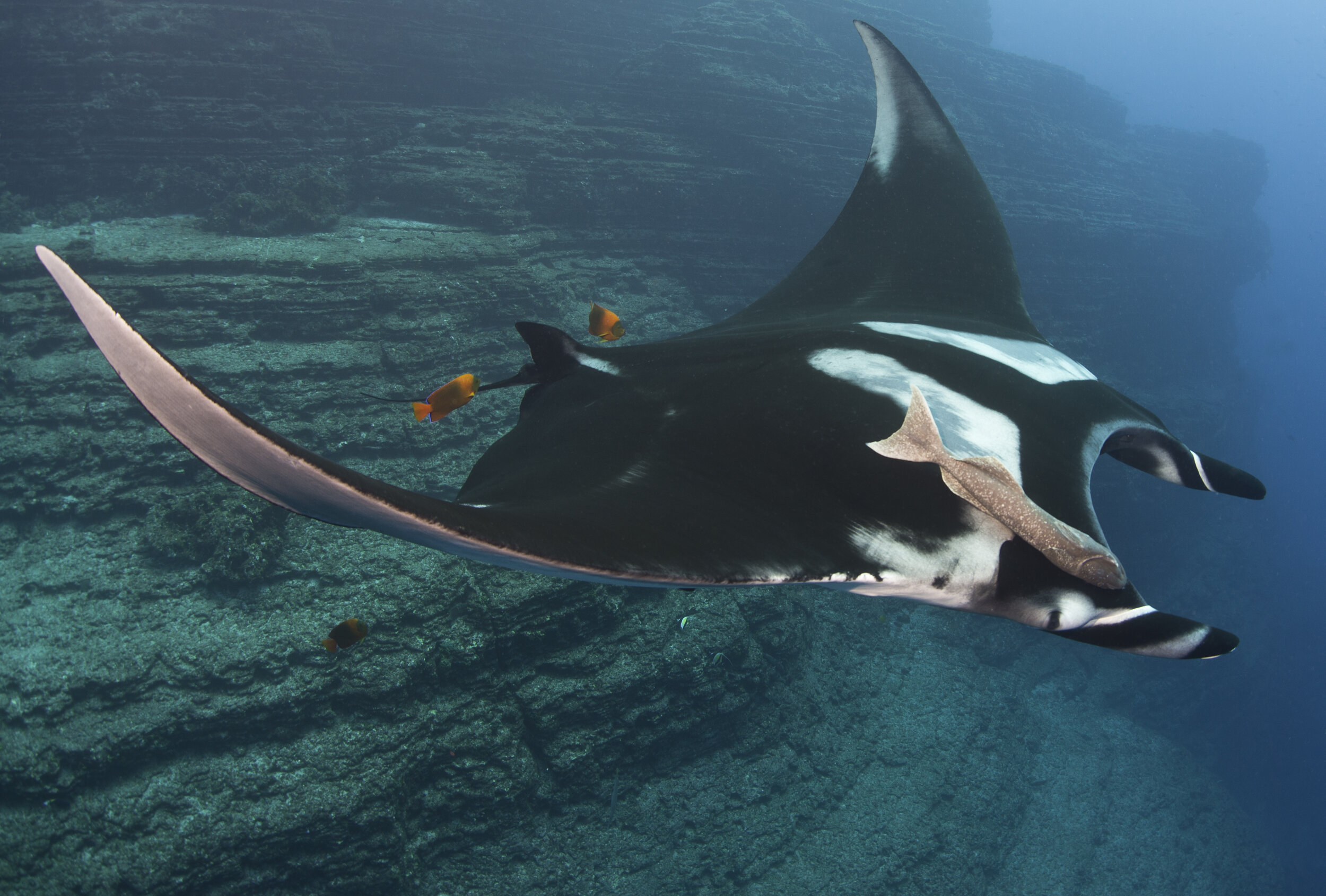
If you have photographed an oceanic manta ray in Hawaii, we would like to hear from you. The most useful image shows the underside of the ray, with the date and location of the sighting. Contact the MMF team to contribute a sighting.
 Mark Hackney
 Jessica Pate
 African Manta Ray Project
 Atlantic Mobula Rays
BryantTurffs.jpg) The Florida Manta Project
The Florida Manta Project Madagascar Manta and Devil Rays