
Mozambique
Mozambique Leopard Shark Research Project
We are documenting the aggregation sites and year-round habitat use of endangered leopard sharks along Mozambique's Inhambane coast, and identifying the areas that most need protection.
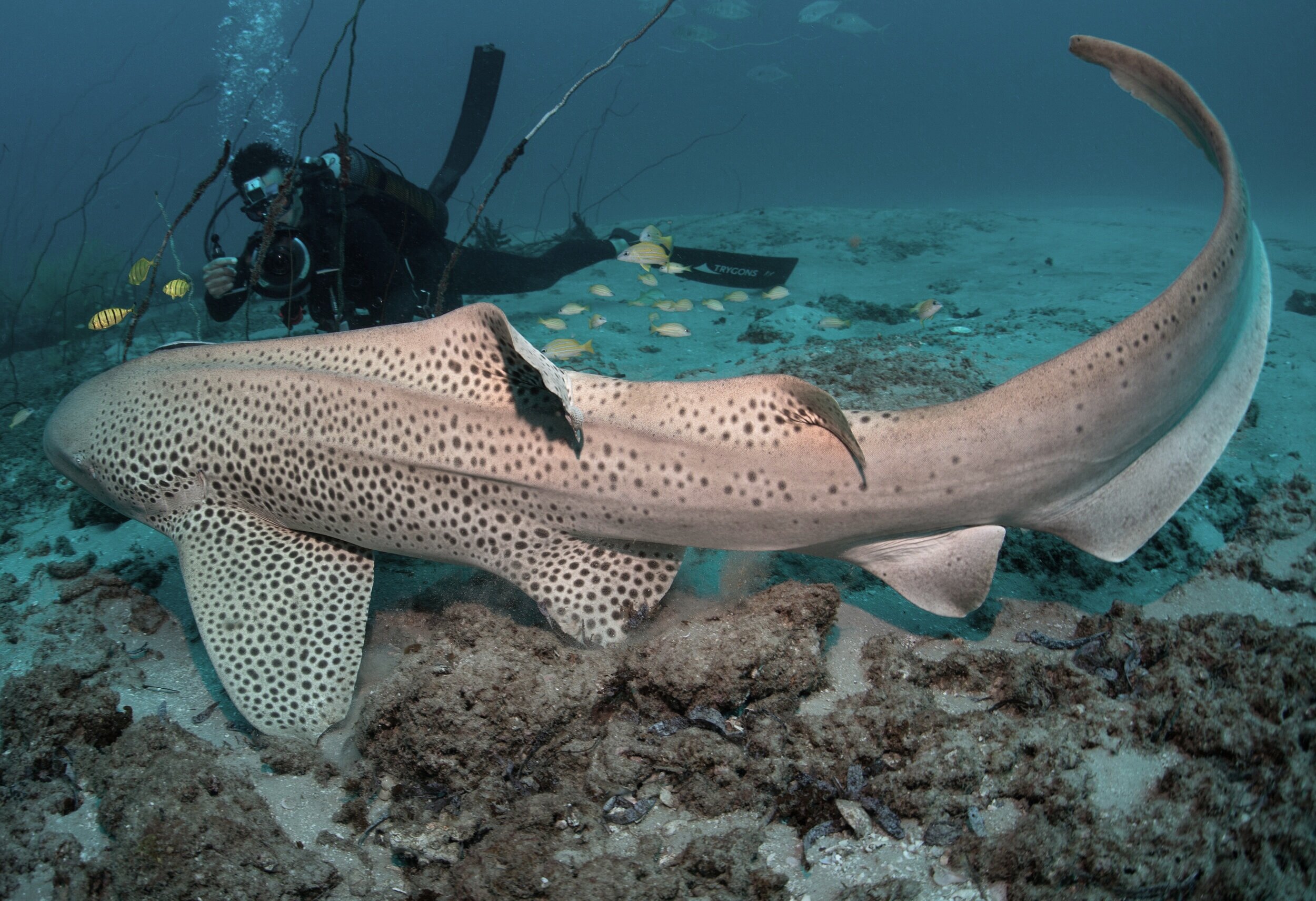
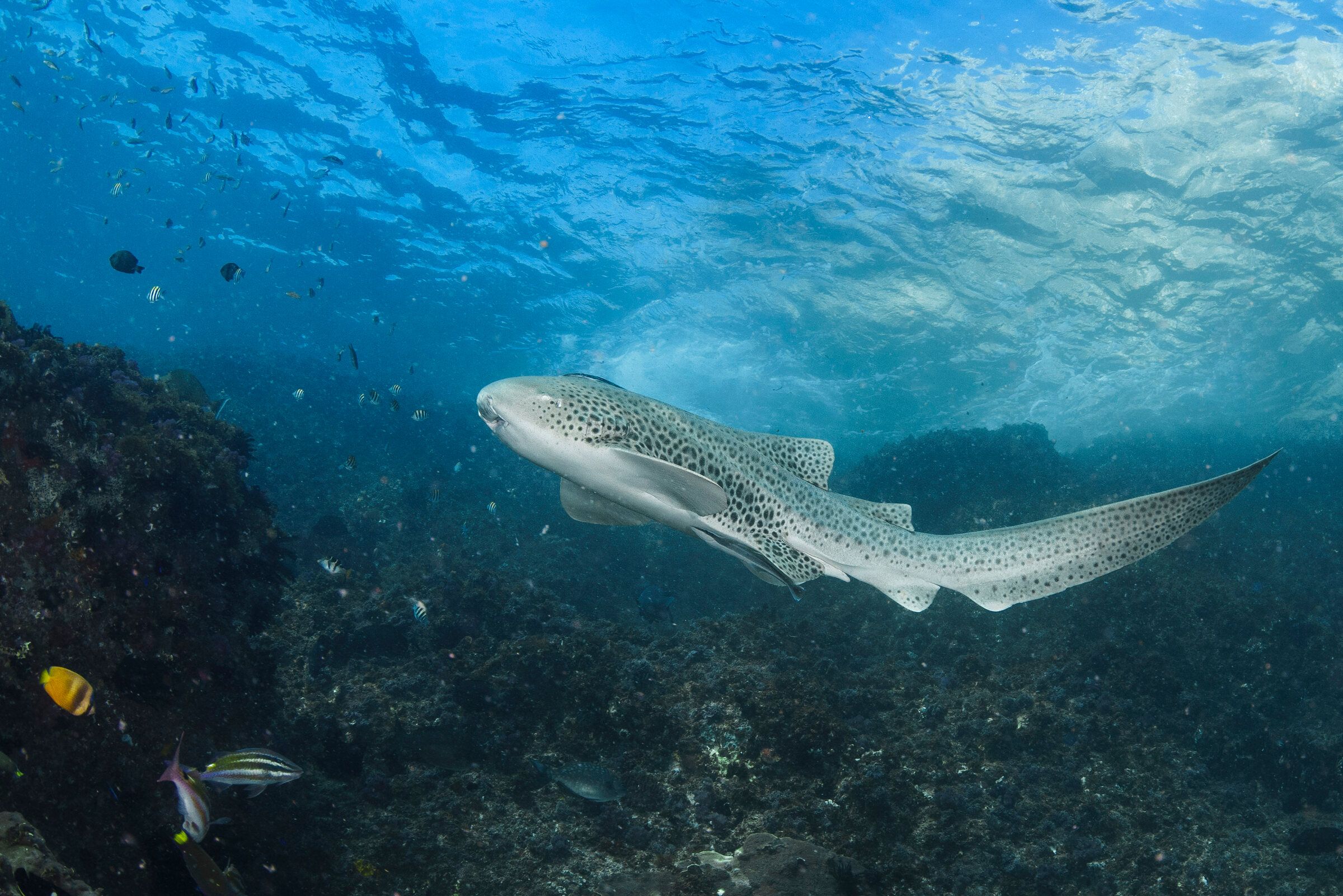
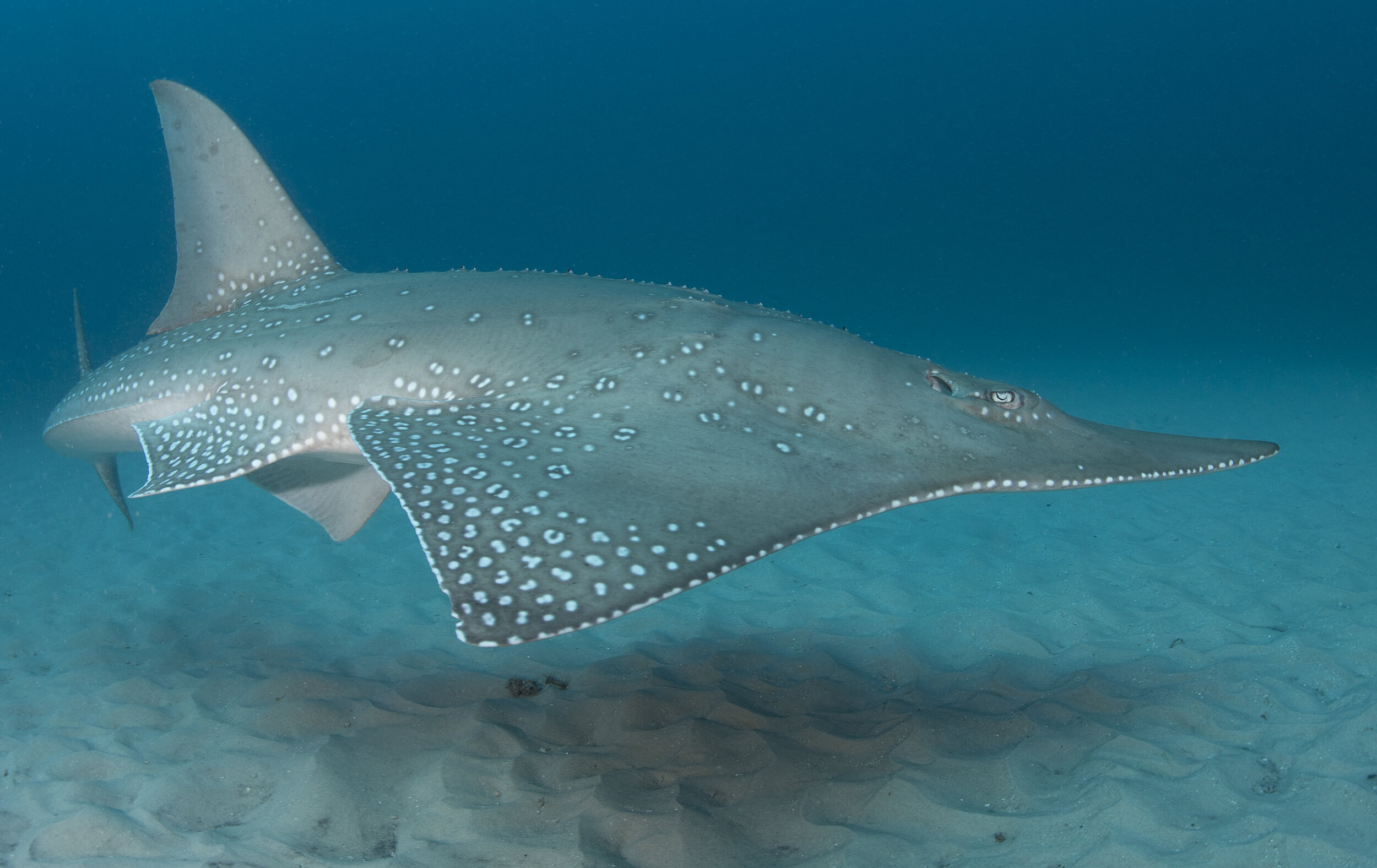
Our project investigates the seasonality, distribution, and habitat use of leopard sharks (Stegostoma tigrinum) in southern Mozambique, with the aim of defining priority areas for their protection.
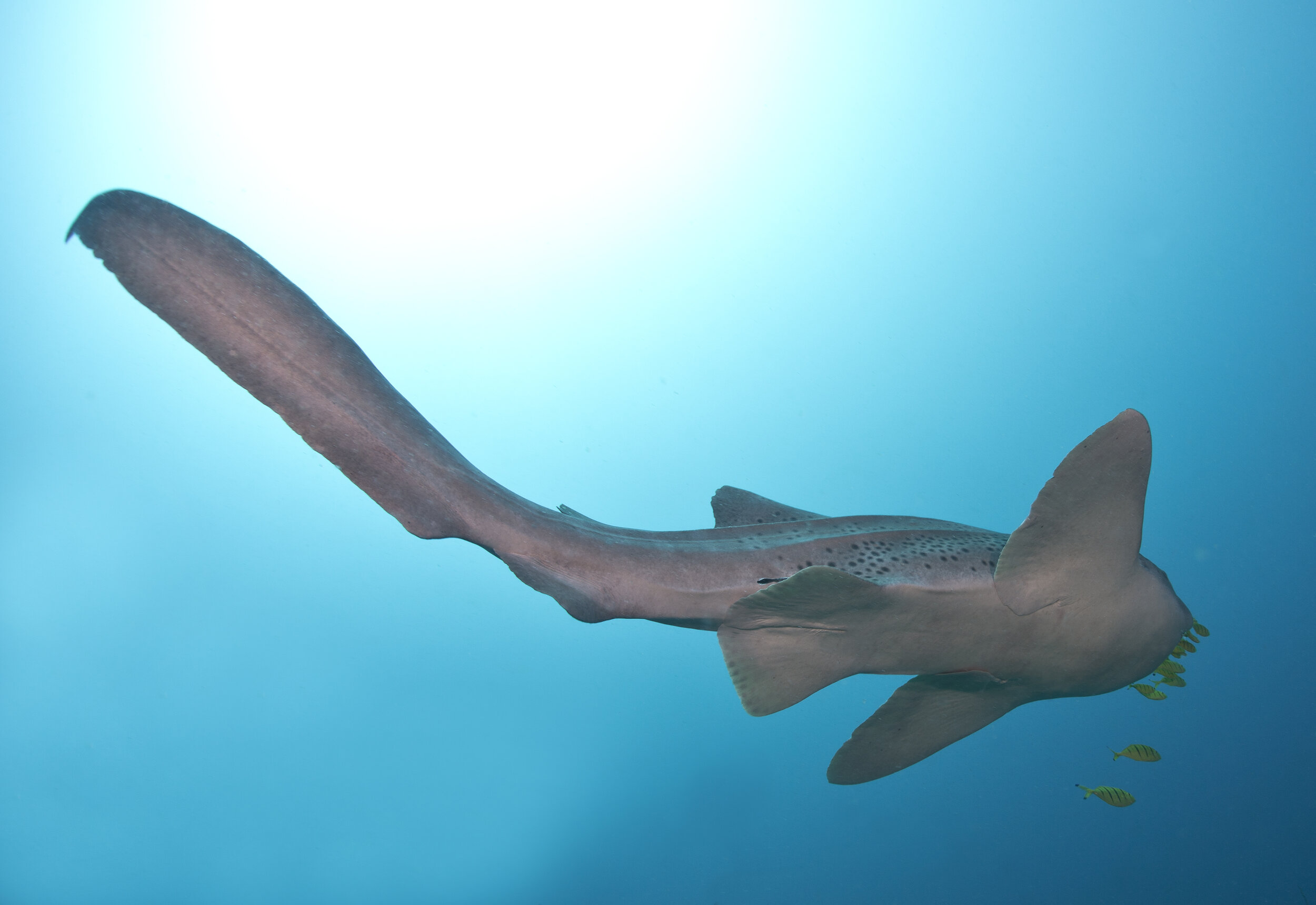
Leopard sharks, also known as zebra sharks (and formerly classified as Stegostoma fasciatum), are found throughout the Indian and western Pacific Oceans. However, this harmless species has now completely disappeared from large areas of its broad distribution: the Indian Ocean–Southeast Asian population is thought to have declined by at least 50% over the past 50 years, and the species is now listed as globally Endangered.
Objectives
- Expand our monitoring to all the sites where leopard sharks are commonly encountered, exploring new areas in Závora, Morrungulo, Pomene, and the Bazaruto Seascape.
- Track leopard shark movements and habitat use throughout the year, and identify their most important habitats along the Inhambane coastline.
- Investigate leopard shark genetic connectivity through the Indian Ocean.
- Collect samples for biochemical assessment of diet and movement.
What we've done
- Compiled the first photo-ID catalog for leopard sharks in southern Africa.
- Completed the first focused photo-identification study on leopard sharks in Mozambique.
- Identified numerous aggregation sites for leopard sharks throughout Inhambane Province, positioning our team to conduct focused research on the species in Mozambique.
- Contributed to the IUCN Red List reassessment for the leopard shark, a review of the species’ extinction risk.
- Began tracking leopard sharks acoustically in the Bazaruto Seascape, adding year-round movement data to more than a decade of diver sightings.
- Published a study of leopard sharks in southern Mozambique covering their population structure, spatial ecology, and first observations of courtship behavior (Buschmann et al. 2026).
Support our leopard shark research
Your gift to our Mozambique program funds the fieldwork behind this project, from photo-identification dives to tracking leopard sharks along the Inhambane coast.
Our work on leopard sharks in Mozambique
Conservation status and threats
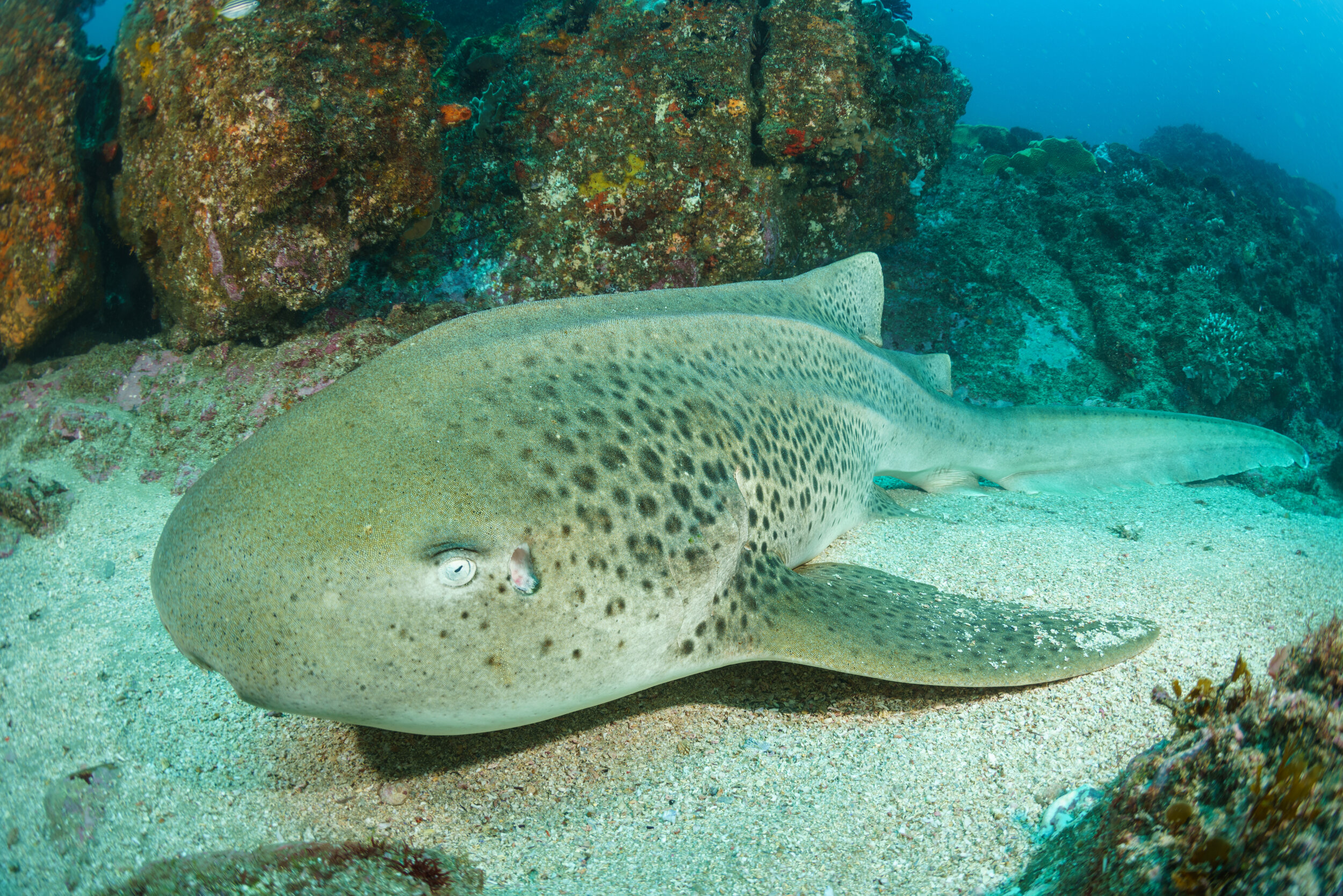
In 2016, the leopard shark was reclassified as globally Endangered on the IUCN Red List as a consequence of heavy fishing throughout much of its range. Extensive fishing pressure, coupled with low reproductive rates, has led to steep population declines, and the Indian Ocean–Southeast Asian subpopulation is suspected to have been halved by overfishing. Leopard sharks also aggregate in specific areas and, when these are targeted by unsustainable fisheries, local extinctions can follow quickly.
Knowledge gaps
So far, studies on leopard sharks have mostly focused on Australia and Thailand. The Indian Ocean, and the eastern coast of Africa in particular, has been highlighted as a data-deficient area for the species. The effective management and protection of the remaining populations depend on knowing the distribution and population status of leopard sharks in this region.
Leopard sharks in Mozambique
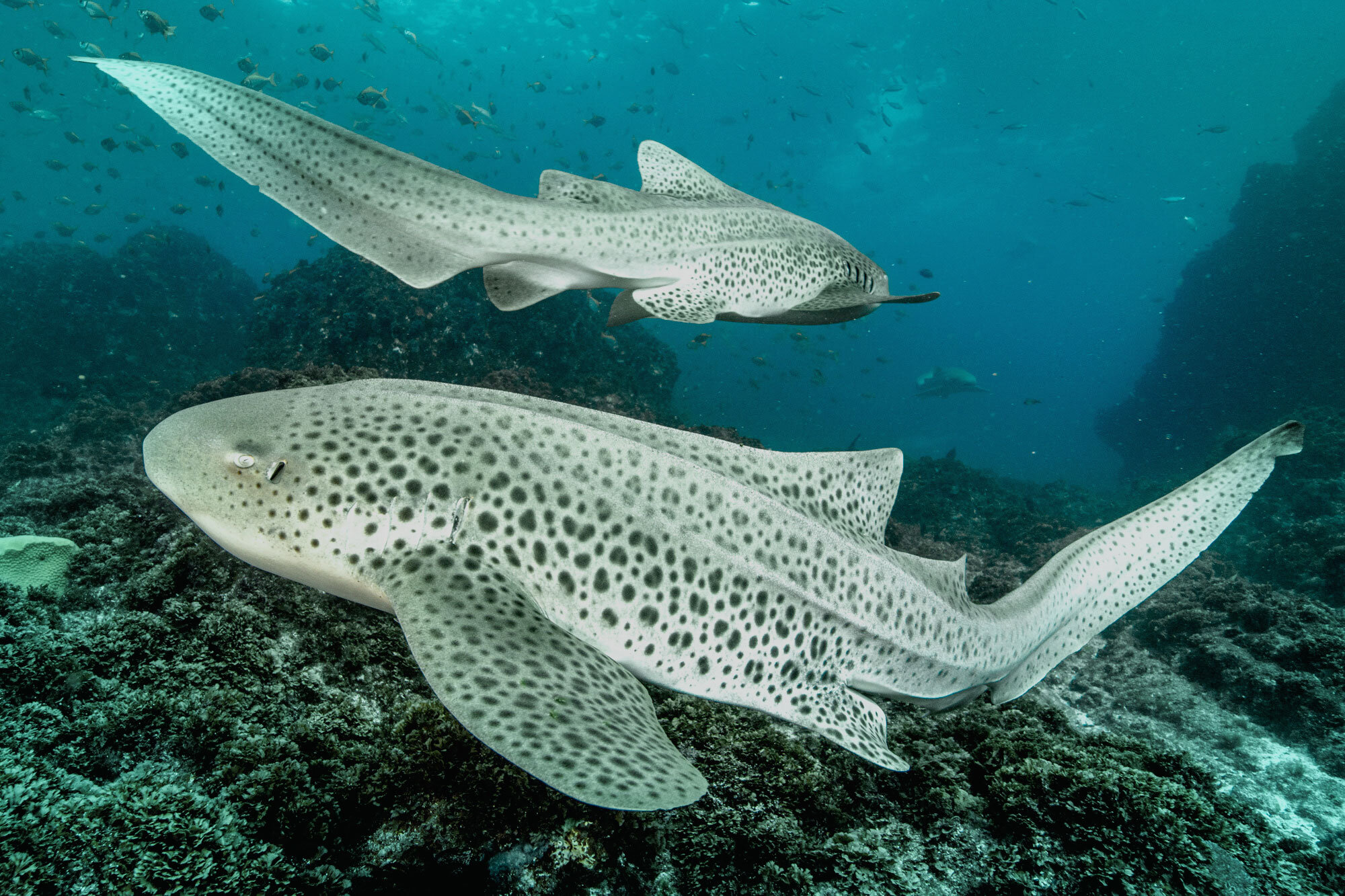
Leopard sharks are commonly seen in southern Mozambique, where several aggregation sites occur along the Inhambane coastline. Inshore reefs in this region appear to be important habitats for this bottom-dwelling shark. However, focused research is needed to characterize local populations and identify their most significant threats in the area. Saoirse Pottie’s 2018 MSc thesis at Swansea University, The distribution and site fidelity of a rare, non-commercial elasmobranch, formed part of this work.
Acoustic tracking
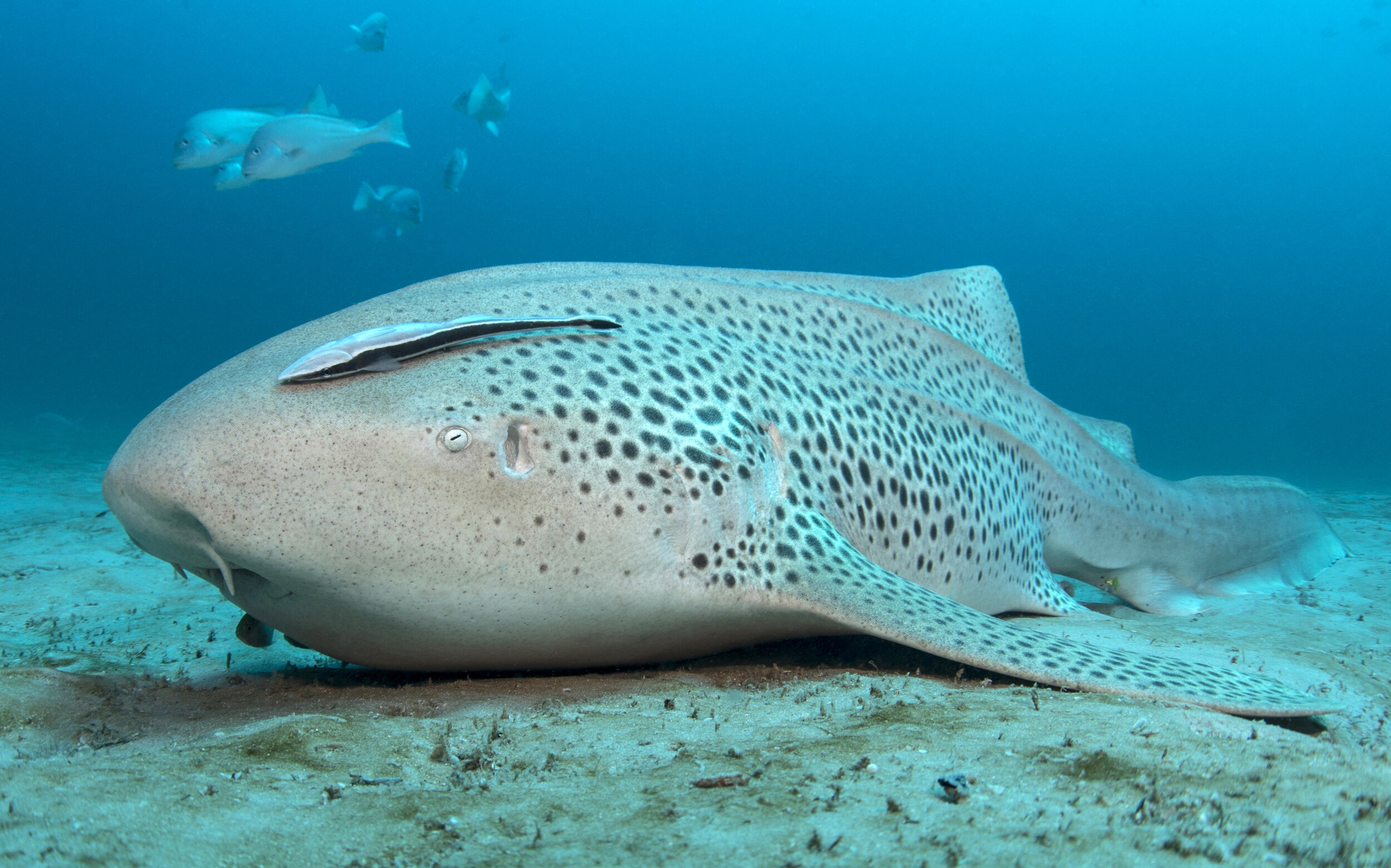
Acoustic telemetry now allows us to monitor leopard shark movements and habitat use throughout the year and to identify their most important habitats along the Inhambane coastline. Tagged sharks are detected automatically on our receiver network across the Bazaruto Seascape, and results will be added here once they are published. In parallel, we are investigating the genetic connectivity of leopard sharks across the Indian Ocean and collecting samples for biochemical assessment of their diet and movements.
 Nilza de Catarina
 Anna Flam
 Dr. Clare Prebble
 Dr. Stephanie Venables
 Australia Leopard Shark Project
 Mozambique Elasmobranch Diversity Research Project
 Mozambique Acoustic Telemetry Network
 Závora Marine Conservation