
Overview
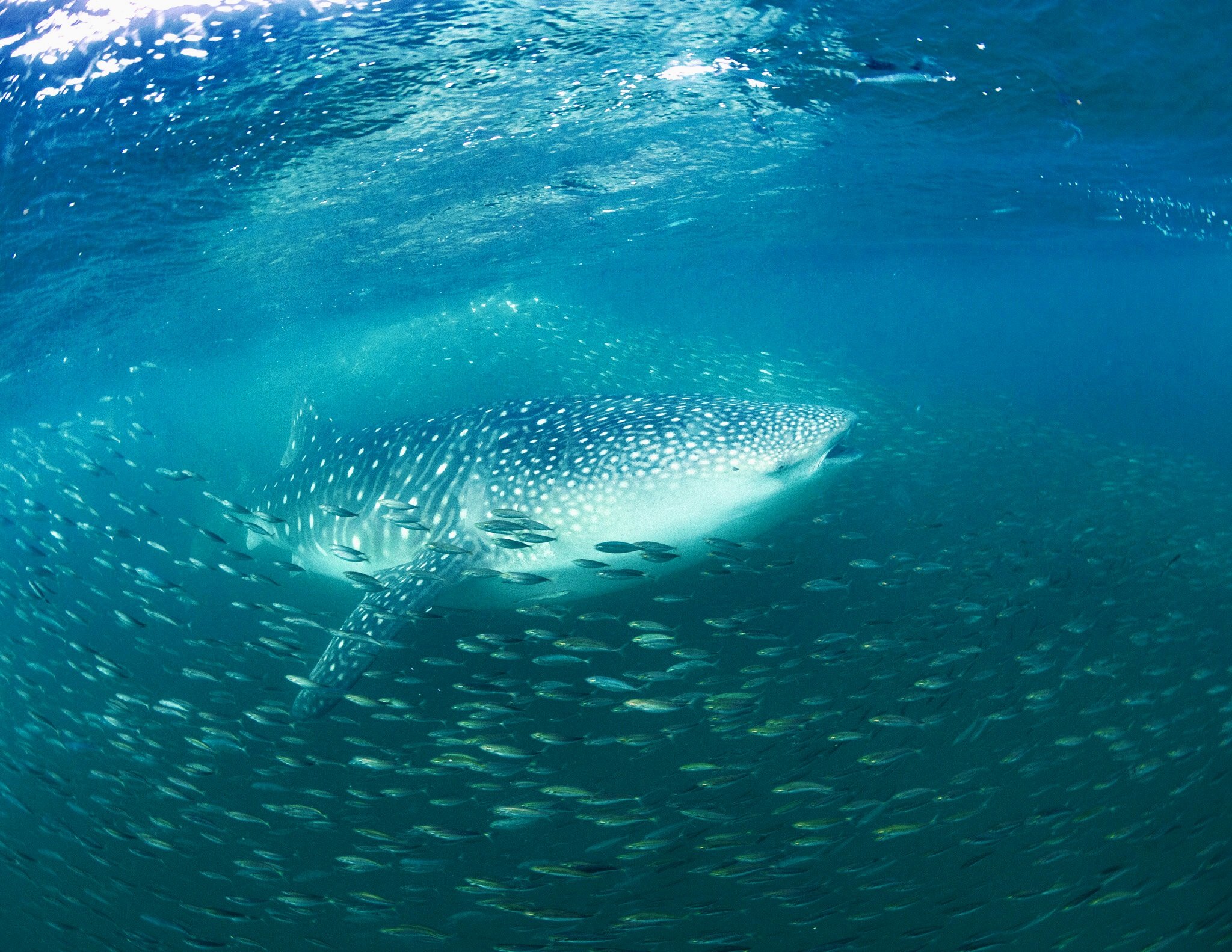
Stella is the founder and lead of the Madagascar Whale Shark Project (opens in a new tab), which she established in 2016 to study and protect the whale sharks of Nosy Be — now recognized as one of the world’s important aggregation sites for juvenile whale sharks. As an MMF Research Associate, she collaborates with the Global Whale Shark Program on photo-identification and population research in Madagascar. By the end of the 2025 season, the project had photo-identified 546 whale sharks off Nosy Be. It has also helped to enshrine a whale shark tourism code of conduct in Malagasy law, formalized by inter-ministerial decree in December 2023, and to make the case for the Tandavandriva marine corridor, which received temporary protection in March 2026.
The project’s published work with MMF includes two studies led by Stella, a satellite-tracking study (opens in a new tab) of whale sharks off western Madagascar (2018) and a population assessment (opens in a new tab) of the whale sharks off Nosy Be (2021), as well as an economic valuation (opens in a new tab) of Nosy Be’s whale shark tourism (2021). In 2025, Stella also led a study of the manta and devil rays (opens in a new tab) of northwest Madagascar, which compiled 255 encounters with three species between 2016 and 2022 and found no confirmed reef manta ray records since 2015, suggesting a potential local decline. Read more about the Madagascar Whale Shark Project and our work in Madagascar.
Stella also hosts research expeditions to Nosy Be with partner operators, on which guests join whale shark surveys in the field.
MMF work
Leads
- Madagascar Whale Shark ProjectProject leader
Team member
Past
- Madagascar Manta and Devil RaysProject leader
Global Whale Shark Program
News featuring Stella
Recent research
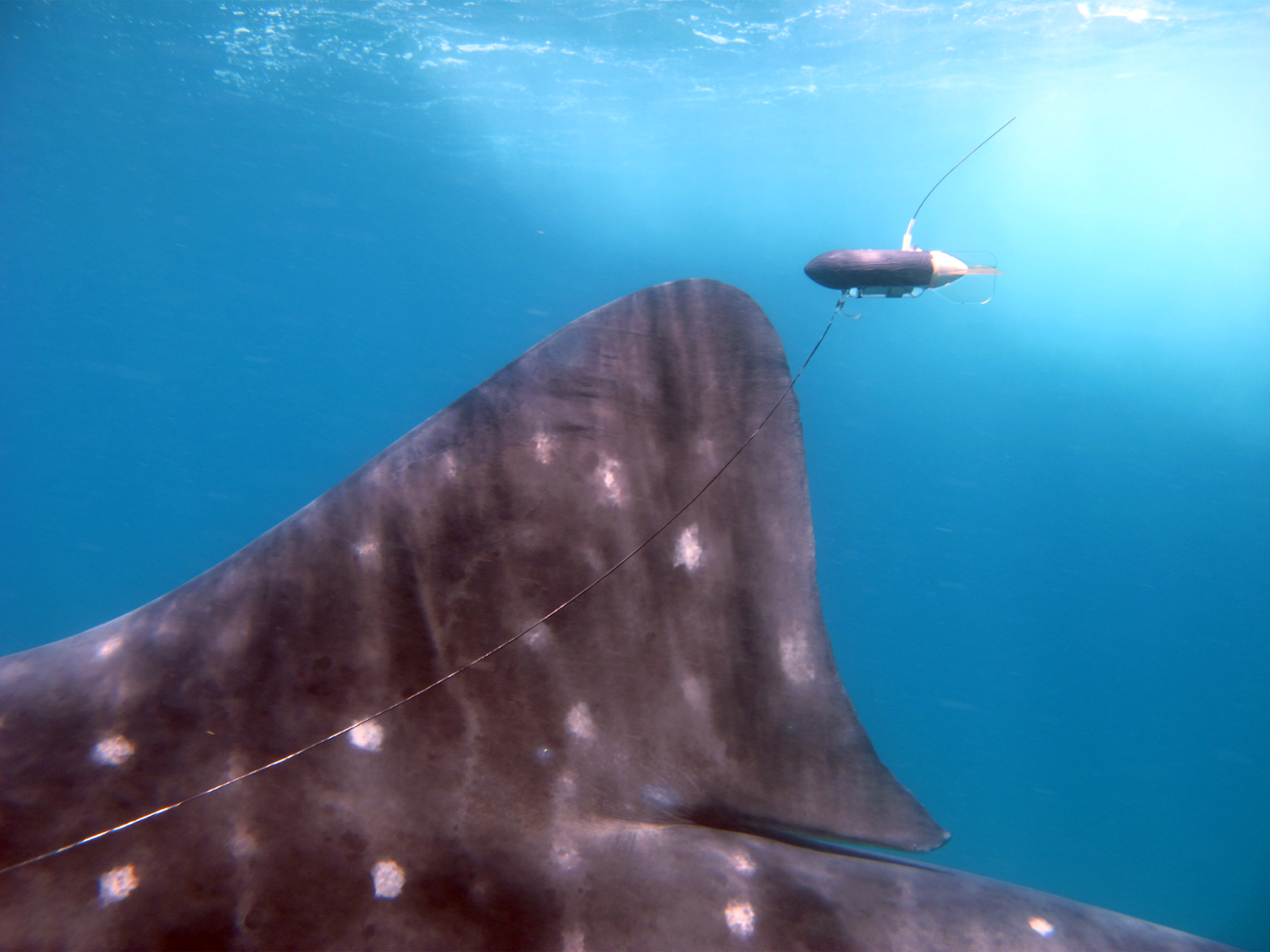
- 2026Methods for tagging whale sharks: insights into performance and best practices with a focus on clamp attachments
- Only one percent of important shark and ray areas in the Western Indian Ocean are fully protected from fishing pressure
- 2025Global tracking of marine megafauna space use reveals how to achieve conservation targets
- Occurrence of mobulid rays in Northwest Madagascar
- 2024Effects of climate warming on energetics and habitat of the world's largest marine ectotherm
- Climate-driven global redistribution of an ocean giant predicts increased threat from shipping
- Identifying priority sites for whale shark ship collision management globally
- 2022Improving sightings-derived residency estimation for whale shark aggregations: A novel metric applied to a global data set
- Global collision-risk hotspots of marine traffic and the world’s largest fish, the whale shark
- 2021Regional variation in anthropogenic threats to Indian Ocean whale sharks