Where we work · Since 2016
Madagascar
Off Nosy Be in northwest Madagascar, we study young whale sharks and the manta and devil rays that share their feeding grounds, and help translate the findings into protection.
Our work in Madagascar is led by the Madagascar Whale Shark Project, founded in 2016 at Nosy Be, in the northwest of the country, by MMF Research Associate Stella Diamant. The project had photo-identified 546 whale sharks (Rhincodon typus) off Nosy Be by the end of the 2025 season and helped make a code of conduct for whale shark tourism part of Malagasy law.
Satellite tags and a network of underwater acoustic receivers document the sharks’ movements, and that evidence helped make the case for the Tandavandriva marine corridor, which received temporary protection in March 2026. The project also helped secure recognition of Nosy Be as a Key Biodiversity Area and an IUCN Important Shark and Ray Area.
The same surveys also documented the manta and devil rays that feed in these waters. Our first dedicated study of these rays in Madagascar found three threatened species feeding and courting in the same bay, yet no sign of reef manta rays (Mobula alfredi) since 2015.
Our projects in Madagascar
Madagascar Whale Shark Project
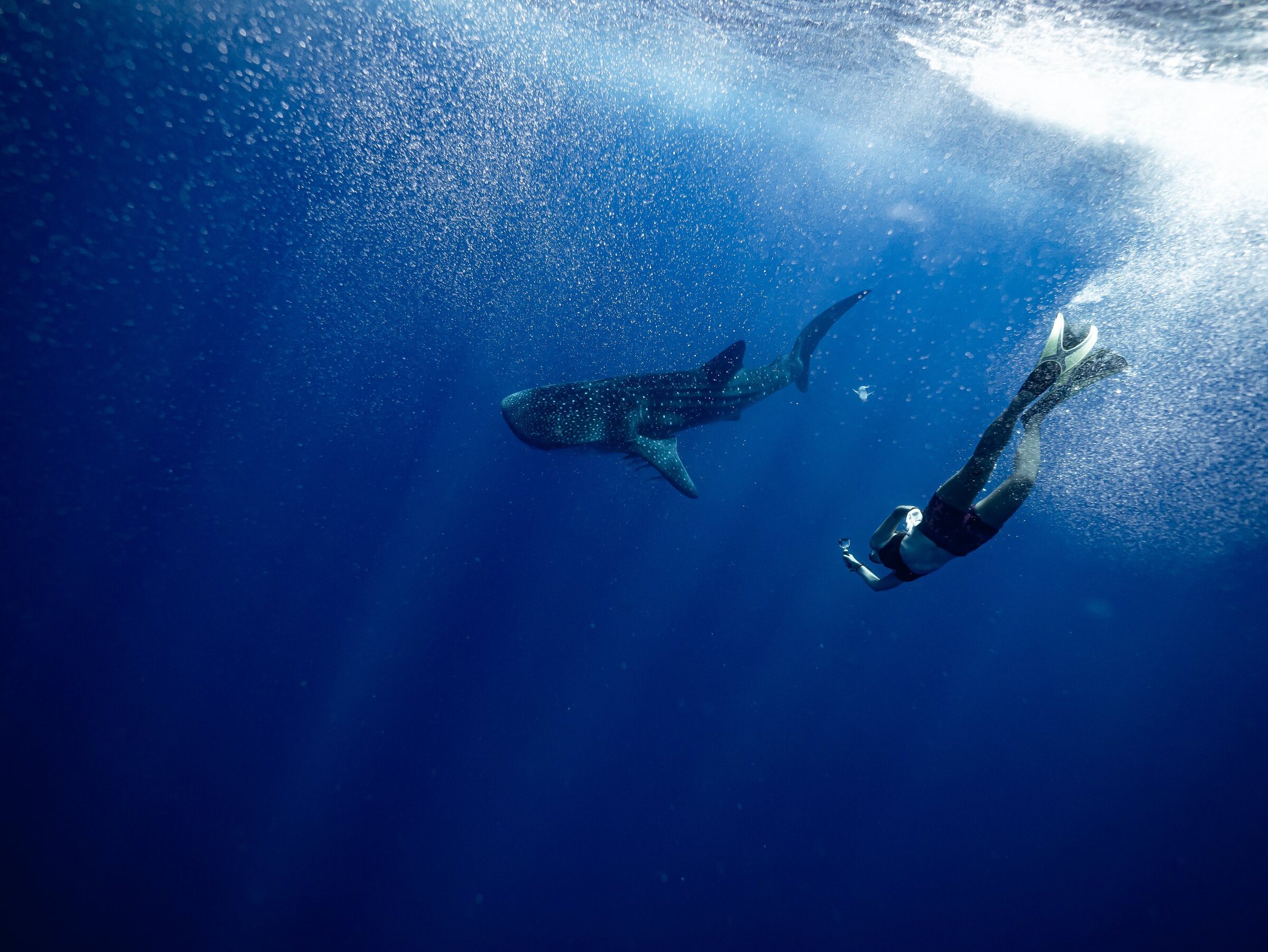
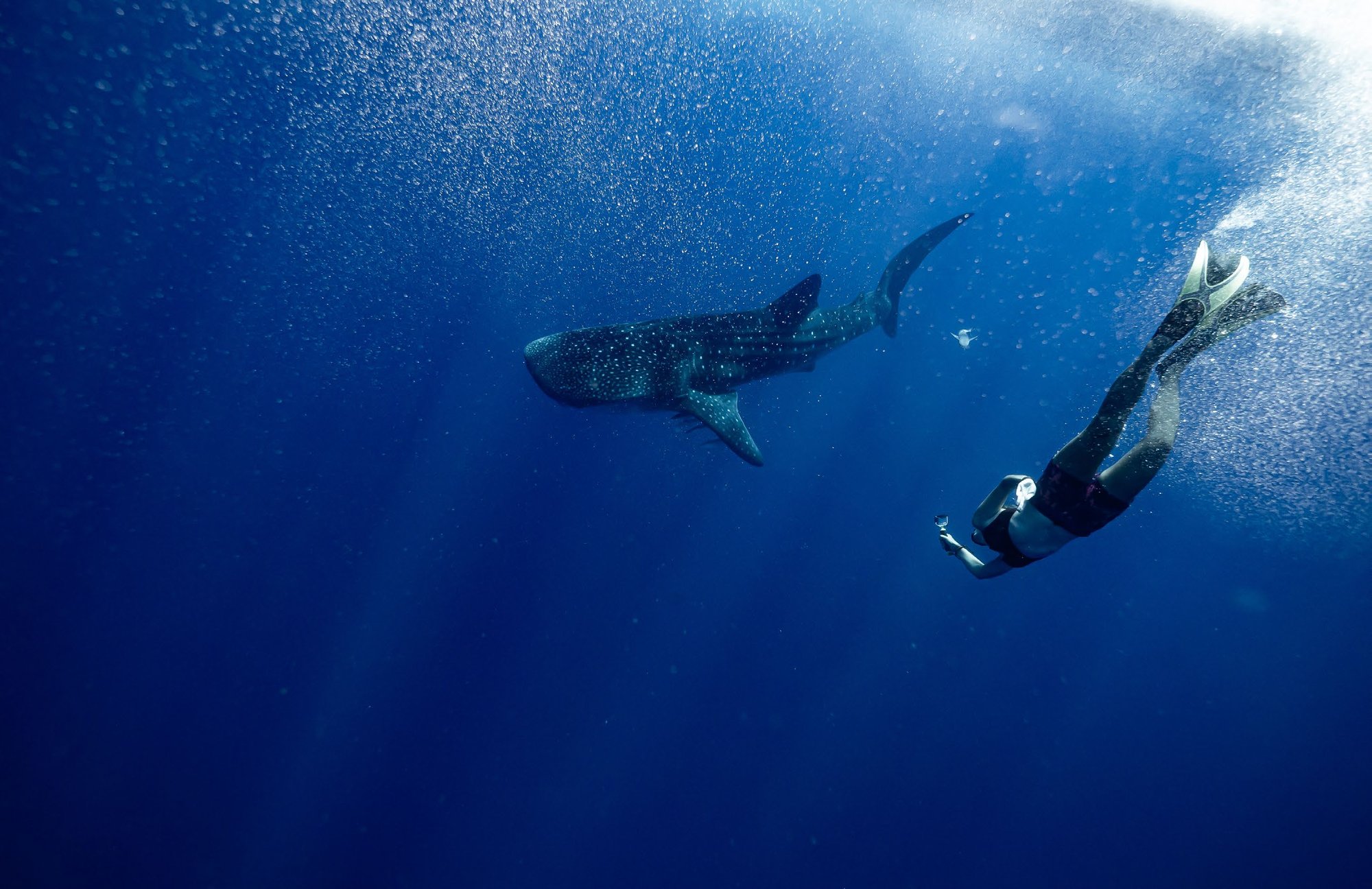
Young whale sharks aggregate off Nosy Be from about September to December, and the Madagascar Whale Shark Project has studied and protected them since 2016.
546 whale sharks identified off Nosy BeLed by Stella DiamantAbout the project →Completed projects
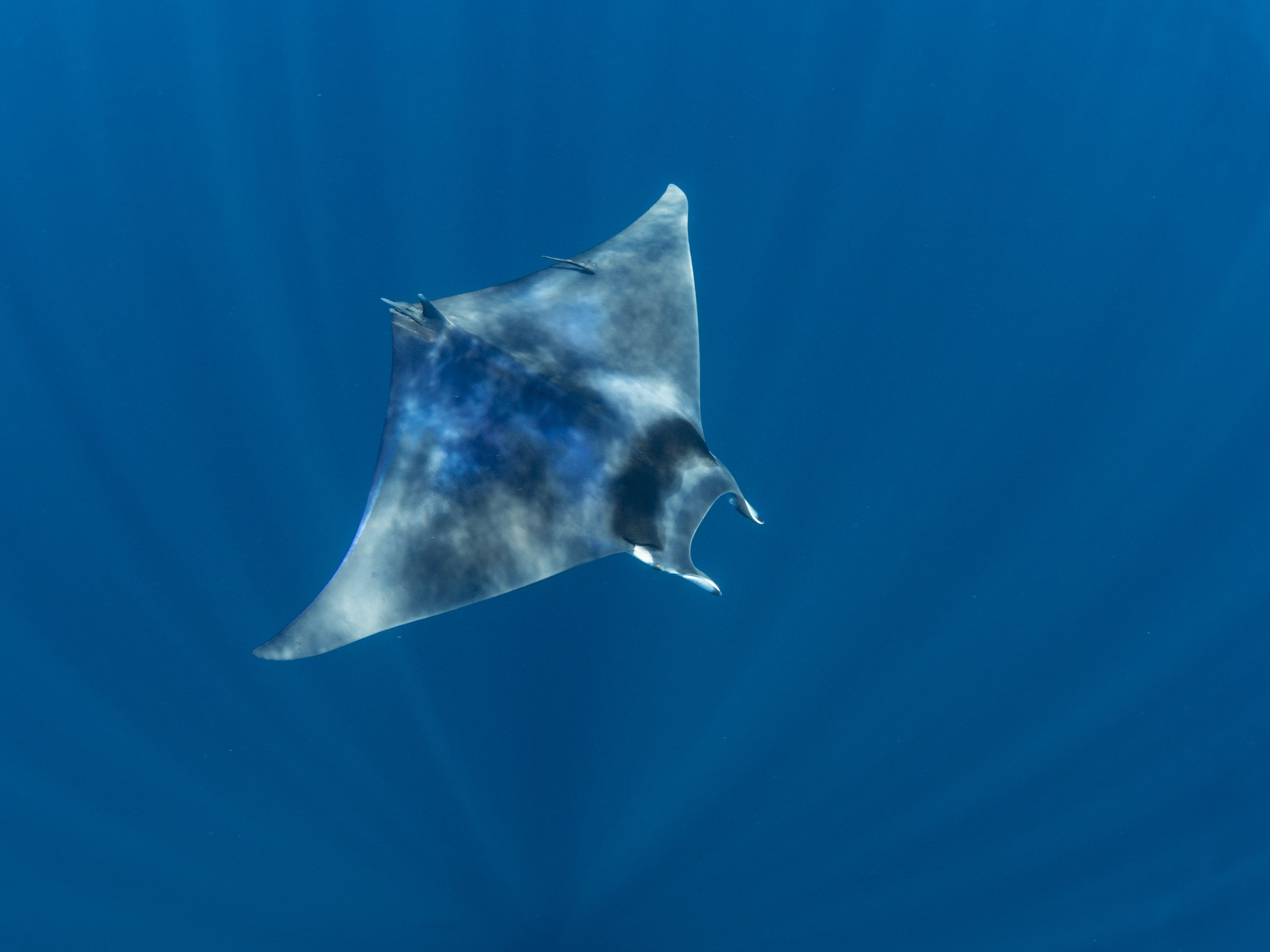 Nosy Be, northwest MadagascarMadagascar Manta and Devil RaysSeven years of surveys off Nosy Be documented three threatened species of manta and devil rays feeding and courting in the same bay, but no sign of reef manta rays since 2015.
What we work on
A code of conduct for whale shark tourism, used by operators since 2017, was made Malagasy law by inter-ministerial decree in December 2023. More than 300 tourism professionals have been trained; however, boats that ignore the code still pose a risk to the sharks and to the swimmers in the water with them.
Manta and devil rays are caught in bottom-set gillnets off Nosy Be and nearby Nosy Faly, which can take up to 30 rays in a single night, and as bycatch in nets set for tuna and billfish. The study recommends regulating gillnet use and monitoring ray catches.
Most acoustic detections of tagged whale sharks fall inside the boundaries of the Tandavandriva marine corridor, which received temporary protection in March 2026. Nosy Be is also recognized as a Key Biodiversity Area and an IUCN Important Shark and Ray Area.
One satellite-tagged shark traveled to southern Madagascar and back, a round trip of more than 4,000 km (2,500 miles), and Mistral, first photographed off Nosy Be in 2019, was resighted off the Seychelles in 2025. Protecting sharks that cross borders therefore requires countries to act together.
.jpg)