Protecting the ocean’s giants
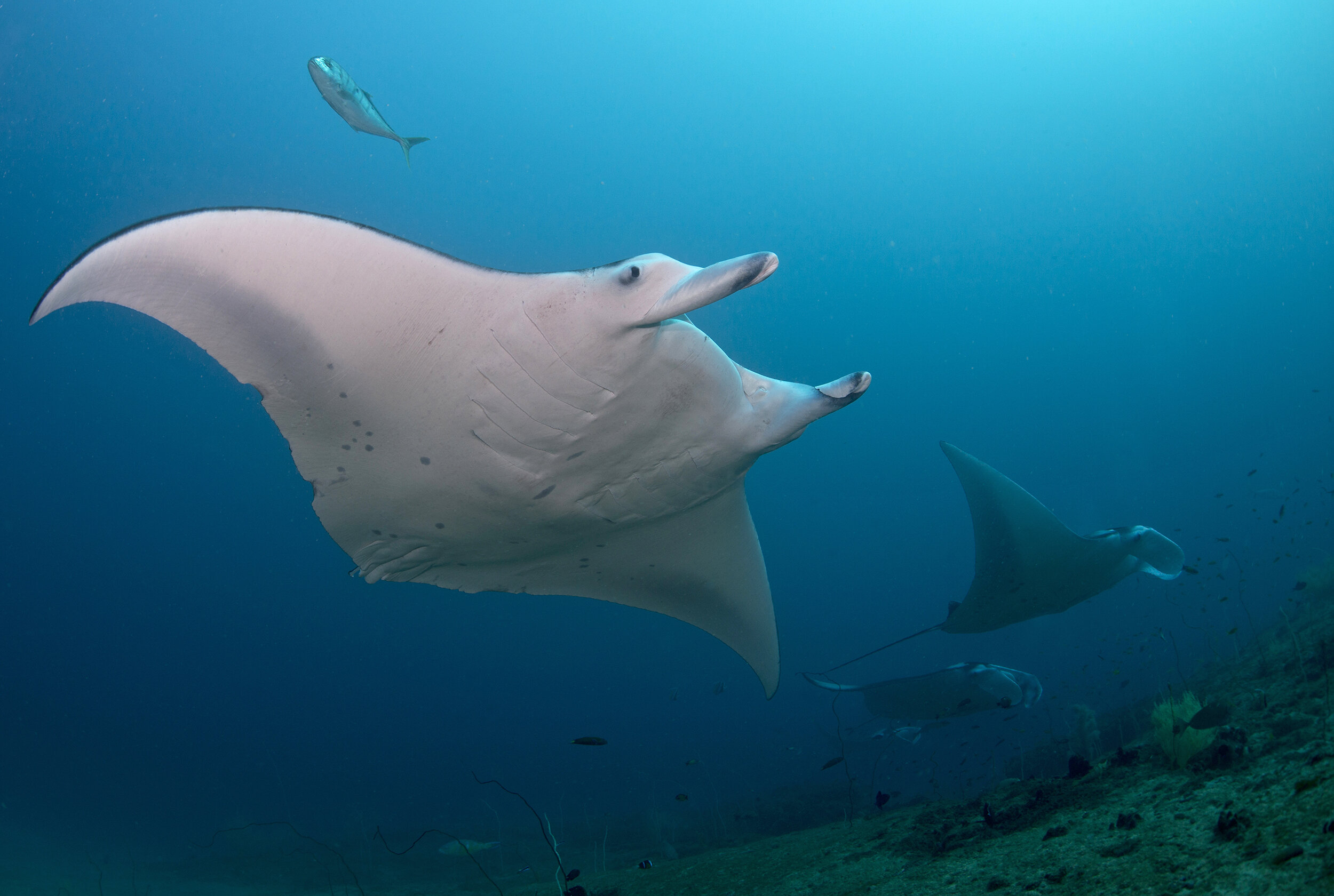
We protect the ocean’s largest and most threatened animals, among them sharks, rays, sea turtles, and marine mammals, through research, education, and conservation.
A future where marine megafauna are treasured and protected.
To protect marine megafauna and their key habitats through research, education, and conservation.
Research, education, and conservation
- 1
Research
We identify where threatened marine megafauna feed, breed, migrate, and aggregate, and measure the threats that kill them, with research that disturbs the animals as little as possible.
- 2
Education
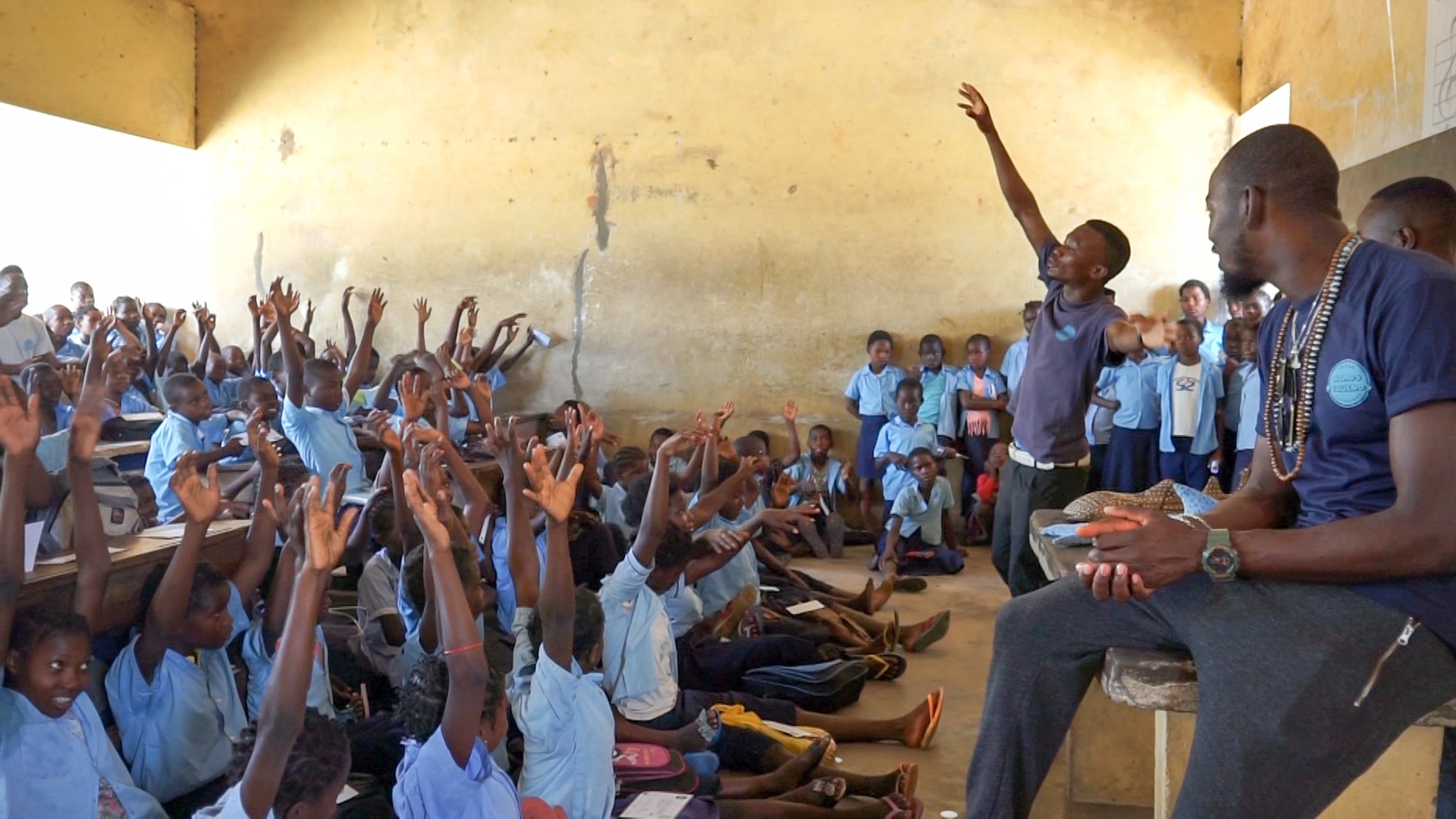
Ocean Guardians, our UNESCO-recognized program in Mozambique, teaches children marine conservation, swimming, and water safety, and our lesson plans reach classrooms elsewhere.
- 3
Conservation
We work with governments and communities to turn scientific findings into lasting legal protection, and then support its enforcement, because a protected area without enforcement is protected on paper only.
The Conservation Blueprint · Sustainable Seas · Where we work
What we’ve achieved
2021
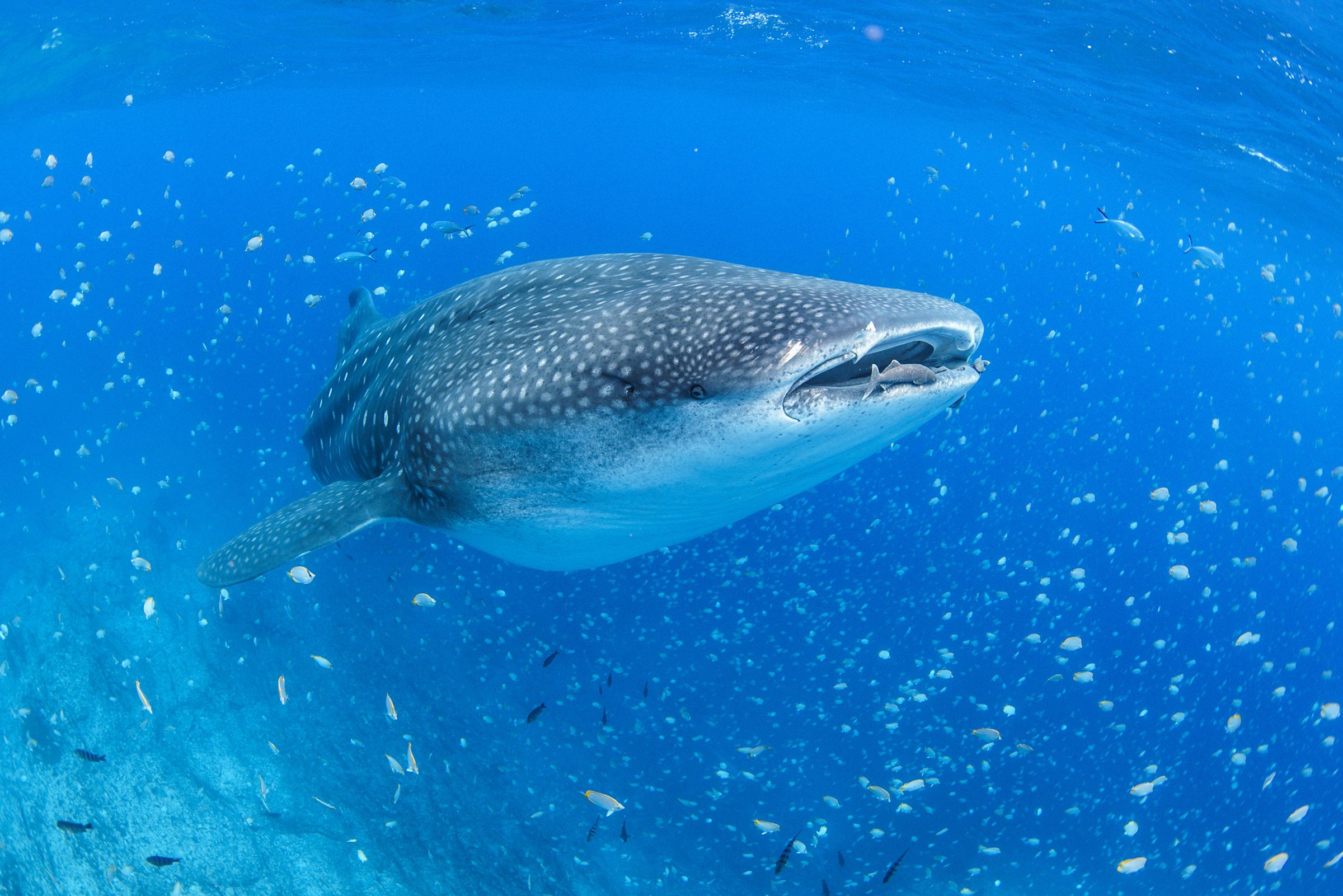
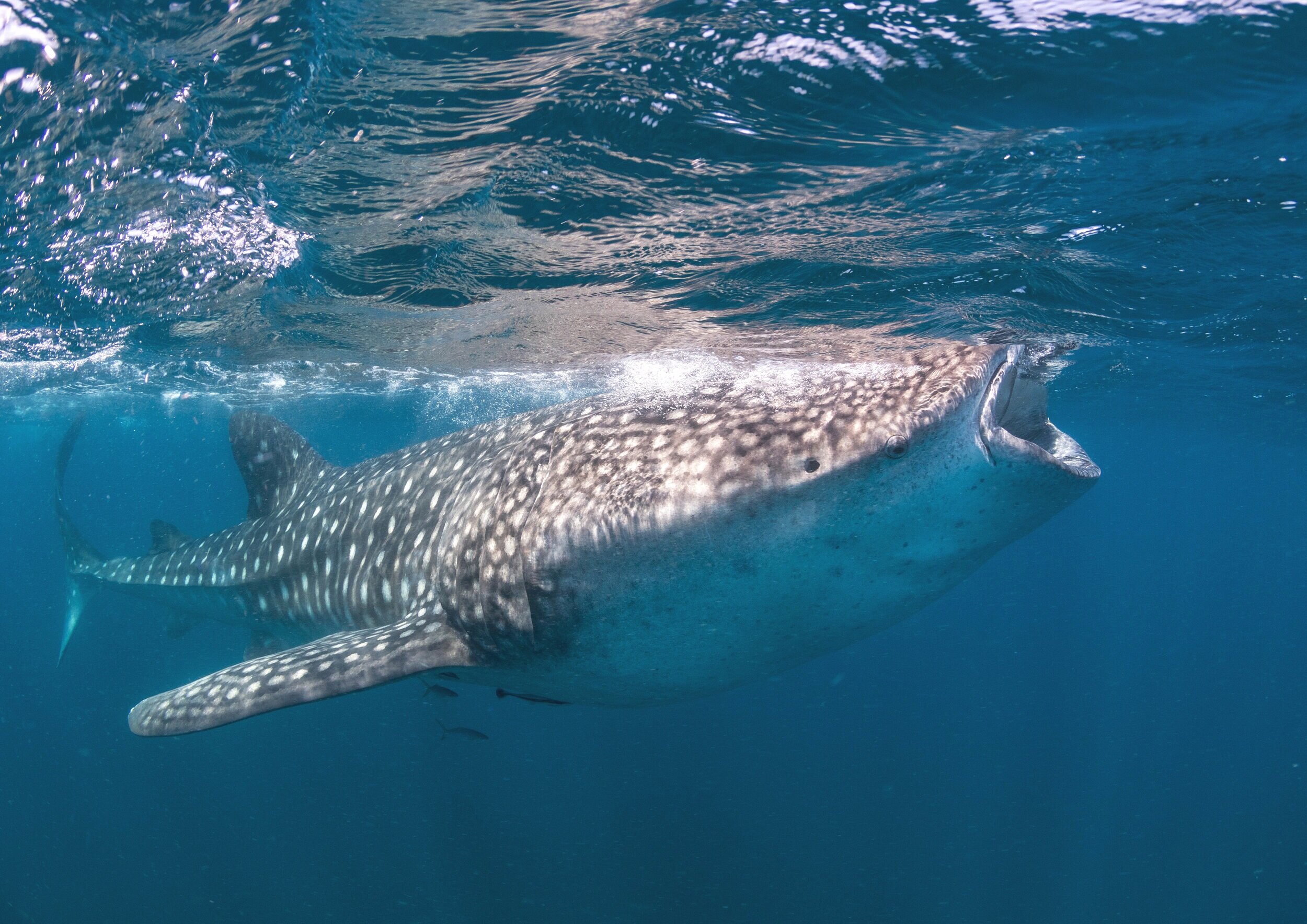
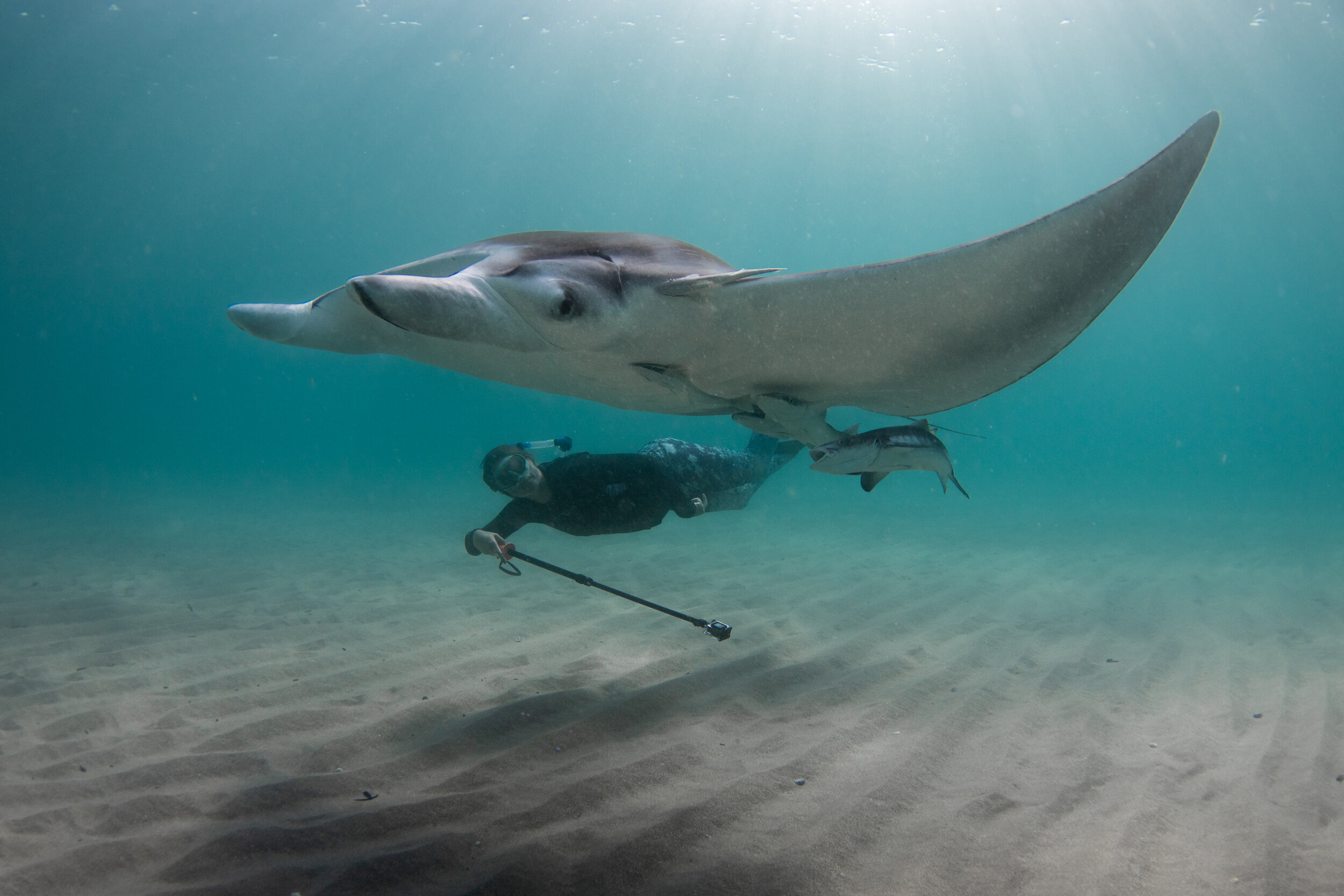
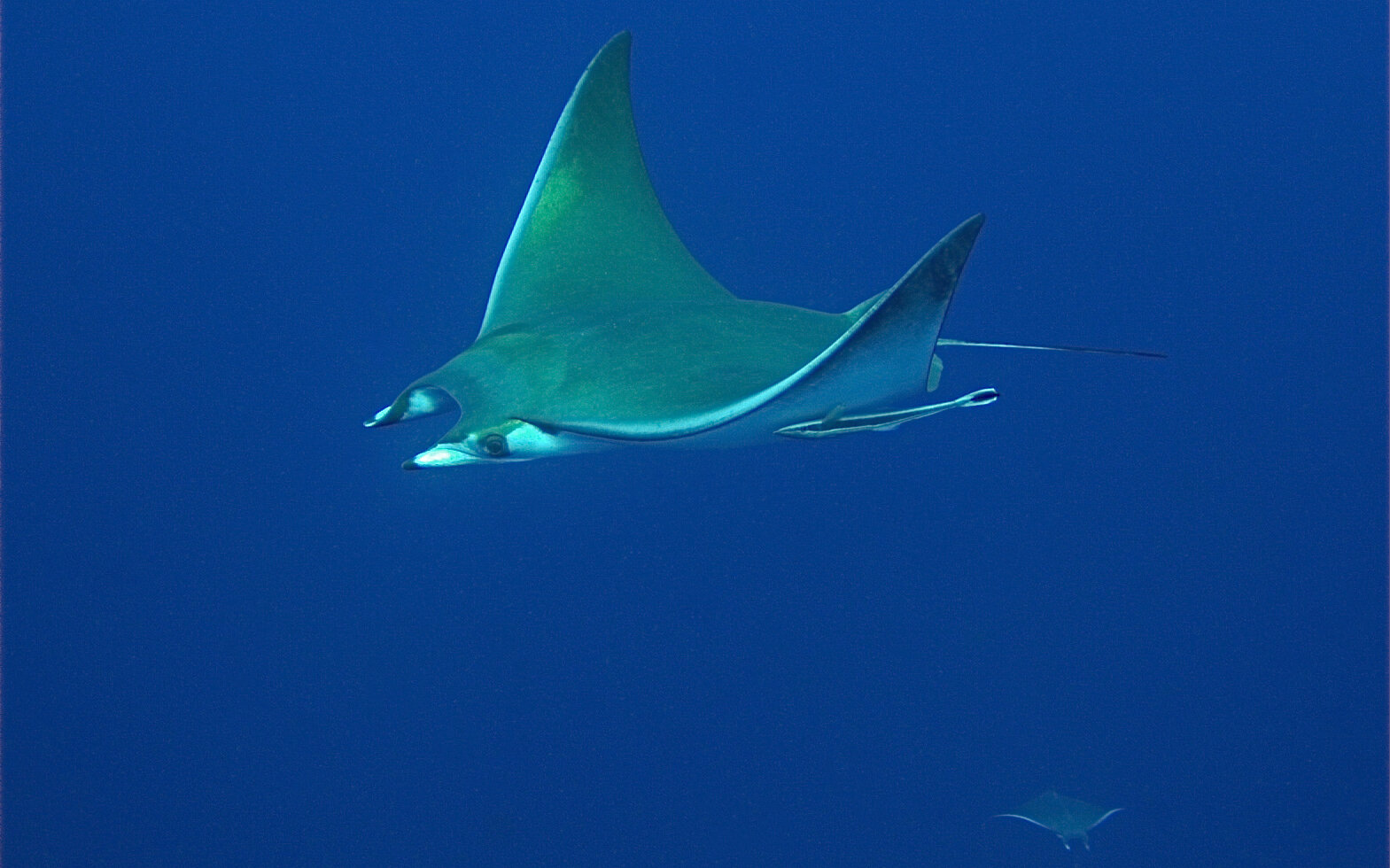
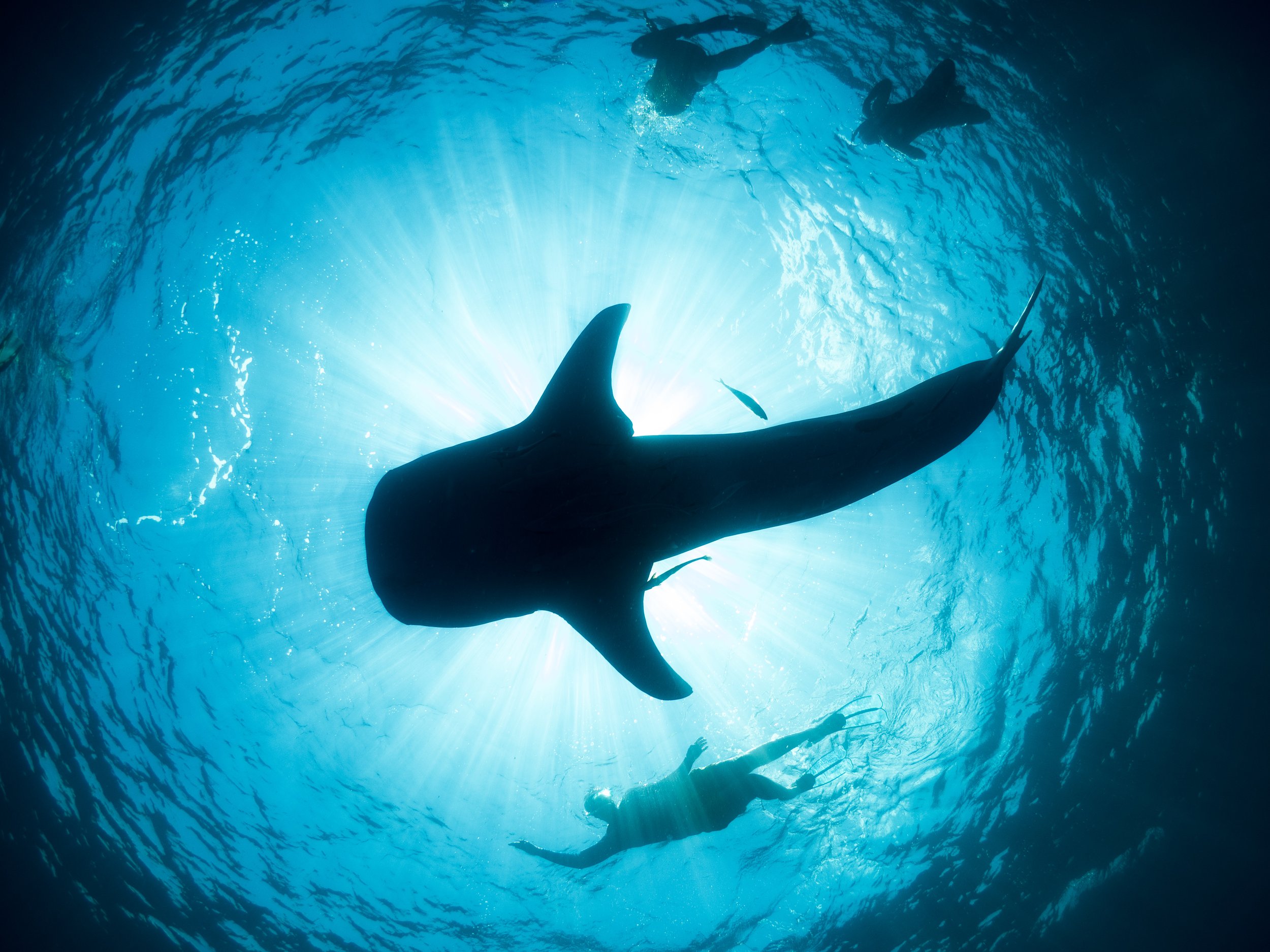
Mozambique gives whale sharks, manta rays, and devil rays legal protection
Mozambique
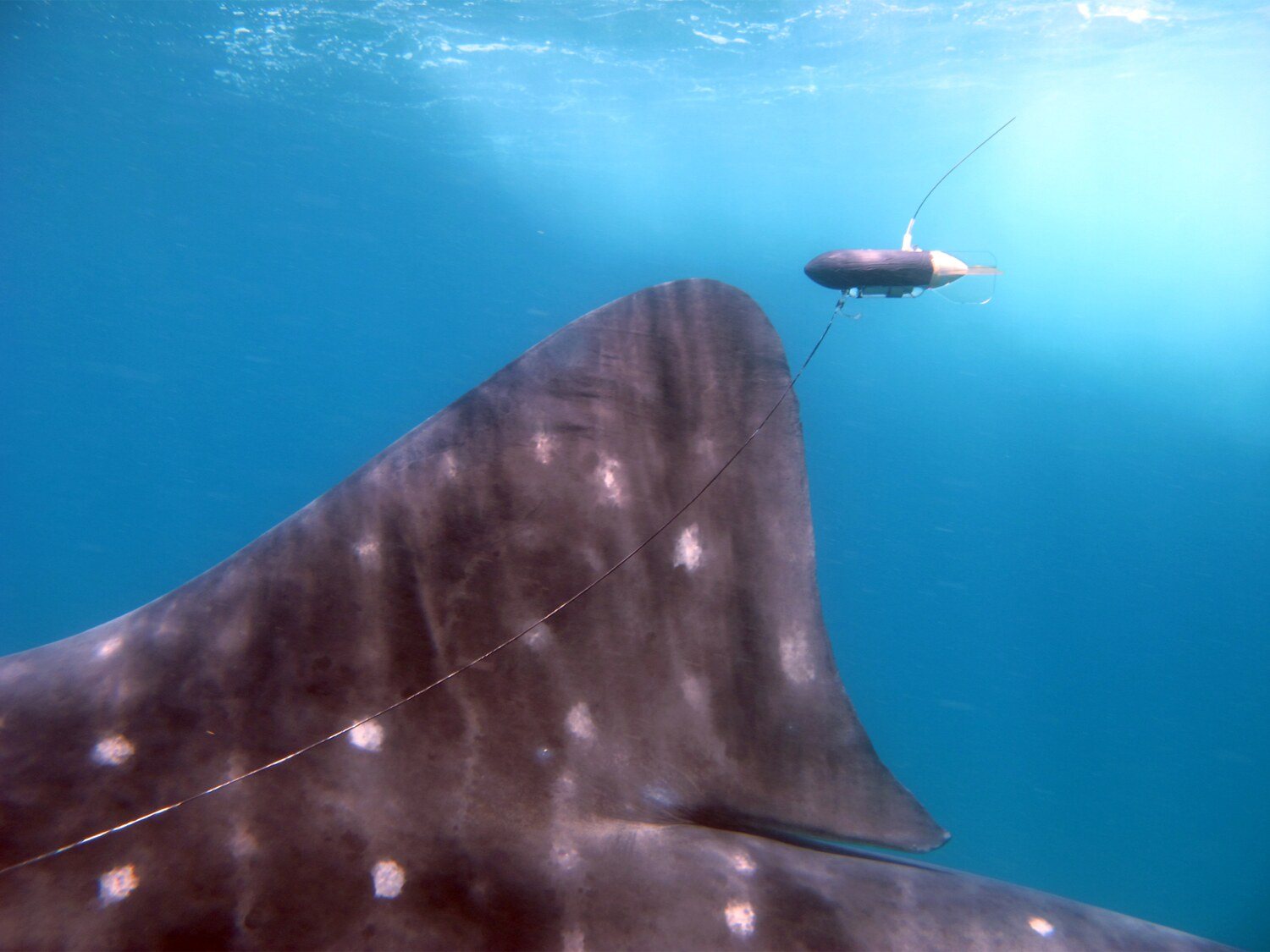
MMF's research and advocacy were a major factor in the Mozambican government's decision to protect these species, which took effect in January 2021.
Source: Mozambique Whale Shark Project; Mozambique Manta & Devil Ray Research Project
2025
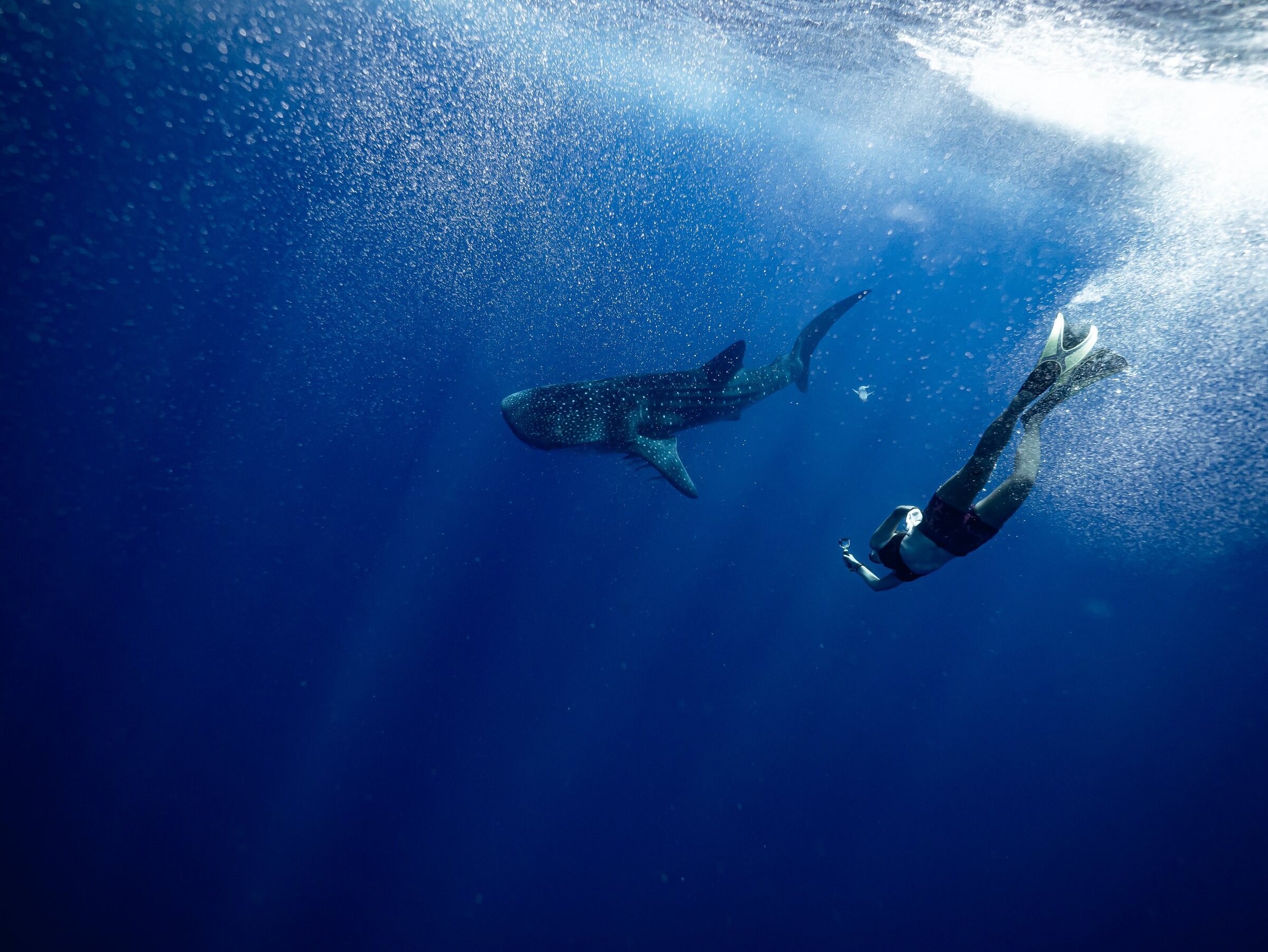
Whale sharks move to Appendix I of the Convention on International Trade in Endangered Species (CITES), its highest level of protection
Global
Agreed in November 2025 and in force since March 5, 2026, the listing prohibits international trade for primarily commercial purposes. Our long-term science and Red List work form part of the evidence behind it.
Source: Mozambique Whale Shark Project; Global Whale Shark Program
2023
Madagascar writes the whale shark tourism code of conduct into law
Nosy Be, Madagascar
The Madagascar Whale Shark Project leads this work, with MMF as a partner. Used in the whale shark tourism industry since 2017, the code became Malagasy law by inter-ministerial decree in December 2023, and more than 300 tourism professionals have been trained in it.
Source: Madagascar Whale Shark Project
2016
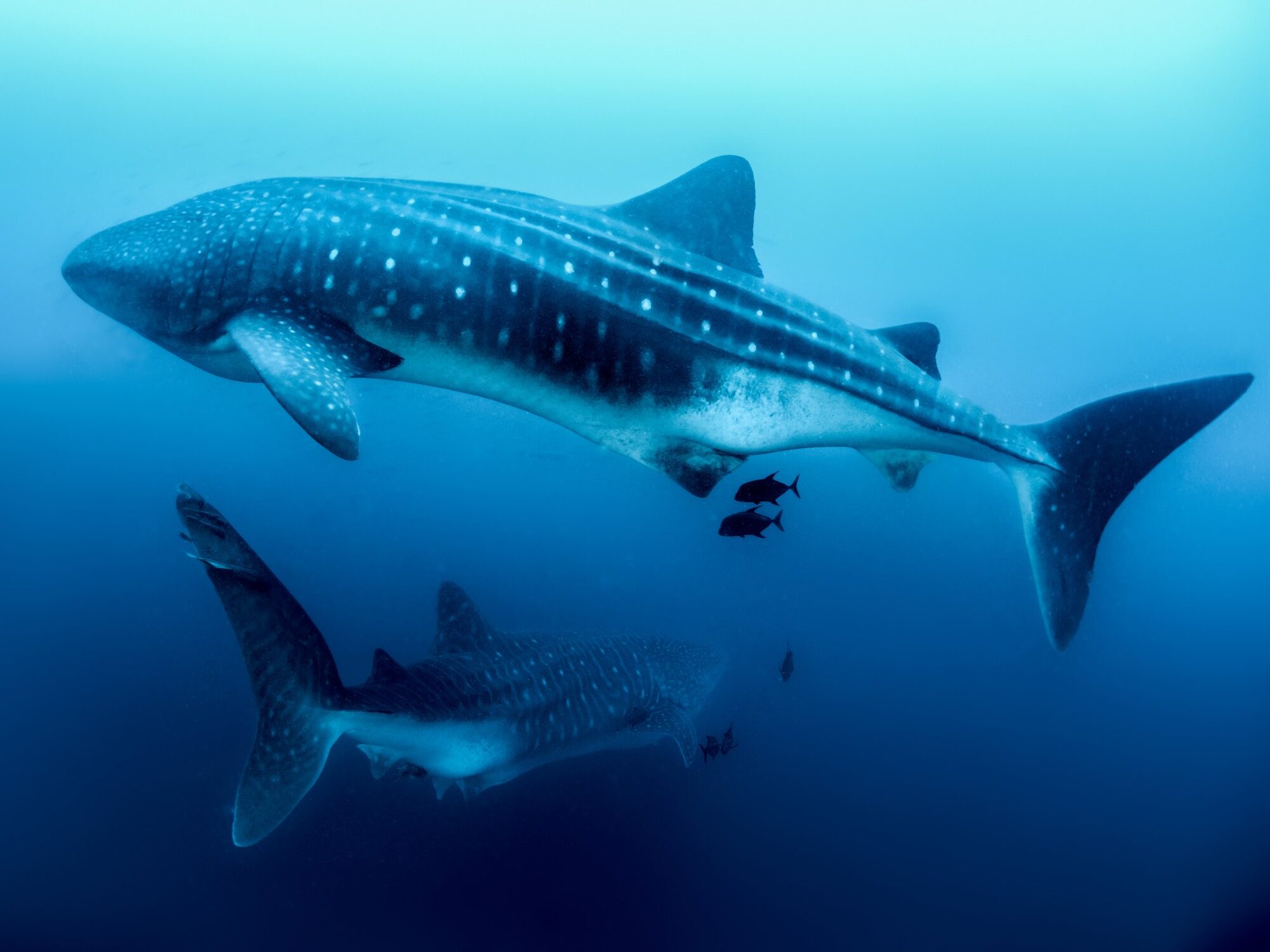
MMF scientists co-lead the IUCN Red List assessment that lists the whale shark as Endangered
Global
The 2016 global assessment moved the species from Vulnerable to Endangered, and our scientists led the 2025 reassessment that reaffirmed it. That assessment infers that whale shark numbers have fallen by 50 to 79% over the past three generations, about 120 years.
Source: Global Whale Shark Program; Our strategy
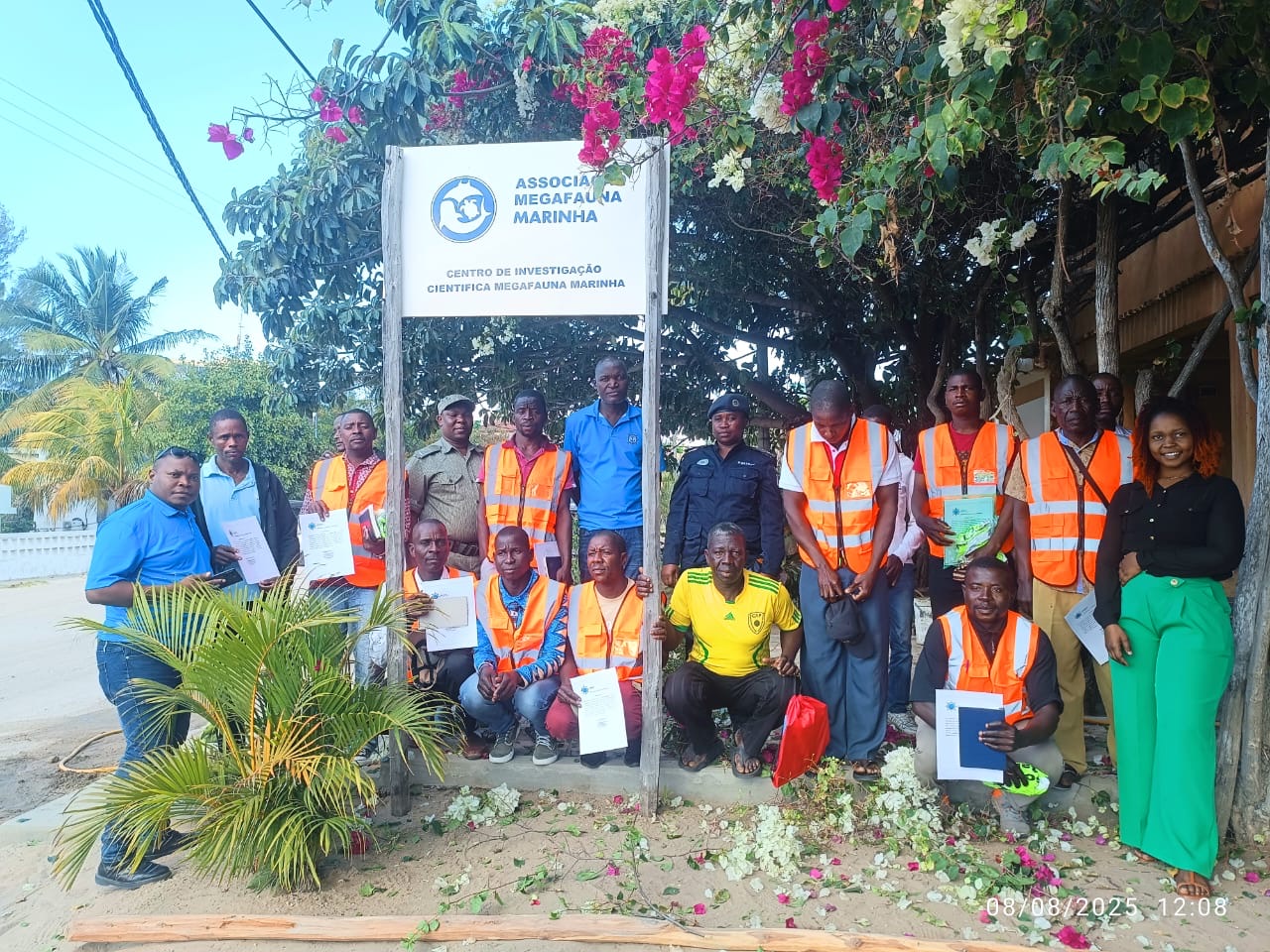
Led by people from the places we work
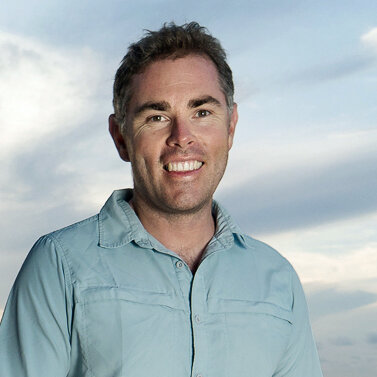
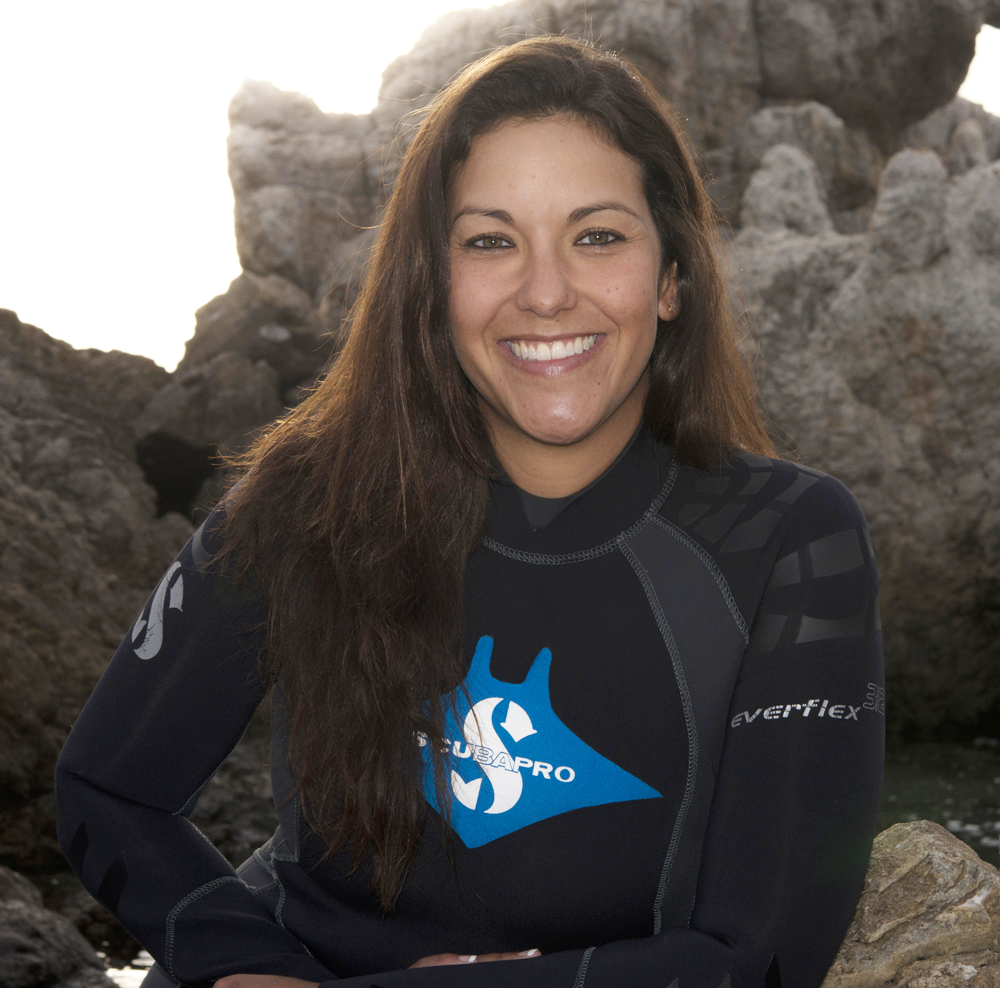
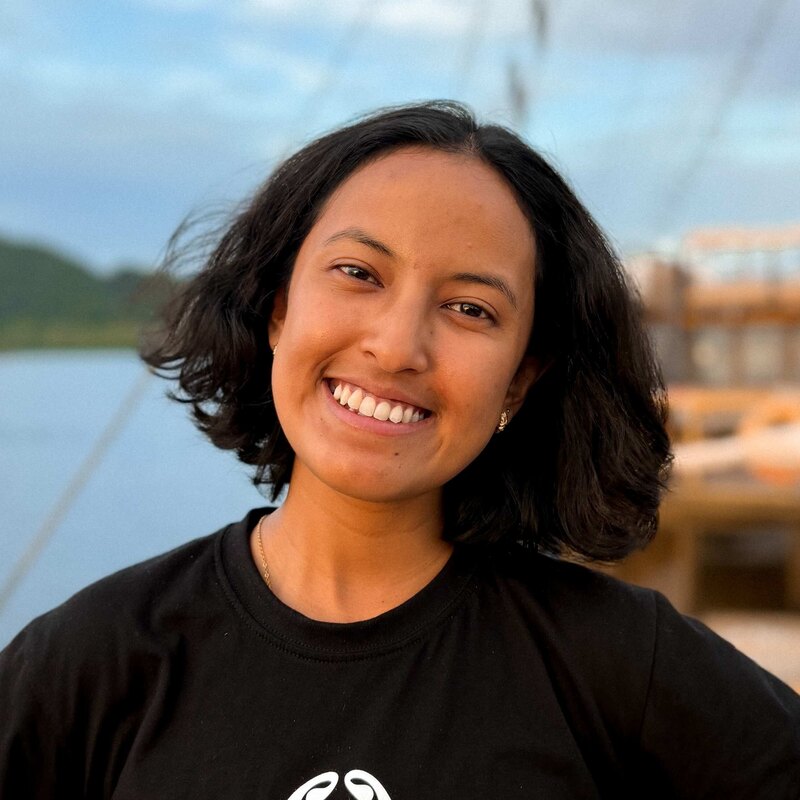
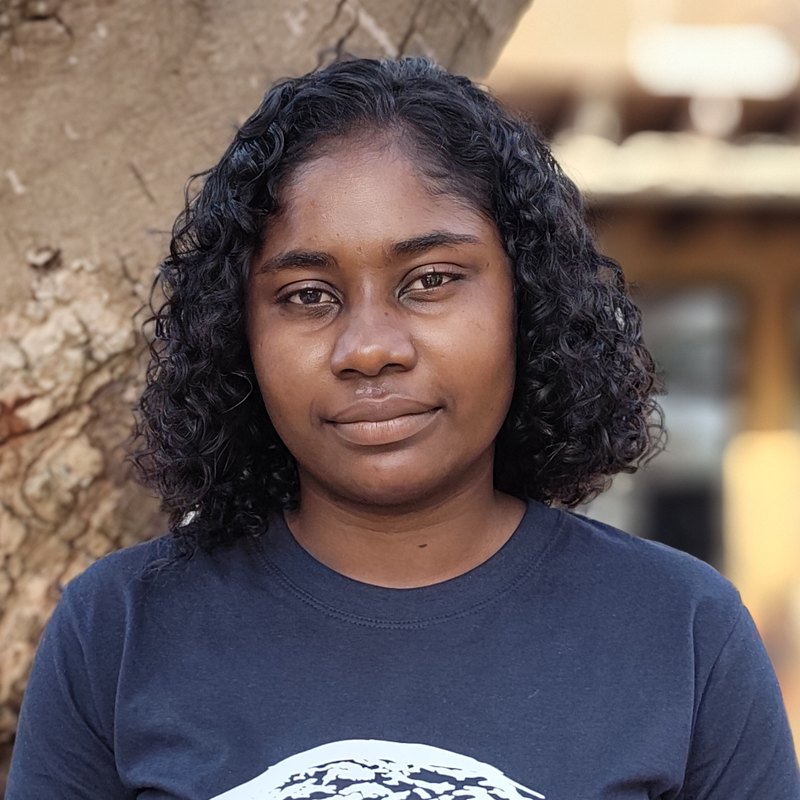
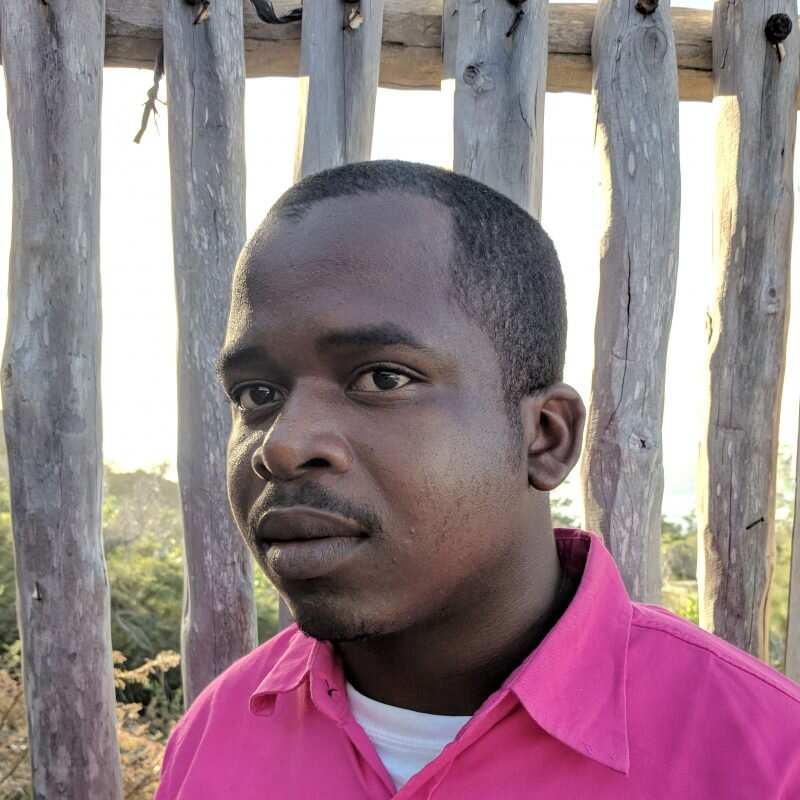
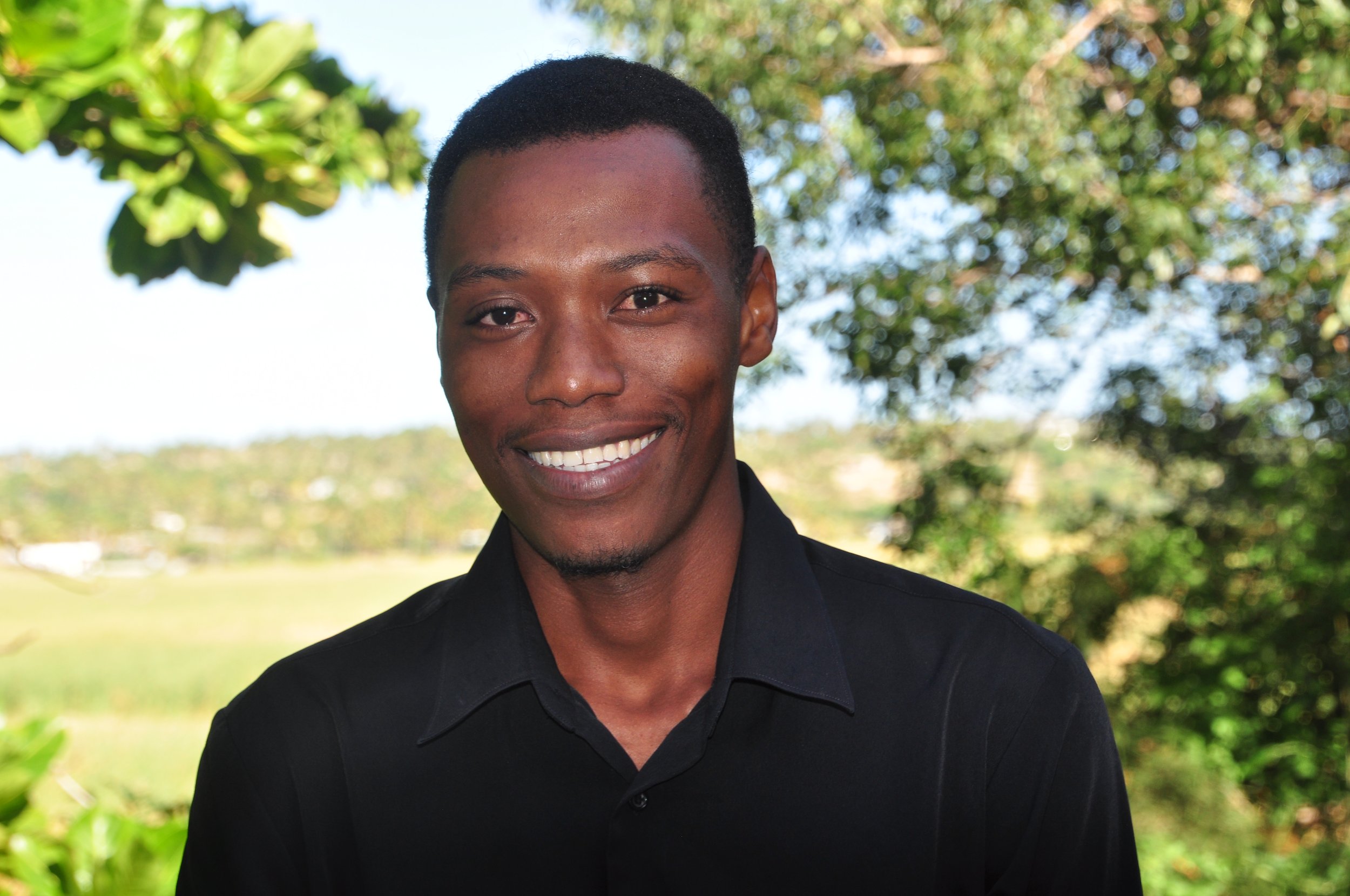
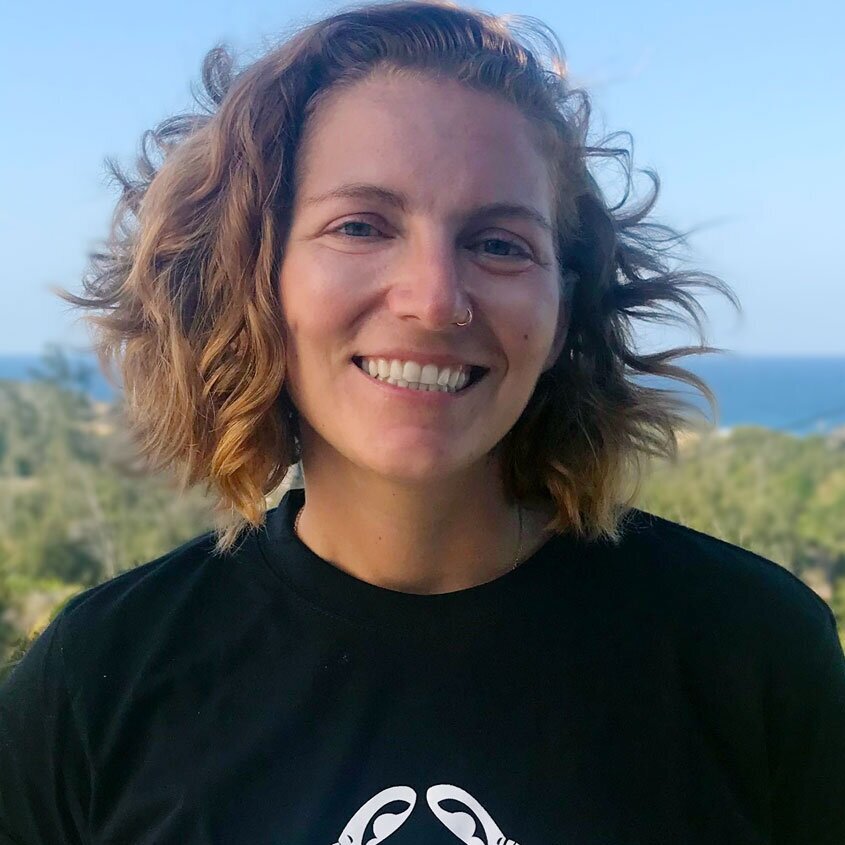
MMF is led by a team of scientists and conservationists, most of whom came through our own capacity-building programs. Our Country Manager in Mozambique started as an MMF swimming instructor; our Country Manager in Indonesia joined as MMF's first Indonesian intern.



From one study to a global foundation
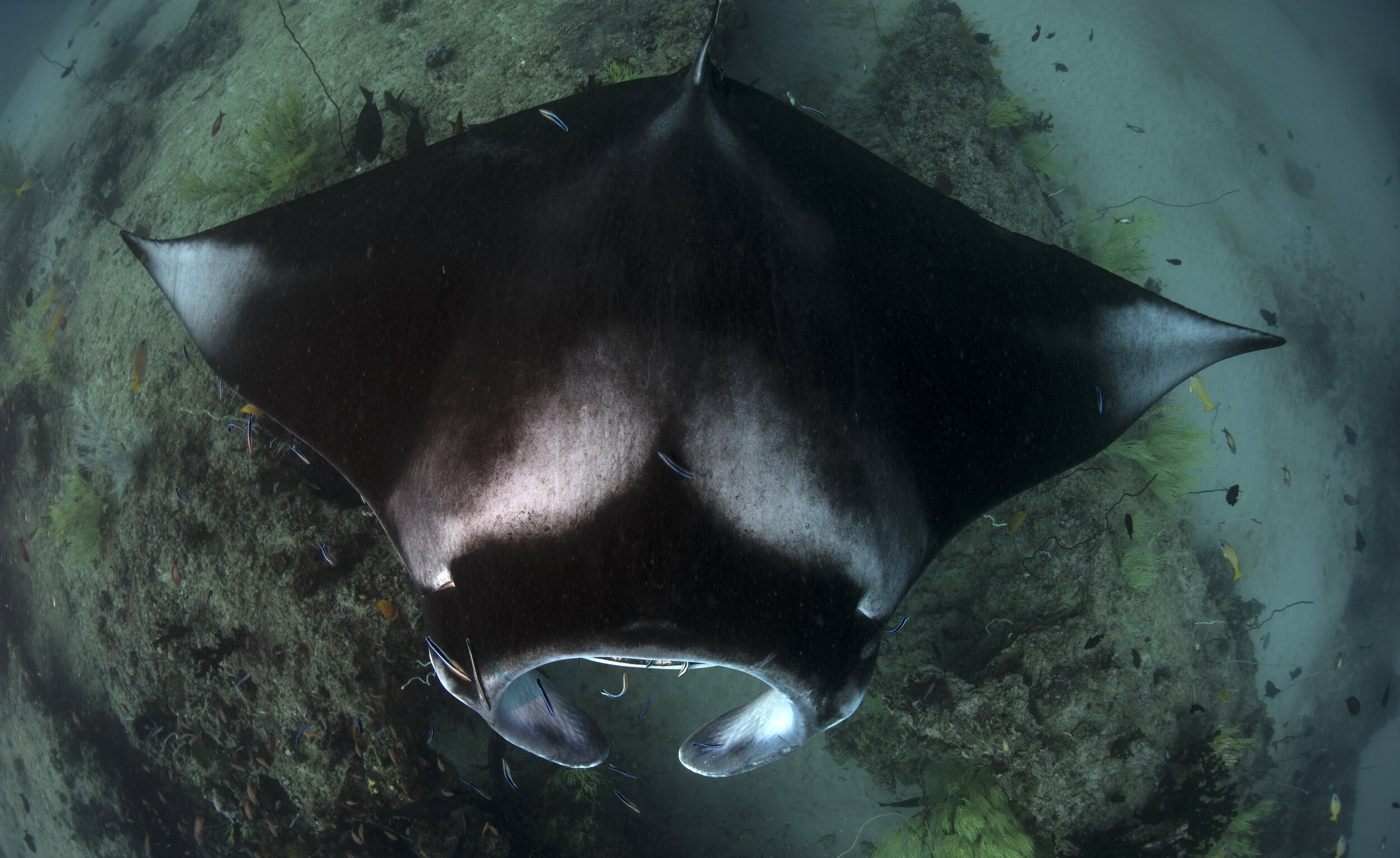
Dr. Andrea Marshall and Dr. Simon Pierce found the Marine Megafauna Foundation.
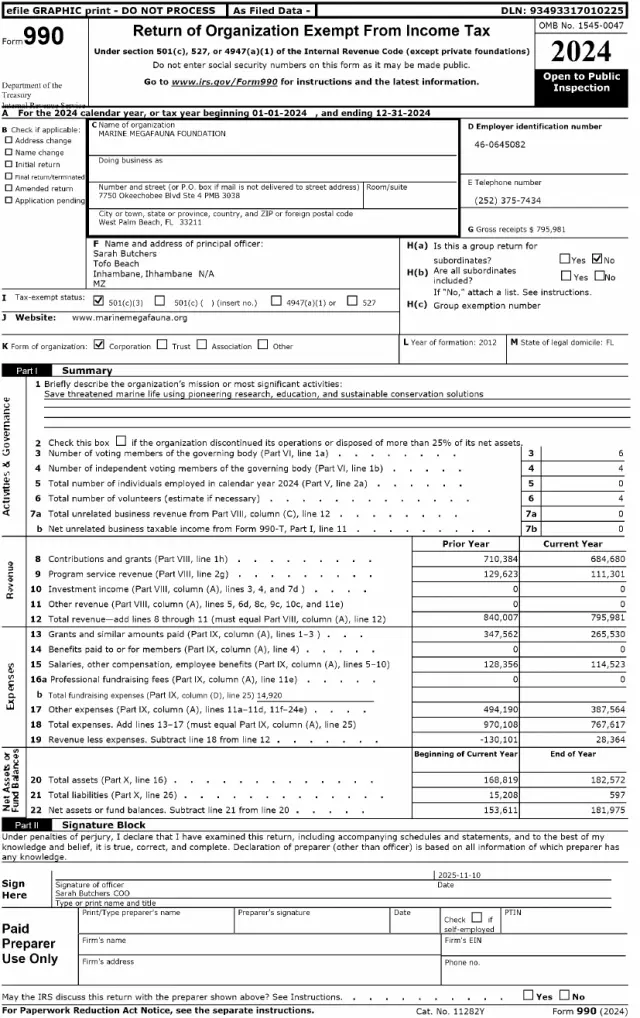
MMF is registered as a nonprofit organization in the United States.
Find out more



Platinum Seal of Transparency
MMF first earned the Platinum Seal of Transparency in 2024 and has renewed it every year since, most recently for 2026.
Candid awards seals to nonprofits that share information about their governance, finances, and programs on their Candid profile. It is recognition for transparency; it is not an audit and does not measure effectiveness.
Our Candid profile (opens in a new tab)Financial transparency
Get in touch
General questions: [email protected]. Funding and partnerships: [email protected]. Media: [email protected].